This week on the GeekWire Podcast: A study commissioned by the City of Seattle says the city is not in decline but is in danger — finding that 10 companies, nine of them in tech, pay three-quarters of the payroll tax on large employers, and that the tax structure uniquely penalizes the hiring of senior, high-compensation workers.
The report says Seattle should be most concerned about AI but most active in cleantech, the one industry the city can actually shape, since it owns the electric utility and controls permitting, building codes and land use.
Meanwhile, the Seattle Times and Newsday sue Microsoft and OpenAI, accusing them of copying hundreds of thousands of articles to train their AI models, putting Microsoft’s hometown paper against a company that helps fund some of its journalism.
Which leads us to a new GeekWire Trivia Challenge about the Microsoft products that Apple later turned into categories. Stick around to the final segment to see if you can figure it out.
Upcoming Event
AI meets real estate
GeekWire, in partnership with Real Estate at Work, is recording the GeekWire Podcast live at 4 p.m. Wednesday, Sept. 16, with Toby Roberts, SVP of Engineering at Zillow. John Cook and Todd Bishop host with Real Residential broker Leka Devatha at Atmosphere Seattle. Grab a ticket.
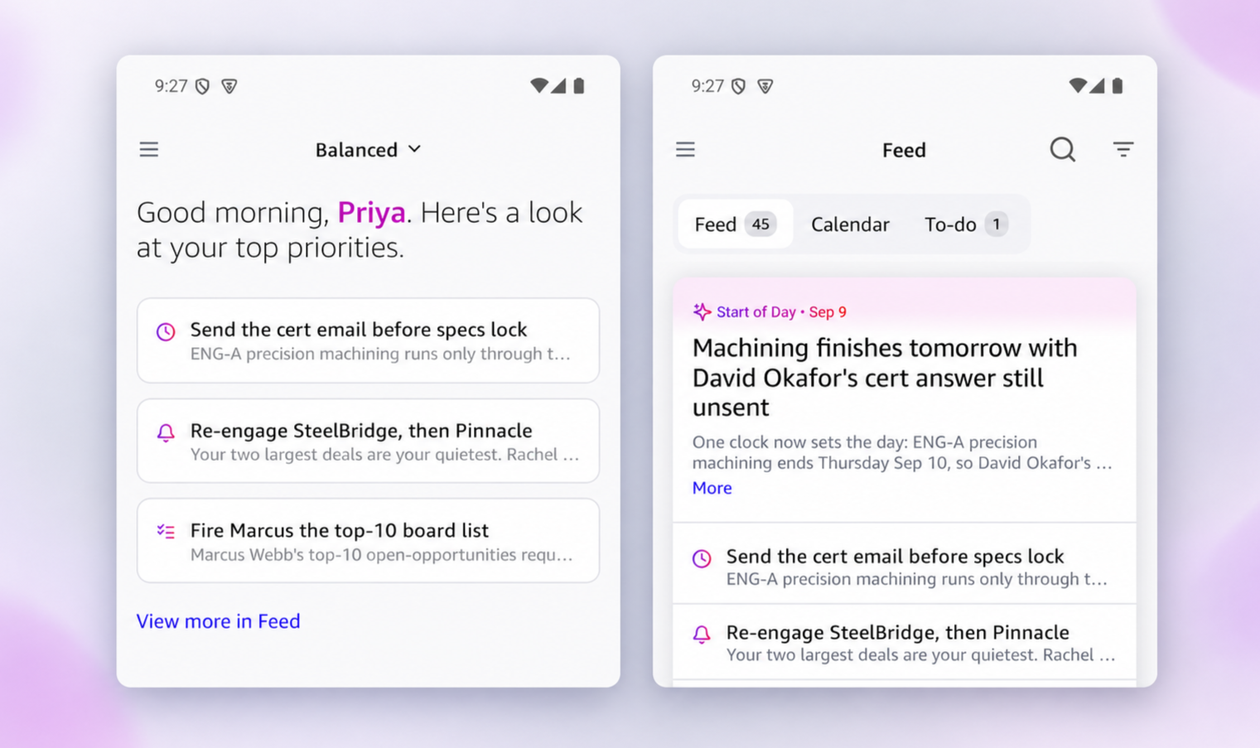
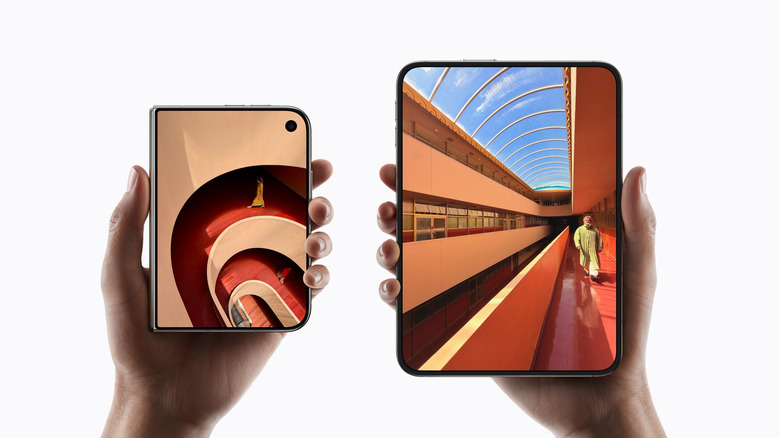
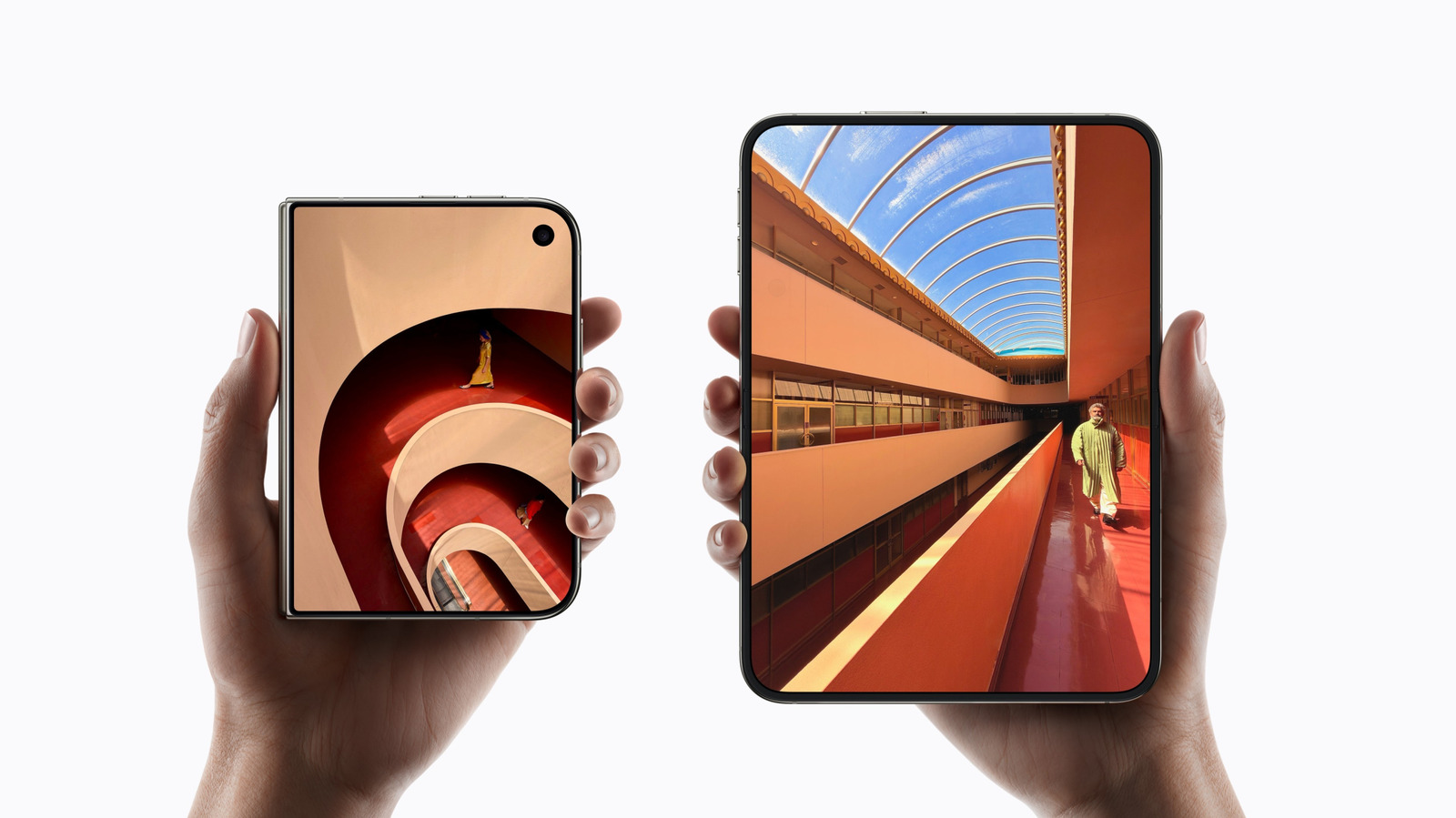
Amazon Quick’s new activity feed on mobile: the morning priority view, left, and the full feed. (Amazon Images)
Amazon is adding the Activity Feed and other features from its Quick desktop app to the AI assistant’s mobile apps for iOS and Android.
The Activity Feed is the signature feature of Amazon Quick. It combines email, Slack messages, calendar invites and CRM updates into one prioritized list, and lets people act on items (opening and responding to emails, for example) without switching apps.
Amazon said Wednesday that the Quick desktop app, released in preview in April, is now generally available on Windows and macOS. The company also said Quick’s agents now run in the cloud, so they keep working after a laptop is closed and deliver results to the feed.
The desktop and mobile apps now sync, as well, so a task started on a laptop can be picked up on a phone, for example.
Quick has a free tier, with paid individual plans starting at $20 per user per month billed annually, and business plans running $20 to $40 per user per month.
Quick is Amazon’s entry in a crowded market for AI assistants at work, competing with Microsoft Copilot, Google Gemini, OpenAI, Anthropic and others. Amazon’s announcements cited business customers for Quick including Southwest Airlines, LabCorp and the PGA Tour.
The desktop app came together fast, as part of a new effort inside Amazon to use small teams to move quickly: Swami Sivasubramanian, the AWS vice president of agentic AI, told GeekWire in June that a team of about six engineers started in late January and shipped April 28.
Amazon is expanding shopping integrations across Prime Video, letting viewers discover products tied to thousands of shows, movies, and live sports through X-Ray, its shopping app, and a new Lens-powered “Shop the Scene” feature.
The September update for Amazon’s cloud-based gaming service Luna comes with multiple new features, the most prominent of which is one that will allow up to 7 other players to remotely participate in the same gaming session.
Since its aggressive relaunch earlier this summer, Amazon has pinned its hopes for Luna on multiplayer games and the casual market. Anyone with an active Amazon Prime subscription has access to Luna and can launch it directly from the Prime Video app, which allows them to stream an assortment of video games to their TV, browser, or tablet via Amazon’s cloud servers.
This includes around 60 casual-friendly multiplayer games, designed to be playable by just about anyone of any age as a group activity, and some of which are exclusive to Luna as a platform.
Its newest feature, Remote Play, changes how multiplayer titles work on the service. One player with a Prime subscription can now invite up to 7 other people to participate remotely in a multiplayer Luna game, as long as all 7 of those people have an account on Amazon and a compatible device. This reportedly works with every multiplayer game on Luna, including those that formerly required every player to physically be in the same room.
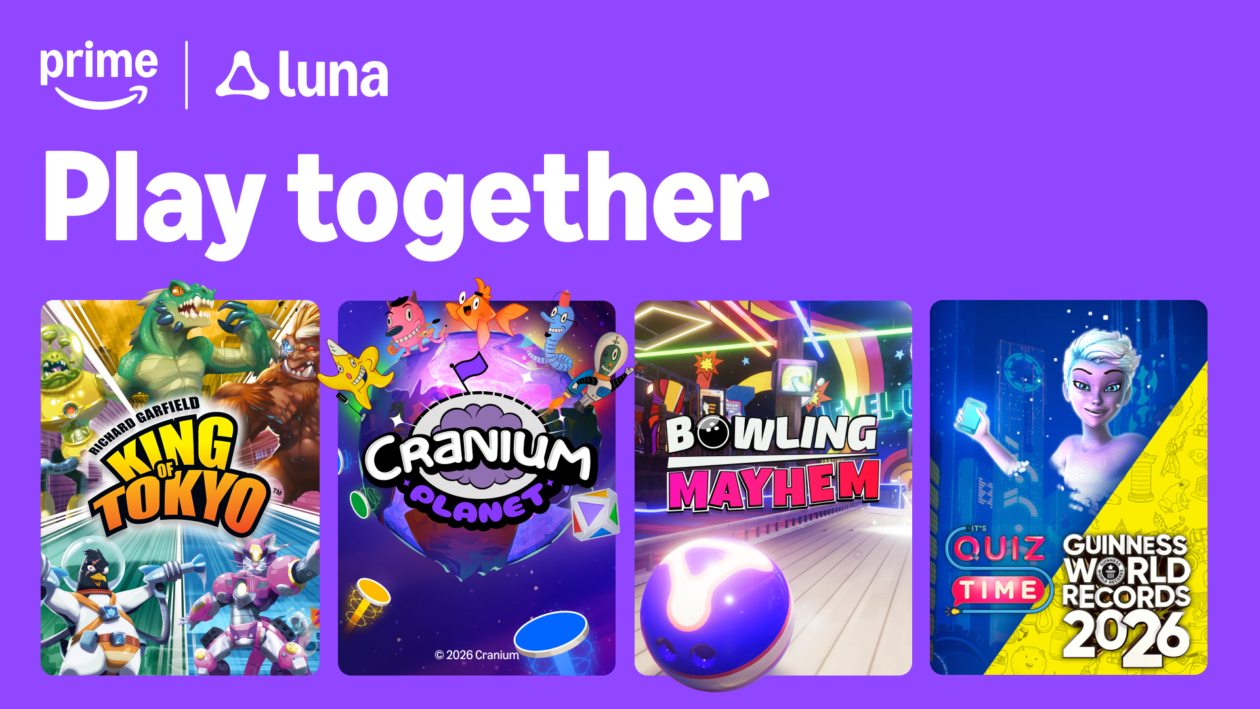
Two new games have been added to Luna’s library that specifically take advantage of Remote Play. This includes a Luna-exclusive mobile version of Magic: The Gathering creator Richard Garfield’s 2011 board game King of Tokyo, in which players take the role of giant monsters fighting one another in the ruins of Japan.
(Amazon press image)
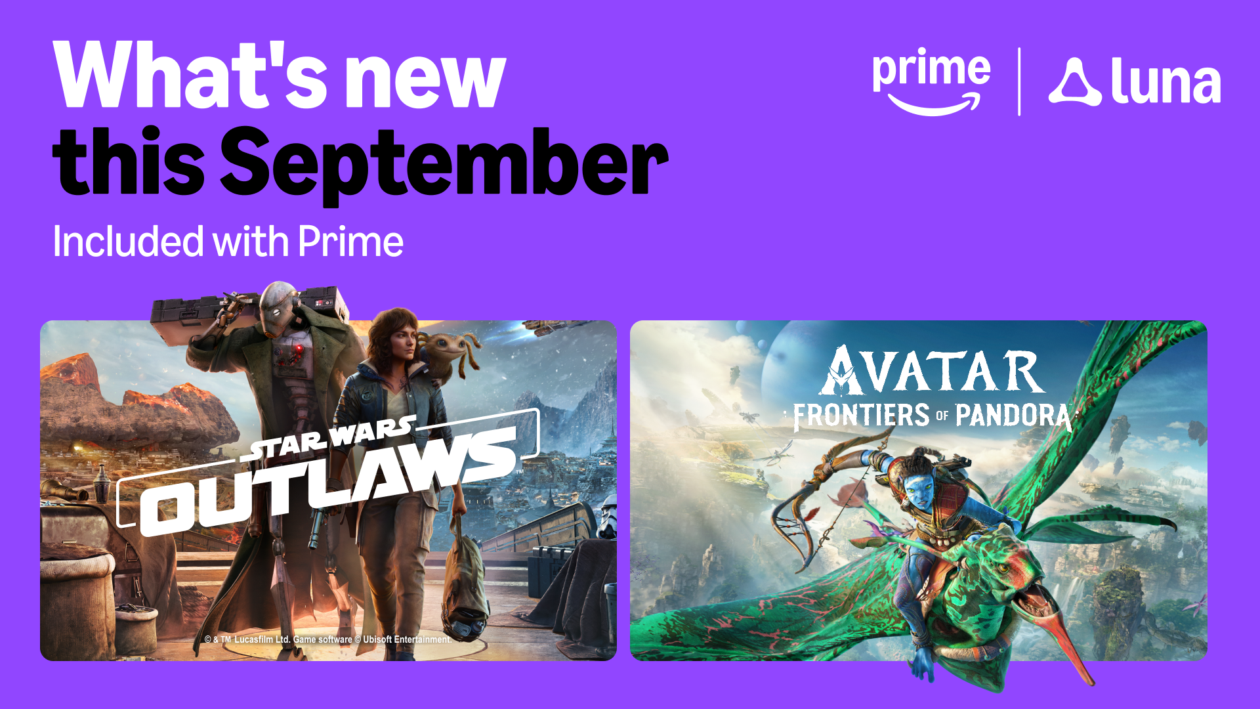
Other additions to Luna this month include access to two relatively recent games from the French publisher Ubisoft: 2024’s Star Wars: Outlaws and 2023’s Avatar: Frontiers of Pandora, the latter of which is set in the universe of James Cameron’s film franchise.
Amazon has not shared user data for Luna since its recent relaunch, so it’s difficult to tell from outside the company how much of an audience it’s been able to build. Luna represents a bet by Amazon that, in the midst of the ongoing component crunch and the related rise in hardware costs, it can build an audience by offering access to popular video games via whatever devices people might already have in their homes.
A few years ago, cloud gaming as a whole was one of the major topics in the games industry, with some analysts going so far as to predict that it was the future of hardware. Instead of purchasing an Xbox or PlayStation in your own home, you’d simply dial into a remote server and stream games to your TV.
That gold rush has largely faded in recent years, as the furor over genAI has stolen some of its thunder, but cloud gaming is still a going concern and a surprisingly competitive market. Luna might be the most accessible option for would-be cloud gamers, as it’s bundled into a subscription that 200 million households already have, but it’s quietly up against giants like Nvidia, Microsoft, and Sony.
Some of the biggest names in the games industry have placed a quiet bet that the “RAMageddon” will quietly push audiences further towards the cloud. As yet, there’s no solid evidence whether or not it’s paid off. Still, if you’re looking to get into video games but missed your window to get a relatively inexpensive computer or console, the cloud might offer you some worthwhile options.
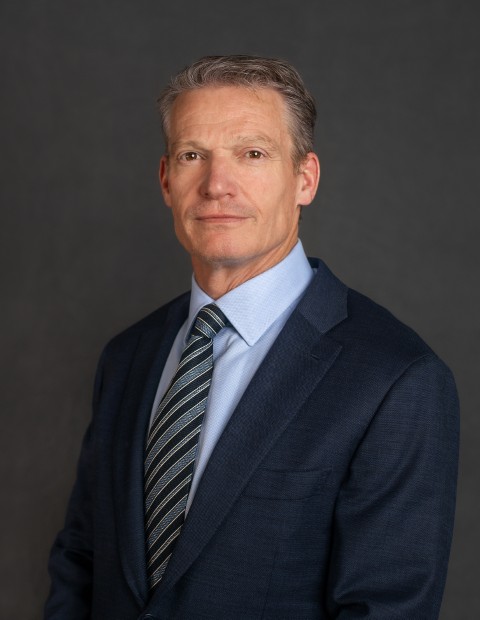
New Amazon board member Kevin Mandia is a cybersecurity veteran. (Photo via Amazon)
Amazon named cybersecurity veteran Kevin Mandia to its board of directors, adding new security expertise a few months after former NSA director Keith Alexander stepped down.
Mandia founded Mandiant, the breach-investigation firm Google acquired for $5.4 billion in 2022, and remained at the search giant as a strategic advisor through July 2025, according to his LinkedIn profile. He now leads Armadin, an AI security startup he started last year.
Amazon said in its announcement that “cybersecurity is one of the most consequential risks and responsibilities organizations face today, and the threat landscape continues to evolve rapidly alongside advances in AI.”
Amazon added a cybersecurity specialist to its board in 2020, when it elected Alexander, who also led U.S. Cyber Command. Mandia comes from the other side of the field, with two decades spent investigating corporate breaches rather than defending government networks.
His appointment also puts an AI security entrepreneur on the board of a company whose cloud infrastructure underpins much of the internet. Armadin, founded in September 2025, uses AI to run attacks against corporate networks, probing defenses the way an intruder would.
The board’s Security Committee, which oversees Amazon’s cybersecurity policies and its response to significant cyber incidents, is now chaired by Dan Huttenlocher, dean of the MIT Schwarzman College of Computing. Mandia joins as a member, along with former Bridgewater co-CEO Jon Rubinstein.
Amazon also named Mandia to the board’s Audit Committee, according to a securities filing.
Mandia received 4,086 restricted stock units in connection with his election to the board, vesting in three equal annual installments beginning Nov. 15, 2027, the filing shows. The shares were worth about $1.03 million at Amazon’s closing price Wednesday.
The filing disclosed that his sister-in-law, Kristin Mandia, is an Amazon employee with an annual salary of $185,000. The company said her compensation is consistent with that of other employees at her level with similar responsibilities.
Seattle’s foundation as a hub of technology, science and innovation runs deep. Its confidence should, too. (GeekWire Photo / Kevin Lisota)
[Editor’s Note: Jacob Colker is co-founder and co-managing director of AI House.]
Seattle is one of the most talented, creative and inventive places in the world. But if we want the rest of the country to see us that way, we have to start acting like we believe it ourselves.
First, we need more pride around here.
Let’s talk about what it means to be proud.
My mother grew up in Tarnów, Poland. She escaped communism and came to the United States in 1978 looking for a better life. She found one, built a family, and has lived in America for nearly 50 years.
But my mom is still very, very Polish.
Several times a year, I get a message: “Jakub. Did you see this?”
I already know what’s coming.
Some Polish person did something. A Polish athlete won something. A Polish scientist discovered something. Some guy with a Polish grandmother finished third in a regional Nebraska chess tournament. Doesn’t matter. Poland.
“Jakub. Look at this person.”
Okay, Mom. Who is she?
“POLISH.”
That’s it. That’s the story.
And I love it, because Mom has this completely indestructible pride in where she comes from. Plenty of us know someone like this: a Greek mom, Vietnamese dad, Indian uncle or Nigerian aunt. Somebody from their corner of the world did something great, and you are going to hear about it.
There is power in that instinct. Not because your people are better, but because you believe your place matters.
Seattle could use more of that.
We are almost pathologically humble. Our response to notable achievements is often a polite nod before everybody gets back to our regularly scheduled Seattle freeze.
That humility is working against us.
Second, Seattle isawesomeand the evidence is everywhere.
I see Seattle’s potential every day working alongside dozens of entrepreneurs building startups. Some of the most ambitious and talented people in the world are already here.
We have many billion-dollar startups across the region and more than 200,000 people working across technology, science, space, health and startups. That is more than enough talent to build yet a dozen more unicorns.
Nearly 40% of the world flies every day on airplanes built here. Blue Origin and SpaceX build rockets here. Starbucks, Amazon, Costco, REI and Nordstrom reshaped how the world shops. Microsoft helped put computing into our homes. AWS and Azure helped make the cloud the infrastructure of modern life. The University of Washington ranks among the world’s best. Seattle medical breakthroughs have helped save tens of millions of lives. We are pushing forward fusion energy, aerospace and maritime innovation. And let’s not forget: we just won the darn Super Bowl.
And so, so much more.
So why, despite all the evidence, do we still seem to have a communal case of imposter syndrome?
This is not a city lacking accomplishments.
It is a city with a branding problem.
Third, we have let other people tell our story for far too long. This ends, today.
Cities have brands whether they intend to or not. Silicon Valley is where ambitious people build companies. Nashville is music. Los Angeles for film and television.
Seattle’s cultural humility mostly assumes our accomplishments speak for themselves.
They don’t.
Reputation gets built one story at a time. You hear one story and it is interesting. You hear 10 and you notice a pattern. You hear 50 and your beliefs begin to change: That’s where important science happens. That’s where talented people live. That’s where I should invest, build or work.
Those beliefs shape real decisions about where people move, where companies get built and where investors put their money.
So to fix Seattle’s branding problem, here’s what we need to do.
Step 1: Let’s tell one clear story — Seattle’s talent pool is ridiculous.
Seattle is where deep technical talent meets deep domain expertise to build consequential things: AI, aerospace, cloud computing, medicine, fusion, robotics, maritime technology and enterprise software.
We do not need 50 slogans. We do not need another consultant-led branding exercise. We need one simple idea that people outside this region can remember: Seattle’s talent pool is ridiculous.
There is a reason some of the world’s most important companies have built major engineering centers, research hubs and second headquarters here for decades. They come for the talent.
And that talent is why Seattle will not just participate in the future. We will lead in building it.
Step 2: Let’s use the megaphones we already have.
Seattle already has outlets (including this one) telling this story — publications, podcasts and social channels that document the region’s startups, breakthroughs and product launches.
Every day, startups are raising money, scientists are making breakthroughs, companies are launching products, engineers are building technology and institutions are pushing this region forward.
That is not just tech news. That is the raw material of Seattle’s reputation. So let’s use it.
When you read or hear about a Seattle startup doing something remarkable, share it. When you see a story about a breakthrough at Fred Hutch or the University of Washington, send it to someone outside the region. When a local company raises money, lands a major customer or gets acquired, don’t just scroll past it. Amplify it.
Step 3: Let’s treat every local win as Seattle’s win.
When a local robotics company ships something remarkable, that is Seattle’s story.
When a maritime startup reinvents how ports operate, that is Seattle’s story.
When our AI research labs, or hometown heroes in Amazon and Microsoft, create breakthroughs, that is Seattle’s story.
When a biotech company lands a major breakthrough, when a game studio creates a global hit, when a clean-energy company reaches a milestone, that is Seattle’s story.
Our companies, universities, hospitals, labs, investors, civic organizations and business leaders should act like an amplification network for one another. Stop treating somebody else’s success as somebody else’s news.
Their win is our collective proof.
Step 4: Let’s put Seattle on the label.
Founders need to say where they are building. “Made with ❤️in Seattle” should be on the bottom of every website. Put Seattle in the press release. Put it in the LinkedIn post. Mention it onstage. Say it in interviews. Tell investors. Tell customers.
Silicon Valley companies have spent decades attaching their success to their geography. We should do the same. If you build something extraordinary here, make sure the world knows it was built here.
Step 5: Let’s do a better job of selling Seattle.
Every venture capitalist, founder, executive and civic leader in this region should be able to explain in 60 seconds why somebody should build a company here.
Not defend Seattle. Not apologize for Seattle. Sell Seattle.
Reminder: It’s the talent.
(And also cream cheese on hot dogs.)
When investors and founders from New York, Boston or San Francisco come to town, show them the region. Introduce them to engineers, researchers and entrepreneurs. Bring them into the community. Let them see what is happening.
The best branding campaign is somebody getting on a plane home saying, I had no idea all of this was happening in Seattle.
If we’re going to succeed, we need tobelievefirst.
Insert all the Ted Lasso jokes you want, but this stuff matters.
There is no giant Seattle marketing department coming to save us. There is no national referee who will eventually review the evidence and declare that Seattle deserves more respect.
When somebody here does something extraordinary, act like it. Read the story. Share the post. Send the article to your team. Text it to your friend in New York. Put it in the group chat. Bring it up over dinner. Tell your kids.
Basically, become my Polish mother.
My mom doesn’t give a hoot that Kraków ranks No. 6 on some list or Warsaw is No. 8 on another. She doesn’t need a clickbait listicle to tell her Poland matters. She already believes it does.
We have to build our reputation ourselves. The good news is that we already have everything we need: extraordinary companies, world-class institutions, ambitious people, groundbreaking science and media documenting it all.
What we have been missing is the confidence to start being more loud. Stories become patterns, patterns become reputation, and reputation becomes gravity.
Gravity is what creates influence and respect.
Pride is not something somebody else gives you. You don’t wait until the rest of the country decides your home is important. YOU decide it is. Then you act like it.
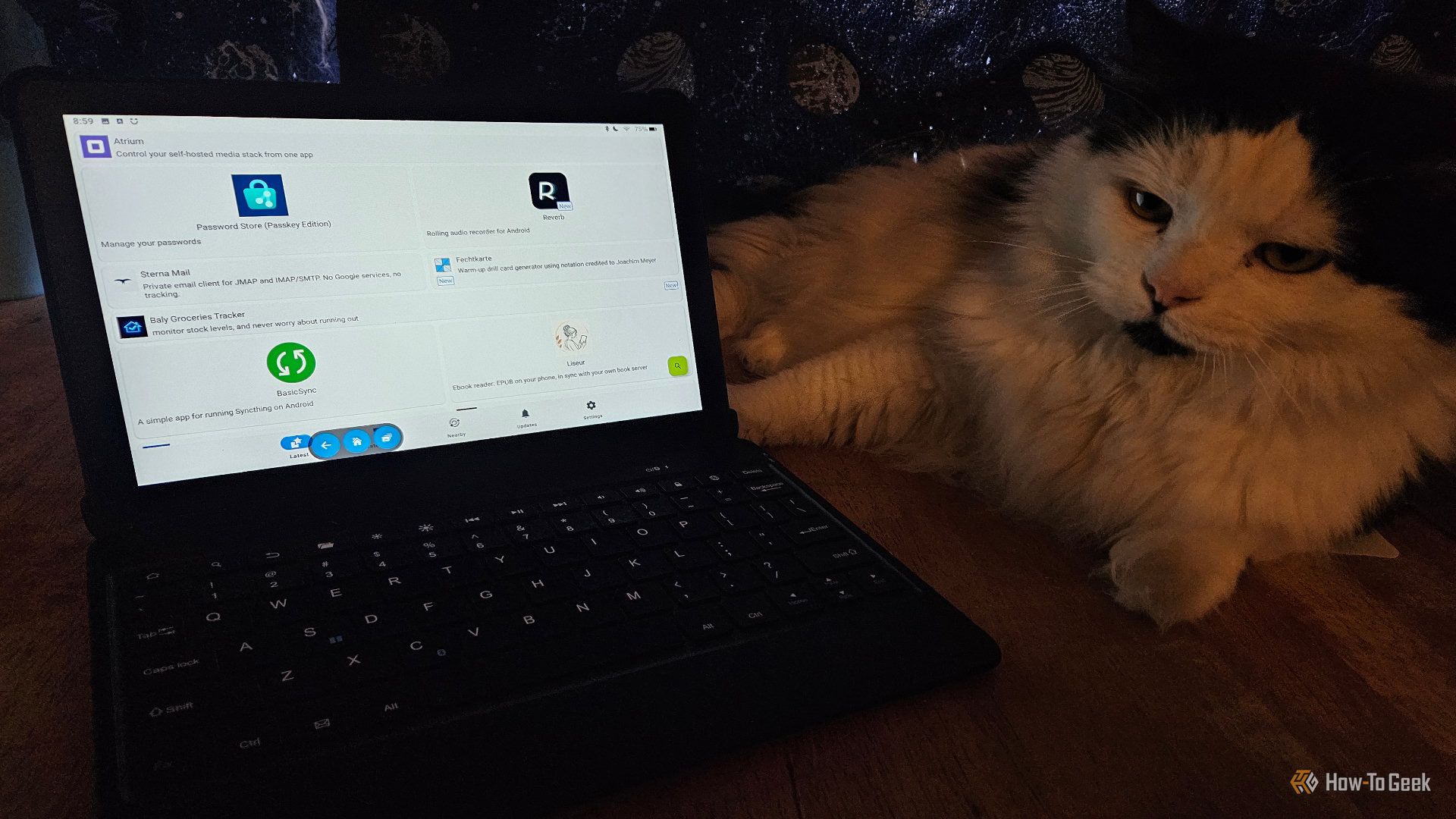
There was a time when I loved Amazon Fire Tablets. Modding them and repurposing them is a hobby of mine. One reason, aside from curiosity (or the old standby of "because I can") is that Fire OS has just been getting progressively worse. So I'm fighting back the best way I know how: with knowledge and a few nifty power-user tricks.
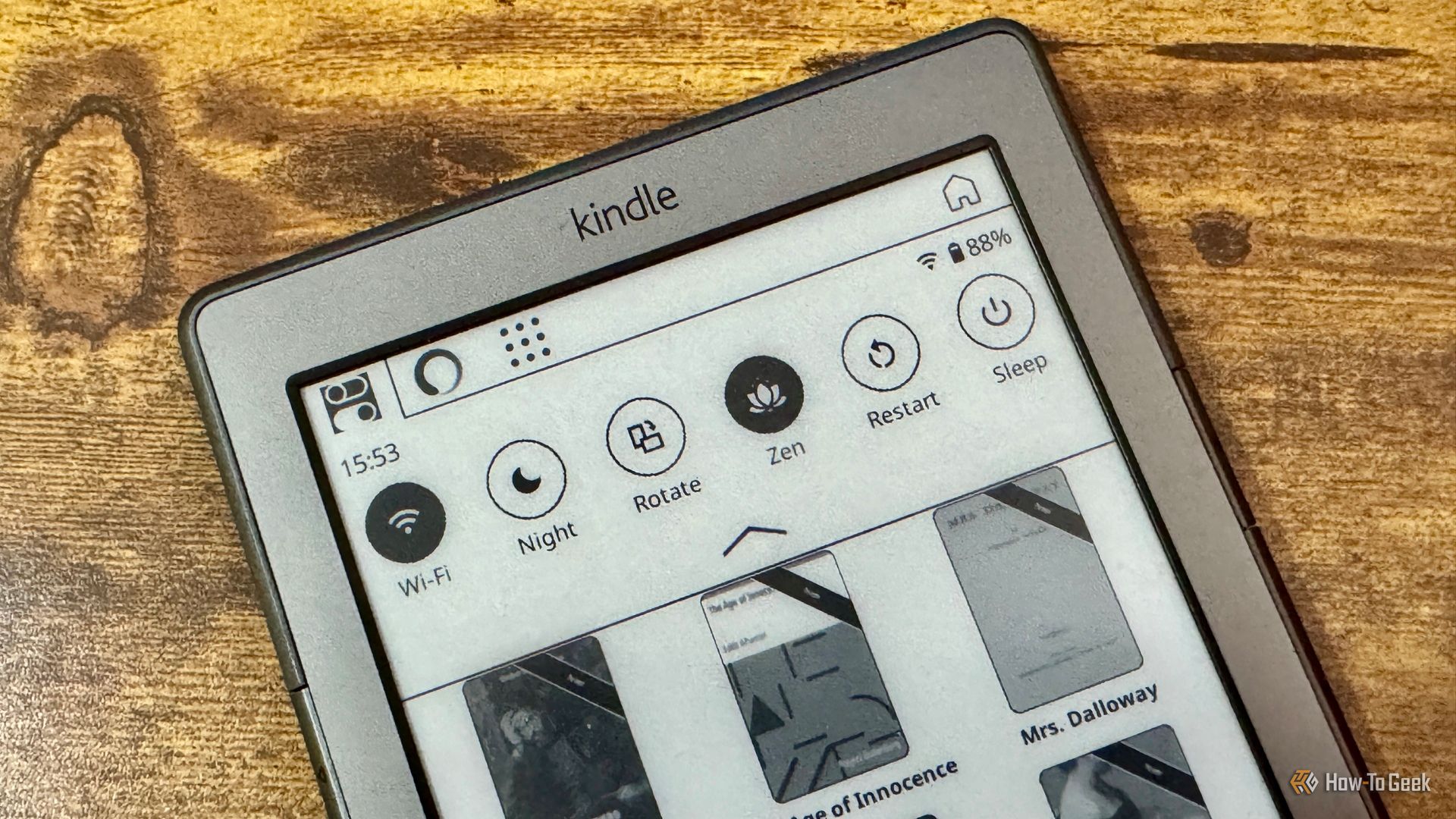
Like most of its products, Amazon has locked down its Kindle devices so that you can't easily make changes. Thankfully, some clever people have figured out ways to hack Kindles over the years. These are some of the very best mods of the past and present.
Amazon discriminated against pregnant warehouse employees by denying accommodations like bathroom breaks and the option to sit while working, according to a lawsuit filed yesterday by four women who worked for Amazon while pregnant. The lawsuit is a class-action complaint that seeks to represent Amazon workers throughout the US.
"Plaintiffs Willamina Barclay, Kristina Green, Jennifer Hatch, and Dazaria Parks were formerly Amazon warehouse employees," said the lawsuit filed in US District Court for the Eastern District of New York. "All four became pregnant. All four asked Amazon for basic pregnancy-related accommodations so they could keep doing their jobs. Amazon denied them basic modifications the law recognizes pregnant workers regularly need, even in uncomplicated pregnancies: Bathroom breaks. An extra 15-minute break. Sitting instead of standing."
The lawsuit said the four plaintiffs were unlawfully terminated from jobs at Amazon facilities in New York between April 2025 and July 2026. After the plaintiffs "took medically necessary breaks or absences to get off their feet, visit the doctor, or go to the emergency room, they were punished," the lawsuit said. "Amazon deducted their limited bank of unpaid time off. Soon enough, they had depleted that limited bank of 'unpaid time off,' and Amazon threatened to terminate them."
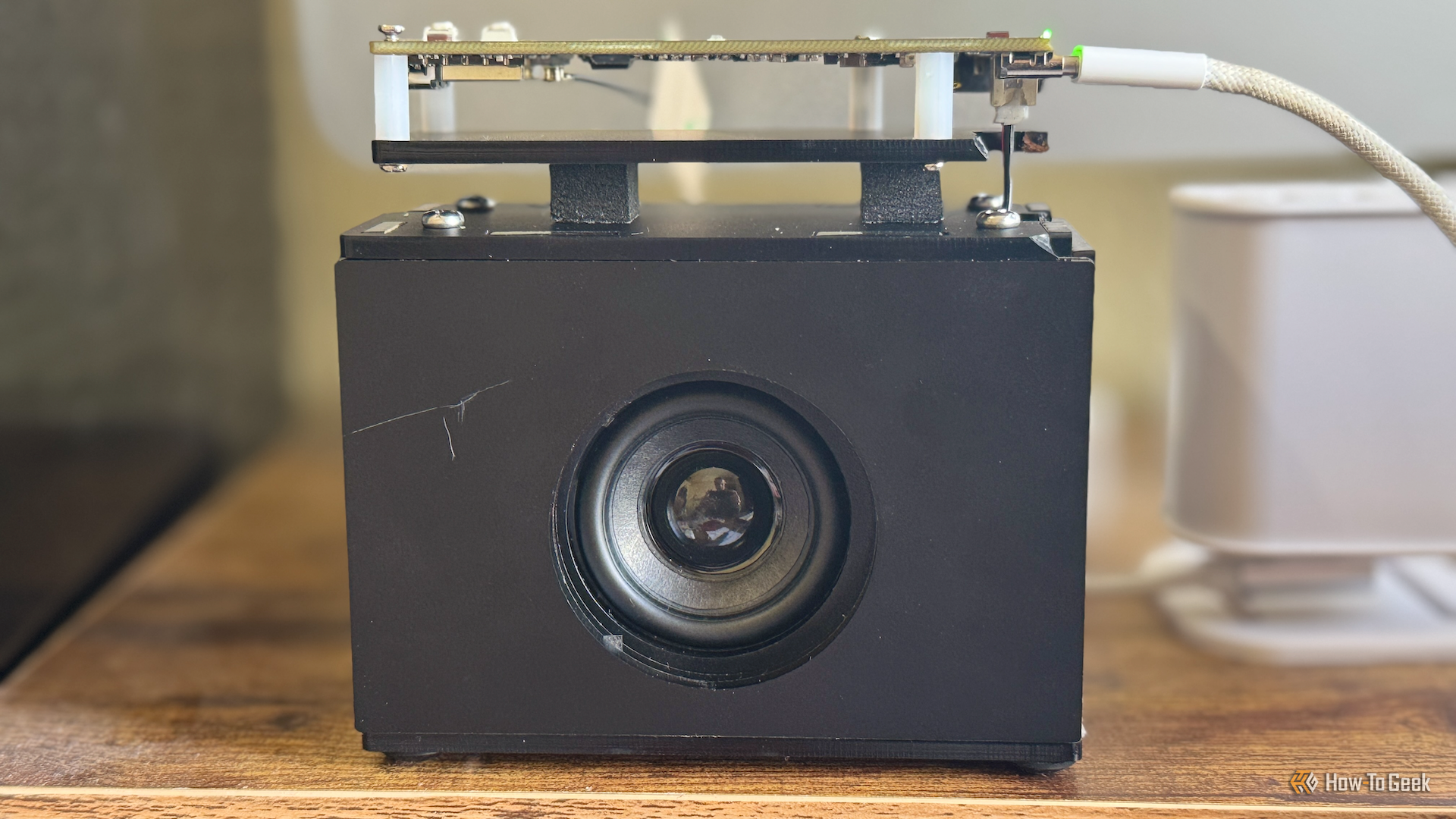
Most of us have an old bookshelf speaker, soundbar, or Bluetooth speaker lying around somewhere. They still sound good, the problem is that they're not very "smart."
 Login
Login