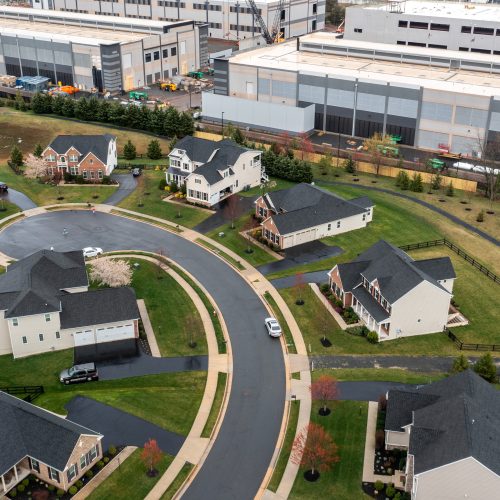
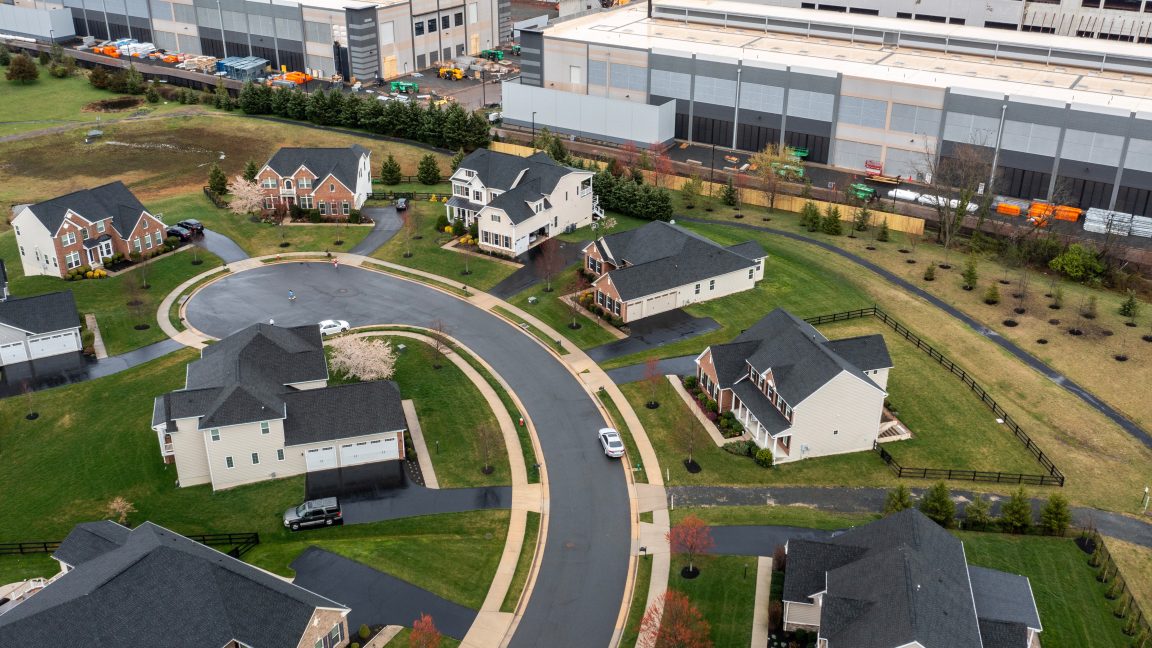
A measure that would impose restrictions on data centers built on DoD land is making its way through Congress. The proposal would create a federal land penalty.
The Trump administration is quietly considering a rule change that could make it easier for polluters to build facilities—including certain gas plants and diesel generators that power data centers—with little to no notice to the public.
On Wednesday, the Environmental Protection Agency held a public hearing on a proposed rule change that would hand the power to states to decide how the public participates in the permitting process for certain new sources of air pollution. The proposed rollback comes as data centers face greater pushbackacross the US, with many communities using the permitting process to try to slow down development. Any changes could have major consequences for how ordinary people are given notice about new or expanded polluting facilities coming into their neighborhoods.
“As someone actively working in communities with data centers, I know this to be fundamentally true: People want to have a say,” Vanessa Lynch, a Pennsylvania organizer with Moms Clean Air Force, said at the EPA hearing.
Google plans to replenish more freshwater than its data centers consume by 2030 as it expands water stewardship efforts amid growing AI infrastructure scrutiny.
Google plans to replenish more freshwater than its data centers consume by 2030 as it expands water stewardship efforts amid growing AI infrastructure scrutiny.
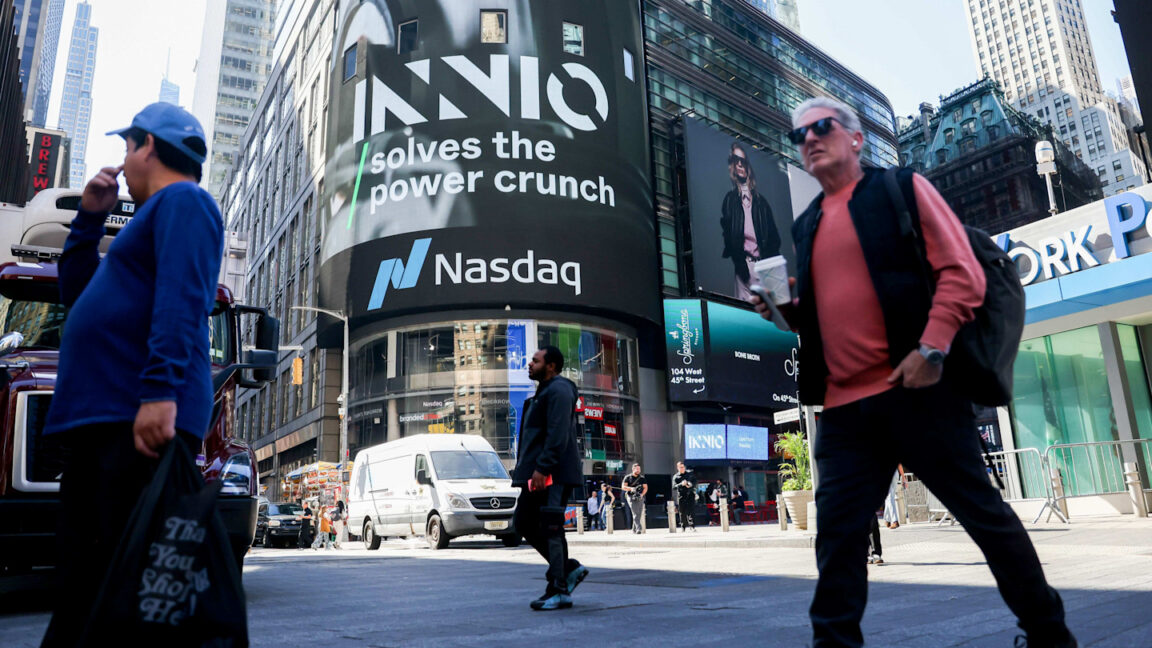
Energy companies are raising money at IPO at their fastest pace this century, taking advantage of investors’ hunt for new ways to bet on the boom in power-intensive AI data centers.
Initial public offerings for energy firms raised $12.6 billion in the first half of this year, according to data firm Dealogic. That marks the highest half-year level since the peak of the dotcom bubble in late 1999 and the highest first-half figure on record. It is well above 2025’s full-year total of $4.3 billion.
The surge in fundraising comes as access to the vast amounts of energy needed to run data centers emerges as a bottleneck in a multi-trillion-dollar AI investment boom.
Meta’s Cheyenne AI data center project was linked to the presence of rare bacteria in reclaimed irrigation water, adding scrutiny to local data center wastewater rules.
Meta’s Cheyenne AI data center project was linked to the presence of rare bacteria in reclaimed irrigation water, adding scrutiny to local data center wastewater rules.
US manufacturers in many Rust Belt cities and towns are paying significantly higher electricity costs as growing energy demand from data centers strains the largest power grid operator in the United States. The resulting squeeze on profit margins for steelmakers and brick factories could further undermine President Donald Trump’s “Made in America” plan to revive US manufacturing, and it comes as Trump has simultaneously championed the tech companies behind the AI data center boom.
Factory electricity bills are generally rising faster than those for other business customers or residential customers, according to a Reuters analysis. It highlighted the example of the Belden Brick Company, a 141-year-old brick manufacturer in Ohio, whose electricity bills have soared from $1,600 to $12,000 per month due to a higher monthly capacity charge in the 13-state region served by the grid operator PJM Interconnection.
Meanwhile, the Steel Manufacturers Association warned that US steel companies concentrated in the Rust Belt region served by PJM Interconnection are paying tens of millions of dollars in higher power costs per year. Electricity accounts for 20 to 40 percent of the total production costs of making steel.

 Login
Login