
 Login
Login
HAPPY BIRTHDAY, AMERICA!
Two hundred and fifty years already?
It seems like just yesterday that a band of colonists dressed in waistcoats and knee breeches assembled in Philadelphia to sign a document that would set the 13 colonies free from England.
Of course, it would take another 7 years—and 30,000 Colonial deaths—for the Continental Army to vanquish the British at Yorktown, ushering in the country we now hail as the United States of America.
And with that victory at Yorktown, we Americans celebrated the way we still do today: by smoking and grilling meat over fire. In other words: an Independence barbecue!
Barbecue: An American Tradition
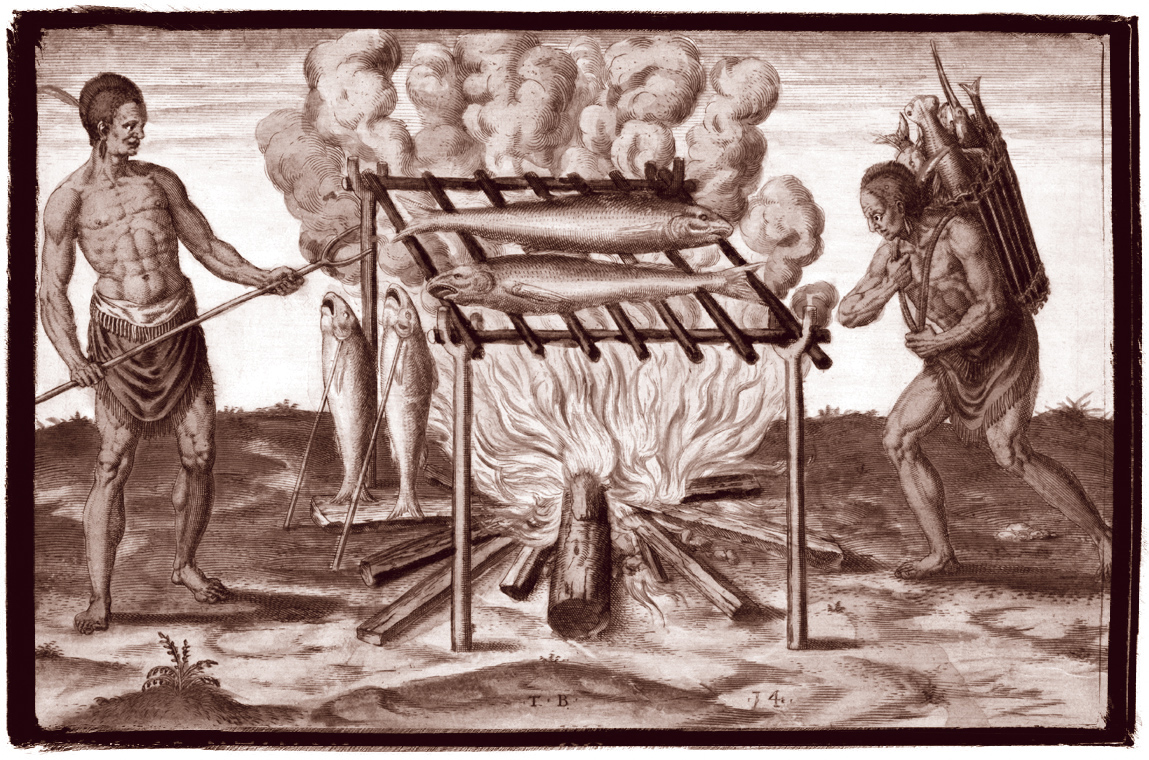
Barbecue. It’s a uniquely American institution and a culinary tradition we can truly call our own. It began long before the signing of the Declaration of Independence. It began in the Caribbean centuries earlier, when the Taino Indians on the island of Hispaniola erected a sort of wooden gridiron high above a smoky wood fire, using it to cook fish, game, and even iguana.
To the ear of the early Spanish explorers, the name for this singular cooking device sounded like barbacoa. Thus was born the institution we know and love today: barbecue.
One of the first laws enacted in the Colony of Virginia forbade the discharge of firearms at a barbecue. (Even back then we Americans were obsessed with smoked meat and guns.)
A pre-presidential George Washington—then a surveyor and plantation owner—loved barbecue so much, he wrote about it in his journals. (One such barbecue in Alexandria, Virginia, went on for three days!)
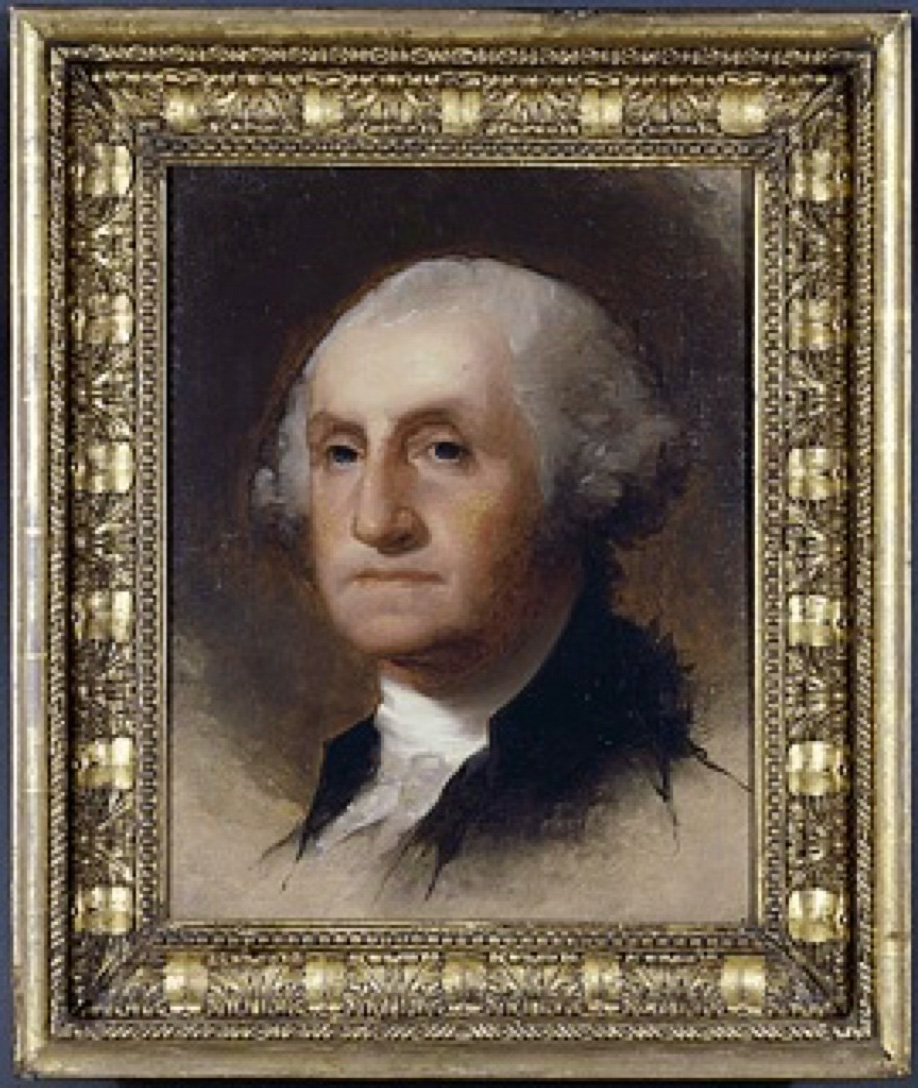
When stone masons laid the cornerstone for the Capitol building in a fledgling city on the Potomac—Washington—we celebrated with a barbecue.
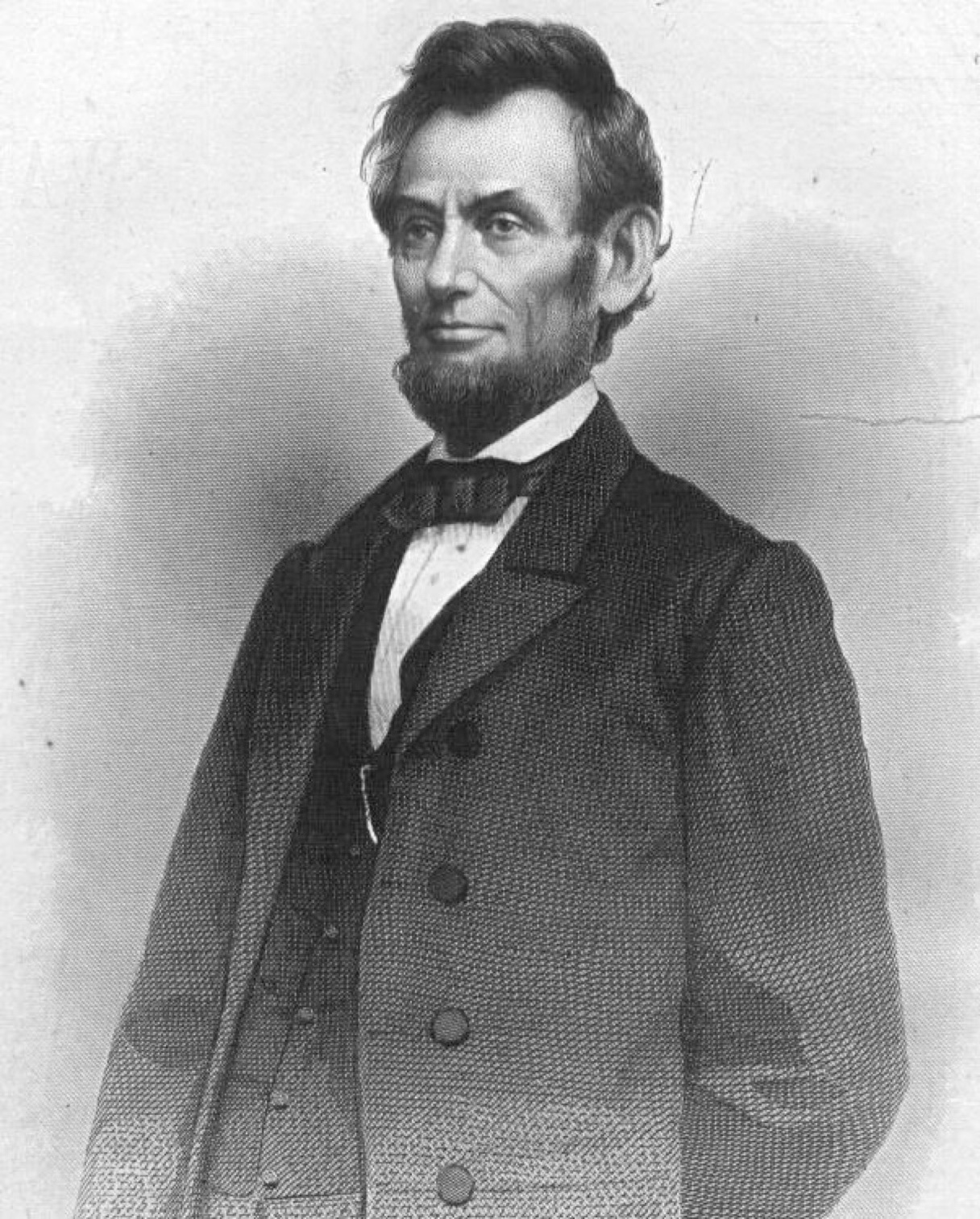
When Abraham Lincoln’s parents were married, the wedding feast was—you guessed it—a barbecue. And a century later, another American president, Lyndon B. Johnson, conducted global diplomacy from the “Texas White House,” his ranch in Stonewall, Texas.
Which is to say, barbecue has been a foundational part of the American experience for as long as America has existed.
The Regional Roots of American Barbecue
But which barbecue is truly American? Because in our homogenized society—where you find Starbucks and McDonald’s in virtually every city and neighborhood—barbecue remains some of the last truly regional food in our country.
When I started writing about barbecue, the big four—the Carolinas, Kansas City, Memphis, and Texas—served distinct styles of barbecue that could only be found in those regions. In the Carolinas, that meant pork—smoked and shredded, doused with vinegar sauce (in North Carolina) or mustard sauce (in South Carolina and Georgia)—both served with pickles on a bun.

In Memphis, Tennessee, barbecue meant baby back ribs served “dry” (dusted with spice rub, but without sauce)—the invention of a Greek immigrant named Charlie Vergos, whose restaurant—the Rendezvous—still serves thousands of customers each week. They also had barbecued game hens, barbecued pizza, and even barbecued spaghetti.
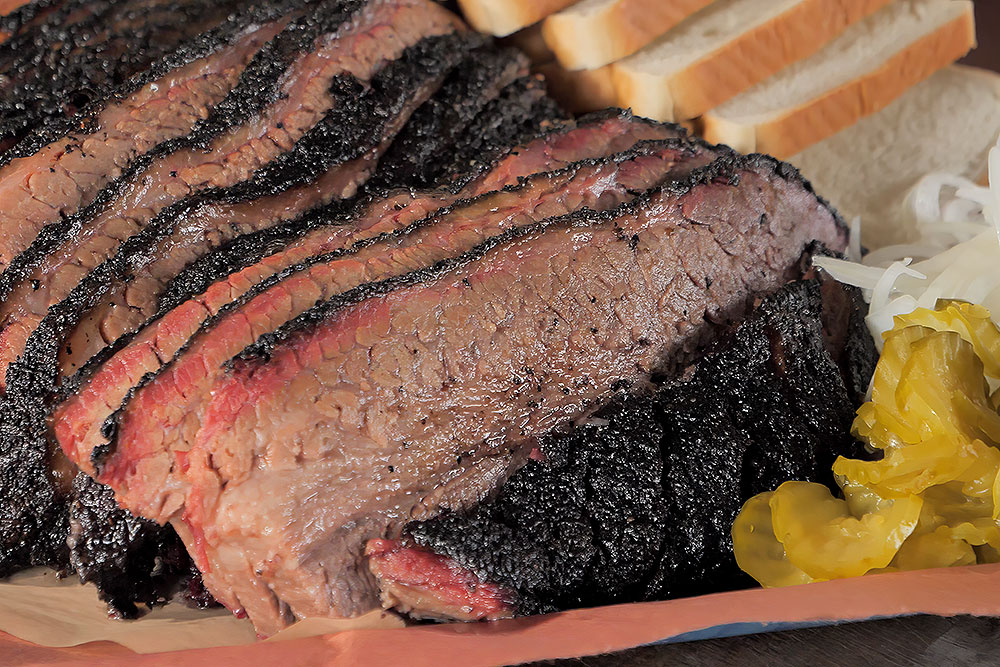
In Texas—especially the Hill Country—barbecue meant brisket, slow-smoked over smoldering oak—pioneered by German butchers like Charles Kreuz, who in 1900 founded the Kreuz Market in Lockhart, Texas.

As for Kansas City, once America’s meatpacking capital, it became famous for an ecumenical menu of ribs, chicken, pork shoulder, and beef—all heavily smoked and slathered with a sweet, smoky barbecue sauce epitomized by the creation of another Kansas citizen: Dr. Rich Davis, creator of KC Masterpiece.

Why Regional Barbecue Still Matters
Of course, today, excellent versions of these once truly regional specialties turn up across America, in cities as far-flung as Boston, Los Angeles, Portland, Oregon, and my hometown, Miami. There’s even a passionate barbecue culture in our overseas territory, Guam.
But some regional barbecue remains truly regional—make that micro-regional. To sample barbecue mutton (not lamb, but mutton) served with black dip (a savory condiment made with Worcestershire sauce, melted butter, and lemon juice), you must travel to Owensboro, Kentucky.
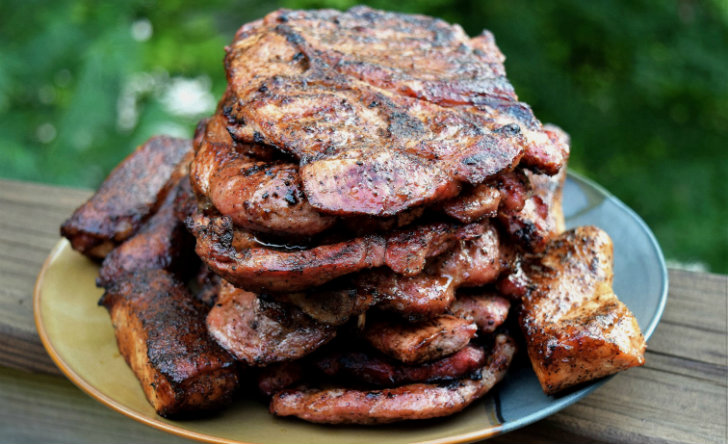
To savor pork chops grilled over hickory embers and dipped in a fiery amalgam of hot sauce, cayenne, and melted lard, you must go to another Kentucky barbecue hotspot: Monroe County.
Far from deploring the obscurity of these micro-regions of barbecue, I celebrate them, because barbecue should be regional. And while some micro-regional barbecue will go national or even international (consider the smoked chicken with a unique mayonnaise- and vinegar-based white barbecue sauce born at Big Bob Gibson’s in Decatur, Alabama), other barbecue remains stubbornly regional.
You must travel there to try it—a fact that I love.
Barbecue Brings Us Together
It’s no news that we live in an age of fierce partisanship and polarization—perhaps the most polarized in our nation’s history. But polarization isn’t new either. In the 1850s, our nation—not even 100 years old—was so polarized over the issue of slavery that we descended into Civil War. It took four years of brutal fighting and more than 600,000 deaths to bring our country back together again. Prohibition, the Civil Rights movement, and the Vietnam War all brought more strife and internal fighting.
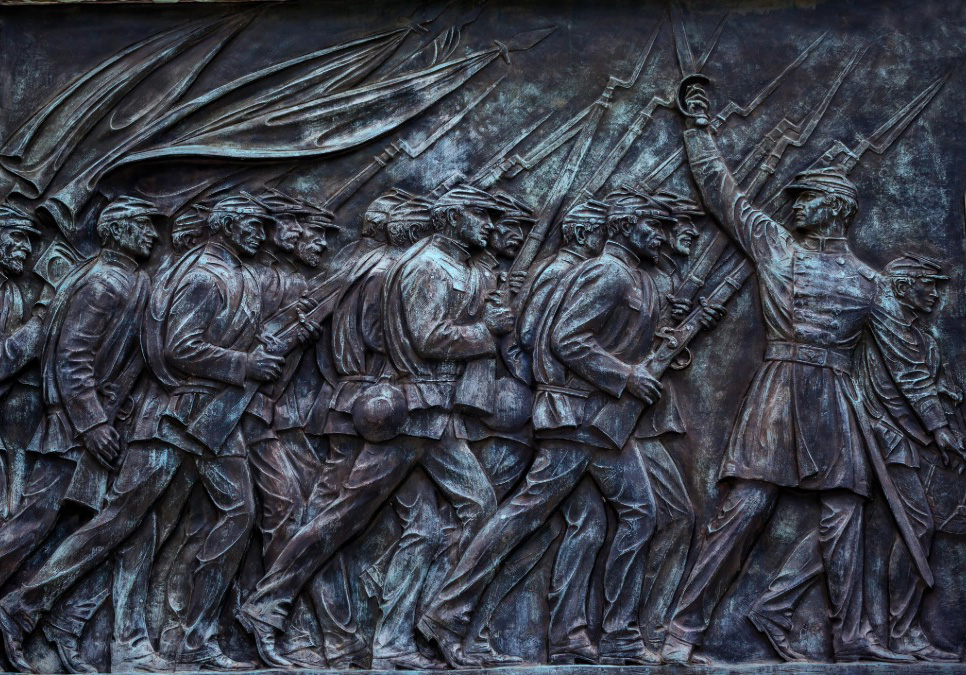
The sad truth is we Americans have always fought with one another over what we believe. Debate—sometimes peaceful, sometimes not—seems to be part of our DNA.
But as July 4th approaches, let’s celebrate what brings us together, not the differences that drive us apart. Let’s celebrate not as Democrats or Republicans, but as Americans. I’m sure it’s what the Founding Fathers would have wanted.
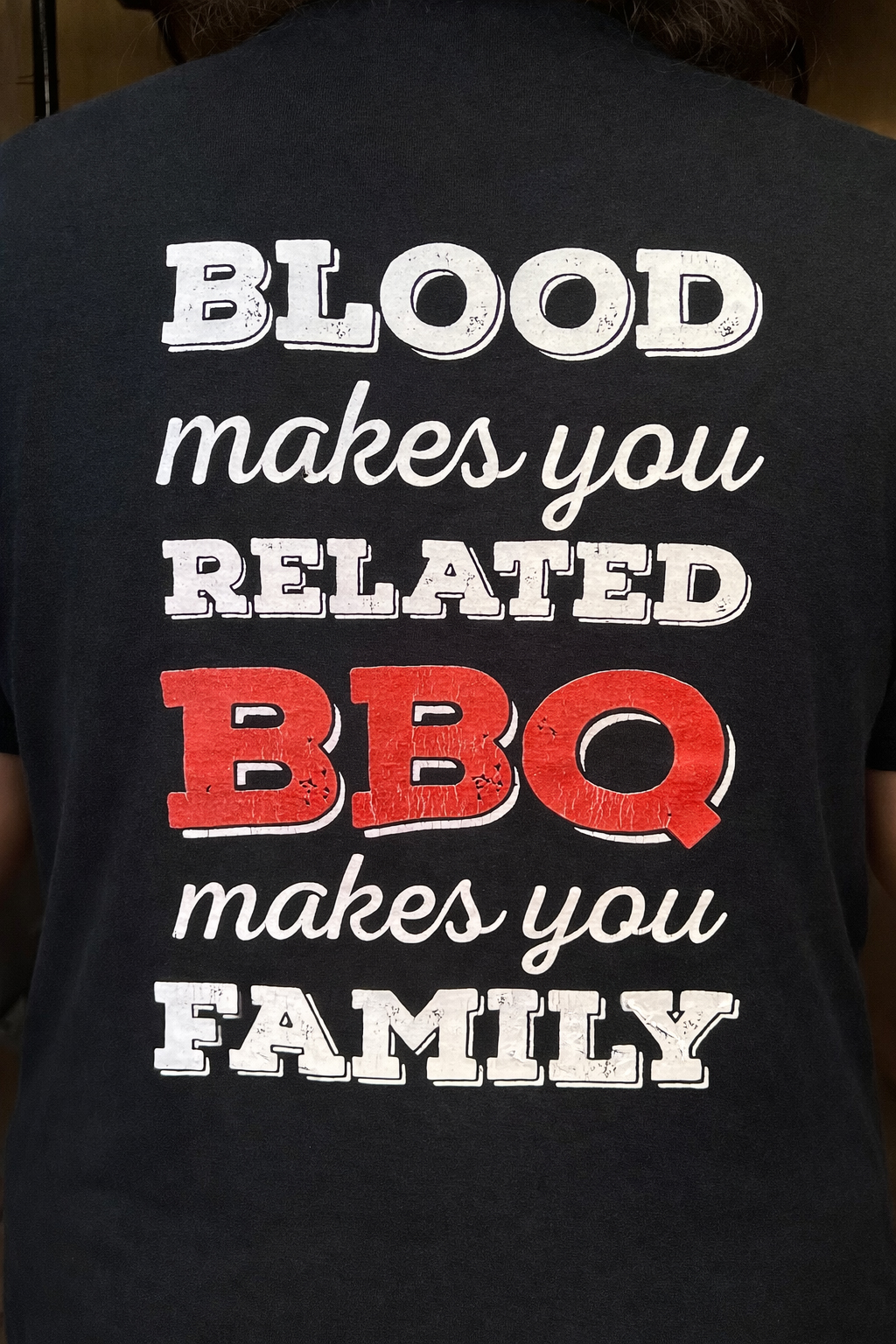
I recently saw a t-shirt at a barbecue festival that read: “Blood makes you relatives; barbecue makes you family.”
From our barbecue family to yours: Happy birthday, America! Here’s to another 250 years!!
Recipes


Explore more at BarbecueBible.com in our Recipe Index.
For new posts and recipes, join the Up in Smoke newsletter. Sign up and get a FREE PDF of Steven Raichlen's Best Ribs Recipes Ebook.
Preorder Man On Fire — A Steven Raichlen Memoir. And get some really cool rewards!
Looking for more summer grilling inspiration? Check out our Summer Grilling Guide.
The post HAPPY BIRTHDAY, AMERICA! appeared first on Barbecuebible.com.
