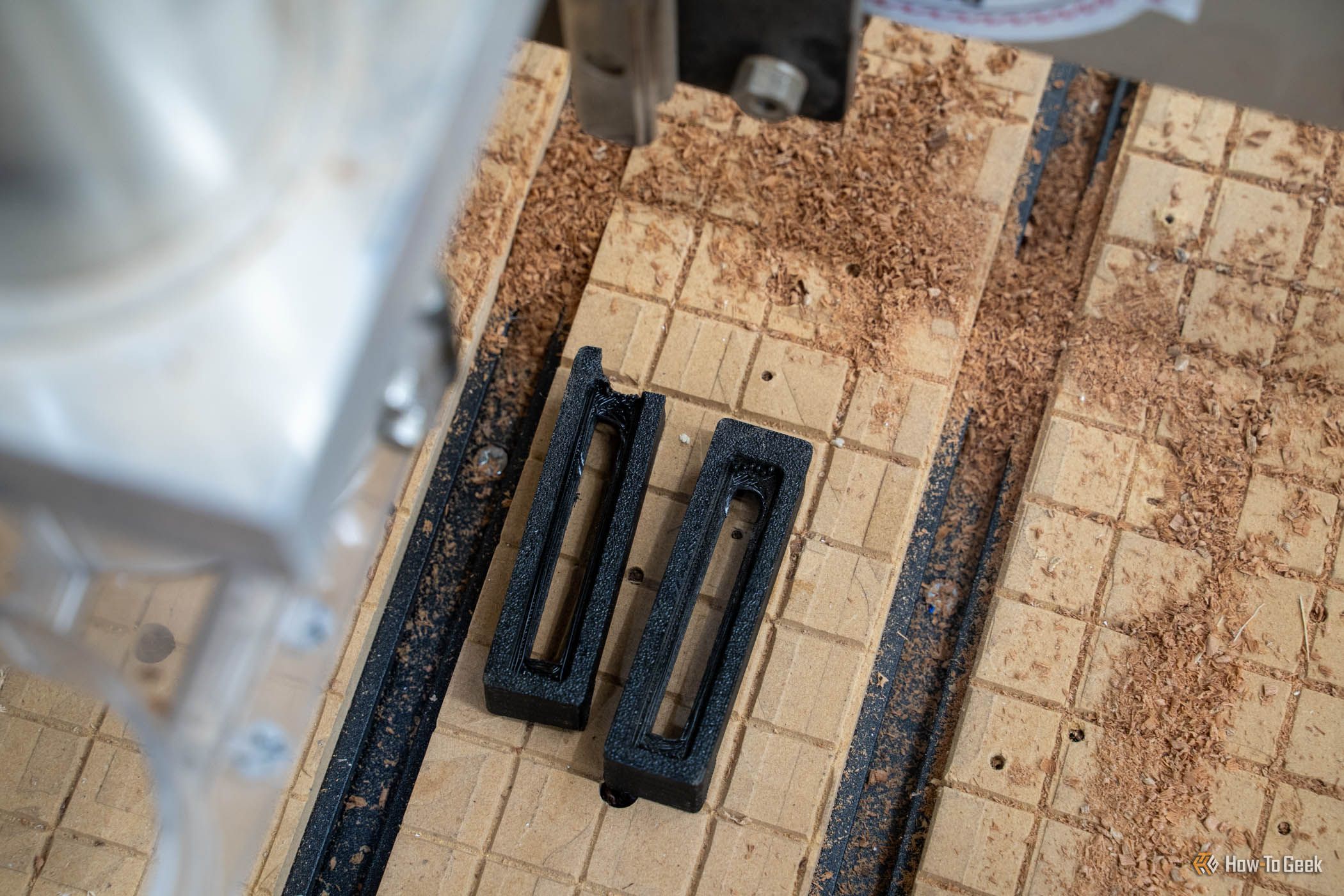
I bought my first 3D printer expecting to make toys, gadgets, and the occasional product prototype. Instead, one of my most useful prints is simply a plastic clamp whose whole job is to get chewed up by my CNC bit. Plastic clamps save my bits when a cut goes wrong, but buying injection-molded ones over and over got old fast. Now I print them for pennies a dozen at a time.
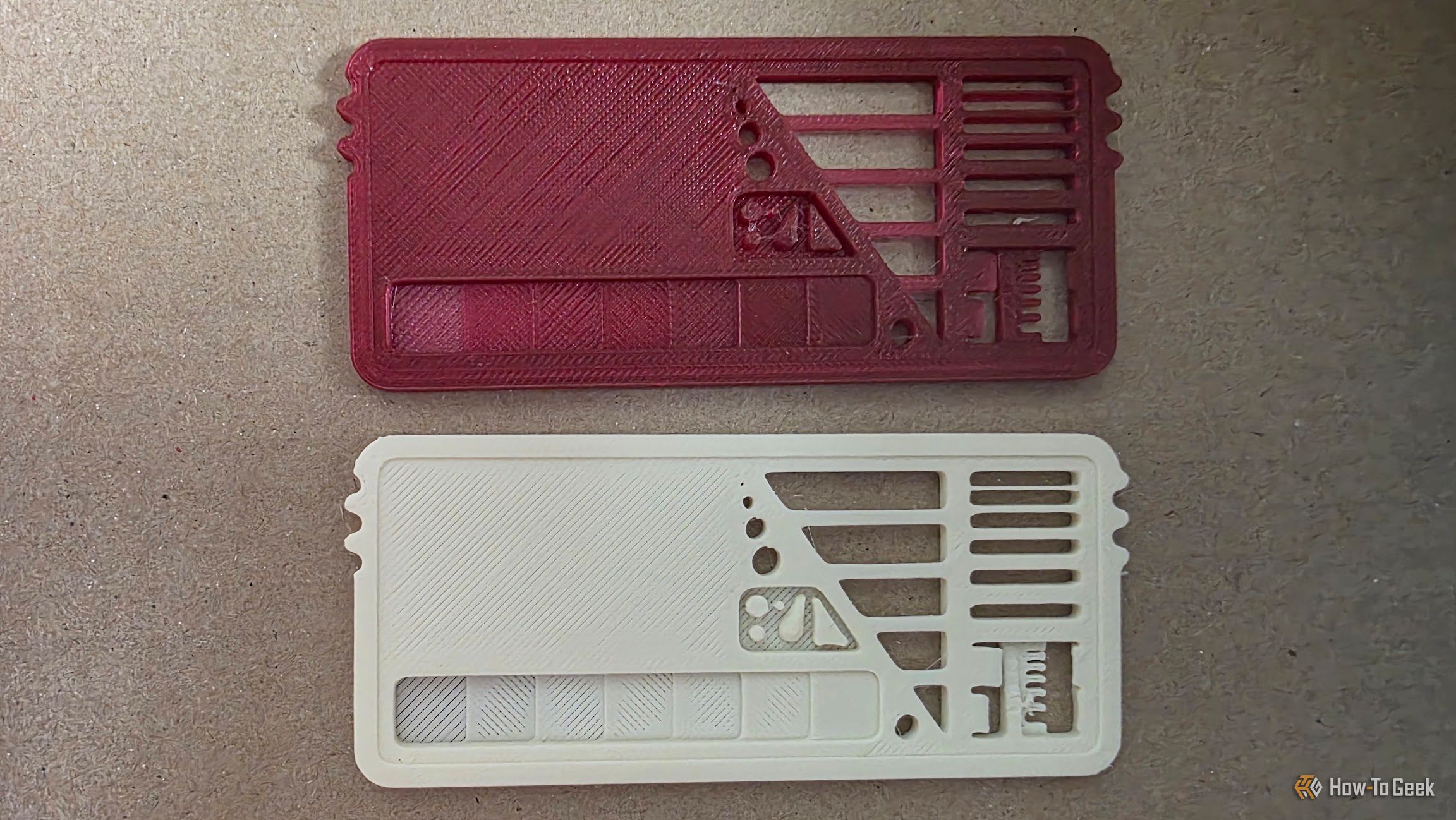
When you look at a roll of 3D printing filament you've never seen before, it comes with a lot of on-paper information. You know the primary materials, roughly what additives are in them, and the recommended temperatures and settings.
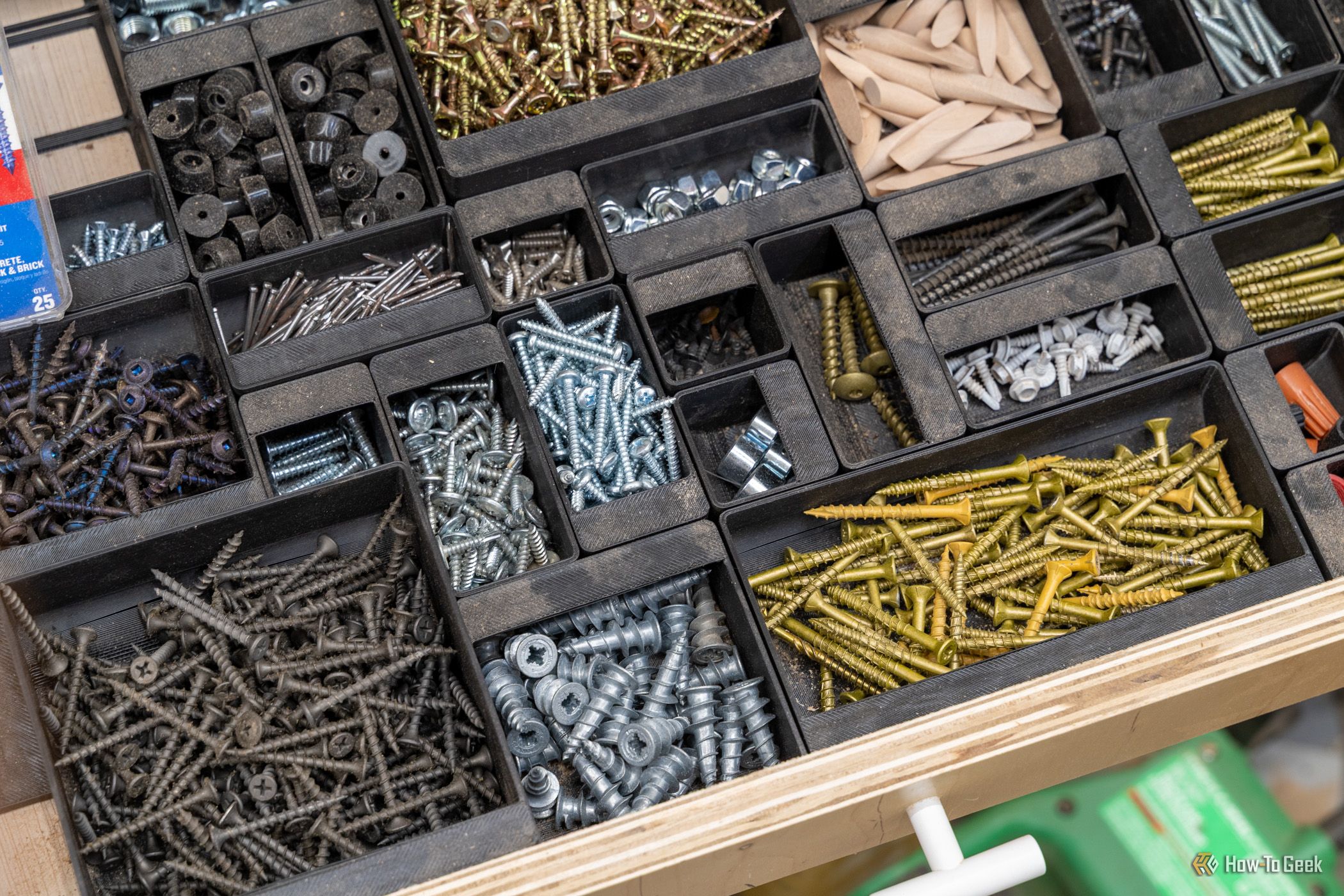
A rainy weekend stuck indoors is the perfect excuse to put your 3D printer to work on the house itself. While it hums along, you can line up new cabinet pulls without eyeballing them, replace that broken clip nobody sells anymore, and finally get the junk drawer under control. None of these projects need a garage full of tools, and by Sunday night something in your home will actually work better than it did on Friday.
3D printing can be fun, practical, and all-consuming. It can also be incredibly annoying, both to deal with and on a higher level. Here are some things that really irk me about this hobby, and I bet they annoy you too.
Kratos Defense & Security Solutions has bought one of the largest metal 3D printers on the market, an AMCM M 8K additive manufacturing system, for its new hypersonic payload facility in Odon, Indiana, where the company prepares the experimental test vehicles it flies for the Pentagon’s MACH-TB hypersonic test program. Germany’s EOS, whose AMCM unit […]
3D printers are a fantastic tool for making basically anything you could want. This weekend, I wanted to make my house a little less annoying. So, I set out to find three things I could fix that would make my everyday life a little better, and it took me under an hour to complete.
Want to 3D print items that live outside? One option is to throw caution to the wind, print with whatever material you like, and seal everything up with an aftercoat. Unfortunately, this requires time and money, and things can still wear with time.
Did you know that 3D printing and woodworking are very similar? They're actually way more similar than you might think. I've woodworked for longer than I've 3D printed, and these are the tricks that I think you should steal to take your 3D printing to the next level.
A custom-built home is all about designing elements that feel perfectly adapted to your space and routine. With a 3D printer, you can retroactively apply this concept to the objects inside your home, to great effect.
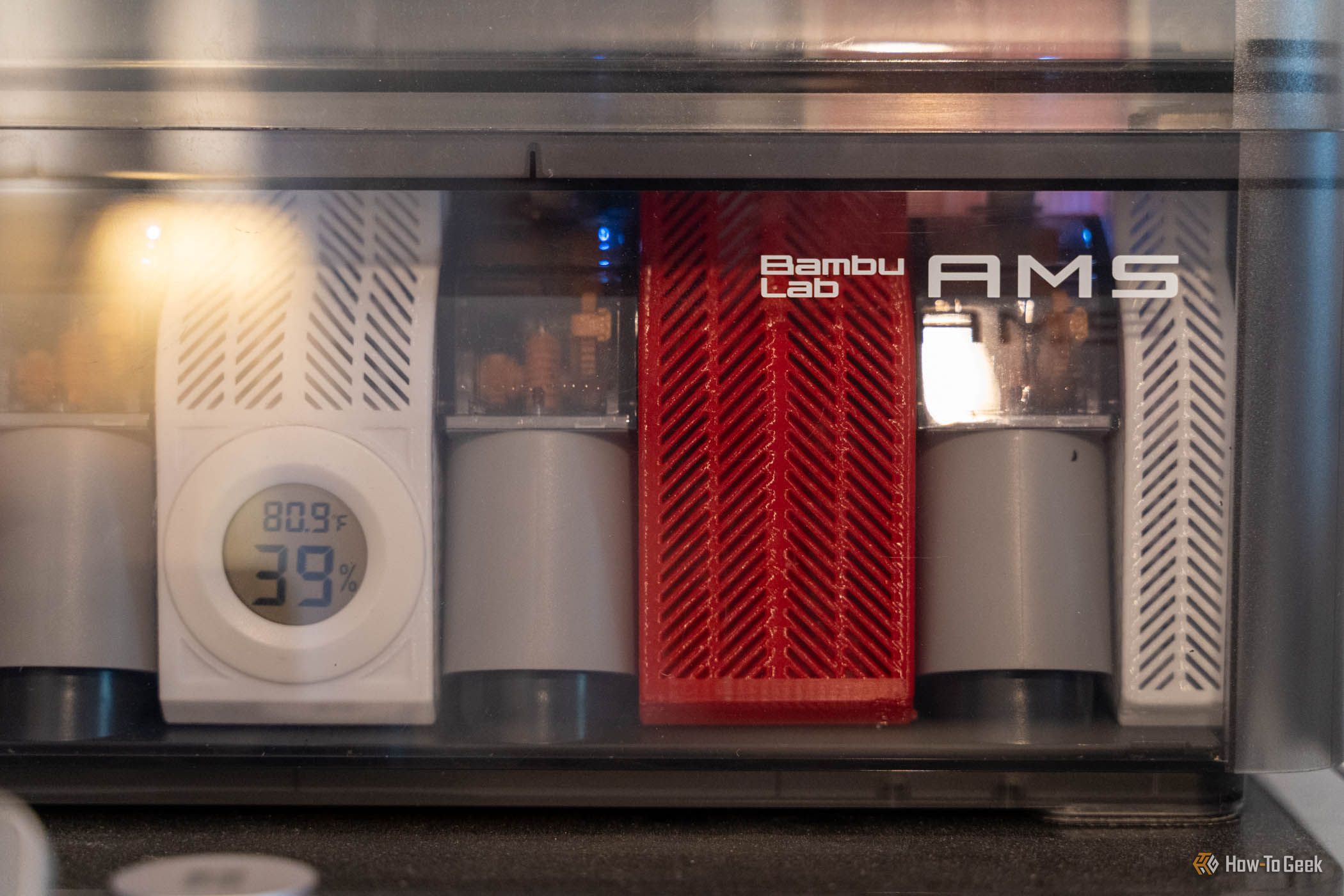
There are many ways to tinker with 3D printers. You can mod the software, add extra lights, build filter boxes, and so much more. What if I told you that I decided to buy a simple $2 humidity sensor before doing anything else to my 3D printer—including buying extra filament? Here's why a humidity sensor is important in my 3D printing setup.
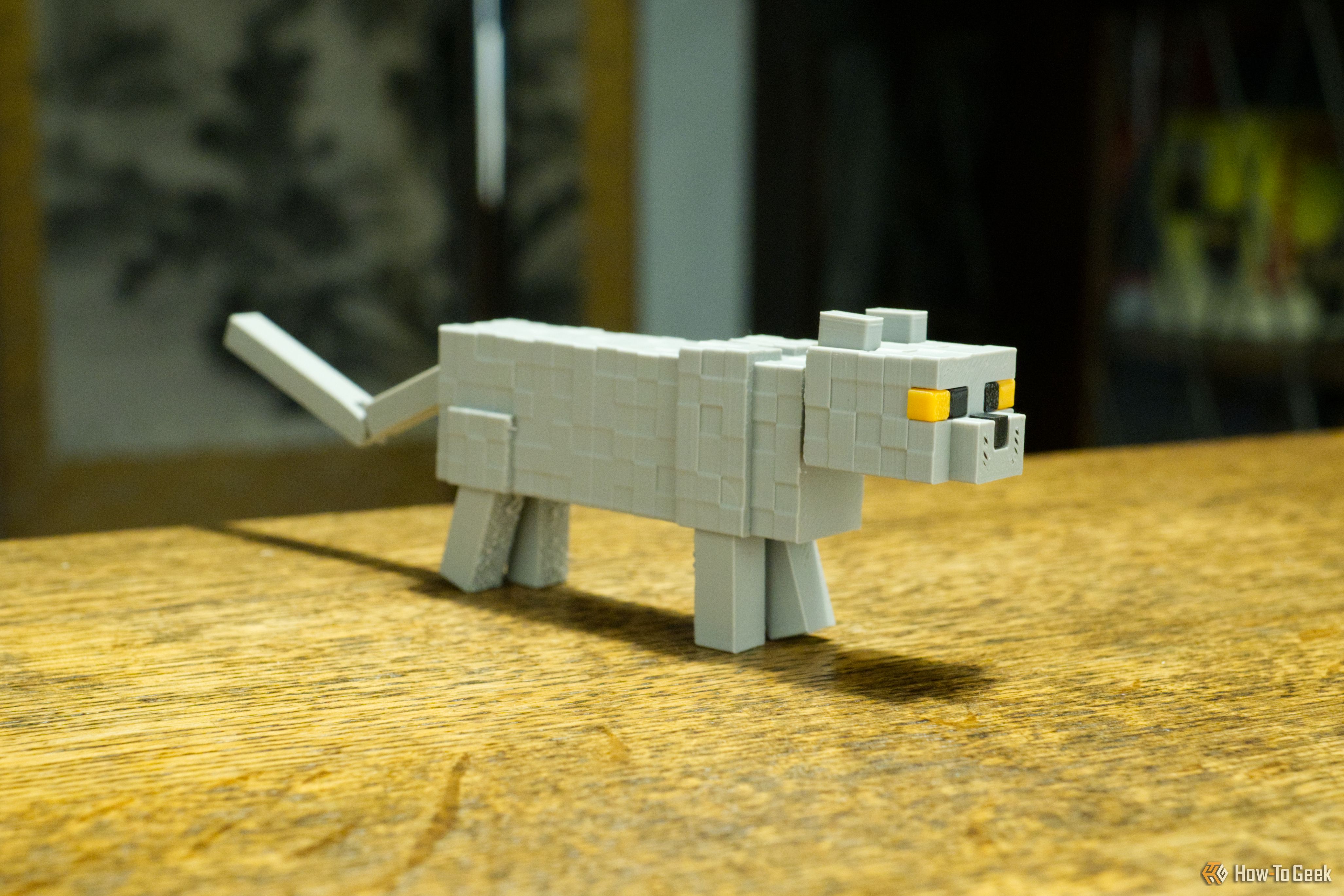
Minecraft_’s blocky, pixelated aesthetic transfers surprisingly well to 3D printing. You don’t need to worry about making models look realistic or be concerned with curves if you’re a Minecraft_ fan who wants to bring Mojang’s intoxicating world to life.
Not every 3D printing project needs to be practical. Sometimes you just want to burn through some filament in the interest of having fun. These projects might seem pointless and even verge on wasteful at times, but if they bring a bit of joy to your day, then they’ve done their job.
"I look at advanced manufacturing as an ecosystem to solve problems in different ways than the traditional way of managing the lifecycle," Jon Strzelec said.
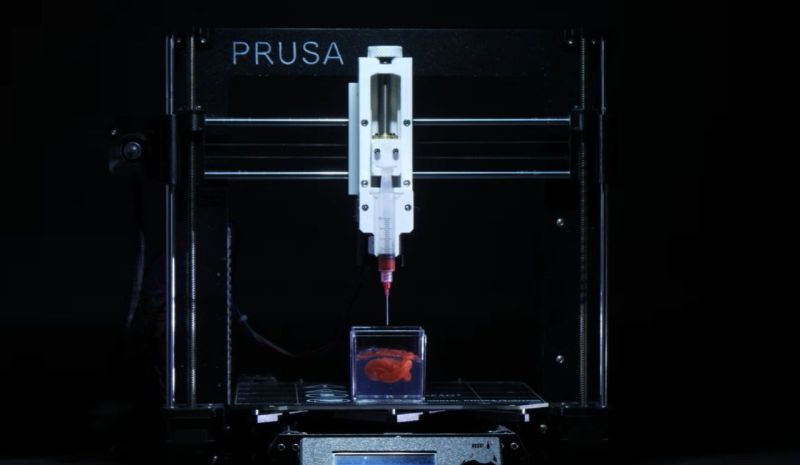
Recently [Riley] got his paws on an old Prusa i3 FDM printer that had clearly seen better days, with a hot-end that had suffered an explosive blow-out. For the project he had in mind this was of course perfect, as his intention was to replace the hot-end with a syringe system for embedded 3D printing (E3DP), which uses a supportive medium to allow for the printing of materials and structures that would be impossible with just air.
Generally in additive manufacturing (AM) methods like fused deposition modelling (FDM) the material is extruded onto a build plate or a previous layer where it solidifies. This works great for materials like thermoplastics, but for other materials having only the surrounding air as support is just a recipe for a big mess. With E3DP the liquid is instead extruded into a supportive material at a selectable depth and volume, opening up a whole range of possibilities.
In a 2026 review article by [Rongji Tang] et al. in Frontiers in Materials provide an overview of the state-of-the-art in E3DP, including many ongoing research questions pertaining to print quality, the types of supportive material and their potential reuse, as well as extrusion control. Applications for E3DP are many, with it seeing use in flexible- and soft robotics, printing biological tissues and microfluidics.
While some types of fluids are easier to print than others, Newtonian fluids like silicone oil pose issues with reliable printing, as detailed by [Hejoon Jun] et al. in a 2025 paper in Applied Materials & Interfaces, while a 2026 paper by [Min Ye] et al. in International Journal of Extreme Manufacturing covers the challenges of printing living tissues this way, with a self-healing supporting medium described, creating a method called EPICS.
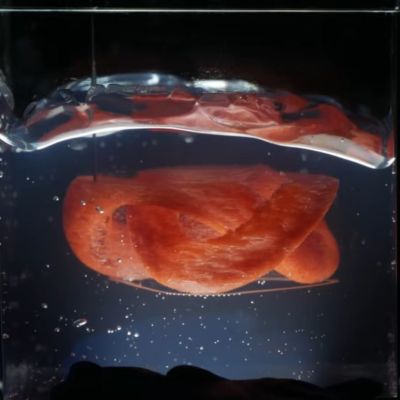
The silicone-in-hair-gel print in progress.
In the video by [Riley] the fundamentals are explained in a comprehensive manner, before building an E3DP setup, with an open source Allstruder syringe pump and a Caribou Duet 3 motherboard replacing the Prusa parts. Following this a test print is made using cream cheese as it’s apparently an ideal test material.
After a successful cream cheese test, a print is started involving two-part epoxy, with the supporting material being hair gel. The epoxy, once mixed, has only a time window of about forty minutes before it hardens, so that’s all the time you have to empty the syringe. As it turns out, hair gel and epoxy aren’t friends, so for a final print the printing material was switched to silicone, specifically Sylgard 184.
Although not a perfect result, it’s pretty cool to see the silicone trifold torus take shape in what appears to be a void. Unfortunately the hair gel doesn’t appear to be a perfect material either, as some of the additives in it apparently inhibit the silicone from curing. As reported by [Riley] in a comment to the video, the silicone print was still goopy after a few days.
We hope that it’ll cure before long, and wish him luck in finding a supporting material that’s more supportive of printing materials like silicone actually curing.

 Login


 Kratos Defense & Security Solutions has bought one of the largest metal 3D printers on the market, an AMCM M 8K additive manufacturing system, for its new hypersonic payload facility in Odon, Indiana, where the company prepares the experimental test vehicles it flies for the Pentagon’s MACH-TB hypersonic test program. Germany’s EOS, whose AMCM unit […]