Reading view

There are new articles available, click to refresh the page.

Abacus Market Likely Conducts Exit Scam Amid Darknet Instability, Reports TRM Labs

Abacus Market Likely Conducts Exit Scam Amid Darknet Instability, Reports TRM LabsAbacus Market, the largest bitcoin-enabled Western darknet marketplace, went offline earlier this month, leading blockchain intelligence firm TRM Labs to assess that the operators likely executed an exit scam, disappearing with users’ funds. This incident follows the June 16 seizure of Archetyp Market by law enforcement, highlighting a trend of instability within the Western darknet […]

International Sting Operation Ends Reign of Archetyp Darknet Market

International Sting Operation Ends Reign of Archetyp Darknet MarketAn international law enforcement operation in June 2025 dismantled Archetyp, one of the dark web’s largest drug marketplaces, after a three-day crackdown spanning six countries. Police Seize €7.8M in Assets in Archetyp Dark Web Bust Archetyp, a darknet platform that reportedly facilitated more than €250 million ($289 million) in illicit drug sales, was taken offline […]

9 Years Later: Cryptocurrency Wallets Tied to 2016 Dark Web Market Nucleus Stir to Life

Dormant cryptocurrency wallets associated with Nucleus Marketplace, a dark web market inactive since 2016, unexpectedly showed transaction activity on March 7, 2025, reigniting speculation about the fate of 5,000 bitcoin (BTC) tied to the platform, according to data from blockchain analytics firm Arkham Intelligence. Dormant Bitcoin Wallets Linked to Defunct Dark Web Market Nucleus Reactivate […]

DOJ Captures Alleged ‘Architect’ of Darknet Marketplace Incognito

DOJ Captures Alleged ‘Architect’ of Darknet Marketplace IncognitoAccording to the U.S. Department of Justice (DOJ), the operator of the darknet marketplace Incognito was apprehended at John F. Kennedy Airport on May 18. Law enforcement officials claim Rui-Siang Lin allegedly constructed the DNM and facilitated the sale of over $100 million worth of illegal drugs through the platform. Federal Authorities Nab Alleged Darknet […]

Hive Ransomware Network Dismantled by American, European Law Enforcement

Hive Ransomware Network Dismantled by American, European Law Enforcement

Law enforcement authorities from over a dozen countries in Europe and North America have taken part in disrupting the activities of the Hive ransomware group, the U.S. Justice Department and Europol announced. Hive is believed to have targeted various organizations worldwide in the past couple of years, often extorting payments in cryptocurrency.

Captured Decryption Keys Helped Hive Victims Avoid Paying $130 Million in Ransom

Ransomware network Hive, which has had around 1,500 victims in more than 80 countries, has been hit in a months-long disruption campaign, the U.S. Department of Justice (DOJ) and the European Union Agency for Law Enforcement Cooperation (Europol) revealed. A total of 13 nations participated in the operation, including EU member states, the U.K. and Canada.

Hive has been identified as a major cybersecurity threat as the ransomware has been used by affiliated actors to compromise and encrypt data and computer systems of government facilities, oil multinationals, IT and telecom companies in the EU and U.S., Europol said. Hospitals, schools, financial firms, and critical infrastructure have been targeted, the DOJ noted.

It has been one of the most prolific ransomware strains, Chainalysis pointed out, which has collected at least $100 million from victims since its launch in 2021. A recent report by the blockchain forensics company unveiled that revenue from such attacks has decreased last year, with a growing number of affected organizations refusing to pay the demanded ransoms.

According to the announcements by the law enforcement authorities, the U.S. Federal Bureau of Investigation (FBI) penetrated Hive’s computers in July 2022 and captured its decryption keys, providing them to victims around the world which prevented them from paying another $130 million.

Working with the German Federal Police and the Dutch High Tech Crime Unit, the Bureau has now seized control over the servers and websites that Hive used to communicate with its members and the victims, including the darknet domain where the stolen data was sometimes posted. FBI Director Christopher Wray was quoted as stating:

The coordinated disruption of Hive’s computer networks … shows what we can accomplish by combining a relentless search for useful technical information to share with victims.

The Hive ransomware was created, maintained and updated by developers while being employed by affiliates in a ‘ransomware-as-a-service’ (RaaS) double extortion model, Europol explained. The affiliates would initially copy the data and then encrypt the files before asking for a ransom to decrypt the information and not publish it on the leak site.

The attackers exploited various vulnerabilities and used a number of methods, including single factor logins via Remote Desktop Protocol (RDP), virtual private networks (VPNs), and other remote network connection protocols as well as phishing emails with malicious attachments, the law enforcement agencies detailed.

Do you expect police authorities around the world to dismantle more ransomware networks in the near future? Tell us in the comments section below.

Darknet Market Solaris Hacked by Competitor, Elliptic Reveals

Darknet Market Solaris Hacked by Competitor, Elliptic Reveals

A leading marketplace on the dark web, Solaris, has been hit by a rival, according to crypto analytics company Elliptic. The Russia-linked platform, which tried to occupy space vacated by the busted Hydra, is believed to have conquered up to a fifth of the illicit market before the hack.

Solaris Allegedly Taken Over by Darknet Marketplace Called Kraken

Solaris, a major marketplace for drugs and other illicit products, has been targeted in a hacking attack carried out by a similar enterprise, Kraken, not to be confused with the well-known cryptocurrency exchange with the same name.

After in April last year law enforcement authorities shut down Hydra, the former leader in this business, seizing its servers in Germany and arresting an alleged operator in Russia, Solaris managed to gain between 20% and 25% market share, according to estimates quoted by Elliptic.

This week, the blockchain forensics company reported that since Friday, Jan. 13, those who visited the onionsite were being transferred to Kraken. The latter claimed to have taken control over the infrastructure, Gitlab repository and source code of Solaris and blocked its bitcoin wallets.

Kraken is another player in the dark web space and, like Solaris and Hydra, is targeting the Russian-language segment of the underground market. The illegal trading platforms are suspected of having other ties to Russia as well.

For example, Solaris is believed of have used the services of one of the Russian “patriotic” hacker groups. The pro-Kremlin Killnet is known for launching distributed denial-of-service (DDoS ) attacks on Ukraine after Russia invaded the country in late February, 2022.

This isn’t the first attempt to breach Solaris. Ukrainian-born cyber intelligence expert Alex Holden claimed to have hacked into the marketplace, according to a report in December, and getting hold of some of the bitcoin sent to dealers using the site and to its owners.

Helped by his cybersecurity company, Holden said he specifically targeted a wallet used for crypto exchange transactions and was able to divert 1.6 BTC. The cryptocurrency was later donated to a Kyiv-based charity.

What do you make of the darknet market Kraken’s hacking attack on rival Solaris? Share your thoughts on the subject in the comments section below.

Darknet Forum Dread to Relaunch After Month-Long Downtime Due to DDOS Attack

According to web portal darkdot.com and anonymous journalist Darkdotfail, the popular darknet forum Dread has been down for a month. The well-known forum, which was a place for darknet market (DNM) patrons to discuss operations security, rate specific vendors, and talk about stealth delivery ideas, has been absent for 30 days. However, the forum’s founder, “Hugbunter,” has stated that it will relaunch in the near future.

Dread Forum Founder Announces Plans to Relaunch

In the underground world of darknet markets (DNMs), the forum Dread was known for being a go-to source of information. According to a Jan. 1, 2023 update hosted on darkdot.com, the forum has been down for a month. “Dread is a critical source of truth in an anonymous community proliferated with scams,” the update notes. “The popular Tor freedom of speech forum went offline on Nov. 30, 2022, and has yet to return.” The update adds that while the Dread admin team typically posts status updates on Reddit at /r/dreadalert, communication has been sparse.

The anonymous journalist known as Darkdotfail has written about the issue on Twitter and their website, dark.fail, also indicates that Dread is currently offline. According to a Jan. 5, 2023 update on the website, Dread is offline due to a DDOS attack and readers should follow /r/dreadalert for updates. On Jan. 2, 2023, the DNM and Tor researcher wrote that Dread’s founder, Hugbunter, had privately confirmed that the forum will return. “Dread’s now been offline for a month, Hugbunter privately confirmed to us that it will return,” Darkdotfail wrote. Two days later, Darkdotfail shared an update from the Reddit forum /r/dreadalert.

The privacy advocate and anonymous journalist said:

Hugbunter posted an update regarding Dread’s downtime to /r/dreadalert. Meanwhile, the team behind Incognito Market opportunistically coded and launched a competing forum, Libre, during Dread’s downtime. Never boring around here.

The message from Hugbunter, which includes the founder’s PGP signature, explains that the team has been “working extremely hard to restore service.” In the message, the Dread founder estimates that the team is about a week away from a solid estimated time of arrival (ETA).

“As of right now, we’re about a week out from being able to give a solid ETA on a return of Dread, but I will say we’re hopeful of it being next week,” Hugbunter detailed. “This depends on there being no further issues as we finalize everything on the server side and also if I manage to work through some rewrites of the codebase in a timely manner, however, it is not an easy or small task — So no further pressure please.”

This is not the first time Dread has experienced a significantly long downtime. On Sept. 30, 2019, Bitcoin.com News reported on the forum’s first major outage. At that time, Hugbunter’s dead man’s switch was triggered, resulting in a temporary loss of control over the forum. However, Hugbunter returned shortly after and validated the forum owner’s identity through the PGP keys associated with the Dread founder. The forum remained active, with some exceptions due to DDOS attacks, until Nov. 2022. In addition to Dread’s outage from DDOS attacks, the Tor Project reported that the Tor network itself has slowed by close to 50%.

In the Jan. 3 message, Hugbunter, the founder of Dread, detailed that the forum’s DDOS issues would be solved by the time it returns and “any other service who needs assistance.” Hugbunter promised that Dread will relaunch with a revamped user experience and proper DDOS protection, saying “the plans I have with the relaunch and also for the near future are going to allow all of us to move forward significantly and we will continue to innovate this space. We are not going anywhere and I still have much to provide and share.”

What do you think about Dread’s current downtime and Hugbunter explaining that the forum will return soon? Let us know what you think about this subject in the comments section below.

Ukrainian Steals Bitcoin From Russian Darknet Market, Donates to Charity

Ukrainian Steals Bitcoin From Russian Darknet Market, Donates to Charity

A Ukrainian living in the U.S. has reportedly hacked a major drug market on the Russian dark web, diverting some of its crypto proceeds. The man says he donated the digital cash stolen from the illicit website to an organization delivering humanitarian aid across his war-torn homeland.

Wisconsin Resident With Ukrainian Roots Hacks Russian Dark Web Market Solaris

Ukrainian-born cyber intelligence expert Alex Holden, who left Kyiv as a teenager in the 1980s and now lives in Mequon, Wisconsin, claims he has hacked into Solaris, one of Russia’s largest online drug markets, Forbes informs in a report.

Supported by his team at Hold Security, he was able to get hold of some of the bitcoin sent to dealers and the darknet site’s owners. The cryptocurrency, worth over $25,000, was later transferred to Enjoying Life, a charitable foundation based in the Ukrainian capital.

Without revealing exactly how he did it, Holden explained he took control of much of the internet infrastructure behind Solaris, including some administrator accounts, obtained the website’s source code and a database of its users and drop off locations for drug deliveries.

For a while, the Ukrainian and his colleagues also gained access to the “master wallet” of the marketplace. It was used by buyers and dealers to deposit and withdraw funds and operated as the platform’s crypto exchange, the article details.

Given the rapid turnover, the wallet rarely had more than 3 BTC at a time. Holden managed to appropriate 1.6 BTC and send it to Enjoying Life. Hold Security donated another $8,000 to the charity, which provides assistance to people affected by the war in Ukraine.

Solaris Linked to ‘Patriotic’ Russian Hacking Collective Killnet

The darknet market Solaris is suspected of having connections to the hacking crew Killnet, which after Moscow launched its invasion in late February became one of Russia’s “patriotic” hacker groups vowing to target Ukrainians and their supporters.

Killnet has also conducted a number of attacks in the U.S., including on airport and state government websites as well as the National Geospatial-Intelligence Agency. It reportedly hit the Eurovision song contest, the Estonian government and Italy’s National Health Institute.

The group was also blamed for attacking Rutor, the main rival of Solaris, which became Russia’s leading underground drugs market after Hydra was shut down this past spring. According to U.S. cybersecurity firm Zerofox, Solaris was paying Killnet for DDoS services.

Besides the battlefield, Russia and Ukraine have also clashed in the online space, with the government in Kyiv recruiting experts for its own cyberforce. The special unit was tasked to identify and prevent Russian attacks but also hack back.

Hits such as those on Russia’s largest bank, Sber, and the Moscow Stock Exchange have been attributed to the Ukrainian IT army. Social media accounts associated with the hacktivist collective Anonymous took responsibility for many other attacks.

What do you think about Alex Holden’s attack on the Russian darknet market Solaris? Let us know in the comments section below.

OSCE Trains Uzbekistan Law Enforcement to Track and Seize Crypto, Search Dark Web

OSCE Trains Uzbekistan Law Enforcement to Track and Seize Crypto, Search Dark Web

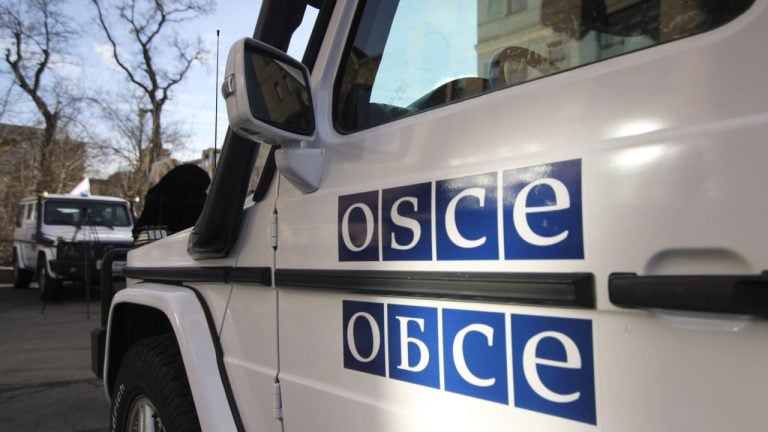
The Organization for Security and Co-operation in Europe (OSCE) has set out to teach law enforcement officers in Uzbekistan how to conduct crypto and dark web investigations. The regional body recently organized a training course for employees of the country’s security agencies in Tashkent.

Uzbekistan Police and Security Agents Attend OSCE Course on Cryptocurrencies

Representatives of Uzbekistan’s Prosecutor General’s Office, the Ministry of Internal Affairs, and the State Security Service have taken a training course on cryptocurrency and dark web investigations held by the OSCE between Oct. 17 and 21 in the capital Tashkent.

The course was organized by the OSCE Transnational Threats Department in co-operation with the OSCE Project Co-ordinator in Uzbekistan and the Academy of the Prosecutor General’s Office, the intergovernmental security body said on its website.

“Participants learned about the main concepts and key trends in the areas of internetworking, anonymity and encryption, cryptocurrencies, obfuscation techniques, dark web, and Tor networks,” the announcement detailed.

They also practiced various approaches and methods for seizure of crypto assets, blockchain analysis, and darknet searching. The course was based on materials provided by the European Cybercrime Training and Education Group (ECTEG).

A new computer classroom donated by the OSCE to the Prosecutor General’s Academy was inaugurated before the course by Deputy Prosecutor General of Uzbekistan Erkin Yuldashev and Acting OSCE Project Co-ordinator in Uzbekistan Hans-Ulrich Ihm.

Crypto Training in Region to Continue Throughout Next Year

Digital technologies have been transforming the criminal landscape, noted Evgeniy Kolenko who heads the Prosecutor General’s Academy. He insisted that educating law enforcement in this field needs a long-term and systematic approach.

“Cybercrime education requires adequate equipment – both hardware and software,” added Gayrat Musaev, Head of the Academy’s Department for Implementation of Information and Communication Technologies and Information Security. Musaev also praised the new dark web lab.

The OSCE course is the first of this kind in Uzbekistan within the second phase of the “Capacity Building on Combating Cybercrime in Central Asia” project funded by the U.S., Germany, and South Korea. Similar training activities will continue across the region throughout 2022 and 2023.

This year, the government in Tashkent has been taking steps to more comprehensively regulate Uzbekistan’s crypto sector. In the spring, President Shavkat Mirziyoyev issued a decree providing definitions for terms like crypto assets and exchange. New registration rules for crypto miners were presented in June and earlier in October, Uzbekistan introduced monthly fees for crypto companies.

Do you think law enforcement authorities in Central Asia will continue to increase focus on the crypto space? Share your thoughts on the subject in the comments section below.

Alleged Hydra Administrator Refuses to Provide Access to His Crypto Wallet, Report Claims

Alleged Hydra Administrator Refuses to Provide Access to His Crypto Wallet, Report Claims

A Moscow court has ordered the seizure of the crypto wallet of one of the alleged administrators of darknet market Hydra. Media reports reveal, however, that the man — who was arrested in Russia in mid-April — is refusing to share access to his presumed crypto stash with Russian law enforcement.

Investigators Fail to Obtain Hydra Market Operator’s Cryptocurrency

The Russian judiciary wants to confiscate what it believes to be a record amount of cryptocurrency from a drug dealer’s crypto wallet, the business daily Kommersant reported this week, quoting a post on the Telegram news channel Mash.

The crypto stash belongs to an alleged co-founder and administrator of arguably the largest online marketplace on the dark web, Hydra, which was shut down by Germany not long ago.

Dmitry Olegovich Pavlov, a 30-year-old businessman from Cherepovets, was detained last month on a warrant from the Meshchansky District Court of Moscow and accused of production, sale, and distribution of drugs under Russia’s Criminal Code.

His arrest came shortly after the U.S. Department of Justice announced criminal charges against a Russian resident with the same names for conspiracy to distribute narcotics and conspiracy to commit money laundering.

According to the report, Pavlov’s wallet was seized with a court order and investigators think it stores hundreds of millions of dollars’ worth of cryptocurrency. Whether the state will be able to obtain the coins, however, is another question.

The owner refuses to give Russian authorities access to his wallet and the exact amount of digital currency stored there is yet to be established. Aside from the crypto wallet, Pavlov has been otherwise cooperative and police already have his phones and computers, Kommersant revealed.

Dmitry Pavlov is the first Hydra operator detained in the history of the Russian-language marketplace, the newspaper noted. The platform had been active since at least 2015 and had around 17 million customers before it was busted in early April when German law enforcement seized its server infrastructure and took down the darknet market’s website with support from U.S. agencies.

Do you expect Russian authorities to eventually gain access to Dmitry Pavlov’s crypto wallet? Tell us in the comments section below.

Alleged Hydra Administrator Dmitry Pavlov Reportedly Arrested in Russia

Alleged Hydra Administrator Dmitry Pavlov Reportedly Arrested In Russia

A district court in Moscow has arrested a man whom local media reports identify as Dmitry Pavlov, alleged administrator of the recently shut down darknet market Hydra. Russian authorities believe he has been involved in drug-related crime punishable by up to 20 years in prison.

Moscow Court Arrests Russian Believed to Be Hydra Administrator

Meshchansky District Court of Moscow has taken into custody a certain Dmitry Olegovich Pavlov accused of production, sale, and distribution of drugs under Russia’s Criminal Code, the “Moscow” City News Agency reported this week, quoting the court’s press service.

Pavlov, who was arrested on Monday, April 11, has the same names as a 30-year-old Russian citizen and resident charged for similar offenses in relation to his alleged role as an administrator of the recently busted Hydra Market, one of the largest marketplaces on the darknet.

Earlier this month, German law enforcement seized Hydra’s server infrastructure in the country and took down the Russian-language platform’s website. The operation was carried with support from several U.S. agencies.

On April 5, the U.S. Department of Justice announced criminal charges against Dmitry Pavlov for conspiracy to distribute narcotics and conspiracy to commit money laundering. According to an indictment filed with the U.S. District Court for the Northern District of California, the Russian is also accused of administering and providing hosting services to Hydra.

The Russian business daily Kommersant quoted Pavlov telling the BBC on April 6 he had not been contacted by U.S. authorities and that he learned about the charges from the media. He also insisted his company had all the necessary licenses from Roskomnadzor, Russia’s communications watchdog, and was not administering any websites but only leasing servers as an intermediary.

The United States has been alleging the Russian Federation’s involvement with crypto-related criminal organizations, including darknet markets (DNMs) and ransomware actors. In September, the U.S. Department of the Treasury’s Office of Foreign Assets Control (OFAC) sanctioned the Russia-based crypto broker Suex, believed to have received more than $20 million from DNMs like Hydra.

The department also imposed sanctions on Hydra itself — which had been active since at least 2015 and had around 17 million customers before it was shut down — and on a cryptocurrency exchange called Garantex, suspected of processing over $2.6 million in transactions from the darknet market platform.

Do you expect other arrests in Russia in connection with the Hydra case? Tell us in the comments section below.

Germany Shuts Down Hydra Market, Seizes Servers and Bitcoin

Germany Shuts Down Hydra Market, Seizes Servers and Bitcoin

Law enforcement agencies in Germany have targeted Hydra, a leading darknet market (DNM). As part of an operation conducted with U.S. support, the German police were able to establish control over the servers of the Russian-language platform in the country and take down its website.

Investigators Hit Hydra in Germany, Confiscate Millions in Crypto

Hydra Market, one of the largest marketplaces on the darknet, has been shut down by German authorities which seized its server infrastructure. According to an announcement by the Federal Criminal Police Office (BKA), law enforcement agents also confiscated bitcoin worth around €23 million ($25 million). The following message appeared on Hydra’s website on Tuesday:

BKA carried out the raid together with the Central Office for Combating Cybercrime (ZIT) at the Public Prosecutor’s Office in Frankfurt which is leading the investigation against Hydra’s operators and administrators. They are wanted for running illegal online platforms facilitating the trade of drugs and money laundering.

The German police noted that Hydra had been active since at least 2015 before the seizures which came after extensive investigations by the BKA and ZIT. They started in August last year and were conducted with the participation of several U.S. agencies.

The darknet marketplace, which was accessible via the Tor network, was targeting Russian speakers. It had around 17 million customers and over 19,000 registered sellers, the press release detailed. Besides banned substances, these also offered stolen data, forged documents and digital services.

Hydra became a major darknet market after overtaking another Russian platform, DNM Ramp. According to the data compiled by the blockchain forensics company Chainalysis, the region of Eastern Europe sends more digital currency to darknet marketplaces than any other region.

Washington has been alleging Moscow’s involvement with malicious cyber actors like DNMs, ransomware groups and other crypto-related crime. In September, the U.S. Department of the Treasury’s Office of Foreign Assets Control (OFAC) sanctioned the Russia-based crypto broker Suex which is believed to have received more than $20 million from darknet markets like Hydra.

The Treasury Department has imposed sanctions against Hydra and a crypto exchange called Garantex. The trading platform, which has been operating mostly out of Russia, is suspected of processing over $100 million in transactions linked to illicit actors and darknet markets, including $2.6 million from Hydra.

Meanwhile, the U.S. Department of Justice announced criminal charges against a Russian resident, Dmitry Pavlov, for conspiracy to distribute narcotics and conspiracy to commit money laundering. The 30-year-old Pavlov is allegedly the administrator of Hydra Market’s servers.

German law enforcement officials think that Hydra was likely the darknet market with the highest turnover globally. BKA and ZIT have estimated that its sales reached at least €1.23 billion in 2020 alone. They also noted that the investigations were hampered by the platform’s own ‘Bitcoin Bank Mixer’ service.

Do you think other darknet markets will be targeted after Hydra? Let us know in the comments section below.

Russia Takes Down 4 Carding Sites With Over $260 Million in Crypto Turnover

Russia Takes Down 4 Carding Sites With Over $260 Million in Crypto Turnover

Law enforcement in Russia has blocked major sites on the dark web, including a carding market leader. The platforms have been seized amid ongoing investigations into hacking groups, with Russian authorities ramping up efforts to dismantle the cybercrime rings and detain their members.

Interior Ministry of Russia Hits Stolen Credit Cards Market

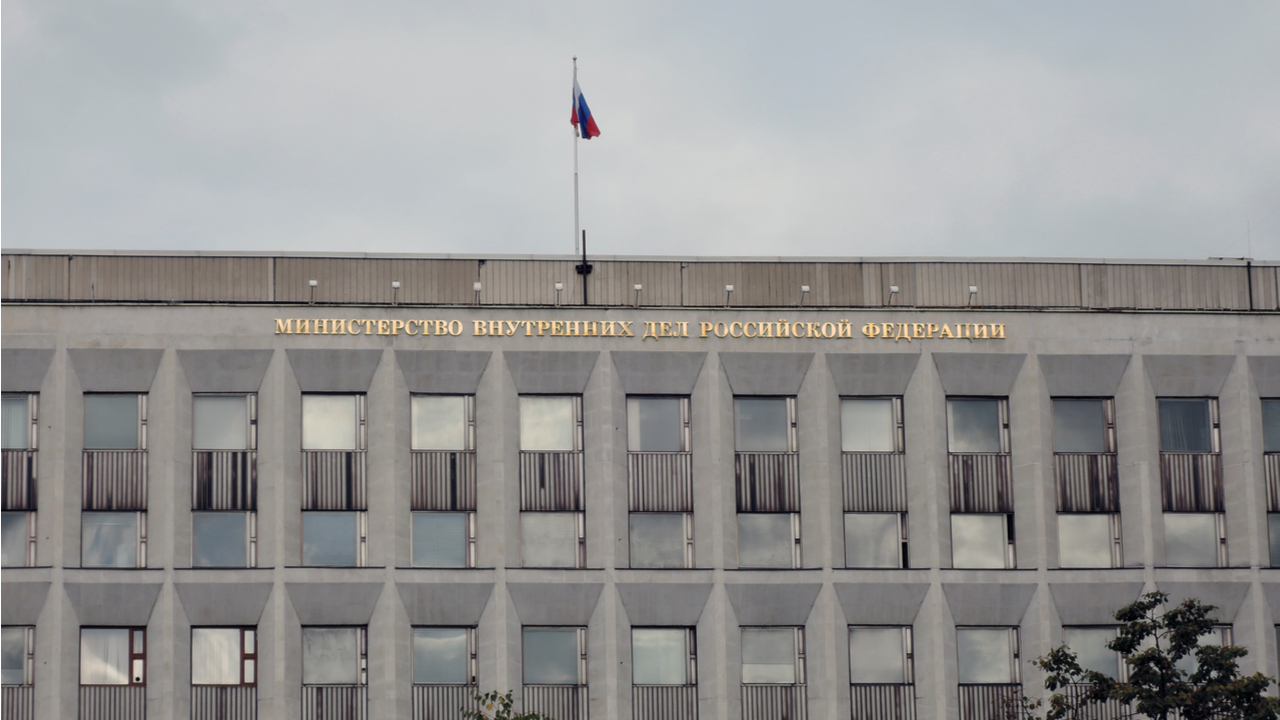
The Ministry of Internal Affairs of the Russian Federation (MVD) has brought down four prominent websites operating on the dark web, blockchain forensics firm Elliptic has revealed. The sites have been blocked by Directorate “K”, MVD’s unit combatting computer-related crime.

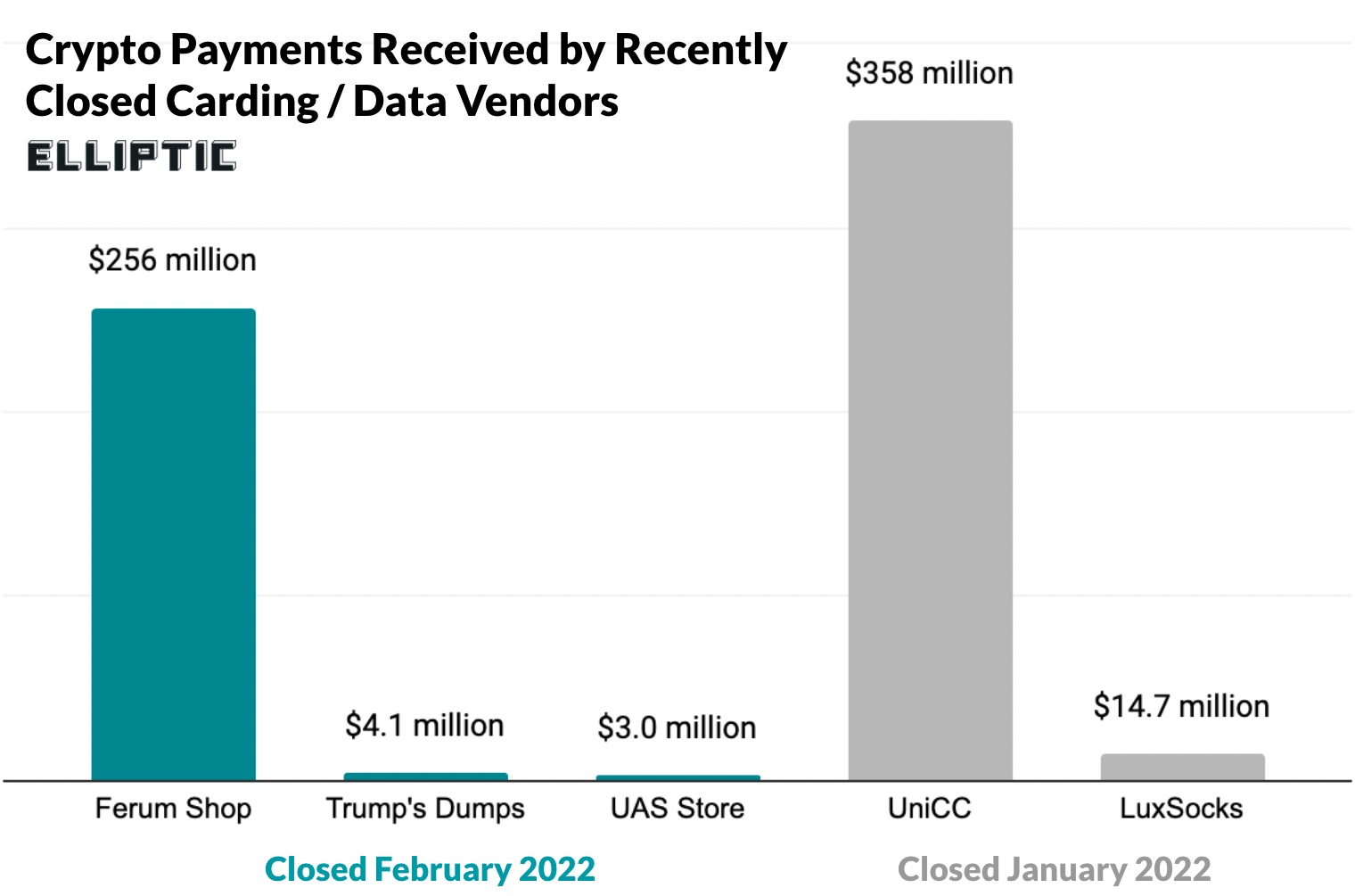
The seized platforms are the Sky-Fraud forum, Trump’s Dumps, UAS Store, and Ferum Shop, which became the leading market for stolen credit cards after the largest marketplace in the niche, Unicc, was taken offline in January, the report details.

According to Elliptic’s estimate, the sites have collectively made more than $263 million in crypto sales denominated in bitcoin (BTC), ether (ETH), and litecoin (LTC) before they were shut down. Ferum accounts for the bulk of that amount with $256 million in bitcoin generated, or 17% of the carding market.

Trump’s Dumps, another website distributing compromised card data, has allegedly made around $4.1 million since its launch in 2017. Both sites were advertised on the on Sky-Fraud forum, where carding techniques and money laundering tips were among the main topics. Directorate “K” has apparently left a message in its source code, reading: “Which one of you is next?”

[#Russia] SKY-FRAUD & FERUM, famous Russian #carding forums closed by Russian authorities.

Authorities left an easter egg on the code source saying “WHICH ONE OF YOU IS NEXT?”#cybercrime #takedown #infosec #banking pic.twitter.com/RbNTkWPHIc

— Soufiane Tahiri (@S0ufi4n3) February 7, 2022

The fourth blocked website, UAS Store, was a platform offering stolen remote desktop protocol credentials that cybercriminals use to gain access to victims’ accounts from other devices. These breaches have increased during the Covid-19 pandemic as more employees are now working from home. Since late 2017, UAS Store has made around $3 million in cryptocurrency.

Russia Takes Down 4 Carding Sites With Over $260 Million in Crypto Turnover

Elliptic notes that the latest seizures have been executed after the previous top carding marketplace, Unicc, and its affiliate proxy market Luxsocks, became inaccessible in mid-January. The seizures also came after the subsequent arrest of Unicc’s suspected administrator by the Russian Federal Security Service (FSB). Researchers claim the crypto proceeds of the two platforms reached $372 million.

Meanwhile, the MVD has sought through a Moscow court the arrest of six unidentified hackers accused of “illegal circulation of means of payment.” Whether the group is linked to the closed-down dark web sites is not clear yet. Last month, FSB and MVD busted the notorious Revil ransomware group on a U.S. request, detaining 14 of its suspected members.

Do you think Russia will continue to crack down on dark web platforms and hacking groups? Tell us in the comments section below.

Russian Government to Track Crypto Transactions With Help From Anti-Drug Organization

Russian Government to Track Crypto Transactions With Help From Anti-Drug Organization

Russian institutions have responded to a call from а public movement for joint efforts to identify cryptocurrency transfers related to drug trade. The anti-drug organization, Stopnarkotik, recently asked the interior ministry and the central bank to investigate alleged connections between U.S.-sanctioned crypto exchange Suex and a darknet market operating in the region.

Russian Authorities Respond to Stopnarkotik’s Request for Action Against Drug Trade

The Ministry of Internal Affairs of the Russian Federation (MVD) and Bank of Russia have agreed to cooperate with the All-Russian Public Movement Stopnarkotik on identifying financial flows involving cryptocurrencies obtained as a result of drug sales. The Russian online news portal Lenta.ru reported on the agreement, quoting a letter from a high-ranking MVD official.

The letter signed by Major General Andrei Yanishevsky, head of the Drug Control Department at the Interior Ministry, has been issued after a working meeting with representatives of the anti-drug organization. It comes in response to Stopnarkotik’s call for the two institutions to carry out an investigation focused on Suex, a Russia-based OTC crypto broker, and its links to other companies and banks.

In September, the U.S. Treasury Department blacklisted the Czech-registered entity Suex OTC s.r.o. which operates out of physical offices in Moscow and Saint Petersburg. The crypto platform is suspected of processing hundreds of millions of dollars in coin transactions related to scams, ransomware attacks, darknet markets, and the infamous Russian BTC-e exchange.

Since launching in 2018, Suex is believed to have received over $481 million in BTC alone. Close to $13 million came from ransomware operators such as Ryuk, Conti, and Maze, over $24 million was sent by crypto scams like Finiko, $20 million came from mixers, and another $20 million from darknet markets such as the Russia-targeting Hydra, blockchain forensics firm Chainalysis detailed in a report.

In its request to the Russian authorities, following the announcement of the U.S. sanctions, Stopnarkotik noted that Suex had been “involved in money laundering for the largest drug-selling platform.” The organization pointed out that the market’s drug trafficking in the Russian Federation amounts to an estimated $1.5 billion a year or more.

It also mentioned the name of one of Suex’s co-founders and highlighted its alleged connections with other crypto companies and financial institutions such as Exmo, a major digital asset exchange in Eastern Europe, financial services company Qiwi, a leading payment provider in Russia and the CIS countries, as well as the Ukraine-based Concord Bank.

Stopnarkotik asked Bank of Russia to provide its assessment on the matter, check if the operations of Suex and other entities are being conducted in accordance with the law in Russia, and consider blocking Russian payments to a Ukrainian organization.

“We received a response from the Ministry of Internal Affairs and the Central Bank. We also had a personal meeting with the Ministry of Internal Affairs so that they had an understanding of how we receive information, including about money laundering,” the movement’s chairman, Sergei Polozov, has been quoted as saying. He added that the Russian Interior Ministry is ready to accept Stopnarkotik’s data and work together with the organization.

Do you expect the cooperation between Stopnarkotik and Russian government institutions to develop further? Tell us in the comments section below.

❌