❌

Reading view

There are new articles available, click to refresh the page.

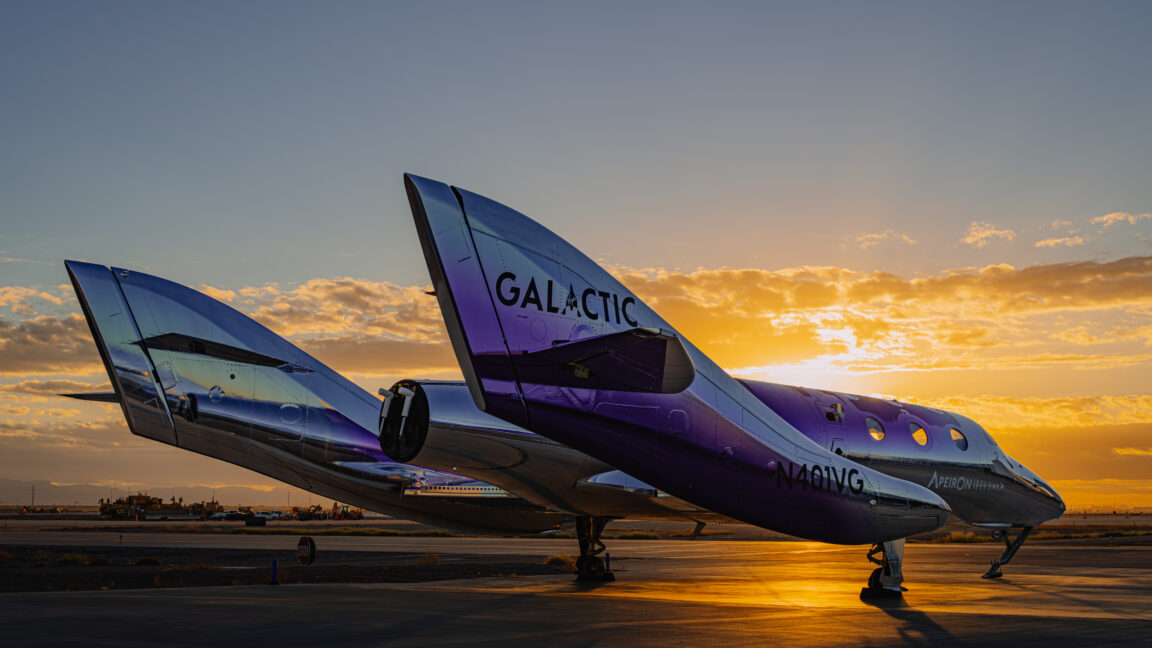
The last, best hope for space tourism just rolled onto a runway in Arizona

The private space tourism era looked so very promising five years ago. Blue Origin and Virgin Galactic had begun flying customersβ€”real people with zero space experienceβ€”on suborbital missions. And at about the same time, private citizens were going to orbit for days at a time aboard SpaceX's Crew Dragon.

But that was then. Consider the state of play today:

  • It has been 10 months since Blue Origin's New Shepard spacecraft flew its last mission in January. The program was subsequently "paused," but let's be real. Blue Origin has moved on. New Shepard's engineering teams are now supporting the New Glenn rocket and Blue Moon lander programs.
  • SpaceX flew its final free-flyer mission on Dragon, Fram2, in April 2025. A handful of non-NASA missions bound for space stations remain on the spacecraft's manifest, but all are likely to carry at least one government astronaut. Then Dragon will be retired. There is no credible timeline for SpaceX's Starship to fly humans into space from Earth.
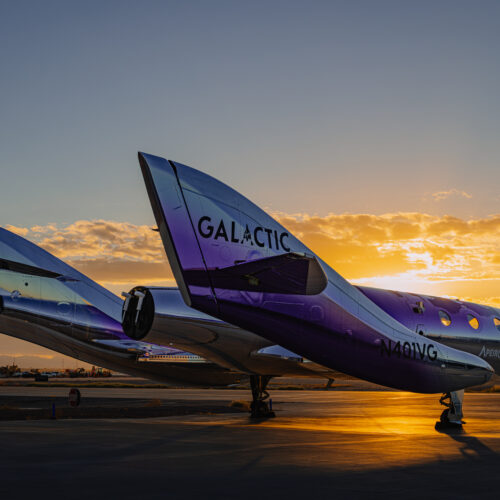
  • As for Virgin Galactic, the company flew its final suborbital mission on the VSS Unity spacecraft more than two years ago, in June 2024.

So we are now 10 months, and counting, without a space tourism mission in the United States.
Read full article

Comments

Β© Virgin Galactic

Tesla gave up the EV crown. Now it wants to win the autonomy race.

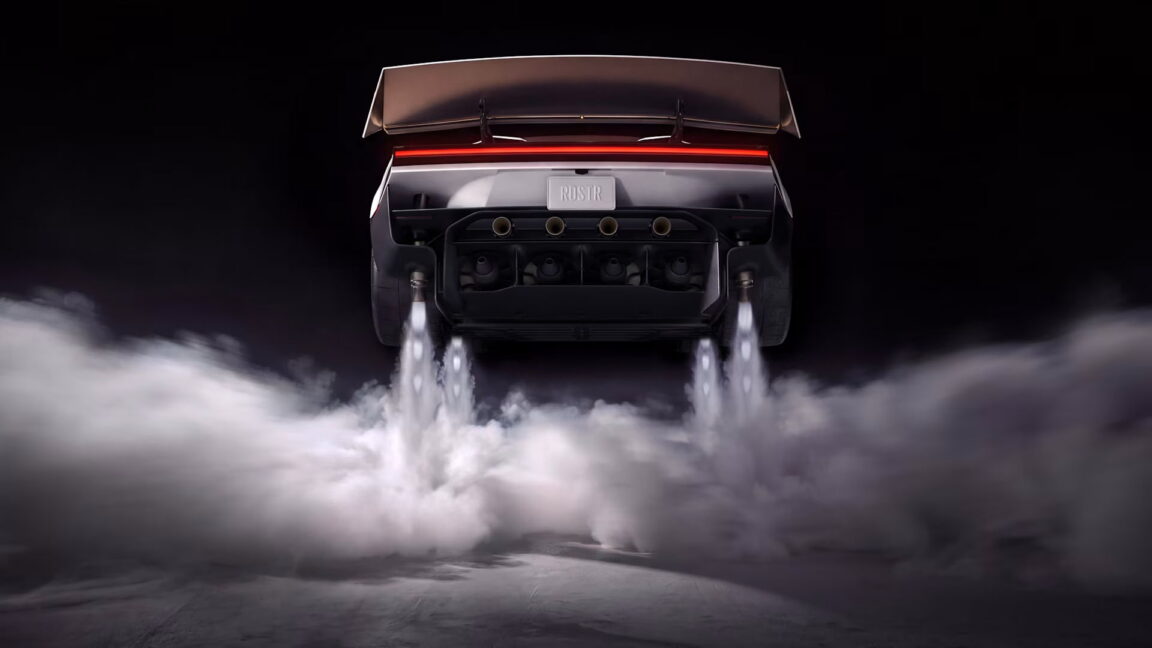
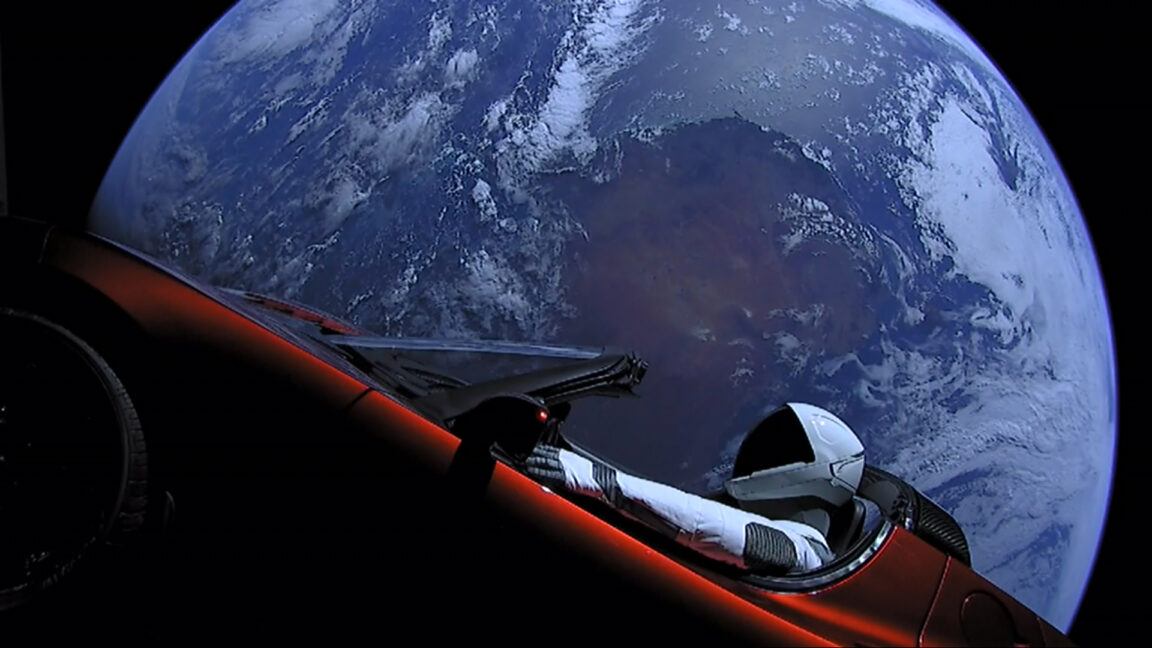
Elon Musk’s β€œflying” Roadster jumped and flipped through the air this month in a stunt that went viral around the world. But his bigger bet is on changing the way Tesla makes moneyβ€”and the wider car industry is scrambling to catch up.

Five days after the spectacle, made possible by compressed-gas thrusters developed by Musk’s SpaceX, he revealed the companies were exploring a merger that could accelerate his push into autonomous driving.

At stake is more than a technological race. Car groups, already grappling with growing Chinese competition, are seeking to move beyond a business model centered on vehicle sales towards one that also generates recurring revenues from software and AI-powered services.

Read full article

Comments

Β© Tesla

Report: Musk ordered Starlink slowdown in Ukraine, then blamed it on Trump

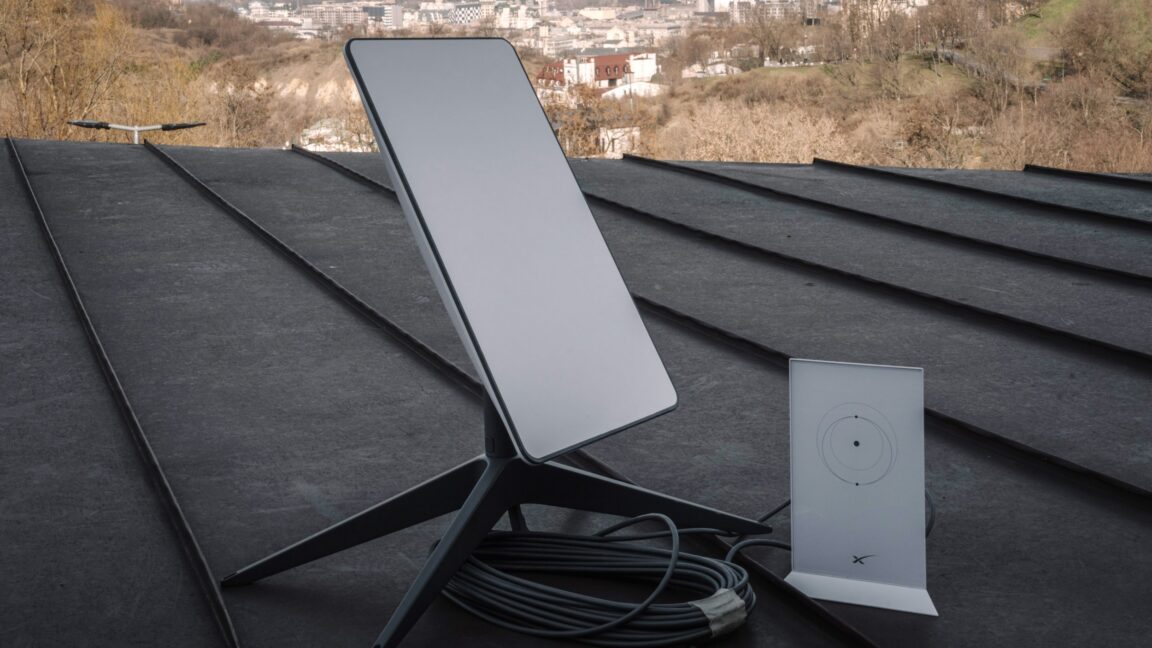
A Wall Street Journal report said SpaceX CEO Elon Musk ordered the Starlink throttling that blindsided Ukraine's air assault forcesΒ last week, despite Musk's claim that all decisions on the military version of Starlink are made by the US military and President Trump.

Trump denied ordering the restrictions. While Musk may have spoken to Trump and administration officials before the decision, The Wall Street Journal reported yesterday that Musk made the final call. The decision came after both Musk and Trump criticized Ukraine for attacking Russian diesel refineries.

"Elon Musk ordered the slowdown of a military-grade version of Starlink relied on by Ukraine, a decision that sparked panic in Kyiv and confusion inside the Trump administration," the WSJ wrote, citing unnamed US officials and people familiar with the matter. The report said that "Musk capped the speeds at which Ukrainian hardware could stay connected to the satellite-based network... rendering some offensive drones and interceptor drones virtually useless."

Read full article

Comments

Β© Getty Images | Bloomberg

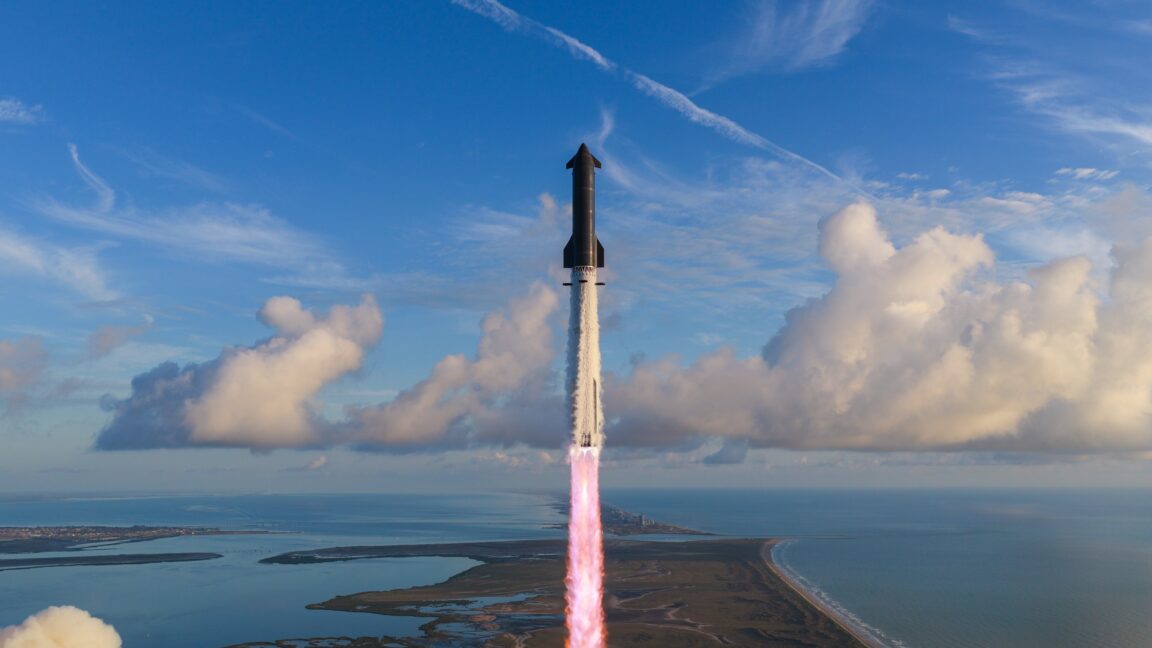
SpaceX to attempt Starship catch on next flight, with eye on rapid cadence increase

In its current iteration, SpaceX is largely a data company seeking to provide enormous amounts of compute for artificial intelligence. During an earnings call on Tuesday afternoon, company officials spent much of their time discussing ambitious plans to roll out up to 10 GW of compute in 2027β€”on the ground.

Gone are the days of aspirational talk about sending humans to Mars and settling the red planet. Now it is almost all about artificial intelligence and the data needed to support its expansion. However, the company's long-term ambitions to provide data services from space, initially with the Starlink Internet constellation and eventually through the "Starmind" data center constellation, still rely on an actual rocket.

That would be the Starship vehicle, and during the earnings call, SpaceX founder Elon Musk and the company's president and chief operating officer, Gwynne Shotwell, provided new performance targets for the vehicle.

Read full article

Comments

Β© SpaceX

Merging SpaceX and Tesla would be a "good idea," Musk says

Elon Musk said Tuesday that he would like to see the consolidation of his business empire by formally merging his two largest companies, SpaceX and Tesla.

"Do I think it would be a good idea? Yes," Musk said of a potential merger. He was speaking during a question-and-answer period as part of SpaceX's third-quarter earnings call. Musk said, ultimately, it not his decision. "But at the end of the day the shareholders have to be supportive of this."

Musk's talk of a merger comes after a busy year in which SpaceX already acquired Musk's artificial intelligence firm, xAI, in February. In June, SpaceX went public with the largest initial public offering on record.

Read full article

Comments

Β© SpaceX

Rocket Report: FAA eyes more Starbase traffic; India's Skyroot snares US customer

Welcome to Edition 9.15 of the Rocket Report! The launch I'm most looking forward to in the next few weeks is that of Japan's Martian Moons Exploration (MMX) mission. MMX is one of the marquee space science missions launching this year, and it's set to leave Earth as soon as Monday (US time) aboard a Japanese H3 rocket. The spacecraft will visit Phobos and Deimos, the two asteroid-like moons of Mars, deploying a rover and collecting specimens for return to Earth in 2031. Exploration at its finest.

As always, we welcome reader submissions, and if you don't want to miss an issue, please subscribe using the box below (the form will not appear on AMP-enabled versions of the site). Each report will include information on small-, medium-, and heavy-lift rockets as well as a quick look ahead at the next three launches on the calendar.

Reflect Orbital looks to India for launch capacity. California-based Reflect Orbital, the startup attempting to offer sunlight on-demand with in-space mirrors, announced the purchase of two launches Wednesday from Indian launcher Skyroot Aerospace, Payload Space reports. One of the launches will use Skyroot's Vikram-1 rocket, which became the first privately developed Indian rocket to reach orbit in July. The other will fly on an upgraded rocket called the Vikram-1U.

Read full article

Comments

Β© Stoke Space

❌