❌

Reading view

There are new articles available, click to refresh the page.

OpenAI stuck fighting Musk antitrust suit after Apple finds a way out

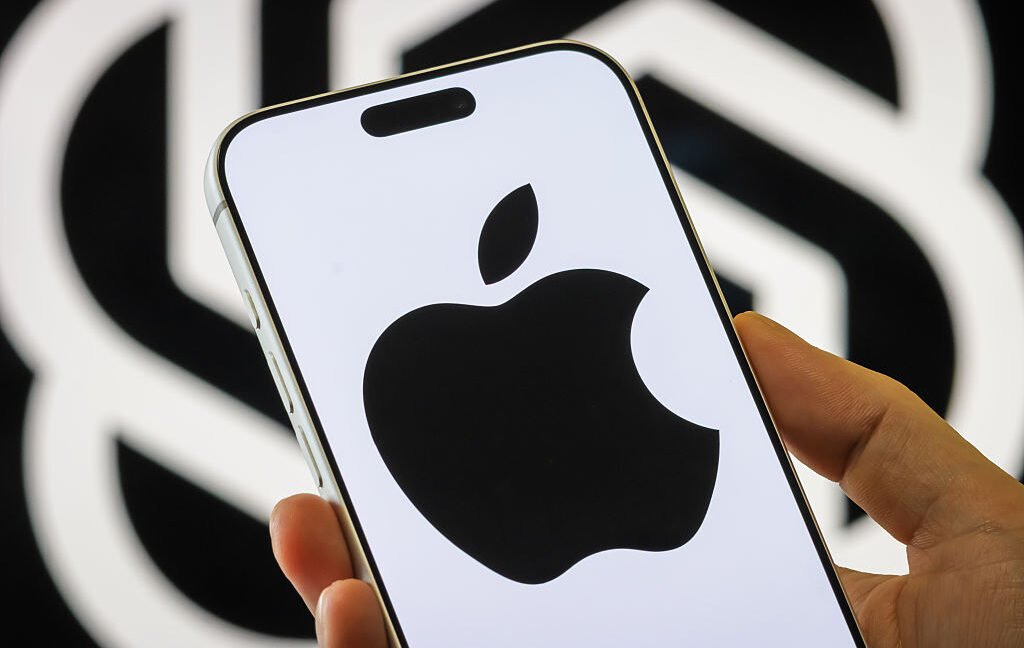
Elon Musk is seemingly done attacking Apple over its decision to integrate ChatGPT into iPhone features.

Back in 2024, when the partnership was first announced, Musk slammed the integration as an agreement from Apple to let OpenAI install β€œcreepy spyware” on users’ devices. The next year, he sued, claiming the partnership gave the firms a β€œmonopoly” on Apple users’ AI prompts, which allegedly harmed competition in both smartphone and chatbot markets.

For Musk, the fight with Apple seemingly escalated after he believed that his chatbot, Grok, was perhaps being illegally blocked from topping Apple’s App Store rankings. Last August, he claimed that β€œApple is behaving in a manner that makes it impossible for any AI company besides OpenAI to reach #1 in the App Store, which is an unequivocal antitrust violation.”
Read full article

Comments

Β© Getty Images News | Getty Images AsiaPac
US court rules Google will not have to sell ad exchange after losing antitrust case

A US federal judge has sided with Google, ruling that the company will not have to sell its online advertising exchange (previously known as AdX). The US Department of Justice (DOJ) sought this remedy in the long-running ad tech antitrust trial, which Google lost in 2025. However, the remedies imposed upon Google for that loss are shaping up to be minimal.

In this case, the DOJ and a coalition of states sought to prove that Google leveraged its immense market power in online display ads to reduce the reach of competitors. Government lawyers argued that Google had "rigged" ad auctions to give itself an advantage. While the court agreed that Google illegally locked publishers into using its exchange, it did not agree that Google had broken the law when it came to the tools used by advertisers.

Despite the mixed ruling, the DOJ argued during the remedy phase that forcing Google to sell its ad exchange, which facilitates connections between ad buyers and sellers, was the best way to level the playing field. But that won't happen. While the ad exchange represents a relatively small part of Google's revenue, forcing the company to sell may have sent ripple effects through the rest of its ad business. It would also have been a powerful message to Big Tech firms, which have successfully knocked back a recent wave of antitrust cases.

Read full article

Comments

Β© Ryan Whitwam

❌