❌

Reading view

There are new articles available, click to refresh the page.

Trump declares robot imports a national security threat

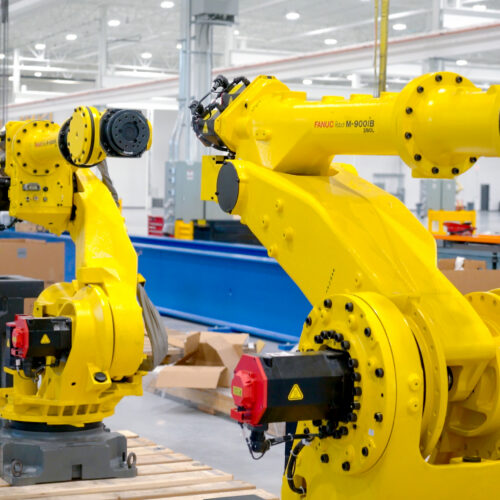
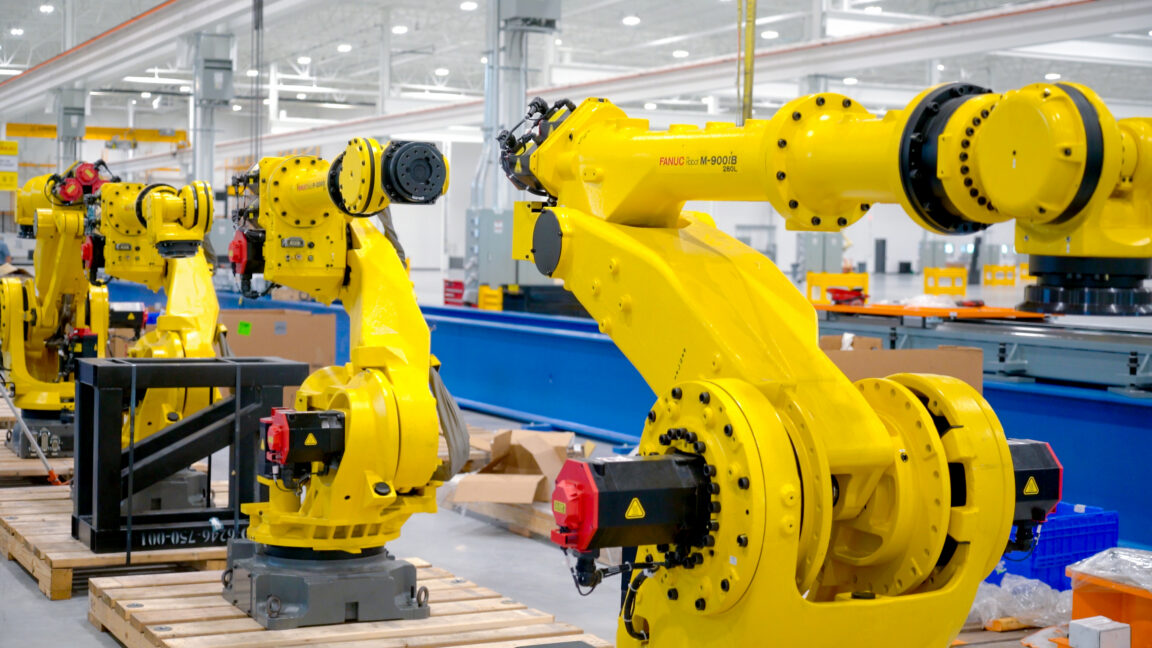
President Donald Trump has declared the imports of foreign-made factory robots to be a national security threatβ€”ordering new US negotiations with trading partners while holding out the possibility of imposing new tariffs on such robot imports in the future.

Issued on October 28, Trump’s presidential proclamation represents heightened government scrutiny of foreign-made industrial robots that could complicate the manufacturing operations of major US corporations that rely on such robots. Those companies include Detroit automakers General Motors and Ford, electric vehicle manufacturer Tesla, and aerospace and defense giants like Boeing and Lockheed Martin.

Trump’s proclamation describes industrial robots and machinery as being crucial for producing US military weapon systems along with representing a β€œdriving force” behind all critical infrastructure sectors within the US economy. The proclamation cites an investigation under US Secretary of Commerce Howard Lutnick as having found that US imports of such robots β€œpose[] risks to the United States industrial base and threatens the long-term competitiveness of the United States in a sector that is increasingly vital to national security.”
Read full article

Comments

Β© FANUC America

Intel gets waiver after worries fuzzy US ban on foreign-made robots may hit fabs

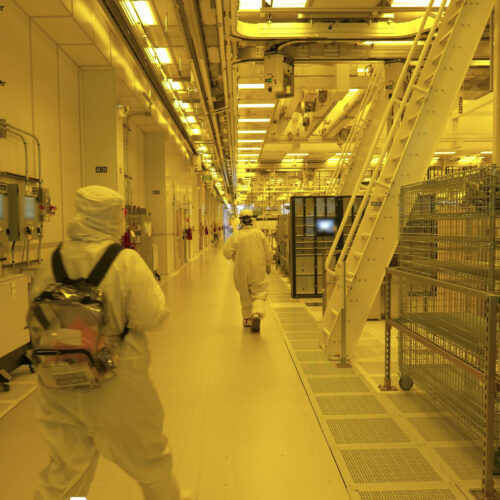
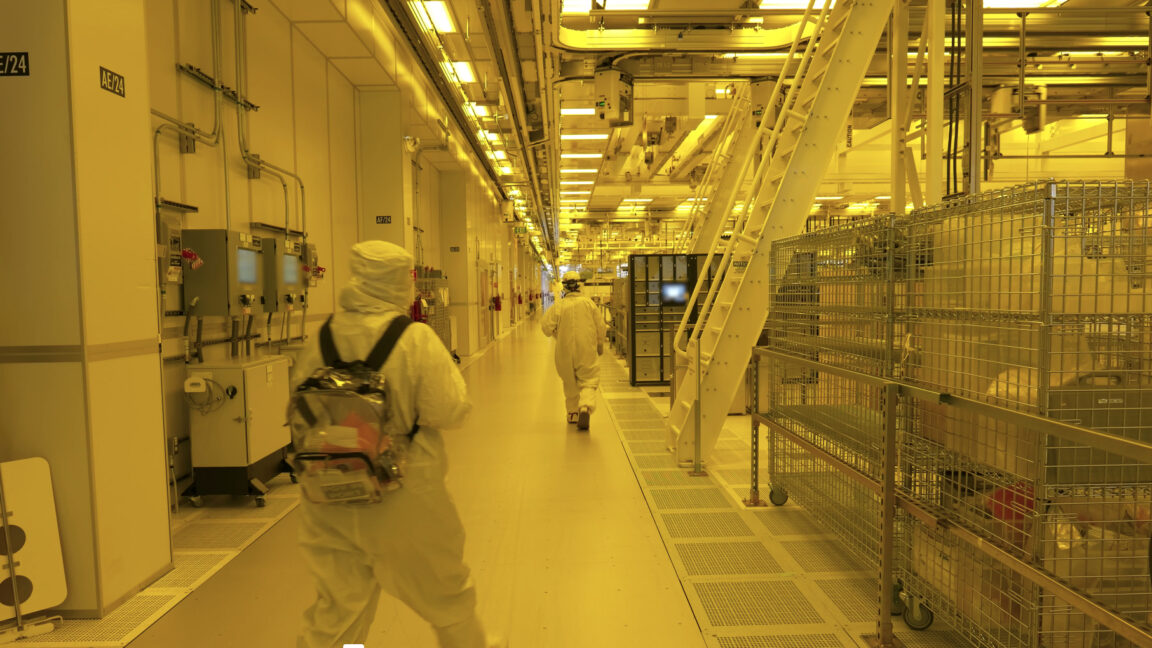
US chip champion Intel was so confused by the US government ban on foreign-made robots that it requested and received a waiver β€œout of an abundance of caution.” The tech company wanted to make sure that it could continue using certain robotic vehicles in its US chip fabs.

The uncertainty surrounding the Federal Communications Commission ban on certain foreign-made robots was revealed in the agency’s decision to grant Intel’s waiver request. On October 22, the FCC published its order allowing Intel to continue using the foreign-made robots in US semiconductor manufacturing facilities for a period of one year.

The robots in question are automated guided vehicles operating on β€œtracks or predefined paths” while often requiring operator oversight, according to Intel’s website. They help to move materials and items around within warehouses and factory floors.

Read full article

Comments

Β© Intel

They war-gamed dimming the Sun. It went even worse than you think.

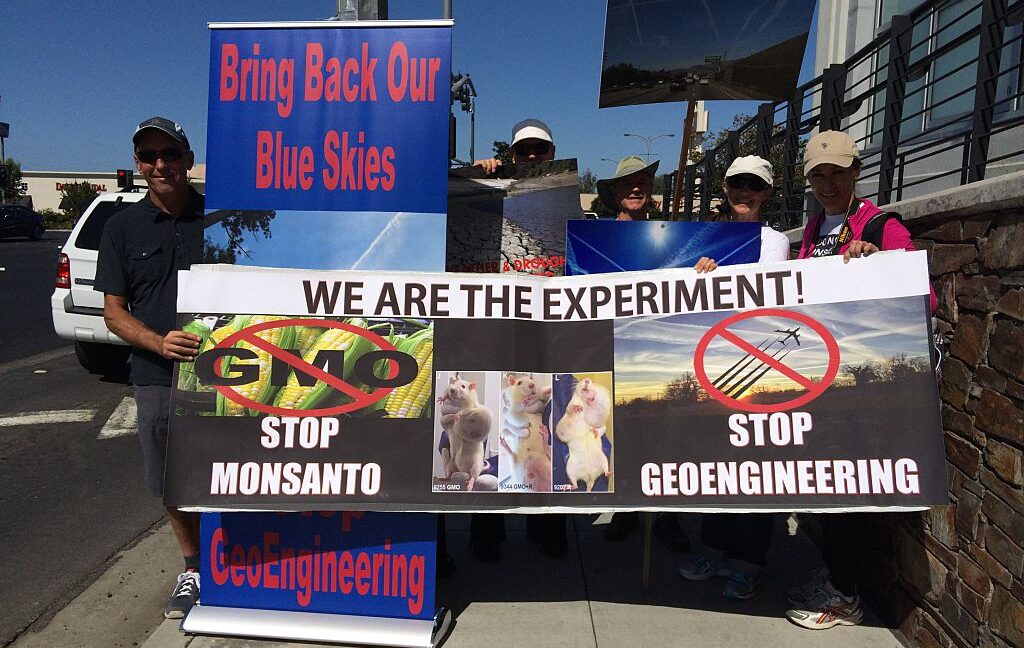
When it comes to deciding the fate of the planet, Colleen Golja always thought science and reason would have a seat at the table. That was until one morning last September in London, when the climate researcher took part in the first in a series of war games. The goal: to prevent an uncontrolled global race to develop a technology aimed at cooling the planet but that comes with vast, unknown risks that could reshape life on Earth.

β€œI thought that would be such an easy thing. Like, we can all agree to do ethical research and make sure it's for the better of all humans,” she told WIRED. β€œAnd boy, was I wrong.”

The simulation, titled Exploring Geopolitical Tipping Points and Climate Cooling Strategies, saw a couple dozen foreign-relations experts, scientists, military personnel, and former government officials from across the world convene in a meeting room at Queen Mary University of London. After making introductions over coffee and little yogurts, they sat at tables arranged in a square with the name of the country or organization each person was playing: national governments, climate NGOs and nonprofits, indigenous groups, and tech companies. Golja was assigned to provide technical advice to help participants make scientifically literate decisions.

Read full article

Comments

Β© Lisa Werner / Contributor

❌