❌

Reading view

There are new articles available, click to refresh the page.

Kalshi and its co-founders face felony charges for violating Utah gambling laws

The Trump administration is trying to stop Utah from enforcing its gambling ban against Kalshi, making Utah the 10th state sued by the US government agency that regulates prediction markets.

Meanwhile, Utah Attorney General Derek Brown filed criminal charges in a state court against Kalshi and its founders on Wednesday. The attorney general's office provided us with court filings listing charges against KalshiEX, LLC, Kalshi co-founder and CEO Tarek Mansour, and Kalshi co-founder and COO Luana Lopes Lara.

The company and two co-founders each face 13 felony charges and one misdemeanor for violating gambling laws. The charges are based on sports bets offered on Kalshi between September 13 and September 24.Β "The state did not issue arrest warrants for Monsour and Lopes Lara. Instead, they have been issued summons to respond to the charges in Third District Court in Salt Lake County," The Salt Lake Tribune wrote.


Read full article

Comments

Β© Getty Images | Martin Lelievre

Hegseth warns prediction market bets warp military judgment, endanger troops

Defense Secretary Pete Hegseth issued a memo warning military personnel against using nonpublic information to make bets on prediction markets, saying the wagers could give important clues to enemy countries.

"Do Not Compromise Military Operations for Personal Financial Gain," said the subject line of an October 20 memo published yesterday by CBS News. Hegseth's memo was sent to senior Pentagon leadership, Combatant Command leaders, and Defense Department field activity directors.

Hegseth wrote:

Read full article

Comments

Β© Getty Images | AFP/Martin Lelievre

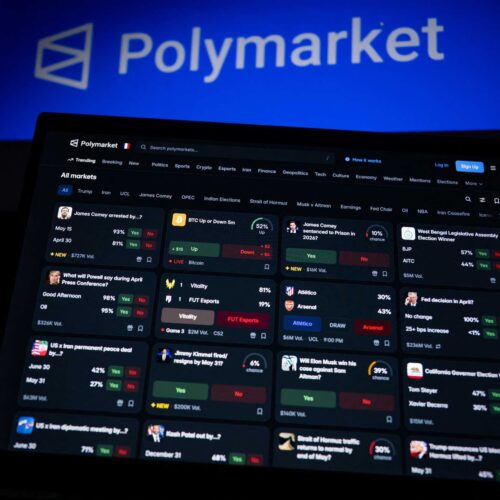
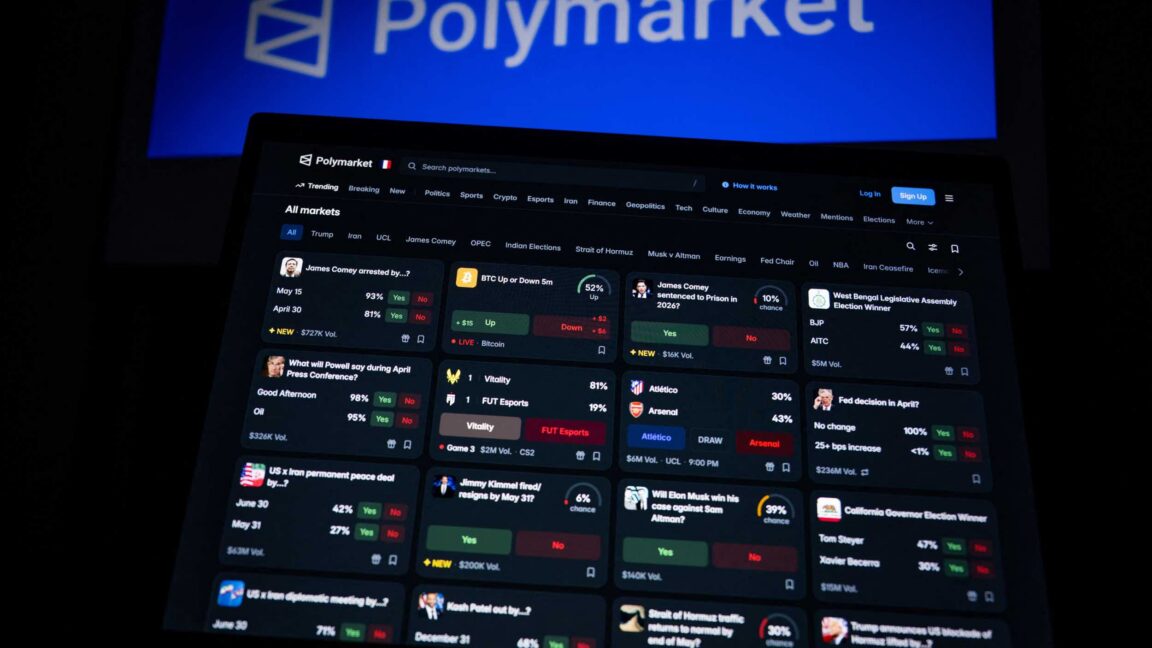
Polymarket saw $600 million in election trades after the elections were over

Prediction market boosters often tout the platforms as barometers of public opinion, or even β€œtruth machines” offering a clearer picture of where things are headed than polling or other data. In 2024, for example, Kalshi beat many pollsters in forecasting the outcome of the US presidential race. But their trading activity can also tell more perplexing stories.

Two global election markets on Polymarket’s offshore platform, for instance, generated over $600 million in trading volume, far more than most political markets typically attract. Most of the activity took place buying and selling contracts tied to long-shot candidates who ultimately did not win.

This summer, Ethiopian Prime Minister Abiy Ahmed’s Prosperity Party cruised to victory in federal elections, winning 438 parliamentary seats and paving the way for him to serve another five-year term. The closest competitor won 13 seats. On prediction markets, trading volumeβ€”the total value of contracts bought and soldβ€”typically tracks roughly with the odds of a given outcome; frontrunners attract far more volume than long shots. But in this case, the trading patterns deviated sharply from the norm. Just $173,000 was wagered on Ahmed winning, compared to more than $41 million traded on his chief of staff, Shimelis Abdisa, becoming the country’s next leader. Altogether, the volume traded added up to over $285 million, nearly all on losing candidates.

Read full article

Comments

Β© https://www.gettyimages.com/detail/news-photo/in-this-photo-illustration-the-polymarket-logo-is-seen-news-photo/2230669636

❌