NASA has released a document that provides some initial details about the proposed United States Space Academy, and it's clear that the space agency wants to move quickly in establishing the institution.
According to the document's timeline, NASA seeks a groundbreaking for a permanent campus no later than next year, the first class to be enrolled and begin studies in temporary facilities in 2028, and a transition to a permanent campus in 2031.
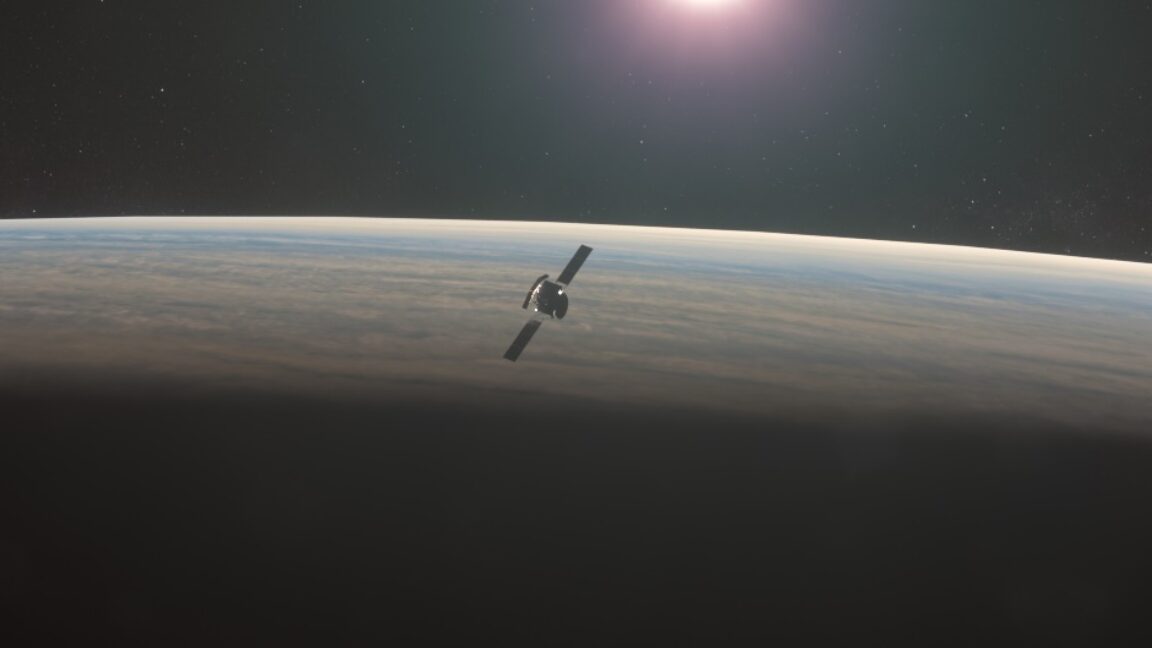
The European Space Agency is moving "full steam ahead" with development of a robotic mission to Venus after NASA officials determined they were unlikely to fulfill a commitment to provide a US-built radar instrument for the spacecraft, the mission's project scientist said.
The European orbiter, named Envision, will map the Venusian surface at 10 times higher resolution than the last radar mission sent to Venus by NASA in the 1990s. The planet is enshrouded in a blanket of thick clouds of sulfuric acid, rendering its mysterious surface unseen by optical cameras in orbit. Radar is the most effective way to penetrate the clouds of Venus to reveal the terrain below, and scientists will use Envision to look for signs of active volcanism.
NASA and ESA signed a memorandum of understanding in 2024 outlining their partnership on Envision. NASA agreed to supply a US-made synthetic aperture radar instrument, Envision's primary means of mapping the surface of Venus, along with providing tracking and communications support through NASA's Deep Space Network. In exchange, ESA would include US researchers on Envision's science team. Europe would build the Envision spacecraft and the rest of its science instruments and provide the launch on an Ariane 6 rocket.
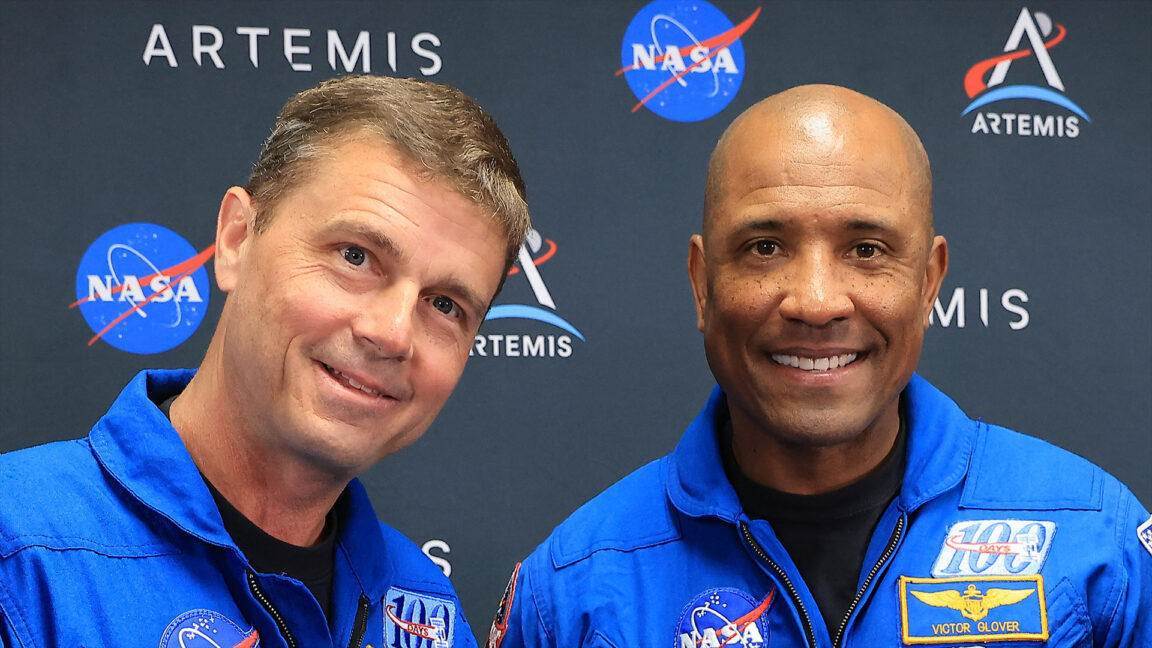
The commander and pilot of NASA's Artemis II mission have gained a new distinction five months after splashing down from the Moon: They're not fully retiring from the space agency.
Reid Wiseman and Victor Glover are the first astronauts to join NASA's emeritus program, enabling them to continue to support the work being done at Johnson Space Center in Houston. They will remain available to train and mentor the current workforce while still being able to pursue employment and opportunities outside of NASA.
"I have asked NASA ... to not use the term 'retire' as much, but technically emeritus is a retirement program," Glover told collectSPACE.com on Wednesday. "It's something we have typically done for scientists when they have groundbreaking research, and they want to go back to academia to teach or to research and publish."
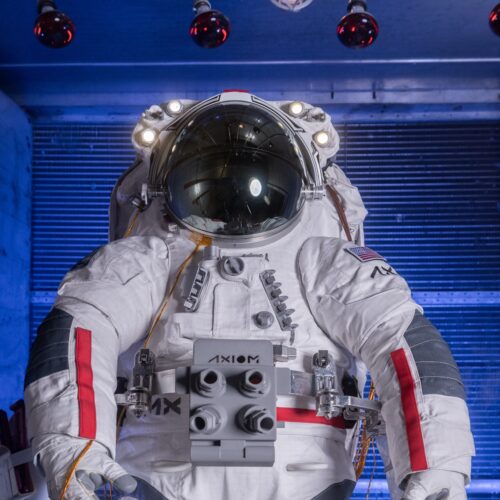
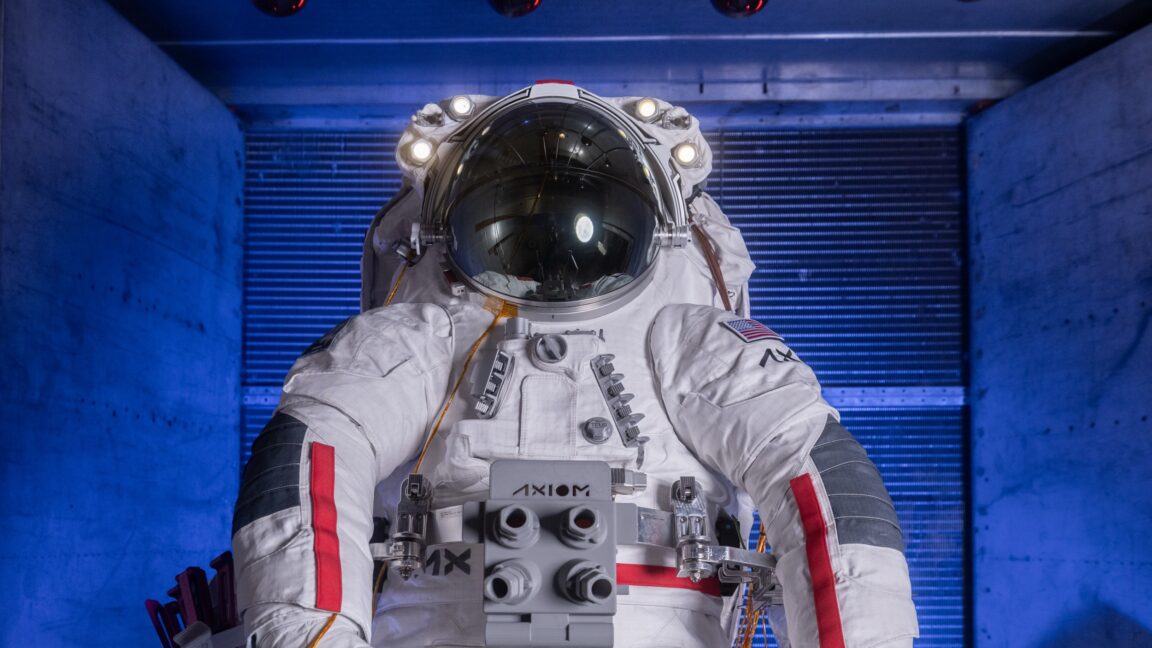
NASA has decided to use a simpler spacesuit for its initial missions to the lunar surface, Ars has learned.
The agency announced the decision during an internal meeting this week as it seeks to accelerate its program to land humans at the south pole of the Moon as early as 2028. At the direction of Artemis Program Manager Jeremy Parsons, NASA will work with Axiom Space to develop a "Sortie Suit" variant of the planned spacesuit for the lunar surface.
Sources said the Sortie Suit will be used for the initial landing missions flown on landers developed both by SpaceX and Blue Origin. Among the goals of the initiative are to lower the mass of the spacesuit, reduce its complexity, and simplify interfaces between the spacesuits and lunar landers.
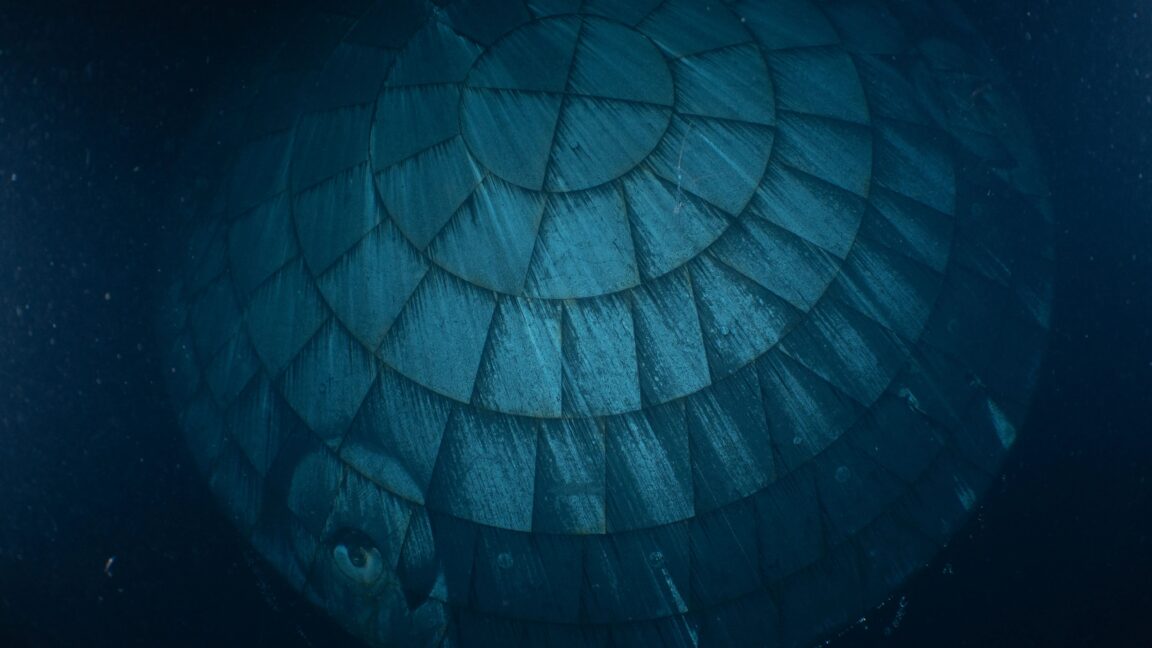
Perhaps the biggest question going into the Artemis II mission this spring was how the heat shield at the base of the spacecraft would perform during reentry through Earth's atmosphere.
The ablative heat shield, designed to char upon reentry while keeping the crew safe, had experienced unexpected losses of large chunks during a test flight in late 2022. After much deliberation, and not without controversy, NASA decided to fly the Artemis II heat shield as is but modify the spacecraft's reentry trajectory.
Obviously, the heat shield worked. The crew of Artemis II, led by commander Reid Wiseman, safely splashed down in the Pacific Ocean after a triumphant trip around the Moon. Afterward, they and other NASA officials offered general comments, saying the heat shield looked good.
For the first time in more than 30 years, NASA has no firm plans to send any new landers or rovers to Mars. Instead, the agency's near-term focus at the red planet is on aerial drones, a pioneering mode of exploration that didn't seem realistic until a few years ago.
The first real use of drones for science at Mars will come with the SkyFall mission, a fleet of three helicopters set for launch as soon as late 2028. SkyFall's helicopters will ride to the red planet with NASA's Space Reactor-1 "Freedom" mission, which has the primary objective of demonstrating nuclear electric propulsion in deep space.
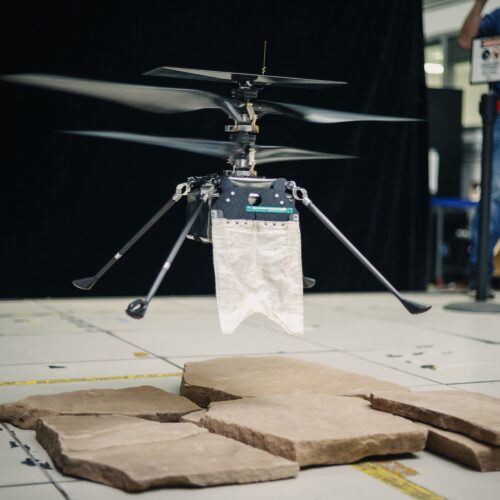
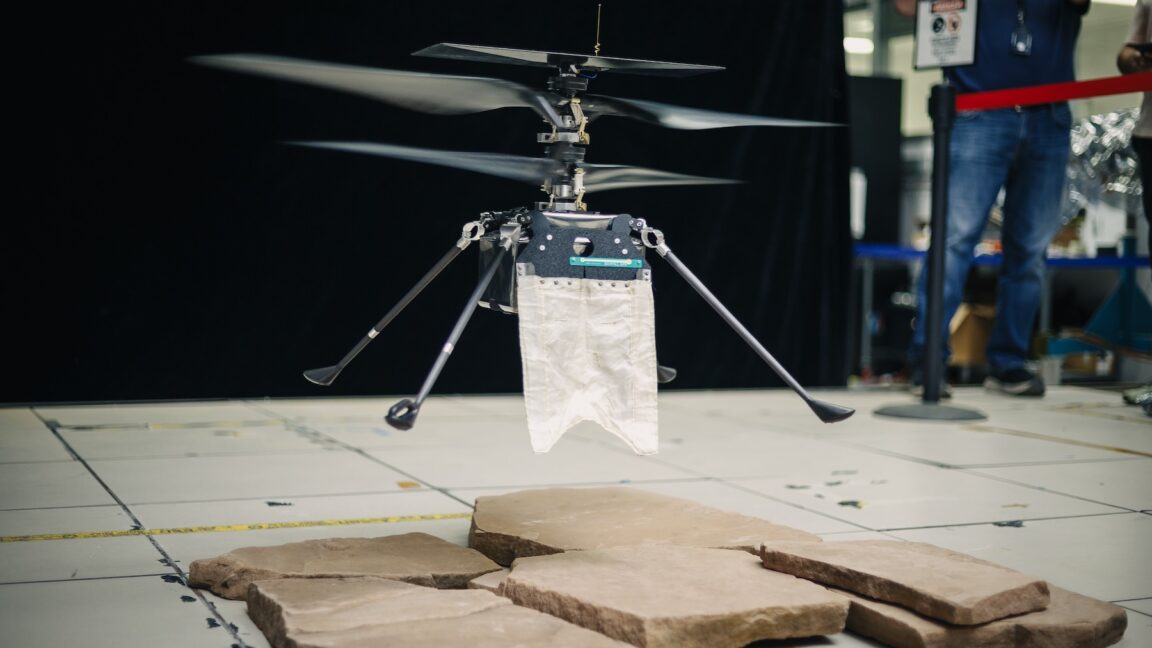
The launch schedule is aggressive for SR-1 Freedom and SkyFall, projects that didn't even exist in NASA's portfolio six months ago. NASA's plan for the SR-1 Freedom mission, estimated to cost $2.1 billion, calls for repurposing the core module of the canceled Gateway lunar space station into a testbed for nuclear electric propulsion. SkyFall will build on NASA's success with the Ingenuity helicopter, an experimental vehicle that became the first rotorcraft to fly on another world in 2021.
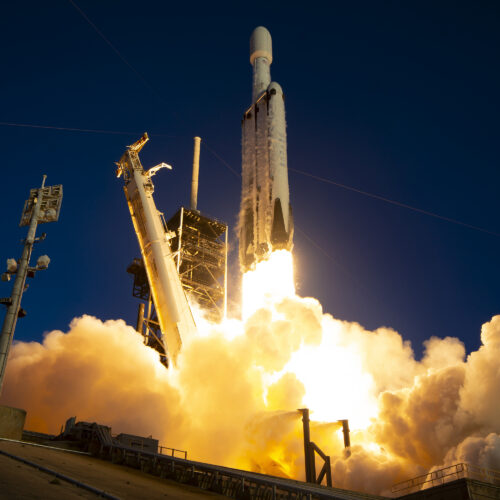
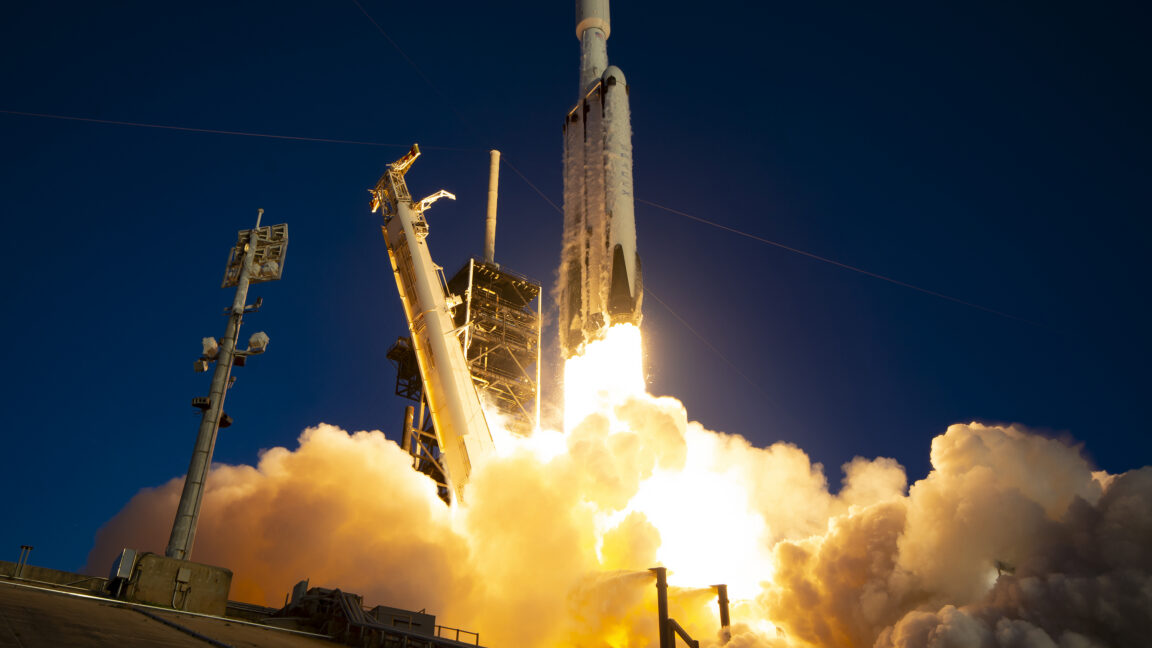
NASA's $4.3 billion Nancy Grace Roman Space Telescope, equipped with a 300-megapixel camera sighted through a refurbished spy mirror, launched Sunday from Kennedy Space Center in Florida on a mission to reveal the mysterious forces driving the Universe.
The new mission will extend the vision of NASA's other famous observatories, providing a field of view 100 times wider than the Hubble Space Telescope and complementing the groundbreaking work of the James Webb Space Telescope. Roman is just the second NASA-led astrophysics mission to launch this century, following the launch of Webb in 2021.
Unlike Webb, which suffered many years of delays before reaching space, Roman arrived at the launch pad nine months before NASA's commitment to send it skyward by May 2027.
As is standard procedure for major NASA missions, the US space agency held a post-launch news conference on Sunday morning at Kennedy Space Center in Florida to provide information about how the Nancy Grace Roman Space Telescope was faring during its initial maneuvers.
What was not standard, however, is what happened in the middle of the news conference. A little less than half an hour in, NASA Administrator Jared Isaacman looked down at his mobile phone, and then stood up and walked away from the dais where he had been seated behind a table along with other NASA officials. He briefly left the room.
Isaacman returned about a minute later, phone in hand, apologizing for interrupting NASA's chief of science, Nicky Fox, as she was speaking about the mission. "The President of the United States of America would like to address and congratulate everyone on this mission," Isaacman said, returning to his seat.
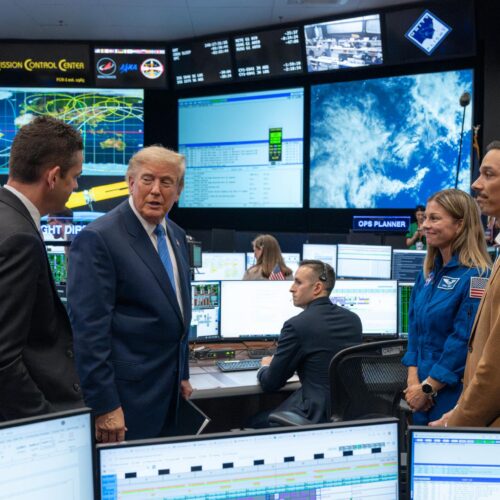
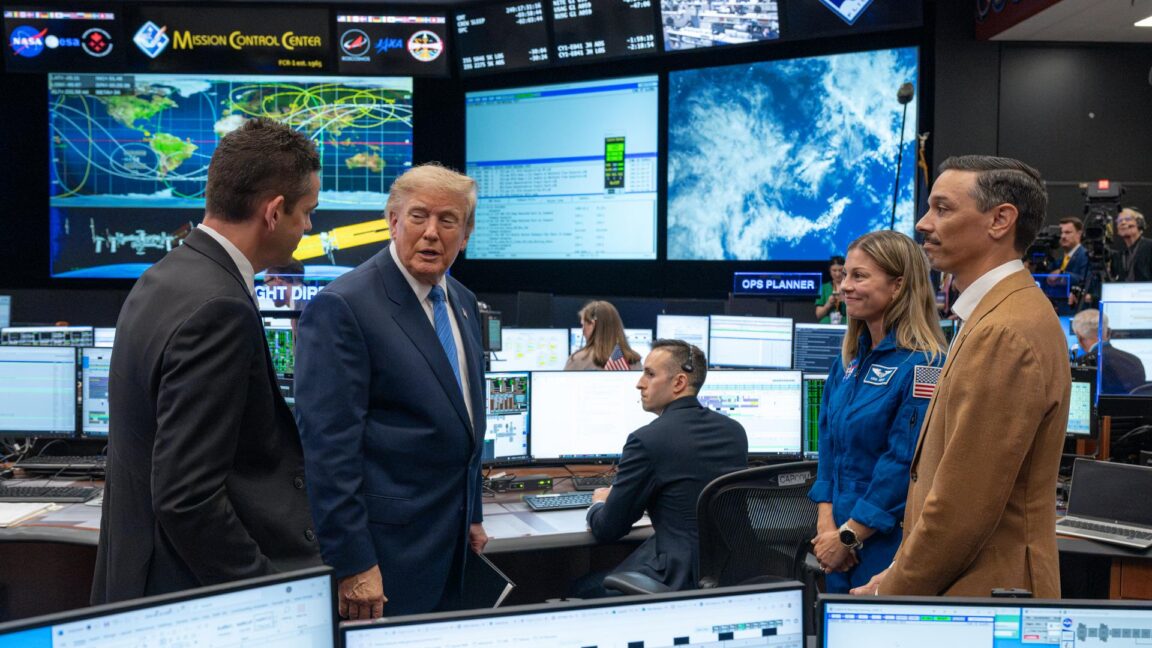
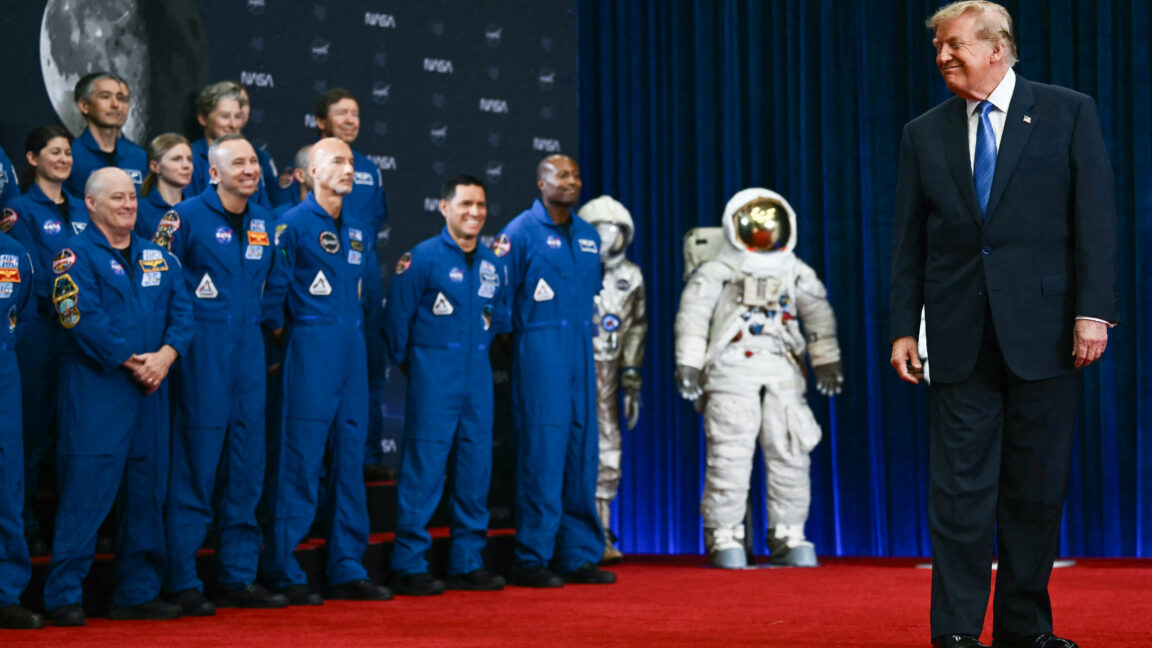
During a visit to Johnson Space Center, President Trump on Friday signed an executive order to establish a new commission with the purpose of creating the first national space academy.
"It's clear that we will need to educate and train an entire generation of skilled service members, engineers, and civil operators, and everything else to do what we have to do," Trump said. "I will sign an executive order to begin the process of creating a new national academy. It's called the US Space Academy. That's a big deal."
The proposed United States Space Academy would fall under the jurisdiction of NASA, and according to US space officials, is not intended be a traditional service academy in the sense that it educates and trains officers for the armed services, such as the Air Force Academy.
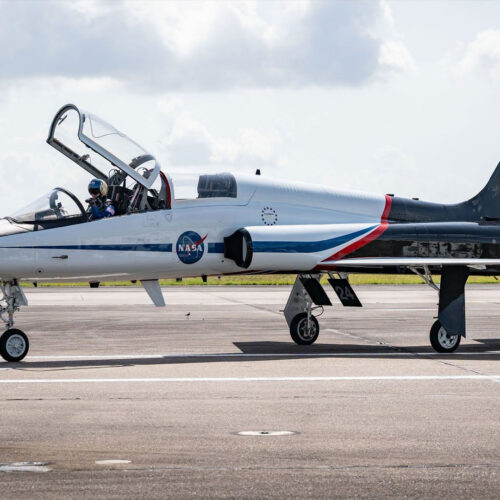
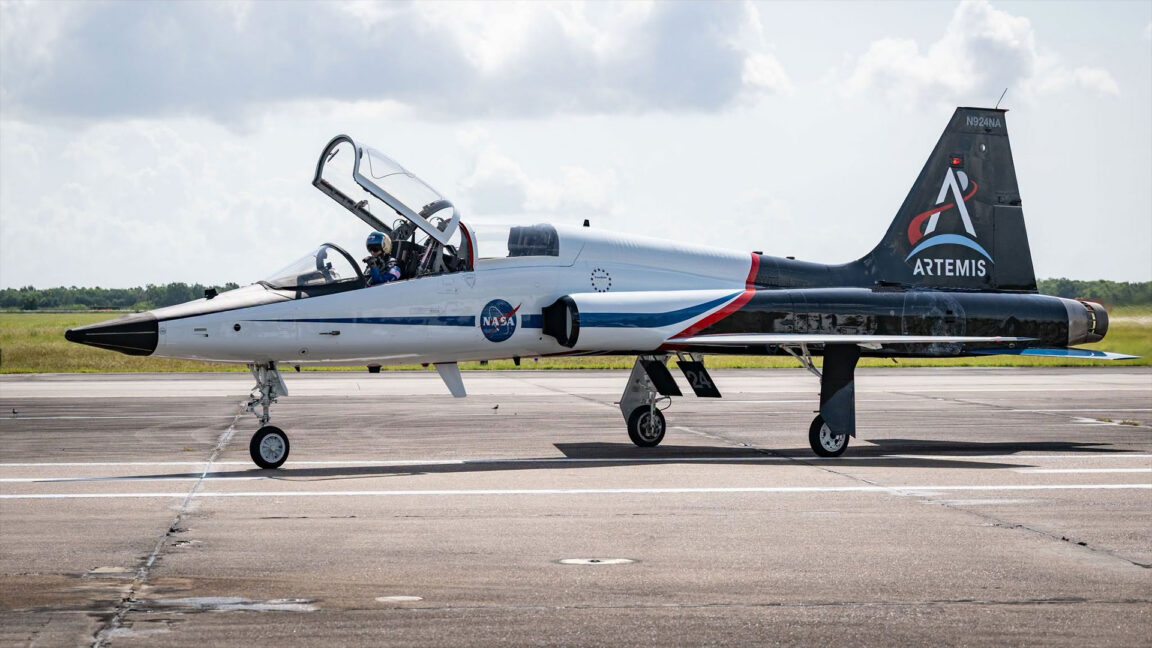
For the first time in decades, NASA has rolled out one of its iconic astronaut training aircraft with a bold, new look.
The space agency debuted a new livery on one of its T-38 jets in celebration of its program to return astronauts to the Moon. The Artemis design retains nods to what made the "white rocket" immediately recognizable, but adds a new colorway and painted graphics to make clear where NASA is headed.
"This new 'Artemis' livery has a black and white paint scheme with blue and red stripes that separate those two paint schemes," said Sean Brady, who proposed and designed the new livery while serving as the T-38 project pilot in NASA's Aircraft Operations Division (AOD), part of the Flight Operations Directorate at Johnson Space Center in Houston. "The Artemis program logo in the back and a picture of the Moon is on the left and right side of the rear fuselage."

 Login
Login