❌

Reading view

There are new articles available, click to refresh the page.

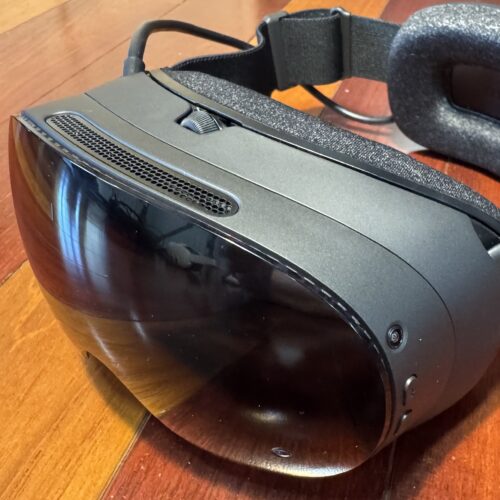
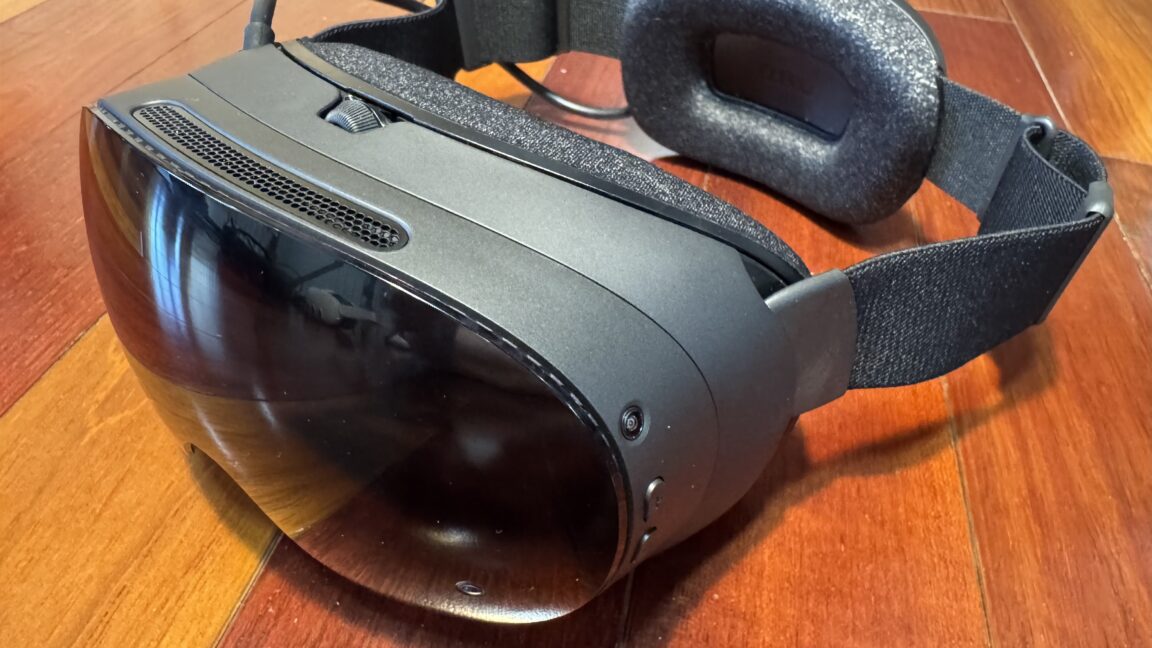
Steam Frame: The Ars Technica review

In the 2010s, Valve was at the forefront of a virtual reality revolution that looked to some like it would upend the gaming industry. The Valve of six to ten years ago seemed committed to being a major player in the world of PC-connected VR headsets, first through its β€œstrategic partnership” with HTC on the impressive-for-the-time Vive headset (plus the SteamVR platform standard that powered it) and then years later with its own Index headset (and proof-of-concept adventure Half-Life: Alyx).

Then came the Meta (previously Oculus) Quest, a low-powered, low-cost headset that proved the vast majority of VR-curious gamers didn’t want to bother with being literally tethered to a bulky, expensive gaming PC. As the Quest line carved out a modest niche through the 2020s, Valve seemed more or less satisfied to let its earlier VR hardware and software ambitions wither on the vine.

Those years of Valve’s benign neglect of VR make the imminent release of the $1,059 Steam Frameβ€”which starts taking reservations todayβ€”more than a little surprising. Now that virtual reality’s hype-fueled, revolutionary promises have decidedly not played out, Valve is somehow ready and willing to limp headfirst into the world of standalone VR headsetsβ€”today, in 2026. And after spending a week or so with Valve’s latest foray into gaming hardware, the Frame somehow feels simultaneously overengineered and underbaked, depending on how you look at it.
Read full article

Comments

Β© Kyle Orland

Four groups caught using the same Chrome and Windows exploit kit

A nearly identical exploit kit that targets critical vulnerabilities in both Chromium-based browsers and older versions of Windows is being actively used by at least four hacking groups, some of which have ties to the Chinese government.

Researchers from security firm Proofpoint said Wednesday that BlueMoon, the name they gave to the kit, chains three vulnerabilities together so the attackers using it can install malware of their choice. BlueMoon exploits two Chromium vulnerabilities and one in the kernel of Windows 10 (Oct. 2018 Update), Windows Server 2019, Windows 10 2004, Windows Server 2022, and the initial release of Windows 11. All three vulnerabilities have received patches in the past 24 hours.

Deployed rapidly, widely shared

The attacks lacked the stealth found in many campaigns. More often, hackers want to exploit newly discovered vulnerabilities sparingly to lengthen their longevity. Proofpoint hypothesized that one reason for the widely used and visible exploit chain was to take advantage of a β€œpatch gap” in the Chromium supply chain, which spans the time a patch is available from developers and the time that patch is incorporated into browsers such as Chrome and Edge. Another likely contributor was the use of AI, which can often spot vulnerabilities faster than discovery performed solely by humans.

Read full article

Comments

Β© Getty Images

Google's AI genome system evaluates every possible one-base change

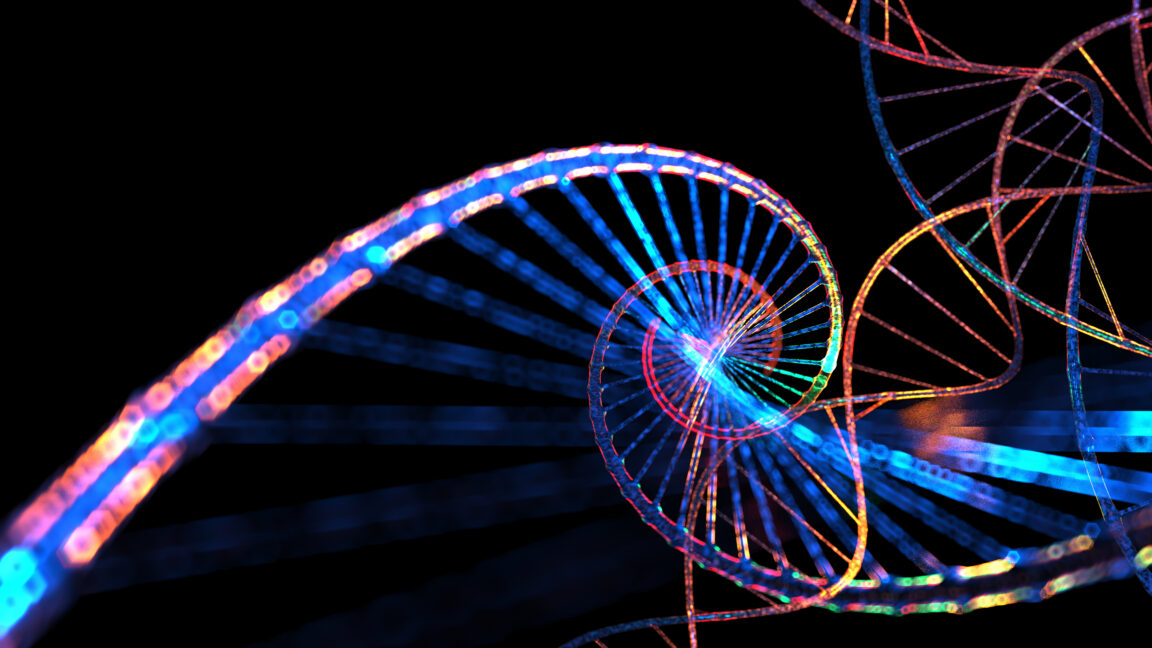
On Tuesday, Google announced AlphaGenome Atlas, a resource that attempts to predict the consequences of every possible single-base variant in the human genome. The human genome is about 3 billion bases long, so trying the other three DNA bases that don't appear in our reference genome means sending a total of 9 billion bases through AlphaGenome software.

AlphaGenome is designed to identify potential functions of non-coding DNA, which does not encode proteins but makes up the vast majority of the human genome. Some of this non-coding DNA is essential for controlling the activity of the protein-coding portionβ€”it tells the cell where and when to make messenger RNAs, how to process them into mature protein-coding forms, and so on. But much of it appears to be little more than the remains of viruses and other molecular parasites.

Being able to identify the functional portion is very useful, as is having all the analysis done by a single software package. But until biologists start to use it heavily (assuming they do), it won't be clear what AlphaGenome offers beyond what we could have gotten out of its training data.

Read full article

Comments

Β© Vertigo3D

Second complete map of a fruit fly brain completed

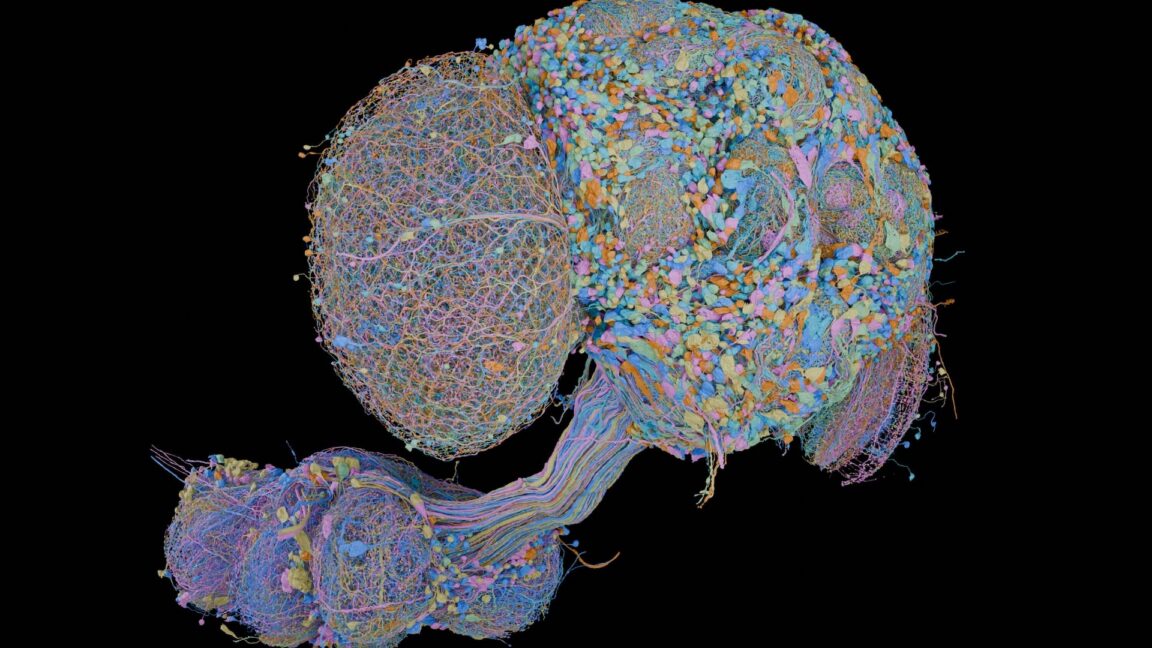
On Friday, researchers announced the completion of a map of every neuron in the brain of a male fruit fly. The "connectome" provides a tool that can accelerate neurobiology research. But it also provides an opportunity to do some science on its own, as the connectome of a female Drosophila had been completed earlier this year. The work also provided the team behind it the opportunity to refine tools that are likely to be applied to ever-more complex nervous systems, including (potentially) those of vertebrates.

The new work involved a collaboration between biologists at the Howard Hughes Medical Institute's Janelia Research Campus and computer scientists at Googleβ€”both acknowledge that neither could have done the project without the other. Preparation of an entire brain for imaging at the necessary resolution requires a distinct set of skills, as does interpreting what those images indicate. But building a complete picture of the hundreds of millions of synapses in a brain as small as the fruit fly's is a task that can't be achieved by humans in a manageable amount of time.

The people behind the effort expect that in the long term, the effort will be worth it, as the connectome could give neurobiologists a valuable tool for understanding how the brain works.

Read full article

Comments

Β© Philip Hubbard/HHMI Janelia

Review: Coyote vs. Acme is an unabashed love letter to Looney Tunes

It took three years, but Coyote vs. Acme is finally in theaters and delighting audiences of all ages with its irresistible blend of slapstick humor, pointed satire, and even a warm fuzzy here and there. We're happy to report that the film was worth the wait.

(Some spoilers below but no major reveals.)

The film is based on a well-known satirical piece by Ian Frazier (also titled β€œCoyote vs. Acme”) published in The New Yorker in 1990. Development of a film version didn’t start until 2018, but some pretty talented people worked on the script, including James Gunn. Small wonder that Warner Bros.’ bizarre 2023 decision to shelve the film in order to take a tax write-off sparked outrage both within the industry and among fans online.

Read full article

Comments

Β© Ketchup Entertainment

The iconic T-38 jets flown by astronauts just got a spiffy new look

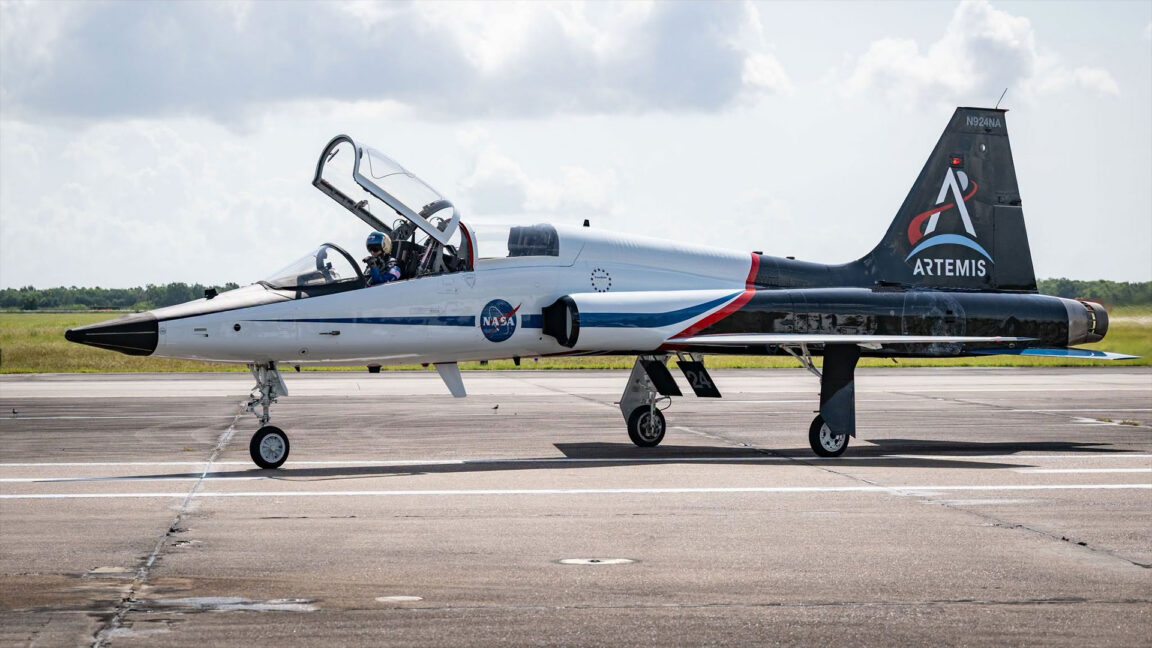
For the first time in decades, NASA has rolled out one of its iconic astronaut training aircraft with a bold, new look.

The space agency debuted a new livery on one of its T-38 jets in celebration of its program to return astronauts to the Moon. The Artemis design retains nods to what made the "white rocket" immediately recognizable, but adds a new colorway and painted graphics to make clear where NASA is headed.

"This new 'Artemis' livery has a black and white paint scheme with blue and red stripes that separate those two paint schemes," said Sean Brady, who proposed and designed the new livery while serving as the T-38 project pilot in NASA's Aircraft Operations Division (AOD), part of the Flight Operations Directorate at Johnson Space Center in Houston. "The Artemis program logo in the back and a picture of the Moon is on the left and right side of the rear fuselage."

Read full article

Comments

Β© NASA/James Blair

Researchers get two genetic codes to work at the same time

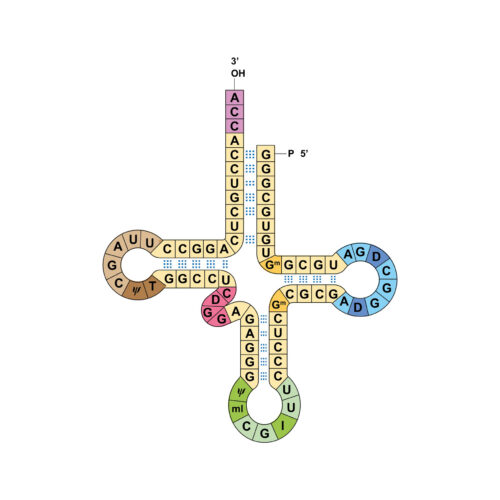
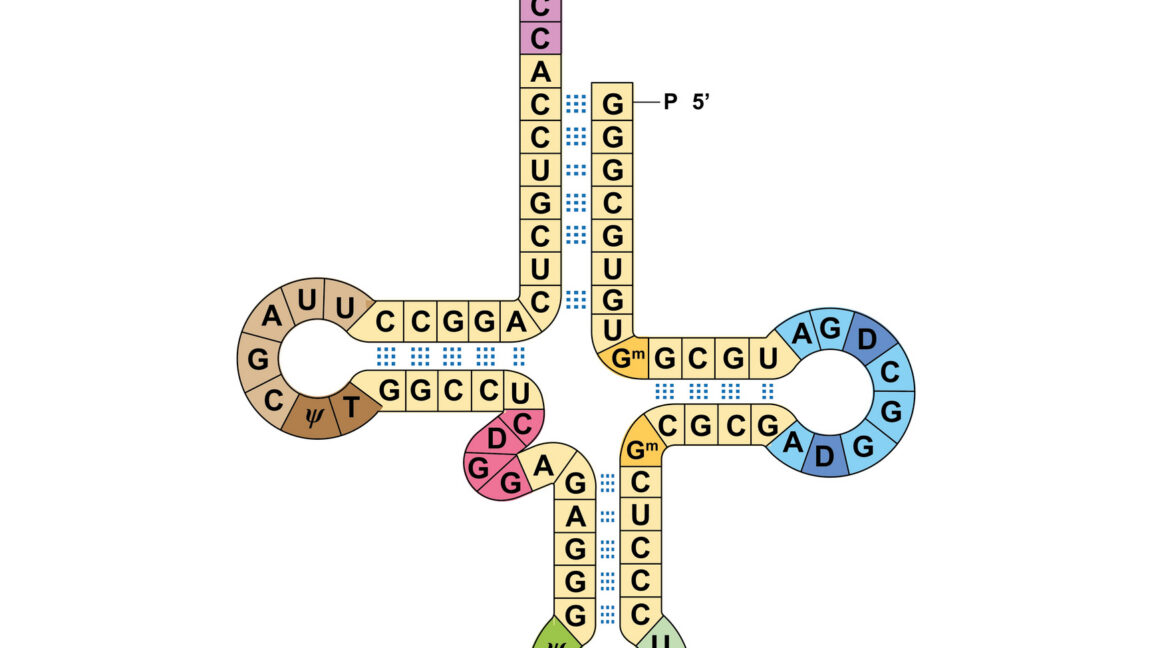
The genetic code is what life everywhere uses to convert the information contained in DNA into specific protein sequences. With minor variations, the same genetic code is used by every living thing on Earth, suggesting it was already present in the last common ancestor of all of them. It's not an easy thing to change, because so many things in every cell depend on it.

Nevertheless, some preliminary steps have been taken. Researchers have managed to add some new amino acids to a bacterial cell and were able to make proteins that were one amino acid less than usual. But it's a slog; for some of this work, people have had to re-engineer every single gene in a bacterial genome.

Now, researchers have found a way to operate two separate genetic codes simultaneously, avoiding the need to do any work to compensate for altering the code that every protein in a cell relies on. They didn't test it in an actual cell, and it might cause some problems there. But it's a creative solution that should accelerate some synthetic biology work.

Read full article

Comments

Β© ALI DAMOUH/SCIENCE PHOTO LIBRARY

Ads and tracking infiltrated TVs. Now they're coming for monitors.

Ads and tracking have turned TVs into privacy nightmares. Both are so widespread among smart TVs that I’ve written a guide for avoiding them. One recommendation in that guide is to use a computer monitor. But in recent years, monitors have become more capable of pushing ads and tracking users.

Without more straightforward approaches from vendors, such as easily comprehensible privacy policies and avoiding inappropriate ads, monitors are dangerously encroaching into smart-TV-like territory.

LG monitors’ McAfee ads

LG lost some trust after a recent report that some of its monitors installed McAfee pop-up ads onto connected computers. Since at least 2024, some of these displays installed an app, LG Monitor App Installer, onto connected computers under the cover of driver updates installed through Windows Update.

Read full article

Comments

Β© SeongJoon Cho/Bloomberg via Getty Images

❌