❌

Reading view

There are new articles available, click to refresh the page.

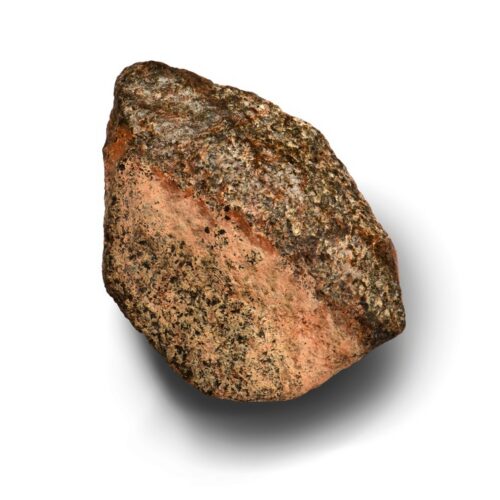
Rare meteorite from Mars gives us a view into its ancient crust

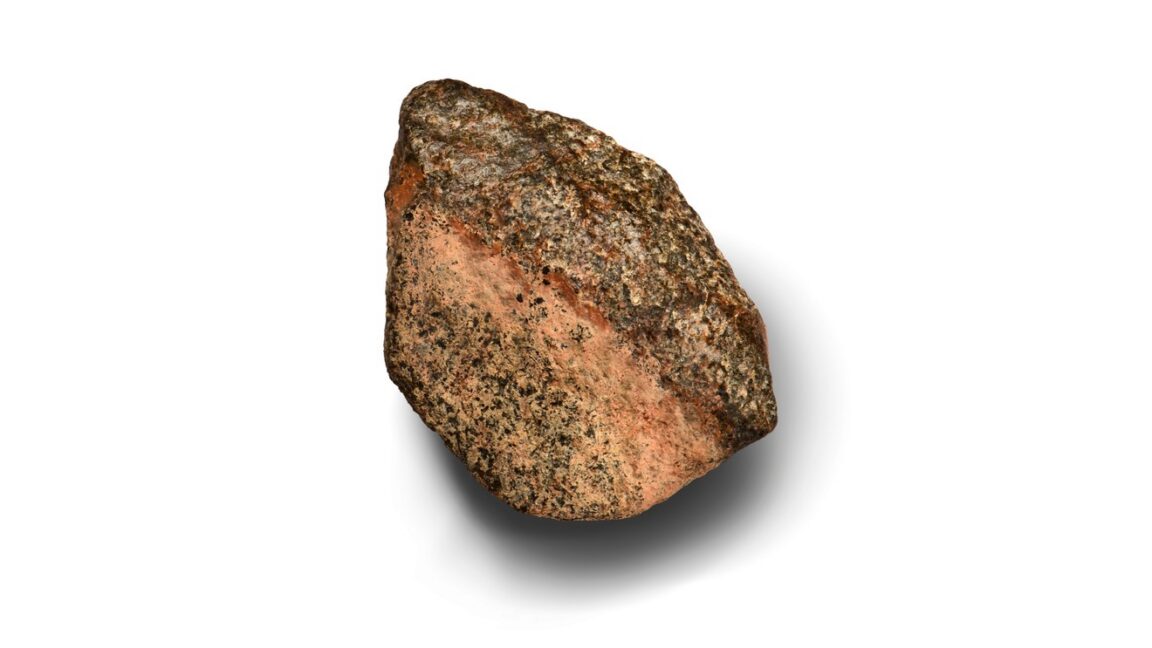
Crater counts tell us that most of the Martian surface is more than 3 billion years old, but pieces of Mars we have on Earth tell a different story. The three main classes of Martian meteoritesβ€”shergottites, nakhlites, and chassignitesβ€”are all 2.4 billion years old or younger. Until now, only two genuinely ancient Martian meteorites were known: Allan Hills 84001, found in Antarctica, and a jumbled rock from northwest Africa nicknamed Black Beauty. Now we have a third one.

A team led by Yang Liu, a planetary scientist at NASA's Jet Propulsion Laboratory, has shown that a Martian meteorite called Teghaza 001, found in the Sahara Desert in Mali in 2022, formed at least 4.1 billion years ago. β€œIt's very old and similar to some of the oldest rocks on Earth,” Liu says.

A filtered collection

β€œWe don't fully understand why old Martian rocks are so rare on Earth," Liu said. Part of the answer may lie in how a piece of Mars gets here. It takes a large impact to launch a rock off the planet, and not every rock can survive that. β€œIf the impact hits into loose powder, it may not get cemented to become a rock and fly off Mars' gravity,” Liu said. β€œSo the natural impact already acts as a filter. Weak rocks do not make it off Mars.”
Read full article

Comments

Β© Darryl Pitt / Maine Mineral & Gem Museum
A 1,000-mile cloud on Mars may reveal physics never seen in nature

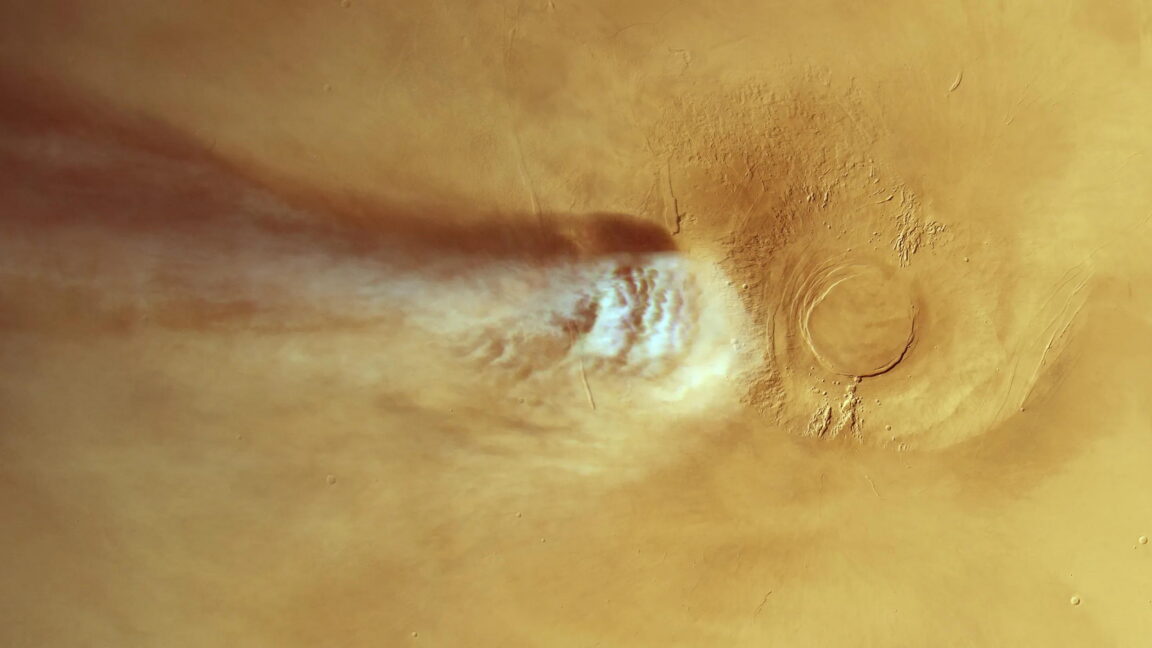
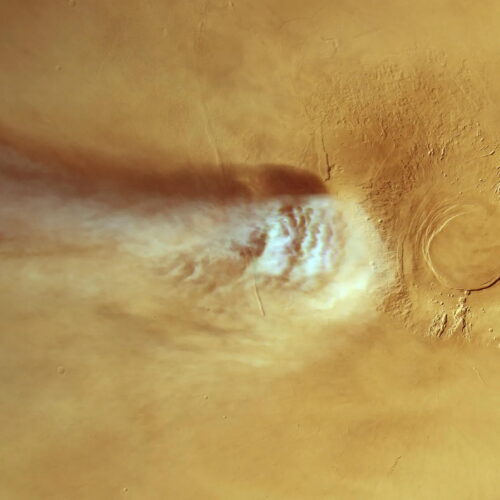
Every morning during the Martian spring and summer, a thin and extremely long cloud emerges, only to disappear again. The wispy formation appears near the volcano Arsia Mons and gradually elongates until it reaches over 1,000 milesβ€”about the distance from New York to Kansas City as the crow fliesβ€”before dissipating. This cycle then repeats for several months.

Since it was first recorded by a probe in 2018, scientists have been unable to find a plausible explanation for the existence of this cloud, often referred to as the Arsia Mons Elongated Cloud (AMEC). Until now. Recently, researchers successfully modeled the cloud’s formation for the first time, their results suggesting that it may be driven by a physical process that has never been directly observed in any planet's atmosphere.

"We found that we needed to include some exotic physics… physics that, while included in textbooks, is treated as theoretical and usually thought not to happen in nature. It certainly hasn’t been seen in action before," Jorge HernΓ‘ndez-Bernal, a planetary scientist at Paris’ Sorbonne UniversitΓ© and lead author of the study, said in a press release. "Once we included this physics in our simulations, the AMEC emerged just as we hoped.”

Read full article

Comments

Β© ESA

Japan launches mission to bring home a piece of the Martian moon Phobos

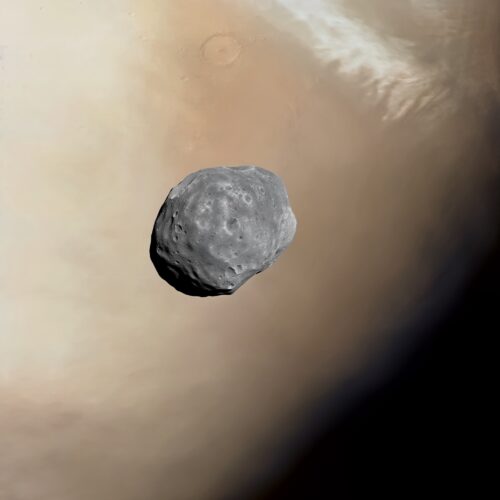
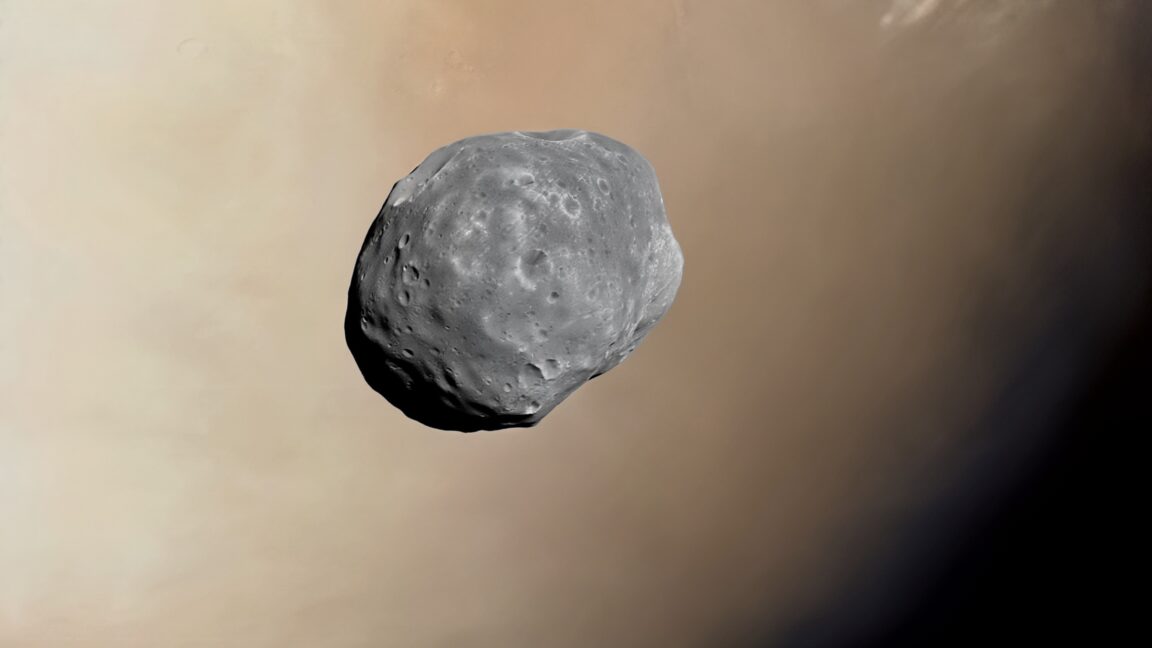
Japan launched a $578 million mission Monday on a five-year expedition to land on the largest moon of Mars and retrieve samples for return to Earth, a daring international project that could yield new insights into the formation of the Solar System.

The robotic Martian Moons eXploration mission, known as MMX, lifted off at 3:41 pm EDT Monday (4:41 am Japan Standard Time Tuesday) from Tanegashima Space Center in southern Japan.

The MMX spacecraft rode into orbit atop a 207-foot-tall (63-meter) H3 rocket, Japan's flagship launch vehicle. The rocket assigned to MMX debuted a new souped-up configuration with four strap-on solid rocket boosters, full-throttle main engines, and an extended payload shroud to accommodate the demands of Japan's heaviest and most ambitious interplanetary mission to date.

Read full article

Comments

Β© ESA/DLR/FU Berlin/Andrea Luck

❌