❌

Reading view

There are new articles available, click to refresh the page.

European Union grants US request to restrict satellite images of Iran War region

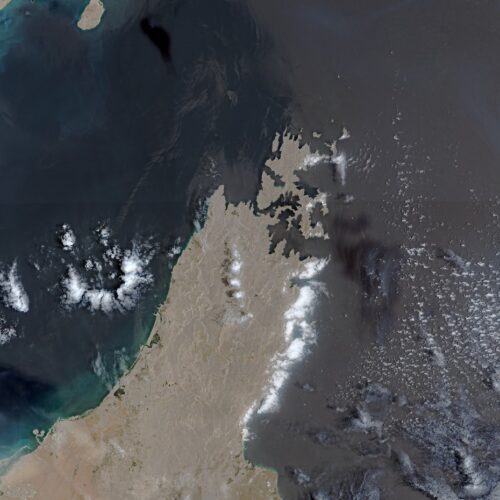
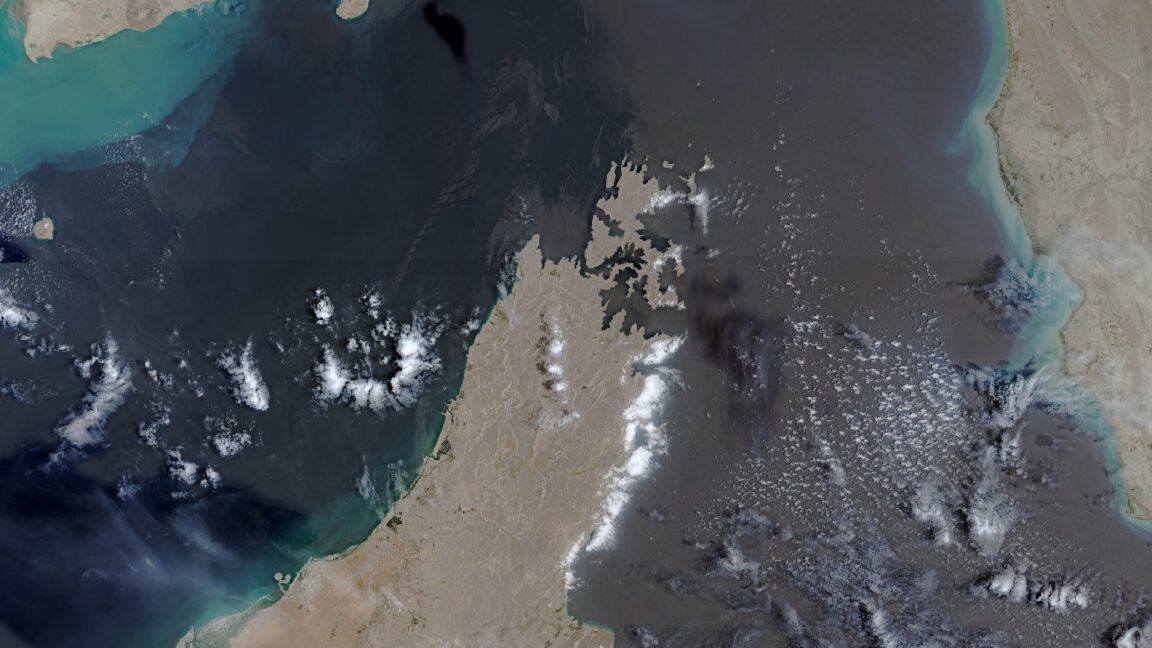
The European Union has begun delaying the release of satellite images showing shipping lanes near the Strait of Hormuz by 24 hours. The move comes in response to an earlier US government request and coincides with the Trump administration ramping up the war with Iran once again.

The unusual change in the free and open data policy for Europe’s Copernicus Earth observation program was revealed by Space News, which reviewed a copy of the decision made by the Council of the EU on July 13. The ordered delay applies to images taken by Sentinel-1 and Sentinel-2 satellites and covers the Gulf of Oman region that includes shipping lanes leading to and from the contested Strait of Hormuz.

The US government first requested that the European Union restrict Copernicus satellite imagery on May 26, according to the decision document seen by Space News. That request occurred during a shaky ceasefire period for the war that began on April 8 and ended on July 8, when the US military resumed a broader campaign of military strikes following an announcement by President Donald Trump.
Read full article

Comments

Β© European Union | Copernicus Sentinel-2
US military sent explosive drone boats into combat for the first time

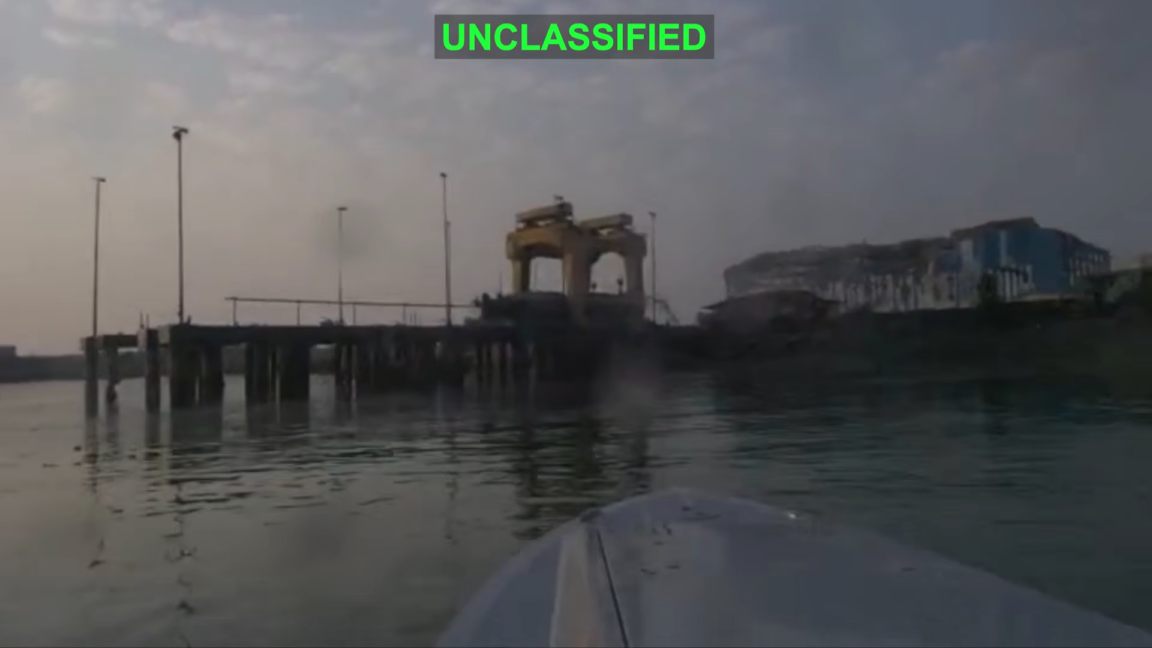
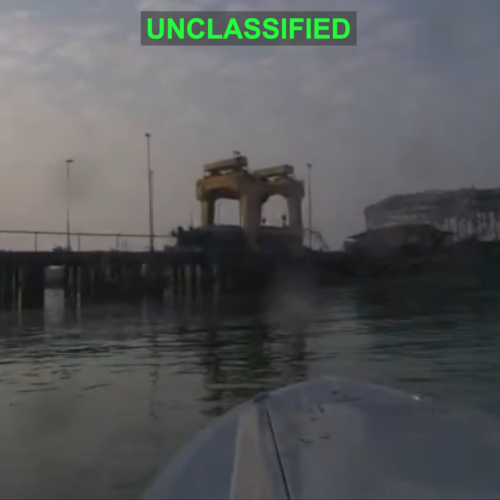
For the first time in its history, the US military sent explosive-laden drone boats into combat by attacking an Iranian midget submarine and naval port. The unprecedented use of such kamikaze sea drones by the United States comes nearly a decade after Iranian and Houthi forces first demonstrated such weapons.

The US military shared a video showing three β€œone-way attack surface drones” exploding after approaching an Iranian midget submarine and ship maintenance facility at Iran’s Bandar Abbas Naval Base on the night of July 12. US Central Command, the US military combat command responsible for Middle East operations, described the strikes in a social media post as the β€œfirst time American forces have employed sea drones in combat operations.”

The US drone boats were able to β€œmake a low-speed, uncontested approach” to their targets before exploding, according to USNI News, a news service from the nonprofit US Naval Institute. USNI News also identified one of the targets as an Iranian Ghadir-class midget submarine that was out of the water while being suspended from a gantry.

Read full article

Comments

Β© US Central Command

US seeks cheaper hunter-killer drones after Iran destroys $1B worth of Reapers

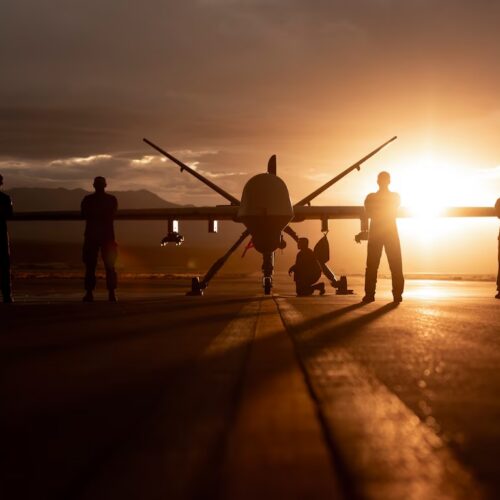
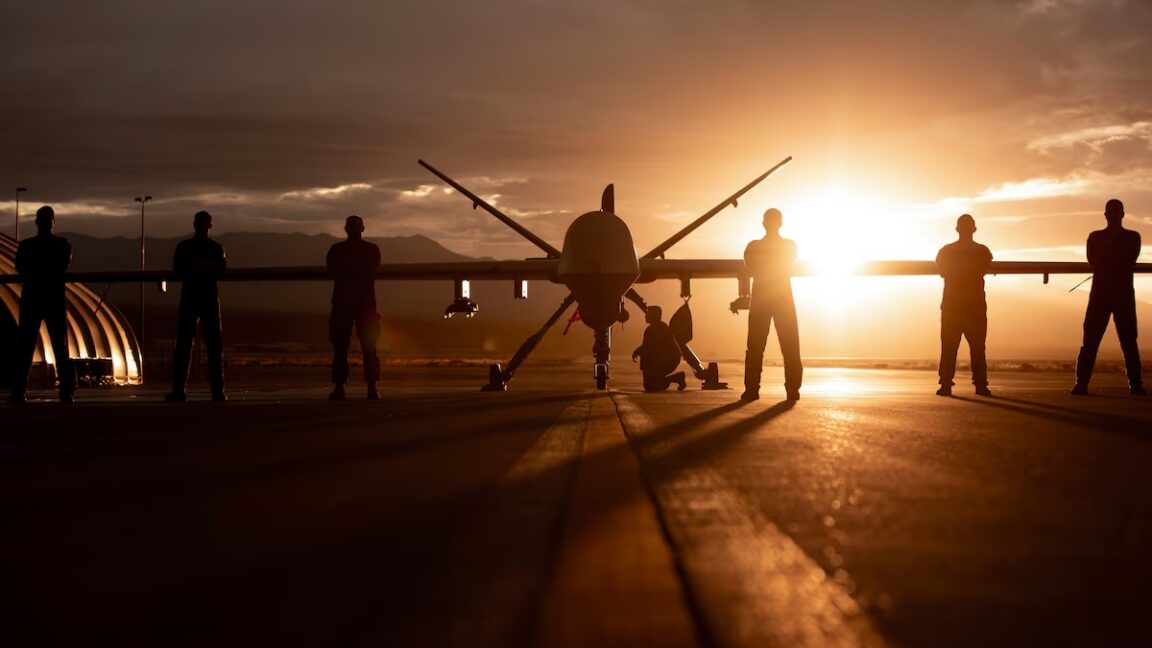
The US military has lost dozens of Reaper drones collectively worth more than $1 billion while carrying out surveillance and attack missions over Iran. Now the Pentagon is seeking large numbers of cheaper drones that can perform such missions despite the expectation that many will be lost in combat.

In a call for industry pitches, the Defense Innovation Unit’s notice described the US military’s current reliance on drones and crewed aircraft, each costing more than $30 million, as being β€œunsustainable against adversaries utilizing layered defenses enabled by increasingly low-cost antiaircraft capabilities.” It envisions deploying more β€œcost-effective” drones to β€œoverwhelm enemy air defenses even while experiencing numerous [drone] losses.”

That is, in practice, what Ukraine’s military has been demonstrating with its long- and mid-range strike campaign against Russian supply lines, oil refineries, and various energy or industrial targets within Russia or occupied Ukraine. The Ukrainian campaign has been overwhelming Russia’s overstretched air defense capabilities by launching hundreds of relatively inexpensive drones and missiles on a daily basis to attack targets far behind the frontlines, while continuing to damage or destroy Russia’s most sophisticated air defense systems.

Read full article

Comments

❌