❌

Reading view

There are new articles available, click to refresh the page.

ULA's Vulcan rocket is set to return to flight on Friday the 13th

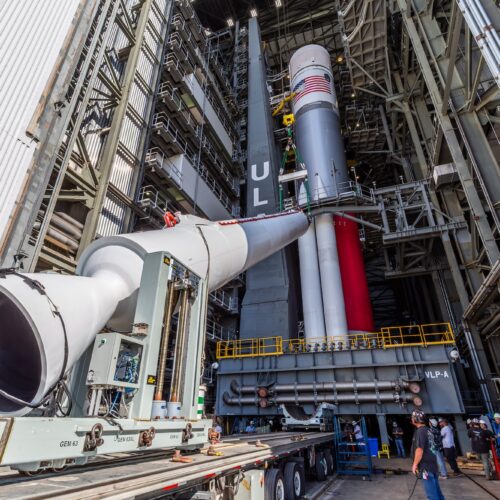
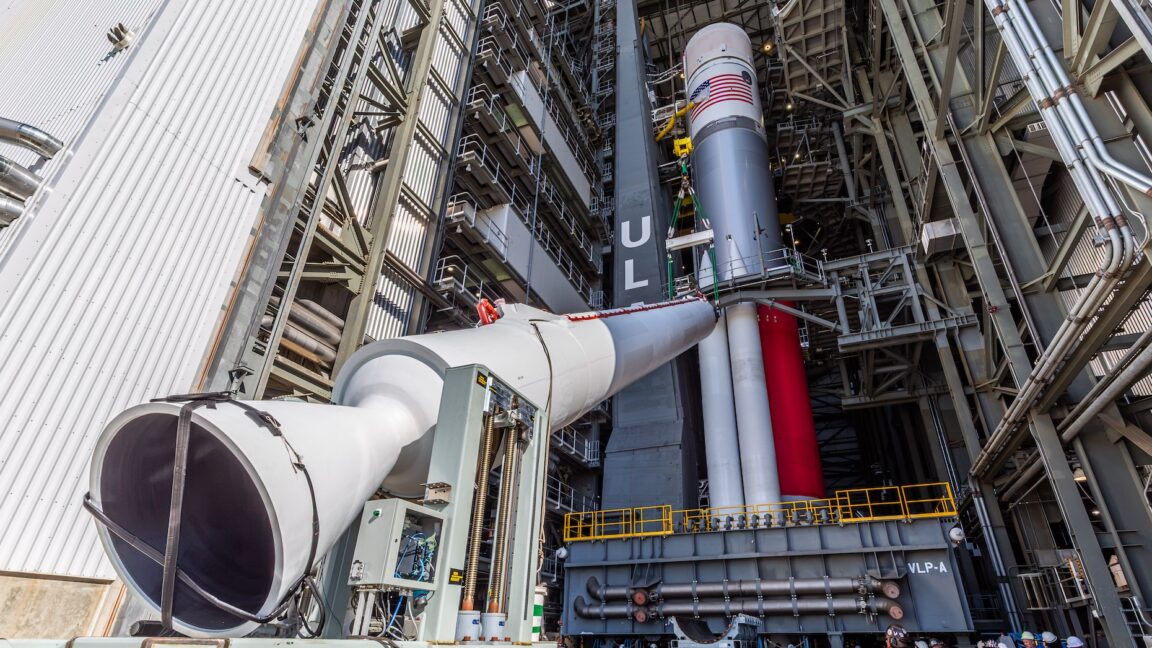
United Launch Alliance announced Wednesday it plans to return its Vulcan rocket to service on November 13, nine months after a solid rocket booster anomaly threw the company's 2026 launch schedule into oblivion.

The return-to-flight mission will launch 40 satellites for the Amazon Leo broadband constellation, the first of 38 Vulcan flights Amazon has booked to deploy the bulk of its network. The mission will lift off from Cape Canaveral Space Force Station, Florida, and ULA said the launch date is pending range approval.

The launch is critical for ULA after its new flagship rocket suffered nozzle failures on its solid rocket boosters on two of its first four missions, most recently during a flight in February. In both cases, the rocket overcame the nozzle failure and completed its mission, but officials at the US Space Force, ULA's primary customer, lost confidence in Vulcan.
Read full article

Comments

Β© United Launch Alliance

Amazon turns its most capable smart speaker into a smart camera, too

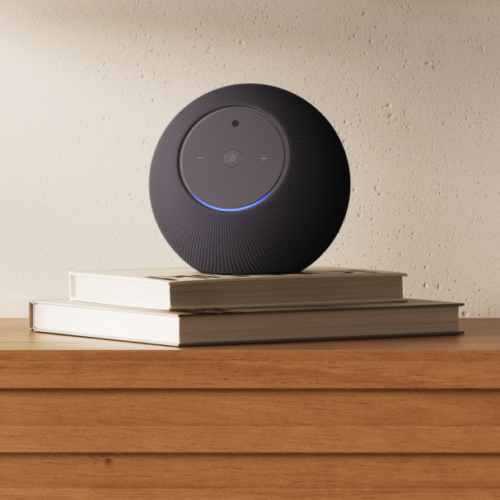
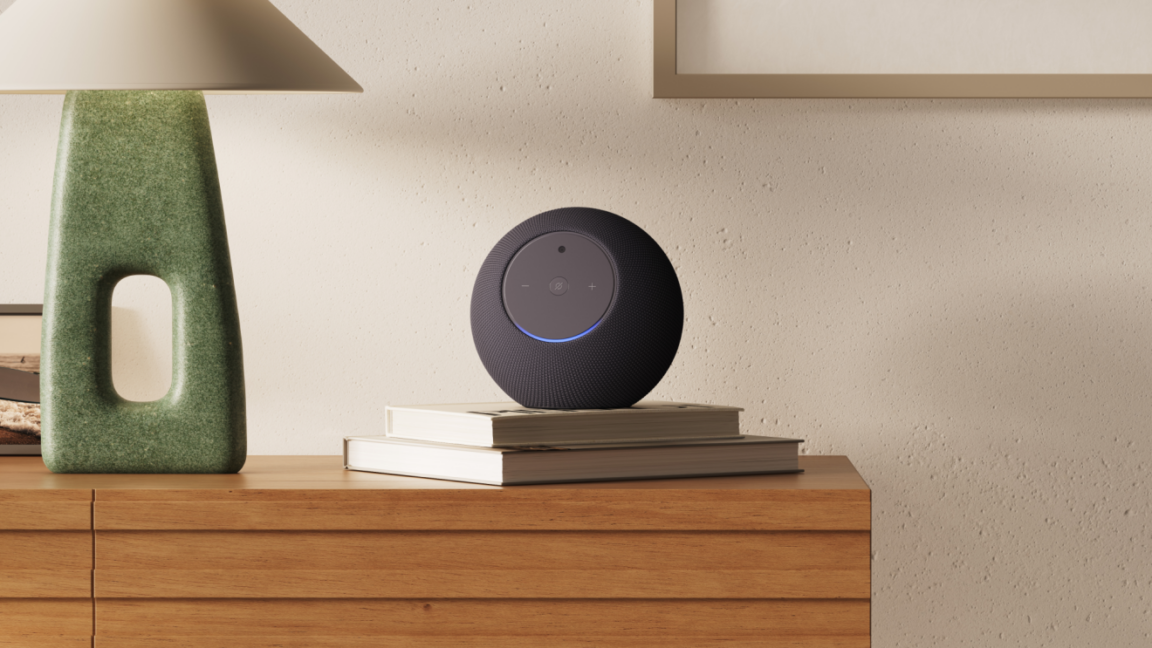
Since debuting in 2019, Amazon's Echo Studio targeted users who wanted superior audio quality from their Alexa-based smart speaker. The latest Echo Studio adds another less-expected differentiator: an integrated camera.

The Echo Studio with Home Camera, released alongside a pile of other Alexa devices today, doesn’t have many audio upgrades over the standard Echo Studio. Each speaker has one 3.75-inch high-excursion woofer and three full-range drivers. They both support Dolby Atmos and Amazon’s proprietary algorithm for adding a surround sound-like effect to stereo audio. Per the devices’ product pages, the speakers have lossless HD audio, Advanced Room Adaptation, and features for fighting noise distortion. Amazon announced the Advanced Room Adaptaion today, saying that the feature β€œcontinuously tunes the sound to your space, automatically adapting to the room's acoustics.”

Both speakers have four-microphone arrays and the same AZ3 Pro processor that Amazon introduced a year ago. The processor has an AI accelerator for using Amazon's Alexa+ generative AI chatbot.

Read full article

Comments

Β© Amazon

Amazon has over 1 million robot workers. What’s next for human employees?

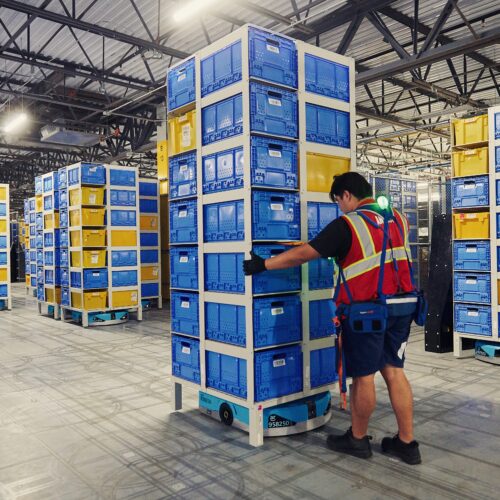
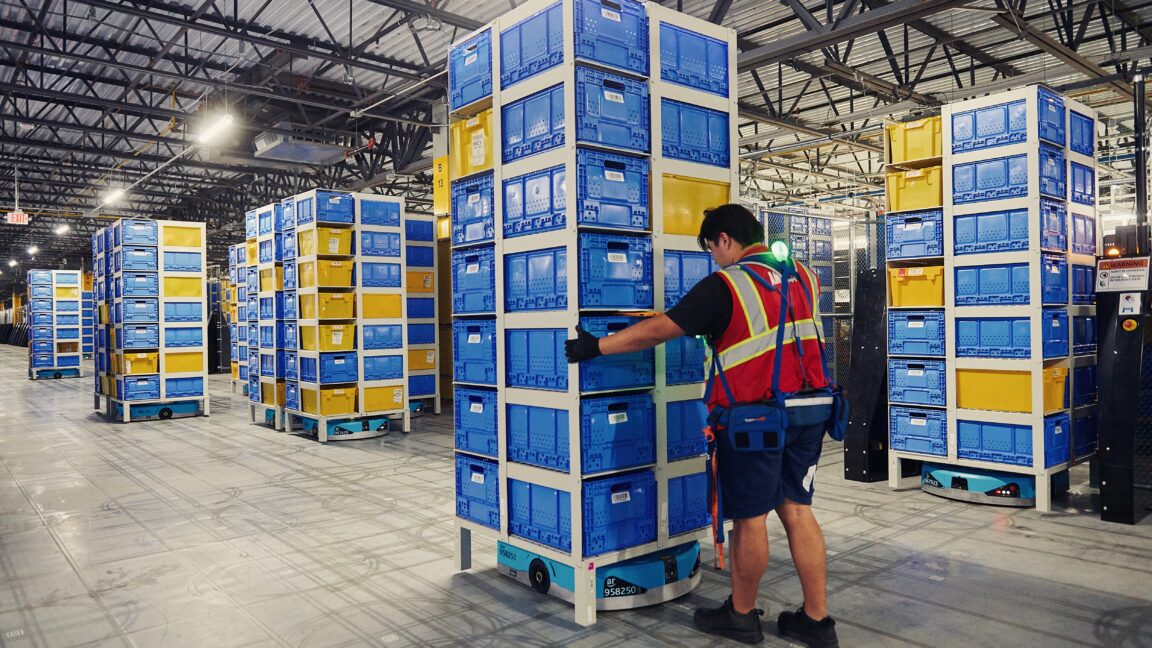
No organization in the world operates more robots than Amazon. The company already has more than 1 million robots working in warehouses around the clock to make tens of millions of same-day and one-day package deliveries happen on a daily basisβ€”and Amazon is poised to significantly grow that robotic fleet in the coming years as it establishes new factories to churn out increasingly more capable robot workers.

Despite deploying so many robots, Amazon is also the second-largest corporate employer in the world, with more than 1.5 million full-time and part-time human workers, according to its 2025 annual report. Amazon executives say that the growing robot fleet has eased the burden on its human workforce by taking on the toughest fulfillment center tasks that carry the greatest risks of physical fatigue and injury. But labor advocacy groups and independent researchers point to evidence suggesting that warehouse automation driven by AI is not all upside for the humans who work alongside robots.

β€œFor the last 100 years, most of the automation that we've seen usually happens away from workersβ€”you're taking that high-risk task away from the worker, and you're doing so in a way that is not physically proximate,” Brad Greenwood, professor of business at George Mason University, told Ars. β€œThe rise of collaborative robots really changes that dynamic for two reasons: one is that it is physically proximate, and two, the robot has the ability to dictate the pace of work.”

Read full article

Comments

Β© Amazon

❌