 Login

PRTG at it-sa 2026: From Alert to Resolution - Faster than Ever
We are at it-sa 2026 in Nuremberg from October 27 to 29. Visit us at Hall 7, booth 7-143 to see the future of PRTG, and join our talk on full OT visibility with Siemens.


We are at it-sa 2026 in Nuremberg from October 27 to 29. Visit us at Hall 7, booth 7-143 to see the future of PRTG, and join our talk on full OT visibility with Siemens.
Earlier this year, more than 1,000 of you across nearly 90 countries sat down and told us, in your own words, what monitoring looks like from where you work. We shared the big picture in our first article on what 1,088 IT teams told us about monitoring in 2026. This one is more personal: here's what you told us hurts, and what we're doing about it.

We just released PRTG version 26.3.124 to the stable release channel, and it brings a full package: several new WMI sensors, two new Redfish sensors, refreshed FTP Server File Count and SNTP sensors, the new AI feature Alarm Insights as an early access preview, and two experimental SIMATIC S7-1200/1500 sensors. On top of that, we updated the German, Spanish, and Dutch language files.


Chances are your Siemens S7-1200 or S7-1500 is already reporting into something. Maybe OPC UA. Maybe MQTT. Both are good at pulling process values out of the controller and into your monitoring stack.

Somewhere on your production floor, there is a Siemens S7-300 or S7-400 running a process that simply cannot go down. A filling line. A pump station. A conveyor feeding the next stage of assembly. And chances are, nobody on the IT side is watching it the way they watch a server.


Ask an OT security lead at any utility why their SCADA network sits behind an air gap, and the answer is almost always the same: because it has to. Substations, generation assets, and the RTUs and PLCs running them are critical infrastructure, and critical infrastructure gets isolated on purpose.

In May 2026, we asked 1,088 PRTG customers worldwide how they actually use network monitoring: not what they say in a sales call, but what shows up on their dashboards every day. The weighted sample spans organizations of every size, from small IT teams to enterprises with 5,000 or more employees, respondents in nearly 90 countries, and covers everyone from Heads of IT to Network Managers to C level executives who occasionally peek at the graphs.


We have been cooking up some large internal changes for the multi-platform probe. Soon, probe-to-core communication will happen over the modern internet communication protocol QUIC. If you have recently watched a YouTube video or otherwise used HTTP/3, then you will have used QUIC already.


The IT skills shortage is not a future problem. It is already showing up in every helpdesk ticket that waits an extra day and every project that gets pushed back a quarter. The U.S. Bureau of Labor Statistics projects that computer and information technology occupations will grow much faster than average through 2034, with tens of thousands of open roles appearing every year that nobody is lining up to fill. For IT administrators, that gap rarely shows up as a headline. It shows up as one more alert at 2 a.m. that only you can answer, because there is nobody else scheduled to answer it.


Somewhere between a wind farm substation and the utility's central control room sits a patchwork of equipment nobody quite planned for. Programmable logic controllers running firmware from a decade ago. Remote terminal units wired into protection relays older than the company's IT department. A SCADA system that, until fairly recently, nobody outside the operations team had ever logged into. That patchwork is now part of the energy sector's information technology and operational technology landscape whether anyone designed it that way or not - and it's exactly the kind of environment where IT/OT convergence gets tested for real, not on a slide.

We just released PRTG version 26.3.122 to the stable release channel, and it brings a full package: seven brand new sensors, ten sensors that graduate from BETA, three experimental additions, and a range of security and server improvements


Hospital corridors run on more than doctors and nurses these days. Behind every patient monitor, every infusion pump, every radiology workstation sits a network connection, and that connection has quietly become one of the favorite entry points for attackers. Hospital IT security used to be a back-office concern. Not anymore. It now touches patient safety and patient care directly, which is exactly why cyberattacks against healthcare facilities keep making headlines.


Shadow IT risks are quietly reshaping the job of every IT administrator, whether they have noticed it yet or not. Shadow IT itself is nothing new: it is any hardware, software, or cloud-based services running on company systems without the knowledge or approval of the IT department. What has changed is the scale of it.

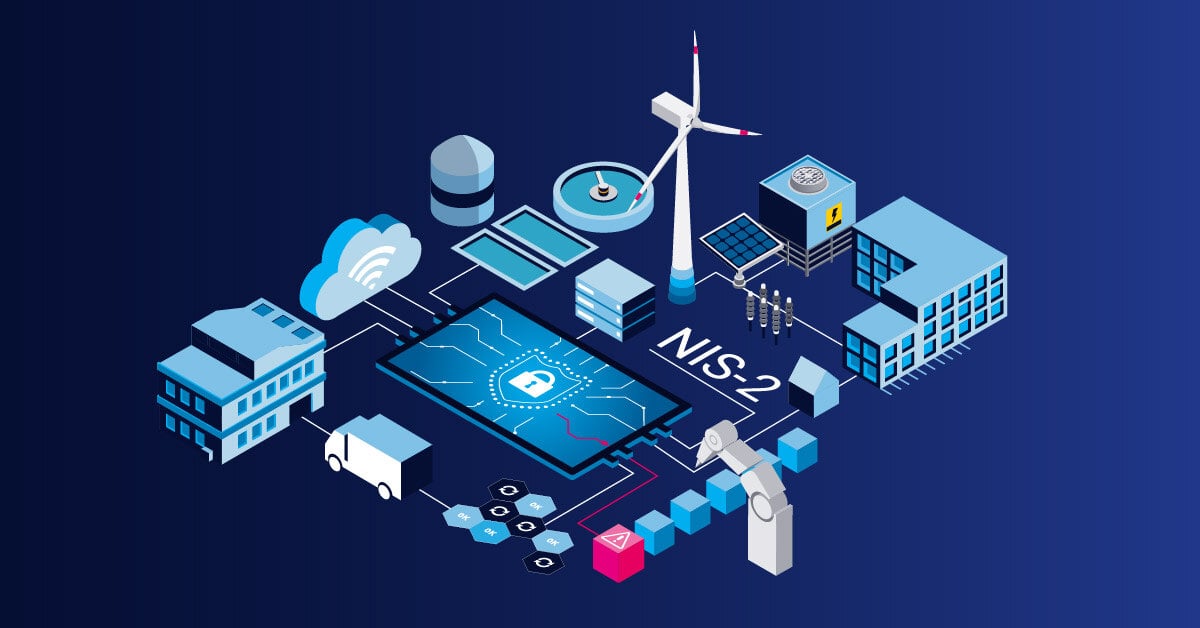
The NIS2 directive is no longer a project on the horizon. It is enforced EU law, and national law in most member states now reflects its requirements for cybersecurity risk management, incident reporting, and business continuity. Compared with its predecessor, NIS1, the scope has grown substantially: many more organizations across critical sectors and important entities now fall under the regulation, from energy and transport to healthcare, banking, and digital infrastructure.


What does the cloud actually cost this month? Ask finance, ask the DevOps lead, ask the admin who provisioned half the instances two years ago – chances are good all three give a different number. That gap is not a rounding error. It is, according to Flexera's 2026 State of the Cloud Report, roughly 29 percent of total cloud spend disappearing into overprovisioned resources, idle compute, and services nobody remembers switching on.

Quick question. When was the last time anyone on the team actually read a monitoring alert, word for word, before dismissing it? Not skimmed. Read.
Take a second with that one. If the honest answer is "can't remember," alert fatigue has already moved in. It doesn't show up with some dramatic outage or a red banner screaming for attention. It's quieter than that, and slower. Hundreds of small, forgettable pings, week after week, and then one random Tuesday someone realizes nobody on the team trusts the alert system anymore. They just click things away. Swipe, dismiss, next.


Funny thing about IT lately. Everyone's talking about machine learning models, training pipelines, whatever flashy thing some company just shipped. Almost nobody talks about the boring stuff underneath. The servers. The network. That storage volume slowly filling up while nobody's watching. That part gets ignored right up until it breaks, and then it's suddenly the only thing anyone cares about.

