
 Login
Login
Monday-morning surprise: Valve Software suddenly launches its wireless VR headset Steam Frame for $1,059
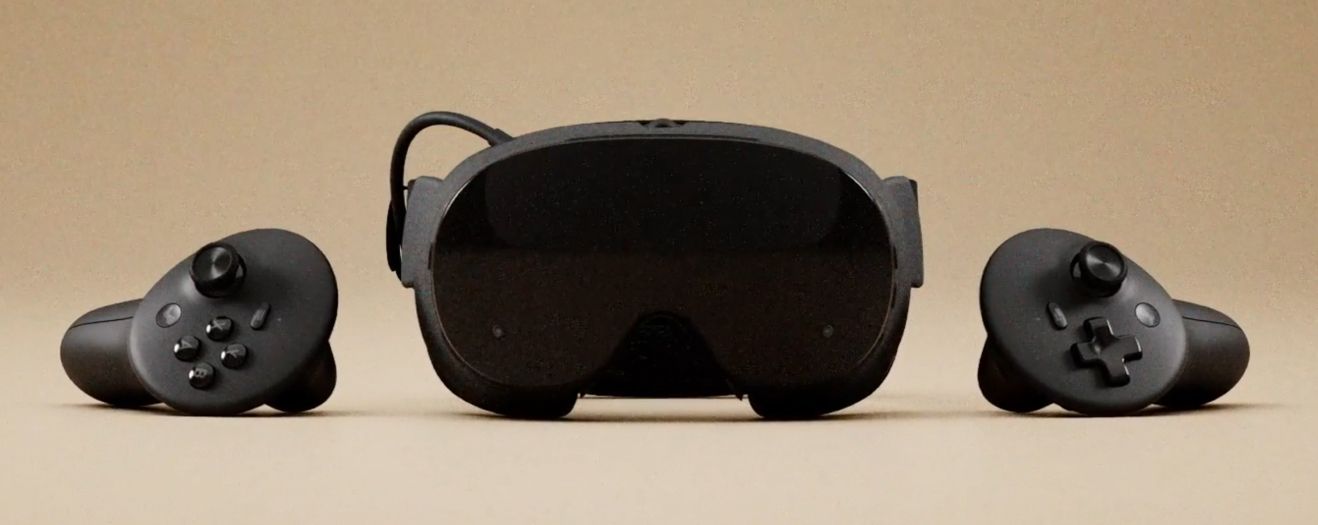
In a sudden shadowdrop, Bellevue, Wash.-based Valve Software announced on Monday that it’s launched its new standalone virtual-reality headset the Steam Frame.
Initially revealed in Nov. 2025 as part of the same initiative that brought us the new Steam Machine, the Steam Frame is a new entry into the VR hardware space.
Valve’s previous VR device, 2019’s Index, was designed to be installed semi-permanently in a single room. The Frame, conversely, is a standalone wireless device that consists of a lightweight headset and two hand controllers, much in the same spirit as the Meta Quest 2.
As with Valve’s other recent hardware projects, the Frame is essentially a specialized PC running the custom SteamOS 3, a Linux-based operating system. The Frame runs off of a Snapdragon 8 Gen 3 processor, with 16GB RAM, a microSD card slot, and two 2160 x 2160 LCD screens, one per eye. Oddly, it does not ship with its own dedicated power supply, but can be recharged using the same kind of USB-C plug as the Steam Deck uses.
As with the rest of Valve’s hardware, the Frame is designed to run games from your Steam library, but doesn’t necessarily run every game that’s currently on Steam. Instead, the Frame has its own verification system similar to the Steam Deck’s, with over 100 games currently hand-tested to be compatible with the Steam Frame. Every Frame also comes with Valve’s 2020 game Half-Life: Alyx as a pack-in bonus.
As with the Steam Machine, Valve plans to offer the first batch of Frames with a lottery system. To minimize the impact of scalpers, Valve’s plan is to open signups for both models of the Frame until Thursday morning, then randomize the list and email customers to let them know if they’re getting a Frame or not.
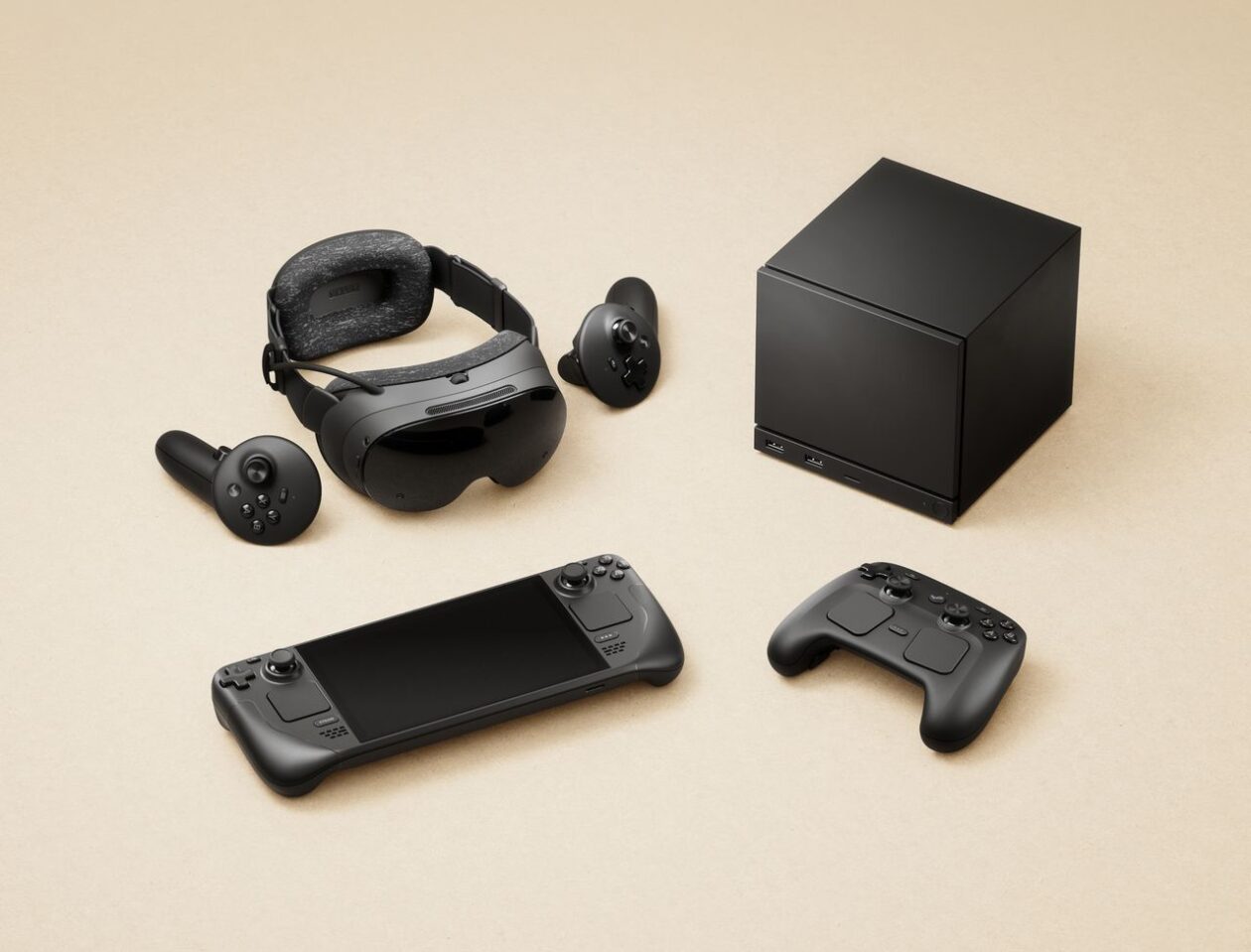
Maybe most importantly, however, the Steam Frame’s starting price is $1,059 for a model with a 256GB internal storage drive. Users who want or need more storage can upgrade to a model with a 1 TB drive for $1,299.
Much as how its low price tag was the biggest point in the Steam Deck’s favor back in 2022, the Frame’s high price tag is an albatross around its neck. Reviews note that it’s a uniquely comfortable device and makes it easier than ever to fire up games in VR, but selling it for over $1,000 means it’s unavoidably aimed at the most hardcore members of what was already a niche market.
- Engadget: Valve Steam Frame review: Solid standalone VR that’s too little, too late
- PC Gamer: The king of convenience
- Eurogamer: Valve’s latest tech is now my go-to VR headset, but it’s not without teething issues
- Ars Technica: Valve’s new $1,049 VR hardware tries to revive an abandoned VR “revolution”
This is the same problem Valve hit with the launch of the Steam Machine back in June, and it’s likely to be an issue for every hardware manufacturer on Earth for the foreseeable future. With AI companies gobbling up most of the RAM and hard drives on Earth for data center construction, in an event that’s often nicknamed the “RAMageddon,” any consumers who look to build or buy a new PC or console can expect a bad case of sticker shock for the foreseeable future.
That having been said, the Frame does position Valve to pick up where other companies have left off. Meta was previously the market leader in the VR space (PC Gamer claimed recently that Meta still commands roughly 54% of the VR market), but has made distinct cutbacks in 2026 in favor of refocusing on AI research and wearable computing.
Meta invested heavily in recent years on the assumption that virtual reality was the next big thing, and while it made big strides in making VR accessible, it appears to be in the process of rethinking its bet. VR still has plenty of fans and advocates, but it has yet to live up to the hype factor that it had in the late 2010s. The AI arms race, to some extent, appears to have eaten its lunch.
On paper, that could’ve left space for Valve to shoulder-check its way into the VR market, but then RAMageddon hit. This wasn’t a bad plan as recently as last year, but the current state of the hardware market makes the Steam Frame a tough lift.

