Login
Login
Sophia Space and SLI set the terms for a $300M deal that will finance an orbital computing constellation
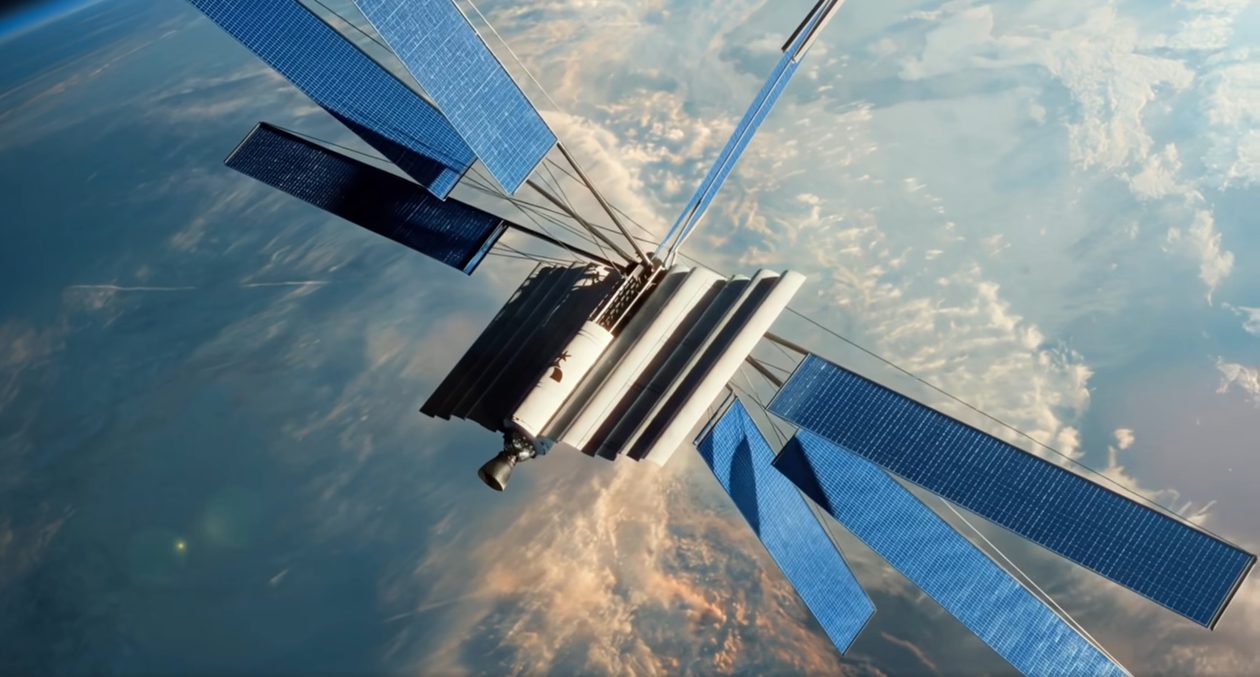
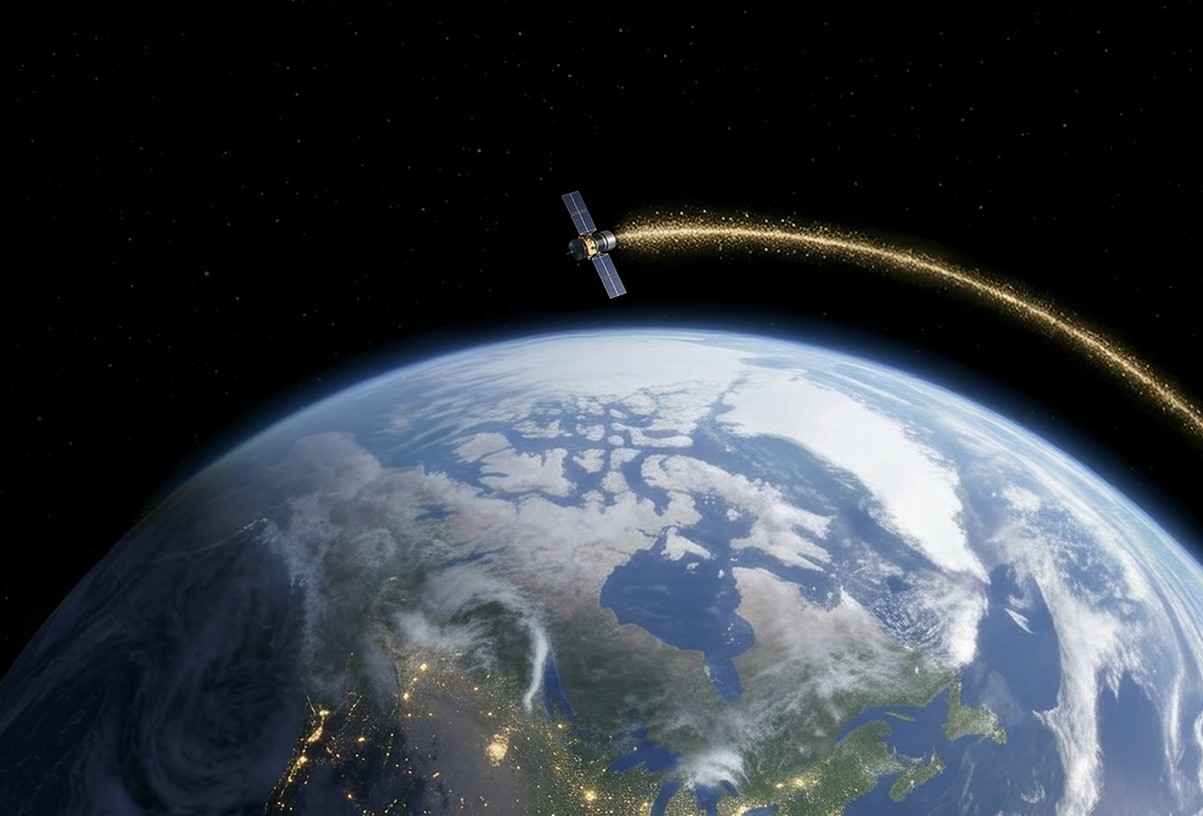
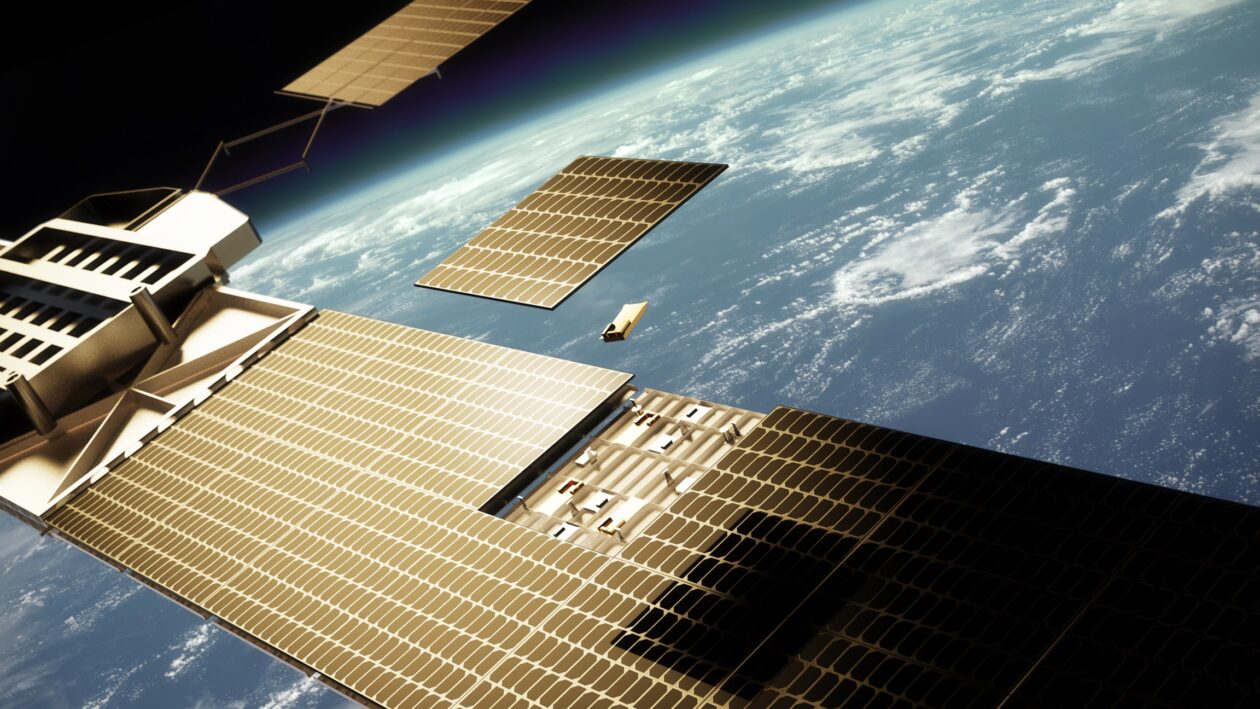
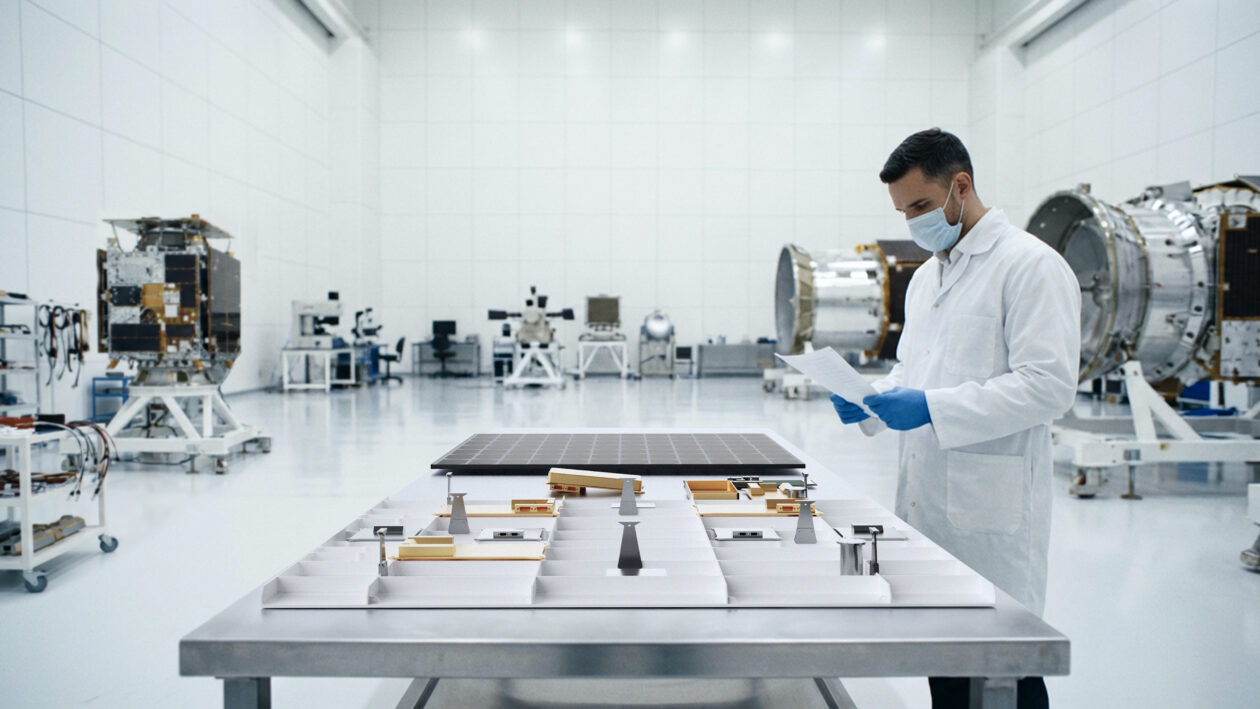
Sophia Space and SLI, an aerospace leasing venture based in Washington, D.C., say they’ve agreed on a $300 million asset-financing framework that will support the creation of a 10-satellite constellation for high-performance computing.
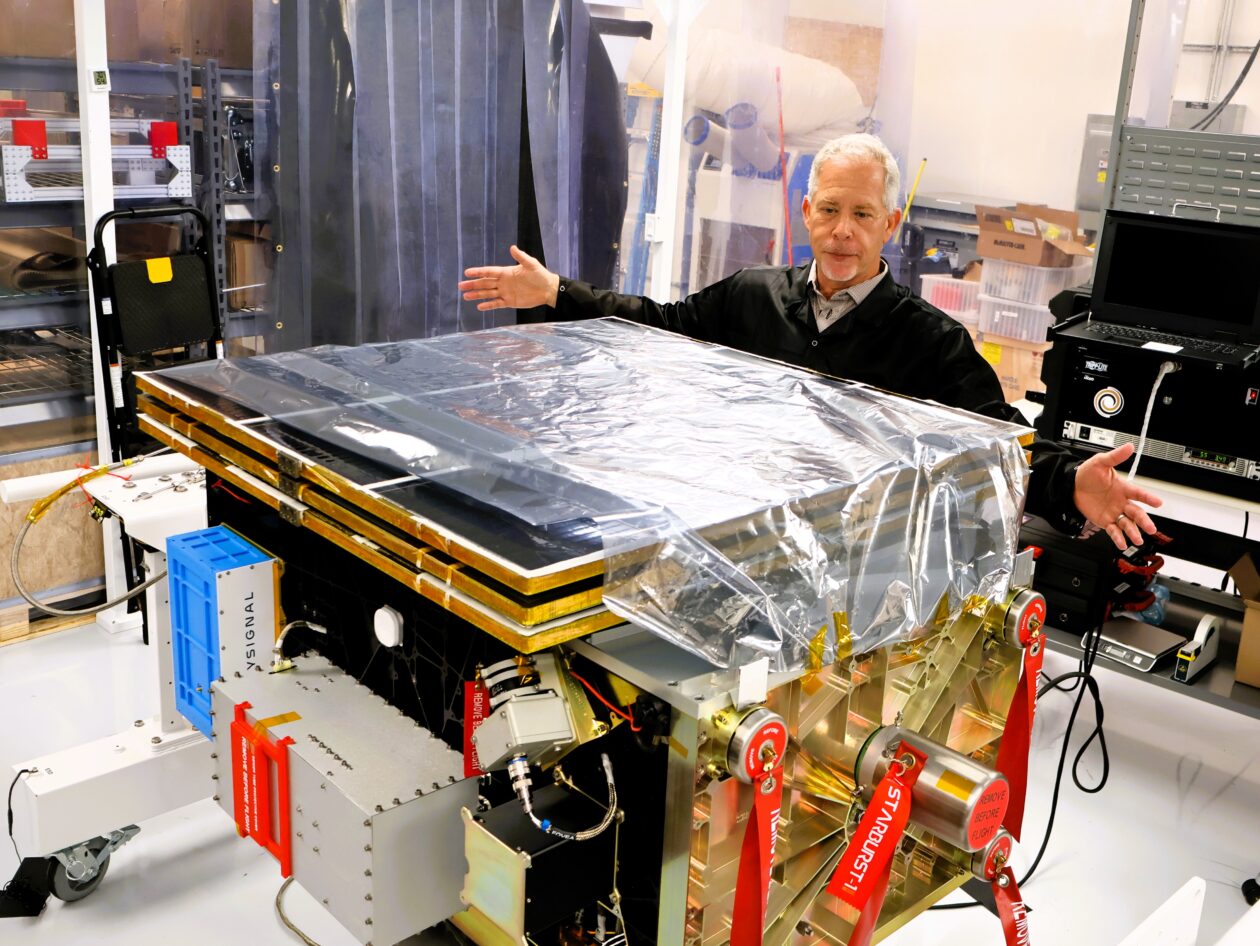
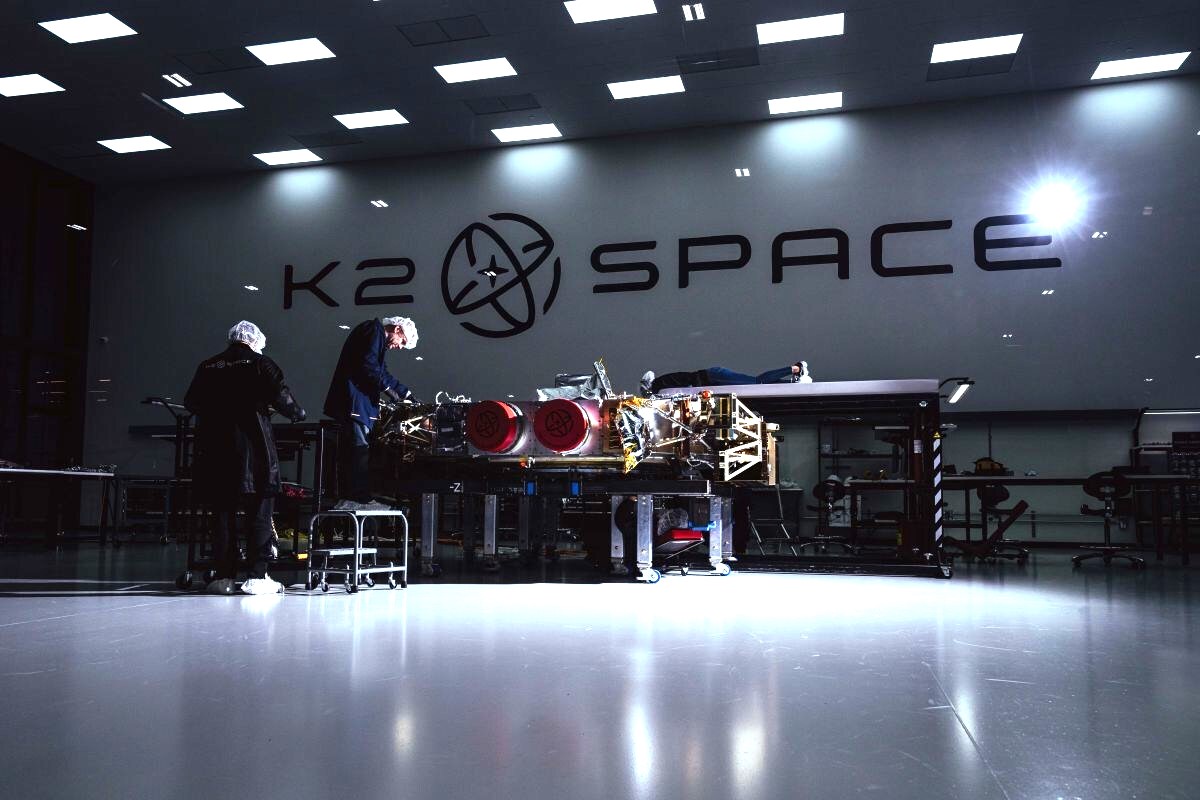
The details of the arrangement are as notable as the bottom line: Sophia Space will build the satellites, leveraging the startup’s patented TILE technology for modular in-space data processing. SLI will purchase the satellites under the terms of a financing agreement.
“SLI as the lessor will purchase the satellites from Sophia, hold title to the assets, and lease them to the end user on a long-term basis in exchange for fixed monthly or quarterly payments,” Max Yergan, the company’s senior vice president for investments, explained in an email. “Full control and operational responsibility for the assets sit with Sophia and the end user, who will determine between them how operations are handled.”
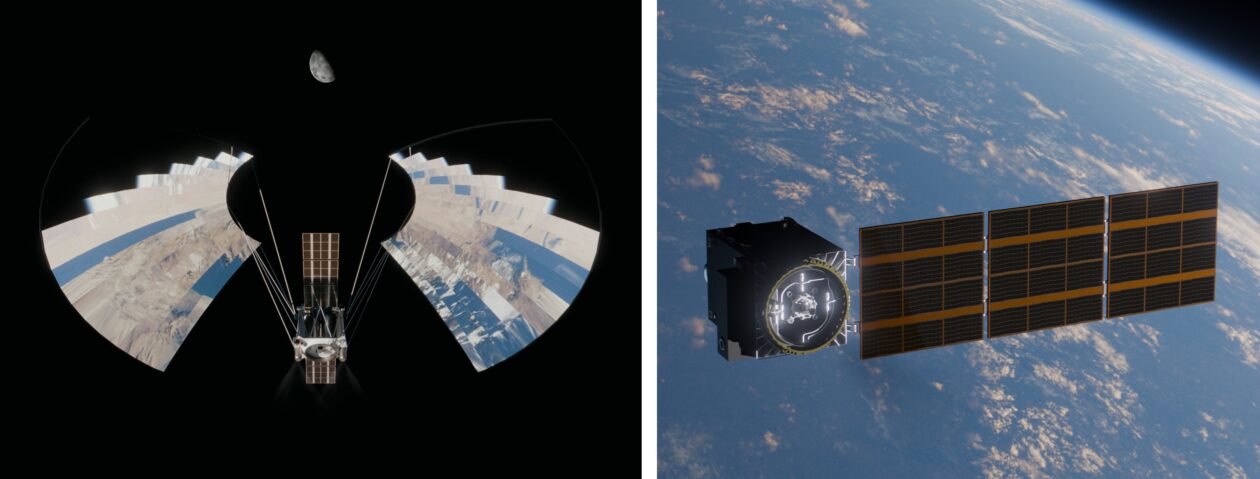
Sophia’s satellites are designed to deliver on-orbit edge data services for a wide variety of applications. “The demand we are underwriting exists today,” Yergan said. “Earth observation, weather and supply-chain analytics, disaster response and defense ISR [intelligence, surveillance and reconnaissance] users all face the same constraint now: They collect far more data than they can bring to the ground, and its value decays while it waits to be downlinked. Processing on orbit addresses that directly.”
The constellation’s first launch is targeted for as early as 2028. SLI would pay out funds linked to development and launch milestones, all the way through verification that the on-orbit network performs to pre-agreed standards.
The arrangement is laid out in a non-binding letter of support. “The non-binding nature is a reflection of where we are in the process, and is typical of large asset financings,” Yergan explained. “It sets the commercial framework so both parties can commit resources while definitive documentation is negotiated.”
Leasing arrangements are often seen in aviation and the maritime industry, but this is a relatively new concept for satellite ventures.
“This is the first time that this approach has been applied to this kind of constellation, but not the first time for in-space assets,” said Gareth Zundel, SLI’s senior vice president for communications. “In December 2025 we announced the acquisition of two AscendArc satellites that will be offered to operators on leasing terms. Then, in March this year, we did a similar deal with ReOrbit. We do believe, however, that we are the first leasing company to specialize in the space sector.”
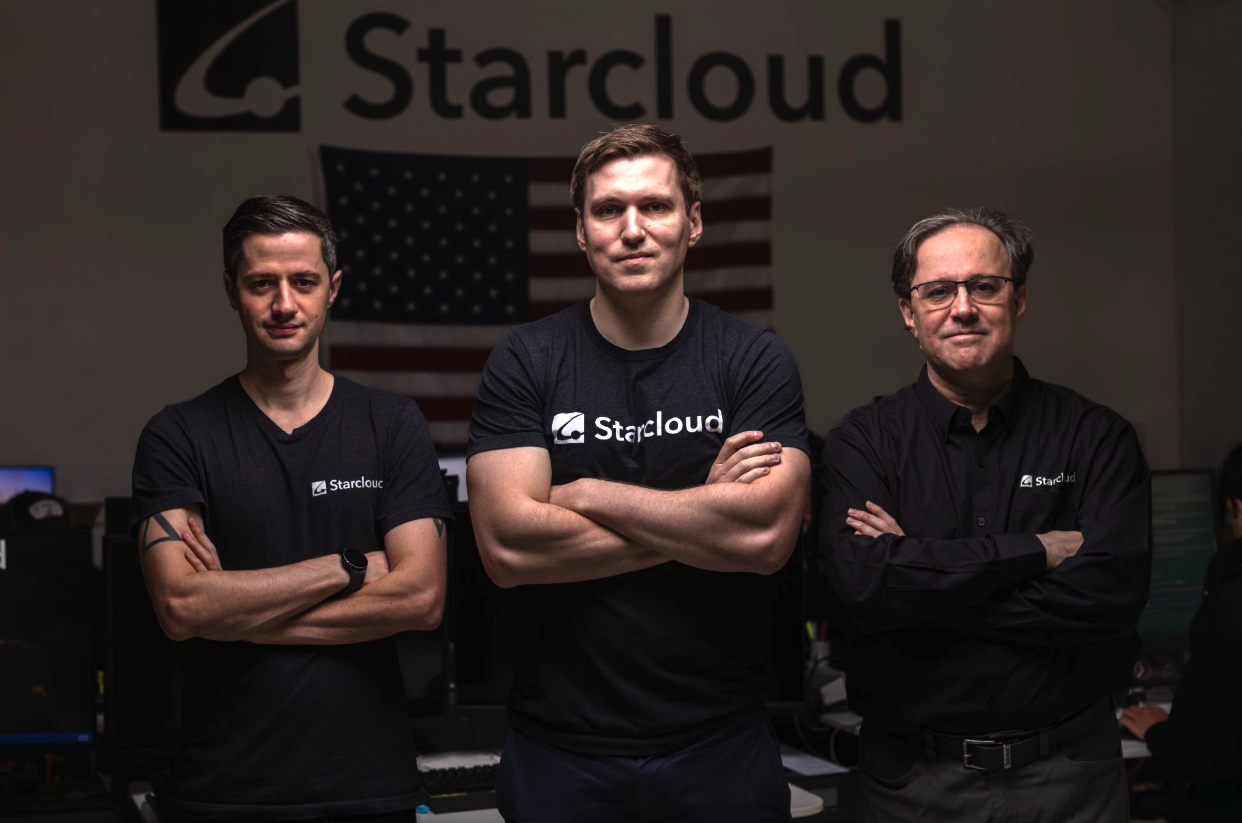
Rob DeMillo, Sophia Space’s CEO and co-founder, said the arrangement demonstrates how far the commercial space industry has come.
“Asset financing didn’t invent aviation or shipping, but it accelerated them at scale,” he said in a news release. “We’re doing the same for orbital computing. This approach with SLI signals that Sophia Space’s space infrastructure is mature enough to attract the capital structures that have historically built terrestrial infrastructure.”
The approach also gives Sophia Space — which is headquartered in Pasadena, Calif., but also has strong ties to the Seattle area — access to capital without diluting the equity held by current investors, including Unlock Venture Partners in Seattle.
“Sophia has the technology, the team and the vision. What had been missing was access to scalable, non-dilutive capital,” said Praveen Vetrivel, SLI’s CEO. “This framework provides it, giving them the capacity and flexibility they need to build the next layer of digital infrastructure.”
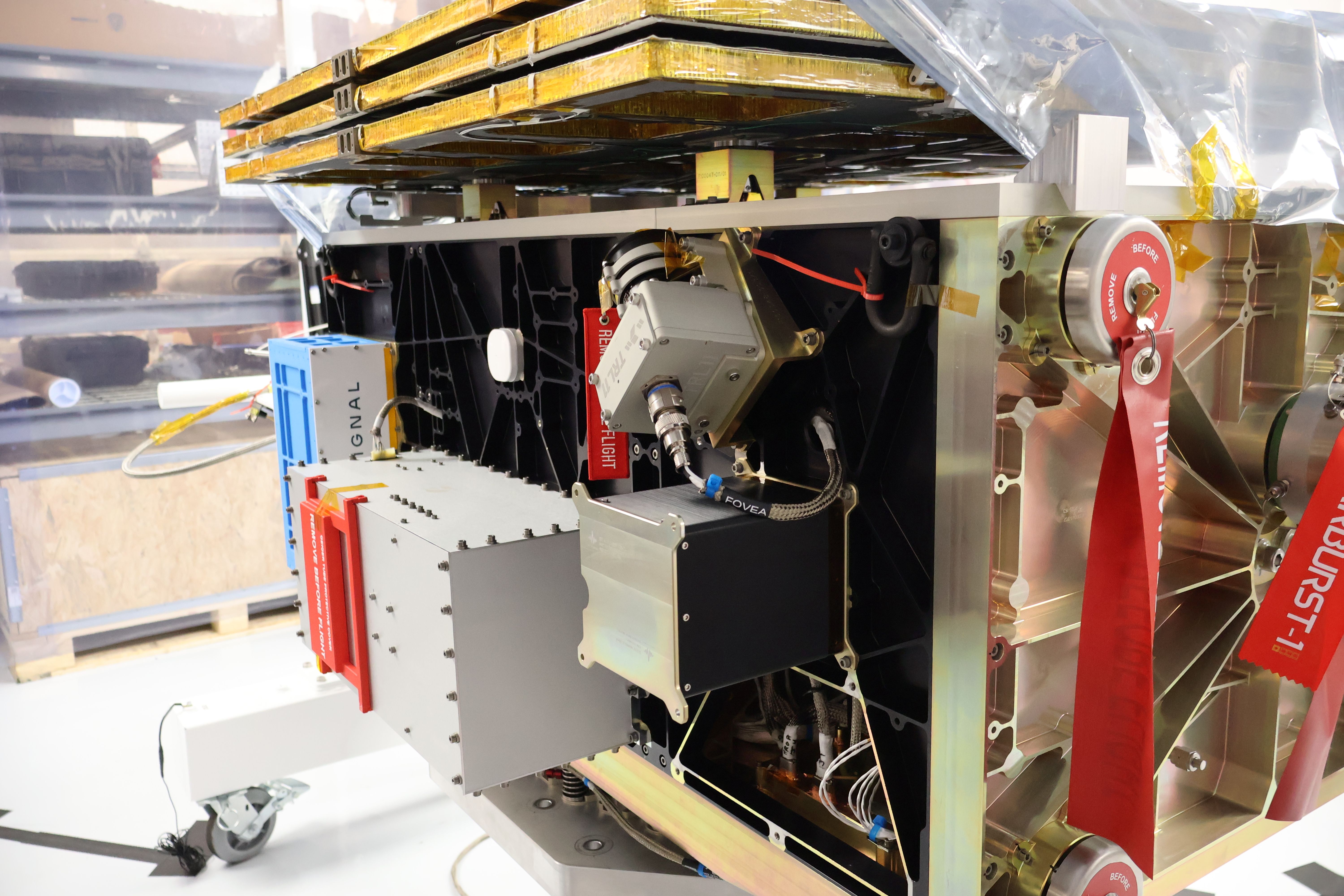
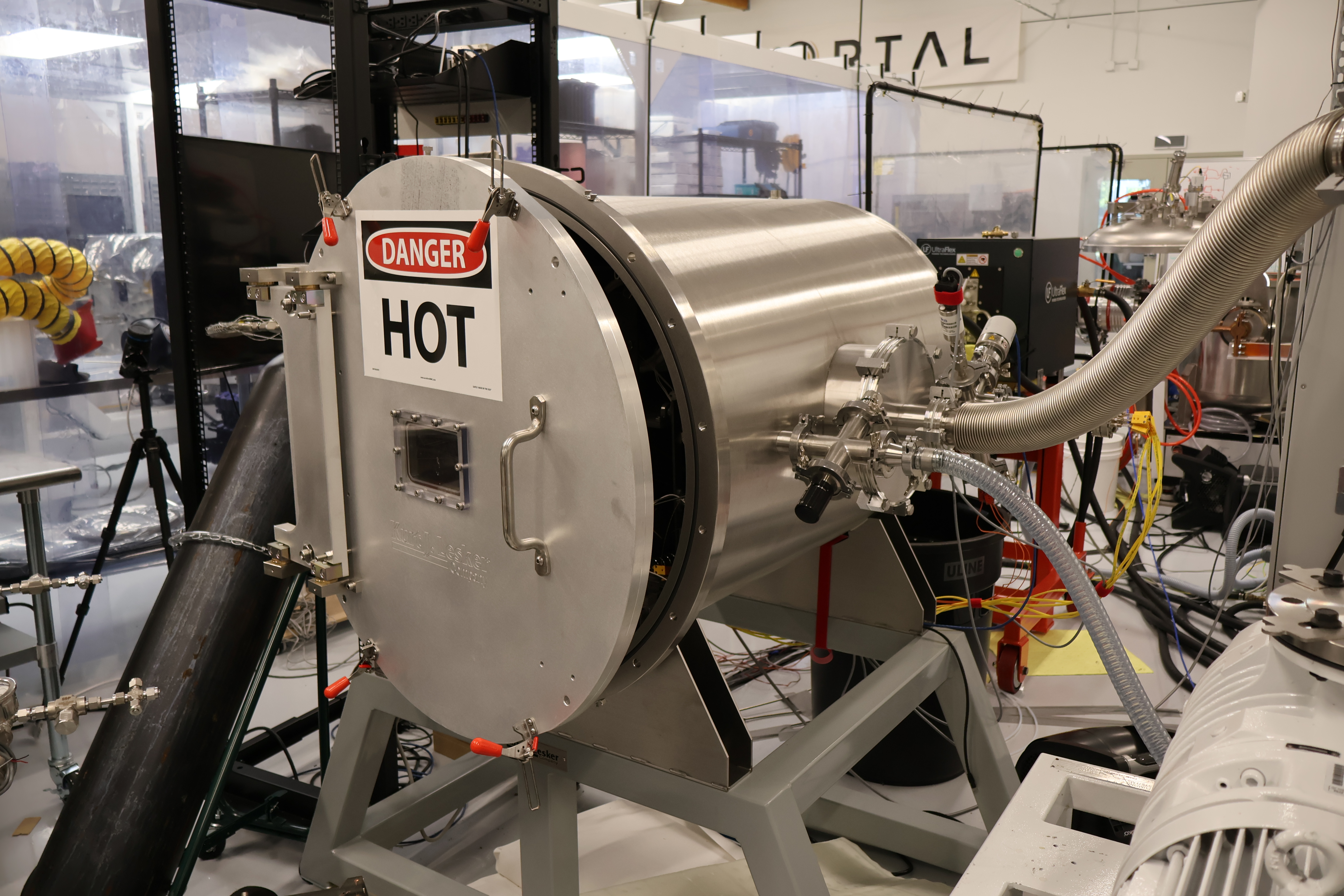
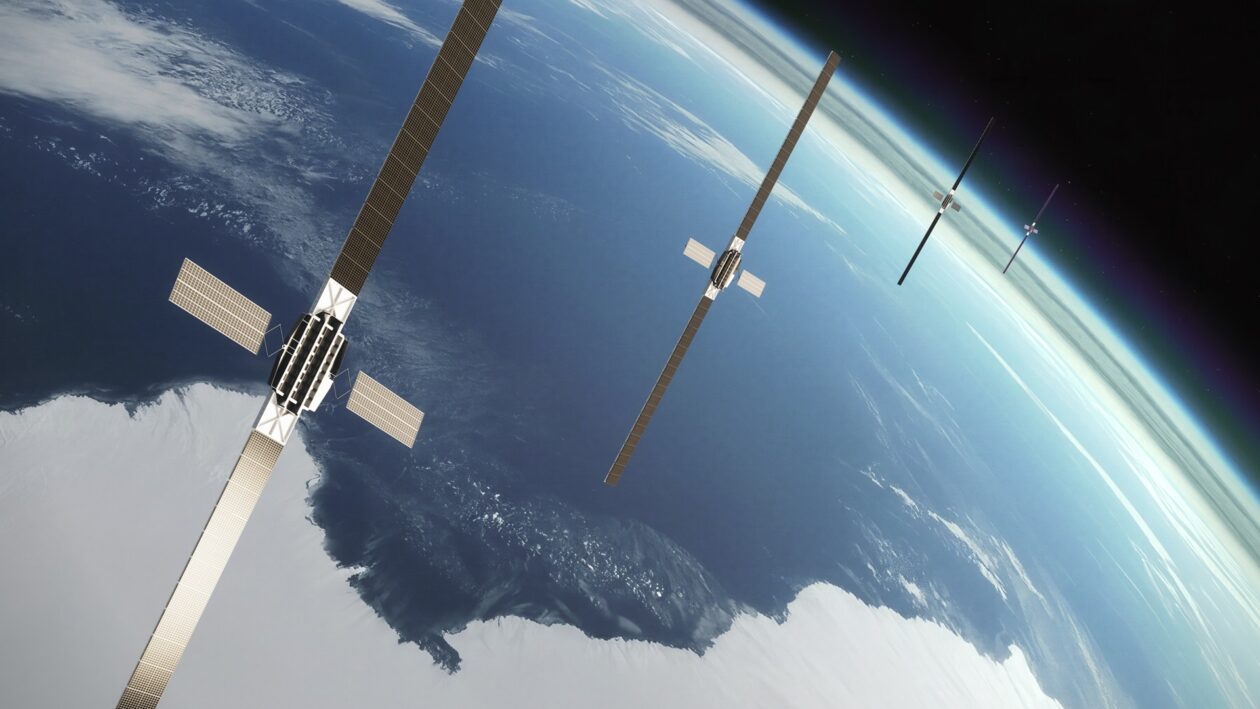
Each of the 10 satellites in the constellation will link together six of Sophia’s TILE (Thermal Integrated LEO Edge) modules, with four Nvidia Jetson processors on each module. That adds up to 240 edge computing servers in orbit.
“These 10 spacecraft are dedicated to this transaction,” Yergan said. “Sophia’s other programs and partnerships involve separate spacecraft and separate funding and are not directly affected by this facility.”
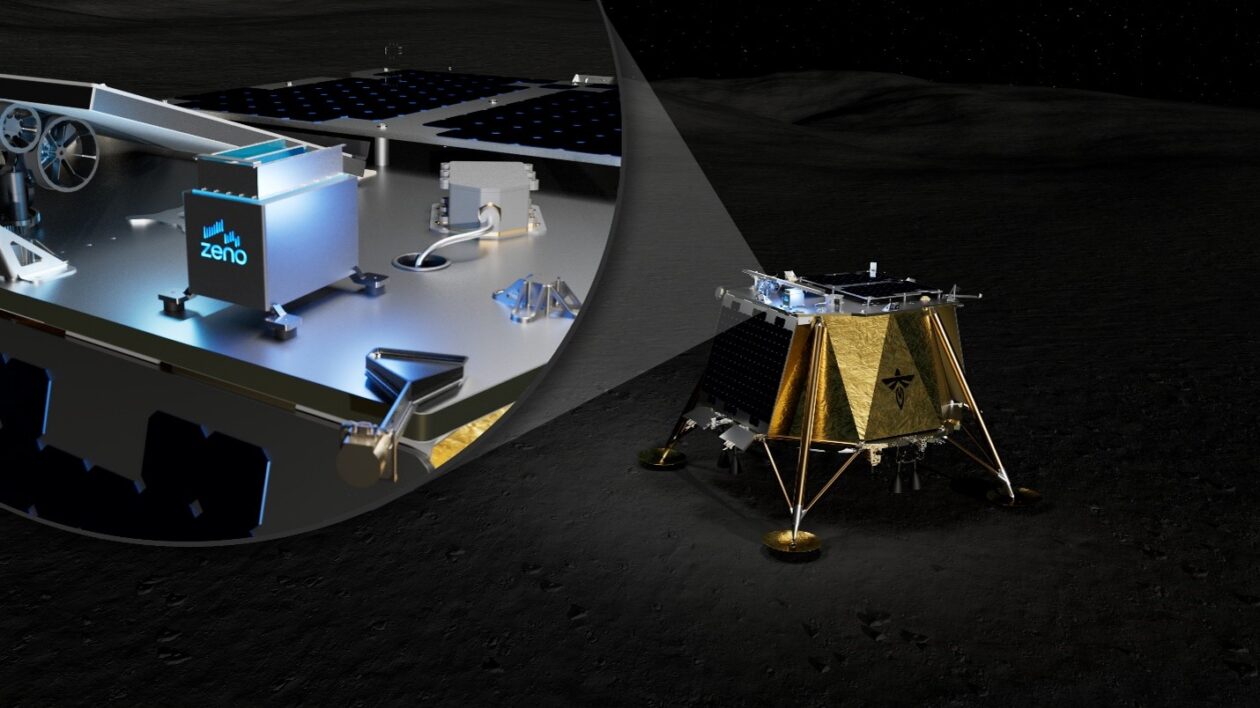
Sophia Space has previously said that it plans to start selling TILE systems and related components to customers in 2028. The company is also collaborating with Axiom Space, Armada and Kepler Communications on separate in-space computing initiatives.
In June, Sophia Space announced the conclusion of a $7 million financing round that brought the company’s total funding to $22 million. That round took advantage of an arrangement known as a Simple Agreement for Future Equity, or SAFE, in which investors provide cash to a startup in exchange for the right to receive stock later.