
❌

Reading view

There are new articles available, click to refresh the page.

Zeno Power reserves a spot on Firefly moon lander to demonstrate its atomic space heater
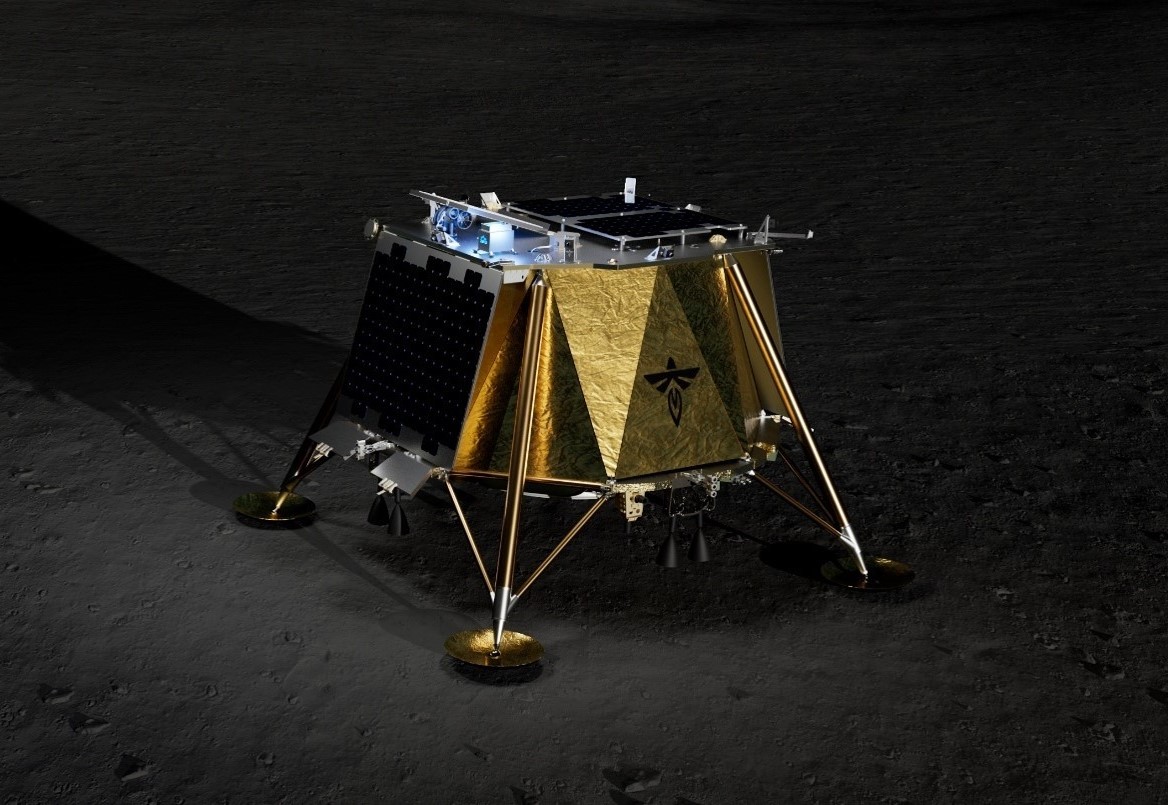
An artist’s conception shows Firefly’s Blue Ghost lander on the moon’s surface during the lunar night, with Zeno Power Systems’ radioisotope heater unit highlighted with a blue glow on the left side of the lander’s top deck. (Firefly Aerospace Illustration)

A nuclear-powered heater built by Zeno Power Systems is slated to fly to the moon aboard Firefly Aerospace’s Blue Ghost lunar lander for a demonstration mission that could take place as early as 2028.

Zeno’s Seattle engineering hub played a leading role in developing the radioisotope heater unit, which will be powered by americium-241, a radioactive isotope typically recovered from recycled nuclear material.

The unit will provide 5 watts of thermal energy β€” enough to sustain the payload during the lunar night, which lasts 14 Earth days. Firefly’s first solar-powered Blue Ghost lander, which touched down on the moon in March 2025, operated successfully through the lunar day but gave up the ghost shortly after sunset.

β€œOur first Blue Ghost mission gave us firsthand insight into the moon’s extreme thermal environment, where we measured temperatures ranging from more than 230 degrees F during the lunar day to below -275 degrees F at night,” Ray Allensworth, Firefly’s vice president of spacecraft, said today in a news release. β€œNow we’re looking forward to advancing technologies that can extend missions beyond sunset and support long-duration surface operations required for NASA’s Moon Base initiative and the growing lunar economy.”
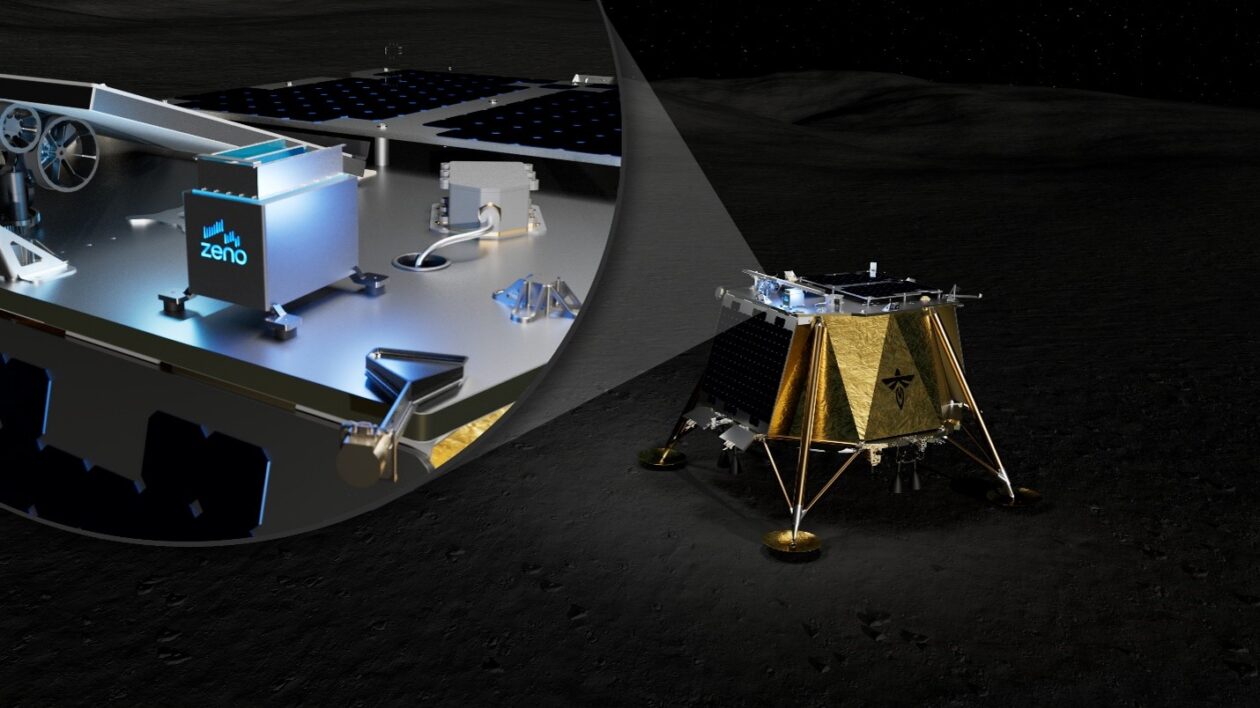
This illustration provides a closeup view of Zeno’s radioactive heater unit on a Blue Ghost lander. (Firefly Aerospace Illustration)

The lander will rely on solar power to run NASA-funded science payloads on the moon’s near side during the lunar day. When night falls, Zeno’s payload will go into operation and transmit data back to Earth.

β€œHardware capable of surviving the extreme cold of the lunar night will be essential to enabling sustained operations on the moon,” said Tyler Bernstein, CEO and co-founder of Zeno Power. β€œNASA’s Moon Base program has identified the need for technologies such as radioisotope power systems to support future lunar exploration, and Zeno is proud to answer that call to demonstrate this capability aboard Firefly’s Blue Ghost mission.”

Firefly has two other lunar lander missions on its manifest: a trip to the moon’s far side scheduled for no earlier than 2027; and a mission targeting a region known as the Gruithuisen Domes, set for 2028 or later.

Beyond radioisotope heater units, Zeno is developing radioisotope power generators to supply electricity for missions on the moon and in extreme environments on Earth. β€œAs demand for long-duration lunar infrastructure grows, we are building the production capacity to support future commercial and government missions,” Bernstein said.

In addition to its Seattle engineering hub, Zeno maintains facilities in Washington, D.C., and California. The company reported the completion of a $50 million Series B funding round in May, followed by a $3.6 million funding extension from Seraphim Space.

β€œZeno has raised $105 million to date in private investment and has 95 employees,” Kelsey Bates, the company’s communications manager, told GeekWire in an email. The Seattle hub accounts for the largest proportion of those employees.
Self-flying air taxis and drones: Boeing sells key aviation technology businesses to Archer

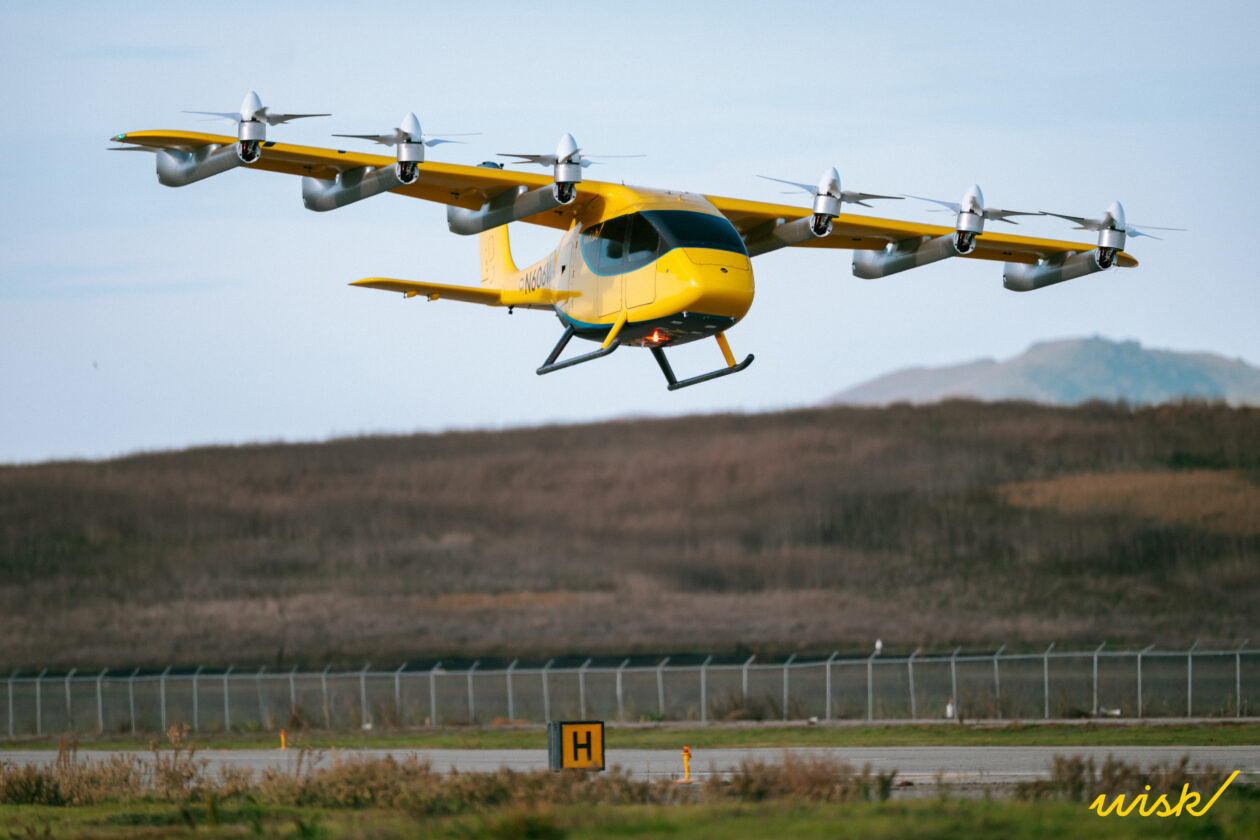
Wisk completed the first flight of its Generation 6 autonomous, all-electric eVTOL last year. Photo via Wisk

Archer Aviation is acquiring three Boeing subsidiaries focused on autonomous aircraft, airspace management and unmanned systems, a deal that will significantly expand the electric aircraft maker’s business into defense and add more than $200 million in annual revenue.

The companies announced the deal Monday, saying Archer will acquire Wisk Aero, SkyGrid and Insitu. The transaction is expected to close by the end of 2026, subject to regulatory and other closing conditions.

The deal brings together Archer’s work on electric vertical takeoff and landing aircraft, unmanned aircraft and artificial intelligence with Boeing’s investments in autonomous flight and defense technologies.

The transaction represents a major expansion by Archer beyond its core effort to develop electric air taxis. The company said the three Boeing businesses operate across 35 countries and collectively have nearly two million flight hours.

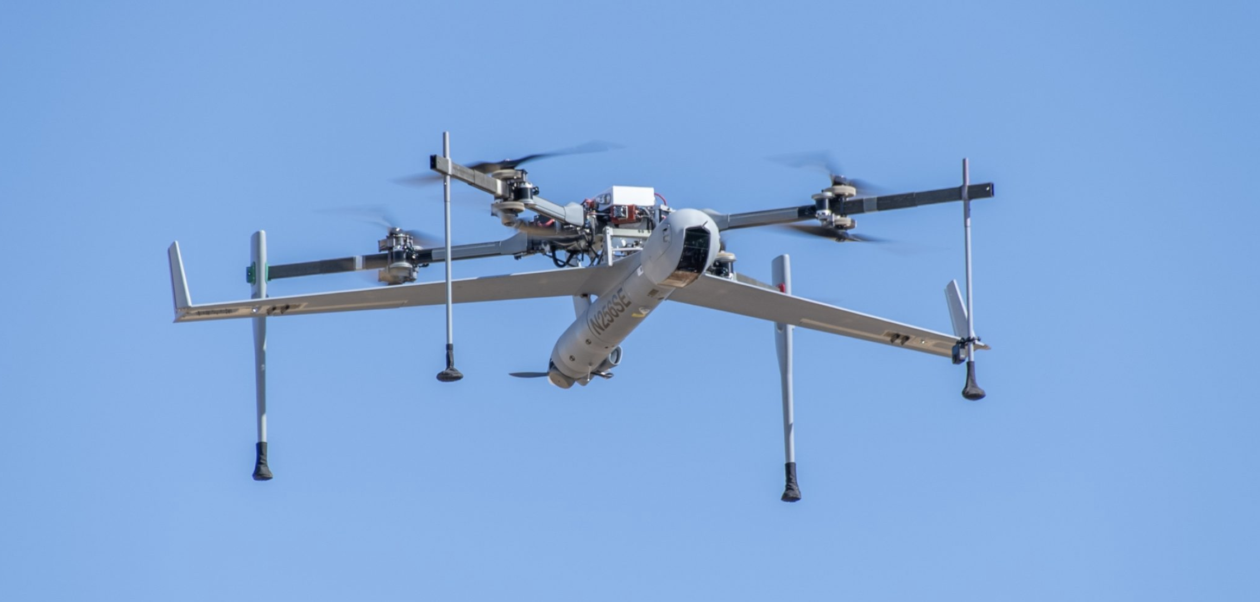
Bingen, Wash.-based Insitu, which develops and manufactures uncrewed aircraft systems for intelligence, surveillance and reconnaissance, is the largest piece of the acquisition from a defense perspective. The profitable unit has manufactured and deployed more than 3,500 unmanned aircraft and supports military customers in 35 countries, according to the companies. Founded in 1994, Insitu was acquired by Boeing in 2008 for about $400 million.

Insitu’s portfolio includes small unmanned aircraft systems, vertical-takeoff-and-landing capabilities and software designed to support military intelligence and surveillance operations. It has offices in the U.S., Australia, the U.K. and the United Arab Emirates.

With over 1.6 million combat flight hours, Insitu’s ScanEagle is used in defense. Photo via Insitu

Mountain View, Calif.-based Wisk was formed in 2019 as a joint venture between Boeing and Kitty Hawk Corp. and has since developed autonomous electric aircraft. The company β€”Β which raised $450 million from Boeing in 2022 β€”Β has designed, built and flown six generations of its eVTOL air taxi systems and conducted more than 1,700 flight tests.

Austin, Texas-based SkyGrid provides software for managing increasingly automated airspace, including systems designed to coordinate aircraft and integrate autonomous vehicles into the broader aviation system.

Archer said it plans to combine those capabilities with its own artificial intelligence platform, known as ZEE, which the company describes as a foundation model for aerospace and defense applications.

β€œThis is a watershed moment for Archer and the future of physical AI in aerospace and defense,” Archer founder and CEO Adam Goldstein said in a statement. β€œThis is the next big step forward in becoming a diversified platform, rapidly growing our revenue base and bringing scale to our business.”

The transaction also creates a new strategic relationship between Archer and Boeing.

As part of the deal, Boeing will take a stake in Archer and enter into a collaboration and technology-sharing agreement with the company. Boeing will receive class A shares in Archer worth approximately 19.75%. After the transaction closes, Boeing’s shares will amount to a roughly 16.5% ownership stake in Archer, according to The New York Times.

It will also retain access to Wisk’s core autonomous flight technology for use in its current and future commercial and defense aircraft.

β€œThis transaction is a win-win for Boeing and Archer,” Brian Yutko, Boeing’s vice president of Commercial Airplanes Product Development, said in a statement. β€œIt allows Wisk, SkyGrid and Insitu to accelerate capability development and time to market while ensuring Boeing capitalizes on its investments in these technologies over the past two decades through continued development in our core businesses.”

For Boeing, the transaction provides a way to retain exposure to the technologies while shifting the three businesses into Archer, where they can be combined with its aircraft and AI efforts.

Archer, based in Silicon Valley, is developing its Midnight electric air taxi which it touts as a β€œnew way to move through cities.” Monday’s deals also increasingly expand Archer’s focus to defense applications and other aircraft technologies.

Shares of Archer soared in Monday trading, up more than 7 percent.

❌