Reading view

There are new articles available, click to refresh the page.

Microsoft comms chief Frank Shaw to exit after nearly three decades shaping the company’s message

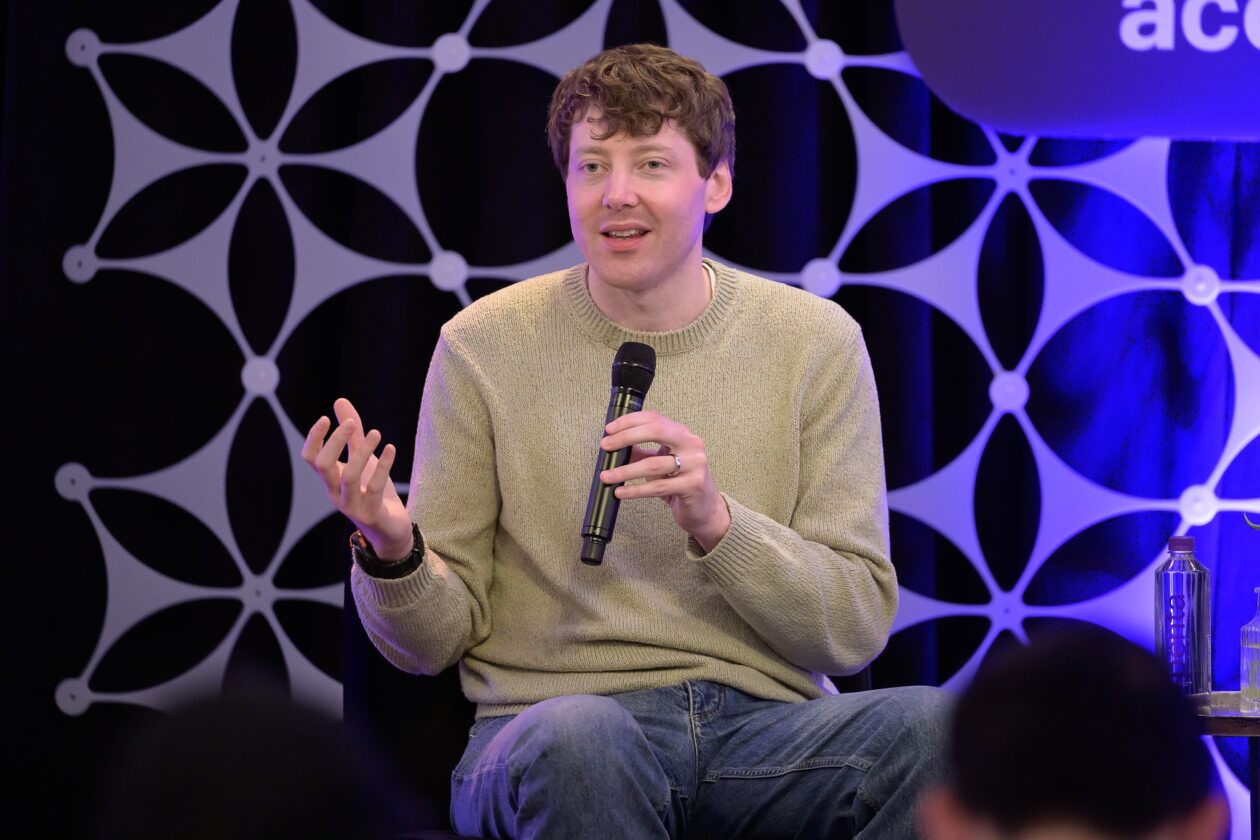
Frank X. Shaw addresses the media at Microsoft on May 18, 2025, in advance of the Build conference. (GeekWire Photo / Todd Bishop)

It’s the end of an era at Microsoft: Frank X. Shaw, the executive who oversaw the tech giant’s communications for nearly three decades, first at an external agency and for the last 17 years as one of its senior leaders, is leaving at the end of the year.

Shaw, 64, said he’s not retiring, although he doesn’t have another job lined up. He plans to stop working for a while, do some of the things he hasn’t had time for, and then decide what’s next.

“I have had a ringside seat at some of the biggest leadership, technology, and business transformations that have ever taken place,” Shaw said, sharing the news of his departure (under embargo) in a phone call Thursday afternoon. “I just feel incredibly fortunate.”

He said he had been discussing his potential departure for some time with Takeshi Numoto, Microsoft’s chief marketing officer, looking for the right moment.

Microsoft has not announced a successor for his role as chief communications officer. In a LinkedIn post, Shaw said the company will consider internal and external candidates.

A statement from Shaw’s colleagues in corporate communications credited him for his many years shaping Microsoft’s “voice and reputation with intelligence, candor and wit. His leadership and contributions to the company are too extensive to list, as is the number of journalists who have, at one point or another, used his name in vain.”

A former Marine Corps public affairs officer, Shaw has worked with all three of Microsoft’s CEOs. He started on the agency side, at Waggener Edstrom — now known as We. Communications — when Bill Gates was still running the company.

He built his reputation defending and advocating for Microsoft through some of its hardest stretches: the antitrust years, the Windows Vista backlash, the scramble to replace Steve Ballmer as CEO, and the weekend in 2023 when OpenAI’s board fired Sam Altman.

As the company’s top communications executive, he has also told the story of Microsoft’s reinvention under CEO Satya Nadella, from the LinkedIn and Activision Blizzard deals to an AI push that has carried Azure past $100 billion in annual revenue.

Evolving with technology: Shaw has spent much of his career closely watching the tech landscape and moving Microsoft’s voice into new channels as they emerged.

“We’re always thinking about what is the art and science of communications,” Shaw told PRWeek. “How do we reach our audiences most effectively in a changing environment?” He called the arc from print to radio and TV to social media and newsletters a “constant evolution of influence.”

He turned the corporate blog into a place where the company argued its own case, writing “Microsoft by the numbers” himself in 2010 — a stat-by-stat comparison against Apple and Google that TechCrunch dubbed “fantastic passive-aggressive.”

He and his team experimented with different and risky methods of telling the company’s story, holding mass briefings under embargo and publishing documents known as the “Book of News” in advance of its major keynotes and conferences. The prospect of a reporter having to answer to “fxs” was no doubt a factor in ensuring the news (mostly) didn’t leak.

Shaw hired Steve Clayton out of a technical role at Microsoft in London, where he had been blogging about the company unofficially out of frustration with how it was perceived, and made him chief storyteller. In the middle of the AI boom, Clayton and Shaw embraced the analog undercurrents in popular culture and launched Signal, a quarterly Microsoft print magazine for business leaders.

Clayton was VP of communications strategy by the time he left in January to become chief communications officer at Cisco, making Shaw’s planned departure the second high-profile exit from Microsoft’s comms team in a year.

Adapting to AI: In recent years, Shaw made his own team a testing ground for AI, publishing what worked and what didn’t. In a 2023 post he described using Copilot in Teams to pull story ideas out of conversations with spokespeople and anticipate coverage after interviews, and asking the AI to “poke holes in a statement we’re making on a tricky topic.”

He called it his corporal, a reference to Napoleon, who was said to bring one to meetings and ask whether his generals’ war plans made sense to him. A survey of 80 people in Microsoft’s communications and marketing organization found 84% did not want to go back to working without it.

Shaw was also known to use AI as a sounding board when a story frustrated him, offering him an objective take before he called and let a particular reporter have it.

He announced his departure Friday morning in a message to Microsoft’s communications team (reminding them he’s still there for a few months yet) and his public post on LinkedIn.

“Thank you as well to all the reporters, editors, writers, influencers and analysts who have put up with me over this time, enduring my early and late night calls, my off the record ‘no comments,’ my bad story ideas and my extended commentary on headlines and positioning,” he wrote.

“You all have incredibly hard and valuable jobs,” he added, “and while I’ve not agreed with everything said about us 😊 I appreciate you anyway.”

Amazon expands its Quick AI assistant on mobile in challenge to Microsoft and Google

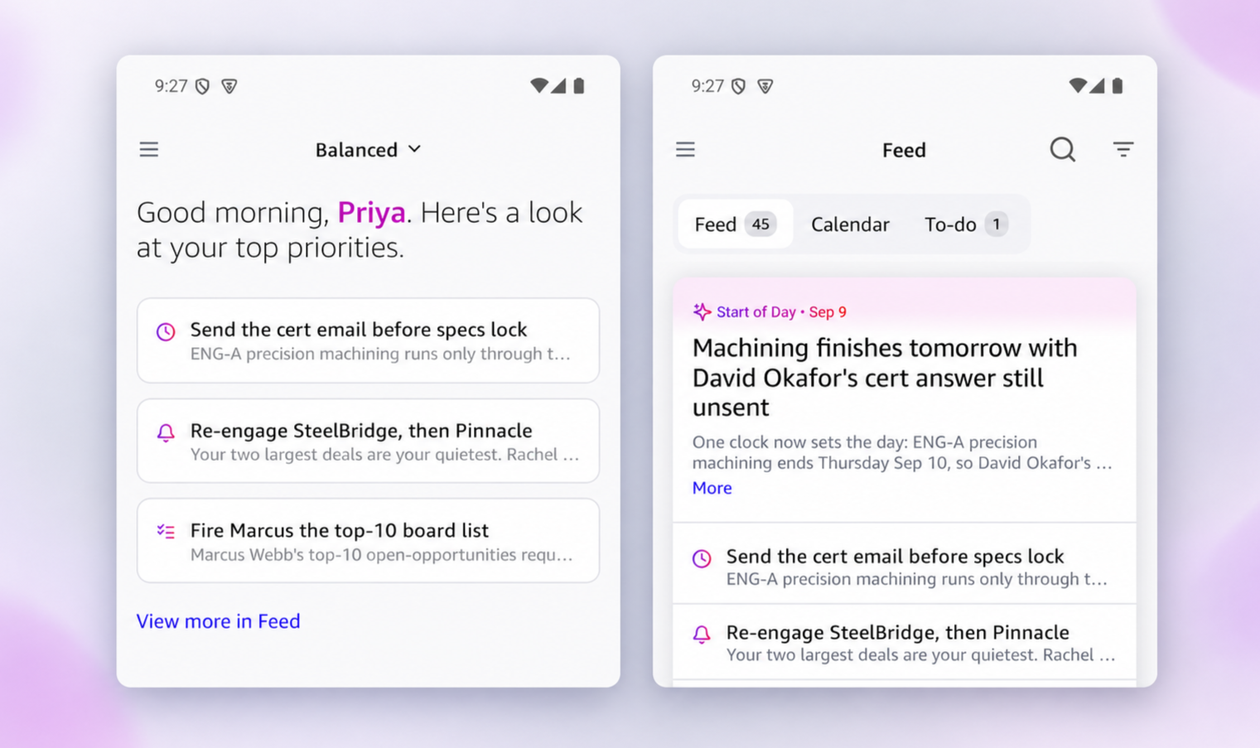
Amazon Quick’s new activity feed on mobile: the morning priority view, left, and the full feed. (Amazon Images)

Amazon is adding the Activity Feed and other features from its Quick desktop app to the AI assistant’s mobile apps for iOS and Android.

The Activity Feed is the signature feature of Amazon Quick. It combines email, Slack messages, calendar invites and CRM updates into one prioritized list, and lets people act on items (opening and responding to emails, for example) without switching apps.

Amazon said Wednesday that the Quick desktop app, released in preview in April, is now generally available on Windows and macOS. The company also said Quick’s agents now run in the cloud, so they keep working after a laptop is closed and deliver results to the feed.

The desktop and mobile apps now sync, as well, so a task started on a laptop can be picked up on a phone, for example.

Quick has a free tier, with paid individual plans starting at $20 per user per month billed annually, and business plans running $20 to $40 per user per month.

Quick is Amazon’s entry in a crowded market for AI assistants at work, competing with Microsoft Copilot, Google Gemini, OpenAI, Anthropic and others. Amazon’s announcements cited business customers for Quick including Southwest Airlines, LabCorp and the PGA Tour.

The desktop app came together fast, as part of a new effort inside Amazon to use small teams to move quickly: Swami Sivasubramanian, the AWS vice president of agentic AI, told GeekWire in June that a team of about six engineers started in late January and shipped April 28.

Seattle Times sues Microsoft and OpenAI, alleging they trained their AI on its journalism

The Seattle Times and Newsday sued Microsoft and OpenAI on Friday, accusing the tech companies of using their journalism to train AI products without permission. (GeekWire File Photo / Kurt Schlosser)

Microsoft was sued Friday by the parent company of its hometown daily newspaper, The Seattle Times Co., which joined with Newsday to accuse the Redmond tech giant and OpenAI of using their journalism to train artificial intelligence models.

The lawsuit alleges that the companies scraped hundreds of thousands of Seattle Times and Newsday articles — bypassing paywalls and ignoring terms of service — to train their AI models. It seeks financial damages and the destruction of any training datasets and models built with their content.

“Like a snake eating its own tail, GenAI that is trained on painstakingly researched, expensive-to-produce content threatens to destroy the very news organizations by competing directly with them through AI-generated substitutive content,” the suit says. “If Defendants are allowed to succeed, independent journalism of the kind Plaintiffs produce will struggle to survive.”

The case is notable in part because the Seattle Times is suing two of its own funders. Microsoft Philanthropies underwrites some Seattle Times journalism projects. In 2024, Microsoft and OpenAI jointly funded a $10 million Lenfest Institute AI fellowship that included both the Seattle Times and Newsday among its inaugural participating newsrooms. The Times says it maintains editorial independence.

A Microsoft spokesperson said in a statement Friday evening, “While we’re surprised by the lawsuit, we appreciate the importance of the Seattle Times to our region and we’re always happy to sit down and explore solutions to this type of dispute.”

It’s not clear if there were negotiations or licensing talks in advance of the suit. GeekWire has contacted The Seattle Times Co. for comment.

In its own coverage of the lawsuit Friday evening, the newspaper quoted a memo from Seattle Times Co. President and CEO Alan Fisco, saying: “This was not an easy decision. However, we feel strongly that we must defend our content — which we spend millions of dollars a year to produce — from being used without our consent or compensation.”

The Seattle Times Union, which represents more than 160 newspaper employees, said Friday it supports the lawsuit but that in ongoing contract negotiations the company has refused to guarantee it won’t replace non-reporter newsroom jobs with AI.

“If the Seattle Times Co. truly cares about the threat AI poses to journalism’s business model, it should protect the workers who produce the copyrighted material at the heart of this case,” the union said in a statement.

Fisco, a longtime Seattle Times executive, took over as CEO on Jan. 1, succeeding Frank Blethen, who led the paper for 40 years and remains chair of the board. Ryan Blethen, Frank Blethen’s son and a fifth-generation member of the family that has owned the paper since 1896, became publisher in the same transition.

The complaint Friday includes examples of ChatGPT reproducing Seattle Times and Newsday journalism nearly word for word, including an 88-word verbatim stretch from The Seattle Times’ Pulitzer-winning coverage of the Boeing 737 MAX crashes, generated when a user prompted the chatbot with just the article’s headline and web address.

The suit echoes The New York Times’ 2023 copyright case against the same defendants, which just this week drew a U.S. Justice Department brief siding with Microsoft and OpenAI, arguing that a ruling for the publishers would stifle American AI development.

The newspapers join a growing list of publishers suing OpenAI and Microsoft over AI training. In addition to the New York Times, that includes the New York Daily News, Ziff Davis and the Center for Investigative Reporting, all consolidated before U.S. District Judge Sidney H. Stein in Manhattan.

On Friday, the publishers in that case moved for summary judgment, as did OpenAI and Microsoft.

OpenAI has struck licensing deals with more than a dozen other outlets, including The Associated Press, News Corp and Axel Springer. Publicly disclosed terms of three of those deals top $300 million, according to the Seattle Times complaint.

Updated with statement from The Seattle Times Union.

Seismic CEO on the Highspot merger: revenue, job cuts, Seattle, AI, and the Salesforce question

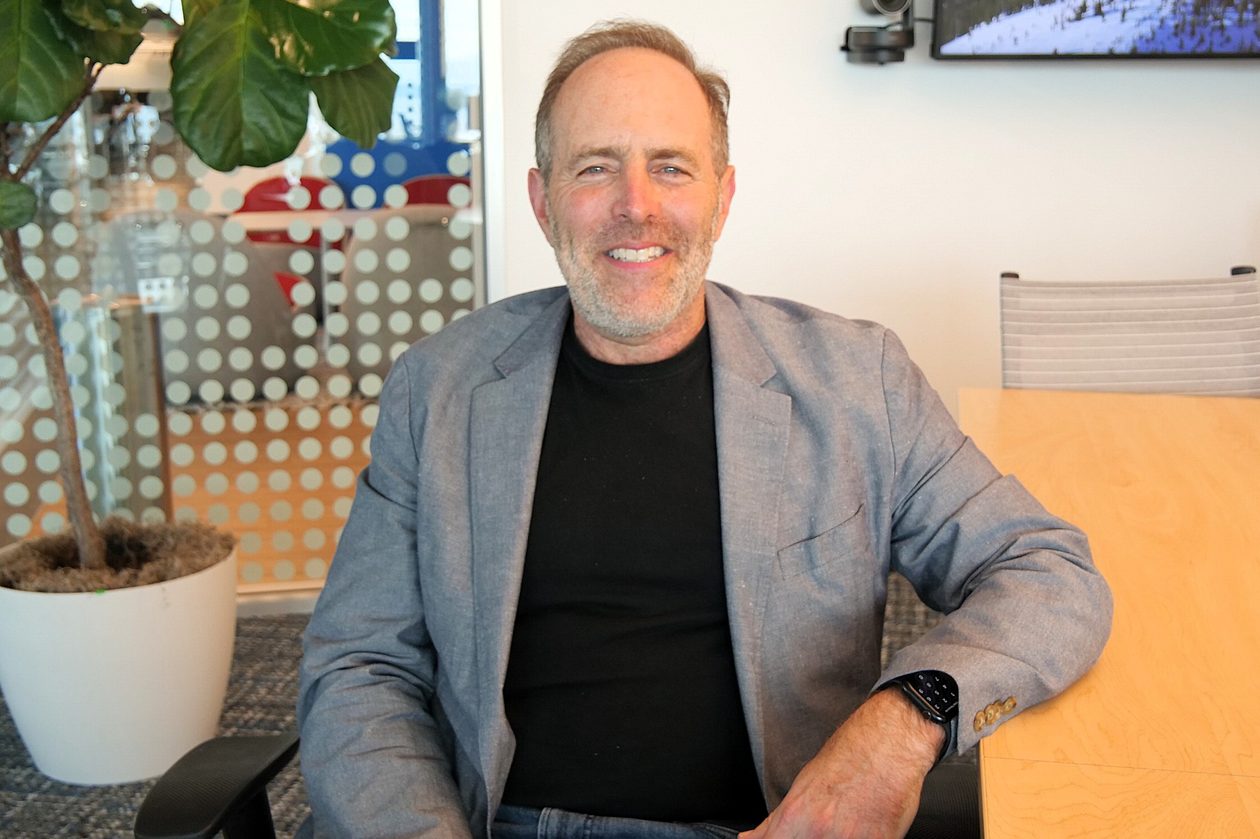
Seismic CEO Rob Tarkoff inside Highspot’s longtime offices in Seattle. (GeekWire Photo / Todd Bishop)

Highspot’s branding is still everywhere inside its longtime headquarters at World Trade Center East, overlooking the Seattle waterfront. But outside the corner office that once belonged to the sales software company’s co-founder and CEO, “Seismic” is scribbled on the whiteboard.

That’s how fresh the merger is. Two weeks after San Diego-based Seismic took over its Seattle-based rival, Seismic CEO Rob Tarkoff is in town this week for the first board meeting since the combination was completed, and the inaugural gathering of the combined company’s senior leadership team.

Highspot and Seismic sell sales enablement software: systems that manage the pitch decks, case studies and training materials salespeople use, and track which ones help close deals.

Founded in 2011 by Robert Wahbe and two former Microsoft colleagues, Highspot raised $650 million and held the top spot on the GeekWire 200, our ranking of the region’s privately held tech companies, prior to the merger. Wahbe, its CEO until the deal closed, is now on Seismic’s board.

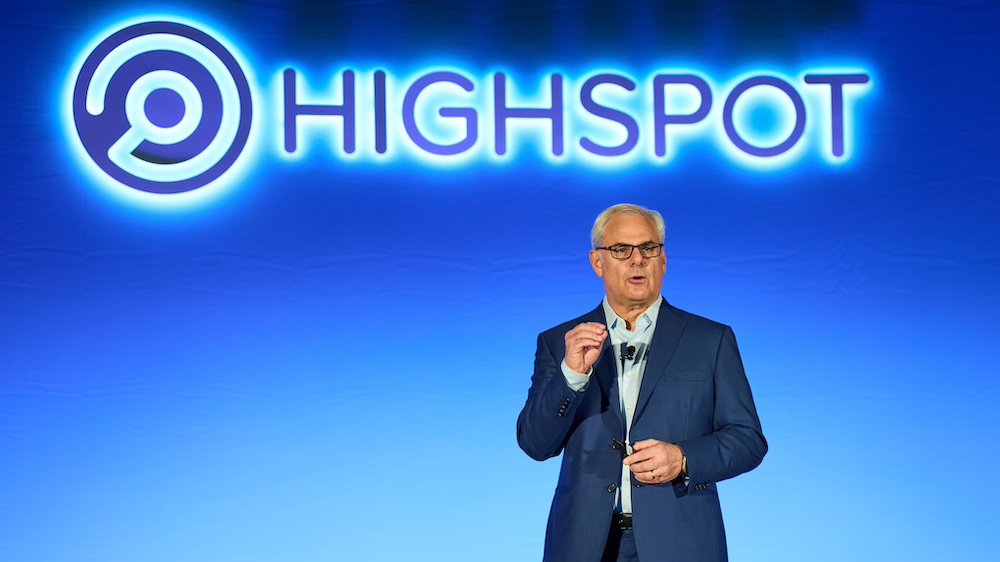
Highspot co-founder Robert Wahbe, who led the company until the merger closed and now serves on Seismic’s board. (Highspot Photo)

Tarkoff, a lawyer by training who spent much of his career in corporate development and M&A, became Seismic’s CEO in October 2025, succeeding co-founder Doug Winter. He had previously spent seven years running Oracle’s customer experience business.

The Highspot deal was announced in February, four months into his tenure.

Tarkoff addressed a wide range of questions from GeekWire in an interview Monday afternoon in Wahbe’s former office, which now serves as an ad hoc meeting room.

Here are the main takeaways from the interview:

A $600 million company: Tarkoff disclosed the combined company’s annual recurring revenue for the first time, putting it at about $600 million, with about $200 million of that coming from Highspot.

That makes the combined business three times the size Highspot was on its own and 50% bigger than Seismic. Tarkoff said the larger size will be an adjustment for people across both companies as they come together. “We’re getting closer to being a billion dollar company,” he said.

The companies did not disclose the financial terms of the deal, and Tarkoff declined to say whether the transaction put Highspot above or below the $3.5 billion valuation it reached in 2022.

Tim Porter, managing director at Madrona, which led Highspot’s Series A in 2014, called it a “multi-billion-dollar merger” in a post after the deal closed. Porter, who serves as a board observer at Seismic following the combination, wrote that Madrona hopes to help build the combined company into “a truly iconic AI software company, through a potential IPO and beyond.”

Permira, the private equity firm that has backed Seismic since 2020, remains the controlling shareholder of the combined company.

Impact on jobs: Seismic said when the deal closed that Highspot had more than 700 employees and that the combined company would have about 1,700 total. Tarkoff said in a statement at the time that the companies were “carefully evaluating our organizations to identify areas of overlap,” and that “any decisions will be communicated directly and proactively to employees.”

Since then, word of initial job cuts has started to emerge on LinkedIn and other online forums, but the company has not provided specifics or disclosed any numbers.

Asked for an update on job reductions this week, Tarkoff said, “We did our best to try to find roles for everybody that we could, but there’s always some level of overlap where you don’t need two people doing a task that requires one.”

Tarkoff did not provide numbers or address the question of whether more job cuts are coming. He said the company feels “really good about where we are from a go-forward staff perspective,” while adding: “We will continue to push performance and push growth and acceleration.”

Seismic’s future in Seattle: Tarkoff said Seismic will keep Highspot’s Seattle offices at World Trade Center East, where the company has a long-term lease. He called Seattle “one of the top centers of excellence for tech talent,” citing the ability to recruit from Amazon, Microsoft and others.

There will be no designated Seattle site leader, he said, describing the office as one of the company’s major centers rather than a headquarters.

However, several senior leaders of the combined company are based in Seattle, including Kurt Berglund, who led engineering at Highspot and is now Seismic’s senior vice president of AI.

Others include chief human resources officer Kimberly Schultz, who joined Seismic in June after 11 years at Amazon, where she led the team responsible for integrating acquisitions and divestitures, and Lucas Welch, VP of brand and communications, who spent nearly eight years at Highspot.

Tarkoff said a number of the company’s top engineers are based in Seattle as well.

Seismic’s other major locations include San Diego, Boston, Toronto, Vancouver, B.C., London and Hyderabad, India, where Tarkoff said the company has more than doubled its presence. Gurpreet Singh Pall, who was Highspot India’s chief operating officer, now leads Seismic’s India operations.

Product plans: The current Highspot and Seismic platforms both will continue to be sold and supported for the time being, Tarkoff said. He declined to set a timetable for eventually consolidating them, saying customers will move to a new platform when one is ready.

Now that the companies are able to work directly together, he said they’ve come to see that the two products are closer than he understood before the deal closed. Seismic has focused on complex enterprise workflows and regulated industries, financial services in particular, while Highspot built for a broader market of upper mid-market and lower enterprise customers.

With two teams no longer building the same things, he said, engineering can move to new work — more AI agents, additional content governance features, and deeper industry-specific workflows such as archiving and records retention.

Rivals are making the opposite case. Ali Akhtar, CEO of Letter AI, wrote in a LinkedIn post last week that mergers in the category turn companies inward for quarters or years, predicting “stalled innovation, layoffs, and distractions from delivering customer value,” and a period of reduced support for customers on legacy platforms. Akhtar is offering to buy out their contracts.

Pricing: Tarkoff said seat-based subscriptions aren’t going away, because enterprises want predictable costs. He said he’s skeptical of the usage-based pricing some AI vendors have adopted, pointing to high-profile examples of companies blowing past their budgets.

“Token-maxing is not really a good model long term, because it’s just going to force enterprises to use less,” he said.

He said Seismic is working toward pricing tied to outcomes rather than usage.

The Salesforce question: A week after the Seismic-Highspot merger closed, Salesforce and Anthropic announced Claudeforce, making Claude the default model across Slack and parts of Salesforce’s Agentforce platform.

Salesforce is both a channel and a rival for Seismic. Seismic’s software sells through the Salesforce AppExchange, and its Aura AI runs inside Agentforce, Salesforce’s agent platform. At the same time, Salesforce’s Sales Cloud includes its own sales enablement tools. And Agentforce agents increasingly do work that enablement platforms have owned.

Asked whether the partnership makes Salesforce a tougher competitor, Tarkoff said no.

As sellers start working inside Claude rather than inside individual applications, he said, the assistant will call each company separately — Salesforce for customer records, Seismic for approved content and sales materials. That makes Seismic a peer of Salesforce inside Claude, rather than an add-on inside Salesforce’s own product.

“It actually puts us more on an even playing field with Salesforce,” he said.

But Salesforce is considerably further along. Claudeforce launched with a Salesforce plugin carrying 37 prebuilt sales skills, in pilot now and due in open beta this month.

Much of the early analysis of the Salesforce-Anthropic partnership saw it as evidence that enterprise AI is consolidating around a few deep platform alliances rather than opening up.

Seismic’s next fiscal year begins Feb. 1. Tarkoff said he expects to spend much of the intervening months on the road with customers and employees. Seismic plans to give the first detailed look at its new product roadmap at its Shift conference, Oct. 12-15 in Carlsbad, Calif.

Report: Amazon eyes ‘fully automated’ delivery stations to bring robotics to the last mile

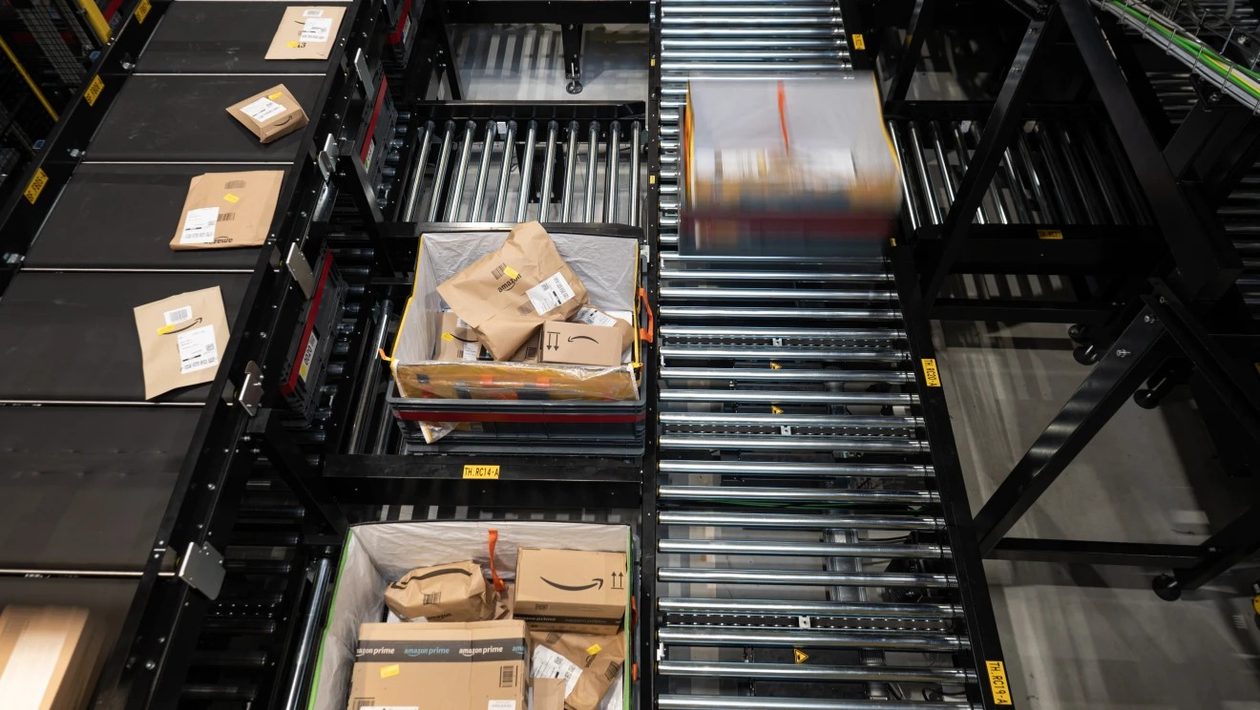
Amazon’s ZancaSort system brings packages to workers automatically at its Last Mile Innovation Center in Dortmund, Germany. A separate initiative, Project Tetromino, reportedly aims to bring full automation to delivery stations. (Amazon Photo)

Visiting an Amazon delivery station can feel like walking into the past.

While many of its massive fulfillment centers are equipped with the latest robots and automation, Amazon’s delivery stations — the final stop before packages reach the doorstep — remain mostly manual. Workers often sort parcels by hand, load them into bags, and stage them for drivers.

That could be changing. Business Insider reports that Amazon is developing an internal initiative called Project Tetromino to build “fully automated” delivery stations, citing an internal planning document that includes specific financial projections.

The name appears to be a nod to Tetris, reflecting the puzzle-like challenge of efficiently organizing packages for delivery vehicles.

“We’re always exploring and testing new technologies across our operations to improve safety and the delivery experience for customers,” Amazon spokesperson Brad Glasser said in a statement. He added, “The details cited here are inaccurate and don’t reflect our current plans. Like any early-stage concept, this is one of many initiatives we regularly evaluate, and plans evolve significantly as we learn.”

Business Insider reported that a key technology behind the effort could come from Boxbot, an Alameda, Calif.-based robotics startup that uses conveyors and AI-driven storage trays to automatically sequence packages for vehicle loading. The company says the process is up to 10 times faster than manual methods.

Boxbot has raised $29.5 million from investors including Toyota Ventures, Playground Global, and Maersk Growth.

Responding to an inquiry from GeekWire, Boxbot CEO Austin Oehlerking said he could not comment on activities with any specific customer but said the company has “tested and deployed live systems within the parcel delivery, logistics, and automotive industries over the last several years.”

Oehlerking described Boxbot’s technology as filling a gap in warehouse automation. Automated storage and retrieval systems are typically designed for fulfillment operations, while Boxbot is building them for high-throughput package handling at other points in the supply chain.

“This type of storage system can be very useful at different points in the supply chain, depending on the customer,” he added.

Amazon said its delivery station initiatives are “designed to complement and empower our workforce.” The company has been ramping up automation across its operations, with more than a million robots now deployed in its fulfillment network and plans to more than double its fleet of robotic arms this year, citing goals to improve safety, ergonomics and efficiency.

The company has also opened a Last Mile Innovation Center in Germany, where it has been testing delivery station technologies including automated unloading, sorting, and scanning systems.

Startup Spotlight: Tech consultant returns to the farm with Reroot, connecting growers with consumers

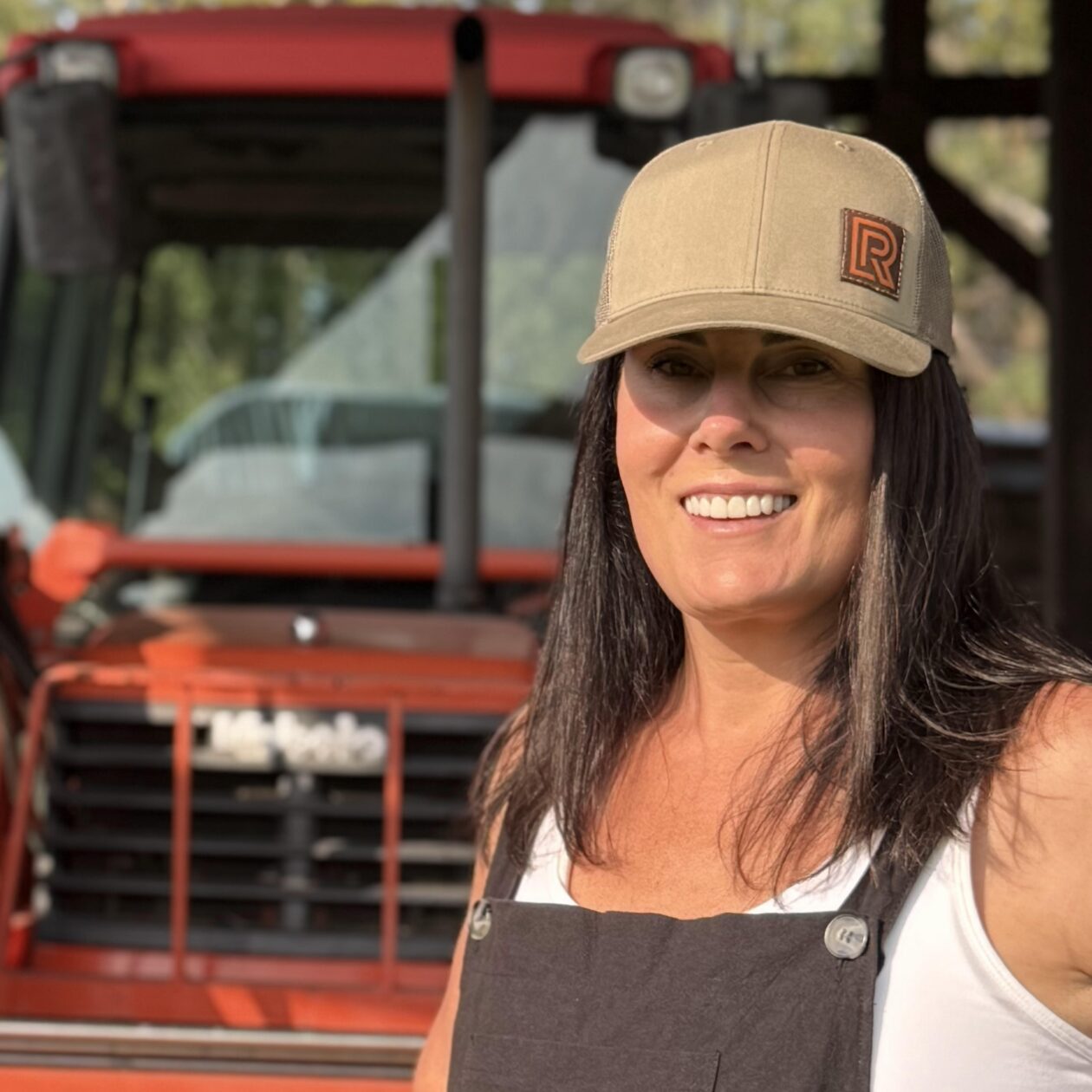
Reroot founder Genevieve Priebe, a fourth-generation member of a Montana farm family. (Photos courtesy of Genevieve Priebe)

Genevieve Priebe took a business meeting this summer while bottle-feeding baby goats. A couple of years ago, she was advising executives at some of Seattle’s largest tech companies.

“Best decision I’ve ever made,” she said of her career change.

Priebe is the solo entrepreneur behind Reroot, a bootstrapped Seattle startup trying to make local food as easy to find and buy as anything else online.

Genevieve Priebe, founder of Reroot.

The company operates a marketplace where independent farmers, ranchers, bakers and makers sell direct to customers, currently live with founding partners in the Pacific Northwest. In July it launched a free companion app, Reroot: Find Local Food, that maps more than 50,000 producers across the U.S. and parts of Canada.

She has also built a patent-pending tool called Walk & Talk, which lets a farmer update an online store by voice while walking the field, with or without a cell signal. When they’re back in range, it reconciles what they said against any sales that came in while they were offline.

A fourth-generation farm kid from Whitefish, Mont., Priebe grew up driving her dad’s tractor before she could reach the pedals and counting change at farmers markets for her mom, a flower farmer. She left for college and spent two decades in Seattle consulting, starting at Accenture and working for clients including Microsoft, T-Mobile, Starbucks and Boeing.

After her parents passed away, she and her brother took over the family farm. Priebe ran the numbers on what it takes to make a living growing food, and found it “close to impossible.” That’s a big part of what she’s now looking to solve as a startup founder.

“I didn’t want to be a founder,” she said, “but I couldn’t walk away from the problem.”

Continue reading for Priebe’s answers to our Startup Spotlight questionnaire.

In 50 words or less, give us your startup’s elevator pitch?

Local food is all around you, but finding it is hard. Buying it directly from the source is even harder. Reroot exists to fix that. We’re a discovery app and marketplace that connects independent producers to the people who love what they grow, raise and make.

What problem are you obsessed with solving?

Something that perhaps most people wouldn’t see as a problem. That is: why is it easier to buy a mango from Peru than a tomato from a farm 10 miles away?

What surprised you after talking to customers?

My biggest surprise was that most small farms pay to be farmers. They don’t make money, they lose money. Less than 50% of the 1.9M farms in the US are profitable. Average median farm income is over a thousand dollars in the red. It’s no surprise that 15,000 farms go out of business every year and unfortunately the story isn’t much better for other independent food producers. Growing our food is one of the most important jobs, yet it’s close to impossible to make a living doing it.

How has AI changed the way you build your company?

Dramatically. Two years ago, I’d have needed a 5-person development team, 18 months, and $1.5M to do what I’ve done solo in about four months. Traditional development cannot compare to the speed with which AI has enabled me to operate.

I do have a strong tech background, but haven’t written a single line of code and yet I’m live with a fully functioning marketplace that processes financial transactions, integrates with Square and Stripe, has sent over 100,000 marketing emails for our customers, manages inventory, fulfillment, and analytics. And, bonus — we just launched a free discovery app called Reroot: Find Local Food that maps 50,000+ local food producers in the US and parts of Canada.

What’s one thing people misunderstand about your startup?

In a world of AI-powered, niche, technology businesses, people seem surprised at how simple the idea is. They assume it already exists. It doesn’t. There is no single place to discover, follow, and buy from local producers. That gap is exactly why I built Reroot.

What’s the toughest decision you’ve made in the past year?

Every advisor and investor I’ve talked to has told me to find a technical co-founder, and even better if he’s younger and male. The decision to ignore that advice and bootstrap solo as a woman in my forties was simultaneously the hardest decision I’ve made and the easiest. I’m choosing a different path than raise-and-burn: heads-down building for real customers who need what I’m making. It’s working.

What’s the one piece of advice you give to other entrepreneurs?

Don’t overthink it. I spent decades in environments where every decision needed a PowerPoint deck and three rounds of approvals. The best thing I’ve done as a founder is just move: build it, ship it, learn, repeat.

We’ll know our company has made it when…

When the hardest part of farming is no longer the marketing. When farmers like my parents, grandparents, and great grandparents can actually afford to do the work that they love. And when I can conveniently replace most of my grocery store spend with local food purchased directly from my favorite producers.

Seismic completes Highspot merger, says it will keep Seattle and B.C. sites

The new Highspot by Seismic branding, which replaced the company’s standalone logo Tuesday. (Highspot by Seismic Image)

Highspot’s merger with Seismic was completed Tuesday morning, ending the Seattle-based sales software company’s run as an independent business and folding one of the region’s biggest enterprise technology players into a San Diego-based rival.

The combined company is now operating under the Seismic name, led by Seismic CEO Rob Tarkoff. Highspot co-founder and former CEO Robert Wahbe is expected to join Seismic’s board of directors, as announced in February. Permira, the private equity firm that has backed Seismic since 2020, remains the controlling shareholder.

The Highspot name isn’t disappearing entirely. Its product is now branded “Highspot by Seismic.”

Tuesday’s announcement named Seattle as one of the R&D locations — along with San Diego, Boston, Vancouver, Toronto, London and Hyderabad and other sites — where the combined company’s 700-plus product, engineering, data science and AI employees are based.

Seismic will keep Highspot’s Seattle and Vancouver offices, adding to its global footprint, Tarkoff said in a statement responding to GeekWire’s questions.

The combined company has about 1,700 employees globally. Highspot’s total headcount was more than 700 at the time of the deal closing, according to Seismic. The company didn’t say how many of those employees are in Seattle.

“As with any merger of this scale, Seismic and Highspot are carefully evaluating our organizations to identify areas of overlap and integrate our company for near and long-term growth,” Tarkoff said. “Any decisions will be communicated directly and proactively to employees.”

Seismic says it has 2,500 customers and 3.5 million users, and plans to invest more than $100 million a year in research and development.

Financial terms of the deal, originally announced in February, were not disclosed. Highspot had raised $650 million since launching in 2011. Its last publicly disclosed valuation was $3.5 billion, set in 2022 when it raised $248 million in a round led by B Capital Group and D1 Capital Partners.

Other backers included Madrona, ICONIQ Growth, Salesforce Ventures, Sapphire Ventures and Tiger Global Management.

Highspot held the No. 1 spot on the GeekWire 200, our list of the top privately held tech companies in the Pacific Northwest, until the merger was announced in February. Companies come off the list after mergers and acquisitions that fold them into other entities. Everett-based fusion energy company Helion Energy took over at No. 1 in the March update.

Post updated with comment from Seismic CEO Rob Tarkoff on the Seattle offices and workforce.

Bezos and Liverpool FC, a Meta vet’s AI startup, Auger’s Dallas move, and the demise of Microsoft’s AI blob

This week on the GeekWire Podcast: What should Liverpool FC fans expect from Jeff Bezos as a member of the storied English Premier League club’s new minority ownership group? We consult the Amazon leadership principles for the answer.

Plus, a tip and an SEC filing lead to a scoop on a former Meta AI director’s new startup, the GeekWire Editorial Board convenes to decide whether Dave Clark’s Auger stays on the GeekWire 200 after moving its HQ to Dallas, and Microsoft quietly semi-retires its AI blob.

Related Stories and Links

Bezos and Liverpool FC

Noosphere and the Form D

Auger and the GeekWire 200

Microsoft and Mico

Subscribe to GeekWire in Apple Podcasts, Spotify, or wherever you listen.

Lev, the PSL spinout building an ‘AI co-founder’ for startups, names tech vet Jay Bartot as CTO

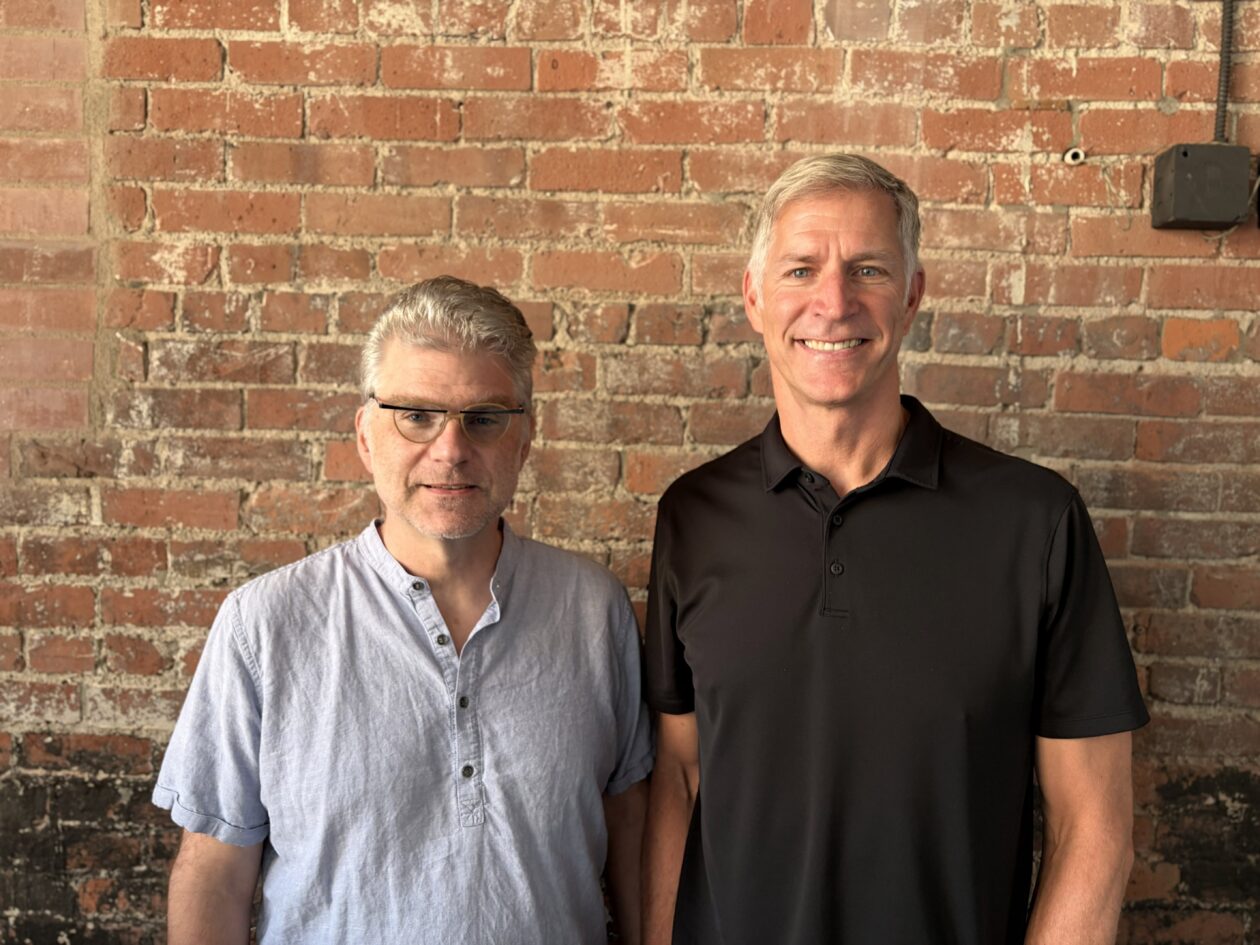
Lev CTO Jay Bartot, left, and founder and CEO T.A. McCann. (Lev Photo)

Jay Bartot has spent most of his career building startups and advising other founders. Now he’s joining another veteran entrepreneur in a bet that technology can do a lot of that work.

Lev, the Pioneer Square Labs spinout building an “AI co-founder” for startup entrepreneurs, announced Thursday that Bartot is joining the company as its chief technology officer, working with founder and CEO T.A. McCann to turn the venture studio playbook into software.

Lev uses AI to walk founders through ideation, validation and company formation, generating assets such as competitive analyses, customer outreach templates and product specs along the way.

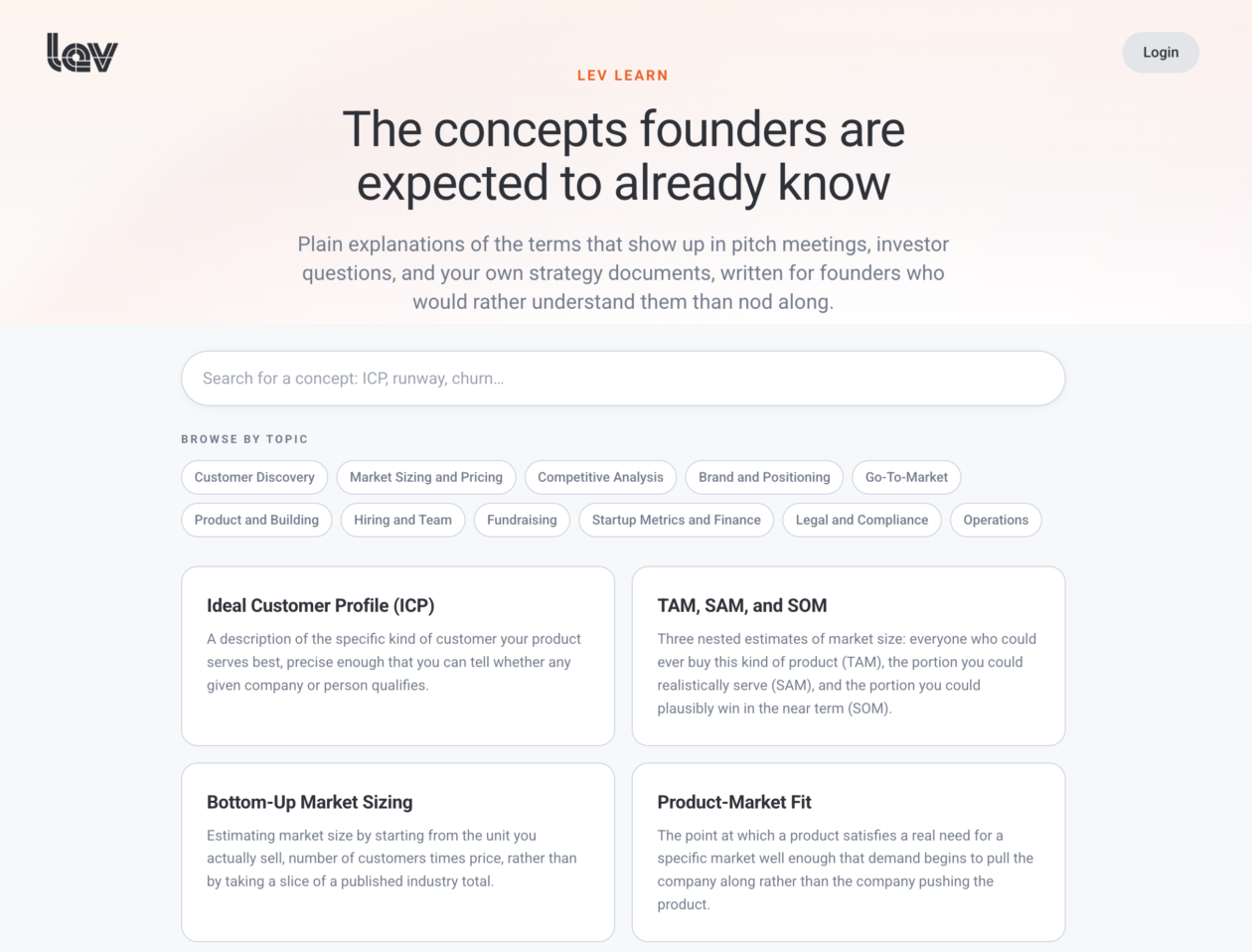
This week, the company is launching Lev Learn, a free public guide to the startup terminology founders are expected to already know — what a term means, who it’s for, when to use it, and the most common mistakes. McCann said the explanations will also surface inside Lev itself, so a founder told to talk to ICPs (ideal customer profiles), for example, can get an answer in context.

The newly launched Lev Learn organizes startup concepts by topic, from customer discovery to fundraising, with plain-language explanations of terms like ICP and product-market fit. (Lev Image)

Bartot is a longtime Seattle entrepreneur, best known as a co-founder of Farecast, the airfare-prediction startup acquired by Microsoft in 2008. He later co-founded Medify, a medical information company sold in 2012, and Vhoto, a computer vision startup acquired by Hulu in 2015.

He spent five years as chief technology officer of Madrona Venture Labs — Madrona’s former venture studio — where he helped create and launch new companies, similar to what PSL does.

More recently, he has mentored at Creative Destruction Lab, the University of Washington, TheFounderVC, and Foundations, in addition to co-founding Seattle startup AirSignal in late 2024.

“Lev pulls all these different pieces together, where I can be building, but also building something that helps me interact with founders at scale,” Bartot said in an interview this week.

The startup grew out of tools McCann and his colleagues built inside PSL to bring more structure to the studio’s company-building process. PSL and its AI Studio Fund have invested more than $1 million in the startup, which spun out as a standalone business this spring, led by McCann, with PSL co-founder and Managing Director Greg Gottesman on its board.

“You think about the 1,000 people who might be Techstars mentors, or all the people sitting at YC giving founders advice, or at CDL or UW or 1,000 different universities,” McCann said. “All of these can be scaled with a product like Lev.”

Monthly signups have grown 17-fold in four months, he said, with active users in more than 50 countries and more than 1,500 projects started. Nearly one in 10 of Lev’s institutional users comes from a university or research organization.

Lev remains a small operation: McCann, Bartot, Per Nilsson, who had been serving as the company’s contract CTO, and design and development engineer Sahana Narendran. The company is pre-revenue, and McCann said he expects to turn on monetization in the coming weeks.

Farewell, Mico: Microsoft’s cute little AI blob is going the way of Bob

Microsoft introduced Mico last October as “your AI companion.” It’s now exiting Copilot’s core voice experience. (Microsoft Image)

Microsoft has spent decades putting characters into its software and then sending them off into retirement. Now joining Bob, Clippy and Cortana in the great recycle bin in the sky: Mico. 

The animated artificial intelligence blob (a derivation of “Microsoft Copilot”) arrived last October in Microsoft’s Copilot Fall Release, described as “expressive, customizable, and warm” — an optional presence that “listens, reacts, and even changes colors to reflect your interactions.” 

Less than a year later, Microsoft is pulling Mico from Copilot’s core voice experience as part of the merger of the Copilot consumer and business apps, announced Thursday morning.

But maybe it’s more accurate to call this a semi-retirement, for now: Mico is expected to live on in some of Copilot’s education features, according to the company.

Mico reflected a bet Microsoft made about consumer AI under Mustafa Suleyman, the DeepMind and Inflection co-founder who joined as CEO of Microsoft AI in 2024: that the way to win users away from ChatGPT was warmth and personality, not just raw capability. 

It didn’t turn out that way. In March, Microsoft handed oversight of Copilot to Jacob Andreou, a former Snap executive, and narrowed Suleyman’s role to building AI models. Andreou told his organization in July that Copilot should focus on “real work” and be “optimized for outcomes.”

Microsoft has been here before, repeatedly. 

  • Microsoft Bob, released in March 1995, replaced the Windows program manager with a cartoon house — click the wall calendar to put something on your schedule, click the pen to write a letter, etc. — guided by a yellow dog named Rover.
  • Clippy, officially Clippit, debuted with Office 97, offering unsolicited help with whatever it thought you were doing, e.g., “It looks like you’re writing a letter. Would you like help?” For many, the answer was no. Microsoft switched the Office Assistant off by default in Office XP and removed it entirely in Office 2007.
  • Cortana, named for the Halo video-game AI and voiced by the same actress, arrived on Windows Phone in 2014 and Windows 10 the following year. Microsoft retired the standalone Cortana app in 2023 to make way for Copilot.

That’s not to mention Tay, the chatbot Microsoft pulled within a day in 2016 after users taught it to post racist messages, or the less-official Sydney, the AI alter ego that surfaced during early Bing Chat testing in 2023 and famously told New York Times technology columnist Kevin Roose it loved him and that he should leave his wife. 

So farewell, Mico. It could have been a lot worse.

Microsoft starts merging its Copilot consumer and business apps in advance of ‘Super App’ rollout

The merger of Microsoft’s consumer and business Copilot apps lays the groundwork for the upcoming Copilot “Super App” that Microsoft CEO Satya Nadella has touted to developers and investors. (GeekWire File Photo / Kevin Lisota)

Microsoft is starting the process of combining its consumer and business Copilot apps into one, laying the structural foundation for an upcoming “Super App,” and trying to turn the company’s sprawling artificial intelligence brand into a unified product that people actually use. 

The move is part of the company’s effort to better compete with ChatGPT, Gemini and Claude, attempting to turn its legacy in workplace technology and cloud infrastructure into a stronger position in AI apps and agents. 

It also recognizes the blending of business and personal lives, and the reality that many people use the same AI assistants for both home and work.

The Copilot unification, detailed Thursday in support documents from the company, will take place gradually over the next several weeks, bringing major changes for some existing users. 

Several features of the consumer app are going away starting on Aug. 18, including Copilot Podcasts, Group Chat and Deep Research. Also disappearing is Mico, the expressive blob introduced less than a year ago to accompany the consumer Copilot’s voice mode, although Microsoft expects it to live on in some of Copilot’s education features. 

Commercial users will see far less change, with Microsoft calling them mostly cosmetic. For example, the Microsoft 365 Copilot app will be known simply as Microsoft Copilot, with a new icon and a new web address.

The unified app is a key step for the company, but it is not, on its own, the launch of the Super App. That larger move will bring together Copilot’s chat, AI coding, Cowork and new AutoPilot agents into a single app. Microsoft CEO Satya Nadella told investors on the company’s July 29 earnings call that the Super App will be out this quarter, meaning by the end of September.

The broader initiative is an attempt to remake and unify Copilot under Jacob Andreou, the former Snap executive Nadella put in charge of the product in March. Mustafa Suleyman, the DeepMind and Inflection co-founder who had run Microsoft’s consumer AI efforts since 2024, shifted to a narrower role at the time, focused on developing new AI models. 

Andreou detailed the move in a memo to his 11,000-person organization in early July, as reported by The Information, citing the need to move on from features that weren’t gaining traction, and “earn and respect the right to exist in our customers’ lives.” 

Microsoft said last month that Microsoft 365 Copilot surpassed 30 million paid seats, up from 20 million in April, with net seat additions more than doubling quarter over quarter. That amounts to just about 7% of the more than 450 million commercial Microsoft 365 paid seats the company reported in January. 

Microsoft doesn’t disclose how many people use the consumer Copilot app, but Sensor Tower estimated 38.5 million monthly users in July, a fraction of ChatGPT’s 1 billion monthly users.

Here is more on what Copilot users can expect:

Gradual rollout: Migration will begin this week with a small group of Windows Insiders and will expand more broadly next week. Worldwide rollout will start with mobile and web in mid-August; Windows and Mac apps will follow in mid-September. Users will see the change at different times, and Microsoft says that’s expected. Mobile users will need to download an updated app.

Unified app and name: The consumer and commercial apps will become a single app called Microsoft Copilot, with a refreshed icon. The commercial web address will move from m365.cloud.microsoft to copilot.cloud.microsoft, with automatic redirects beginning in late August.

Work and personal will stay separate: Users will be able to sign in with a personal account, a work or school account, or both, and switch between them in the app.

Microsoft says data won’t flow between the two, employers won’t be able to see personal activity, and enterprise security, compliance and administrative controls will remain unchanged.

Chats and content will persist: Chat history, images and other content created in the consumer app will migrate to the new one. Files shared with or generated by Copilot will move to OneDrive, where additional storage requires a paid plan.

Deep Research will get only a partial replacement: Deep Research generates long, detailed reports by searching the web and pulling sources together. It’s being retired for consumers, and the substitute, a similar tool called Researcher, will be available only to subscribers of Microsoft 365 Premium, a higher tier than the Personal and Family plans.

Personal and Family subscribers will still be able to open their old reports from chat history and save them to Word, but won’t be able to create new ones.

Podcasts and Group Chat will go away: Group chat threads, messages and the images created in them will disappear after Aug. 18. Copilot podcasts — the AI-generated audio discussions the app made from websites and uploaded documents — will need to be downloaded individually from the podcast library before then.

Some features will be temporarily unavailable: Copilot Health may be missing for some consumer users mid-migration. Microsoft says it will return, and that heavy Health users will be migrated later so the feature will be waiting when they arrive.

Free limits may tighten: Microsoft says core Copilot chat will stay free “subject to capacity and limits,” but that some users will hit those limits sooner than they do today. Those who do can buy a paid Microsoft 365 plan, such as Personal or Family, which come with higher usage limits.

Implications for IT departments: Recall, the Windows feature that periodically captures screenshots of a user’s activity for subsequent AI searching, can be configured to leave certain apps out of those screenshots. Organizations that excluded the old Copilot app will need to apply that setting again to the new one. The exclusion won’t carry over automatically. 

Editor’s Note: This story has been updated since publication to clarify which features may be temporarily missing during the transition, after Microsoft revised the information it provided.

Microsoft 2.5: How EVP Charles Lamanna is helping turn Microsoft into the ‘Copilot company’

Charles Lamanna, EVP of Copilot, Agents and Platform at Microsoft, at a GeekWire event in March 2026. (GeekWire Photo / Kevin Lisota)

GeekWire is profiling over the next few weeks some of the people and teams that are shaping the evolution of Microsoft in what we’re calling its “Microsoft 2.5” era.

The Copilot Super App cat is only partially out of the bag. Sometime in the coming weeks, Microsoft will launch its entry into the AI “super app” space, company officials have said. But Microsoft hasn’t talked much about what the coming Copilot Super App will include beyond a few of the top-level experiences that are meant to unify and organize consumer and business users’ access to key Microsoft AI properties.

Executive Vice President Charles Lamanna is part of the inner circle known as the Copilot Leadership Team that is spearheading the Super App effort. He also oversees building out and securing the back-end services that will power the Copilot Super App.

As head of Copilot, Agents, and Platform, Lamanna has a lot of responsibility for someone who has been with Microsoft for “only” 13.5 years. He has actually been with the company a bit longer than that, as he has done three tours at Microsoft: He first interned for Windows Live OneCare, then returned in 2009 to work on message-filtering services. He rejoined Microsoft when it bought his cloud performance-management startup MetricsHub Inc. in 2013. He worked as an engineering manager on Azure, then ran the Power Platform and Dynamics 365 teams, before assuming his current role in March 2026.

Lamanna says he emphasizes three things with his team: Be customer-obsessed; get things done by having a “total ownership mindset”; and be kind, not jerks.

Every six months, he writes a “State of the Business” paper for the team, in which he outlines their priorities. In addition to focusing on changing how people work — from tooling, technology, budgeting and organization perspectives — he emphasizes the importance of keeping “the crown jewels” of Office and Microsoft 365 up, reliable and secure.

“There’s going to be a massive surge of demand on the back end (Microsoft 365) because of agents. They’re nonstop,” said Lamanna during GeekWire‘s interview with him this week.

While the Super App itself will likely be free (like the Copilot App today), the services it exposes will likely not. The company has been moving toward usage-based pricing with its AI products, the way it already has with GitHub Copilot and Microsoft 365 Cowork. That kind of model makes sense for the company in a world where always-on agents, not the number of users, drive a lot of the demand.

He also said his team needs to be at the frontier for AI products. “We need to have AI startup and lab characteristics but with Microsoft sensibilities,” he said.

Lamanna made a similar case publicly this week, asserting in a LinkedIn post that “the most important thing my team will do this year won’t be any single product or feature we ship” but rather changing how the team works.

Reining in the Copilot-Palooza. Despite the rise of agents and all things “agentic,” Copilot is still Microsoft’s top priority, Lamanna said. Microsoft’s goal is for Copilot to be a truly personal AI assistant that will know how you work, the apps you use, the processes and workflows that matter to you, and more.

“We had some missteps because we fragmented,” he acknowledged. “It’s like we had a consumer Copilot and we have like a commercial Copilot and we have GitHub Copilot and yeah — ‘Copilot Palooza’ is what I call it internally.”

This is where the coming Copilot Super App fits in. Microsoft wants it to be a single destination that brings the key Copilots together on the work and home fronts.

He said to think of the Super App “almost like a browser or an operating system.” In the same way a browser might have a bunch of different tabs, or Windows a bunch of different apps, the Super App will be the home for Code, Chat, Cowork and Autopilots, or always-on agents. Microsoft is expecting that users still will go directly to apps when needed, but it’s working to make Copilot the first app people boot into and live in, similar to the way many do today with Outlook or Teams, he said.

Microsoft’s goal is to wire into the Super App even more of its core franchises over time. Dynamics 365, its CRM and ERP offerings, are morphing into a set of agents that connect to Dynamics Model Context Protocol (MCP) servers, which connect AI models to back-end data. The plan is to integrate those Dynamics agents into the Super App.

The company also is in the midst of integrating the Dataverse storage and management platform that underlies its Power Platform and Dynamics directly with Copilot. That capability, in testing now, would give users a more streamlined way to query data stored in their ERP and CRM systems from inside Copilot.

Rethinking the ‘headless’ approach. With Microsoft looking to make the Super App its new front-end user experience, what happens to Office? Its competitors like Salesforce and SAP are moving toward the idea of a “headless” approach, meaning customers would access the backend CRM or Commerce data via agents, rather than traditional desktop apps.

Lamanna said he’s not a fan of the “headless” term, as it implies “it’s dumb.” He also said you can’t simply connect an AI model to a programming interface built 10 years ago without working through how to optimize for cost, performance, and retrieval.

He said the Microsoft IQ suite of intelligence layers is the key here. Work IQ analyzes emails, chats, meetings and usage patterns and preferences so Copilot and agents can make context-aware suggestions. Fabric IQ is a similar layer for Microsoft’s data platform.

Work IQ is becoming like the headless version of Microsoft 365, Lamanna said. That means users can get to their email, docs, and files without having to use applications like SharePoint or Outlook in between. Work IQ becomes a kind of in-the-background version of Microsoft 365, and the Super App automatically invokes whichever IQ/service/backend is needed.

“Copilot can navigate to these IQs as needed. For email, go to Work IQ. Info inside Dynamics 365, go to the MCP servers that it publishes. Data from Salesforce or ServiceNow, we have connectors. But you stay in the Super App,” Lamanna explained.

If Microsoft is no longer the Windows company or the Office company, what is it going to be when it grows up?

“We want to be the Copilot company,” said Lamanna without hesitation. “Copilot with the Super App is the front door to basically everything, from Dynamics, to GitHub, to Exchange, to SharePoint, to OneDrive, to other services I don’t even remember.”

Alongside that, Microsoft will continue to be an infrastructure company, he added, focusing on tokens, compute and storage.

“Those are probably the two most interesting businesses in technology for the next 10 years.”

Amazon’s next big business, Satya Nadella’s DIY app, and a VC’s rallying cry for Seattle tech

This week on the GeekWire podcast: Microsoft and Amazon both reported quarterly numbers, and both stocks rose on cloud results that beat expectations. Is all that AI spending paying off? And in related news, Microsoft sees a rare annual headcount decline, hitting product R&D hardest. 

Plus: Satya Nadella builds a Power BI dashboard out of an analyst’s research report, and touts it on the earnings call to make a bigger point. Jeff Bezos names Amazon’s chips business as the long-awaited fourth pillar. And AI House managing director Jacob Colker delivers a much-needed pep talk for Seattle tech, calling on the region to recognize and build on its strengths. 

Related stories and links

Microsoft and Amazon earnings

Amazon’s fourth pillar

A rallying cry for Seattle tech

The Washington tech ecosystem

Subscribe to GeekWire in Apple Podcasts, Spotify, or wherever you listen.

❌