Reading view

There are new articles available, click to refresh the page.

Ever Seen Claude Use Fusion 360?

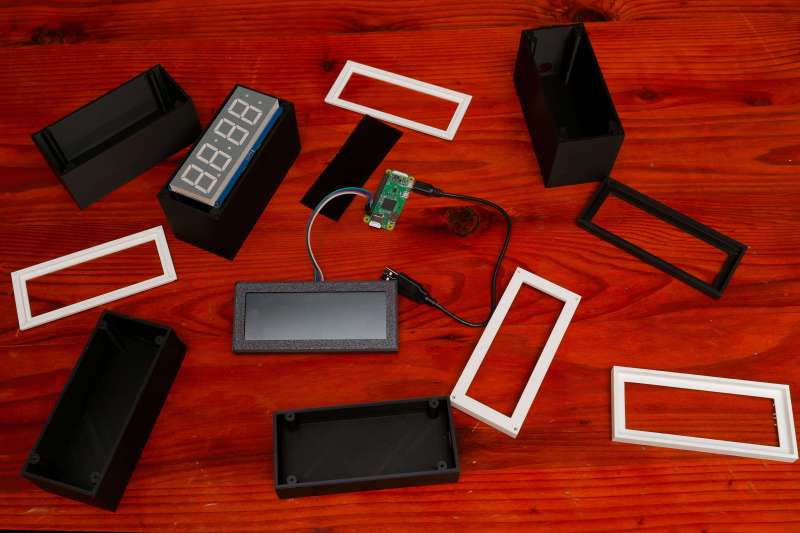
All the parts of a digital clock. Photo by Lee Hutchinson.

We’ve all done it before: a simple project that escalated to the point of extreme overengineering.
But what’s less common is [Lee Hutchinson]’s digital clock, whose case is (somewhat-successfully) designed by LLMs!

A clock needs time synchronization, and a digital one needs some code to drive the display. An avid systemd user, [Lee] had no trouble at all setting up all the users and services needed to keep the time synchronized. Some rusty Python skills with some aid of the dreaded Claude Code later, [Lee] had a script to actually show the time too.

But now comes the interesting part: the case. Now, [Lee] isn’t really a mechanical engineer, and he doesn’t really like Autodesk Fusion’s UX. Most projects would see their creators just grit their teeth and get on with it. But here, in an experiment we haven’t often seen before, [Lee] connects LLMs to Fusion’s new MCP server feature! Did it work? Surprisingly enough, yes. Kind of. The local Qwen model got most of the way there on one request, but still made mistakes for the other. However, another pass with the more powerful Claude models got the job done.

But there’s much more to the story; [Lee] goes into more detail, and talks about the assembly process, over at Ars Technica.

How Film Industry Data Website The-Numbers.com got Mauled by Bots

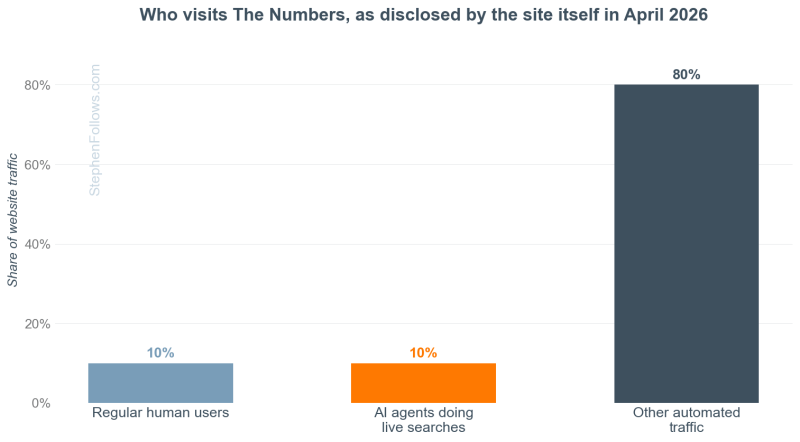
A lot has been made about the increase of automated traffic on the Internet, with the past years LLM-related crawlers having quite literally swarmed the picture here. Not only does this drive up traffic, it also increases load on web servers, whose owners find themselves faced with increased hosting costs. This recently led to The-Numbers.com going offline for a while as automated traffic was quite literally destroying their bottom line.

This saga is covered by [Stephen Follows], who had a chance to talk with the founder and CEO of the site, [Bruce Nash], after the site went basically offline for a few months. Since the website both licenses data for commercial purposes as well as offering the free access on its website, there were accusations of this being a ‘rug pull’.

The site was started in 1997, as a static HTML site on Geocities where [Bruce] provided box office analyses for investment purposes. Since that beginning traffic was generally polite, with human visitors and usually well-behaved search engine crawlers. Then around 2024 the first wave of scraper bots arrived, followed by a larger wave around December of 2025.

Despite implementing a few mitigations, such as LLM-targeted text, the increased traffic and the resulting load on a site architecture that was never designed for this ultimately led to a collapse. One of the major sources of traffic turned out to be from so-called ‘prediction markets’, like Polymarket, whose bots absolutely hammered the site.

Fortunately for [Bruce] and his team they do not rely on the free website for income, but they have had to massively rework the site’s architecture to bring back a semblance of the original features. As noted in the article, the amount of crawling traffic by these LLMs and ‘agentic AI’ tools is exponentially more than that for search engines, which makes this a major challenge.

Issues like these is why services such as Cloudflare are offering blocking features for such automated traffic. After all, unless such traffic is of use to you, you may as well treat it like a DDoS attack and cut it off at the root.

Thanks to [Ben] for the tip.

Codeberg Bans Cryptocurrency and LLM-Generated Code Projects

Community-led open source project hosting site Codeberg has formally announced that projects whose code is largely or fully machine-generated through LLMs and other ‘AI’ tools will no longer be welcome. This follows on the heels of a similar ban on cryptocurrency-related projects.

The community vote was on two issues, the first being the notion that scraping of project code for the use in LLMs should be forbidden, which was a motion that easily passed. The second motion was on disallowing projects whose code was substantially generated by LLMs like Claude, OpenAI Codex, and similar. This motion passed with 358 in favor versus 144 against.

In the earlier linked blog post the reasoning behind especially this second issue is expanded upon, covering not only ‘license whitewashing’, but also the direct and indirect hardware costs, with the expanding ‘AI’ datacenter hyperscaling having massively increased hardware costs for Codeberg over the past years, as the costs have been largely externalized.

Also covered is the aspect of these LLM-based tools destroying the OSS community, which is something that is backed up by recent studies. Even if we ignore that such LLM-tools are destroying the cognitive abilities of its users, there’s an argument to be made that if LLM-scraping is disallowed, then it’s consistent to also not allow LLM-generated code.

In the Terms of Use you can see these changes, both for LLMs and for cryptocurrency projects.

Thanks to [mk-fg] for the tip.

EU Adds Exemptions to User-Serviceable Batteries Rules

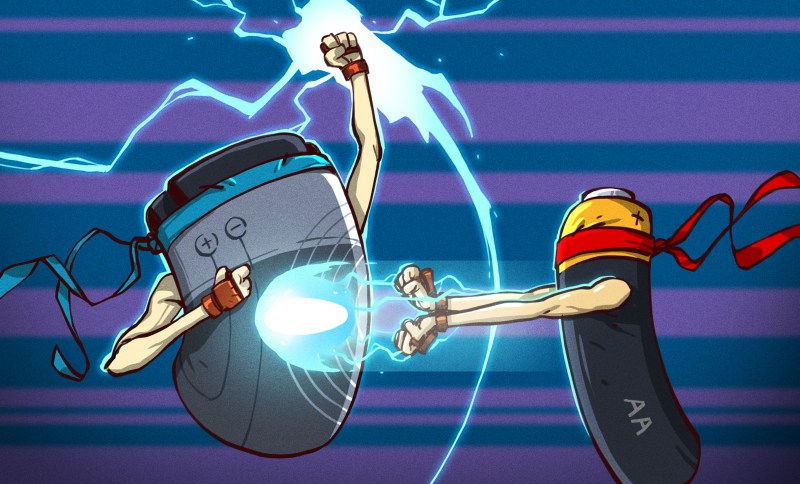
Built-in batteries put a timebomb inside devices, with especially the calendar aging feature of Li-ion chemistries setting a hard limit on when you’ll have to toss the device or figure out a way to replace the battery somehow. Here the EU’s Battery Regulation policy with the 2027 implementation of the user-serviceable battery requirement provided a lot of hope. Now six new categories of exemptions are diminishing what could have been a bonanza of easy repairability.

Most notable here are smartwatches, fitness trackers, wireless earbuds and other so-called ‘wet devices’, which as GSMArena also notes is an area where having a user-replaceable battery might affect features like being water-resistant. Something which is also relevant for e.g. outdoor wireless speakers. There’s also a new exemption for smartphones, where if its battery retains at least 83% of its original capacity after 500 charge cycles, battery replacement has to be only replaceable by professionals. Which is probably code for ‘glue, hotplates and prying tools’.

Considering just how daft of an idea built-in batteries are, this is somewhat disappointing to see. While it’s understandable that ‘wet devices’ get such broad exemptions, it should be noted here that advanced technologies like gaskets are neither complicated nor expensive. You can even hand the average user a tube of RTV silicone and let them go to town on a part in the happy knowledge that there’s never such a thing as ‘too much’ RTV silicone.

It is likely that there was some pressure from the industry on the EU to not change too much, but at the very least us happy few in the EU will be getting a new Nintendo Switch 2 with easily replaced battery in both the main unit and its controllers. For the average rechargeable device you keep kicking around the house this should also still apply as long as its manufacturer cannot squeeze it into one of these exemption categories.

The Right to Repair battles shall continue.

GOES-19 Goes Down, NOAA Investigating

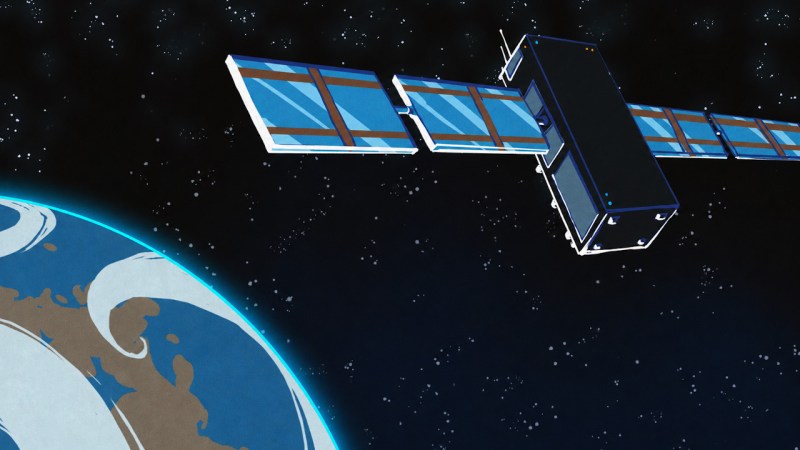
Some breaking news from geostationary orbit, as the National Oceanic and Atmospheric Administration (NOAA) has announced that its newest Geostationary Operational Environmental Satellite (GOES) satellite unexpectedly went offline last night, and as of this morning, remains stuck in safe mode.

Launched in June of 2024, GOES-19 is one of four operational weather satellites that NOAA operates to provide forecast data and severe weather monitoring for the entire Western Hemisphere. The satellite is specifically responsible for covering the continental United States, Central and South America, as well as the Atlantic Ocean. This makes it a particularly critical asset even under normal circumstances, but the fact that it’s gone blind during the Atlantic hurricane season and while smoke from the raging Canadian wildfires is drifting over the Northeast and making the skies over Boston and New York City look like Mars is something of a worst-case scenario.

The good news is that two of the four satellites operate as orbital spares — the satellite that GOES-19 replaced in 2024, GOES-16, is still operational and can stand in as a backup for its coverage area. Obviously, it’s quite a bit older, having launched back in 2016, but it’s of the same design as GOES-19, and in good health, so there should be no degradation of service.

Still, getting GOES-19 back online will be critical for NOAA and the National Weather Service, and we expect they’ll be providing regular updates as the situation develops. Stay tuned.

Open Book Touch Makes Crowd Funding Debut

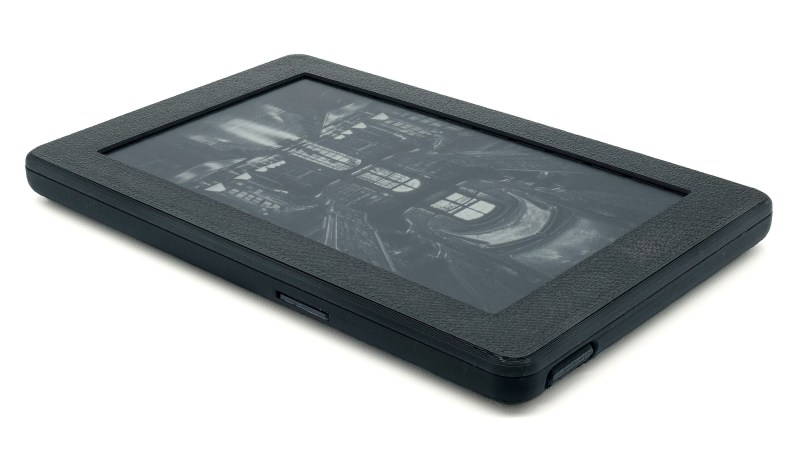
If you have even the slightest interest in open hardware e-readers, you’ve certainly heard of [Joey Castillo]’s Open Book project. We’ve covered his efforts to develop an affordable reader that delivers a Kindle-like experience without the Orwellian megacorp trappings for several years now, and watched with great interest as the core hardware has evolved.

So we were particularly excited over the weekend to see the Open Book Touch finally hit Crowd Supply, and judging by the fact that the campaign for the $149 device has already blown past 60% of its funding goal in just a few days, it seems like we weren’t the only ones.

As the name implies, this latest iteration of the e-reader does away with physical navigation buttons and introduces an intuitive touch-based interface. Those who like to enjoy their open source hardware under the covers will be glad to hear that not only does this new version of the Open Book finally include an illuminated display, but it even allows you to adjust the color temperature and brightness of the LEDs with the swipe of a finger.

While the hardware improvements over the previous Open Book are impressive, the software has really come a long way as well. The user interface lets you organize your books on virtual shelves and browse through their covers, providing the sort of slick experience that you’d expect from a modern e-reader. You can also look up the definitions of words, or dog-ear favorite pages so you can return to them later.

But what you won’t get is locked down with DRM — the Open Book Touch uses standard EPUB and TXT files loaded from a micro SD card, and thanks to the WiFi-enabled ESP32 at its heart, it offers up a web interface that lets you manage your collection over the network.

It’s been nearly a decade since the Open Book first graced our pages, and though we’re not in the habit of picking favorites here at Hackaday, this is one project where the stakes are so high that we can’t help but feel invested. Reading shouldn’t require a subscription fee, or depend on a proprietary piece of hardware that can get ejected from its own ecosystem once its maker decides you need a new one. Obviously the Open Book Touch won’t even make a dent in the market share that Amazon’s Kindle enjoys, at least there will be an option available for those who wish to keep reading on their own terms.

2026 Hackaday Supercon: Call for Proposals

We are absolutely stoked to announce that the Hackaday Superconference is taking place this year November 6th through 8th in glorious Pasadena California, and we want to see you there!

If you’ve been to any of the previous nine Supercons, you know that it’s a fantastic gathering of the most motivated and interesting hackers around — but it’s also been a relatively small gathering. And while we love the very high signal-to-noise ratio of folks who show up, we’re always a little bit sad when the tickets sell out because it represents hackers who couldn’t be there.

So this year, we’re celebrating Supercon Ten by expanding out of our traditional location at the Design Lab so that we can accommodate 20% more hackers, while still keeping the cosy nature of the event intact. So if you’ve been wanting to come to Supercon, but procrastinated the ticket sales every year, this year is looking 20% better.

Call for Proposals

If you want to give a talk to an interested audience of hackers just like you, now is your chance. Fill out the Call for Participation form before Wednesday, Aug 12th to put your hat in the ring. Presenters not only get to share their work with a like-minded audience, but they get in the door free! Presenting really is the best way to attend a conference like this – it’s the ultimate ice-breaker. (Plus, did we mention free?)

We will have two tracks of talks on two stages, and both are a mix of shorter 20-minute talks and longer 40-minute sessions, so whatever the size of your ideas, we have the slot for you. As always, we like to hear about your projects: hardware, software, creation, destruction, or anything in-between. In short, if you have a talk that would interest the readers of Hackaday, it fits. Check out last year’s slate if you’re curious, but bear in mind that we like to see new stuff, so don’t feel constrained by precedent. If you’re into it, there’s a good chance that many of us are too!

All you need is an abstract, a title, and a solid general idea of how the talk is going to go. First time speaker, or grizzled veteran: get your proposal in now.

Plus ça Change…

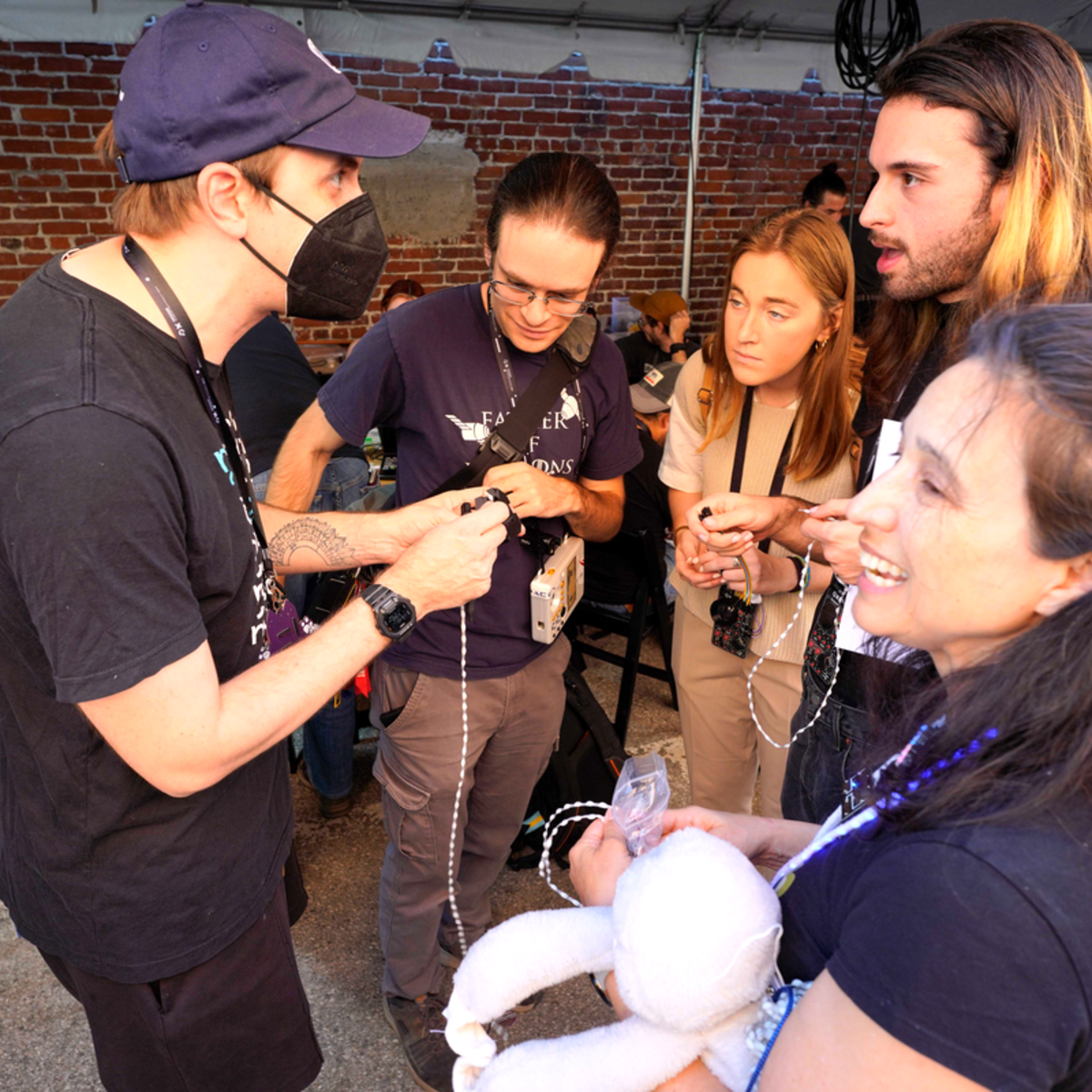
Supercon Ten starts out as usual with a casual badge-hacking day at Supplyframe HQ on the morning of Friday Nov 6th. We love this day because there’s “nothing” to do! It’s the perfect way to ease into the conference: the doors open, and the food and coffee starts flowing. As the solder melts, brought-along hacks get demoed, friendships form, and plans get hatched. We go on well into the night, with music and festivities to keep you motivated or distracted – the choice is yours.
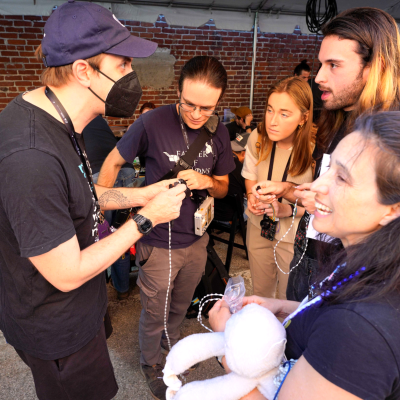
Saturday and Sunday are chock-full of talks, workshops, challenges, and other events. This year, we’ll be a few blocks south at the ArtCenter South Campus, which means that we’ll be relocating our traditional back-alley ambiance to significantly fancier digs. But of course, we’ll have space for hacking, mingling, and watching the talks.

Sunday evening comes too soon, and at the end of this second day of talks, we’ll let you showcase all of the badge hacks that you’ve been working on before spilling out into the town and falling far too late into bed.

Just because enough is never enough, we’ll probably also meet up informally sometime Thursday night if you’re already in town. And if you’re able to finagle a half-day Monday into your schedule, you’ll find that a bunch of folks have off-schedule side trips that are always popular.

Get Excited!

We know that we’re announcing late this year. The new venue, combined with a late Hackaday Europe, made for a lot more planning to be done. But now that all of our ducks are in a row, we’re very much looking forward to November. And of course, we can’t wait to see what you all are going to bring with you to Supercon. After all, it’s the Hackaday community that makes it great.

Get your talk proposals in now, and in the next few weeks, we’ll open up ticket pre-sales. Tell your friends, neglect to mention it to your enemies, and start making your Supercon plans today.

Porting the Nvidia GPU Driver to Haiku for 3D Acceleration

As good as a desktop OS may be, at some point it has to feature accelerated 3D graphics. This has been a bit of a sticking point for Haiku OS, as none of the big names in GPU cards are likely to start putting out drivers for this OS any time soon. Fortunately there is the Linux open source driver code from Nvidia that can be used as a jumping-off point for a port, which is what [X512] and the community over at the Haiku forums did over the course of more than a year.

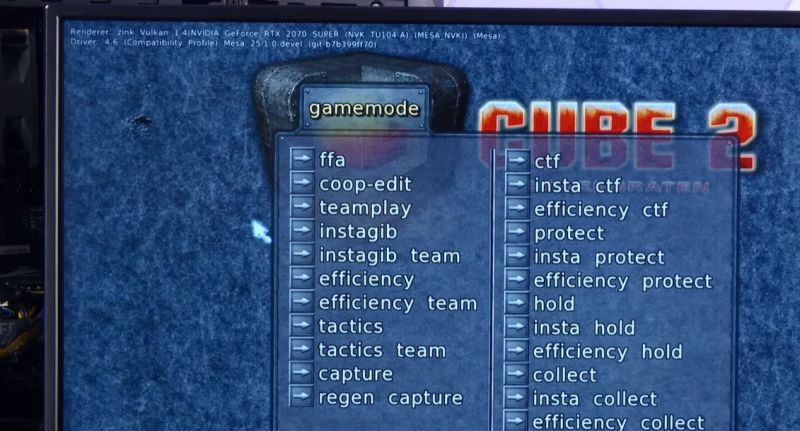
In a recent video [Action Retro] takes a poke at the fruits of these efforts, trying out the driver with an RTX2070 Super GPU. Of note is that this driver requires the GSP (GPU System Processor) controller that got added by Nvidia with the Turing series of GPUs, meaning that you need at least a GTX16 or RTX20 series card.

You can get an installation package from the GitHub repository, such as for the v0.0.2 pre-release that was created in January of 2026. In this pre-release state quite a few things are working, with the ability to play 3D games at a reasonable FPS being the biggest improvement over plain VESA mode. Features like CUDA are not available as they’re not in the open sourced section, of course.

In the [Action Retro] video the whole installation process is demonstrated, starting with a fresh nightly Haiku build. First the gaming performance in software-rendered VESA mode is demonstrated before the GPU driver is installed. This shows a marked improvement in performance, although Minecraft needs to be updated for the newest Mesa library that omits OSMesa, so that couldn’t be tested. Overall it shows that Haiku has made another massive leap forward in becoming a viable daily driver OS.

Meanwhile, over on the ReactOS side of things we just saw a Half-Life 2 playthrough by [Aotori Hibiki], on an Intel Sandy Bridge PC with GeForce 8400GS graphics. Here ReactOS has the advantage of being Windows NT-compatible, including WDDM-style GPU drivers, allowing it to use the same drivers as Windows. Simultaneously, ReactOS is now implementing its first NT6 kernel API calls to make it compatible with modern  (Vista+) Windows.

The upshot here is that for people who want to daily drive an open source OS with all the creature comforts imaginable, things have never seemed more promising. Especially for people who don’t want Yet Another Linux Distro but just an utterly boring desktop-centric, single-user focused OS that Just Works™ these are great tidings.

Software-Defined Vehicles Loom Closer Every Year

Vehicles long ago began to incorporate electronics and software, to the point that modern vehicles increasingly have a sort of architecture problem. The software end of things evolves ever more rapidly, but vehicles and their centralized architecture are poorly-suited to continuous updates. As a result, the automotive industry is moving away from static, hardware-defined designs and more toward dynamic, software-defined platforms. In short, the era of software-defined vehicles looms nearer every year.

There are very good reasons vehicles are the way they are, however inconvenient it may be for pushing updates. A vehicle may be in service for decades, with safety and reliability a prime concern over that lifetime. Reflecting this, automobiles are built around centralized SoCs (System-on-a-Chip) supported by tried and true components and assemblies. As mentioned, this architecture isn’t terribly well suited to meshing with a rapidly evolving software world that may also have changing computing needs. How can one accommodate this without increasing safety risks?

Some new designs are moving away from monolithic SoCs to more modular systems; ones that can support and optimize safety-critical functions and other workloads independently. Computing requirements are chosen to prioritize consistent performance and low-latency sensor fusion over raw processing power, and modern design focuses less on individual components and more on integrated hardware and software assemblies that ease manufacture and reduce design complexity.

The main goal is to design vehicles in a way that can more easily take advantage of rapid developments in software and allow easy updates, without compromising safety or reliability. Automakers haven’t completely settled on what architecture will do this best, but the era of software-defined vehicles is certainly coming closer.

Flight Sim Tracking from Spatial Audio

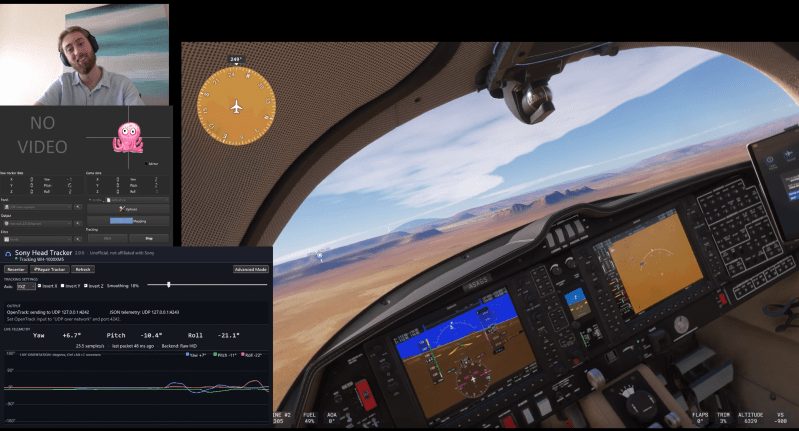
Flight sims are wonderful to play around with to get immersed in the position of a pilot. Racing sims can give you a thrill that can only be beaten by the real thing. However, most of this tech is on the more expensive side, so it would be great if you could use some of the hardware already found in your house. Many Sony headphones already have rotation and movement data built in for spatial audio, so why not start there?

[Nicholas Slattery] had this very idea and has produced an open-source application to connect your headphones straight to your sim. There’s a surprising amount of support built into many headsets that use a known protocol called the Android Head Tracker HID protocol. This allowed [Nicholas] to connect a family of Sony headphones straight into OpenTrack, which is often used with flight sims. The best part is you can still use the headphones as normal with a Bluetooth connection.

If you want to give this a try with your own rig, check out [Nicholas]’s GitHub here. While flight and driving sims might be expensive to put together, it’s never too hard to hack together something to lower that barrier! Whether it’s a flight sim force-feedback joystick or driving sim hand-breaks we got you!

❌