❌

Reading view

There are new articles available, click to refresh the page.

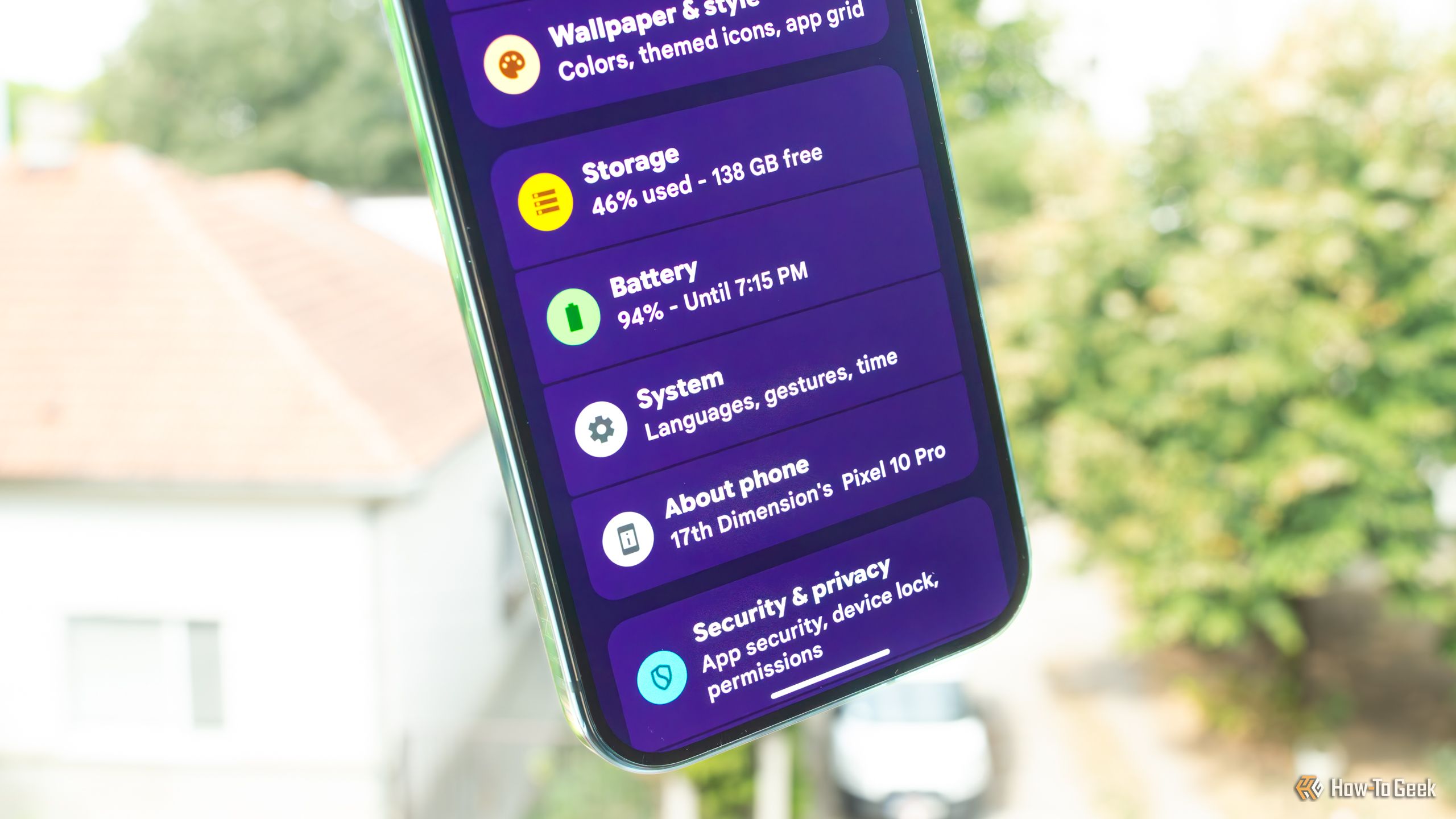
This Android storage cleanup trick found gigabytes I didn’t know I was wasting

My current phone, a Pixel 10 Pro, is the first phone I've ever owned that packs 256GB of storage space. Almost six months into owning it, I've still got plenty of storage left, and I'm in no hurry to free up space. But when I recently looked up how much storage I could free up on it for a piece I was writing, I discovered that Spotify took up almost 15GB of space. This wasn't new, but I completely forgot about it after upgrading to the Pixel.
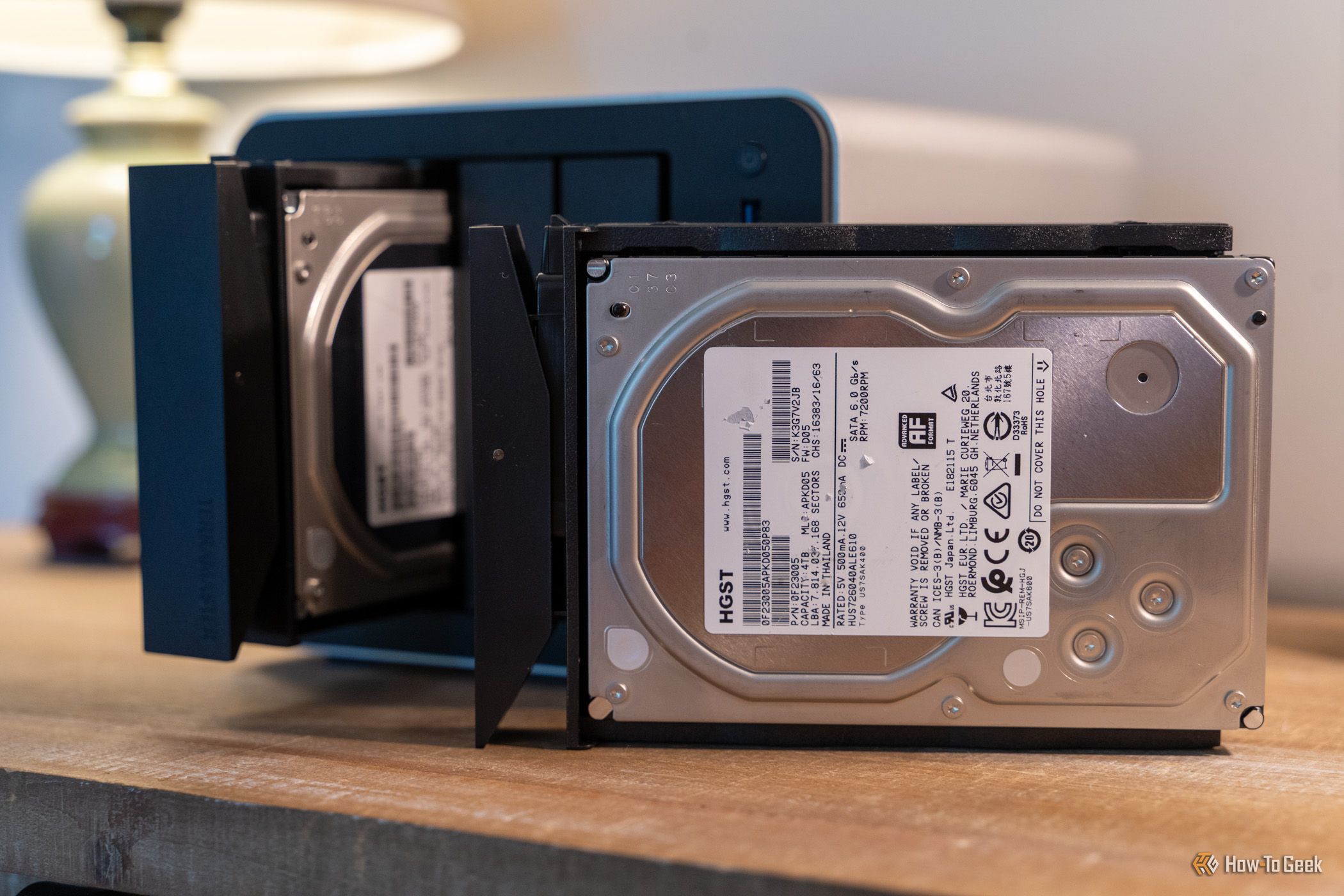
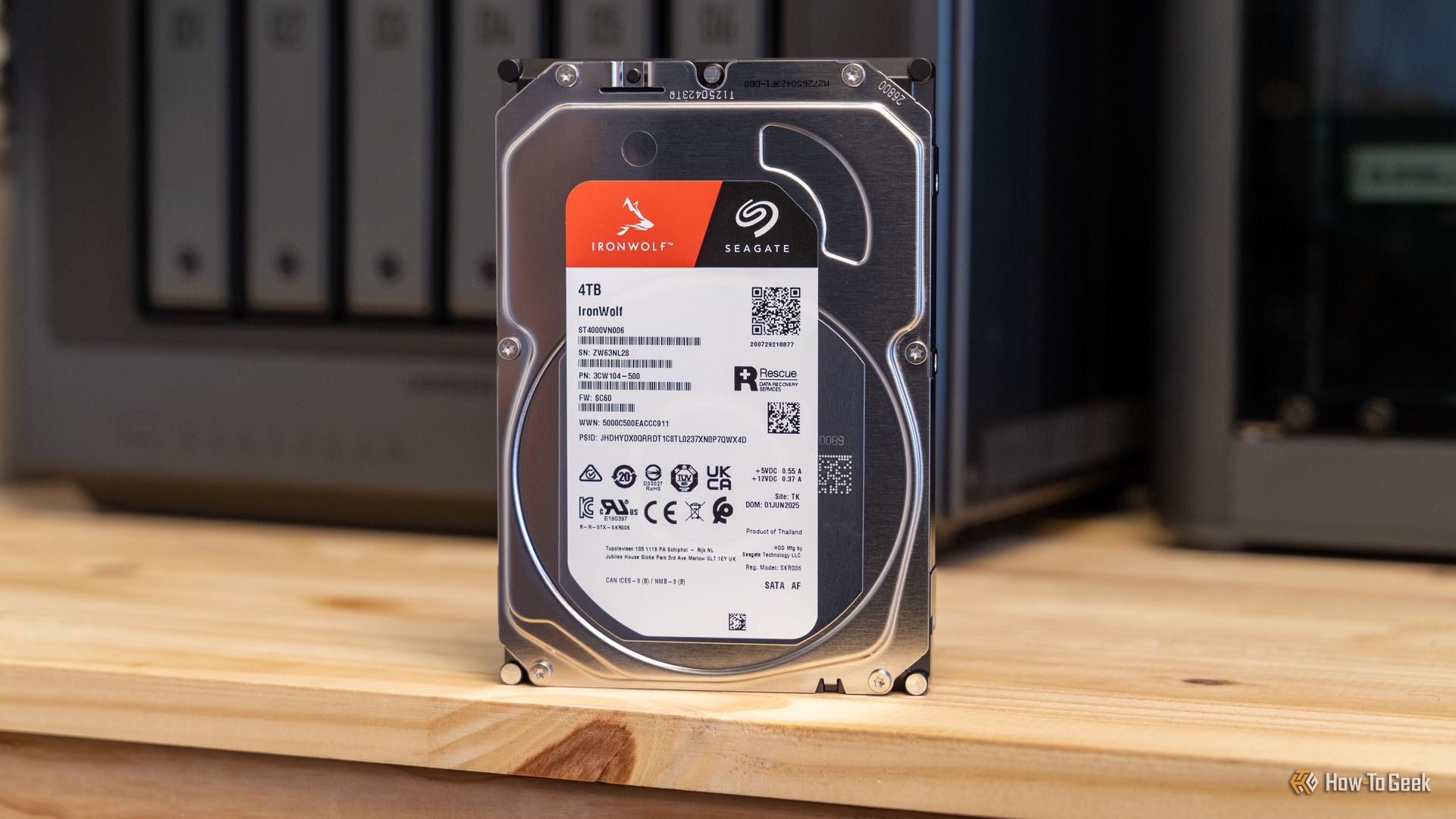
I bought used enterprise HDDs cheap and learned the hard way why they're risky

Buying used enterprise storage is one of those things that makes perfect sense when you look at the price and becomes more complicated once you actually put the hardware into a machine. Enterprise HDDs that originally cost a small fortune can appear on the used market for surprisingly little money. For a homelab, where storage capacity is always useful and budgets are rarely unlimited, it is difficult to ignore those prices.

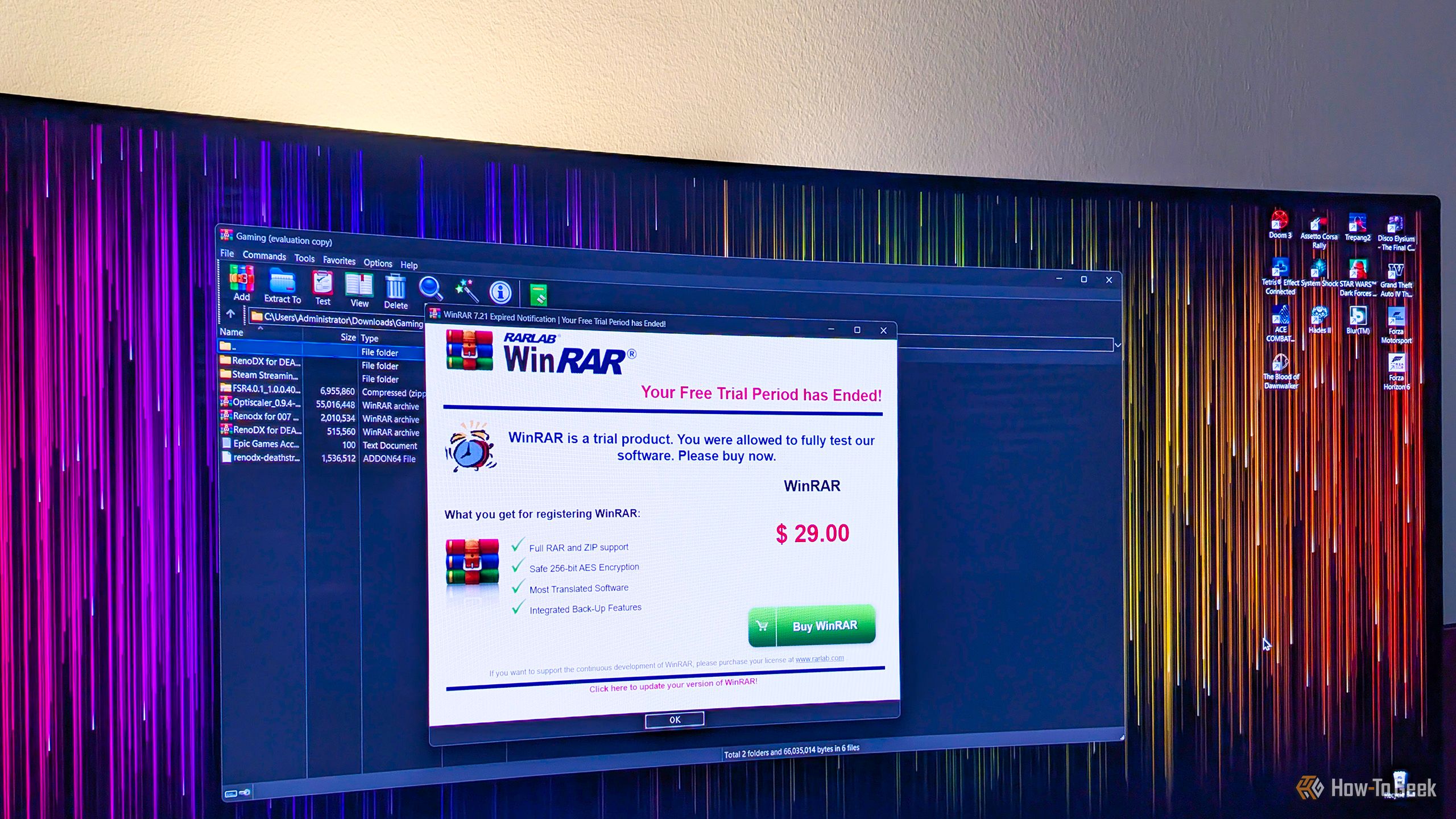
Why are you still using WinRAR when this open-source alternative is so much better?

WinRAR is probably one of the most common third-party apps found on countless Windows PCs around the world, and for good reason. While it's technically paid software, you can use it for as long as you like without paying a dime, it handles a wide selection of archive formats, and it resides in the Windows context menu, so you don't even have to open it to use it.

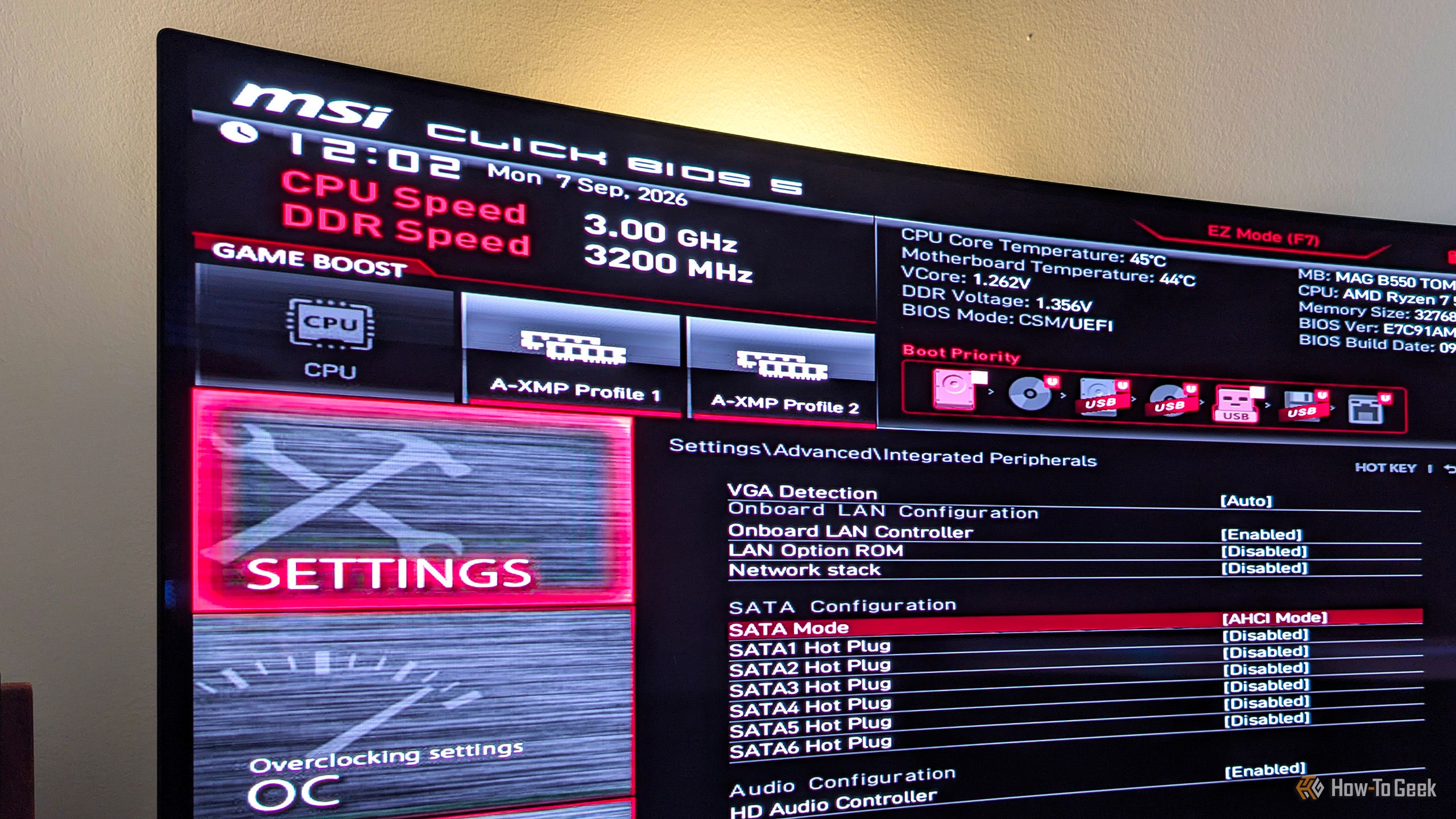
4 BIOS settings that can quietly slow your SSD to a crawl

Most people shouldn't worry about the majority of BIOS settings, since leaving them at their default values makes the most sense. This applies to most SSD-related BIOS settings as well. That said, there's a chance the previous owner messed with them if you bought a used PC, or that one friend who likes to tinker with PCs tweaked your motherboard's BIOS settings without your knowledge.

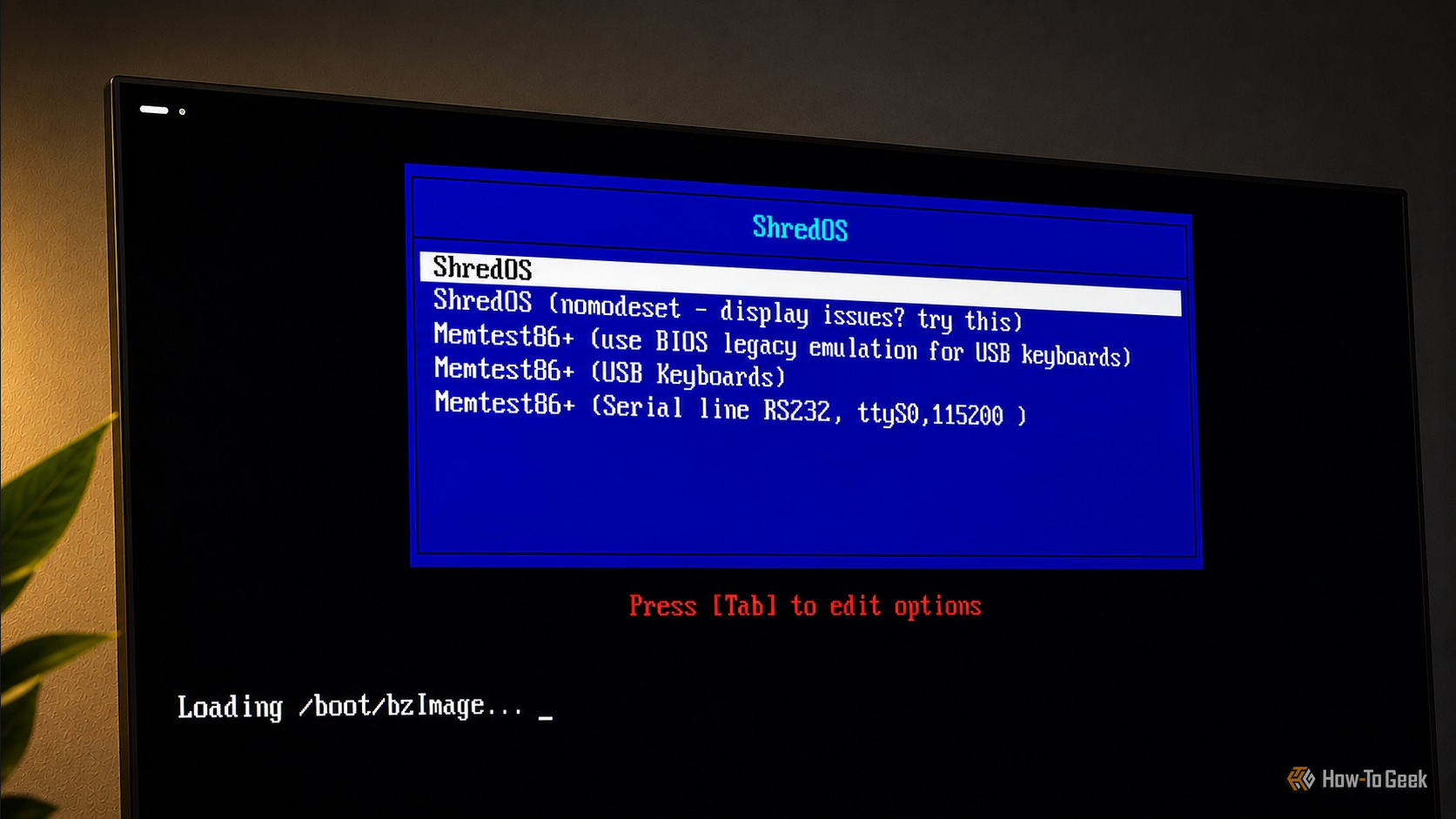
ShreadOS destroys your old PC's data more thoroughly than a hammer ever will

Deleting files is easy, but making sure those files cannot be recovered later requires a different approach. A normal file deletion operation usually removes filesystem references while leaving the underlying data in place. That allows operating systems to delete files quickly, but it also means recovery software can sometimes retrieve information from previously used storage space.

❌