
Reading view

There are new articles available, click to refresh the page.

Europe Is Burning

This summer, wildfires have been raging across Europe. France and Spain have been hit particularly badly, with hundreds of thousands of acres incinerated and entire communities devastated.

Chico Harlan, the global climate correspondent for The New York Times, and Mark Landler, the Paris bureau chief, explain how much the continent may need to adapt to climate change.

Guest:

  • Chico Harlan, the global climate correspondent for The New York Times, covering the changing planet.
  • Mark Landler, the Paris bureau chief of The New York Times, covering France, trans-Atlantic relations and the future of Europe.

Background reading: 

Photo: Baz Ratner/Agence France-Presse — Getty Images

For more information on today’s episode, visit nytimes.com/thedaily. Transcripts of each episode will be made available by the next workday. 

Subscribe today at nytimes.com/podcasts or on Apple Podcasts and Spotify. You can also subscribe via your favorite podcast app here https://www.nytimes.com/activate-access/audio?source=podcatcher. For more podcasts and narrated articles, download The New York Times app at nytimes.com/app.


Hosted by Simplecast, an AdsWizz company. See pcm.adswizz.com for information about our collection and use of personal data for advertising.


💾

Israel, AIPAC and Difficult Questions for Democrats

The American Israel Public Affairs Committee, a pro-Israel lobbying group known as AIPAC, has spent a record amount of money in this year’s midterm elections to either oust or support candidates based on their support of Israel.

Jonathan Mahler, a writer for The New York Times Magazine, discusses the new litmus test for the left at a time when the United States’ relationship with Israel is under scrutiny.

Guest: Jonathan Mahler, a staff writer for The New York Times Magazine covering a wide range of topics, including politics, entertainment, education, media, the law and sports.

Background reading: 

Photo: Cheriss May/Sipa, via Associated Press Images

For more information on today’s episode, visit nytimes.com/thedaily. Transcripts of each episode will be made available by the next workday. 

Subscribe today at nytimes.com/podcasts or on Apple Podcasts and Spotify. You can also subscribe via your favorite podcast app here https://www.nytimes.com/activate-access/audio?source=podcatcher. For more podcasts and narrated articles, download The New York Times app at nytimes.com/app.


Hosted by Simplecast, an AdsWizz company. See pcm.adswizz.com for information about our collection and use of personal data for advertising.

💾

The Iranians Who Want More War

Fractures in Tehran are pitting a faction favoring negotiation with Washington against hard-liners who oppose making a deal with the United States. 

Guest:

  • Abdi Latif Dahir, a Middle East correspondent for The New York Times, covering Lebanon and Syria.
  • Farnaz Fassihi, the United Nations bureau chief for The New York Times. She also covers Iran and how countries around the world deal with conflicts in the Middle East.

Background reading: 

Photo: Agence France-Presse — Getty Images

For more information on today’s episode, visit nytimes.com/thedaily. Transcripts of each episode will be made available by the next workday. 

Subscribe today at nytimes.com/podcasts or on Apple Podcasts and Spotify. You can also subscribe via your favorite podcast app here https://www.nytimes.com/activate-access/audio?source=podcatcher. For more podcasts and narrated articles, download The New York Times app at nytimes.com/app.


Hosted by Simplecast, an AdsWizz company. See pcm.adswizz.com for information about our collection and use of personal data for advertising.
💾

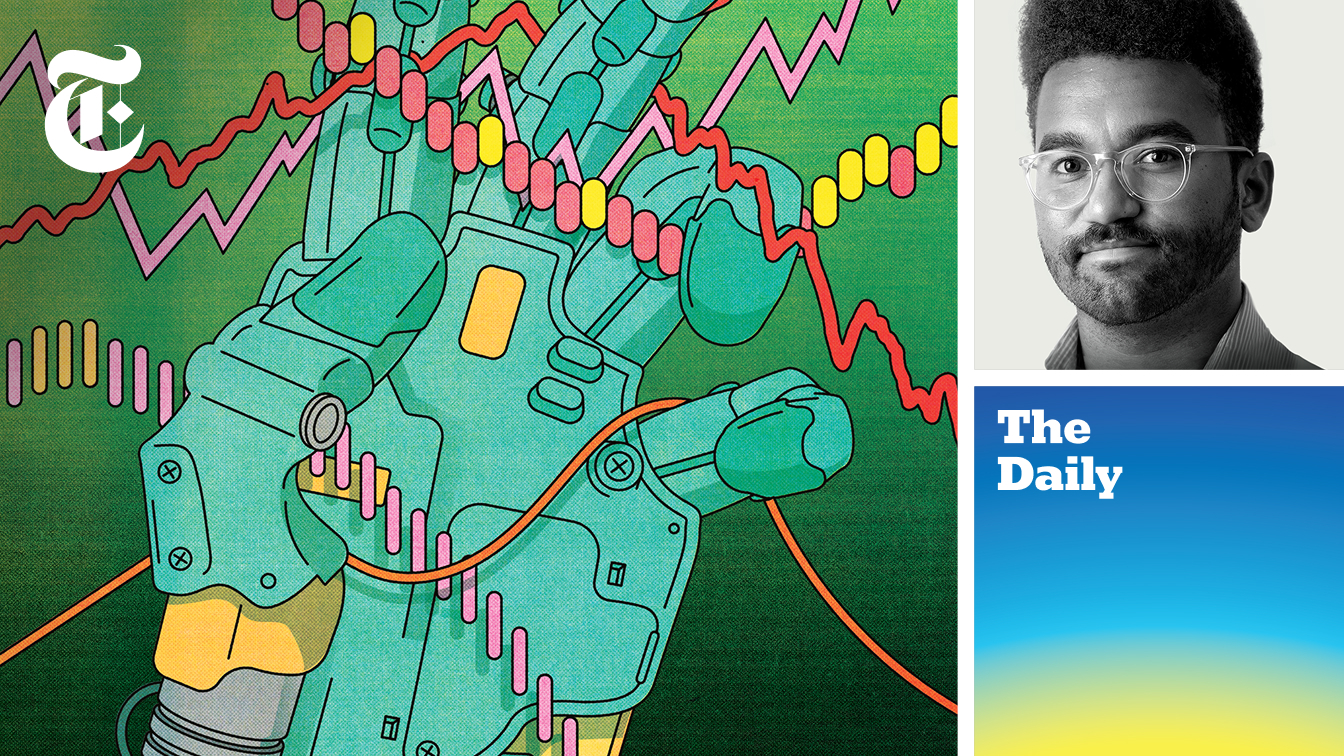
What A.I. Is Actually Doing to the Economy

As artificial intelligence becomes more advanced, people are getting more nervous about how it could change the economy and their jobs.

Ben Casselman, the chief economics correspondent for The New York Times, explains why A.I.’s impact is so hard to pin down and what we can learn from the tech disruptions of the past.

Guest: Ben Casselman, the chief economics correspondent for The New York Times.

Background reading: 

  • Ben Casselman, the chief economics correspondent for The New York Times.

Photo: George Wylesol

For more information on today’s episode, visit nytimes.com/thedaily. Transcripts of each episode will be made available by the next workday. 

Subscribe today at nytimes.com/podcasts or on Apple Podcasts and Spotify. You can also subscribe via your favorite podcast app here https://www.nytimes.com/activate-access/audio?source=podcatcher. For more podcasts and narrated articles, download The New York Times app at nytimes.com/app.


Hosted by Simplecast, an AdsWizz company. See pcm.adswizz.com for information about our collection and use of personal data for advertising.

💾

Why Do Some Memories Survive Dementia?

When the Times reporter Ellen Barry’s father developed dementia after a fall, her family spent years trying to manage his erratic behavior and confusion. They struggled to convince him that he was home, he was safe, and he shouldn’t try to leave. The experience was exasperating and impossible to understand.

Today, Ellen tells the story of those years, and of how she discovered scientific research that helped explain everything her family had lived through — research that could potentially help to save precious memories from being lost forever.

On Today’s Episode

Ellen Barry, a mental health reporter for The New York Times

Background Reading

When My Father’s Canary Flew Away

Subscribe today at nytimes.com/podcasts or on Apple Podcasts and Spotify. You can also subscribe via your favorite podcast app here https://www.nytimes.com/activate-access/audio?source=podcatcher. For more podcasts and narrated articles, download The New York Times app at nytimes.com/app.


Hosted by Simplecast, an AdsWizz company. See pcm.adswizz.com for information about our collection and use of personal data for advertising.

💾

Karl-Anthony Towns Knows the Knicks' Win Was Bigger Than Basketball

New York’s star center on playing for his mom, Patrick Ewing. generations of emotional fans — and himself.

Subscribe today at nytimes.com/podcasts or on Apple Podcasts and Spotify. You can also subscribe via your favorite podcast app here https://www.nytimes.com/activate-access/audio?source=podcatcher. For more podcasts and narrated articles, download The New York Times app at nytimes.com/app.


Hosted by Simplecast, an AdsWizz company. See pcm.adswizz.com for information about our collection and use of personal data for advertising.
💾

Could ‘Trump Accounts’ Actually Close the Wealth Gap?

This month, President Trump announced the start of “Trump accounts,” an investment device that could eventually help address the nation’s wealth gap.

Claire Cain Miller, who covers families and education for The New York Times, explains how these accounts work and why so many Americans have yet to sign up.

Guest: Claire Cain Miller writes for The Upshot, which uses data and visuals to help explain the world.

Background reading: 

Photo: Allison Robbert for The New York Times

For more information on today’s episode, visit nytimes.com/thedaily. Transcripts of each episode will be made available by the next workday. 

Subscribe today at nytimes.com/podcasts or on Apple Podcasts and Spotify. You can also subscribe via your favorite podcast app here https://www.nytimes.com/activate-access/audio?source=podcatcher. For more podcasts and narrated articles, download The New York Times app at nytimes.com/app.


Hosted by Simplecast, an AdsWizz company. See pcm.adswizz.com for information about our collection and use of personal data for advertising.
💾

Why Is the U.S. Building the Saudi Nuclear Program While Destroying Iran’s?

The United States signed a landmark deal on Wednesday that allows Saudi Arabia to develop a nuclear program. At the same time, President Trump is escalating the war in Iran, a conflict that the White House says aims to destroy the country’s nuclear capabilities.

David E. Sanger, a national security correspondent for The New York Times, explains what Saudi Arabia and the United States are getting out of the deal.

Guest: David E. Sanger, the White House and national security correspondent for The New York Times.

Background reading: 

Photo: Kenny Holston/The New York Times

For more information on today’s episode, visit nytimes.com/thedaily. Transcripts of each episode will be made available by the next workday. 

Subscribe today at nytimes.com/podcasts or on Apple Podcasts and Spotify. You can also subscribe via your favorite podcast app here https://www.nytimes.com/activate-access/audio?source=podcatcher. For more podcasts and narrated articles, download The New York Times app at nytimes.com/app.


Hosted by Simplecast, an AdsWizz company. See pcm.adswizz.com for information about our collection and use of personal data for advertising.
💾

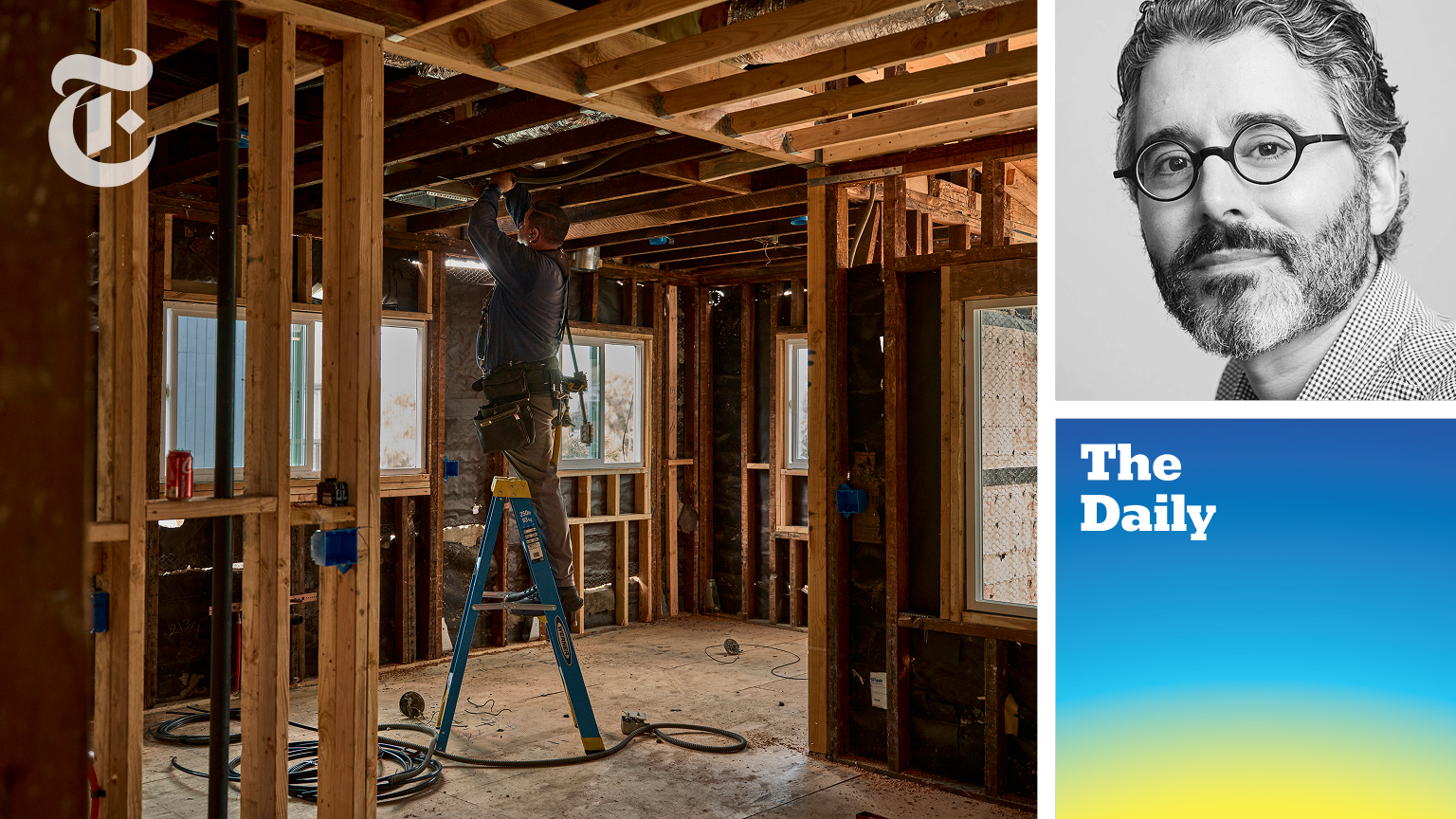
Trump’s Clashing Goals: More Housing, Fewer Immigrants

To address the United States’ acute housing shortage, Congress recently passed a landmark piece of legislation designed to encourage the construction of new homes.

The problem is that President Trump’s crackdown on immigration has taken aim at the work force required to build those homes.

Ronda Kaysen, who covers housing for The New York Times, explains how the U.S. housing industry became so dependent on immigrant labor.

Guest: Ronda Kaysen, a real estate reporter for The New York Times who covers the intersection of housing and society.

Background reading: 

Photo: Philip Cheung for The New York Times

For more information on today’s episode, visit nytimes.com/thedaily. Transcripts of each episode will be made available by the next workday. 

Subscribe today at nytimes.com/podcasts or on Apple Podcasts and Spotify. You can also subscribe via your favorite podcast app here https://www.nytimes.com/activate-access/audio?source=podcatcher. For more podcasts and narrated articles, download The New York Times app at nytimes.com/app.


Hosted by Simplecast, an AdsWizz company. See pcm.adswizz.com for information about our collection and use of personal data for advertising.

💾

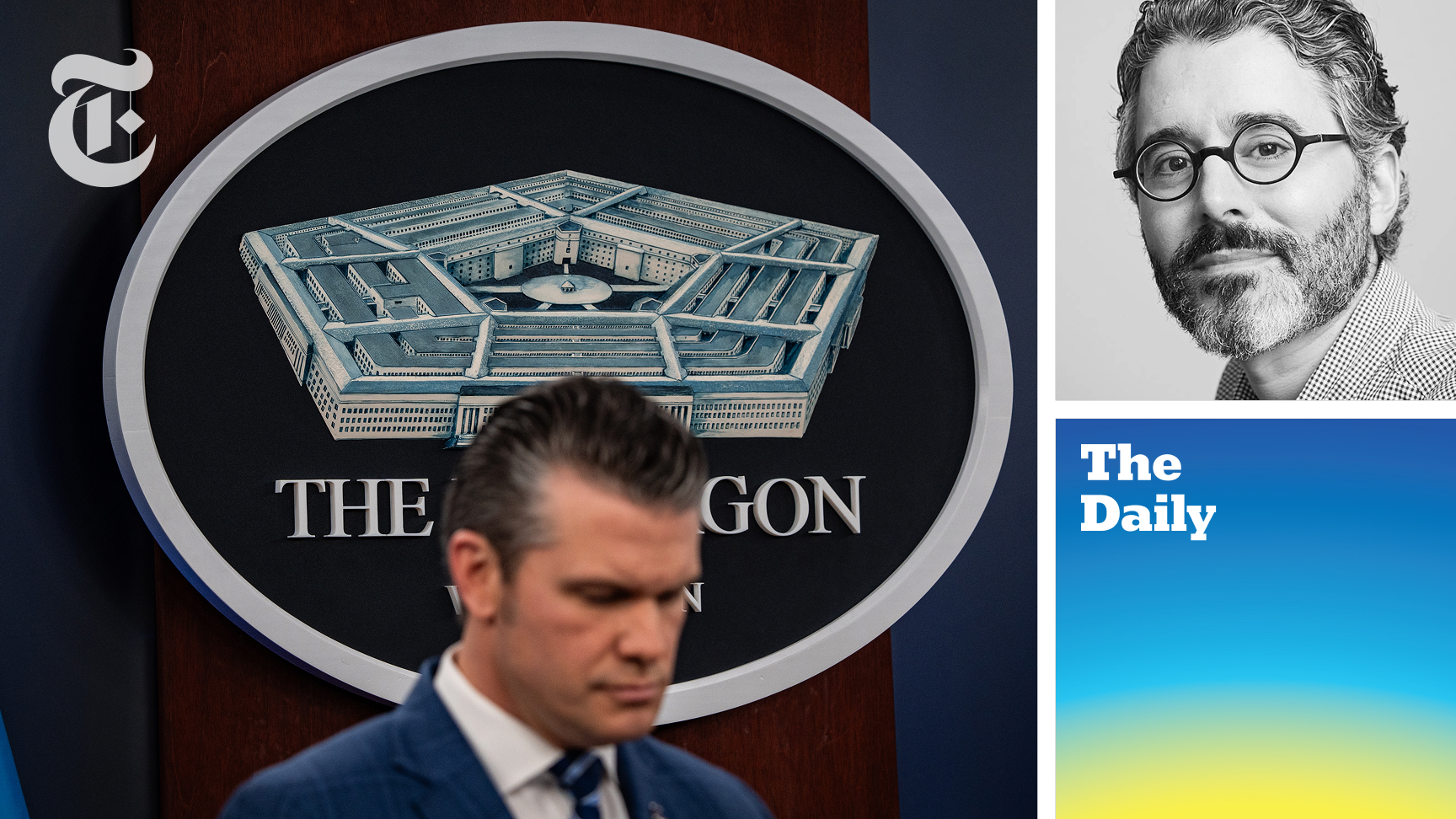
As the Iran War Escalates, Is the U.S. Hiding Its Toll?

The war in Iran has recently escalated in dangerous new ways, drawing in Bahrain, Kuwait and Saudi Arabia, as the Trump administration reeled from the Iranian killing of U.S. service members in Jordan.

Eric Schmitt, a national security correspondent for The New York Times, discusses the latest attacks, and how they’ve coincided with a decision by the U.S. military to disclose less about the war.

Guest: Eric Schmitt, a national security correspondent for The New York Times based in Washington.

Background reading: 

Photo: Salwan Georges for The New York Times

For more information on today’s episode, visit nytimes.com/thedaily. Transcripts of each episode will be made available by the next workday. 

Subscribe today at nytimes.com/podcasts or on Apple Podcasts and Spotify. You can also subscribe via your favorite podcast app here https://www.nytimes.com/activate-access/audio?source=podcatcher. For more podcasts and narrated articles, download The New York Times app at nytimes.com/app.


Hosted by Simplecast, an AdsWizz company. See pcm.adswizz.com for information about our collection and use of personal data for advertising.

💾

More Trump Tariffs Are Coming

At a moment when inflation and affordability are on virtually everyone’s mind in America, Jamieson Greer, the U.S. trade representative, said the Trump administration was planning a new slate of tariffs.

Ana Swanson, who covers international trade for The New York Times and spoke to Mr. Greer, explains why Greer thinks the policy has been a success.

Guest: Ana Swanson covers trade and international economics for The New York Times.

Background reading: 

Photo: Tierney L. Cross/The New York Times

For more information on today’s episode, visit nytimes.com/thedaily. Transcripts of each episode will be made available by the next workday. 

Subscribe today at nytimes.com/podcasts or on Apple Podcasts and Spotify. You can also subscribe via your favorite podcast app here https://www.nytimes.com/activate-access/audio?source=podcatcher. For more podcasts and narrated articles, download The New York Times app at nytimes.com/app.


Hosted by Simplecast, an AdsWizz company. See pcm.adswizz.com for information about our collection and use of personal data for advertising.
💾

The World Cup Final Is Here

After a month of competition across North America and 103 matches, the 2026 World Cup is down to its final game. Spain and Argentina will meet this afternoon in a match expected to draw over one billion viewers around the world. 

Spain is hoping its well-oiled machine and young star can bring it its second World Cup win. Argentina is looking to Lionel Messi, its longtime star, to secure victory in what could be his last game at the World Cup.

On today’s episode, Tariq Panja traces the road to this historic final and explains what to know before kickoff.

Tariq Panja, a global sports correspondent for The New York Times.

Background Reading

Why Everyone Cares About This World Cup


Subscribe today at nytimes.com/podcasts or on Apple Podcasts and Spotify. You can also subscribe via your favorite podcast app here https://www.nytimes.com/activate-access/audio?source=podcatcher. For more podcasts and narrated articles, download The New York Times app at nytimes.com/app.


Hosted by Simplecast, an AdsWizz company. See pcm.adswizz.com for information about our collection and use of personal data for advertising.

💾

Zohran Mamdani Knows He Has Political Capital. And He Intends to Spend It.

Lulu Garcia-Navarro sits down for an interview with the mayor of New York City.

Subscribe today at nytimes.com/podcasts or on Apple Podcasts and Spotify. You can also subscribe via your favorite podcast app here https://www.nytimes.com/activate-access/audio?source=podcatcher. For more podcasts and narrated articles, download The New York Times app at nytimes.com/app.


Hosted by Simplecast, an AdsWizz company. See pcm.adswizz.com for information about our collection and use of personal data for advertising.
💾

The President, His Plane and the Press

Last Friday night, F.B.I. agents showed up at the homes of several New York Times journalists and summoned them to testify before a grand jury.

The move was a response by the Trump administration to an article about the safety of the new Air Force One.

Tyler Pager, one of the journalists, discusses the story and the subpoenas.

Guest: Tyler Pager, a White House correspondent for The New York Times.

Background reading: 

Photo: Doug Mills/The New York Times

For more information on today’s episode, visit nytimes.com/thedaily. Transcripts of each episode will be made available by the next workday. 

Subscribe today at nytimes.com/podcasts or on Apple Podcasts and Spotify. You can also subscribe via your favorite podcast app here https://www.nytimes.com/activate-access/audio?source=podcatcher. For more podcasts and narrated articles, download The New York Times app at nytimes.com/app.


Hosted by Simplecast, an AdsWizz company. See pcm.adswizz.com for information about our collection and use of personal data for advertising.

💾

ICE Ramps Back Up, With Deadly Results

Two fatal shootings by federal immigration agents in Texas and Maine have put the spotlight back on the Trump administration’s deportation tactics.

Hamed Aleaziz, who reports on immigration policy, explains how these killings signal a return to a more aggressive form of enforcement.

Guest: Hamed Aleaziz, who covers the Department of Homeland Security and immigration policy in the United States for The New York Times.

Background reading: 

Photo: Meridith Kohut for The New York Times

For more information on today’s episode, visit nytimes.com/thedaily. Transcripts of each episode will be made available by the next workday. 

Subscribe today at nytimes.com/podcasts or on Apple Podcasts and Spotify. You can also subscribe via your favorite podcast app here https://www.nytimes.com/activate-access/audio?source=podcatcher. For more podcasts and narrated articles, download The New York Times app at nytimes.com/app.


Hosted by Simplecast, an AdsWizz company. See pcm.adswizz.com for information about our collection and use of personal data for advertising.

💾

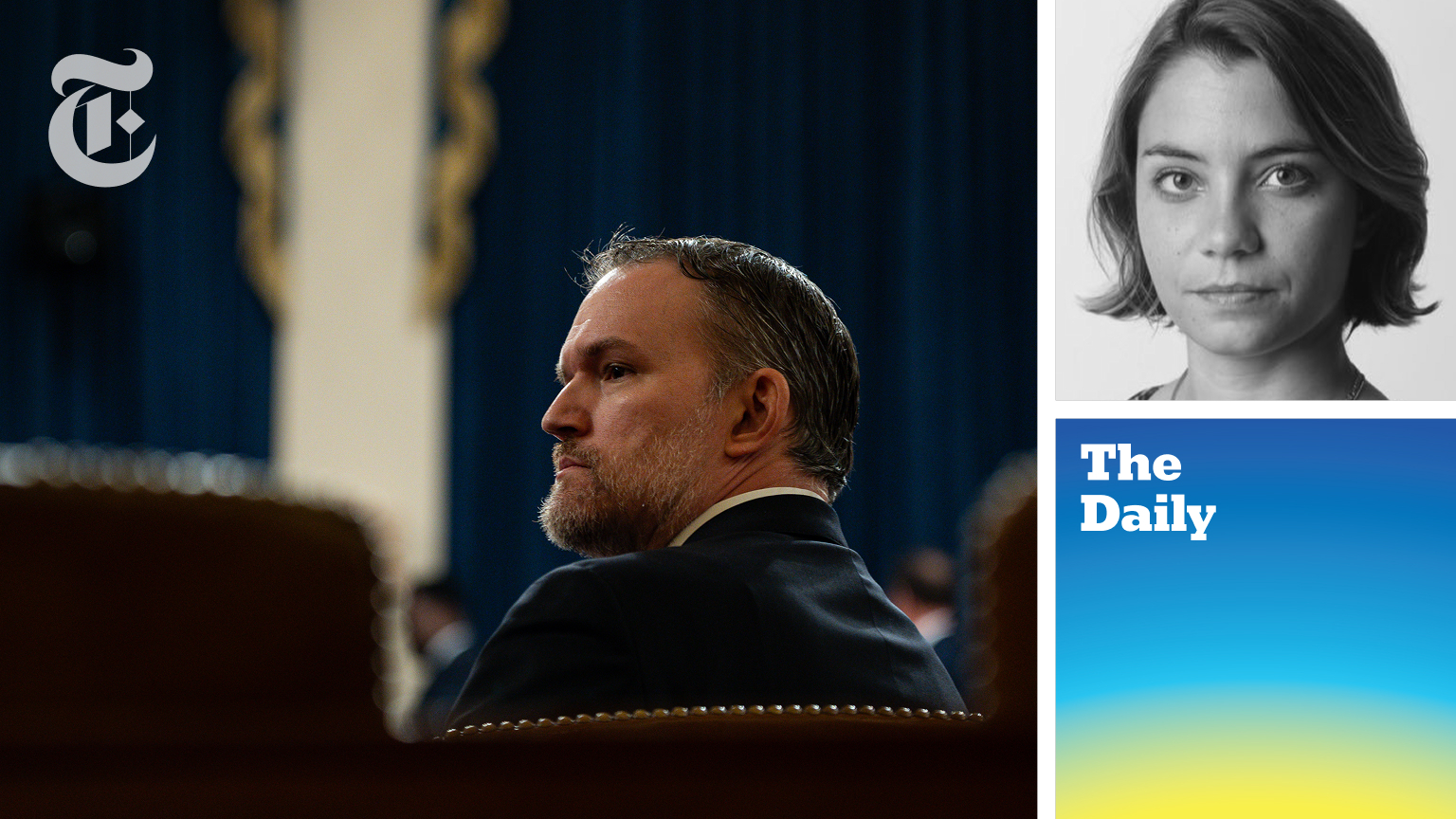
From Trump’s Attorney to Attorney General: The Rise of Todd Blanche

To be confirmed as the next attorney general, Todd Blanche must convince members of the U.S. Senate that as political as the Department of Justice has become, it would be even worse without him on top.

As his confirmation hearing begins, Glenn Thrush, a Justice Department reporter for The New York Times, recounts the unlikely story of how Mr. Blanche became President Trump’s legal enforcer.

Guest: Glenn Thrush, a Justice Department reporter for The New York Times.

Background reading: 

Photo: Demetrius Freeman for The New York Times

For more information on today’s episode, visit nytimes.com/thedaily. Transcripts of each episode will be made available by the next workday. 

Subscribe today at nytimes.com/podcasts or on Apple Podcasts and Spotify. You can also subscribe via your favorite podcast app here https://www.nytimes.com/activate-access/audio?source=podcatcher. For more podcasts and narrated articles, download The New York Times app at nytimes.com/app.


Hosted by Simplecast, an AdsWizz company. See pcm.adswizz.com for information about our collection and use of personal data for advertising.

💾

Why the Cease-Fire With Iran Keeps Crumbling

After back-and-forth attacks and an exchange of fiery language between President Trump and Iran’s leaders, it appears that both sides have returned to open conflict.

Today, David Sanger, the White House and national security correspondent for The New York Times, explains what brought us to this point, and what this new phase of the war tells us about how difficult it will be to end.

Guest: David E. Sanger, the White House and national security correspondent for The New York Times.

Background reading: 

Photo: Reuters

For more information on today’s episode, visit nytimes.com/thedaily. Transcripts of each episode will be made available by the next workday. 

Subscribe today at nytimes.com/podcasts or on Apple Podcasts and Spotify. You can also subscribe via your favorite podcast app here https://www.nytimes.com/activate-access/audio?source=podcatcher. For more podcasts and narrated articles, download The New York Times app at nytimes.com/app.


Hosted by Simplecast, an AdsWizz company. See pcm.adswizz.com for information about our collection and use of personal data for advertising.

💾

Why Are Grocery Store Prices So High

According to the Economic Research Service at the Department of Agriculture, prices across all food categories are expected to rise 3.2 percent in 2026.

Today, Jessica Cheung, a senior audio producer for “The Daily,” talks with the general manager of a food co-op in Pittsburgh about how the store is being affected by the quickly increasing costs.

Guest: 

Background reading: 

Photo: Rachel Wisniewski for The New York Times

For more information on today’s episode, visit nytimes.com/thedaily. Transcripts of each episode will be made available by the next workday. 

Subscribe today at nytimes.com/podcasts or on Apple Podcasts and Spotify. You can also subscribe via your favorite podcast app here https://www.nytimes.com/activate-access/audio?source=podcatcher. For more podcasts and narrated articles, download The New York Times app at nytimes.com/app.


Hosted by Simplecast, an AdsWizz company. See pcm.adswizz.com for information about our collection and use of personal data for advertising.

💾

What’s Epic About the ‘Odyssey’? Everything.

This Friday, “The Odyssey,” directed by Christopher Nolan, hits theaters. Even before the movie’s release, though, it’s proving to be a cultural event. Spirited discussions of Nolan’s cinematic interpretation of the epic poem already abound online, and they are likely to intensify after the public sees the film.

Why does a 12,000-line poem that is nearly 3,000 years old still feel resonant today? In this episode of “The Sunday Daily,” Natalie Kitroeff talks about the “Odyssey” with two writers who have produced some critically acclaimed and widely read modern interpretations of Greek classics: Emily Wilson, the first woman to translate the “Odyssey” from ancient Greek, and Madeline Miller, the author of the best-selling novels “Circe” and “Song of Achilles.”

On Today’s Episode:

Emily Wilson, a professor, classicist, author and translator of the “Odyssey”

Madeline Miller, the author of “Circe,” “Song of Achilles” and other books

Background Reading:

We’ll Help You Find Your Next Great Book. (Spoiler: It’s the ‘Odyssey.’)

The First Woman to Translate the ‘Odyssey’ Into English

Book Review: Turning Circe Into a Good Witch

Photo: Melinda Sue Gordon/Universal Pictures

Subscribe today at nytimes.com/podcasts or on Apple Podcasts and Spotify. You can also subscribe via your favorite podcast app here https://www.nytimes.com/activate-access/audio?source=podcatcher. For more podcasts and narrated articles, download The New York Times app at nytimes.com/app.


Hosted by Simplecast, an AdsWizz company. See pcm.adswizz.com for information about our collection and use of personal data for advertising.

💾

Mick Jagger Knows He May Have Played His Last Rolling Stones Show

The legendary rock star, now 82, on how fame, touring and aging have changed him.

Subscribe today at nytimes.com/podcasts or on Apple Podcasts and Spotify. You can also subscribe via your favorite podcast app here https://www.nytimes.com/activate-access/audio?source=podcatcher. For more podcasts and narrated articles, download The New York Times app at nytimes.com/app.


Hosted by Simplecast, an AdsWizz company. See pcm.adswizz.com for information about our collection and use of personal data for advertising.

💾

❌