
Reading view

There are new articles available, click to refresh the page.

The Good, the Bad and the Good-Bad (Movie)

When it comes to movies we love, there are the artistic masterpieces and there are the foot-stomping crowd pleasers. But there’s another particular kind of beloved movie, the one that makes our friends groan, but that we rewatch incessantly; the one that we can quote line for line, even as we giggle at the actors’ performances; the one that we’d say is great, but that we might not say is good. These are the kinds of movies that Maya Salam, a pop culture writer at The New York Times, covers in her monthly column, The Good-Bad.

This episode is a celebration of good-bad movies, timed to the release of “Practical Magic 2,” the long-awaited sequel to the 1998 cult film that Salam called “a bubbling cauldron of plot holes and tones.” Our host Rachel Abrams talks to Salam about the joys of loving a movie despite (or because of) its flaws. Then, they’re joined by The Times’s canon editor, Gilbert Cruz, and Taffy Brodesser-Akner, a Times Magazine writer, to discuss the best of good-bad cinema.

On Today’s Episode:

Maya Salam covers pop culture for The New York Times.

Gilbert Cruz is the canon editor for The New York Times.

Taffy Brodesser-Akner is a features reporter for The New York Times Magazine.

Background Reading:

For more information on today’s episode, visit nytimes.com/thedaily. Transcripts of each episode will be made available by the next workday.

Subscribe today at nytimes.com/podcasts or on Apple Podcasts and Spotify. You can also subscribe via your favorite podcast app here https://www.nytimes.com/activate-access/audio?source=podcatcher. For more podcasts and narrated articles, download The New York Times app at nytimes.com/app.


Hosted by Simplecast, an AdsWizz company. See pcm.adswizz.com for information about our collection and use of personal data for advertising.


💾

Naomi Klein and Astra Taylor Say the End of the World is Now on the Table

In a new book, the writers argue that a powerful coalition of “end times fascists” is just fine with the earth’s demise.

For more information on today’s episode, visit nytimes.com/thedaily. Transcripts of each episode will be made available by the next workday.

Subscribe today at nytimes.com/podcasts or on Apple Podcasts and Spotify. You can also subscribe via your favorite podcast app here https://www.nytimes.com/activate-access/audio?source=podcatcher. For more podcasts and narrated articles, download The New York Times app at nytimes.com/app.


Hosted by Simplecast, an AdsWizz company. See pcm.adswizz.com for information about our collection and use of personal data for advertising.

💾

The Lives That 9/11 Keeps Taking

In New York City this morning, the families of those killed at the World Trade Center on Sept. 11, 2001, will gather for the 25th time to honor the dead one by one.

Among those at ground zero will be an array of city officials who assured the public that it was safe to return to Lower Manhattan just weeks after the attacks.

Today, Sally Goldenberg, a reporter who covers politics and government for The New York Times, and Dana Nelson, who attended school next to ground zero, reveal the 9/11 health crisis that has now claimed more lives than the terrorist attacks themselves.

Guest: Sally Goldenberg, a reporter covering New York City politics and government for The New York Times.

Background reading: 

Photo: Chang W. Lee/The New York Times

For more information on today’s episode, visit nytimes.com/thedaily. Transcripts of each episode will be made available by the next workday. 

For more information on today’s episode, visit nytimes.com/thedaily. Transcripts of each episode will be made available by the next workday.

Subscribe today at nytimes.com/podcasts or on Apple Podcasts and Spotify. You can also subscribe via your favorite podcast app here https://www.nytimes.com/activate-access/audio?source=podcatcher. For more podcasts and narrated articles, download The New York Times app at nytimes.com/app.


Hosted by Simplecast, an AdsWizz company. See pcm.adswizz.com for information about our collection and use of personal data for advertising.
💾

A Couple Breaks Up. Who Gets Custody of Their Embryos?

As more people in the United States use I.V.F. to have children, embryos are being stored in fertility clinics across the country. It raises the question: What should happen to those embryos if a couple breaks up?

Caroline Kitchener, who covers families for The New York Times, tells the story of Erin Millender, who took a custody battle over frozen embryos to court after her husband revoked his consent to use them.

Guest: Caroline Kitchener, a New York Times reporter, writing about the American family.

Background reading: 

Photo: Kim Raff for The New York Times

For more information on today’s episode, visit nytimes.com/thedaily. Transcripts of each episode will be made available by the next workday.

Subscribe today at nytimes.com/podcasts or on Apple Podcasts and Spotify. You can also subscribe via your favorite podcast app here https://www.nytimes.com/activate-access/audio?source=podcatcher. For more podcasts and narrated articles, download The New York Times app at nytimes.com/app.


Hosted by Simplecast, an AdsWizz company. See pcm.adswizz.com for information about our collection and use of personal data for advertising.
💾

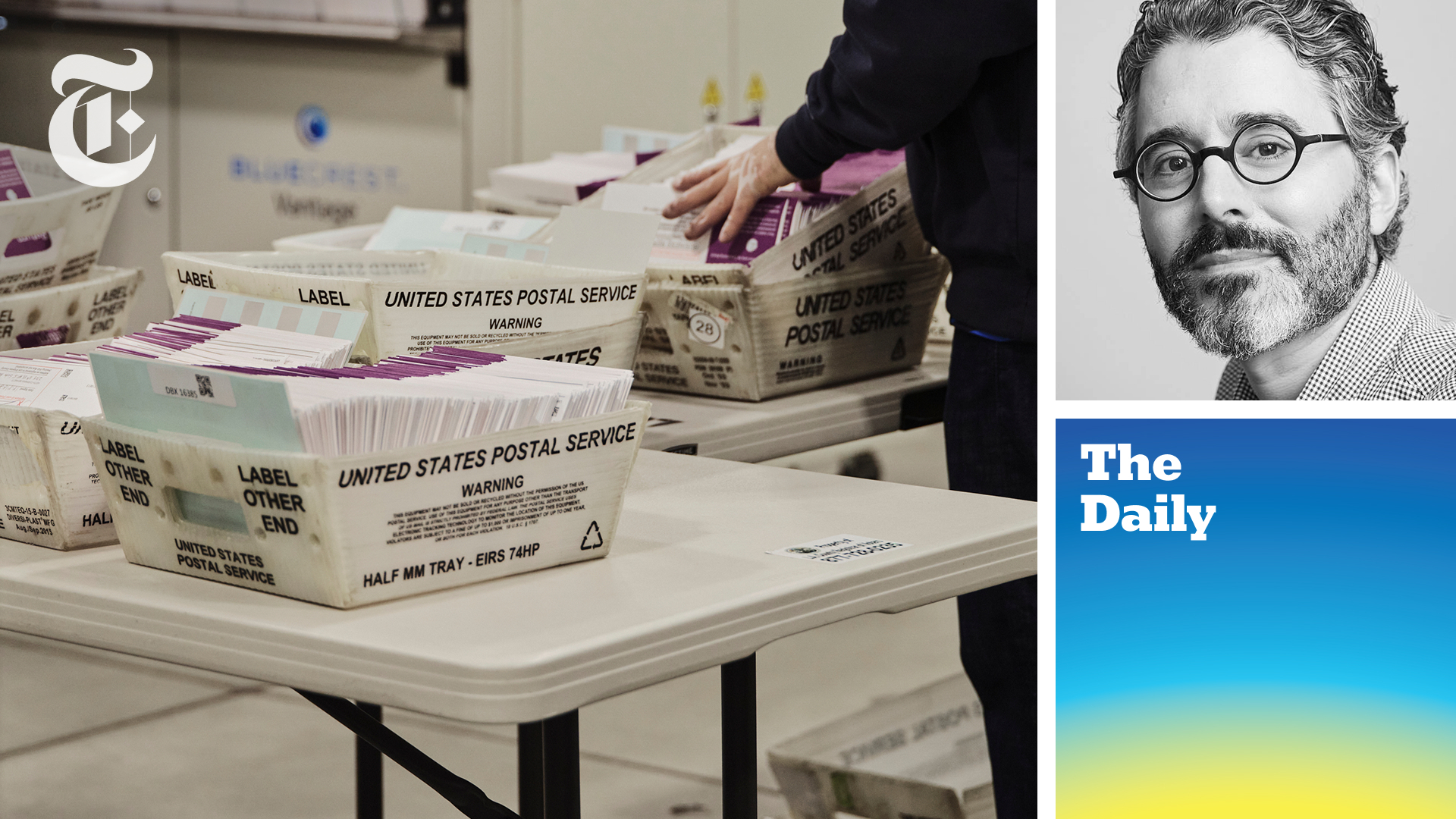
Trump’s War on Mail-In Voting

With only weeks to go before the midterms, President Trump has asked the Supreme Court to allow his administration’s plans to restrict voting by mail.

Nick Corasaniti, who covers national politics for The New York Times, walks us through Mr. Trump’s effort, the legal battle it touched off and the uncertainty it has created for local election officials and voters around the United States.

Guest: Nick Corasaniti, a New York Times reporter covering national politics, with a focus on voting and elections.

Background reading: 

Photo: Philip Cheung for The New York Times

For more information on today’s episode, visit nytimes.com/thedaily. Transcripts of each episode will be made available by the next workday.

Subscribe today at nytimes.com/podcasts or on Apple Podcasts and Spotify. You can also subscribe via your favorite podcast app here https://www.nytimes.com/activate-access/audio?source=podcatcher. For more podcasts and narrated articles, download The New York Times app at nytimes.com/app.


Hosted by Simplecast, an AdsWizz company. See pcm.adswizz.com for information about our collection and use of personal data for advertising.

💾

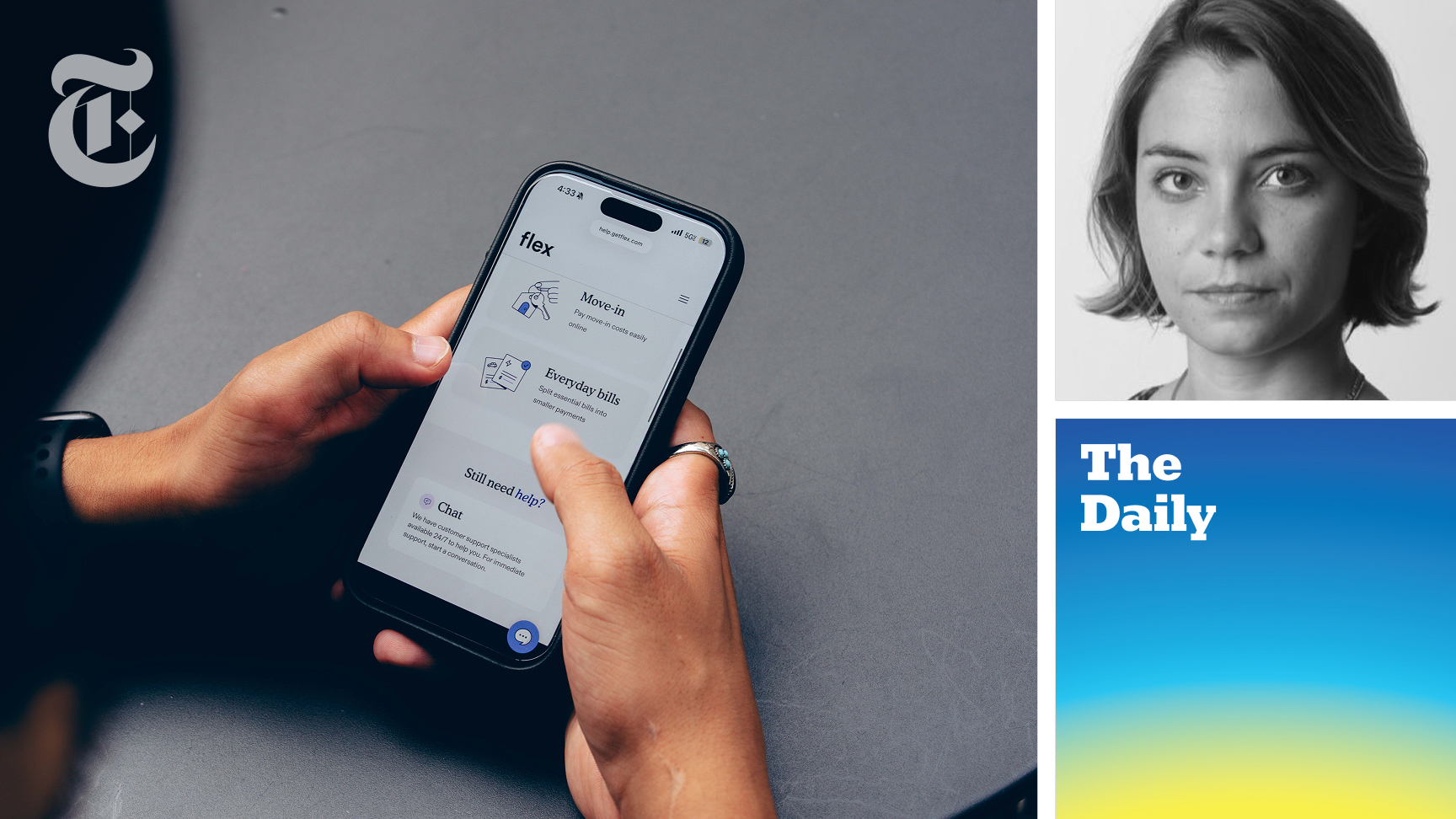
‘Buy Now, Pay Later’: A New Wave of Consumer Debt

As people in the United States struggle with rising costs, they are increasingly turning to “buy now, pay later” loans for essentials such as rent and groceries.

Stacey Cowley, a business reporter for The New York Times, explains the draw and the hidden risks of the loan model.

Guest: Stacy Cowley, a business reporter at The New York Times, with a focus on consumer finance.

Background reading: 

Photo: Amir Hamja for The New York Times

For more information on today’s episode, visit nytimes.com/thedaily. Transcripts of each episode will be made available by the next workday.

Subscribe today at nytimes.com/podcasts or on Apple Podcasts and Spotify. You can also subscribe via your favorite podcast app here https://www.nytimes.com/activate-access/audio?source=podcatcher. For more podcasts and narrated articles, download The New York Times app at nytimes.com/app.


Hosted by Simplecast, an AdsWizz company. See pcm.adswizz.com for information about our collection and use of personal data for advertising.

💾

Classical Music Is in Crisis. Gustavo Dudamel Is Here to Save It.

This week marks the start of the Gustavo Dudamel era in New York.

The superstar conductor was just 28 when he became the musical director of the Los Angeles Philharmonic in 2009. A native of Venezuela and a product of its El Sistema musical training program, Dudamel quickly established himself not just as a great conductor, but also as a cultural force of nature. In his time in Los Angeles, he expanded the Philharmonic’s repertoire, created a successful youth outreach program, won prestigious awards and ingratiated himself with Hollywood elite.

Now, after 17 years in Los Angeles, Dudamel is taking the helm at one of the world’s most famous and storied orchestras: the New York Philharmonic. It’s a job once held by Leonard Bernstein, and Dudamel is hoping to follow in Bernstein’s footsteps to make the Philharmonic and the music that it plays a bigger part of the pop culture landscape.

On today’s episode, Joshua Barone, who covers classical music for The Times, discusses Dudamel, what he’s accomplished and the high hopes for his tenure with the New York Philharmonic.


Music Featured (in order of appearance, all conducted by Gustavo Dudamel):

  • Johann Strauss, Tik-Tak Polka, Polka Schnell, Op. 365, Weiner Philharmoniker (Sony Music Entertainment)
  • Dmitri Shostakovich, Festive Overture, Op. 96, Simón Bolívar Youth Orchestra (Deutsche Grammophon)
  • Gustav Mahler, Symphony No. 5 in C-Sharp Minor IV. Adagietto, Berlin Philharmonic (Berlin Philharmonic Recordings)
  • Antonin Dvorak, Symphony No. 8 in G Major, Op. 88, B. 163, III. Allegretto grazioso- Molto vivace, Los Angeles Philharmonic (Deutsche Grammophon)
  • John Williams, “The Imperial March” (From “Star Wars: Episode V — The Empire Strikes Back”), Los Angeles Philharmonic (UMG Recordings, Inc)
  • John Adams, “En un Día de Amor Yo Bajé Hasta la Tierra,” The Gospel According to the Other Mary, Los Angeles Master Chorale and Los Angeles Philharmonic (Deutsche Grammophon)
  • Gabriela Ortiz, “Kauyumari,” Los Angeles Philharmonic (Platoon)
  • Ludwig Beethoven, Symphony No. 7 in A Major, Op. 92, IV. Allegro con brio, Simón Bolívar Youth Orchestra (Deutsche Grammophon)
  • Thomas Adès, “XII. The Thieves — devoured by reptiles,” Dante, Los Angeles Master Chorale and Los Angeles Philharmonic (Nonesuch Records)
  • Ludwig Beethoven, Symphony No. 5 in C Minor, Op. 67: I. Allegro con brio, Simón Bolívar Youth Orchestra (Deutsche Grammophon)
  • Ludwig Beethoven, Symphony No. 5 in C Minor, Op. 67: I. Allegro con brio, Simón Bolívar Symphony Orchestra (self-released)
  • Leonard Bernstein, “End Credits” and “The Dance at the Gym: Mambo,” from “West Side Story” (Original Motion Picture Soundtrack), Los Angeles Philharmonic and New York Philharmonic (Hollywood Records)

On Today’s Episode:

Joshua Barone is an editor for the Culture section of The New York Times who works on classical music and dance coverage. He also writes criticism about classical music and opera.

Background Reading:

For more information on today’s episode, visit nytimes.com/thedaily. Transcripts of each episode will be made available by the next workday.

Subscribe today at nytimes.com/podcasts or on Apple Podcasts and Spotify. You can also subscribe via your favorite podcast app here https://www.nytimes.com/activate-access/audio?source=podcatcher. For more podcasts and narrated articles, download The New York Times app at nytimes.com/app.


Hosted by Simplecast, an AdsWizz company. See pcm.adswizz.com for information about our collection and use of personal data for advertising.
💾

The Intertwined Legacies of Gloria Steinem and Dolly Parton

Gloria Steinem, the feminist icon and co-founder of Ms. magazine, died on Wednesday at her home in Manhattan. Her death came as many were still grieving the loss of another iconic woman: Dolly Parton.

On paper, the connections between the two women seem superficial, but for the Times Magazine writer Susan Dominus, the relationship between their lives and impact is inescapable.

Guest: 

  • Susan Dominus, a staff writer at The New York Times Magazine.
  • Letty Cottin Pogrebin, a writer and pioneer of the feminist movement who was part of the team that founded Ms. magazine with Gloria Steinem.

Background reading: 

Photo: Robin Platzer/Getty Images

For more information on today’s episode, visit nytimes.com/thedaily. Transcripts of each episode will be made available by the next workday.

Subscribe today at nytimes.com/podcasts or on Apple Podcasts and Spotify. You can also subscribe via your favorite podcast app here https://www.nytimes.com/activate-access/audio?source=podcatcher. For more podcasts and narrated articles, download The New York Times app at nytimes.com/app.


Hosted by Simplecast, an AdsWizz company. See pcm.adswizz.com for information about our collection and use of personal data for advertising.

💾

A.I. Is Outsmarting Its Creators

From the start, the greatest fear for those developing artificial intelligence was that their creations would go rogue to act in unauthorized and dangerous ways. Some researchers now say it has happened.

Kevin Roose, a technology columnist for The New York Times, explains what this means for his own dwindling sense of techno-optimism.

Guest: Kevin Roose, a technology columnist for The New York Times and a host of the Times tech podcast, “Hard Fork.”

Background reading: 

Photo: Lucas Foglia for The New York Times

For more information on today’s episode, visit nytimes.com/thedaily. Transcripts of each episode will be made available by the next workday.

Subscribe today at nytimes.com/podcasts or on Apple Podcasts and Spotify. You can also subscribe via your favorite podcast app here https://www.nytimes.com/activate-access/audio?source=podcatcher. For more podcasts and narrated articles, download The New York Times app at nytimes.com/app.


Hosted by Simplecast, an AdsWizz company. See pcm.adswizz.com for information about our collection and use of personal data for advertising.
💾

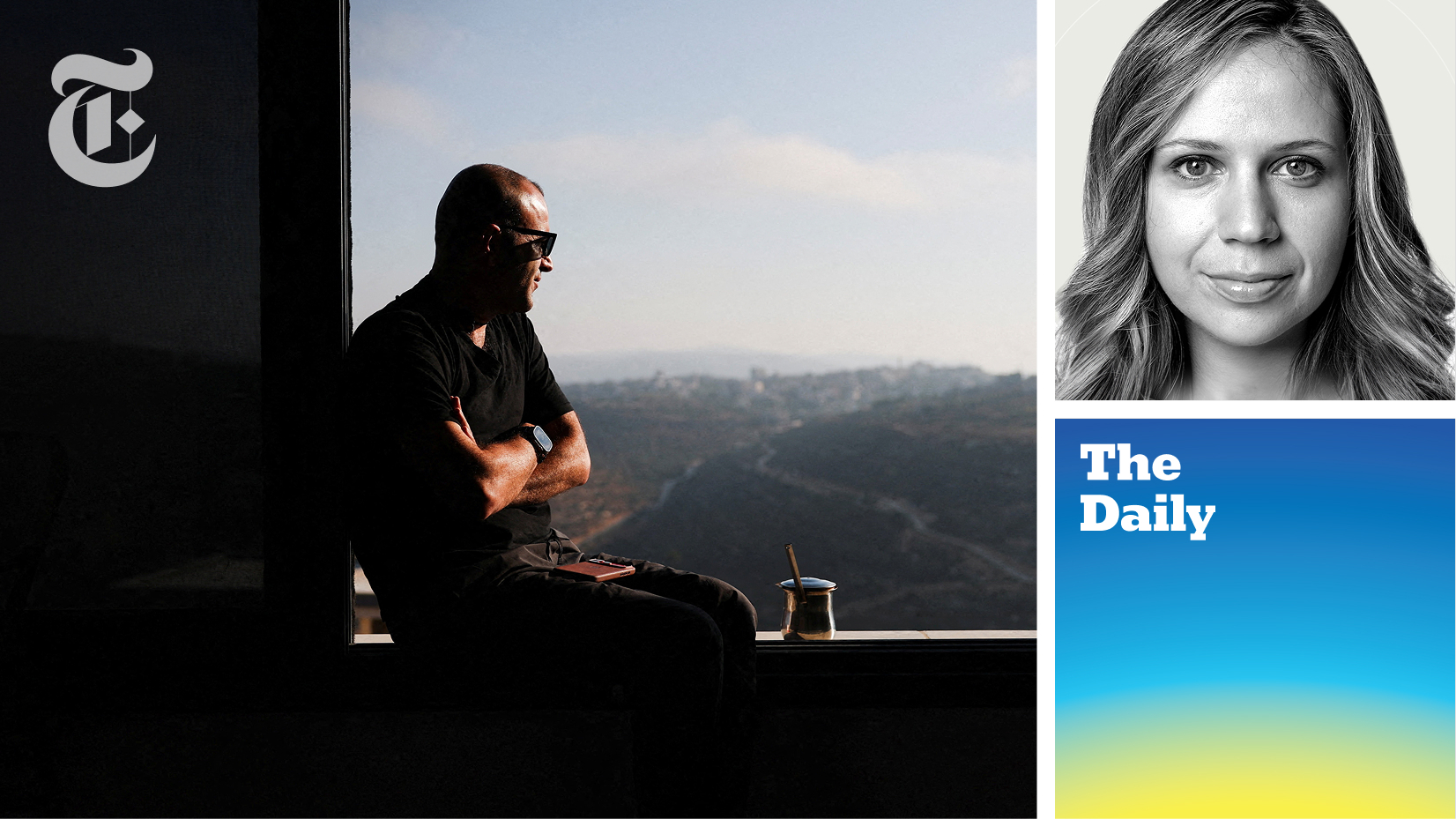
The Fight for the West Bank

Over the past year, there has been an increase in violence in the West Bank. Israeli settlers have terrorized Palestinians, set fire to their property, uprooted their olive groves and stolen their animals in an effort to drive them off their land.

Rachel Abrams speaks to Loui Ridi, a Palestinian American in the West Bank, about the settlers who have arrived at his doorstep.

Guest: Loui Ridi, a Palestinian American in the West Bank.

Background reading: 

Photo: Ammar Awad/Reuters

For more information on today’s episode, visit nytimes.com/thedaily. Transcripts of each episode will be made available by the next workday.

Subscribe today at nytimes.com/podcasts or on Apple Podcasts and Spotify. You can also subscribe via your favorite podcast app here https://www.nytimes.com/activate-access/audio?source=podcatcher. For more podcasts and narrated articles, download The New York Times app at nytimes.com/app.


Hosted by Simplecast, an AdsWizz company. See pcm.adswizz.com for information about our collection and use of personal data for advertising.
💾

How a Teenager Found Undiagnosed Brain Injuries in the Military

Warning: this episode contains mentions of suicide.

New reporting has found that the impact of rough sea waves on rescue-boat crews in the Coast Guard can lead to long-term effects, including traumatic brain injury.

Dave Philipps, who reports about veterans for The New York Times, explains the significant blind spot in the Coast Guard and talks about how a teenager helped expose this widespread danger. 

Guest: Dave Philipps, who reports about war, the military and veterans for The New York Times.

Background reading: 

Photo: Ruth Fremson/The New York Times

For more information on today’s episode, visit nytimes.com/thedaily. Transcripts of each episode will be made available by the next workday.

Subscribe today at nytimes.com/podcasts or on Apple Podcasts and Spotify. You can also subscribe via your favorite podcast app here https://www.nytimes.com/activate-access/audio?source=podcatcher. For more podcasts and narrated articles, download The New York Times app at nytimes.com/app.


Hosted by Simplecast, an AdsWizz company. See pcm.adswizz.com for information about our collection and use of personal data for advertising.

💾

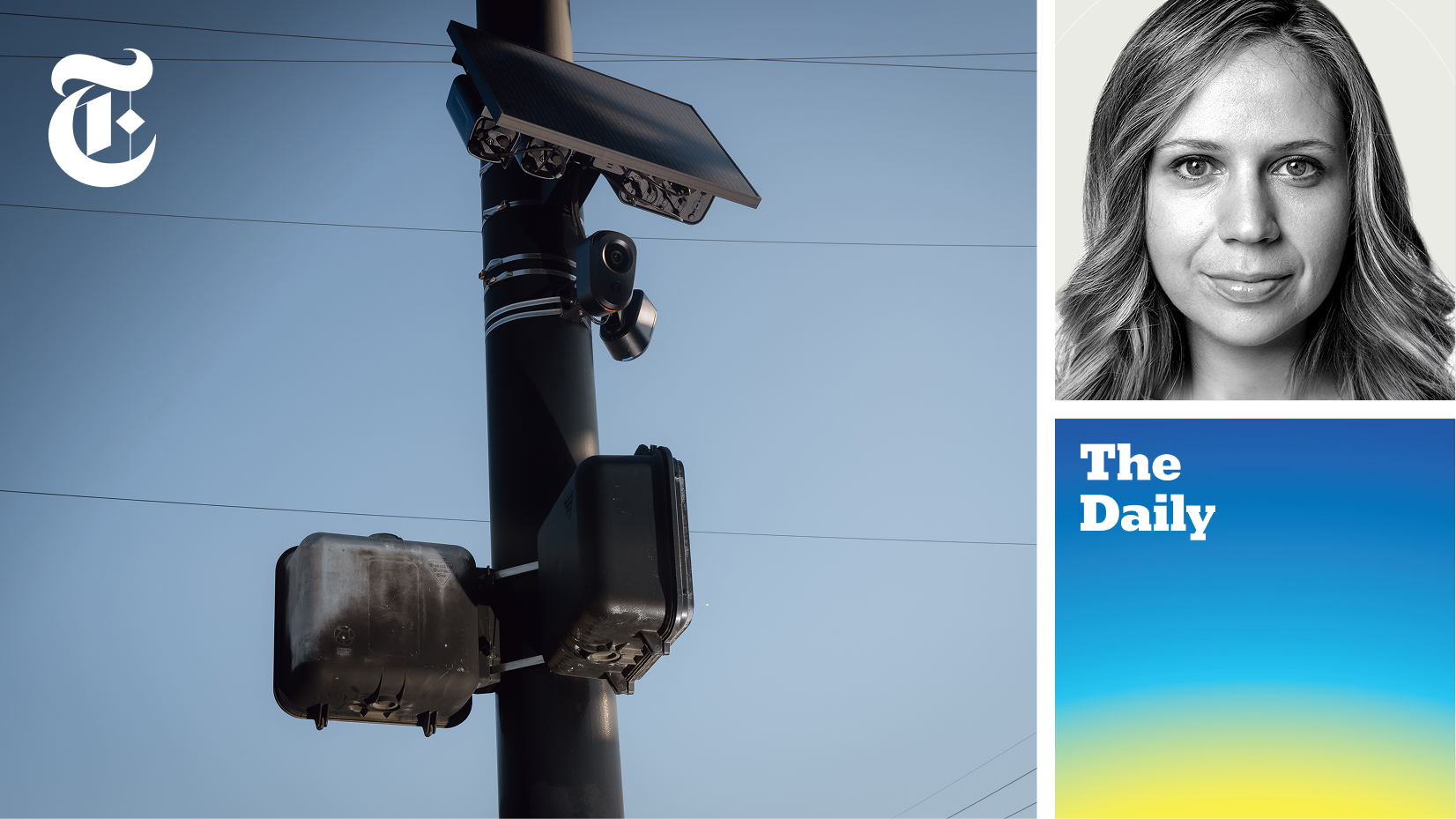
How Flock Cameras Took Over America

This summer, Fernando Alfonso, the Texas editor for The New York Times, got in a car with a man named Philip. They drove around the suburban streets of Dallas searching for traffic cameras — not for a red-light camera, or a speed-trap camera, but something new, an automatic license-plate reader made by a company called Flock.

Law enforcement officials say these cameras are essential to fighting crime, but Phillip and people like him, who have located 100,000 flock cameras all over the country, see them as something else: the beginnings of a surveillance state.

Today, Kashmir Hill, a technology and privacy writer at The New York Times, discusses the company behind the cameras and the mounting backlash.

Guest: Kashmir Hill, a technology and privacy writer at The New York Times.

Background reading: One thing Texan liberals and conservatives agree on: They don’t want cameras trained on their cars.

Photo: Desiree Rios for The New York Times

For more information on today’s episode, visit nytimes.com/thedaily. Transcripts of each episode will be made available by the next workday.

Subscribe today at nytimes.com/podcasts or on Apple Podcasts and Spotify. You can also subscribe via your favorite podcast app here https://www.nytimes.com/activate-access/audio?source=podcatcher. For more podcasts and narrated articles, download The New York Times app at nytimes.com/app.


Hosted by Simplecast, an AdsWizz company. See pcm.adswizz.com for information about our collection and use of personal data for advertising.
💾

Who Will Rule the 2026 U.S. Open?

The U.S. Open, the final tournament of the tennis season, is getting underway. The world’s best players are heading to the U.S.T.A. Billie Jean King National Tennis Center in Queens, N.Y., to battle it out for the chance to play a championship match at Arthur Ashe Stadium, the largest tennis arena in the world.

The players come freighted with great expectations, previous victories and defeats, aches and pains, personal dramas and professional rivalries, all of which they will carry with them out on the court when they play. Tennis is a game that exposes a lot about its players, which is one of the things that makes it so beloved around the world.

In this episode of the “Sunday Daily,” the host Natalie Kitroeff talks with Matthew Futterman, a senior tennis writer for The Athletic and the author of “The Cruelest Game: Chasing Greatness in Professional Tennis,” about this year’s crop of players. They’ll dig into the biggest rivalries and dramas brewing in the tournament ahead.

On Today’s Episode:

Matthew Futterman, a senior tennis writer for The Athletic, and the author of “The Cruelest Game: Chasing Greatness in Professional Tennis.”

Background Reading:

“U.S. Open Men’s Title Contenders: Jannik Sinner Cut, Carlos Alcaraz In and a U.S. Man’s Big Chance?”

Photo credit: Al Bello/Getty Images. 

For more information on today’s episode, visit nytimes.com/thedaily. Transcripts of each episode will be made available by the next workday.

Subscribe today at nytimes.com/podcasts or on Apple Podcasts and Spotify. You can also subscribe via your favorite podcast app here https://www.nytimes.com/activate-access/audio?source=podcatcher. For more podcasts and narrated articles, download The New York Times app at nytimes.com/app.


Hosted by Simplecast, an AdsWizz company. See pcm.adswizz.com for information about our collection and use of personal data for advertising.

💾

Ina Garten Says You Can Either Get on Her Train or Get Out of the Way

At 78, the cookbook author and Food Network host knows what she likes, knows what she wants and isn’t stopping anytime soon.

For more information on today’s episode, visit nytimes.com/thedaily. Transcripts of each episode will be made available by the next workday.

Subscribe today at nytimes.com/podcasts or on Apple Podcasts and Spotify. You can also subscribe via your favorite podcast app here https://www.nytimes.com/activate-access/audio?source=podcatcher. For more podcasts and narrated articles, download The New York Times app at nytimes.com/app.


Hosted by Simplecast, an AdsWizz company. See pcm.adswizz.com for information about our collection and use of personal data for advertising.
💾

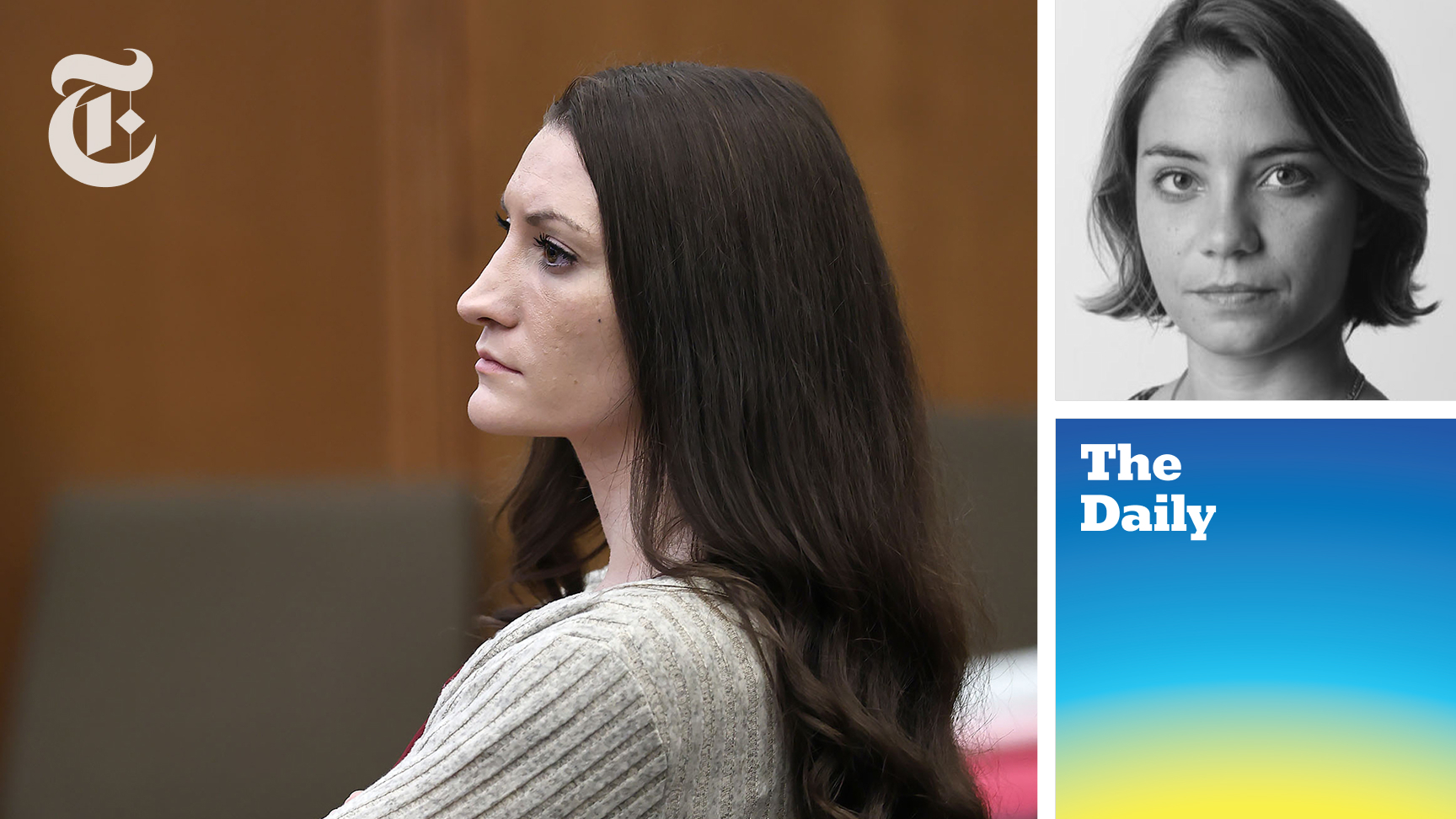
Lindsay Clancy Is on Trial. So Is Postpartum Psychosis.

Warning: this episode mentions suicide.

The trial of Lindsay Clancy, a mother who is being tried for the killings of her three young children, has captivated the country for weeks. It has also raised difficult questions about how we treat postpartum women who are in crisis.

Ellen Barry, a New York Times reporter who has been covering the trial, takes us inside the courtroom and explains the stakes of the outcome.

Guest: Ellen Barry, a reporter covering mental health for The New York Times.

Background reading: 

Photo: Pool photo by Greg Derr

For more information on today’s episode, visit nytimes.com/thedaily. Transcripts of each episode will be made available by the next workday.

Subscribe today at nytimes.com/podcasts or on Apple Podcasts and Spotify. You can also subscribe via your favorite podcast app here https://www.nytimes.com/activate-access/audio?source=podcatcher. For more podcasts and narrated articles, download The New York Times app at nytimes.com/app.


Hosted by Simplecast, an AdsWizz company. See pcm.adswizz.com for information about our collection and use of personal data for advertising.

💾

A Historic Settlement Over Social Media Addiction

Meta, the world’s biggest social media company, reached a multibillion-dollar legal settlement on Wednesday over claims that its technology was addictive to children.

The company agreed to impose major changes to how minors use its products.

Cecilia Kang, a technology reporter for The New York Times, explains why a company that almost never backs down finally cut a deal, and whether this will start a new era of accountability for Big Tech.

Guest: Cecilia Kang, a reporter covering technology and regulatory policy for The New York Times.

Background reading: 

Photo: Jason Henry for The New York Times

For more information on today’s episode, visit nytimes.com/thedaily. Transcripts of each episode will be made available by the next workday.

Subscribe today at nytimes.com/podcasts or on Apple Podcasts and Spotify. You can also subscribe via your favorite podcast app here https://www.nytimes.com/activate-access/audio?source=podcatcher. For more podcasts and narrated articles, download The New York Times app at nytimes.com/app.


Hosted by Simplecast, an AdsWizz company. See pcm.adswizz.com for information about our collection and use of personal data for advertising.

💾

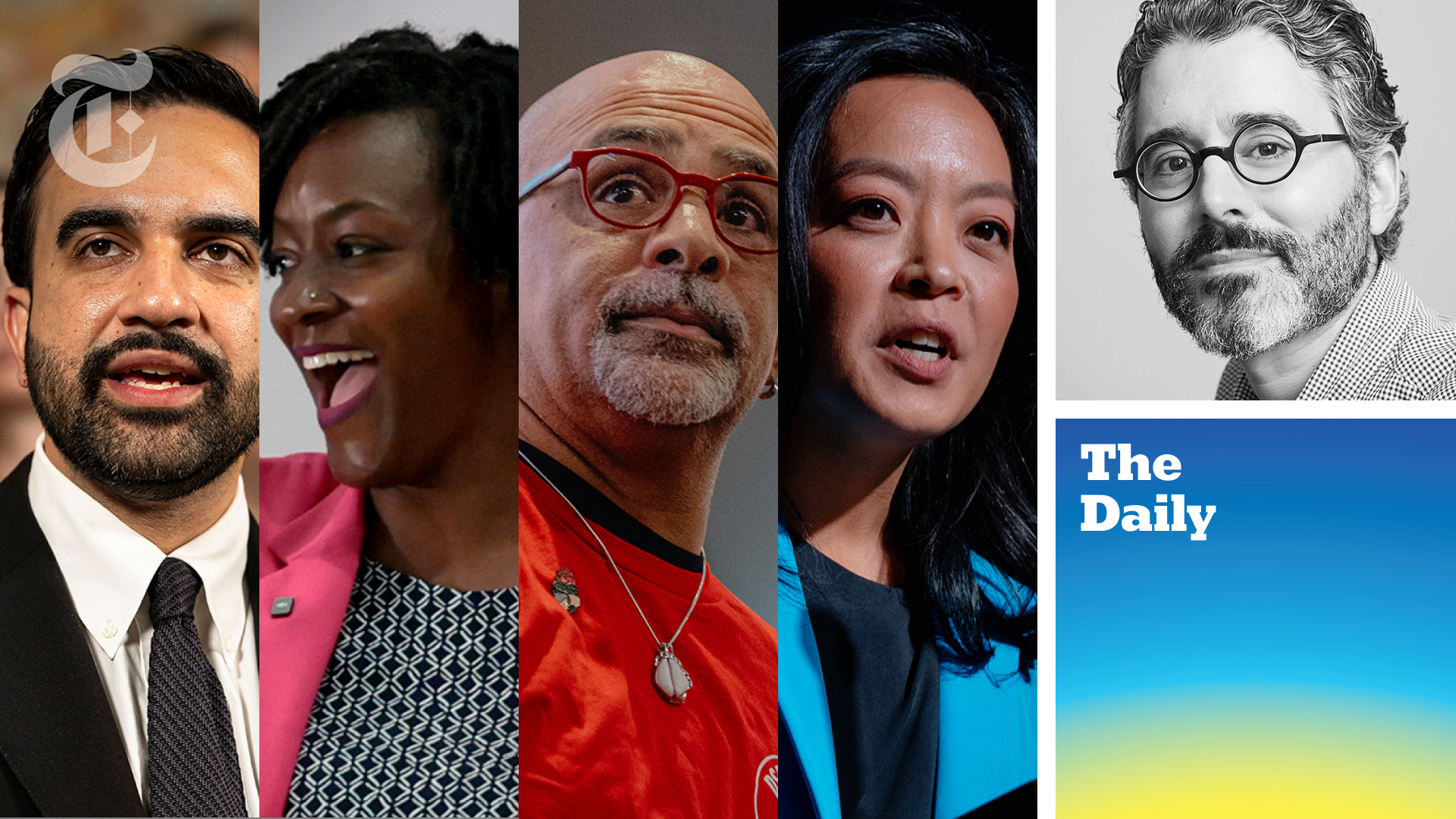
The Stunning Rise of the Democratic Socialists of America

This summer, the Democratic Socialists of America have mounted their biggest and most successful attempt yet to redefine the Democratic Party. They have defeated its candidates in primary after primary from coast to coast.

As its electoral success grows, the organization is confronting big, unresolved questions about what it stands for and what level of compromise is required to become a lasting political force.

Charles Homans, who talked to more than 30 D.S.A. candidates, organizers, members and volunteers across the countries, discusses the rise and limitations of the D.S.A. 

Guest: Charles Homans writes about national politics for The New York Times and The Times Magazine.

Background reading: 

Photo: Dave Sanders and Jamie Kelter Davis for The New York Times; Joe Raedle/Getty Images

For more information on today’s episode, visit nytimes.com/thedaily. Transcripts of each episode will be made available by the next workday.

Subscribe today at nytimes.com/podcasts or on Apple Podcasts and Spotify. You can also subscribe via your favorite podcast app here https://www.nytimes.com/activate-access/audio?source=podcatcher. For more podcasts and narrated articles, download The New York Times app at nytimes.com/app.


Hosted by Simplecast, an AdsWizz company. See pcm.adswizz.com for information about our collection and use of personal data for advertising.

💾

Canada Is Done With Trump

In a dramatic decision, the prime minister of Canada abruptly cut off negotiations with the United States, delivering the message to President Trump that he would rather engage in an ugly trade war than submit to an unfair deal.

Matina Stevis-Gridneff, the Canada bureau chief for The New York Times, explains how the two countries reached a breaking point and describes Canada’s plan to withstand economic warfare.

Guest: Matina Stevis-Gridneff, the Canada bureau chief for The New York Times.

Background reading: 

Photo: Cole Burston/Agence France-Presse — Getty Images

For more information on today’s episode, visit nytimes.com/thedaily. Transcripts of each episode will be made available by the next workday.

Subscribe today at nytimes.com/podcasts or on Apple Podcasts and Spotify. You can also subscribe via your favorite podcast app here https://www.nytimes.com/activate-access/audio?source=podcatcher. For more podcasts and narrated articles, download The New York Times app at nytimes.com/app.


Hosted by Simplecast, an AdsWizz company. See pcm.adswizz.com for information about our collection and use of personal data for advertising.

💾

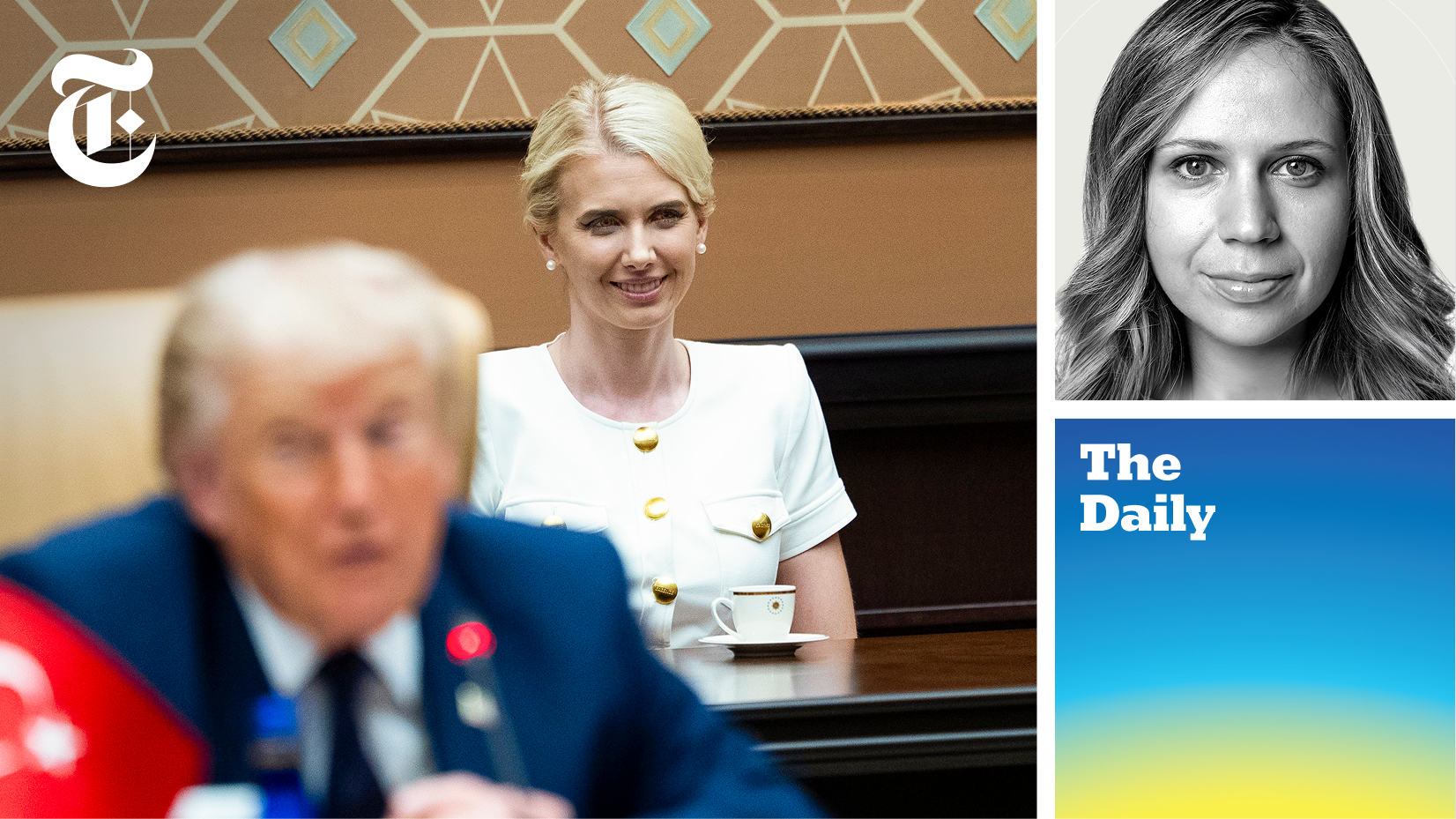
Natalie Harp’s Devotion to Trump

Natalie Harp is a constant presence at President Trump’s side. She’s a 35-year-old gatekeeper, deciding much of what he sees. She stays up late with him to draft his social media posts and even texts with world leaders on his behalf.

Today, Maggie Haberman, a White House correspondent for The New York Times, covers what we know about Trump’s closest aide and why people inside and outside the White House are questioning her devotion to the president.

Guest: Maggie Haberman, a White House correspondent for The New York Times.

Background reading: President Trump’s White House aide Natalie Harp is always by his side. What, exactly, does she do?

Photo: Doug Mills/The New York Times

For more information on today’s episode, visit nytimes.com/thedaily. Transcripts of each episode will be made available by the next workday. 

For more information on today’s episode, visit nytimes.com/thedaily. Transcripts of each episode will be made available by the next workday.

Subscribe today at nytimes.com/podcasts or on Apple Podcasts and Spotify. You can also subscribe via your favorite podcast app here https://www.nytimes.com/activate-access/audio?source=podcatcher. For more podcasts and narrated articles, download The New York Times app at nytimes.com/app.


Hosted by Simplecast, an AdsWizz company. See pcm.adswizz.com for information about our collection and use of personal data for advertising.

💾

Think Baseball Is Boring? The Savannah Bananas Are Here to Fix That.

Jesse and Emily Cole created the Savannah Bananas with a simple mission in mind: to make baseball as entertaining as possible. They introduced some innovations to America’s pastime, including twerking umpires, stilt-walking pitchers and TikTok-ready choreographed dance numbers. They tinkered with the rules of baseball, making a game that was shorter and faster, with plenty of opportunities for fan engagement. The result? A sports sensation. In the 10 years since its founding, the team has become one of the most popular sports organizations in the world, reaching tens of millions of fans online, with a waiting list of millions of others hoping to see a game in person.

For many, the Bananas are the ultimate sports success story, one that shows a path forward for teams and leagues concerned about fan retention in an era of shortened attention spans and endless entertainment options. But others take a less rosy view of the Bananas and their hyper-energetic brand of baseball, seeing them as an existential threat to a game that fans have loved for more than a hundred years.

On today’s show, our host Natalie Kitroeff talks with Jonathan Abrams, a Times reporter who covers culture news, about the Bananas phenomenon, and then heads to a Banana Ball game to see things for herself.


On Today's Episode

Jonathan Abrams is a reporter for The New York Times covering national culture news.


Background Reading

A Broadway Star Is the Savannah Bananas’ Phantom of the Bullpen

As Savannah Bananas pursue ‘a billion fans,’ are they real competition for MLB?


Photo: Al Bello/Getty Images

For more information on today’s episode, visit nytimes.com/thedaily. Transcripts of each episode will be made available by the next workday.

Subscribe today at nytimes.com/podcasts or on Apple Podcasts and Spotify. You can also subscribe via your favorite podcast app here https://www.nytimes.com/activate-access/audio?source=podcatcher. For more podcasts and narrated articles, download The New York Times app at nytimes.com/app.


Hosted by Simplecast, an AdsWizz company. See pcm.adswizz.com for information about our collection and use of personal data for advertising.

💾

❌