❌

Reading view

There are new articles available, click to refresh the page.

Strategy (MSTR) Shareholders Approve Daily Dividends on Four Preferred Stocks

Bitcoin Magazine

Strategy (MSTR) Shareholders Approve Daily Dividends on Four Preferred Stocks

Strategy shareholders have approved the Daily Dividends amendment, the company announced Wednesday. Preliminary results show 99.3% of votes cast were in favor, according to Executive Chairman Michael Saylor.

The amendment allows STRF, STRC, STRK and STRD to accrue dividends every calendar day, including weekends and holidays.

The proposal surfaced on September 25, when the company asked holders to attend a special meeting on October 28. Strategy said the change β€œwould reduce reinvestment lag, enhance liquidity and market efficiency, and increase price stability.”

At the time Strategy said that they β€œbelieve these enhancements can also benefit our common stockholders by increasing the attractiveness and utility of our Digital Credit instruments, supporting our ability to access preferred equity capital efficiently and expanding the capital markets toolkit we use to execute our Bitcoin Treasury strategy.

Under the approved structure, dividends accrue every day but are paid on the next business day. Strategy has said scheduled dividend rates and total dividend obligations remain unchanged. The company has argued the change could benefit common stockholders by making its Digital Credit instruments easier to use and easier to fund.

The timing depends on board action. If the board approves the change and required filings are completed, the first STRC record and payment dates would fall on November 1 and 2, 2026. For STRF, STRK and STRD, the first record and payment dates would be January 1 and 4, 2027. Those dates also depend on operational readiness.

STRC pays a variable rate that the company can change at its discretion. Its rate for the month ended June 30, 2026 was 11.50%, according to Strategy’s quarterly report. Shareholders approved moving STRC to semi-monthly payments in June, and the new amendment builds on that precedent.

In short, STRC is designed to help Strategy raise money from investors through a preferred stock offering targeting a stable $100 price and a variable dividend yield, then use that capital to continuously buy Bitcoin regardless of its short-term price movements. This creates a potential global dollar-cost-averaging machine for Bitcoin.

Final vote certification will come in a company filing. Board action remains the final step before any new payment schedule begins.

Strategy’s bitcoin moves this yearΒ 

The vote comes after bitcoin fell into somewhat of a bear market. Strategy slowed its bitcoin purchases this year and sold some holdings to fund preferred dividends, interest payments and repurchases.Β 

The company’s common stock, MSTR, is down near 50% over the past year, though it has risen by a figure approaching 1,000% since Strategy began buying bitcoin in 2020.

Earlier this week, Strategy said they paused Bitcoin purchases for the prior week and maintained its holdings at 848,517 BTC, acquired for $64.02 billion at an average price of $75,446 per Bitcoin.Β 

The company spent $204.9 million repurchasing STRC preferred stock while retaining a $4.83 billion cash reserve.Β 

Fellow bitcoin-treasury company Strive pays cash dividends on its Variable Rate Series A Perpetual Preferred Stock (SATA) every business day. This started on June 16, after moving from monthly payments.Β 

This post Strategy (MSTR) Shareholders Approve Daily Dividends on Four Preferred Stocks first appeared on Bitcoin Magazine and is written by Micah Zimmerman.

Three Companies Have Notified the SEC of Intention To Start Tokenized Stocks Trading

Bitcoin Magazine

Three Companies Have Notified the SEC of Intention To Start Tokenized Stocks Trading

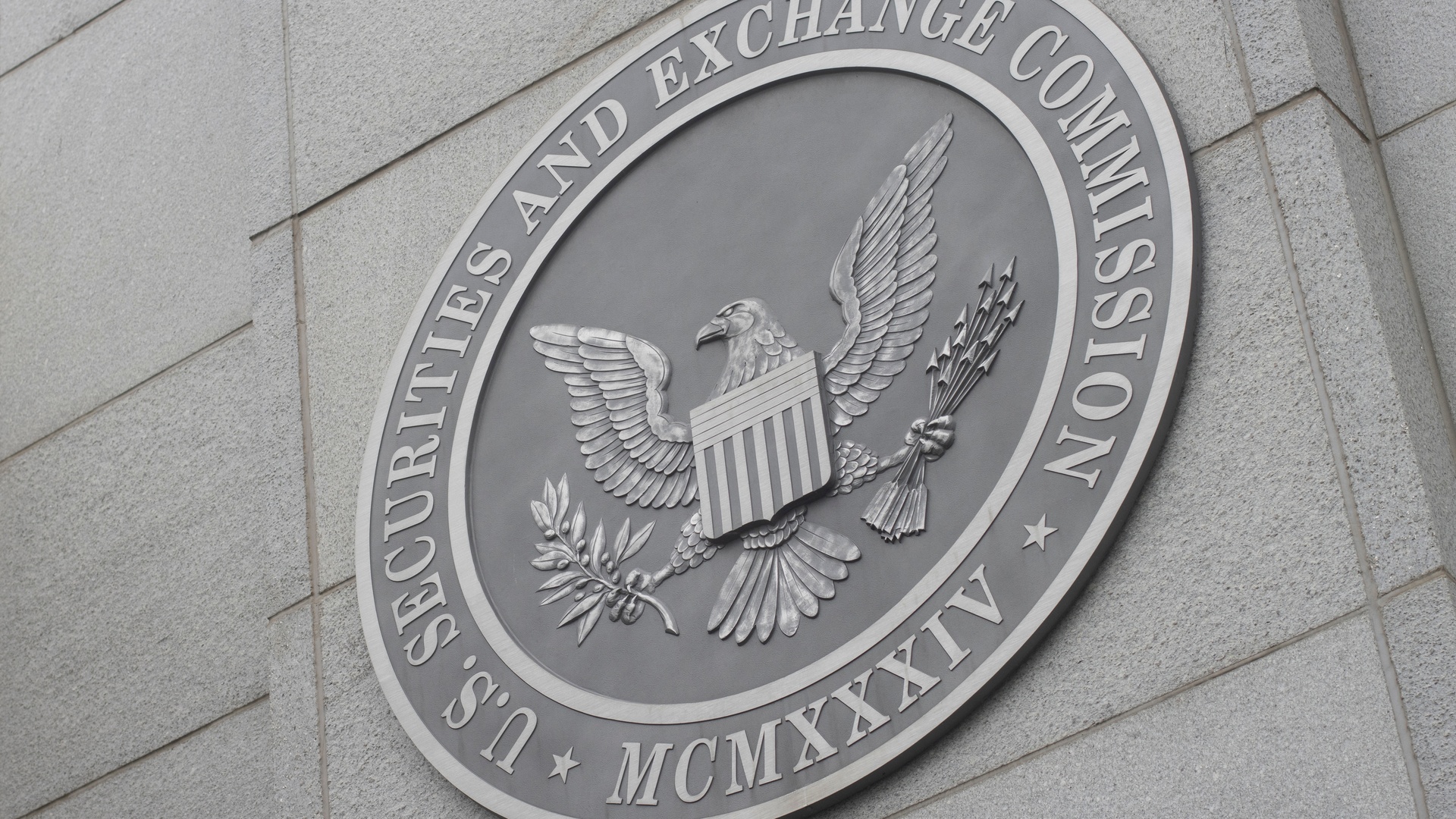
Three companies have notified the U.S. Securities and Exchange Commission of their plans to operate tokenized securities venues following a new rule, according to the top regulator.Β 

Tokenized Stock Venue, Perpetuals.com, and OKX have all submitted plans to operate by allowing trading of tokenized stocks, the SEC said in a Wednesday announcement.Β 

Along with the Intercontinental Exchange, crypto exchange OKX was the first to file with the regulator to debut tokenized securities trading on a new platform, OKXICE.Β 

The SEC in September said it was offering a five-year exemption to platforms that facilitate trading of tokenized stocks. Regulators like the SEC are pushing ahead with regulating the crypto space despite lawmakers blocking major digital asset legislation in September.Β 

Tokenized stocks are the latest example of firms wanting to utilize Bitcoin’s underlying technology to help upgrade traditional finance. By putting stocks on the blockchain, traders can operate 24/7, according to proponents.Β 

The SEC said Wednesday that just because the firms are on the list, doesn’t necessarily mean they meet all the requirements for the rule.Β 

Wall Street’s top regulator is now very pro-crypto under U.S. President Donald Trump. SEC Chair Paul Atkins has said the regulator wants to β€œupdate” how it watchdogs securities, and β€œmodernize them in the age of blockchain and crypto assets.”

Atkins has said that the regulator wants the U.S. to be on track to be the β€œcrypto capital of the world.” 

Under the previous Democratic Joe Biden administration, the SEC was hostile towards the crypto industry and hit major companies β€” including Coinbase and Kraken β€” with lawsuits. The regulator attracted criticism for so-called regulation by enforcement.Β 

But under Trump, that has changed: the Republican campaigned on a ticket to help the crypto space and has signed a number of laws and executive orders aimed at helping the digital asset space.Β 

Traditional finance titans like BlackRock and Franklin Templeton for years have used blockchain rails to tokenize money funds.

In January, the S&P 500 gave crypto platform Trade[XYZ] the green light to debut a new derivative contract on decentralized exchange Hyperliquid, giving traders the ability to trade the stock index 24-7.Β 

This post Three Companies Have Notified the SEC of Intention To Start Tokenized Stocks Trading first appeared on Bitcoin Magazine and is written by Mathew Di Salvo.

Bitcoin’s Volatility Has Fallen Within S&P 500 Ranks, Study Shows

Bitcoin Magazine

Bitcoin’s Volatility Has Fallen Within S&P 500 Ranks, Study Shows

Stocks and shares are a safer bet than buying bitcoin? Not so fast.Β 

According to research from crypto asset manager Grayscale, the digital coin’s realized volatility fell within the distribution of S&P 500 constituents β€” with a meaningful number of large-cap stocks exhibiting more price swings.Β 

Bitcoin’s price surged in August and September, giving it its best quarter in years and leading a number of analysts to declare that it’s back in a bull market.Β 

β€œAs the asset has matured, with deeper liquidity, broader institutional participation, and more regulated access venues, its price swings have narrowed considerably from the extremes of its early years,” the Grayscale’s head of research, Zach Pandl, wrote in a Wednesday note.Β 

β€œThat shifts the question from whether to own a volatile asset to how to size an allocation.”

He added that bitcoin’s volatility has declined to 43% over the past year, from an average of 64% over the past 10 years and 81% five years ago.Β 

It is now lower than that of 19% of S&P 500 constituents. β€œFor those comfortable owning volatile equities, Bitcoin’s price fluctuations may be less daunting than assumed,” the report added.Β 

December data from K33 Research revealed that 2025 was the least volatile year for the asset so far.Β 

Bitcoin’s price became notorious for wild swings in its early days β€” with drawdowns of over 80% in the space of months.Β 

But as more investors have piled into the asset β€” especially since the 2024 approval of U.S. spot bitcoin exchange-traded funds β€” it’s become harder to move its price.Β 

Still, bitcoin at one point in 2026 was down over 50% from the all-time high it hit last October . It has since recovered and was recently trading for $82,485 β€” 35% below its record of $126,080.Β 

The coin in August benefited from news that the U.S. Treasury would at least double the size of its liquidity-support buyback operations. The so-called debasement trade β€” where investors buy an asset to hedge against a weakening currency β€” has become popular again, especially as the dollar has dropped.Β 

This post Bitcoin’s Volatility Has Fallen Within S&P 500 Ranks, Study Shows first appeared on Bitcoin Magazine and is written by Mathew Di Salvo.

❌