
Reading view

There are new articles available, click to refresh the page.

What Makes Spanish Rice a Growing Category in Retail and Foodservice?

Introduction

Consumer demand for convenient, flavorful, and globally inspired foods continues to reshape the food industry. Among the many ready-to-eat and shelf-stable meal options available today, 𝐒𝐩𝐚𝐧𝐢𝐬𝐡 𝐑𝐢𝐜𝐞 has emerged as a popular choice across supermarkets, foodservice operators, and private label programs.

Its versatility, broad consumer appeal, and compatibility with modern meal formats make it a valuable product for retailers and HoReCa businesses. Whether sold as a standalone side dish or included in complete meal solutions, Spanish Rice is becoming an important category in the growing ready-to-eat food market.

This article explores the factors driving the growth of 𝐒𝐩𝐚𝐧𝐢𝐬𝐡 𝐑𝐢𝐜𝐞, its role in retail and foodservice, and what buyers should consider when sourcing these products.


Key Takeaways

  • 𝐒𝐩𝐚𝐧𝐢𝐬𝐡 𝐑𝐢𝐜𝐞 is gaining popularity due to convenience and flavor appeal.
  • Retailers are expanding shelf-stable rice categories to meet consumer demand.
  • Foodservice operators value Spanish Rice for consistency and operational efficiency.
  • Private label programs are driving growth in ready-to-eat rice products.
  • Shelf-stable packaging supports global distribution and inventory management.
  • Manufacturers with strong food safety systems are preferred by retail buyers.

What Is Spanish Rice?

Spanish Rice is a seasoned rice dish typically prepared with rice, tomatoes, herbs, spices, and vegetables. It is widely used as a side dish and is commonly paired with proteins, vegetables, and international cuisine offerings.

In retail and foodservice channels, Spanish Rice is available in several formats:

  • Ready-to-eat pouches
  • Microwavable bowls
  • Meal kits
  • Foodservice packs
  • Private label retail products

Its broad application makes it suitable for supermarkets, restaurants, cafeterias, and institutional foodservice operations.


Why Is Spanish Rice Becoming More Popular with Consumers?

Consumer preferences have shifted toward products that offer both convenience and flavor.

Several factors contribute to the growing demand for 𝐒𝐩𝐚𝐧𝐢𝐬𝐡 𝐑𝐢𝐜𝐞:

Consumer TrendImpact on Demand
Convenient meal solutionsIncreased interest in ready-to-eat rice
Global flavor explorationHigher demand for international cuisines
Busy lifestylesPreference for quick meal preparation
Portion-controlled productsGrowth of single-serve formats

Consumers want products that can be prepared in minutes while still delivering restaurant-style taste.


How Does Spanish Rice Support Retail Growth?

Retailers are constantly looking for products that offer strong shelf performance and broad customer appeal.

Spanish Rice supports retail growth because it:

  • Fits multiple meal occasions
  • Appeals to diverse consumer groups
  • Works across value and premium retail segments
  • Supports private label expansion

Many retailers include Spanish Rice within their broader 𝐑𝐞𝐚𝐝𝐲-𝐓𝐨-𝐄𝐚𝐭 𝐅𝐨𝐨𝐝 portfolio to strengthen category offerings.

In addition, shelf-stable formats help retailers improve inventory planning and reduce waste.

Why Is Spanish Rice Attractive for Foodservice Operators?

Foodservice operators require products that deliver consistency, speed, and labour efficiency.

Spanish Rice helps address these needs by offering:

  • Consistent flavor profiles
  • Reduced preparation time
  • Portion control
  • Simplified kitchen operations

Benefits for HoReCa Businesses

BenefitOperational Impact
Reduced prep timeFaster service
Consistent qualityImproved customer experience
Easy storageBetter inventory management
Flexible menu usageMultiple application opportunities

Hotels, restaurants, catering businesses, and institutional kitchens increasingly use ready-to-eat rice products to improve operational efficiency.

How Do Shelf-Stable Technologies Support Spanish Rice Products?

Modern 𝐒𝐡𝐞𝐥𝐟 𝐒𝐭𝐚𝐛𝐥𝐞 𝐒𝐩𝐚𝐧𝐢𝐬𝐡 𝐑𝐢𝐜𝐞 products are typically produced using retort processing technology.

This process:

  1. Cooks the product
  2. Seals it in specialized packaging
  3. Applies thermal sterilization
  4. Extends shelf life while maintaining safety

Benefits of Shelf-Stable Spanish Rice

  • Longer shelf life
  • Reduced food waste
  • No refrigeration before opening
  • Easier export and distribution
  • Lower logistics costs

These advantages make shelf-stable rice products attractive for both retail and foodservice channels.

Why Are Private Label Spanish Rice Programs Growing?

Private label continues to be a major growth driver in the food industry.

Retailers are increasingly launching 𝐏𝐫𝐢𝐯𝐚𝐭𝐞 𝐋𝐚𝐛𝐞𝐥 𝐒𝐩𝐚𝐧𝐢𝐬𝐡 𝐑𝐢𝐜𝐞 products because they:

  • Improve profit margins
  • Strengthen brand loyalty
  • Offer exclusive product ranges
  • Allow pricing flexibility

Private label programs also enable retailers to customize flavors, packaging, and positioning based on target markets.

What Should Buyers Look for in a Spanish Rice Manufacturer?

Selecting the right manufacturing partner is critical for product quality and supply reliability.

Buyers should evaluate:

  • Food safety certifications
  • Production capacity
  • Product development capabilities
  • Packaging flexibility
  • Export experience

Manufacturers should comply with standards recognized by organizations such as the Global Food Safety Initiative.

Strong quality systems help ensure consistent product performance across markets.


What Challenges Exist in Scaling Spanish Rice Programs?

Although demand is growing, manufacturers and retailers may face challenges such as:

  • Ingredient cost fluctuations
  • Supply chain disruptions
  • Product consistency management
  • Packaging requirements
  • Regulatory compliance

Successful manufacturers address these challenges through structured sourcing programs, quality systems, and scalable production infrastructure.

According to the Food and Agriculture Organization, efficient food supply chains remain essential for maintaining stable food availability across global markets.

Conclusion

The growth of 𝐒𝐩𝐚𝐧𝐢𝐬𝐡 𝐑𝐢𝐜𝐞 reflects broader trends in convenience, global flavors, and ready-to-eat food consumption. Its versatility makes it valuable for both retail and foodservice applications, while shelf-stable technology supports efficient distribution and inventory management.

For retailers, distributors, and HoReCa operators, Spanish Rice represents an opportunity to expand product offerings, support private label growth, and meet evolving consumer expectations. As demand continues to increase, manufacturers with strong food safety systems, scalable production capabilities, and product development expertise will play a critical role in supporting category growth.


Frequently Asked Questions

Q. What is Spanish Rice?

Ans: Spanish Rice is a seasoned rice dish typically made with rice, tomatoes, herbs, spices, and vegetables, commonly served as a side dish or meal component.

Q. Why is Spanish Rice popular in retail?

Ans: Spanish Rice offers convenience, flavor variety, and compatibility with ready-to-eat meal formats, making it attractive to modern consumers.

Q. Is Spanish Rice available in shelf-stable formats?

Ans: Yes. Many manufacturers offer shelf-stable Spanish Rice in pouches, bowls, and foodservice packaging formats.

Q. Why do retailers launch private label Spanish Rice products?

Ans: Private label products help retailers improve margins, build brand loyalty, and offer unique product options to consumers.

Q. What certifications should a Spanish Rice manufacturer have?

Ans: Buyers should look for certifications such as BRC, SQF, USFDA compliance, and other GFSI-recognized food safety standards.

The post What Makes Spanish Rice a Growing Category in Retail and Foodservice? appeared first on Regal Kitchen Foods.
7 Questions Every Brand Should Ask Before Signing with a Third-Party Manufacturer

As global food retail becomes more competitive, brands and retailers are increasingly relying on third-party food manufacturers to scale production, reduce operational costs, and accelerate product launches.

However, selecting the right food contract manufacturing partner is not simply an operational decision. It is a strategic choice that directly impacts product quality, supply reliability, and long-term brand equity.

For senior leaders such as VPs of Procurement, Supply Chain, and Private Label Development, evaluating a manufacturing partner requires asking the right questions before entering a long-term agreement.

Below are seven critical questions every brand should consider.


1. Does the Manufacturer Meet Global Food Safety Standards?

Food safety is the foundation of any successful retail partnership.

Manufacturers must comply with internationally recognised standards such as:

  • BRC Global Standard
  • SQF Certification
  • USFDA Compliance
  • GFSI-recognised programs

Frameworks supported by the Global Food Safety Initiative help ensure standardised food safety practices across international supply chains.

For retail leaders, working with certified manufacturers reduces operational risk and protects brand credibility.


2. Can the Manufacturer Support Scalable Production?

Retail demand can change rapidly. A successful product launch may require significant increases in production volume.

VP-level decision makers should evaluate:

  • Annual production capacity
  • Number of production lines
  • Automation and operational efficiency
  • Ability to support large retail programs

Manufacturers with established infrastructure can maintain consistent supply during periods of high demand.

For example, Regal Kitchen Foods operates large-scale facilities with 23,000 tons of annual production capacity and exports to multiple international supermarket chains, demonstrating the scalability required for global retail partnerships.


3. What Processing Technology Is Used?

Manufacturing technology directly impacts food safety, shelf life, and product consistency.

For Ready-To-Eat shelf-stable products, advanced systems such as retort sterilisation technology are widely used. This process heats sealed food packages at high temperatures to eliminate harmful bacteria while maintaining flavour and nutritional value.

The result is a product with an extended shelf life that can be stored at room temperature for up to two years.

For retailers and brands, this technology improves inventory management and reduces supply chain complexity.


4. Does the Manufacturer Provide Product Development Support?

Product innovation is essential for maintaining competitiveness in modern retail.

Manufacturers with strong research and development capabilities can help brands:

  • Develop new flavors and recipes
  • Improve nutritional profiles
  • Create plant-based and organic product ranges
  • Adapt products for different markets

Strategic R&D collaboration allows brands to respond quickly to changing consumer trends and market opportunities.


5. How Reliable Is the Supply Chain?

A strong manufacturing partner must also offer a structured supply chain.

Retail leaders should evaluate whether the manufacturer has experience with:

  • Global sourcing of raw materials
  • Export logistics and shipping coordination
  • Warehousing and inventory management
  • International distribution networks

According to insights from the Food and Agriculture Organization, resilient food supply chains are critical to maintaining stable global food distribution.

Supply reliability is often a key factor in long-term retail partnerships.


6. What Quality Control Systems Are in Place?

Consistent quality is essential for building consumer trust.

Manufacturers should operate comprehensive quality assurance systems that include:

  • Raw material inspection
  • Automated production monitoring
  • Laboratory testing
  • Batch traceability systems

These systems ensure that every production batch meets the same safety and quality standards.

For large retailers, this level of operational discipline is essential.


7. Can the Manufacturer Support Long-Term Strategic Growth?

Finally, brands must evaluate whether the manufacturer can support long-term expansion.

A strategic manufacturing partner should be able to provide:

  • Scalable production infrastructure
  • Product innovation support
  • Flexible packaging options
  • Global distribution capability

The most successful partnerships are built on long-term collaboration rather than short-term transactions.

Manufacturers who understand retail growth strategies become valuable partners in expanding product portfolios and entering new markets.

The post 7 Questions Every Brand Should Ask Before Signing with a Third-Party Manufacturer appeared first on Regal Kitchen Foods.
Private Label vs White Label in Food Manufacturing: What’s Best for Your Brand?

Private label food manufacturing works best for brands focused on long-term retail growth and differentiation.

It is ideal when you want to:

  • Build strong customer loyalty
  • Control pricing strategy
  • Offer exclusive flavors or formulations
  • Increase retail margins
  • Create a distinct product portfolio

In high-growth categories such as ready-to-eat meals, microwavable rice, plant-based entrées, and ethnic curries, private label allows retailers to design products that match their specific customer demographics.

Although private label requires more planning and product development time, it builds long-term brand equity.

When Is White Label the Better Choice?

White label manufacturing is suitable when:

  • Speed to market is critical
  • Investment budget is limited
  • You want to test a new category
  • You are entering a new geographic market

For startups or emerging brands, white label can serve as a low-risk entry strategy. However, since products are not exclusive, competitors may offer identical items under different branding.

Importance of Food Safety and Compliance

Whether choosing private label or white label, the most important factor is the credibility of the food manufacturing partner.

A reliable food contract manufacturer should provide:

  • International food safety certifications (BRC, HACCP, USFDA compliance)
  • Strict quality control systems
  • Full traceability from raw material to finished product
  • Audit-ready facilities
  • Compliance with export labeling regulations

Food safety and compliance directly impact brand reputation and retailer trust.

Role of Technology in Shelf-Stable and Ready-to-Eat Foods

In categories such as microwavable rice, ready-to-eat meals, pasta, and simmer sauces, advanced technologies like retort processing are essential.

Retort technology heats sealed food pouches at high temperatures to eliminate harmful bacteria, providing:

  • Shelf life up to 18–24 months
  • No need for preservatives
  • Reduced cold chain dependency
  • Improved global distribution efficiency

Retailers should evaluate the manufacturer’s technical expertise before finalizing either private label or white label agreements.

Choosing the Right Manufacturing Partner

The decision between private label and white label is important — but selecting the right manufacturing partner is even more critical.

An experienced OEM food manufacturer should offer:

  • Advanced retort and automation systems
  • Scalable production capacity
  • Structured supply chain management
  • Export-ready compliance frameworks
  • Strong R&D capabilities

As a 100% export-oriented ready-to-eat and shelf-stable food manufacturer, Regal Kitchen Foods Limited supports global retailers, distributors, and importers with both private label and white label solutions.

With advanced retort processing infrastructure, international food safety certifications, and scalable automated production lines, Regal Kitchen Foods Limited enables brands to launch efficiently while maintaining compliance and quality standards across global markets.

For retailers seeking exclusivity and long-term brand building, private label manufacturing offers strong differentiation. For brands prioritizing rapid market entry, white label solutions provide flexibility and speed.

Building Long-Term Brand Strategy

Private label manufacturing typically supports stronger long-term brand trust and margin growth because it creates product exclusivity and alignment with brand values.

White label manufacturing is more transactional and speed-focused.

Brands must evaluate:

  • Long-term growth objectives
  • Market competition intensity
  • Available investment capital
  • Launch timelines
  • Retail positioning strategy

The right model depends on business vision, risk appetite, and expansion plans.

Final Thoughts

Both private label and white label food manufacturing models offer clear advantages. The best choice depends on your business goals, budget, and growth timeline.

Choose Private Label if you want:

  • Exclusive product control
  • Strong brand identity
  • Higher margins
  • Long-term retail expansion

Choose White Label if you want:

  • Faster product launch
  • Lower upfront investment
  • Quick category testing
  • Reduced operational complexity

In today’s global food industry, experience, compliance, and scalability matter more than ever. Partnering with a certified and technically advanced food manufacturer ensures product consistency, safety, and supply reliability.

As global retail demand for ready-to-eat and shelf-stable products continues to grow, brands that strategically choose the right manufacturing model will achieve stronger and more sustainable success.

Frequently Asked Questions

1. What is the difference between private label and white label food manufacturing?
Private label products are customized and exclusive to one brand, while white label products are standardized and sold to multiple brands.

2. Which model offers higher profit margins?
Private label typically offers higher margins due to exclusivity and stronger brand control.

3. Is white label suitable for startups?
Yes, white label allows faster entry into the market with lower development costs.

4. Can one manufacturer provide both private and white label services?
Yes, experienced food contract manufacturers can offer both models based on the brand’s requirements.

The post Private Label vs White Label in Food Manufacturing: What’s Best for Your Brand? appeared first on Regal Kitchen Foods.
What to Expect When You Outsource Your Food Production

Launching a food product can be exciting, but building a manufacturing facility is expensive and complex for most food brands.. Many food brands and retailers solve this challenge by working with a Food Contract Manufacturer.

Outsourcing food production means partnering with a professional manufacturer that produces your products according to your recipe, packaging, and quality standards. This approach allows brands to focus on marketing, sales, and distribution while the manufacturer handles production.

For growing food brands and global retailers, outsourcing has become a common strategy. But before starting this partnership, it is important to understand what to expect from the process.

Access to Professional Manufacturing Facilities

One of the biggest benefits of outsourcing food production is access to advanced manufacturing facilities.

Food manufacturing requires specialised equipment, quality control systems, and strict hygiene protocols. Experienced manufacturers operate large production plants with automated lines, testing laboratories, and controlled processing environments.

For example, companies specialising in Ready-To-Eat Shelf Stable Food Manufacturing use advanced technologies like retort sterilisation to maintain food safety and shelf life. Retort processing heats sealed food packages at high temperatures to remove harmful bacteria while preserving flavour and nutrition.

This technology allows food products to stay safe for up to two years without preservatives.

Strong Food Safety and Compliance Standards

Food safety is one of the most critical aspects of outsourcing production.

Reliable Food Contract Manufacturing companies follow global food safety certifications such as:

  • BRC (British Retail Consortium)
  • SQF (Safe Quality Food)
  • USFDA Compliance
  • GFSI Standards

Organizations like Global Food Safety Initiative help define international food safety standards used across global supply chains.

When you outsource production to a certified manufacturer, your brand benefits from established food safety systems and strict quality monitoring.

Support With Product Development

Another advantage of outsourcing food production is access to research and development expertise.

Many manufacturers have in-house R&D teams that help brands improve recipes, test new ingredients, and develop innovative products. This support is especially valuable for brands entering new categories such as:

  • Ready-to-eat meals
  • Plant-based food products
  • Organic packaged foods
  • International ethnic cuisine

Manufacturers with strong product development capabilities can help brands create unique products that stand out in competitive retail markets.

Scalable Production Capacity

Retail demand can change quickly. A product that sells well may require rapid production increases.

Established Food Contract Manufacturers have large-scale facilities and multiple production lines to support higher volumes. This scalability helps brands expand without investing in new infrastructure.

Manufacturers with strong production capacity also help maintain consistent supply for supermarkets and global distributors.

For example, Regal Kitchen Foods operates large-scale production systems designed for global retail supply. The company manufactures shelf-stable microwavable foods with a capacity of 23,000 tons per year and supplies products to multiple international supermarket chains.

Efficient Supply Chain and Logistics

Outsourcing production also provides access to established supply chain networks.

Manufacturers typically manage:

  • Raw material sourcing
  • Packaging procurement
  • Production scheduling
  • Export documentation
  • International shipping coordination

Strong logistics systems help ensure products reach retailers on time and maintain consistent inventory levels.

According to insights from the Food and Agriculture Organisation, reliable food supply chains are essential for global food distribution and retail stability.

Cost Efficiency and Lower Investment Risk

Building a food manufacturing plant requires significant investment in equipment, regulatory compliance, and skilled staff.

By outsourcing production, brands avoid these upfront costs. Instead, they work with a manufacturing partner that already has the infrastructure and expertise.

This approach allows brands to launch products faster while keeping financial risk lower.

For startups and new retail brands, outsourcing can be the most practical way to enter the market.

Consistent Product Quality

Quality consistency is essential in the food industry. Consumers expect the same taste, texture, and packaging every time they purchase a product.

Professional Food Contract Manufacturers follow strict quality control procedures, including:

  • Ingredient inspection
  • Production monitoring
  • Batch testing
  • Traceability systems

These systems help ensure that every production batch meets the same quality standards.

Reliable quality control builds consumer trust and strengthens brand reputation.

Transparency and Long-Term Collaboration

Outsourcing food production is not just a transaction—it is a long-term partnership.

Successful partnerships are built on:

  • Clear communication
  • Transparent pricing
  • Shared production planning
  • Regular product reviews

Manufacturers and brands must work together to maintain product quality and meet changing market demands.

Over time, this collaboration can lead to product innovation and stronger retail growth.

The post What to Expect When You Outsource Your Food Production appeared first on Regal Kitchen Foods.

Step-by-Step Checklist for Choosing a Food Contract Manufacturer

Launching a food product is an exciting step for any retailer or food brand. However, building a manufacturing facility requires a large investment, regulatory approvals, and technical expertise. That is why many brands partner with a Food Contract Manufacturer to produce their products.

A contract manufacturer produces food according to the brand’s recipe, packaging, and quality requirements. The finished product is then sold under the brand’s name in supermarkets or online stores.

Choosing the right manufacturing partner is critical. The wrong partner can create delays, quality problems, and supply chain disruptions. This checklist will help retailers and food brands evaluate the right Food Contract Manufacturing partner for long-term growth.


1. Define Your Product Category and Market

Before selecting a manufacturer, brands should clearly define their product category.

For example:

  • Ready-To-Eat Shelf Stable Meals
  • Microwavable rice or pasta
  • Plant-based food products
  • Sauces and simmer bases
  • Organic packaged foods

Understanding the target market helps manufacturers recommend the right processing method, packaging format, and pricing strategy.

Shelf-stable products are growing quickly because they are easy to store and transport. They do not require refrigeration before opening, which makes them ideal for supermarkets and global export.


2. Verify Food Safety Certifications

Food safety is the most important factor when selecting a Food Contract Manufacturer.

The manufacturer must follow global food safety standards such as:

  • BRC Certification
  • SQF Certification
  • USFDA Compliance
  • GFSI Standards

Organizations like the Global Food Safety Initiative help establish internationally recognized food safety benchmarks.

Certified manufacturers follow strict hygiene practices, ingredient traceability, and quality testing systems. This reduces the risk of contamination and protects the retailer’s brand reputation.


3. Evaluate Manufacturing Experience

Experience plays a major role in food manufacturing. Companies that have operated for many years understand global retail expectations, regulatory requirements, and export logistics.

For example, Regal Kitchen Foods has been producing Ready-To-Eat shelf-stable meals since 2008 and supplies multiple international supermarket chains.

Experienced manufacturers are more likely to maintain consistent quality and reliable delivery schedules.

4. Check Production Capacity

Retail demand can increase quickly, especially when a product becomes popular. Your manufacturing partner must have the infrastructure to handle large volumes.

A strong manufacturer should offer:

  • Automated filling lines
  • Multiple production units
  • High annual production capacity
  • Efficient warehouse facilities

Large-scale production ensures consistent supply and helps retailers avoid stock shortages.

According to company data, Regal Kitchen Foods operates large-scale manufacturing with 23,000 tons annual production capacity and exports to multiple global supermarket chains.

5. Assess Processing Technology

Technology plays an important role in food safety and product shelf life.

For example, Retort Sterilisation Technology is widely used in shelf-stable food manufacturing. This process heats sealed food pouches at around 121°C to eliminate bacteria while preserving taste and nutrition.

The result is a Ready-To-Eat product with up to two years of shelf life without preservatives.

Manufacturers using modern technology can ensure consistent quality across large production volumes.

6. Review Research and Development Capabilities

Food trends change rapidly. Consumers now look for healthier, convenient, and globally inspired meals.

A strong contract manufacturer should have an in-house R&D team that develops new products such as:

  • Plant-based meals
  • Organic ready meals
  • High-protein rice blends
  • Global ethnic flavors

According to Regal Kitchen’s production data, the company has developed 800+ product recipes using retort technology through its R&D team.

Innovation helps retailers introduce unique products to the market.

7. Evaluate Supply Chain and Logistics

Manufacturing is only part of the process. Efficient logistics and distribution systems are equally important.

Retail brands should evaluate whether the manufacturer has:

  • Export experience
  • International shipping capability
  • Warehousing facilities
  • Inventory management systems

Organizations such as Food and Agriculture Organization highlight the importance of strong food supply chains in global trade and food security.

A reliable logistics network ensures that products reach retailers on time.

8. Check Sustainability Practices

Modern retailers increasingly prefer manufacturers who follow responsible production practices.

Key sustainability initiatives include:

  • Recyclable packaging materials
  • Water treatment systems
  • Waste management programs
  • Ethical labor practices

Sustainable manufacturing not only protects the environment but also improves brand credibility among consumers.


9. Review Quality Control Systems

Quality assurance systems ensure that every batch of food meets safety and consistency standards.

Manufacturers should have:

  • Automated inspection systems
  • Laboratory testing procedures
  • Traceability systems from farm to finished product

These systems allow companies to quickly identify and resolve any quality issues.


10. Start With a Pilot Production Run

Before launching full-scale manufacturing, brands should start with a small pilot production run.

This helps evaluate:

  • Product taste and texture
  • Packaging durability
  • Shelf life stability
  • Retail consumer feedback

Pilot testing reduces risk and allows improvements before large-scale production begins.


Final Thoughts

Selecting the right Food Contract Manufacturer is a strategic decision for any food brand. The best partners combine strong food safety standards, modern technology, reliable supply chains, and continuous innovation.

By following this step-by-step checklist, retailers can reduce risk and build long-term manufacturing partnerships that support growth.

As global demand for Ready-To-Eat and Shelf-Stable foods continues to rise, working with experienced manufacturing partners like Regal Kitchen Foods can help brands deliver safe, convenient, and high-quality food products to consumers worldwide.

The post Step-by-Step Checklist for Choosing a Food Contract Manufacturer appeared first on Regal Kitchen Foods.

Ready-to-Eat Food Manufacturer in India – Premium Shelf-Stable Meal Solutions

India’s ready-to-eat (RTE) food segment is expanding rapidly as consumers seek convenient, high-quality meal solutions. As a leading Ready-to-Eat Food Manufacturer in India, Regal Kitchen Foods Limited delivers innovative, shelf-stable, microwave-ready meals tailored for retail, private label, and export markets.

With advanced retort processing technology and global quality standards, we manufacture flavoured rice, organic grains, pasta, Indian curries, plant-based meals, and simmer sauces, ready in just 1.5 minutes.

Why Regal Kitchen Foods Limited is a Trusted RTE Manufacturing Partner

As an established export-oriented manufacturer, we offer:

  • Advanced retort processing for extended shelf life
  • Preservative-free, shelf-stable solutions
  • Export-ready packaging formats
  • Large-scale automated production capacity
  • Private label & contract manufacturing services
  • Organic and plant-based product expertise

We support global retailers, distributors, and food brands with scalable and customizable meal solutions.

Ready-to-Eat Rice Manufacturing Solutions

Flavoured Pre-Cooked Shelf Stable Rice

Our flavoured rice portfolio includes:

  • Egg Fried Rice
  • Indian Biryani Style Rice
  • Tikka Masala Rice
  • Veg Fried Rice
  • Mexican Style Rice
  • Roasted Chicken Flavoured Rice
  • Jollof Rice with Vegetables
  • Cilantro Lime Rice
  • Spanish Style Rice
  • Broccoli Cheddar Rice
  • Red Beans & Rice

All products are fully cooked and microwave-ready in 90 seconds.

Staple Pre-Cooked Packaged Rice

  • Basmati Rice
  • Long Grain White Rice
  • Jasmine Rice
  • Whole Grain Brown Rice

Healthy Rice & Grain Blends

  • Long Grain & Wild Rice
  • Black Rice
  • Brown Rice with Quinoa
  • Brown Rice with 5 Ancient Grains

Organic Ready-to-Eat Rice Manufacturing (Regganic Range)

We manufacture preservative-free organic ready-to-eat rice products, including:

  • Organic Cilantro & Lime Rice
  • Organic Brown Rice with Quinoa & Garlic
  • Organic Whole Grain Brown Rice
  • Organic Basmati Rice with Cloves & Cardamom

Designed for premium retail and export markets.

Shelf Stable Pasta Manufacturing Solutions

As a diversified, ready-to-eat food manufacturer in India, we also produce:

100% Cooked Pasta

  • Elbow Pasta
  • Farfalle Pasta
  • Fusilli Pasta
  • Spaghetti Pasta

Ready Pasta with Sauces

  • Tomato Basil Pasta
  • Arrabbiata Pasta

Ready in just 60 seconds.

Indian Ready-to-Eat Curries & Meal Kits (Meals Delight Range)

Indian Rice Meal Boxes

  • Paneer Makhani & Basmati Rice
  • Punjab Style Chickpeas & Basmati Rice
  • Jaipur Tempered Lentils & Basmati Rice
  • Kashmir Kidney Beans & Basmati Rice
  • Delhi Black Lentils & Basmati Rice

Plant-Based Mock Meat Curries

  • Plant-Based Butter Chicken
  • Plant Based Chicken Tikka
  • Plant Based Chicken Vindaloo
  • Plant Based Mutton Roganjosh

Simmer Sauces & Curry Kits

  • Tikka Masala Sauce
  • Butter Chicken Sauce
  • Korma Sauce
  • Vindaloo Sauce
  • Madras Curry Sauce
  • Roganjosh Sauce

Private Label & Contract Manufacturing for Ready-to-Eat Foods

Regal Kitchen Foods Ltd. offers:

  • Custom recipe development
  • Private label packaging
  • Bulk manufacturing
  • Export documentation support
  • Retail-ready display packaging

We help brands launch and scale ready-to-eat food products globally.

Why the Demand for Ready-to-Eat Food Manufacturers in India is Growing

The Indian RTE market is expanding due to:

  • Urbanisation and fast-paced lifestyles
  • Growth in e-commerce grocery
  • Rising demand for plant-based and organic foods
  • Increased exports of Indian cuisine
  • Long shelf-life convenience solutions

This growth positions Regal Kitchen Foods Ltd. as a strategic manufacturing partner.

Frequently Asked Questions

Q1: Who is a leading Ready to Eat Food Manufacturer in India?

Regal Kitchen Foods Ltd. is a trusted ready-to-eat food manufacturer in India, offering rice, pasta, curries, plant-based meals, and private label solutions for domestic and export markets.

Q2: What types of ready-to-eat products do you manufacture?

We manufacture flavored rice, staple rice, organic rice, pasta, Indian curries, simmer sauces, meal kits, and plant-based mock meat curries.

Q3: Do you offer private label ready-to-eat food manufacturing?

Yes, we provide private label and contract manufacturing services with customized recipes and packaging formats.

Q4: Are your ready-to-eat meals shelf-stable?

Yes, our products use advanced retort technology to ensure long shelf life without preservatives.

Q5: Do you export ready-to-eat food products?

Yes, we manufacture export-ready packaged food solutions for global retail and distribution markets.

The post Ready-to-Eat Food Manufacturer in India – Premium Shelf-Stable Meal Solutions appeared first on Regal Kitchen Foods.

The Ultimate Guide to Private Label Food Manufacturing in 2026

The food industry is evolving rapidly. In 2026, supermarkets, online grocery platforms, and food brands are increasingly investing in private label food manufacturing. Private label products are no longer perceived as low-cost alternatives. Today, they represent quality, innovation, value, and strong brand identity.

If you are a retailer, distributor, or food entrepreneur, this guide explains how private label manufacturing works and why it is critical for long-term growth.

What Is Private Label Food Manufacturing?

Private label refers to products manufactured by a third-party company but sold under a retailer’s own brand name.

For example, a supermarket may not operate a production facility but can sell its own branded Ready-to-Eat meals, rice, pasta, sauces, or snacks. The manufacturing partner produces the food according to the retailer’s specifications.

The product remains exclusive to that retailer, helping them differentiate in a competitive market.

Why Private Label Is Growing in 2026

Several factors are driving the rapid growth of private label food:

1. Higher Profit Margins

Retailers eliminate intermediary brand costs, improving profitability.

2. Stronger Brand Loyalty

Consumers develop trust in the retailer’s own brand.

3. Better Price Control

Retailers can strategically adjust pricing based on demand and market conditions.

4. Custom Product Development

Exclusive flavors, formats, and health-focused innovations help retailers stand out.

Private label is now a structured business strategy, not merely a cost-saving option.

Key Categories Driving Growth

In 2026, the fastest-growing private label segments include:

  • Ready-to-Eat Shelf-Stable Meals
  • Microwavable Rice and Pasta
  • Plant-Based Food Products
  • Organic Food Range
  • High-Protein and High-Fiber Meals

Shelf-stable products are especially popular because they do not require refrigeration before opening. They simplify logistics, reduce wastage, and improve inventory efficiency across large retail chains.

How Private Label Manufacturing Works

The typical process includes:

  1. Retailer shares product requirements and target specifications.
  2. Manufacturer develops and tests recipe samples.
  3. Packaging and label design are finalized.
  4. Certifications and regulatory compliance are verified.
  5. Commercial production begins.
  6. Finished goods are shipped to distribution centers.

This process demands structured planning, technical expertise, and consistent communication between both parties.

What to Look for in a Private Label Manufacturer

Choosing the right partner is critical to retail success.

1. Food Safety Certifications

A reliable manufacturer should comply with international standards such as BRC, SQF, and USFDA regulations. These certifications ensure strict hygiene, traceability, and food safety protocols.

Food safety builds consumer confidence and protects brand reputation.

2. Production Capacity

Retailers must ensure the manufacturer can support volume growth. Modern facilities should offer:

  • Automated production lines
  • High annual output capacity
  • Backup systems for uninterrupted supply

In 2026, supply chain stability is non-negotiable.

3. Technology and Processing Expertise

In shelf-stable Ready-to-Eat manufacturing, advanced retort technology is widely used. Retort processing sterilizes sealed food at high temperatures, eliminating harmful bacteria while preserving taste and nutrition. It enables up to two years of shelf life without preservatives.

This technology enhances product safety and reduces food waste.

4. Research & Development (R&D)

Consumer preferences are evolving rapidly. Strong R&D capabilities allow manufacturers to develop:

  • Innovative flavors
  • Health-focused formulations
  • Plant-based alternatives
  • Ethnic and global cuisine varieties

Innovation keeps private label brands competitive and future-ready.

The Role of Sustainability in 2026

Sustainability is now a core expectation, not an option.

Retailers increasingly prefer manufacturing partners who implement:

  • Recyclable or eco-friendly packaging
  • Wastewater treatment systems
  • Ethical workforce practices
  • Energy-efficient production processes

Responsible manufacturing enhances long-term brand equity and aligns with global ESG goals.

Global Opportunities for Private Label Growth

In 2026, private label expansion is strong across:

  • USA
  • Canada
  • Australia
  • Europe
  • Middle East

E-commerce grocery platforms are further accelerating demand for reliable and scalable private label food programs.

Global export expertise and compliance knowledge are crucial for successful international expansion.

The Importance of an Experienced Manufacturing Partner

Private label manufacturing goes beyond food production,  it is about building sustainable retail partnerships.

Established export-oriented manufacturers such as Regal Kitchen Foods Limited specialise in shelf-stable Ready-to-Eat and convenience foods for global retailers.

As a 100% export-focused company, Regal Kitchen Foods Limited operates advanced retort processing facilities, structured quality systems, and scalable automated production lines designed for international markets. With experience serving large retail and distribution networks, the company supports customized private label programs aligned with global compliance standards.

For retailers seeking long-term growth, partnering with an experienced manufacturer ensures stability, innovation, and consistent quality.

Challenges in Private Label Manufacturing

Despite its advantages, private label manufacturing involves complexities:

  • Strict regulatory compliance
  • Intense price competition
  • Raw material cost fluctuations
  • Inventory forecasting challenges
  • Maintaining quality consistency at scale

Experienced manufacturers mitigate these risks through strong operational systems and transparent collaboration.

Experience and Trust Matter Most

Successful private label programs are built on:

  • Proven export experience
  • Retail collaboration expertise
  • Transparent communication
  • Strong quality assurance frameworks

Trust, reliability, and scalability form the foundation of sustainable growth.

Final Thoughts

In 2026, private label food manufacturing remains one of the most powerful growth strategies in global retail. It delivers stronger margins, improved brand loyalty, and greater market control.

However, long-term success depends on selecting a structured, compliant, and technologically advanced manufacturing partner.

Retailers that invest in scalable private label programs supported by experienced manufacturers will gain a significant competitive advantage in the evolving food industry.

The future of food retail is not just about selling products; it is about building brands. Private label manufacturing plays a central role in that journey.

The post The Ultimate Guide to Private Label Food Manufacturing in 2026 appeared first on Regal Kitchen Foods.

How Third-Party Food Manufacturing Can Reduce Your Product Time-to-Market

In today’s fast-moving food and Fast-Moving Consumer Goods industry, speed is everything. Consumer trends evolve quickly, competition is intense, and retailers expect rapid product rollouts. If your brand takes too long to launch a new product, you risk losing shelf space and market share. This is where Third-party food manufacturing becomes a strategic advantage.

By outsourcing production to an experienced manufacturing partner, brands can significantly reduce product time-to-market while maintaining quality and compliance. Let’s explore how this model accelerates growth and why it has become a preferred strategy for both startups and established companies.


Understanding Time-to-Market in the Food Industry

Time-to-market refers to the total time it takes to move a product from concept to store shelves. In food manufacturing, this process typically includes:

  • Product development and R&D
  • Sourcing raw materials
  • Setting up production lines
  • Packaging design and approval
  • Regulatory compliance
  • Trial production and quality checks
  • Large-scale manufacturing

When handled internally, each step can take months or even years. Infrastructure setup alone can significantly delay a launch. Third-Party Manufacturing eliminates many of these bottlenecks.

1. No Need to Build Manufacturing Infrastructure

Building a food production facility requires:

  • Factory space and layout planning
  • Heavy machinery and installation
  • Skilled labor recruitment
  • Food safety certifications
  • Government approvals

This process is capital-intensive and time-consuming. With Third-Party Manufacturing, brands bypass infrastructure development entirely. The manufacturing partner already has production lines, equipment, and certifications in place.

Instead of spending 12–24 months setting up a facility, brands can begin production within weeks after finalizing product specifications.

2. Ready Access to Established Supply Chains

Sourcing raw materials is one of the most time-consuming aspects of product development. A reliable manufacturer has:

  • Established supplier networks
  • Bulk purchasing capabilities
  • Quality-verified ingredient sources
  • Efficient logistics systems

This allows immediate procurement of ingredients without the need for extensive supplier vetting. Companies like Regal Kitchen Foods Limited operate with structured supply chain systems that reduce delays and ensure consistent availability of raw materials.

By leveraging existing supplier relationships, brands save months of groundwork.

3. Faster Product Development and Standardisation

An experienced Third-Party Manufacturing partner often provides R&D support, recipe standardization, and process optimization. This reduces trial-and-error phases.

Instead of building in-house technical expertise, brands can rely on professionals who understand:

  • Shelf-life testing
  • Retort and thermal processing
  • Food safety standards
  • Packaging compatibility
  • Batch consistency

For example, manufacturers such as Regal Kitchen Foods Limited specialize in ready-to-eat and shelf-stable foods, allowing brands to launch complex products faster without compromising safety or taste.

This expertise shortens development cycles and speeds up commercialization.

4. Streamlined Regulatory Compliance

Regulatory approval can significantly delay product launches, especially for exports. Compliance includes:

  • Labeling regulations
  • Nutritional declarations
  • Ingredient approvals
  • Quality audits
  • Export documentation

Established Third-Party Manufacturing companies already operate within strict regulatory frameworks. They maintain updated certifications and audit readiness, reducing approval timelines.

Instead of navigating compliance independently, brands benefit from an existing compliance structure, accelerating product release.

5. Scalable Production from Day One

One major challenge of in-house manufacturing is scaling. Even after launching, production capacity may limit growth.

Third-Party Manufacturing offers scalable capacity from the start. Whether launching a pilot batch or fulfilling large retail orders, the manufacturer can adjust production volumes quickly.

This flexibility ensures:

  • Faster response to market demand
  • Reduced stockouts
  • Efficient handling of bulk orders
  • Smooth entry into new markets

Partnering with established manufacturers like Regal Kitchen Foods Limited enables brands to meet domestic and international demand without production delays.

6. Focus on Branding and Distribution

Manufacturing is operationally intensive. Managing factory operations can distract from core business functions such as:

  • Marketing strategy
  • Retail expansion
  • Distributor partnerships
  • Brand positioning
  • Customer acquisition

By outsourcing production, companies free up resources and leadership bandwidth to focus on activities that directly impact market penetration.

While the manufacturing partner handles production logistics, the brand can prioritize sales growth and faster retail onboarding, ultimately shortening the time required to achieve market traction.

7. Reduced Financial Risk Speeds Decision-Making

Large capital investments often slow down business decisions. When companies invest heavily in their own production units, they become cautious about launching new SKUs due to sunk costs.

Third-Party Manufacturing reduces financial risk by converting fixed costs into variable costs. Brands can test new products without long-term infrastructure commitments.

This encourages:

  • Faster product experimentation
  • Quick response to trends
  • Shorter product development cycles
  • Agile decision-making

Lower risk enables faster innovation, which directly reduces time-to-market.

8. Immediate Access to Advanced Technology

Modern food manufacturing often requires advanced technologies such as retort processing, automated filling systems, and specialized packaging solutions.

Acquiring and installing such technology independently can take significant time. However, established manufacturers already have this infrastructure in place.

This immediate access allows brands to launch technologically complex products—such as shelf-stable ready meals—without long equipment procurement timelines.

9. Faster Market Testing

Third-party manufacturing also allows brands to produce smaller pilot batches for market testing. This enables:

  • Limited regional launches
  • Consumer feedback collection
  • Retail trial programs
  • Export sampling

Once validated, production can scale rapidly. This phased approach significantly reduces the overall product lifecycle timeline.

Conclusion

Speed to market is a decisive factor in today’s competitive food industry. Delays in production setup, compliance, and scaling can hinder growth and reduce profitability.

Third-Party Manufacturing offers a practical and efficient solution by eliminating infrastructure barriers, leveraging established supply chains, and providing regulatory and technical expertise. Companies can focus on brand growth while relying on experienced manufacturing partners for operational excellence.

By collaborating with reliable manufacturers such as Regal Kitchen Foods Limited, brands can reduce product development cycles, improve scalability, and respond quickly to changing market demands. In a fast-paced industry, Third-Party Manufacturing is not just a cost-saving strategy, it is a powerful accelerator for growth and innovation.

The post How Third-Party Food Manufacturing Can Reduce Your Product Time-to-Market appeared first on Regal Kitchen Foods.

Best Private Label Food Manufacturers in India for Global Retail Growth

The global retail landscape is evolving rapidly. Supermarkets and large retail chains are no longer dependent only on national brands. Today, private label food products are driving higher margins, stronger brand loyalty, and better pricing control.

Private label food manufacturing allows retailers to sell products under their own brand name while production is handled by an experienced third-party manufacturer. As global demand rises, retailers are increasingly searching for the best private label food manufacturers in India to support scalable and compliant retail growth.

India has emerged as a leading hub for private label food manufacturing, especially in ready-to-eat (RTE), shelf-stable, and multi-ethnic food categories.

Why Private Label Food Is Growing Globally

Private label products are expanding across supermarkets, club stores, value retail chains, and online grocery platforms. Retailers prefer private label manufacturing because it offers:

  • Higher profit margins
  • Better pricing flexibility
  • Stronger brand differentiation
  • Reduced direct competition
  • Control over product innovation

Modern consumers now trust store brands as much as national brands, especially when quality, packaging, and compliance standards meet global expectations.

To succeed in this competitive environment, retailers require a reliable, export-ready private label food manufacturer.

Why India Is a Leading Hub for Private Label Food Manufacturing

India has become a strategic sourcing destination for global retailers due to several competitive advantages:

  • Large-scale production capacity
  • Advanced food processing technology
  • Skilled technical workforce
  • Strong agricultural supply base
  • Competitive manufacturing costs
  • Established export infrastructure

Over the past two decades, Indian food manufacturers have significantly upgraded compliance systems. Many facilities now operate under international certifications such as BRC, SQF, HACCP, and USFDA guidelines.

This makes India a trusted partner for supermarkets across the USA, Canada, Australia, Europe, and the Middle East.

Key Factors That Define the Best Private Label Food Manufacturers in India

Not every manufacturer is equipped to support global retail chains. The best private label food manufacturers stand out based on the following capabilities:

1. Food Safety Certifications and Global Compliance

Retailers cannot compromise on food safety. A qualified manufacturing partner must comply with:

  • BRC or GFSI-recognised certifications
  • HACCP systems
  • USFDA registration (for U.S. exports)
  • Strict labeling and traceability standards

Compliance ensures smooth retail approvals and long-term brand credibility.

2. Scalable Production Capacity

Large retail chains require a consistent high-volume supply. The ideal manufacturer should offer:

  • Automated production lines
  • High annual output capacity
  • Backup power and system redundancy
  • Flexible batch production

Scalable manufacturing ensures smooth supply during demand spikes, seasonal promotions, and international expansion.

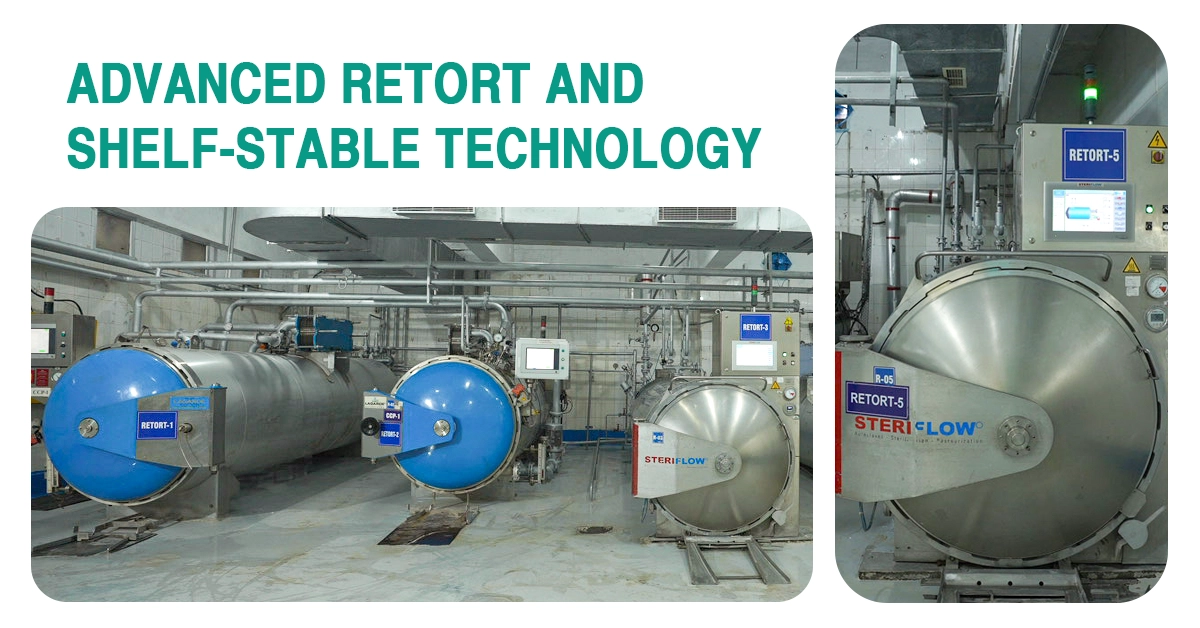
Advanced Retort and Shelf-Stable Technology

3. Advanced Retort and Shelf-Stable Technology

One of India’s strongest capabilities lies in retort processing for shelf-stable foods.

Retort technology heats sealed food pouches at approximately 121°C to eliminate harmful bacteria. This process:

  • Extends shelf life up to 18–24 months
  • Eliminates the need for preservatives
  • Maintains taste and nutritional value
  • Reduces cold-chain dependency

Shelf-stable meals are ideal for supermarkets, club stores, institutional buyers, and export markets.

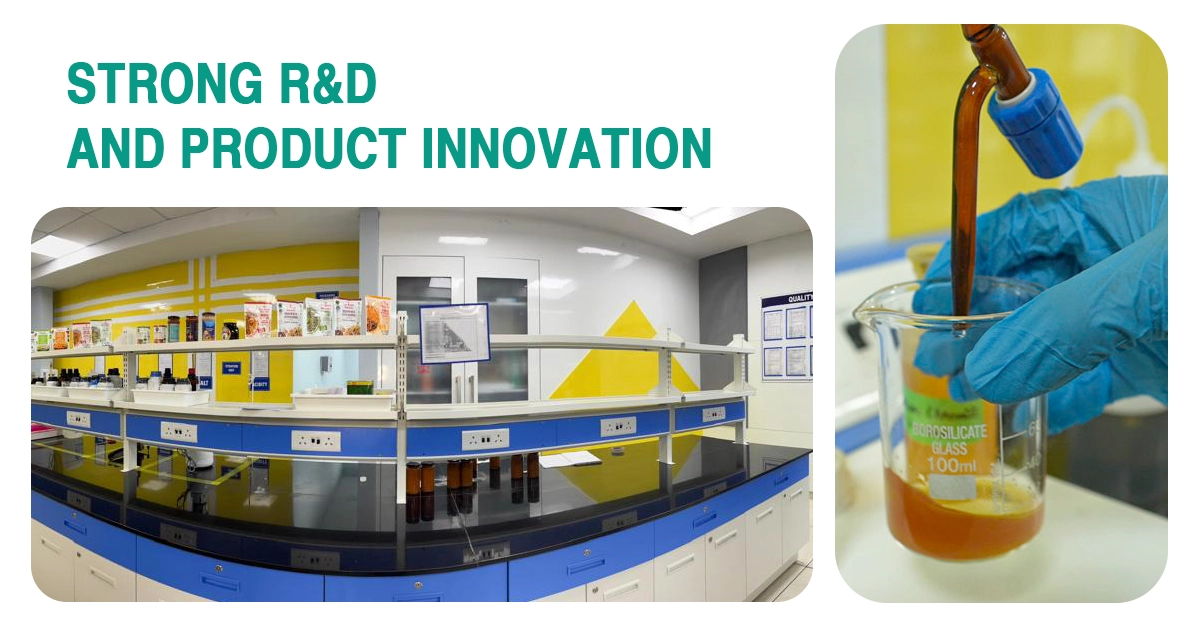
4. Strong R&D and Product Innovation

Retail markets evolve constantly. Consumers now demand:

  • Plant-based meals
  • Organic options
  • High-protein and high-fiber products
  • Multi-ethnic flavors
  • Clean-label formulations

The best food contract manufacturers maintain in-house R&D teams to develop customised SKUs and innovative recipes aligned with global food trends.

5. Robust Export and Supply Chain Infrastructure

Global retail success depends heavily on supply chain reliability. A strong private label manufacturer should provide:

  • Export documentation expertise
  • Efficient container loading systems
  • Warehousing capabilities
  • Inventory planning support
  • International logistics coordination

Reliable export systems reduce delays and ensure consistent shelf availability.

India’s Strength in Ready-to-Eat and Shelf-Stable Private Label Foods

India has built strong expertise in ready-to-eat private label food manufacturing, especially in shelf-stable categories such as:

  • Microwavable rice
  • Pasta meals
  • Plant-based entrées
  • Multi-ethnic curries
  • Simmer sauces

These products do not require refrigeration before opening, making them cost-efficient for global transport and retail storage.

Advanced retort processing and automated packaging systems allow Indian OEM food manufacturers to deliver consistent quality across large production volumes.

Experience and Industry Knowledge Matter

Retailers should prioritise manufacturers with 10+ years of export experience. Experienced partners understand:

  • International labelling regulations
  • Retail packaging formats
  • Pricing sensitivity in global markets
  • Consumer taste adaptation
  • Audit and compliance management

Industry experience reduces risk and improves long-term retail success.

Sustainability and Responsible Manufacturing

Modern retail buyers increasingly evaluate sustainability practices. Leading Indian private label manufacturers implement:

  • Recyclable or reduced-plastic packaging
  • Wastewater treatment systems
  • Ethical workforce policies
  • Responsible sourcing practices

Sustainable production strengthens retailer reputation and builds long-term partnerships.

Why Global Retailers Continue to Choose India

International supermarket chains are expanding their sourcing partnerships with Indian manufacturers because:

  • Quality standards meet global benchmarks
  • Technology is modern and scalable
  • Production costs remain competitive
  • Skilled R&D teams support innovation
  • Export systems are structured and efficient

India’s private label food sector now includes value-added, shelf-stable, plant-based, and ready-to-eat solutions, not just basic commodity products.

Partnering with the Right Private Label Manufacturer

Private label manufacturing is more than production; it is a long-term strategic partnership.

The right manufacturer collaborates with retailers to:

  • Develop custom SKUs
  • Optimise pack sizes for different store formats
  • Improve cost efficiency
  • Maintain consistent delivery schedules
  • Plan product line expansion

Strong communication, transparency, and compliance systems are essential for global retail success.

As a 100% export-oriented private label food manufacturer, Regal Kitchen Foods Limited supports global retailers with advanced retort processing, shelf-stable packaging solutions, scalable production systems, and international compliance standards designed for modern retail growth.

Conclusion

The demand for private label food products continues to grow across global retail markets. To support this expansion, retailers must work with experienced, certified, and scalable manufacturing partners.

The best private label food manufacturers in India combine:

  • International food safety certifications
  • Advanced processing technology
  • Large production capacity
  • Strong R&D innovation
  • Reliable export systems
  • Sustainable manufacturing practices

Choosing the right partner directly impacts retail profitability, brand loyalty, and long-term market expansion.

India will remain a key global hub for private label food manufacturing, especially in ready-to-eat and shelf-stable categories that support efficient, modern retail models.

Frequently Asked Questions (FAQs)

1. What is private label food manufacturing?

Private label food manufacturing is when products are produced by a manufacturer but sold under a retailer’s own brand name.

2. Why are retailers sourcing private-label food from India?

India offers competitive production costs, advanced food processing technology, strong export infrastructure, and globally recognised certifications.

3. What certifications should a private label food manufacturer have?

BRC, HACCP, GFSI recognition, and USFDA registration are important certifications for global retail supply.

4. Can Indian manufacturers handle large retail volumes?

Yes. Many Indian food contract manufacturers operate automated, scalable production lines suitable for high-volume international retail chains.

The post Best Private Label Food Manufacturers in India for Global Retail Growth appeared first on Regal Kitchen Foods.

Third-Party Food OEM Benefits

In today’s highly competitive food industry, brands are constantly looking for smarter ways to scale, reduce operational risks, and bring products to market faster. One of the most effective strategies to achieve this is partnering with a third party food OEM (Original Equipment Manufacturer). Whether you are a startup launching a new ready-to-eat line or an established distributor expanding your private label portfolio, third-party manufacturing can offer significant advantages.

This write-up explores the key benefits of third-party food OEM partnerships and why this model is becoming increasingly popular in the global food sector.

What Is a Third-Party Food OEM?

A third-party food OEM is a manufacturing partner that produces food products on behalf of another brand. The hiring company owns the brand and handles marketing and distribution, while the OEM manages production, packaging, quality control, and often compliance requirements.

This approach allows businesses to focus on branding and sales while leveraging the manufacturing expertise of specialised facilities.


1. Lower Capital Investment

Setting up a food manufacturing facility requires heavy capital investment in:

  • Machinery and equipment
  • Factory space and utilities
  • Skilled labor
  • Food safety certifications
  • Regulatory approvals

By working with a third party food OEM, companies eliminate the need to invest in infrastructure. This dramatically reduces upfront costs and financial risk. Instead of spending on factories, brands can allocate their capital toward marketing, distribution, and product innovation.

For growing companies, this flexibility can mean faster scaling without heavy debt burdens.

2. Faster Time to Market

Speed is critical in the food industry. Consumer trends change rapidly, and delays in production can result in missed opportunities.

An experienced OEM partner already has:

  • Production lines in place
  • Established supplier networks
  • Quality control systems
  • Packaging solutions

This allows brands to launch new products much faster compared to building in-house capabilities. For example, companies entering the ready-to-eat or ethnic foods segment can quickly introduce products without navigating the complexities of manufacturing setup.

3. Access to Expertise and Technology

Third party food manufacturers specialize in food production. They bring:

  • Technical knowledge
  • R&D support
  • Recipe standardization
  • Advanced processing technology
  • Food safety compliance expertise

Established manufacturers like Regal Kitchen Foods Limited operate with structured quality systems, standardized processes, and industry certifications that ensure consistent product quality.

This expertise is especially important for products requiring shelf stability, retort processing, or specialized packaging formats.

4. Scalability and Flexibility

Market demand is rarely constant. Seasonal spikes, promotional campaigns, and export opportunities can cause sudden increases in order volume.

With a Third-party food manufacturing partner, scaling production up or down becomes easier. You avoid the burden of idle machinery during low-demand periods and the stress of capacity shortages during high-demand seasons.

For businesses targeting international markets, companies such as Regal Kitchen Foods Limited offer the ability to produce large volumes while maintaining global quality standards, making expansion smoother and more reliable.

5. Focus on Core Competencies

Manufacturing is complex and operationally intensive. By outsourcing production, companies can focus on:

  • Brand building
  • Sales and distribution
  • Market expansion
  • Customer engagement
  • Product positioning

This strategic focus often leads to stronger brand growth. Instead of managing factory operations, leadership teams can dedicate time to scaling retail presence, strengthening B2B relationships, and developing marketing campaigns.

6. Regulatory and Compliance Support

The food industry is heavily regulated. Compliance requirements may include:

  • Food safety certifications
  • Labeling regulations
  • Export documentation
  • Ingredient traceability
  • Audit readiness

Experienced Third-party food manufacturing companies are already equipped to handle these requirements. This significantly reduces regulatory risks for brands entering new markets.

Partnering with a compliant manufacturer ensures that products meet domestic and international food safety standards, which is critical for retail and export success.

7. Consistent Quality Control

Quality consistency is essential for consumer trust. Third party food OEM facilities implement standardized processes to ensure:

  • Batch-to-batch consistency
  • Ingredient traceability
  • Proper storage and handling
  • Controlled cooking and packaging environments

A structured manufacturing partner minimizes quality variations and maintains product integrity across large production runs.


8. Customization and Private Label Opportunities

Many OEM manufacturers offer product customization and private labeling services. This enables brands to:

  • Develop unique recipes
  • Customize packaging
  • Target specific consumer segments
  • Enter niche markets

Private labeling through third party manufacturers is particularly attractive for retailers and distributors who want exclusive product lines without investing in their own manufacturing units.

9. Reduced Operational Risk

Owning and operating a food manufacturing plant involves operational risks such as:

  • Equipment breakdowns
  • Labor issues
  • Supply chain disruptions
  • Compliance penalties

By outsourcing production, these risks are shared or transferred to the OEM partner. This makes business operations more stable and predictable.

10. Competitive Advantage in Global Markets

As global demand for convenient, ready-to-eat, and ethnic foods continues to rise, Private label food manufacturing partnerships provide a competitive edge. Companies can enter new markets quickly, maintain quality consistency, and adapt to changing consumer preferences without major infrastructure investments.

This strategic model enables both emerging brands and established distributors to remain agile and competitive in a fast-evolving industry.

Conclusion

Third-party food OEM partnerships offer numerous advantages, including reduced capital investment, faster time to market, operational flexibility, regulatory support, and access to manufacturing expertise. In a market where speed, quality, and scalability determine success, outsourcing production can be a powerful growth strategy.

By collaborating with experienced manufacturers like Regal Kitchen Foods Limited, brands can streamline production processes while focusing on market expansion and brand development. As the food industry continues to evolve, third-party OEM manufacturing is not just a cost-saving solution; it is a strategic pathway to sustainable growth and global competitiveness.

The post Third-Party Food OEM Benefits appeared first on Regal Kitchen Foods.

Ready-To-Eat Indian Food: A Growing Force In The Global Convenience Market

The global demand for convenient, high-quality meals is rising rapidly and Ready-to-Eat Indian Food is at the forefront of this transformation. By combining authentic flavours with modern food processing technology, Indian ready meals are becoming a preferred choice for international retailers, food service operators, distributors, and private label brands.

With busy lifestyles, expanding urban populations, and increasing global exposure to Indian cuisine, Ready-to-Eat Indian Food is emerging as a scalable and profitable solution in the international food export market.

What Is Ready-to-Eat Indian Food?

Ready-to-Eat Indian Food includes fully cooked Indian meals that require minimal or no preparation before serving. These products are processed using advanced preservation methods such as retort technology, ensuring:

  • Long shelf life without refrigeration
  • Retention of taste, texture, and aroma
  • Nutritional stability
  • Compliance with international food safety standards

These meals are ideal for:

  • Supermarkets and retail chains
  • Airlines and railway catering
  • Corporate cafeterias
  • Hotels and resorts
  • Hospitals and educational institutions
  • Wholesale and distribution networks

By reducing cooking time and kitchen dependency, Ready-to-Eat Indian Food helps businesses improve operational efficiency while maintaining authentic taste.

Why Ready-to-Eat Indian Food Is Expanding Globally

1. Rising Demand for Convenient Ethnic Meals

Consumers worldwide are seeking quick meal options that do not compromise on flavor. Indian cuisine, known for its rich spices and comforting recipes, fits perfectly into the growing convenience food segment.

2. Increasing Popularity of Indian Cuisine

Global travel, cultural exchange, and digital exposure have increased international awareness of Indian food. As demand grows, Ready-to-Eat Indian Food offers a consistent and accessible way to enjoy traditional dishes.

3. Shelf-Stable Food Innovation

Modern retort packaging and hygienic processing allow Ready-to-Eat Indian Food to remain safe and fresh for extended periods without preservatives, making it ideal for export markets.

4. Growth of Retail and Private Label Brands

Retailers are expanding their ethnic food offerings. Partnering with Indian manufacturers allows them to launch private label Ready-to-Eat Indian Food products with lower investment and faster market entry.

5. Alignment with Plant-Based Food Trends

Indian cuisine naturally includes a wide variety of vegetarian and plant-based recipes, aligning with global demand for sustainable and meat-free food options.

Popular Categories in Ready-to-Eat Indian Food

The diversity of Indian cuisine makes it highly adaptable for global markets. Popular categories include

  • Traditional Indian Curries—Paneer gravies, chickpea curry (chole), kidney beans (rajma), and mixed vegetable dishes
  • Lentil Dishes (Dal)—Protein-rich vegetarian options
  • Rice-Based Meals—Jeera rice, pulao, and flavored basmati rice
  • Heat-and-Serve Indian Breads
  • Regional Specialties – Authentic dishes representing various states of India
  • Ready-to-Eat Breakfast Options

This wide range supports menu expansion across multiple food service formats.

Benefits of Ready-to-Eat Indian Food for Businesses

Operational Efficiency – Reduces preparation time and skilled labor requirements.
Cost Optimization—Lowers overhead expenses while improving margins.
Consistency in Taste and Quality – Ensures uniform flavor across batches and locations.
Reduced Food Waste—Longer shelf life improves inventory management.
Scalable Distribution – Easy to transport and store, making it export-friendly.

How Technology Supports the Ready-to-Eat Indian Food Industry

Retort Processing Technology

Meals are cooked and sealed in heat-resistant pouches, then sterilized to ensure food safety and extended shelf life at room temperature.

Automated Production Systems

Automation enhances consistency, improves efficiency, and minimizes human error.

Stringent Quality Control

Comprehensive testing ensures safety, hygiene, and nutritional standards across the supply chain.

Sustainable Packaging Innovations

Manufacturers are increasingly adopting eco-friendly packaging materials to meet global sustainability expectations.

Choosing a Reliable Ready-to-Eat Indian Food Manufacturer

When selecting an export partner, businesses should evaluate:

  • International food safety certifications
  • Production capacity and scalability
  • Advanced packaging capabilities
  • Customization options for spice levels and regional preferences
  • Private label manufacturing support

A reliable manufacturing partner plays a critical role in global market success.

Regal Kitchen Foods Limited: Certified Quality for Global Markets

A leading manufacturer in this space is Regal Kitchen Foods Limited, known for delivering premium Ready-to-Eat Indian Food solutions to international clients.

The company focuses on:

  • Authentic Indian recipes crafted for global tastes
  • Advanced retort processing infrastructure
  • Strict quality assurance systems
  • Scalable production capacity
  • Customised private label manufacturing

By combining traditional culinary expertise with modern food technology, Regal Foods Ingredient Limited enables retailers, distributors, and hospitality brands to expand their Ready-to-Eat Indian Food portfolios with confidence.

Future Trends in Ready-to-Eat Indian Food

The industry continues to evolve with emerging consumer preferences:

  • Clean-label and preservative-free products
  • High-protein and functional meal options
  • Premium gourmet flavors
  • Expansion of plant-based and vegan alternatives
  • Growth of online grocery and e-commerce platforms

These trends indicate sustained long-term growth for Ready-to-Eat Indian Food exports.

Conclusion

Ready-to-Eat Indian Food represents a strong growth opportunity in the global convenience food industry. With increasing demand for authentic ethnic flavors, shelf-stable innovation, and scalable production capabilities, Indian ready meals are well-positioned to meet international market needs.

For retailers, distributors, and food service operators, investing in Ready-to-Eat Indian Food is not just a trend, it is a strategic move toward long-term expansion in a rapidly evolving global food landscape.

The post Ready-To-Eat Indian Food: A Growing Force In The Global Convenience Market appeared first on Regal Kitchen Foods.

❌