Login
Login
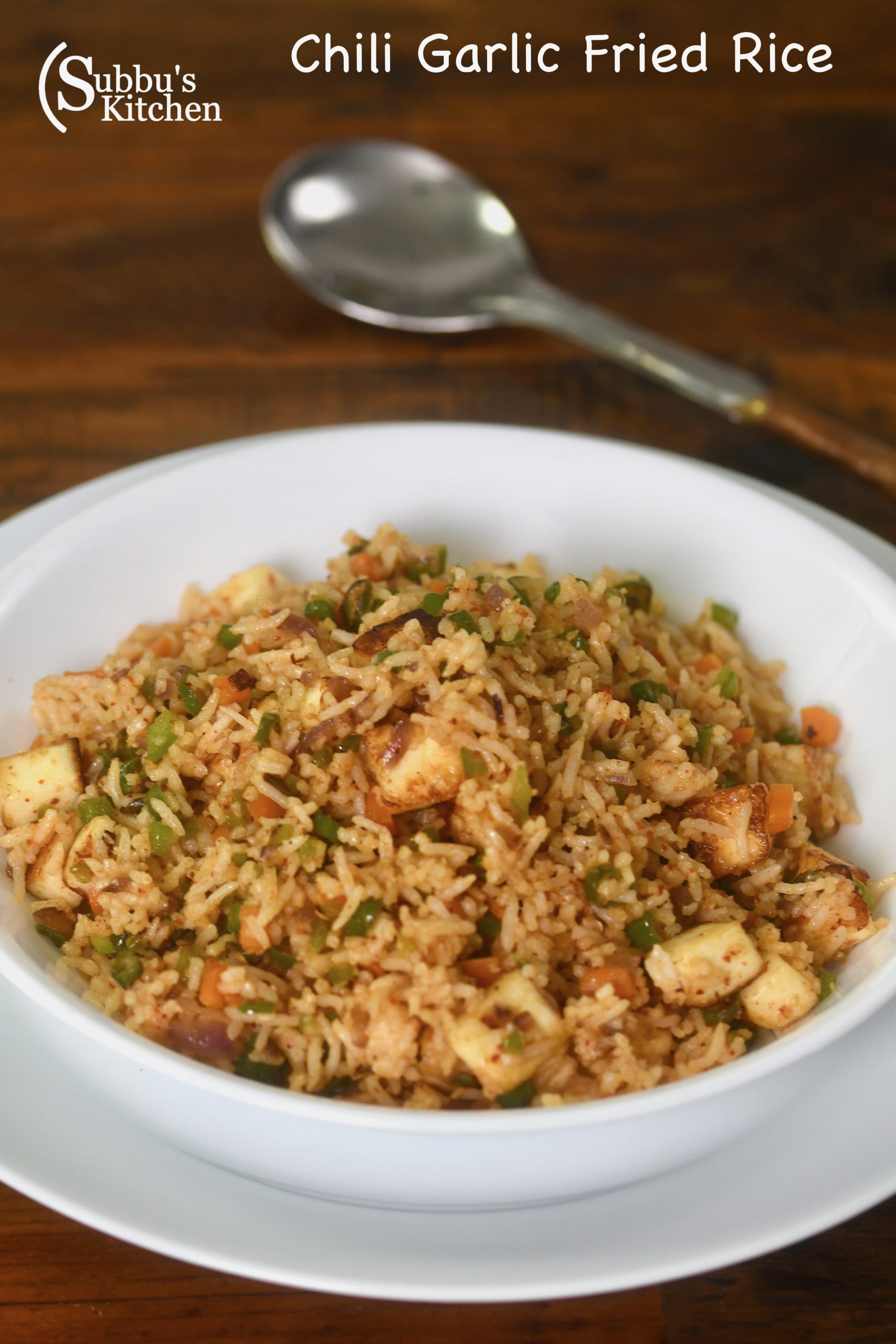
Chili Garlic Fried Rice
If you're craving a quick, flavor-packed meal that comes together in under 30 minutes, this Chili Garlic Fried Rice is a recipe you'll want to make again and again. Loaded with the bold flavors of fresh garlic, spicy chili, crisp vegetables, and perfectly seasoned rice, this Indo-Chinese favorite is incredibly satisfying and easy to customize with your favorite veggies. Whether you're looking for a delicious weeknight dinner or a way to transform leftover rice into something irresistible, this restaurant-style fried rice delivers the perfect balance of heat, aroma, and texture in every bite. Keep reading for all the tips and tricks to make it perfectly every single time!
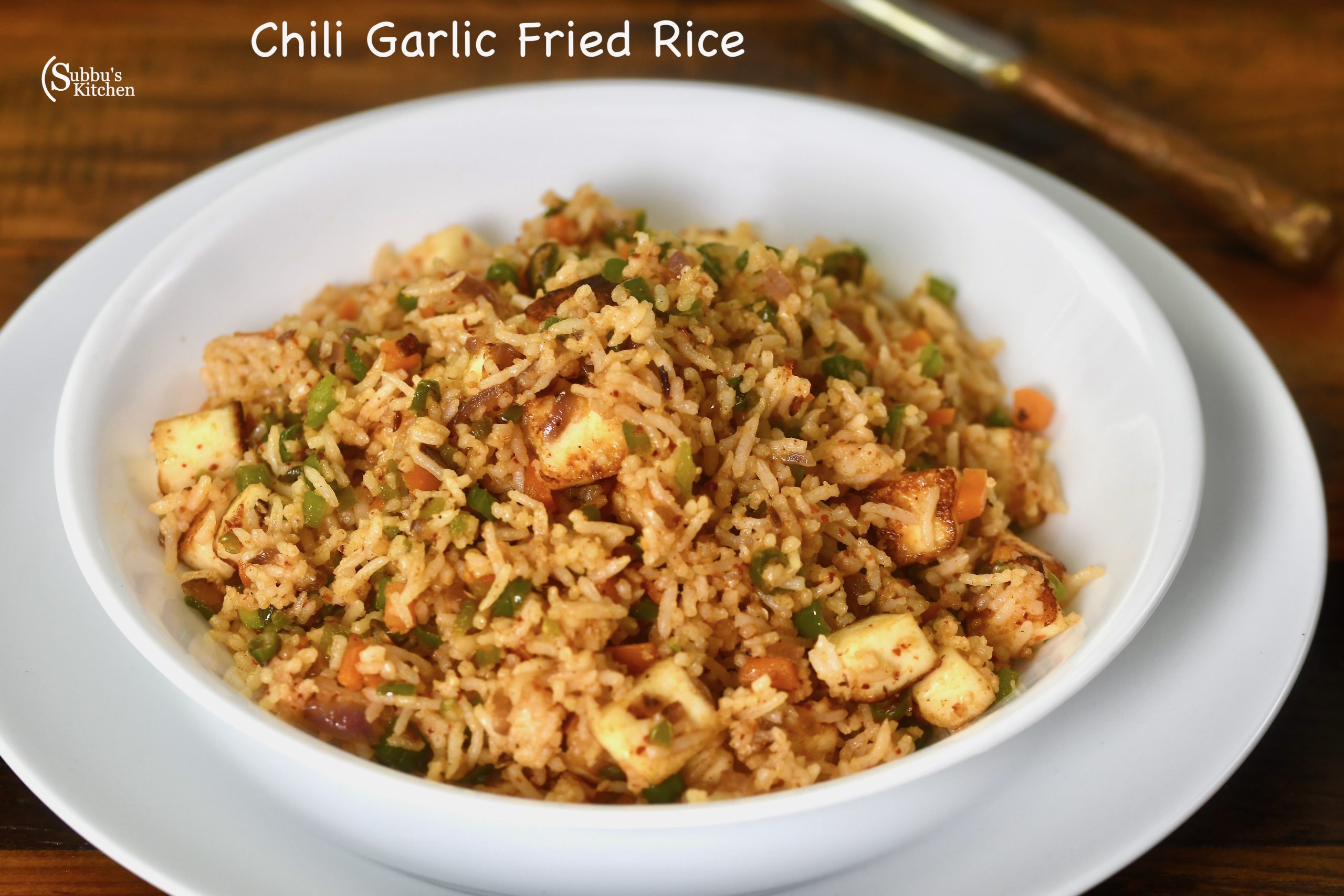
This Chili Garlic Fried Rice is inspired by my popular fried rice recipes on the blog, where simple ingredients come together to create restaurant-style flavors at home. If you enjoy Indo-Chinese cuisine, you'll also love my Vegetable Fried Rice, which is another quick and satisfying one-pot meal. To complete the meal, pair this spicy fried rice with Gobi Manchurian, Veg Manchurian, or Chilli Paneer for a delicious restaurant-style dinner that's perfect for family meals or weekend treats.
[feast_advanced_jump_to]Ingredients
The beauty of Chili Garlic Fried Rice lies in its simple pantry staples that come together to create bold, restaurant-style flavors. Fresh garlic and red chilies are the stars of this dish, infusing the rice with a rich aroma and just the right amount of heat. A colorful mix of vegetables adds crunch, texture, and nutrition. Using day-old cooked rice helps keep each grain separate, resulting in perfectly fluffy fried rice instead of a mushy texture. Together, these ingredients create a quick, satisfying meal that's packed with flavor in every bite.
- Cooked rice (preferably day-old)
- Fresh Garlic
- Red chilies
- Onion
- Carrot
- Capsicum (bell pepper)
- Salt
- Oil (preferably sesame oil or any neutral cooking oil)
See recipe card for quantities.
Instructions
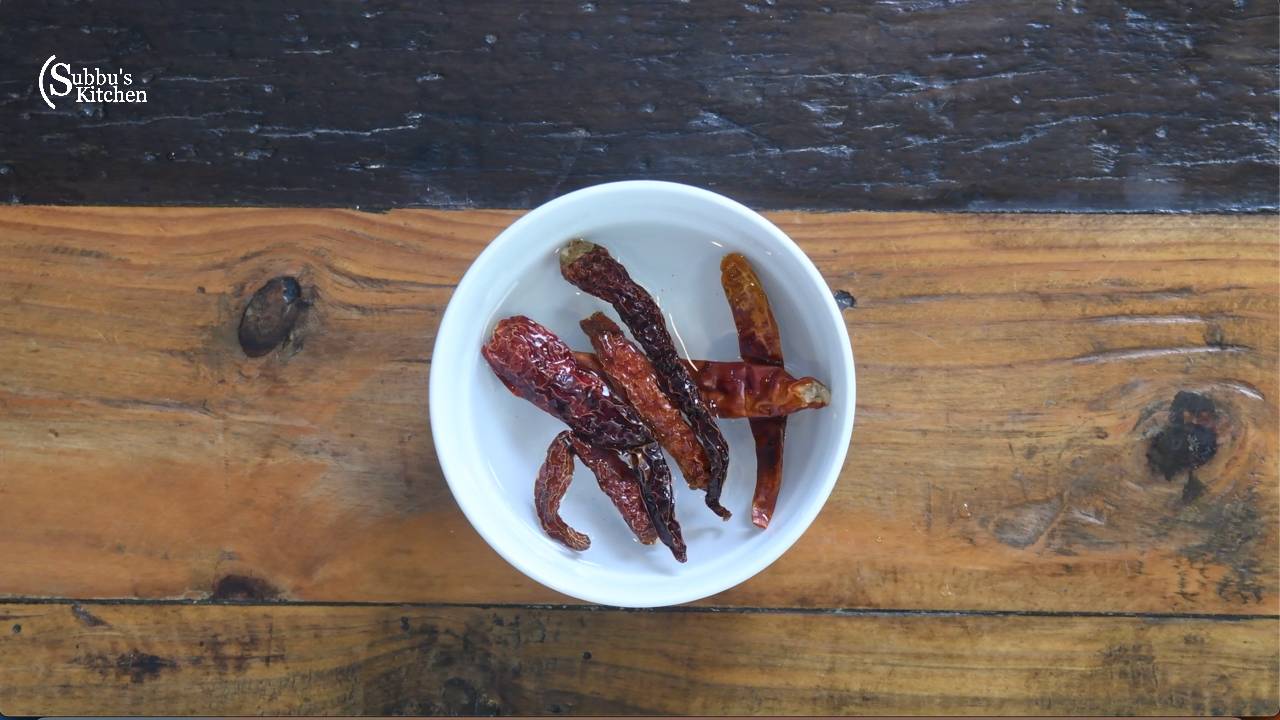
- Soak the dried red chilies in warm water for about 10 minutes until they soften.
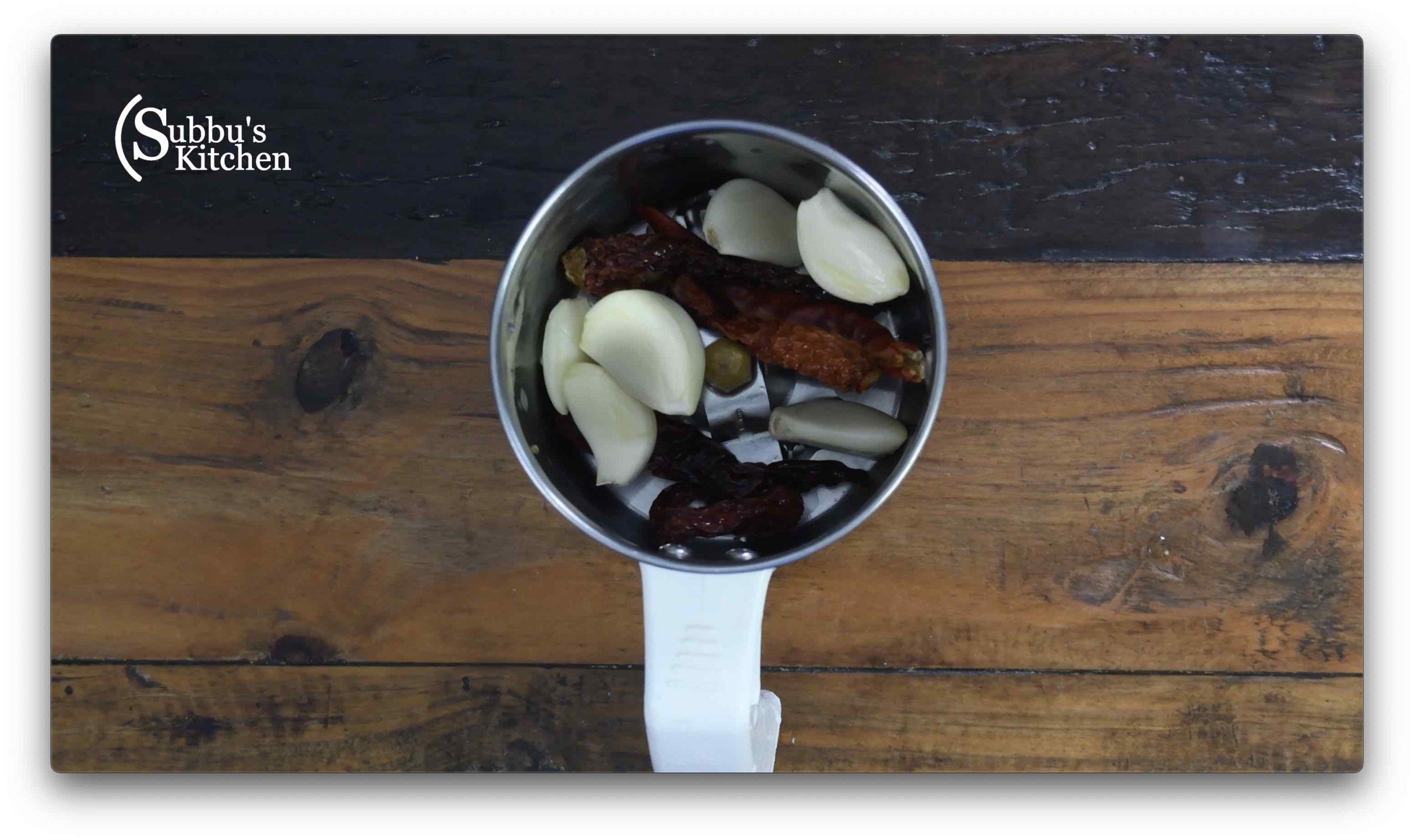
- Drain the soaked chilies and transfer them to a mixer jar. Add the garlic cloves and grind into a smooth chili-garlic paste. Set aside.
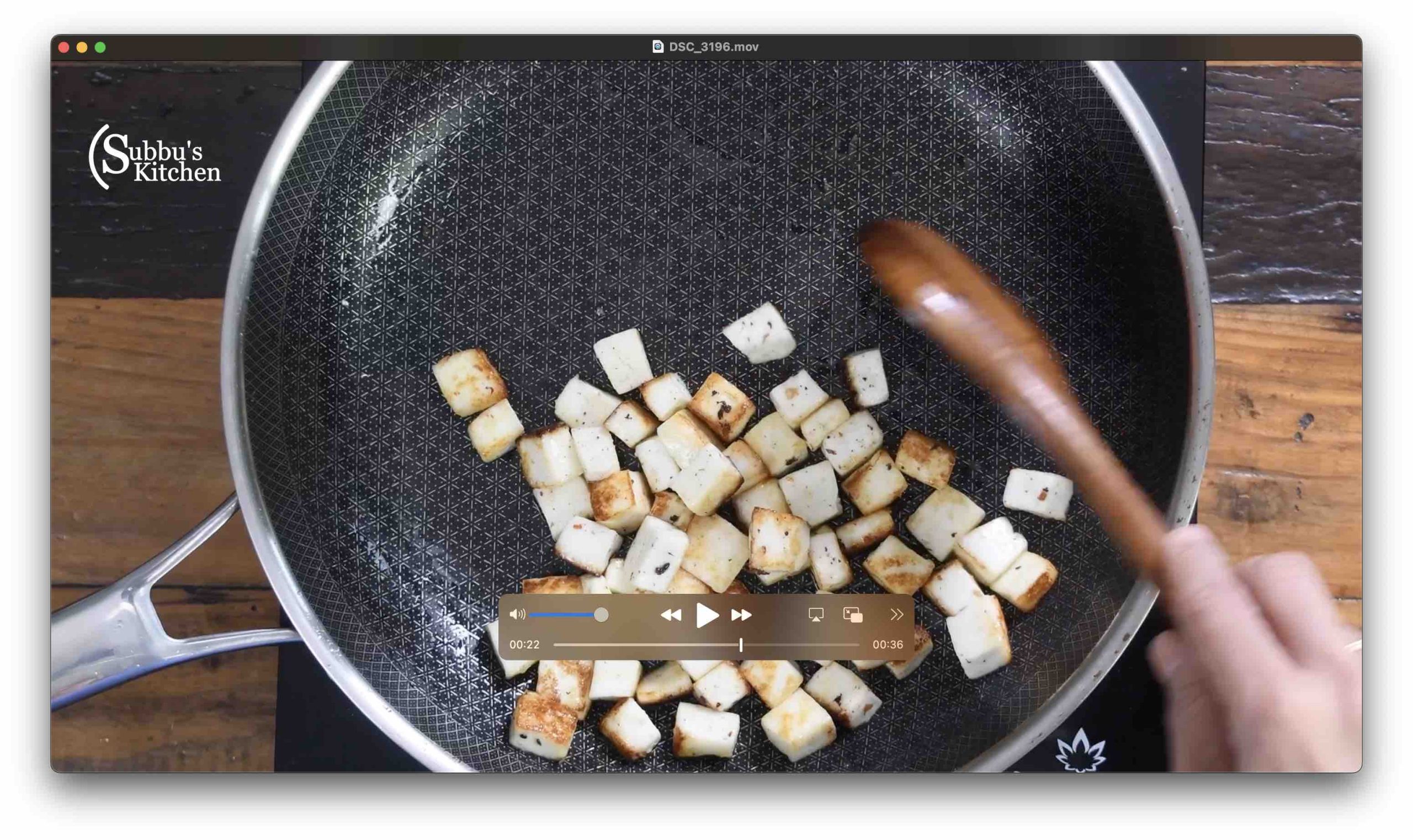
- Heat 1 tablespoon of oil in a wok or large pan over medium heat. Add the paneer cubes and sauté until they are lightly golden on all sides. Remove the paneer from the pan and keep aside.
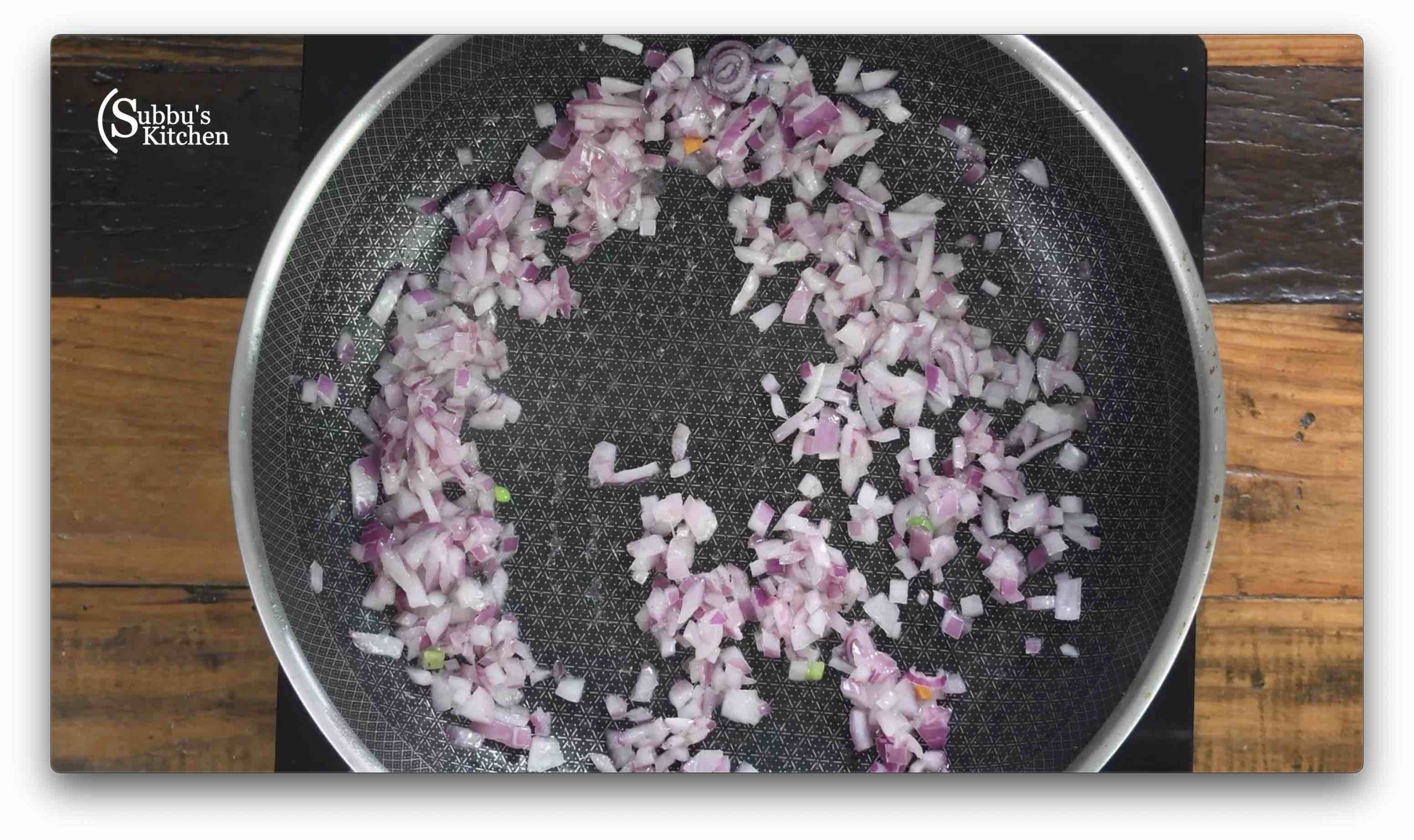
- In the same pan, add a little more oil if needed. Add the finely chopped onions and sauté until they turn soft and translucent.
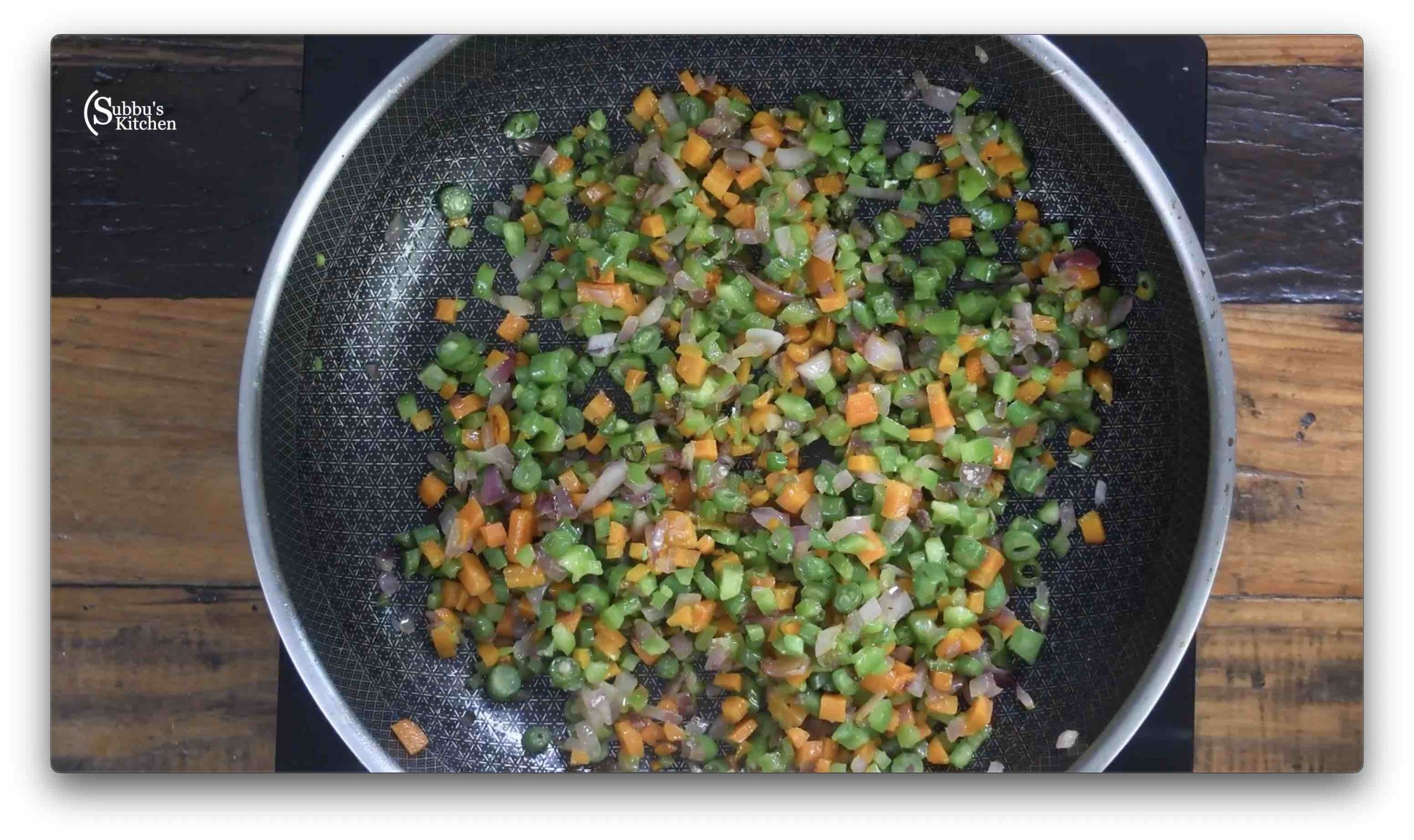
- Add the chopped beans and carrots, then stir-fry over high heat for 2–3 minutes until they are slightly tender but still crisp.
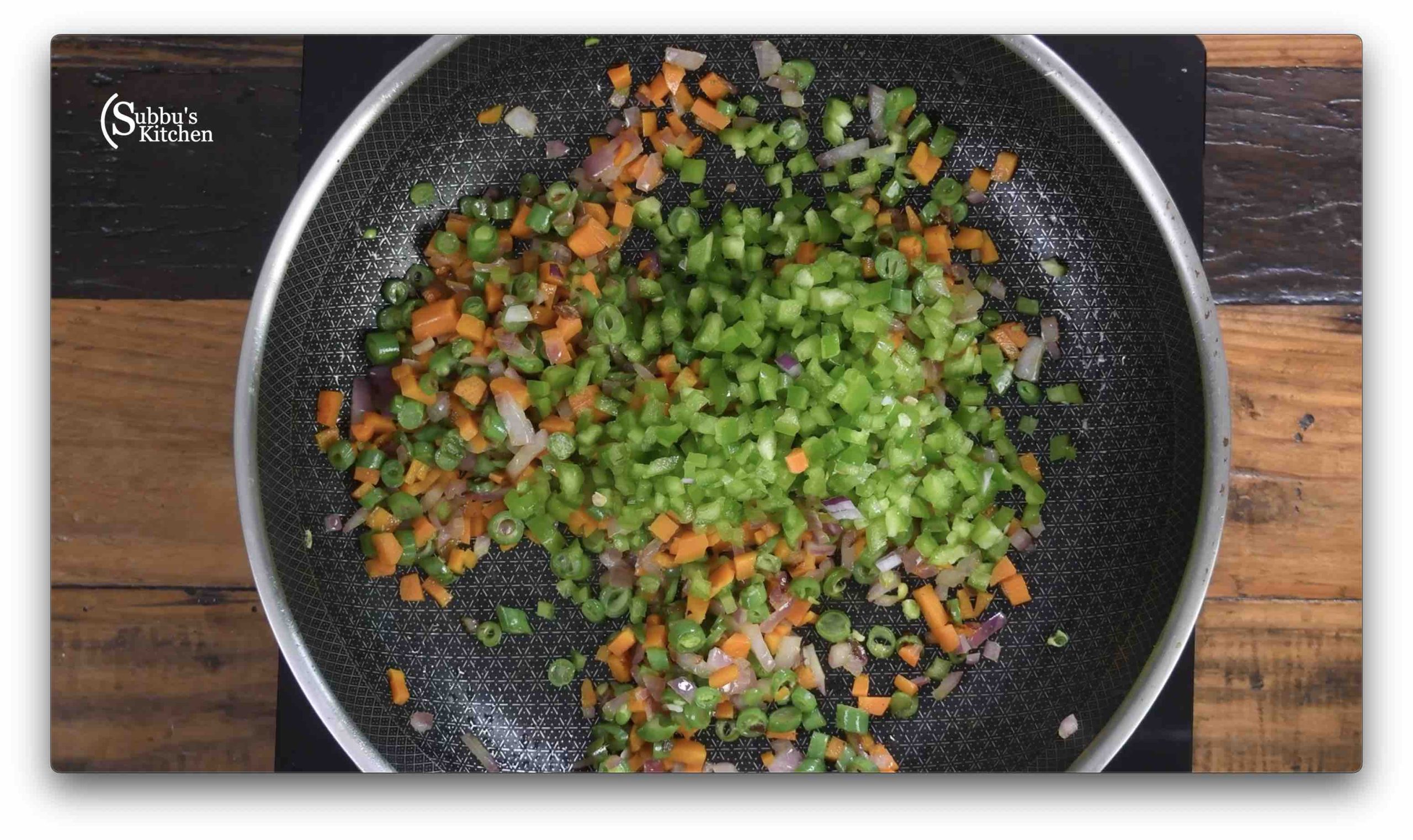
- Add the chopped capsicum and continue stir-frying for another 1–2 minutes. Season with salt and cook until the vegetables are tender yet retain their crunch.
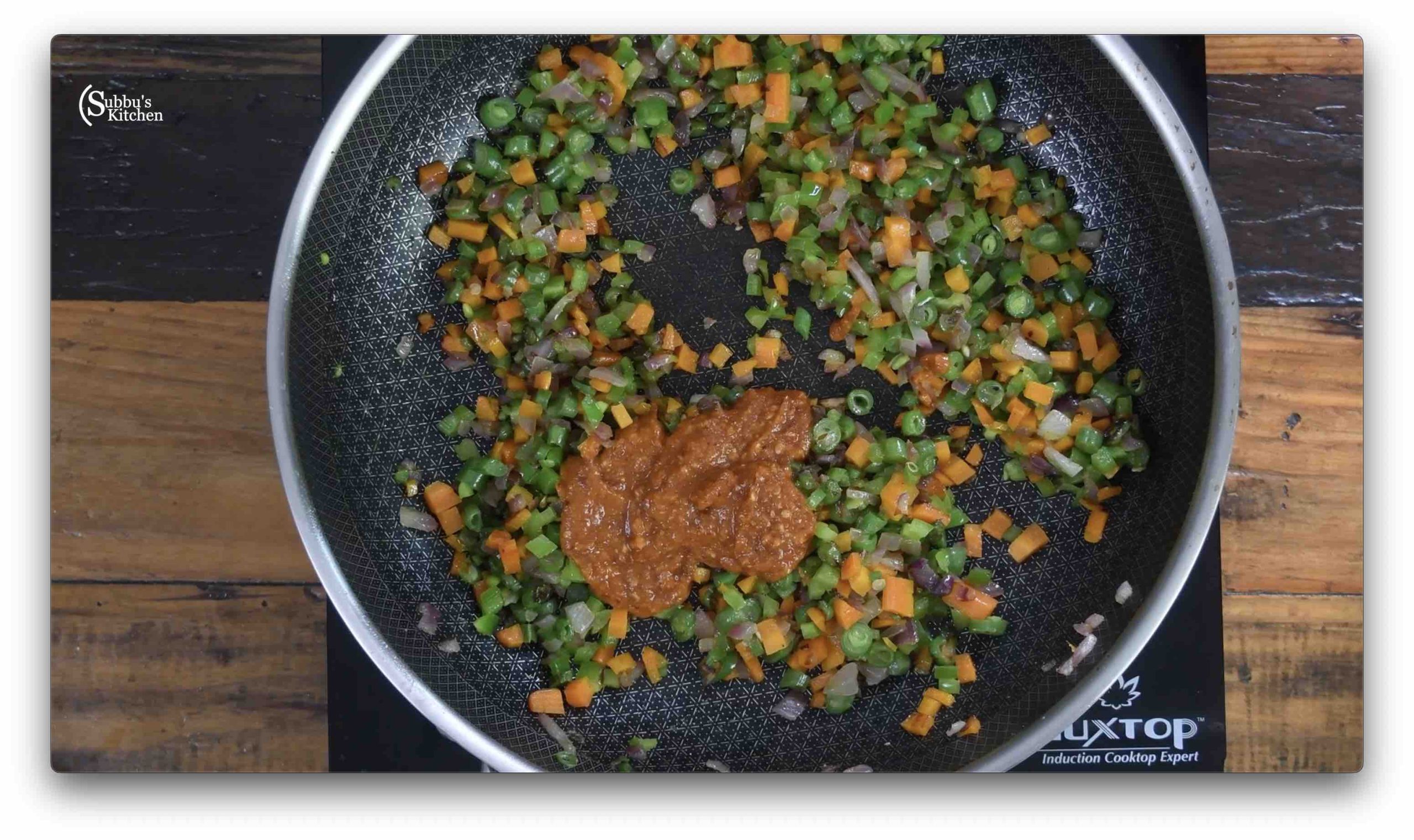
- Add the prepared chili-garlic paste and sauté for 1–2 minutes until the raw aroma disappears and the mixture becomes fragrant.
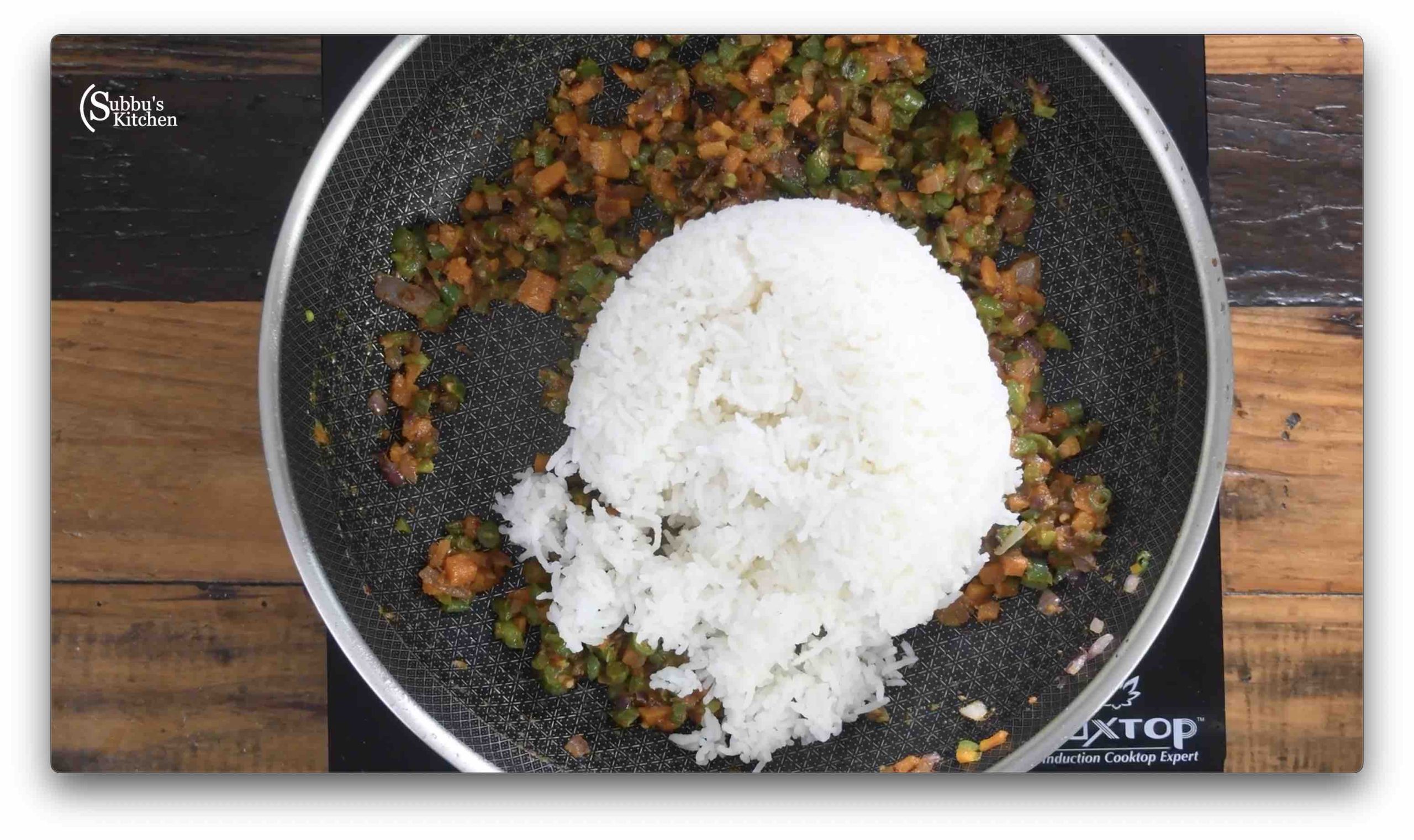
- Add the cooked rice and gently toss everything together, ensuring the rice is evenly coated with the spicy chili-garlic mixture. Adjust the salt if needed.
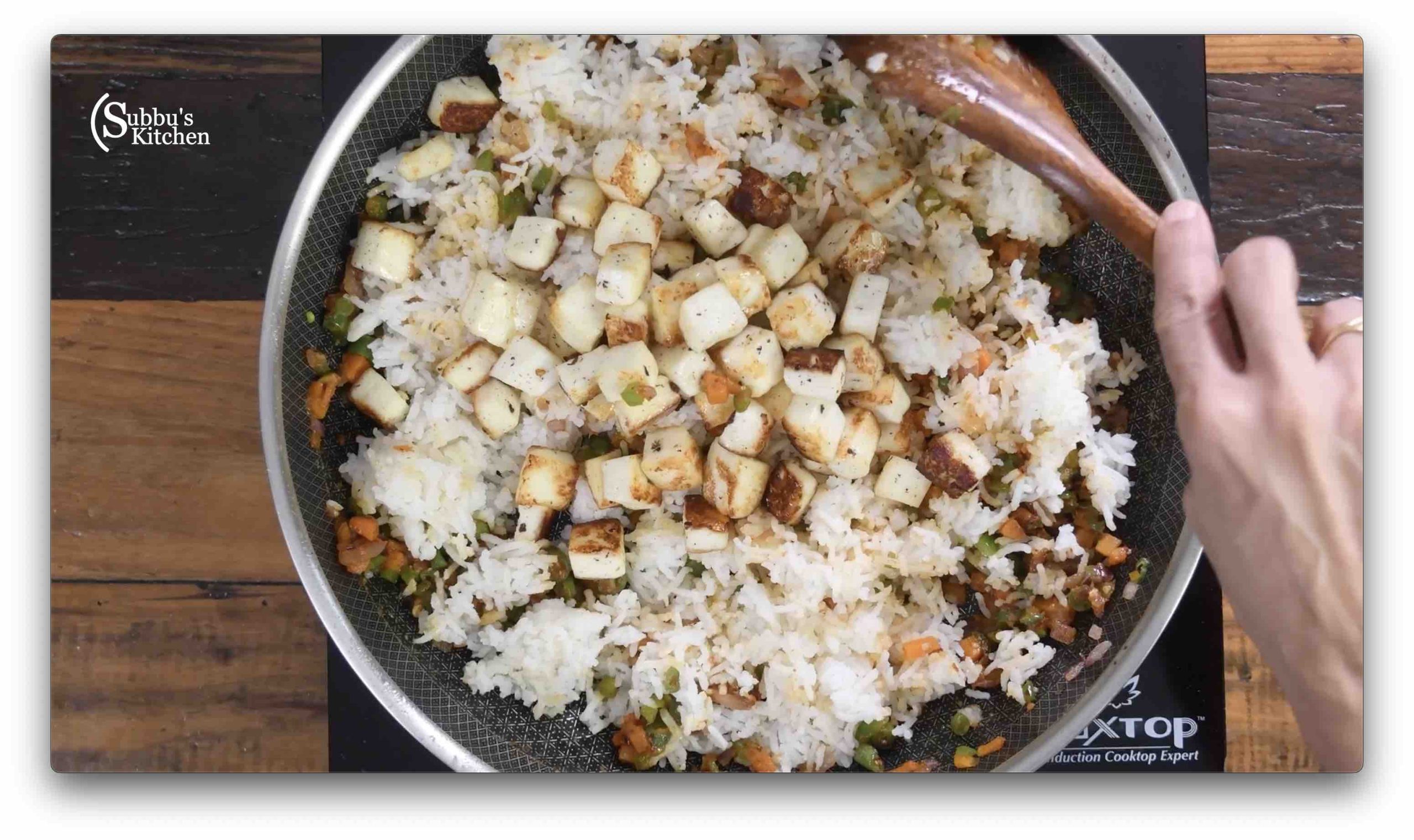
- Return the sautéed paneer to the pan and gently mix until well combined without breaking the paneer cubes.
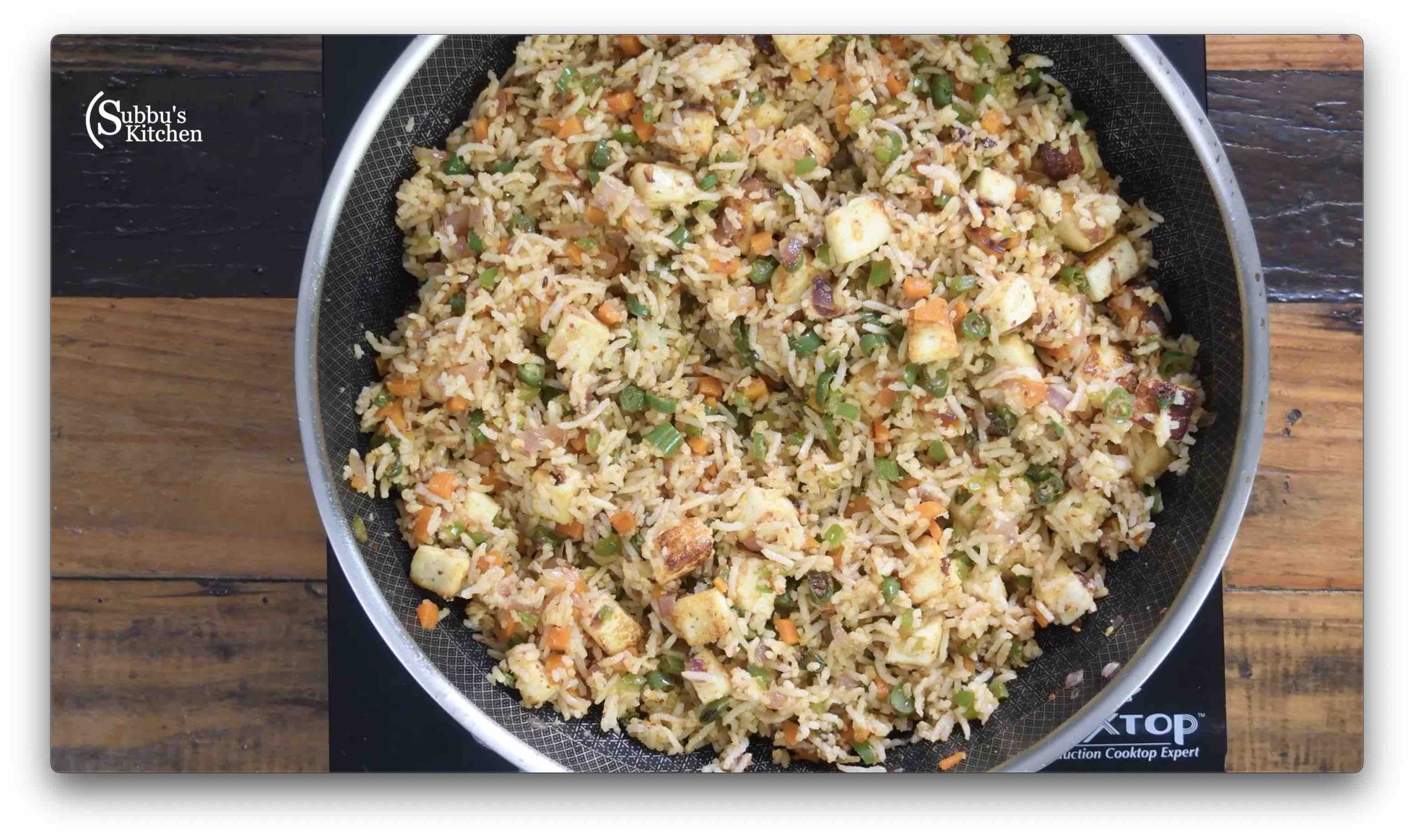
- Serve the Chili Garlic Paneer Fried Rice hot on its own or with your favorite Indo-Chinese side dish.
Hint: Freshly cooked rice can turn mushy. Spread the rice on a plate and let it cool completely before using if you don't have leftover rice.
This recipe is easy to customize based on what you have on hand. Here are a few simple substitutions:
- Paneer: Replace paneer with tofu for a vegan version, or use mushrooms for a hearty vegetarian alternative.
- Rice: Day-old cooked basmati rice works best, but you can also use jasmine rice, sona masoori rice, brown rice, or even quinoa for a healthier twist.
- Dried Red Chilies: Substitute with red chili flakes, Kashmiri chili powder (for color with less heat), or fresh red chilies.
- Garlic: Fresh garlic provides the best flavor, but garlic paste can be used if you're short on time.
- Vegetables: Feel free to swap or add vegetables such as cabbage, sweet corn, green peas, broccoli, baby corn, or mushrooms based on your preference.
- Capsicum: Use any color bell pepper—green, red, yellow, or orange—for added sweetness and color.
- Oil: Sesame oil adds an authentic Indo-Chinese flavor, but any neutral cooking oil such as sunflower, canola, or peanut oil works well.
These substitutions let you adapt the recipe to suit your dietary needs while still enjoying a delicious, spicy, and flavorful Chili Garlic Paneer Fried Rice.
Variations
One of the best things about Chili Garlic Paneer Fried Rice is how versatile it is. Try these delicious variations to suit your taste:
- Restaurant-Style Version: Add a teaspoon of chili sauce along with the chili-garlic paste for a bolder Indo-Chinese flavor.
- Extra Spicy: Increase the number of dried red chilies or add red chili flakes or finely chopped bird's eye chilies for more heat.
- Vegan Version: Replace paneer with firm tofu and use a vegan-friendly soy sauce if needed.
- Vegetable Chili Garlic Fried Rice: Skip the paneer and load the dish with extra vegetables like cabbage, mushrooms, baby corn, broccoli, green peas, or sweet corn.
- Protein-Packed Version: Add edamame, roasted peanuts, or crispy tofu for additional protein.
- Schezwan Fried Rice: Mix in 1–2 tablespoons of Schezwan sauce for a spicy, tangy twist.
- Brown Rice Version: Use cooked brown rice or millet instead of white rice for a more wholesome meal.
- Kid-Friendly Version: Reduce the number of chilies and add more colorful vegetables like sweet corn and carrots for a milder flavor.
These variations make it easy to customize the recipe based on your family's preferences while keeping the bold chili-garlic flavor as the star of the dish.
Top Tip
The key to perfect Chili Garlic Paneer Fried Rice is using day-old chilled rice. Cold rice is firmer, making it easier to stir-fry without breaking or turning mushy. Cook the vegetables over high heat so they stay crisp, and sauté the chili-garlic paste until it becomes fragrant before adding the rice. Finally, toss everything gently to keep the rice grains separate and the paneer cubes intact for a delicious restaurant-style texture.
Related
Looking for other recipes like this? Try these:



Pairing
These are my favorite dishes to serve with this recipe:




Recipe Card
Chili Garlic Fried Rice
Equipment
- 1 Heavy Bottomed Pan
- 1 Mixer Grinder
Ingredients
- 2 Cups Cooked Rice
- 6 Nos Red Chili
- 6 Nos Garlic cloves
- 200 gms Paneer Cubed
- 1 No Onion Finely Chopped
- 20 Nos Beans Finely Chopped
- ½ No Green Capsicum Finely Chopped
- 1 No Carror Peeled and finely chopped
- 2 teaspoon Salt Adjust as needed
- 5 tablespoon Cooking Oil
Instructions
- Soak the dried red chilies in warm water for about 10 minutes until they soften.6 Nos Red Chili, 6 Nos Garlic cloves
- Drain the soaked chilies and transfer them to a mixer jar. Add the garlic cloves and grind into a smooth chili-garlic paste. Set aside.
- Heat 1 tablespoon of oil in a wok or large pan over medium heat. Add the paneer cubes and sauté until they are lightly golden on all sides. Remove the paneer from the pan and keep aside.5 tbsp Cooking Oil, 200 gms Paneer
- In the same pan, add a little more oil if needed. Add the finely chopped onions and sauté until they turn soft and translucent.5 tbsp Cooking Oil, 1 No Onion
- Add the chopped beans and carrots, then stir-fry over high heat for 2–3 minutes until they are slightly tender but still crisp.20 Nos Beans, ½ No Green Capsicum, 1 No Carror
- Add the chopped capsicum and continue stir-frying for another 1–2 minutes. Season with salt and cook until the vegetables are tender yet retain their crunch.½ No Green Capsicum, 2 tsp Salt
- Add the prepared chili-garlic paste and sauté for 1–2 minutes until the raw aroma disappears and the mixture becomes fragrant.
- Add the cooked rice and gently toss everything together, ensuring the rice is evenly coated with the spicy chili-garlic mixture. Adjust the salt if needed.2 Cups Cooked Rice
- Return the sautéed paneer to the pan and gently mix until well combined without breaking the paneer cubes.
- Garnish with chopped spring onions, if desired, and serve the Chili Garlic Paneer Fried Rice hot on its own or with your favorite Indo-Chinese side dish.
Nutrition
The post Chili Garlic Fried Rice appeared first on Subbus Kitchen.