Reading view

There are new articles available, click to refresh the page.

AnnYatra Rajouri Garden: Vegetarian Food That Even Non Vegetarians Will Love

There are restaurants that focus on presentation and others that focus on trends. And then there are places like AnnYatra that quietly bring comfort, nostalgia and honest flavours to the table. In a city overflowing with dining options, AnnYatra at Rajouri Garden stands out as a fine dine vegetarian restaurant that celebrates regional Indian cuisine with warmth and elegance.

The first thing that strikes you at AnnYatra is the soothing blue and white interiors. The space feels inviting without trying too hard. There is a calmness here that instantly slows you down and prepares you for a leisurely meal. Even on a packed Mother’s Day afternoon, the restaurant never felt chaotic.

My meal at AnnYatra began with a refreshing jamun based drink made with real pulp and finished with a rim of chaat masala. Sweet, tangy and earthy, it was the kind of drink that immediately wakes up your palate.

The palak patta chaat at AnnYatra deserves special mention. The spinach leaves had an extremely thin batter, making every bite wonderfully crunchy. Paired with chilled sweet yogurt, it was impossible to stop at one. This is one dish that balances texture and flavour beautifully.

Then came the tomato dhaniya shorba, loaded with flavour and little bites of garlic. Everyone on the table loved it. The sweetness and acidity of the tomatoes were perfectly balanced and the flavours instantly reminded me of the tomato soup we used to make at home during childhood. If you have had the famous tamatar chaat at Varanasi, you won’t only find AnnYatra version close but slightly better. Perhaps the airconditioned ambience played its part.

The mushroom galouti was another standout. Served on a thin crisp biscuit, the soft kebabs got the perfect contrasting bite. I am usually not very fond of paneer dishes, but the paneer here at AnnYatra genuinely impressed me. The quality of the paneer was evident from the softness, while the stuffing of thecha and nuts added layers of flavour that most restaurants often miss by making paneer bland. My friends at the table could not stop praising the thatte idli either.

In the mains, AnnYatra truly came into its own. The kurkuri bhindi was addictive, the dal tadka comforting, and the Rajasthani papad ki churi packed with flavour. And then came the Punjabi kadhi. My wife makes an excellent kadhi, but this one was honestly even better. I only hope she does not read this article, otherwise I may be forced to eat most of my meals at AnnYatra from now on. The kathal pulao too was outstanding with robust flavours and excellent balance.


One dish that surprised me was the paneer with roughly chopped tomatoes. Simple on paper, but executed so well that it became memorable. Since we were a large group, I also got to try the dal baati churma. While I felt the churma could have been better, the dal, baati and generous ghee were absolutely delicious.

The meal at AnnYatra ended on a high with one of the most enjoyable rabdi ras malai desserts I have had in recent times. Rich, cold and sinful, it was the perfect finale.

What also deserves appreciation is the service at AnnYatra. Despite the restaurant being completely packed for Mother’s Day, the staff served every table with a smile. There was no rushed service, no pressure to vacate tables quickly, and they genuinely allowed guests to relax and enjoy time with family and friends.

Check out this small Instagram reel from the restaurant: https://www.instagram.com/reel/DYMDtbuz0F9/?igsh=MWl5YTl5a2J4b3Y0eA==

AnnYatra is honestly a breath of fresh air in Delhi’s vegetarian dining scene. It proves that vegetarian food can be equally exciting and satisfying even for hardcore non vegetarians. The biggest compliment I can give AnnYatra is this: despite overeating at lunch, there was absolutely no heaviness afterwards. By evening, I was comfortably ready for dinner again. And that says a lot about the quality and balance of food being served here.

Address: AnnYatra, 1st Floor, RCube Monad Mall, Rajouri Garden, New Delhi | Phone: 9899387373


China Club Gurgaon: 23 years and Rocking

Gurgaon is barely 25 years old as a city, yet its dining scene has already seen multiple cycles of rise and reinvention. In the middle of this constant churn stands China Club, a restaurant that has quietly held its ground for over two decades (23 years to be precise). In a market where standalone fine dining rarely survives, its longevity is not just rare, it is telling. Backed by IndiGo and cushioned by an owned space, it may have had structural advantages. But that alone does not explain why it continues to draw diners while food hubs around it have kept shifting from Sector 29 to Cyber Hub to Golf Course Road to its neighbouring hub called Kitchens. China Club has stayed put on MG Road and, over time, built a loyal following without chasing trends.

Walking in after several years, what strikes you first is consistency. The décor has barely changed, yet it does not feel tired. The seating remains comfortable, the space familiar. Service carries an old world charm, warm but not always sharp. There were moments when we had to remind the staff to serve dishes or refill drinks. It does not break the experience, but it does stand out in today’s more polished service environments.

I made the mistake most returning diners do. I over ordered. After seven or eight years, I had forgotten just how generous their portions are. We ordered like we would at any other restaurant and ended up packing a significant part of the mains.

The meal began on an average note. The hot and sour soup lacked the expected punch and needed a bit of chilli sauce to come alive. But things picked up quickly. The crispy fried butterfly prawns with ginger were outstanding, easily the highlight of the starters and worth returning for. The barbecue pork belly was well executed in flavour and texture, though it arrived at room temperature, which dulled its impact slightly.

In the dim sum section, the boiled vegetable dumplings worked well and were appreciated at the table. The spicy pork dumplings, however, were a miss. Dry filling and a wrapper that felt less than fresh made it the only dish we chose to leave unfinished.

The mains are where China Club reminds you why it has lasted this long. The black pepper lobster was excellent. The sliced chicken with black fungus, suggested by our server, was a smart recommendation. Even the fish hotpot, not listed on the menu, turned out to be a strong addition. Each dish carried depth, balance and a sense of familiarity that comes from a kitchen that knows exactly what it is doing. The portion sizes, especially the Hakka noodles and fried rice, add real value when dining as a group.

Desserts, however, remain an afterthought. They do the job, but there is nothing here that lingers in memory. This is one area where the restaurant could easily raise its game.

There is a certain threshold a restaurant crosses after two decades. It stops being just another option and begins to earn the tag of an institution. China Club is almost there, not because it has reinvented itself, but because it has stayed consistent while everything around it kept changing.


Address: China Club, Lobby Level, Tower C, Global Business Park, Mehrauli Gurgaon Road (MG Road), Sector 26, Gurgaon | Phone: 9999025800

13th Edition of The Big F Awards Reinforces Commitment to Fair Evaluation and Credible Selection

New Delhi, 4th May 2026: The Big F Awards will return with its 13th edition, bringing together industry voices and emerging talent for an evening focused on recognition through a structured and transparent system. Scheduled to take place in The Westin Gurgaon, on 16th September 2026, the upcoming edition continues to build on a format that prioritizes merit-led selection.

The platform follows an inclusive model, inviting participation from across categories and ensuring entries are assessed without bias. This approach allows professionals and brands from varied backgrounds to present their work before an independent panel. As a truly democratic set of awards, it is defined by a transparent, rigorous, and genuinely impartial jury process.

A distinguished panel has been assembled for this edition, featuring Chef Nita Mehta, Chef Kunal Kapur, Chef Ashish Bhasin, Chef Sabyasachi Gorai, Pawan Soni, Diwan Gautam Anand, Sameer Bawa, Khurafati Nitin, Rocky Singh, and Anirudh Singhal. Their combined experience across culinary arts, hospitality, media, and business brings range and perspective to the review process.

The evaluation framework is designed with defined stages and clear parameters. Submissions move through screening and scoring rounds, guided by criteria that ensure consistency and clarity at all levels. This method strengthens confidence in the outcome and supports a fair selection process.

Sharing his perspective ahead of the awards, Pawan Soni, Host Big F Awards explained that the awards aim to recognize work that often goes unnoticed, especially from emerging players and smaller formats that rarely find space on larger platforms. “The team has worked to ensure wider outreach so that participation is not limited by scale or visibility. He also pointed out that the response over the years has grown steadily, with entries coming in from new players and formats. The intent is to build a platform that reflects the diversity of the industry, where different voices, ideas, and formats find equal opportunity for recognition without building unnecessary categories,” he noted. With entries from across segments and with already 50,000+ public votes, the 13th edition is shaping up to be a strong showcase of work from across the industry. The final winners will be revealed at the awards ceremony, as always

Amritsar’s New Appetite: From Kulchas to Crystal Glassware

For decades, Amritsar was defined by the crackle of tandoors and the unmistakable aroma of butter-laden kulchas. The city did not just serve food, it served emotion on steel plates, often eaten standing, elbows brushing against strangers who quickly became part of the experience. Fine dining was never the point. Flavour was.

But something has been quietly shifting.

A new generation, a rising affluent class, and a more travelled audience have begun to demand something beyond nostalgia. They want experience. They want aesthetics. They want a story plated as carefully as the food itself. And Amritsar, surprisingly yet confidently, is responding.

From Streets to Statements

The transformation is not about replacing the old. The kulcha still rules. The langar still humbles. But alongside this legacy, a parallel dining culture is emerging. One that embraces design, global cuisine, curated menus, and Instagram-friendly spaces.

What used to be a city of quick indulgence is now learning the art of lingering.

The Beach Comes to Punjab

Step into Elgin Cafe and you almost forget where you are. Tucked away in the Cantonment area, the space leans into a relaxed, almost coastal vibe. Think lush greens, open airy sections, and an ambience that feels closer to a beachside café than a North Indian city.

It is designed as a day to night destination, where brunch conversations melt into cocktail evenings with live music and curated menus spanning Italian and global flavours.

The charm here lies in its escapism. It offers Amritsar something it never really asked for before, but now seems to enjoy. A pause. A setting. A mood.

Zen, Space, and Scale

If Elgin Cafe whispers, Grain By Elgin speaks in a more confident tone.
Located in Ranjit Avenue, this expansive, nearly 250 seater space represents a different kind of ambition. It is large, modern, and deliberately designed to feel global. The menu travels from sushi to Mediterranean plates, while the interiors aim for a calm, almost zen like vibe that distances itself from the chaos of traditional dining.

This is not just a restaurant. It is a signal. That Amritsar is ready to host scale driven, high spend dining experiences where the evening is as much about the setting as it is about the food.

Heritage Reimagined

And then comes the most telling sign of change. The arrival of spaces like The Governor House.


An old haveli (Circuit House) transformed into a modern Indian fine dining destination, it brings together the past and the present in a way that feels both respectful and aspirational.

White table cloth service, live piano, and a focus on refined Indian cuisine mark a sharp departure from the city’s traditionally informal dining culture.

This is not nostalgia. This is reinvention.

The haveli is no longer just a relic. It is now a stage.

A City Learning to Dress Up

What is fascinating is not just the emergence of these restaurants, but what they represent.

Amritsar is no longer eating out just to eat. It is dressing up, reserving tables, choosing wines, and occasionally, lingering over dessert instead of rushing back to the next bite.

There is a clear shift from consumption to experience.

And yet, the soul of the city remains intact. Just a few kilometres away from these swanky spaces, you will still find queues outside a kulcha joint at 9 in the morning.

That duality is what makes this transition so compelling.

The Road Ahead

Will Amritsar ever become a full blown fine dining capital? Perhaps not in the traditional sense.

But it does not need to.

What it is becoming is far more interesting. A city where heritage and aspiration coexist. Where a traveller can begin the day with a plate of chole kulche and end it under soft piano notes in a restored haveli.

And somewhere in between, pause at a café that feels like Goa and dine in a space that feels like Tokyo.

That is not just evolution. That is confidence on a plate.

Queens of The Sea at Le Cirque, Leela Palace, Delhi

Most seafood menus try to impress you with ingredients. This one at Le Cirque wins you over with how those ingredients are treated.

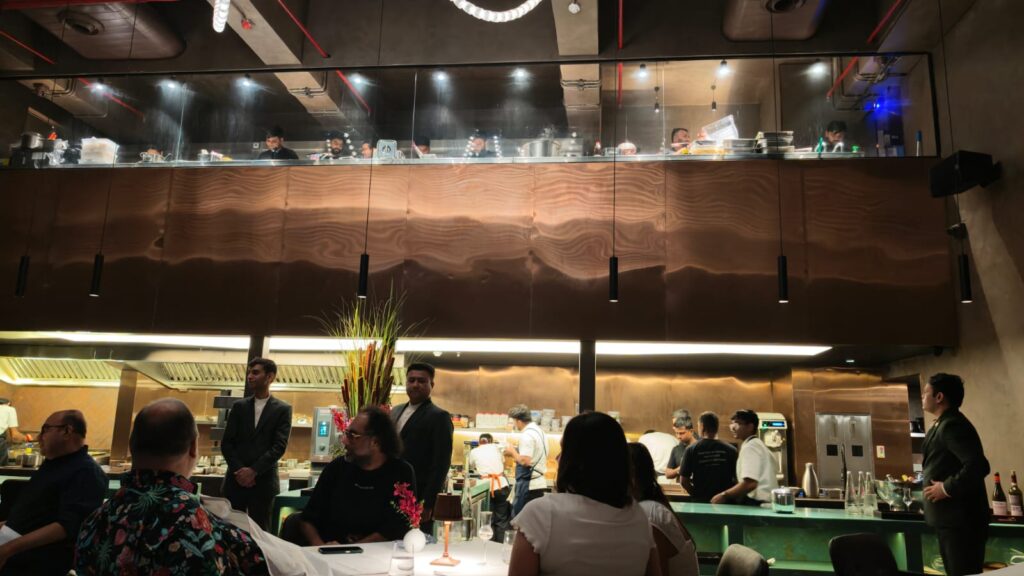
Even before the first course arrives, the space sets the tone. Warm lighting, plush seating, white table cloth, and that open kitchen quietly at work. It feels luxurious without trying too hard. Add to that one of the most thoughtfully stocked wine lists in the city, and you know you’re in for a proper, unhurried dining experience.

The “Queens of the Sea” tasting menu does not shout for attention. It builds it, course by course.

The Sea Urchin and Fennel Crusted Tuna Carpaccio is a confident start. The anchovy ice cream could have easily been overpowering, but instead it adds a soft, savoury depth. The fennel keeps everything light and balanced.

The Spanish Chicken Cotoletta might seem like a detour for a seafood menu, but it works. Crisp, indulgent, and elevated with Oscietra caviar and anchovy, it acts as a comforting pause before the seafood returns.

The Linguine with vongole and sea urchin is where things get indulgent. Some of us may find it a bit low on salt but this is exactly how it is served internationally. Silky, rich, and deeply flavourful, with confit garlic adding just the right amount of warmth. This is a dish you linger over.

I have never been a fan of abalone as I find it a bit chewy. However Chef braises it well to keep the texture without making it too chewy. The Braised Abalone with Chilean seabass delivers exactly what you hope for. Perfectly cooked fish, delicate and buttery, paired with the distinct texture of abalone. The oyster mushroom jus adds an earthy layer that ties it all together.

Dessert keeps things interesting. A Single Origin Chocolate Mousseline with sea salt and a touch of caviar. It sounds unusual, but it works. The salt sharpens the chocolate, and the caviar adds tiny bursts that keep each bite engaging.


What stands out is the restraint. With ingredients like caviar, sea urchin, and abalone, it is easy to go overboard. Here, everything is measured, elegant, and quietly confident.

At INR 11,000 plus taxes, this is clearly an indulgence. But between the food, the setting, and that wine list, it is the kind of meal you plan an evening around.

Available till 25th April. Definitely worth making time for.

Address: Le Cirque, Leela Palace, Chanakyapuri, New Delhi

Tan Yan Gurgaon Review: A Shaokao Feast of Skewers and Big Flavours

Some meals stay with you longer than others. Last evening at Tan Yan was one of those.

I was there with a bunch of friends, the kind of table where menus are barely glanced at and food is ordered with full intent. At Tan Yan in HQ27, that works perfectly because the menu is built for indulgence. It celebrates Shaokao style Chinese barbecue, with skewers layered in cumin, chilli powder and Sichuan pepper, the kind of flavours that don’t hold back.

We began lightly, or at least that was the plan. A corn and edamame chaat set the tone, with charred corn adding a nice crunch to the softness. The chicken lettuce wrap followed, crisp, fresh and packed with flavour, eaten almost like a paan. And then came the tempura prawns, easily among the crispiest I’ve had. I stopped at three, not out of restraint, but out of curiosity for what was coming next.

And what followed was a steady flow of skewers. Pork belly, bacon glazed in a sticky sweet sauce, chicken mince stuffed shishito, lamb, chicken, prawns. Plates kept arriving, and conversation slowly took a backseat. There is always that moment at a table when everyone is quietly enjoying their food, occasionally looking up just to nod in approval. This was that kind of meal.

What I didn’t expect was how good the vegetarian selection would be. Somewhere between all the meat, the sweet potato and string beans made their way to the table and quickly became repeat orders. Both completely different in flavour, yet equally addictive. Even the grilled corn kernels and chilli cheese stuffed shishito held their own, making sure no one at the table felt left out.

Drinks flowed alongside. Draught beer for most, with a few mocktails making the rounds. I tried the iced pineapple and watermelon from a friend’s glass and made a mental note to order them properly next time. Service kept pace with the table, which is not easy when there are this many people and this many dishes involved.

Just when we thought we had covered most of the menu, the larger plates started arriving. Jumbo prawns, Sichuan eggplant, rice and noodles, all served sizzling and full of flavour. The kind of dishes that make you reconsider how full you actually are.

The mala chilli oil dumplings came in later and were instantly a hit. There was already talk at the table about that chilli oil and whether it could be taken home. That kind of addictive.

We were convinced we were done. Then came the hand pulled biang biang noodles, Hainese chicken rice and stir fried long beans. The noodles, with their hit of chilli oil, were easily one of my favourites of the night. The long beans came a close second. The Hainese chicken rice, while good, felt a bit subdued in comparison to everything else on the table.

By this point, people had started leaning back, some even declaring they were done for good. But dessert has a way of changing plans. The coconut caramel custard was outstanding, easily one of the best I’ve had in a while. And the cuddle bear, as charming as it sounds, was a crowd pleaser with its take on brownie and ice cream.

Evenings like this remind you why you go out to eat in the first place. Great food, a table full of people who enjoy it as much as you do, and a menu that keeps surprising you till the very end. Tan Yan gets it right on all counts, and this is one place I would go back to without thinking twice.

Address: Tan Yan
HQ27, Sector 27, Gurgaon | Phone Number: 9211443350

Kimikai, One Horizon Gurgaon, Review: Curious and Engaging

Kimikai is a fictional character that forms the foundation of the new restaurant, Kimikai – Umami House, at One Horizon Center. The space is designed as Kimikai’s residence, featuring an inviting alfresco area with lush greens, an indoor dining room, and two dedicated bars serving drinks and sushi.


The character itself is intriguing. A human body with the head of a fox, symbolising cunning and sharp instinct, inspired by traders of the spice route who dealt not just in spices but also in opium. This narrative is subtly woven into the interiors, with opium seeds and floral motifs visible across wallpapers and backdrops.


The storytelling is compelling and makes for an engaging first impression. It certainly has the potential to become a talking point. However, as always, the true test lies in the food and service.


I had expected the menu to reflect a broader interpretation of the spice route. Instead, it leans heavily towards Japanese cuisine. While one might be tempted to call it Pan Asian, the restaurant positions itself as an “Umami House.”


I was particularly looking forward to meeting Chef Partner Ruhani Singh, formerly of Zuma, but she was travelling at the time. My dining companion Sourish Bhattacharya seemed rather pleased, insisting that the best way to judge a restaurant is when the head chef is not present.

We began with a tomato carpaccio that was competitively executed. The ginger dressing was well balanced, complemented by the crunch of bubu arare, making for a promising start alongside a gomae salad.

Alongside the starters, I tried a cocktail called Black Pelt. Built along the lines of a highball, it combines whisky with green apple, pandan, and a hint of ginger. Light, refreshing, and easy to drink, it works particularly well as a daytime summer cocktail and pairs effortlessly with the meal without overpowering the flavours.

As a non vegetarian, I was particularly keen to explore the meat and seafood offerings. The meal truly picked up from there. The salmon aburi had both of us exchanging approving glances. Given that this sits in a premium dining destination like One Horizon Center, the presence of both chutoro and otoro sashimi on the menu was encouraging. While the chutoro was excellent, the otoro cuts unfortunately had excessive connective tissue, making them slightly chewy.

Some dishes stood out to the extent that we found ourselves instinctively reaching to clean every last bite. The black cod was unavailable, having been sold out the previous evening, but the miso sea bass from the robata more than made up for it. While black cod is usually my top preference, this dish was good enough to make me reconsider that hierarchy.

The chicken nanban burger deserves a special mention. Served with a fried patty, creamy cheese sauce, and presented on a sizzling tray where you assemble it yourself, it is both interactive and indulgent. It is the kind of dish that will appeal to children just as much as adults, though one needs to be cautious with the hot plate.

Among the other dishes we tried, the kimchi rice, New Zealand lamb chops, mushroom carbonara, and chicken katsu curry were all well executed.

The only misstep was the miso honey toast, where the bread itself fell short of expectations.


As the restaurant has only recently opened, some teething issues are understandable. While the food largely delivers, the sequencing of service needs attention. Our robata dish arrived before the sushi and sashimi, which disrupted the natural flow of the meal. To their credit, the team was receptive to the feedback, and one hopes this will be addressed soon.


Despite these gaps, there is enough here to warrant a revisit. The sea bass, lamb chops, and katsu curry alone make a strong case for returning.


Ratings
Food: 4.0/5 | Service: 2.5/5 | Ambience: 3.5/5 | Overall: 3.5/5


Address: Kimikai – Umami House, First Floor, One Horizon Center, Gurgaon
Phone: 8076205663
Meal for Two: INR 2500
Timings: 12 pm to 12 am

Nadoo GK3: A Fresh Take on South Indian Cuisine in Delhi

A home chef can often outshine a professional when it comes to flavour and soul. But scaling that same warmth and precision for a full dining room is a different challenge altogether. At Nadoo, that gap is thoughtfully bridged.


The concept brings together researcher and chef Shri Bala with restaurateur Sahil Sambhi, who also has Tamil roots. The idea is simple yet powerful. Present regional South Indian cuisine in a way that invites North Indian diners to step beyond the familiar comfort of idli, dosa and sambhar.


The space makes a strong first impression. Rammed earth textures across the walls and ceiling not only add character but also help regulate temperature naturally. The seating is thematically divided into sun, land and sea, a subtle nod to geography and mood. The open kitchen, with no glass barrier, adds a sense of honesty and reminds you of a South Indian home where cooking is always in full view.


We began with the much recommended egg puff, a Kerala style street classic with a boiled egg tucked into flaky pastry, served with a Mandaveli style house made ketchup. It absolutely lived up to the hype. The jackfruit version worked just as well for vegetarians.
The “Dunkin Doughnut”, essentially a vada soaked in sambhar, was soft and comforting, though I personally missed a slight crispness in the texture.


Seafood is clearly a highlight here. While the crab was unavailable, the Marina Beach style surmai fry stood out with its spiced crust and balanced tamarind notes. The curry leaf lobster was equally impressive, rich, aromatic and deeply satisfying. The bar complements the food well. While I stuck to beer, the gin based Southern Tide, with pandan and burnt coconut, was a clear favourite at the table.


The mains continued the strong momentum. The pomfret rasa, infused with a gentle smokiness from banana leaf, was excellent. The tangy brinjal curry paired with Chef Bala’s version of a thin dibba roti was outstanding and easily one of my top picks. The Russell Market raan was beautifully cooked and tender, though the coin paratha could have been a bit softer.


We skipped the biryani despite its growing popularity, but made room for desserts. The forbidden rice pudding, a black rice kheer, came with an interesting backstory that Chef Bala is happy to share. The pongal, flavoured with edible camphor and served in a flaky pouch with jaggery, was both nostalgic and indulgent.


The menu at Nadoo is confident and rooted. It carries the soul of home cooking while presenting itself with the finesse of a polished restaurant. Chef Harangad is also part of Sahil Sambhi’s team and has recently joined him to open a new North Indian restaurant brand. Until that launches, he is working closely with Shri Bala, bringing in his experience of running a professional kitchen while immersing himself in South Indian flavours.


Nadoo is not just worth a visit. It is the kind of place that invites you back, each time to explore a little more of the South that you thought you already knew.

Address: Nadoo, E-5, Masjid Moth LSC, GK3, New Delhi | Phone: 9217679217 / 9217499217

4 local foods to try on your travels

Learning about different cultures is a significant reason why people choose to travel, and food is a huge part of that. But it’s not just about visiting cafés, restaurants and street food stalls. Another way to learn about local eating habits is by visiting the supermarket to see what everyday items people buy, and what they’ve got that you can’t get back home. 79% of Indian travellers always or often visit local supermarkets abroad, according to Skyscanner’s Travel Trends Report.

So what local foods should you be looking out for on your next trip? Here are four of the best.

1. Brunost, Norway

Brunost, AKA brown cheese, is unlike any cheese you’ve ever eaten. It’s made by boiling milk, cream and whey until the water evaporates and the milk sugars turn into caramel. The result is a dense, fudge-like block with a sweet, tangy and slightly savoury flavour profile.

The texture is smooth and firm, yet it melts on the tongue. To enjoy it like a local, use a cheese slicer to cut a thin ribbon of brunost and place it on a piece of crispbread or a waffle. It also pairs well with a strong cup of coffee.

2. Kewpie mayonnaise, Japan

Head straight to the condiment section and you’ll spot a soft, squeezable plastic bottle topped with a red cap. This is Kewpie mayonnaise. Unlike Western mayonnaise, which typically uses whole eggs and white vinegar, Kewpie is made using only egg yolks and rice vinegar or apple cider vinegar. This gives it a richer, creamier texture, a slightly sweeter taste with an umami kick, and its signature golden hue.

Use Kewpie as a dip for crisps or vegetable sticks for an easy snack, or as part of a Japanese egg sandwich (tamago sando) – it’s the secret ingredient that makes them so delicious.

3. Tim Tams, Australia

Walk down the biscuit aisle of a Woolworths or Coles in Australia and you’ll be met with a wall of chocolate. Among them? The beloved biscuit, Tim Tams. A Tim Tam consists of two layers of malted biscuit separated by a light chocolate cream filling, all textured and coated in a thin layer of chocolate. It’s satisfying, but not sickly.

While you could just eat one in a few bites, you can also attempt the Tim Tam Slam for the true Aussie experience:

  • Bite off two opposite corners of the biscuit.
  • Dunk one open end into a hot drink.
  • Use the biscuit as a straw to suck the hot liquid through the other open end.
  • As soon as you feel the liquid hit your tongue, put the melting biscuit into your mouth before it disintegrates.

4. Ajvar, The Balkans

A trip to a supermarket in Croatia, Serbia or North Macedonia will reveal jars of a vibrant red spread known as Ajvar. Ajvar is a roasted red pepper relish, often combined with aubergine, garlic and chilli. The vegetables are roasted until smoky, peeled, minced, and then slow-cooked with oil for hours. It ranges from sweet (blagi) to spicy (ljuti).

Ajvar is very versatile. It elevates every dish, transforming crusty white bread into a meal and grilled meat into a feast. You can also stir a spoonful into scrambled eggs or use it as a base for pasta sauces.

Next time you’re abroad, resist the urge to stick to familiar brands. Walk into a local supermarket, grab a basket, and hunt for one of these items. You’ll taste the authentic flavours that fuel the locals every day.

Nisaba Delhi Review: Chef Manish Mehrotra’s Most Awaited New Restaurant

The FOMO was real. For weeks, everyone in the food circuit had been talking about Nisaba, the much awaited new restaurant by Chef Manish Mehrotra. Known globally for path breaking restaurants like Indian Accent and Comorin, both of which put Indian cuisine on the world map, Chef Mehrotra parted ways with his earlier ventures about eighteen months ago. Nisaba was always going to be watched closely and it has easily become one of the most talked about launches in recent times.


Nisaba takes its name from the ancient Sumerian goddess of grains. Located in the buzzing new hub near Sunder Nursery, the 120 plus seater restaurant was already packed for a weekday lunch when I visited, soon after it opened to the public. Most food writers and Delhi’s social elite had already experienced it during a week long pre launch, and the buzz was evident right from the entrance.


After some polite persuasion with the parking attendant, we made our way inside and settled into Nisaba’s minimal yet sophisticated space. The music was understated, letting the lively chatter around the room take over. We began with sparkling wine and browsed through the menu, which is largely à la carte, closer in spirit to Comorin than the tasting menus of Indian Accent.
In a brief conversation, Chef Mehrotra shared a thought that resonated. He believes diners today find it difficult to sit through three hour meals focused only on food. With no theatrical performances or gimmicks, the menu reflects how people prefer to eat now. Simple, engaging, and flexible.


What stood out immediately was Chef Mehrotra’s presence on the floor. He visited almost every table, either carrying dishes himself or stopping to take feedback. Despite being an equal partner in the restaurant, his humility remains unchanged. It was no surprise to see diners frequently rising from their seats to request a photograph.
“The food here is not modern Indian or progressive,” he said. “It is food for today’s generation.” With strong influences from Indian street food, we began with Dal Moradabadi served with mini samosas at Rs 550. Frankly, this dish alone could have sustained our entire meal. Perfectly balanced, deeply comforting, and paired with crisp samosas that used mashed potato instead of chopped filling, it was exceptional. Some combinations simply work, and this was one of them.


The Lucknow white matar chaat, also priced at Rs 550, followed. It reminded me of Fateh ki Kachori, with a thinner, crisper matthi topped generously with tikki matar chaat. Familiar yet elevated, it tasted even better than expected.

Among vegetarian starters, we tried the mushroom chops with mushroom makhani sauce and mushroom achaar at Rs 900, and a new age paneer pakoda priced at Rs 975. The mushroom chops were rich and satisfying. The paneer pakoda, while well executed, did not quite grow on us.

From the non vegetarian section, the tiger prawns cooked in dry shrimp butter and served with Goan poee bread at Rs 1475 delivered bold flavours. The use of dry shrimp makes this dish intense, so it may not suit those who prefer milder seafood. We also ordered butter chicken as a starter at Rs 1050. Thick, smoked makhani sauce coated tender boneless chicken, paired with crisp onion rings that added texture and balance.


A personal favourite followed. Chef Mehrotra’s classic Belgian pork ribs at Rs 1300, paired with sweet mango chunda, remain as memorable as ever. It is a dish I never miss at Indian Accent, and it continues to impress.


By the time mains arrived, we were already comfortably full. Still, the Zaveri Bazaar tadka dal at Rs 875, fragrant with hing and served with ajwaini roti, was hard to resist. The kadhai potato with jakhiya seeds and crisp fried potato bites at Rs 650 delivered rustic flavours with finesse.

The pit roasted pineapple curry at Rs 925, served with set dosa and rice, was another standout. Each vegetarian dish was a masterclass in balance and creativity. When vegetarian food appeals equally to committed non vegetarians, it speaks volumes about the chef’s craft.


Among the non vegetarian mains, the Motihari mutton with hing kachori at Rs 1525 impressed with its depth of flavour and beautifully cooked meat. If I had to choose just one main course to return for, this would be it. The baked Amritsari river sole at Rs 1175 surprised us with a topping of fine pudina boondi that added both crunch and freshness. It was served with mishrikand, a sweet textured ingredient that was new to me and added a pleasant contrast.


Dessert was non negotiable. The house made potato chips with chashni miso vanilla ice cream at Rs 650 was playful and addictive. The baked rasmalai with nolen gur makhana at Rs 700 was comforting without being heavy. My clear favourite was the dhoda tart with pecan ice cream at Rs 750. None of the desserts tried too hard, yet each one delivered.


You may come to Nisaba for the food and find it easy to navigate a thoughtfully curated forty dish menu. But you will return for the warmth of the service, the chef’s quiet humility, and the calm, inviting ambience. Nisaba has arrived, and Delhi has a new winner on its hands.


Nisaba, Address: Humayun World Heritage Site Museum, Nizamuddin, National Zoological Park, Sundar Nagar, New Delhi | Phone: 9810906091

Vicoli Gurgaon: European Flavours, Warm Service and a Memorable Celebration

Last evening, we celebrated our daughter’s 18th birthday at Vicoli, a recently opened European restaurant. The name, which means alley in Italian, is reflected thoughtfully in the restaurant’s design. A long, alley style entrance leads into a spacious setting with high ceilings, a prominent bar, well appointed interiors and an attractive terrace dining area.

I came to know about Vicoli through a post by a friend on social media. A quick call secured our reservation, and when I mentioned the special occasion, the team requested a few photographs, which I shared in advance. The gesture was executed seamlessly. When my daughter saw the photographs placed on the table, it created a memorable and touching moment with priceless expressions on her face.

Keeping in mind our family’s preference, we largely ordered vegetarian dishes. The meal began with the cream cheese wonton, avocado lime toast and the Gouda fondue. The wonton was crisp and well balanced, complemented nicely by a mango habanero sauce. The avocado lime toast was satisfactory, though a crisper bread would have enhanced the dish. The Gouda fondue worked well as a sharing option, accompanied by broccoli, potato wedges, olives, mushrooms and crostini, making it engaging without being overly heavy.

The prawns pil pil stood out, served in a rich chilli butter sauce that was excellent. The sauce was so flavourful that it paired equally well with the pizza crusts. The Neapolitan style margherita pizza and the spicy vodka rigatoni were both well executed. The sauce in the rigatoni was particularly noteworthy, though the pasta could have benefited from being slightly more al dente.

The team graciously offered a complimentary cake to mark the occasion, which was appreciated.

Overall, Vicoli offers courteous service, a pleasant ambience, good music and competent food. With some improvement in their breads, the experience could be even better. It is certainly a restaurant we would be happy to revisit.

Address: Vicoli, 8th Floor, Global Foyer Mall, Sector 43, Golf course road, Gurgaon| Phone: 8448444267

Raifu: Authentic Japanese restaurant at Gurgaon

When you see a room full of expats and only a handful of Indians at a restaurant, two things usually stand out. The food is authentic and the place is still a quiet secret. Raifu fits that description well. It is a Japanese restaurant that is very reasonably priced and the food is mostly enjoyable.

This was my second visit to Raifu at Dia Park Premier Hotel. The first one was around seven or eight years ago when I went with my friend. The trouble with hidden gems is that they stay so quiet that you forget about them while louder restaurants dominate your feed. When my another friend asked me to take her out for a Japanese meal, this place came back to mind.

We settled at a tatami style table with space for the feet to drop below and started with a chilled beer. The place can be a bit noisy (so those who feel Indians make too much noise, should check this out) but the meal turned into quite a spread. There are many vegetarian options too and my wife had enough choices to keep her happy. I will start with the non vegetarian dishes. Their pork preparations are excellent and the quality of the meat stands out. We ordered Buta Yawarakani (Rs 680), which is grilled pork belly, a pork tofu hot pot (Rs 690), a curry soba ramen bowl (Rs 600), butabara rankon (Rs 280) and asparagus wrapped in bacon (Rs 300). I enjoyed all except the small hot pot which was far too mild for my liking.

For fish, we began with salmon ponzu (Rs 550) that came with cucumber and seaweed. It was a small serving and disappeared quickly. The salmon was lean with a firm bite. My favourite though was the hamachi sashimi (Rs 850). The cut was perfect and as fresh as you can expect in Gurgaon. The tuna donburri bowl (Rs 780) is a generous portion served with miso soup. It is good but when I compare it with similar bowls at popular Indian restaurants, I feel the cubed fish elsewhere is easier to eat than the sashimi style cut used at Raifu. The one letdown in the fish section was the grilled seabass. At (Rs 1600), it was the most expensive dish we ordered and the serving was very small. The skin was nicely crisp but the fish itself did not have the flakiness I was hoping for.

Raifu also serves poultry. We tried the chicken skin and chicken thigh skewers (Rs 200 each). There are only two skewers per order and at this price I was not expecting a large serving. I will still order the chicken skin again on my next visit.

On the vegetarian side, my wife enjoyed the veg tempura sushi rolls (8 pcs for Rs 480), the grilled eggplant skewer (Rs 100) and a spicy noodle dish made on request. Since the place mainly attracts expats, we were pleasantly surprised to see the chef handle the vegetarian dishes with the same attention.

Home made ice cream (Rs 280) tasted just like any regular brand available outside and can be skipped.

If you want a proper Japanese meal without denting your pocket, Raifu is worth a visit. With the Zomato discount, it becomes even better value and should cost around Rs2000 per head.


Address: Raifu,
Dia Park Premier Hotel 353-357 near Huda City Center, Sector 29, Gurugram | Phone: 0124-4566701

Pendulo Delhi: Chef Led Mexican Indian Experience

We were driving back from the market in Delhi when hunger struck. I had heard that Pendulo near Qutub Minar serves Mexican and Indian flavours curated by Chef Megha Kohli, formerly of Lavash by Saby which once stood at the same location, and Chef Noah Barnes of Tabula and Miss Margarita. I walked in knowing only the cuisine. The team informed us that, for now, they serve a set course menu priced at seven thousand for non vegetarian and six thousand for vegetarian. The ala carte menu will take a little more time. Since we arrived early, getting a table was easy though both the main chefs were travelling out of country.

The interiors are quite striking. Lamps shaped like Mexican agave, playful signages on the walls, jars of spices placed on the table, dim lights, a live sitar player and a well stocked bar give the space a romantic and slightly dramatic mood. For a place that focuses strongly on food, a touch more lighting would help diners appreciate the plates better.

The service team is well trained and explained the concept of Pendulo with confidence. Each dish carries both Indian and Mexican influences, and a small pendulum sketch on the menu shows which way the dish leans.

We began with a palate cleansing drink made with corn, Oaxacan cheese and jaggery. It was surprisingly refreshing. The second course felt like a nachos and papad combination served with a range of dips. The dips moved from guacamole to spicy adobo, smoked salsa and a foamy pico de gallo. It paired well with the only cocktail I ordered, a mezcal based Fuego Kokum.

The next dish was a Mexican street food classic called elotes built around grilled corn. The seasoning is what truly lifted it. Tajin, bhaang seed salt, garlic salt and a squeeze of lemon. Three pieces of corn in a twelve course menu may sound a lot, but they were delicious enough to overlook that thought.

This is when I saw a familiar tall figure walking in. Sahil Baweja, the owner of Pendulo, had stepped in to check if everything was alright. I had met him once almost a decade ago during a very formal introduction. This time I requested him to join us for a bit. His educational background is remarkable. I cannot think of many restaurateurs in India who have graduated from INSEAD in France, one of the finest business schools in the world, and then chosen to build a restaurant here. A bold choice in every way. In conversation, I learnt about his other ventures including Chica Loca and Potions where his partner is Sunny Leone.

The food continued to impress. The tuna served in a tomato shorba infused with tigers milk was flavourful, though I would have preferred a slightly thicker cut of tuna. The crab tostada was a delight. They prepare it in reverse and every element deserves a repeat.

The menu may seem expensive at first glance, but the moment the apple wood smoked lobster tail arrived, the pricing felt justified. Then came Maharashtrian thecha and chicken stuffed inside a bharwan chilli. The gentle sweetness of jaggery to soften the heat was a clever touch.

After a lemon based palate cleanser, we were served tacos. One with mutton birria and the other with Coorg style pandi pulled pork. Hunger and curiosity both worked in my favour and I polished them off with full attention.

If you still have space, the final savoury course is a comforting plate of mole sauce served with a small portion of rice and Awadhi lamb. The meal ends on a playful note with jalebi churros.

Pendulo is ideal for a special night when you want to sit back, relax and let the kitchen take over the decisions. If you enjoy slow dining and thoughtful flavours, you will appreciate this. I only hope they introduce a wine paired menu soon.

Address: Pendulo, 1st Floor, Ambawatta 1, Mehrauli, Near Qutub Minar, New Delhi | Phone: 8800346565

The post Pendulo Delhi: Chef Led Mexican Indian Experience appeared first on Indian Food Freak.

Twelve Years Strong: The Big F Awards 2025 Showcases the Best of Delhi NCR’s Dining Scene

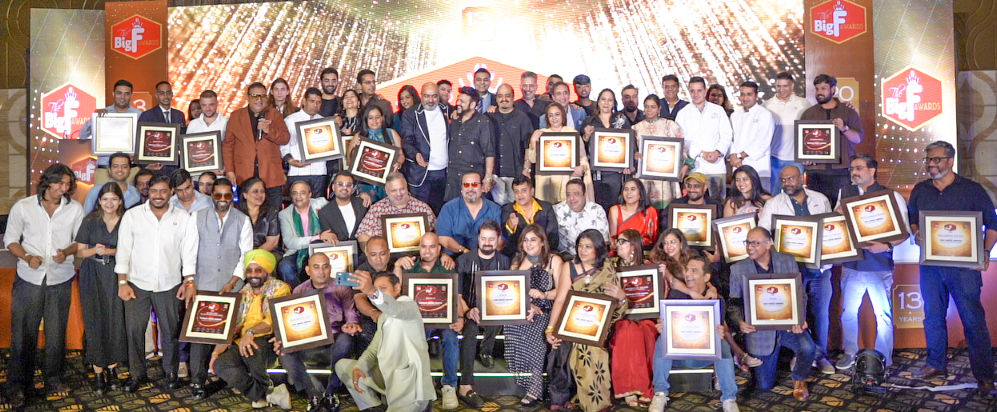
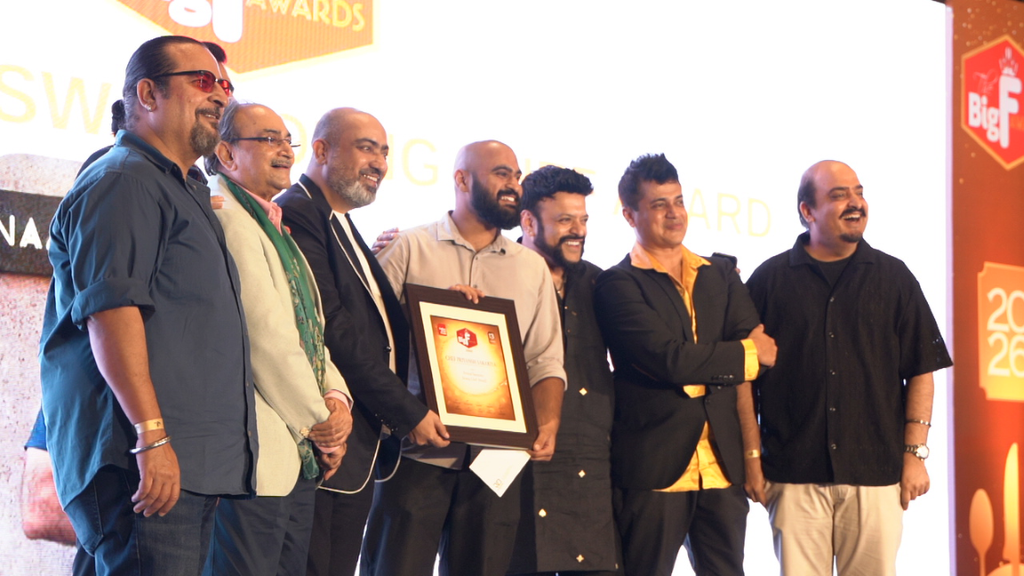
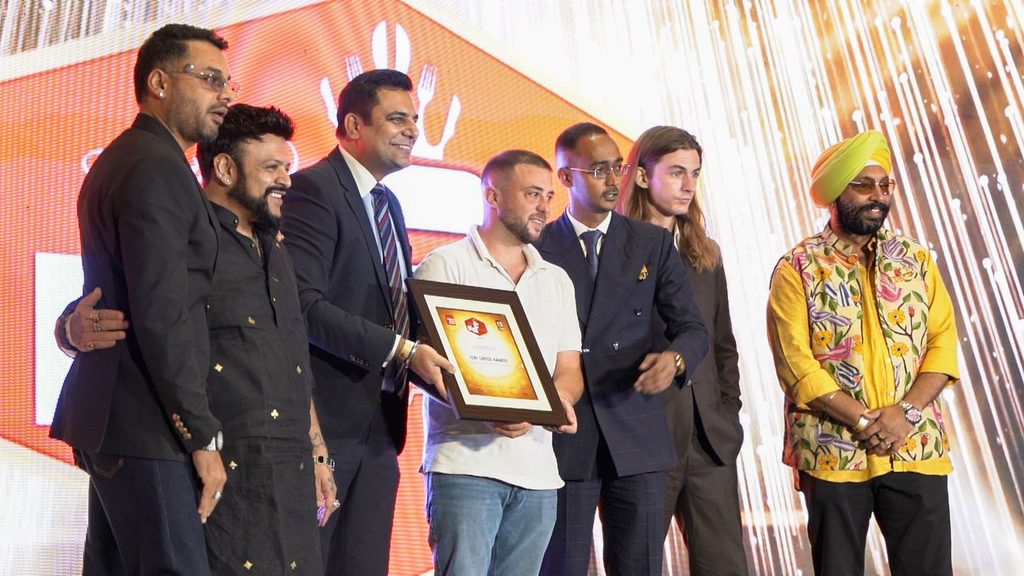
New Delhi, October 3rd: The 12th edition of The Big F Awards, hosted by food critic Pawan Soni and presented by Indian Food Freak, lit up Le Meridien New Delhi last evening as the city’s most celebrated chefs, restaurateurs, and food personalities came together to honour excellence in the dining industry.

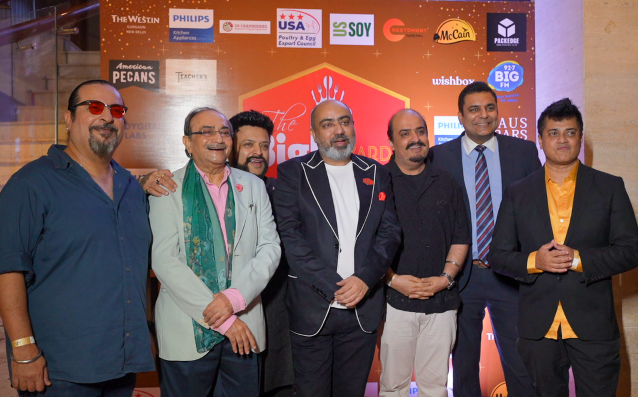
Jury – The Big F Awards: (From L to R):Rocky Singh, Diwan Gautam Anand, Khurafati Nitin, Pawan Soni, Chef Saby Gorai, Sameer Bawa, Chef Nita Mehta & Chef Kunal Kapur

From stalwarts like Rohit Khattar, AD Singh, Rocky Mohan, Zorawar Kalra, RJ Khurafati Nitin, Rocky Singh and Mayur Sharma, to culinary leaders such as Chef Manisha Bhasin, Chef Manish Mehrotra, Chef Kunal Kapur, Chef Ajay Chopra,  Chef Saby Gorai amongst others, the gathering reflected the depth and diversity of Delhi NCR’s food culture.

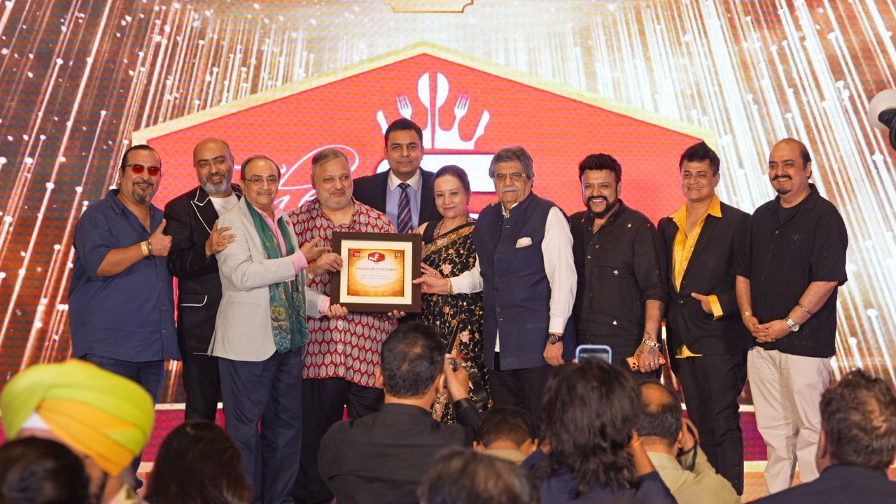
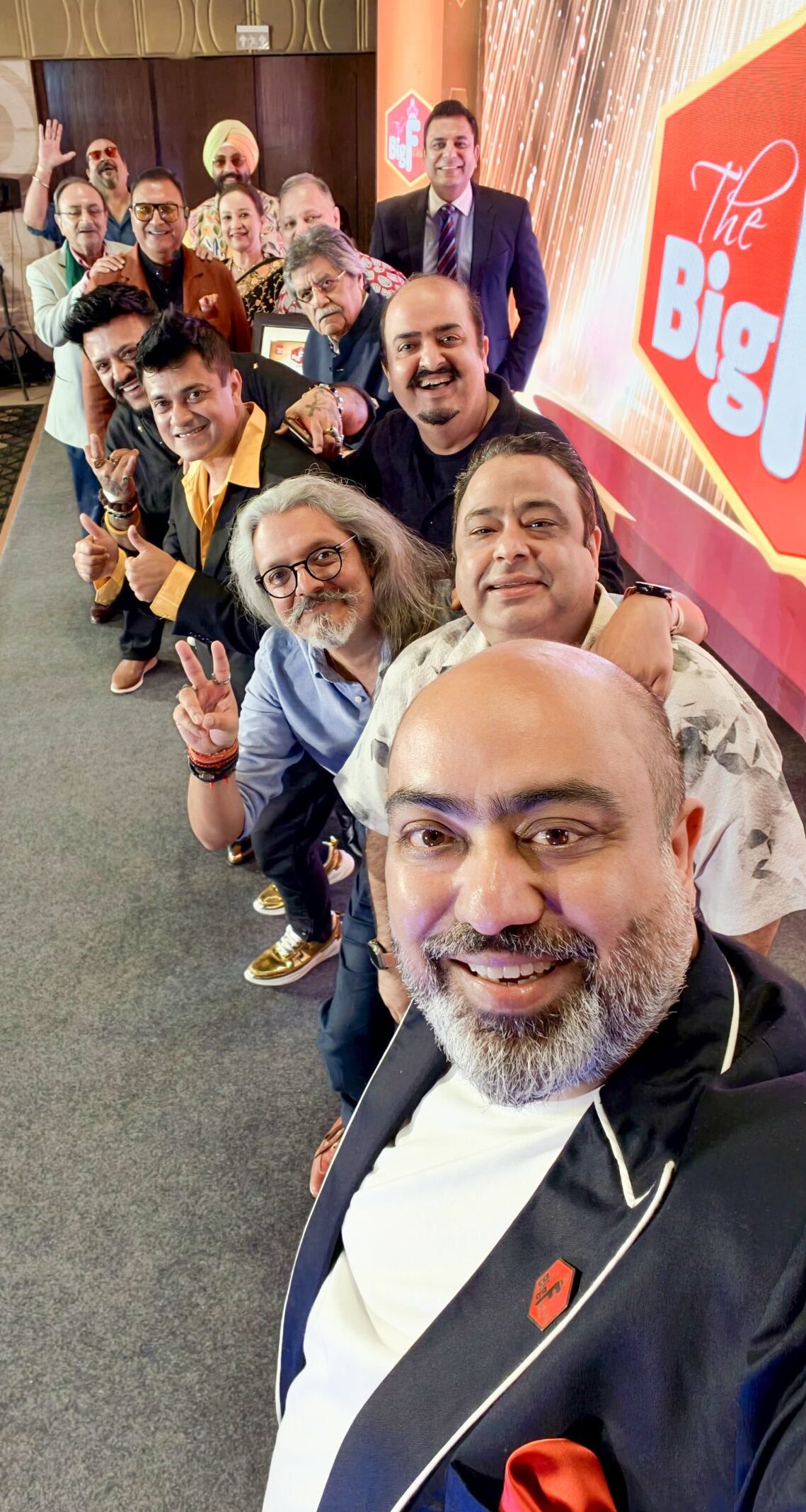
Jury along with Culinary Icon current winner Rohit Khattar and along with previous winners Rocky Mohan and AD Singh

A Fair and Transparent Process
What sets The Big F Awards apart is its uncompromising commitment to fairness. The honours are not influenced by sponsorships or lobbying. Each year, an independent jury visits nominated restaurants, experiences their food, and casts a single, non-revisable vote. Winners are revealed only on the night of the awards, ensuring transparency and keeping the suspense intact till the very end.

The 2025 jury featured some of the most respected names in the culinary and hospitality world: Chef Kunal Kapur, Chef Sabyasachi Gorai, Sameer Bawa, RJ Khurafati Nitin, Chef Nita Mehta, Rocky Singh, Chef Ashish Bhasin, Diwan Gautam Anand, and host Pawan Soni himself.

Celebrating Food Stories that Matter
“The Big F Awards have always stood for honest recognition,” said Pawan Soni during his address. “This gathering reflects the incredible depth of talent, passion, and creativity that defines Delhi NCR’s dining culture. We celebrated chefs who preserve heritage with pride, visionaries who are redefining how we experience food, and restaurants that have earned trust through years of consistency. Awards matter only when they are deserved, not when they are bought, and last night was about applauding the people who bring joy, comfort, and inspiration to our lives through food.”

Founder of The Big F Awards – Pawan Soni

Highlights of the Winners
The evening recognised some of the most inspiring names in the industry. Rohit Khattar was honoured with the Culinary Icon Award. Varun Tuli was named Best Restaurateur and Sahil Sambhi received the award for Best Nightlife Entrepreneur. The legendary Bukhara at ITC Maurya joined the Hall of Fame, where it will be recognised each year but will no longer compete in the awards.

Other notable winners included:

  • Comorin as Best Modern Indian
  • Lair as Best Cocktail Bar
  • Fort City as Best Microbrewery
  • Varun Sharma as Best Mixologist
  • Megu at Leela Palace as Best Japanese Restaurant
  • Orient Express at Taj Palace as Best European Restaurant

For the complete list of winners, visit the official Instagram page www.instagram.com/thebigfawards

An Evening of Camaraderie and Inspiration
The ceremony wasn’t only about competition. It was also a night of meaningful conversations, reunions, and collaborations. Guests enjoyed a specially curated menu by the Le Meridien team that added to the flavour of the celebration. The winners represented every facet of the dining landscape, from boutique spaces to landmark establishments, showing how Delhi NCR continues to evolve as a culinary powerhouse.

Since its inception in 2014, The Big F Awards has grown into one of the capital’s most authentic platforms for recognition, dialogue, and exchange. The 2025 edition carried this legacy forward, with conversations spilling beyond the stage and sparking collaborations that promise to shape the future of dining in the region.

For the many who gathered, the night was more than an awards ceremony. It was a celebration of food, community, and the people who make dining in Delhi NCR unforgettable.

The post Twelve Years Strong: The Big F Awards 2025 Showcases the Best of Delhi NCR’s Dining Scene appeared first on Indian Food Freak.

Organic Bistro, Khan Market, Delhi: Hidden Gem for Clean and Delicious Dining

I sell only what I eat, says Kuldeep Gupta, the man behind an organic store in Chandigarh. Recently, he brought his passion for clean eating along with his son Arjun and daughter Saru to Delhi by opening Organic Bistro in Khan Market. During my visit, he proudly showcased the organic ingredients used in the kitchen like A2 cow ghee and milk, seasonal vegetables, dals, and cold pressed oils.

The name Organic Bistro might suggest a predictable spread of salads, smoothie bowls, and detox juices. But this cafe is full of surprises. The menu, curated by celebrity chef Nishant Choubey, offers an impressive variety including well executed non vegetarian dishes. In my opinion, this is among Nishant’s finest work, and there may be two reasons for that. First, Kuldeep is a seasoned restaurateur, and the synergy between him and the chef has resulted in a product that is greater than the sum of its parts. Second, as Nishant admits, he is not under pressure to cut costs, allowing him to use the best ingredients and it shows on the plate.

In fact, I would go so far as to say that this is currently one of the most reasonably priced cafes in Khan Market, even without factoring in the premium cost of organic produce. Perhaps it helps that the property belongs to Kuldeep, so rent is not driving up the prices.

Located on the first and second floors, the cafe’s interiors are minimalist and predominantly white, a design choice that echoes its clean food philosophy. However, with a lively group of guests, I noticed the space quickly became noisy due to low sound absorption.

We began with a buckthorn and fermented turmeric mocktail, refreshing and well balanced.

Then came the hot purple aloo chaat, three pieces of naturally fermented purple potatoes atop crisp vadas, topped with chilled sweet yogurt. At Rs 425, it was delicious and, in my opinion, excellent value.

The sweet potato tikki followed, topped with Korean gochujang sauce, torched at the table to release its smoky aroma. It rested on a Japanese spinach sesame sauce, paired with an extraordinary black garlic jam. The jam, made by fermenting garlic for six days until it turns rich and sweet, deserves to be the star of a dish in its own right rather than an accent.

Next came the beetroot kebab on an ulta tawa parantha, accompanied by a raw mango salad. Paper thin beetroot slices gave it texture and flavour, and my friend and I polished it off quickly.

The Burrata Salad, lightly live smoked with cinnamon, was flavourful though I feel smoking it in a covered vessel could intensify the aroma.

Until this point, we had stayed vegetarian, but then arrived the prawn balchao with buttery pao — tangy, spiced, and well worth ordering. When I asked Chef Nishant about using non vegetarian ingredients in an “organic” cafe, he clarified that this is more about “clean eating” than claiming absolute organic purity. Around 70 to 80 percent of their produce is organic, and the rest is simply the best quality available.

The menu also features crowd pleasers like Choley Bhature and Butter Chicken.

We wrapped up our meal with ragi makhani mani, a comforting dessert akin to suji halwa, but made with ragi and desi ghee. Simple, warm, and satisfying.

Organic Bistro is a product of love, passion, and respect for ingredients. The food is flavourful, the pricing surprisingly fair, and the experience refreshingly honest. Next time you are in Khan Market, step in. You might walk out as pleasantly surprised as I did.

Address: Organic Bistro, 1st Floor, 38, Khan Market, New Delhi | Phone: 9667799446

The post Organic Bistro, Khan Market, Delhi: Hidden Gem for Clean and Delicious Dining appeared first on Indian Food Freak.

Matram, Dwarka: A New Regional Indian Restaurant with Pan-India Flavours

These days, there’s no dearth of restaurants, and most of them not only look and feel the same, but their menus are so interchangeable that you could swap one with another and few would notice. Matram, a new entrant in regional Indian cuisine, stands apart. From its traditional aesthetic to a menu that genuinely travels from Kashmir to Kanyakumari it is refreshingly different.

Located on an independent plot next to a mall, the impressive frontage with stone elephants and water fountains makes you pause and take notice. Step inside, and the interiors charm you instantly. Intricate detailing on the walls and ceilings, and a bright blue ceiling mimicking a clear sky on one side, give the space an uplifting energy and a pleasant, open feel.

It was their first lunch service (they had only started with dinner the night before) so it’s understandable that the staff needs time to become more fluent with the menu and to stock the refrigerators with adequate soft drinks. But those are minor glitches. What matters is that Matram makes a sincere and enthusiastic attempt to woo the discerning diner.

We began with crisp nadru (lotus root) fritters served with a trio of dips: bhaang chutney, pineapple chutney, and green apple chutney. A welcome change from the usual mint chutney. But what had my full attention was the tender coconut chilly fry, a standout dish made with the flesh of tender coconut cooked in its own water, finished in a spicy sauce. It’s healthy, addictive, and unlike anything I’ve had elsewhere. Chef Suresh Singh Fartyal, originally from the northern hills, proudly shared that he has launched restaurants across almost every Indian state, and this particular dish is his own invention. I admire the spirit of innovation.

Then came a medley of dishes, including the dohra kebab, a seekh that layers chicken at the base and mutton on top. It’s not commonly found, though I felt it could benefit from a bit more seasoning. The grilled tiger prawns, flambéed with rum on the table stole the show. Perfectly marinated, beautifully cooked, and packed with flavour.

I won’t go into detail about the other starters we tried like mutton pepper fry, Tangra chicken, ghee roast chicken, gunpowder podi idli etc which were all decent enough to hold their own in most restaurants, but somewhat overshadowed by Matram’s signature creations.

From the mains, my favourites were the Bengali kosha mangsho and the Kashmiri morels pulao. Both were so flavourful that while others asked for raita, I preferred to savour them as they were.

Dessert was a mixed bag. The black rice kheer from the Northeast was best ignored (I’ve had far better), but the gulab jamun cheesecake was delicious. The team also went out of their way to serve us green tea on request, which was a thoughtful touch.

Matram is a much-needed addition to the NCR dining scene. I only hope that its Dwarka location doesn’t become a limitation to the success it richly deserves.

Matram, Reliance Mall, Plot No 1, adjacent to Mayfair Restro Bar, Sector 13, Dwarka, New Delhi, Delhi, 110078

The post Matram, Dwarka: A New Regional Indian Restaurant with Pan-India Flavours appeared first on Indian Food Freak.

From a Star to a Stain: My Disheartening Stay at Sahara Star, Mumbai

There was a time when Sahara Star, with its iconic dome and enviable location near Mumbai Airport, was among the city’s proudest hospitality offerings. A favorite of many visiting the city for business or leisure, it carried a promise of elegance, comfort, and good food. That star, sadly, has faded. My recent experience at the hotel made me wonder if it should be renamed Sahara Scars.

The first impression was nothing short of a red flag. The hotel’s entrance, once grand, now stands neglected, crying out for a fresh coat of paint. Inside, the disinterest continues. The front lobby staff, far from welcoming, seemed more engaged in banter with each other than with guests. Not a smile. Not a nod. Just indifference.

My ordeal began even before I entered my room. We requested an early check in, and were promptly asked to pay five thousand rupees. That is standard practice, I understand. But when we offered to pay by card, the staff insisted on cash, warning us that card payments would include extra taxes. Begrudgingly, we paid in cash. Two hours later, when I asked for a receipt, they finally handed one over — with no tax breakup. That is not just shady. That is unacceptable.

Once inside the room, I hoped things would improve. They did not. Barely warm water in the bathroom. Only one side table with the bed — the other side left inconveniently bare. The socket near the bed did not work, so charging a phone required acrobatics. The AC mysteriously shut down early morning. Curtains too narrow to actually block sunlight. The carpeted hallway leading to the room was a story in itself — worn out, dirty, and faintly smelling of mildew. If this is luxury, I would rather downgrade.

With the General Manager being an ex chef, I thought the food might be the hotel’s saving grace. It was not. We ordered pav bhaji to the room — a dish so bad it does not deserve a second mention. Breakfast next morning was an exercise in frustration. A simple request for scrambled eggs was repeatedly messed up. When they finally served something, it looked like a single egg beaten with air. Toast? Forgotten. Repeated requests for uttapam led nowhere — until I walked to the counter and discovered the kitchen had marked it as served even though it never reached my table.

The final straw came when I requested a pyaaz aloo parantha — my last hope to salvage the morning. Ten minutes passed, nothing came. I walked back, only to find the breakfast counter shut. Timing over. I called the restaurant manager, Abhijeet (if I remember right), who had earlier taken my order. He apologised sincerely, and even promised to send food to my room.

To their credit, the parantha did eventually arrive — but an hour later. By then, I was leaving the room, so I politely declined.

I made several attempts to reach the General Manager, Salil Fadnis. I was told he was not available. No one would share his number. I left him a message on Facebook. No reply. At this point, my patience had run out. And hence this column.

To clarify, Sahara Star is still being run by the Sahara family, though they are reportedly facing significant financial strain, including delays in lease payments to the Airport Authority of India. One of the staff members I spoke to even admitted that employees have been receiving their salaries after considerable delays. That perhaps explains the lack of morale, but cannot justify the complete breakdown of hospitality standards.

Sahara Star, once the crown jewel of airport hotels in Mumbai, is now an ill managed relic of its former self. A star that once shone bright now flickers feebly — a victim of neglect, financial stress, and managerial apathy.

One can only hope that a revival is still possible. Until then, I for one am steering clear of this property. And if you value your time, money and sanity, perhaps you should too.

The post From a Star to a Stain: My Disheartening Stay at Sahara Star, Mumbai appeared first on Indian Food Freak.

Royal China, Chanakya, Delhi: Unlimited Dimsum Lunch & a Royal Feast to Remember

Royal China at The Chanakya, New Delhi, has long been a favourite for those who take their Chinese food seriously. On a recent afternoon, I revisited this elegant 100-seater to catch up with an old friend over lunch—and left reminded of why this restaurant continues to hold its place among the city’s most reliable Asian dining addresses.

This wasn’t a tasting of their newly launched menu; instead, it was a deliberate dive into some of their classics. We ordered what we felt like eating, chose on instinct, and let the table fill slowly—no pressure, no pretension, just good food and conversation.

A Dim Sum Prelude

We began with dumplings, of course. The Lobster and Caviar Dumpling was a showstopper—luxurious and perfectly steamed, with just the right brininess from the caviar. The Prawns and Black Pepper Dumpling brought in a pleasant hit of spice, wrapped in a delicate casing. While one of the dumpling wrappers arrived a little torn, it didn’t take away from the overall finesse of the offering.

From the cheung fun section, we picked the Asparagus and Shitake Cheung Fun, a silky rice noodle roll layered with texture and flavour. What caught my eye was the extensive cheung fun selection—I counted at least ten varieties on the menu, which is rare and commendable.

The standout among the small plates, though, was the Turnip Cake with Burnt Garlic. Soft inside, crisp outside, and served with Royal China’s excellent chilli oil, it was easily one of the best dishes of the meal. Humble ingredients, elevated through perfect execution.

Main Course Harmony

For the main course, we shared the Chilean Sea Bass with Ginger and Spring Onion, paired with pokchoy. The fish was cooked with a light soy and a hint of chilli garlic, letting the natural flavours shine through. It was delicate, comforting, and deeply satisfying.

To go with it, we ordered the Truffle and Scallop Fried Rice—a dish that surprised us with its generous use of scallops. At ₹625, it’s a remarkably well-portioned dish, easily serving three people. The truffle aroma wasn’t overpowering, and the rice was light enough to pair well with the fish.

The Finish Line

We wrapped up the meal with Ho Fun Noodles, broad rice noodles cooked in a chilli sauce on the recommendation of my friend who swears by Royal China’s consistency. He wasn’t wrong—the noodles had just the right bite and heat, and rounded off the savoury courses beautifully.

Then came an unexpected delight: Caramel Custard. It’s a dessert I personally love but rarely find on menus anymore. Here, it was firm, well-set, and lightly sweetened—the perfect end to a leisurely lunch.

A Return Visit is Already on My Mind

While I didn’t try their new dishes this time, what stood out was the consistency and quality of what I did eat. Royal China doesn’t chase trends—it perfects what it knows best, and the result is a meal that lingers in memory long after the table has been cleared.

What I’m looking forward to next, though, is their Unlimited Dimsum Lunch, a weekday special that’s been creating buzz for all the right reasons.

Unlimited Dimsum Lunch – The Details

Available: Monday to Thursday

Time: 12:00 PM to 3:30 PM

Price: ₹2,150++ per person

Group Size: Minimum 2, maximum 8 diners

What You Get:

Soup of your choice, Unlimited selection of dimsum (steamed, fried, bao, cheung fun), main course, Choice of rice or noodles and Dessert

For someone who enjoys long, indulgent lunches (and clearly, I do), this sounds like a worthy excuse to return. The dimsum menu alone has enough variety to keep me going back a few times over.

Address: Royal China, The Chanakya Mall, Chanakyapuri, New Delhi
Reservations: +91-8448870872

The post Royal China, Chanakya, Delhi: Unlimited Dimsum Lunch & a Royal Feast to Remember appeared first on Indian Food Freak.

Peng You Quan: A Taste of Authentic China in Gurgaon

We had set out to dine at a Japanese restaurant at South Point Mall, but a timely suggestion from my friend rerouted us to Peng You Quan, a Chinese restaurant tucked away in the same complex. I’d heard about this place before and even made a few half-hearted plans, but somehow they never came through—until now. Luckily, a Monday evening visit meant the restaurant wasn’t packed, allowing us to settle in comfortably.

Peng You Quan offers both private dining rooms and open seating, each table equipped with its own induction cooktop for the signature hot pot experience. We opted for open seating. The interiors are understated and elegant, and the staff is warm and courteous.

To kick things off, we ordered a round of Soju and beers while browsing the extensive menu.

This is the kind of menu that proudly resists Indo-Chinese clichés—no Manchurian or Chilli Chicken in sight. A few dishes stood out instantly: Pork Ear Salad (₹560), Fried Long Beans with Chilli (₹560), Sweet and Sour Pork (₹780), and Chongqing-style Noodles with pork mince (₹500). The highlight, however, was the Hot Pot (₹980), which comes with three broth options—Spicy, Clear, and Tomato (the latter suitable for vegetarians). The broth is unlimited, but vegetables and meats are ordered à la carte.

We went all in: Mutton Slices (₹600), Pork Slices (₹600), Buff Slices (₹550), a Vegetarian Platter with potatoes, lotus stems, and corn (₹550), Tofu (₹400), a Mushroom Platter (₹550), and extra Lotus Stems (₹320)—if I haven’t forgotten something in that flurry of ordering.

Trying Pork Ear Salad for the first time, I was pleasantly surprised by its texture and flavor, elevated by a bold, spicy oil at the base. The Fried Long Beans turned out to be a crowd-pleaser, cutting across dietary preferences. The Sweet and Sour Pork had promising flavors, though a crisper texture would have taken it up a notch.

Hot Pot, by its nature, is a communal joy—everyone takes turns cooking thinly sliced meats and semi-cooked vegetables in the simmering broth, then dipping them into a variety of sauces like soy, garlic, chilli, and sesame oil. Be warned: the broth may feel under-seasoned to some Indian palates—we ended up asking for extra salt. Among the meats, the Pork Slices stood out, while the Mutton was slightly tough and the Buff (unsurprisingly) didn’t quite pass off as beef. On the vegetarian side, we particularly enjoyed the corn on the cob, mushrooms, and lotus stems.

In hindsight, we may have gone a bit overboard with the accompaniments, which pushed the bill up. Also, charging ₹100 per person for dips, when one is already ordering the hotpot, feels slightly excessive.

That said, the experience was well worth it—made even better by the company of friends who share a passion for authentic Asian cuisine. The evening was filled with banter, nostalgic food stories from Japan, and 150 minutes of leisurely conversation over what turned out to be one of the most authentic Chinese meals I’ve had in Gurgaon.

The post Peng You Quan: A Taste of Authentic China in Gurgaon appeared first on Indian Food Freak.

Kioki Gurgaon: Affordable Japanese Izakaya-Style Dining at 32nd Avenue

I’ve often found myself fretting over the steep pricing of dishes across most restaurants in Gurgaon. It feels like everyone’s serving fine-dine fare, and for regular diners like me, it really hits the pocket. Whatever happened to those simple, sit-down restaurants (not talking street food carts) that served fresh, reasonably priced food you could enjoy regularly? Japanese cuisine, especially, tends to be priced through the roof given the premium ingredients.

That was until I discovered Kioki, an izakaya-style diner at 32nd Avenue, Gurgaon, offering small, sensibly priced plates.

The interiors are relaxed and reminded me of my visits to Japan—no-frills spaces drawing a local crowd for informal meals and drinks. When I met Chef Vikram Khatri, my first question was about the lamb chops. At Rs 800 for two New Zealand chops—especially at a premium location like 32nd Avenue—it felt refreshingly affordable. He smiled and said he’d rather serve fresh food and sell more, than freeze items and overcharge a few guests. Judging by the packed tables on a weekday, his philosophy is clearly working.

We started with a complimentary amuse-bouche: eggplant fritters in a soy-based broth. Light, airy, and umami-rich—it set the tone for what was to come.

The Scottish salmon carpaccio-style sashimi—cut slightly thicker—came dressed with jalapeños, leek chimichurri, and a citrus soy. My vegetarian wife enjoyed the same preparation done with tofu just as much as we relished the salmon.

But it wasn’t just the classics that impressed us. Chef Vikram’s inventive touches stole the show. Strips of nori fried in rice flour made for an addictive chakhna when paired with a spicy edamame dip. Equally good were the crispy rice bites—pan-fried sushi rice squares topped with tuna and salmon. A touch of wasabi took them to another level.

No Japanese meal is complete without sushi—the true test of a chef’s skill. At Kioki, the prawn tempura and yasai green California rolls were both excellent. I especially appreciated the toasted sesame seeds on top, giving the rice a subtle crunch.

From the robata/yakitori section, we picked the tare-glazed chicken skewers. These are Japan’s version of our seekh kebabs—smoky, juicy, and packed with umami. The garlic soy and mustard-glazed lamb chops, too, were perfectly done.

If there was one letdown, it was the miso black cod. Though it’s traditionally sweet, this version leaned too far into the sweetness for my taste.

For dessert, we had the matcha crème caramel. I’m not a matcha enthusiast, but this version had just a light dusting, offset by torched orange segments that cut through the bitterness. Delicious. Don’t leave without trying the nama chocolate—silky like ganache, served with soy caramel and sake-poached apple on the side.

Kioki has restored my faith that good dining doesn’t always have to burn a hole in your wallet. While the meal isn’t cheap, it’s far more accessible than most Japanese restaurants in the city. Chef Vikram Khatri’s vision shines—and so does young Sankalp, our server that evening, who impressed us with his warmth and menu knowledge.

The post Kioki Gurgaon: Affordable Japanese Izakaya-Style Dining at 32nd Avenue appeared first on Indian Food Freak.

❌