❌

Reading view

There are new articles available, click to refresh the page.

Amritsar’s New Appetite: From Kulchas to Crystal Glassware

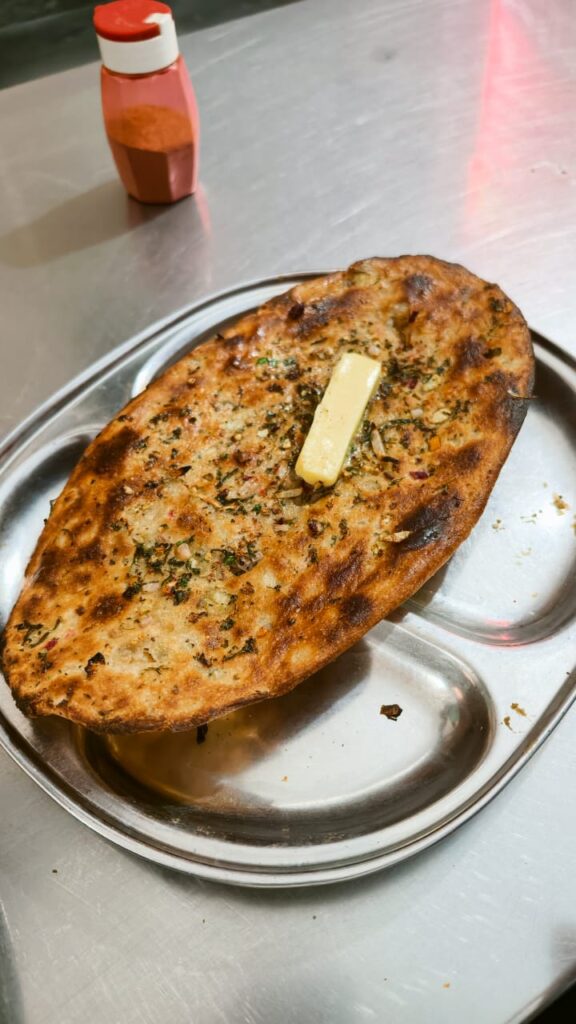
For decades, Amritsar was defined by the crackle of tandoors and the unmistakable aroma of butter-laden kulchas. The city did not just serve food, it served emotion on steel plates, often eaten standing, elbows brushing against strangers who quickly became part of the experience. Fine dining was never the point. Flavour was.

But something has been quietly shifting.

A new generation, a rising affluent class, and a more travelled audience have begun to demand something beyond nostalgia. They want experience. They want aesthetics. They want a story plated as carefully as the food itself. And Amritsar, surprisingly yet confidently, is responding.

From Streets to Statements

The transformation is not about replacing the old. The kulcha still rules. The langar still humbles. But alongside this legacy, a parallel dining culture is emerging. One that embraces design, global cuisine, curated menus, and Instagram-friendly spaces.

What used to be a city of quick indulgence is now learning the art of lingering.

The Beach Comes to Punjab

Step into Elgin Cafe and you almost forget where you are. Tucked away in the Cantonment area, the space leans into a relaxed, almost coastal vibe. Think lush greens, open airy sections, and an ambience that feels closer to a beachside cafΓ© than a North Indian city.

It is designed as a day to night destination, where brunch conversations melt into cocktail evenings with live music and curated menus spanning Italian and global flavours.

The charm here lies in its escapism. It offers Amritsar something it never really asked for before, but now seems to enjoy. A pause. A setting. A mood.

Zen, Space, and Scale

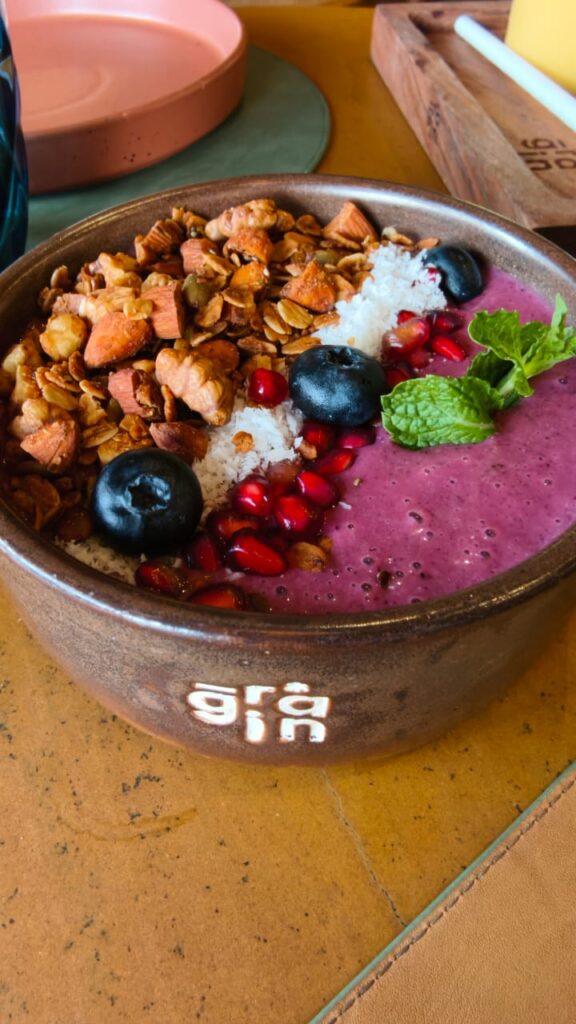
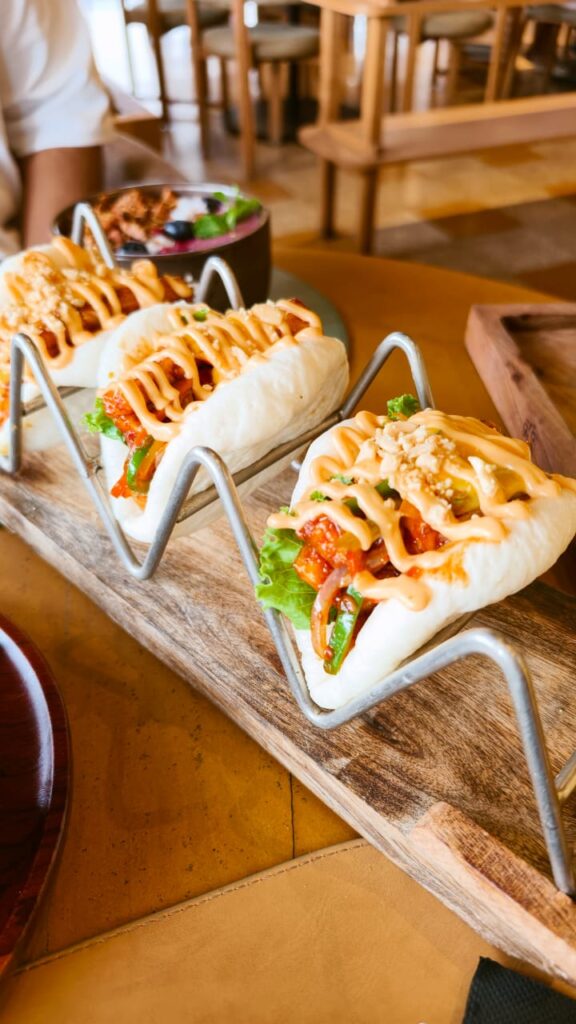
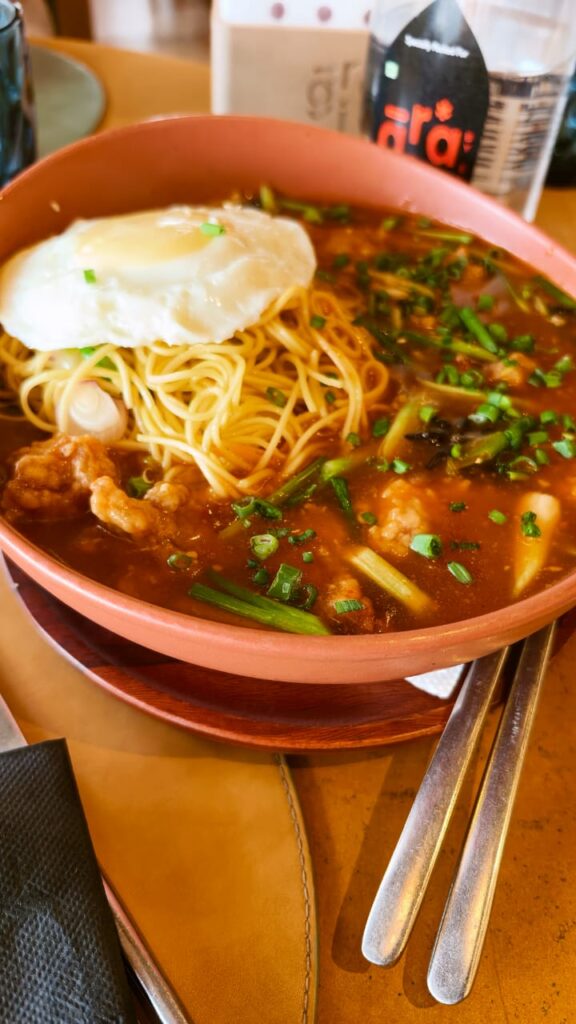
If Elgin Cafe whispers, Grain By Elgin speaks in a more confident tone.
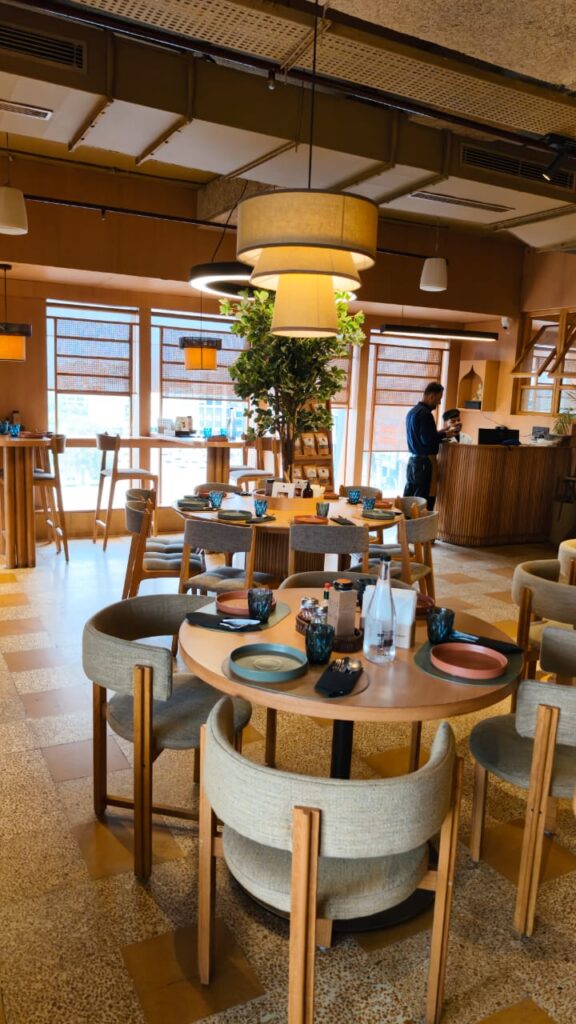
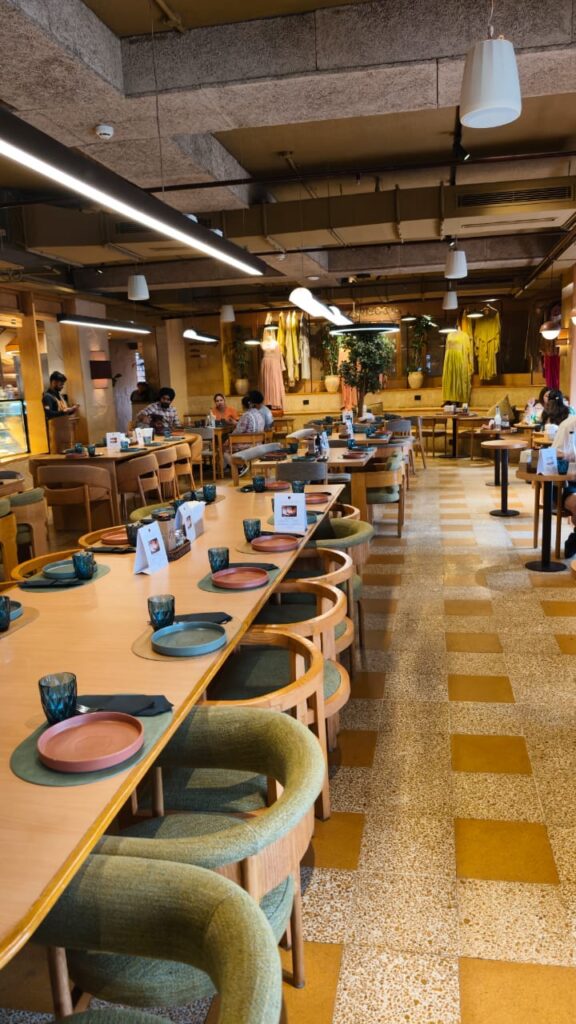
Located in Ranjit Avenue, this expansive, nearly 250 seater space represents a different kind of ambition. It is large, modern, and deliberately designed to feel global. The menu travels from sushi to Mediterranean plates, while the interiors aim for a calm, almost zen like vibe that distances itself from the chaos of traditional dining.
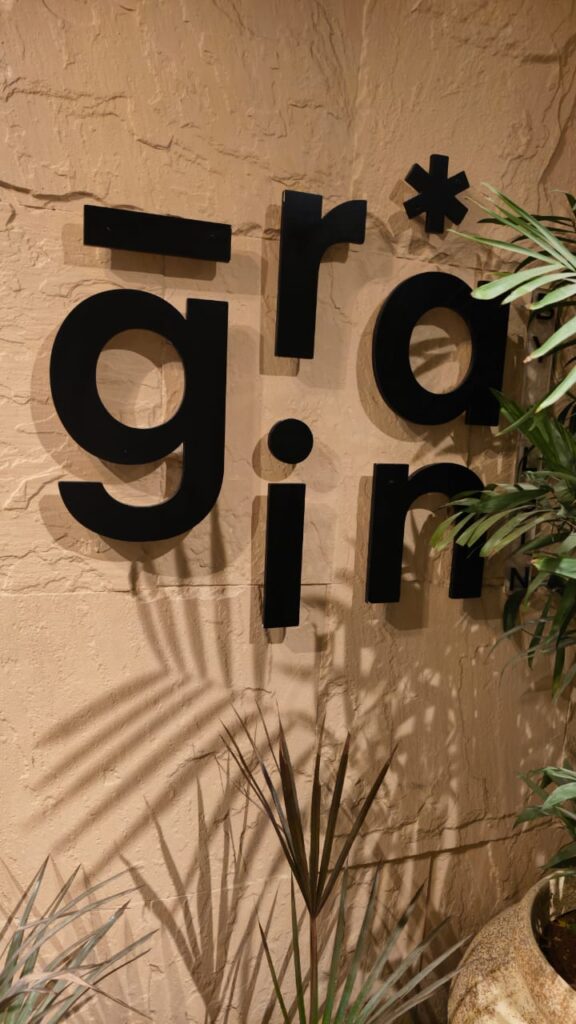
This is not just a restaurant. It is a signal. That Amritsar is ready to host scale driven, high spend dining experiences where the evening is as much about the setting as it is about the food.
Heritage Reimagined

And then comes the most telling sign of change. The arrival of spaces like The Governor House.
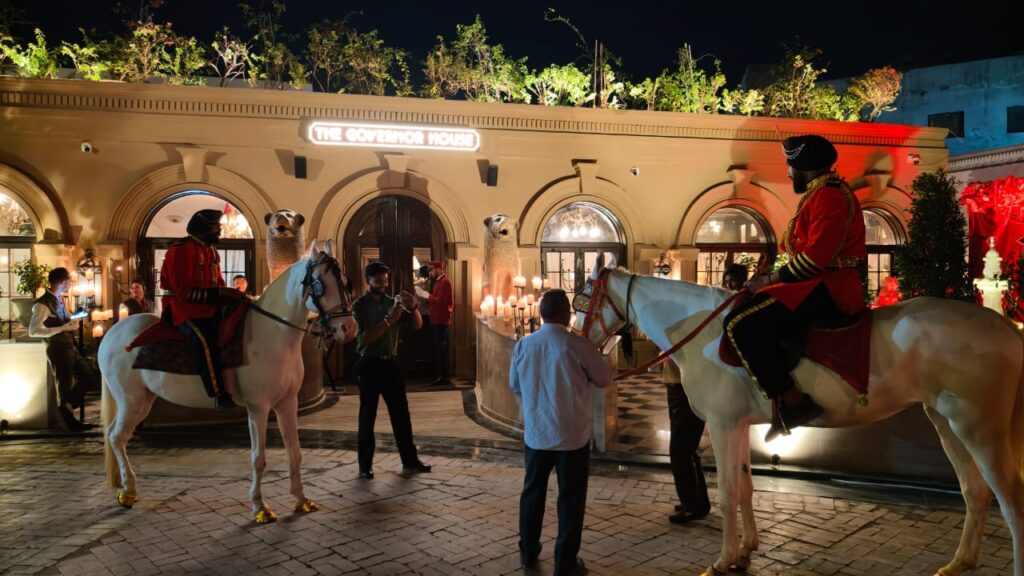

An old haveli (Circuit House) transformed into a modern Indian fine dining destination, it brings together the past and the present in a way that feels both respectful and aspirational.

White table cloth service, live piano, and a focus on refined Indian cuisine mark a sharp departure from the city’s traditionally informal dining culture.
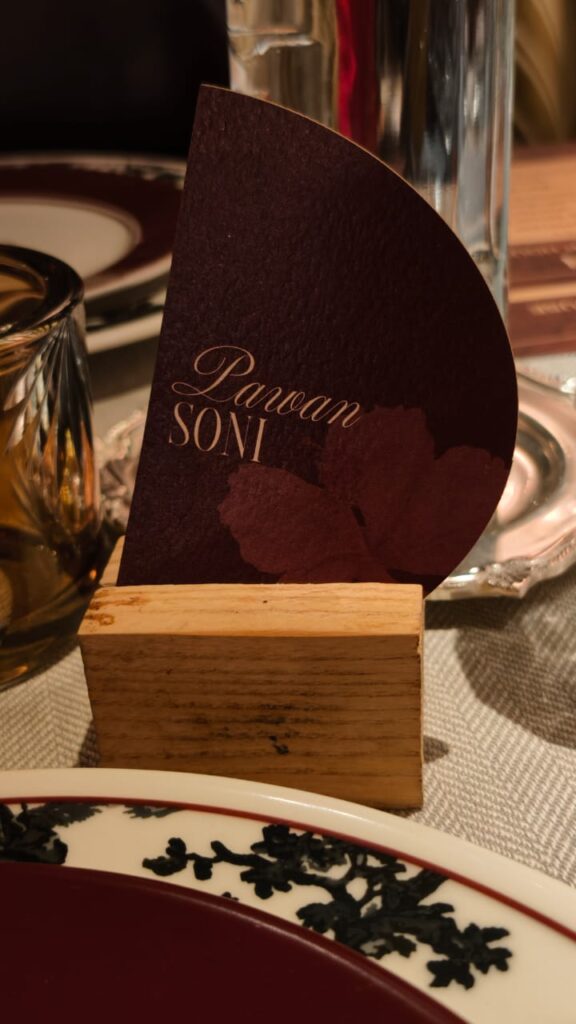
This is not nostalgia. This is reinvention.
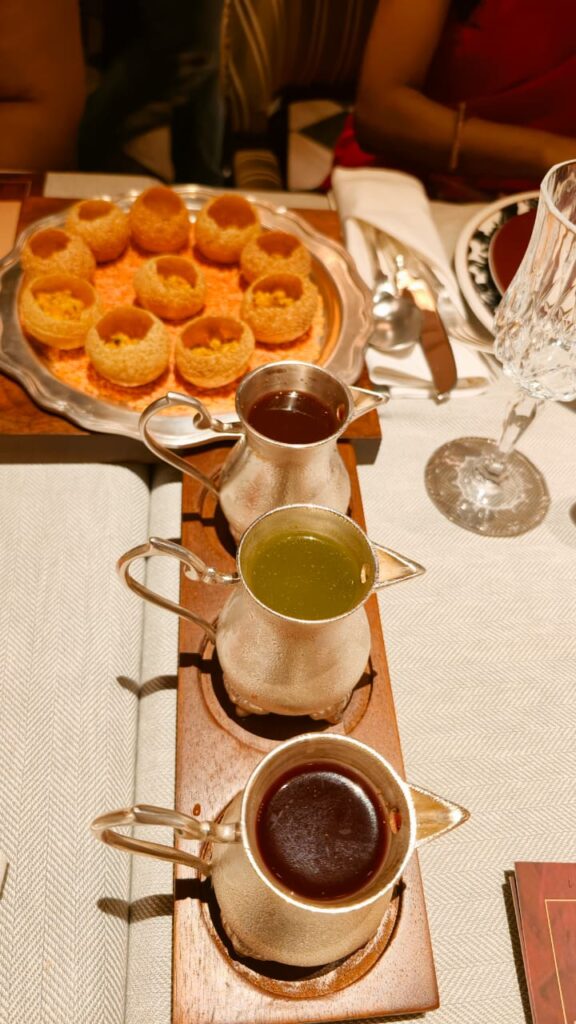
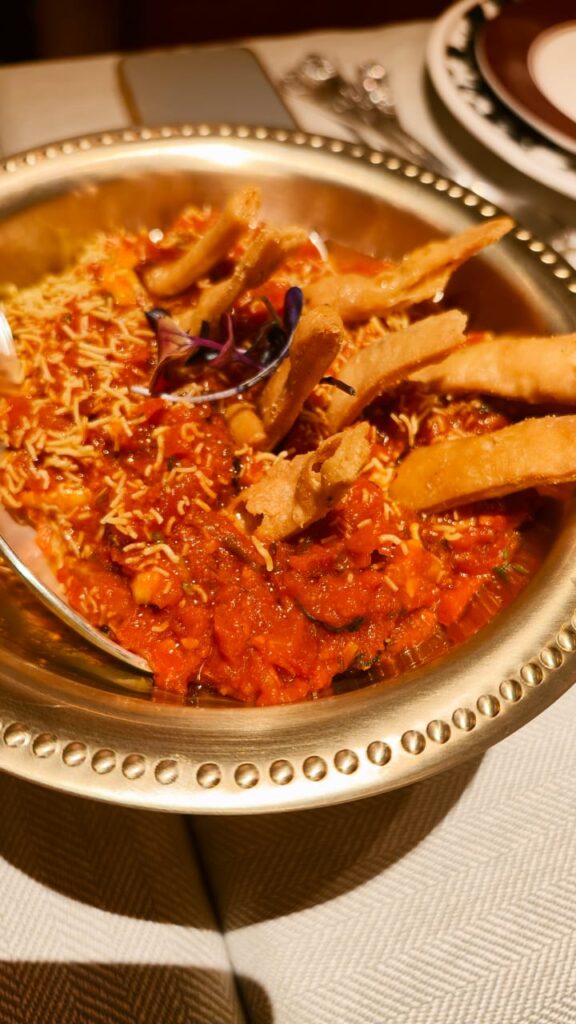
The haveli is no longer just a relic. It is now a stage.

A City Learning to Dress Up

What is fascinating is not just the emergence of these restaurants, but what they represent.

Amritsar is no longer eating out just to eat. It is dressing up, reserving tables, choosing wines, and occasionally, lingering over dessert instead of rushing back to the next bite.

There is a clear shift from consumption to experience.

And yet, the soul of the city remains intact. Just a few kilometres away from these swanky spaces, you will still find queues outside a kulcha joint at 9 in the morning.
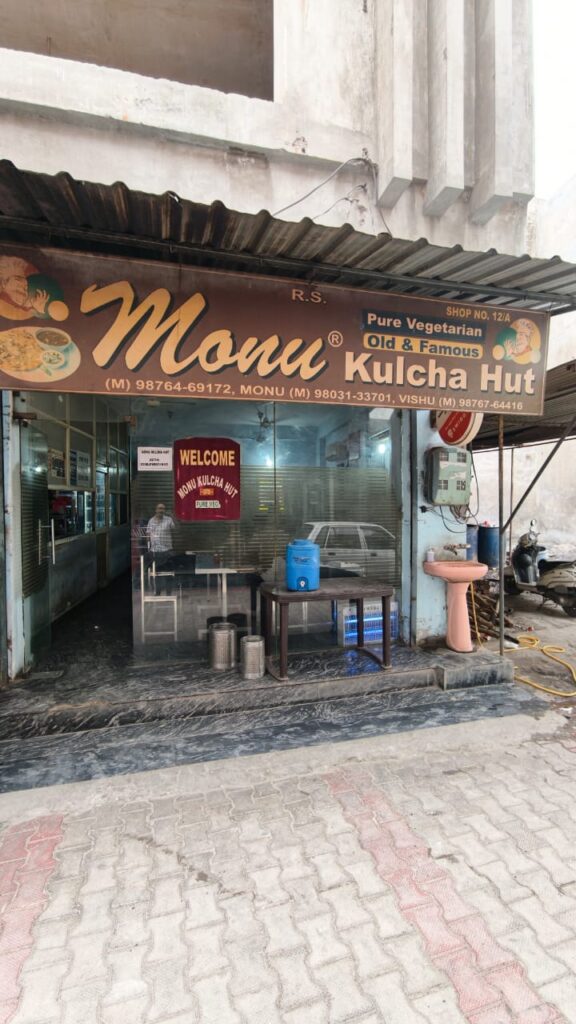
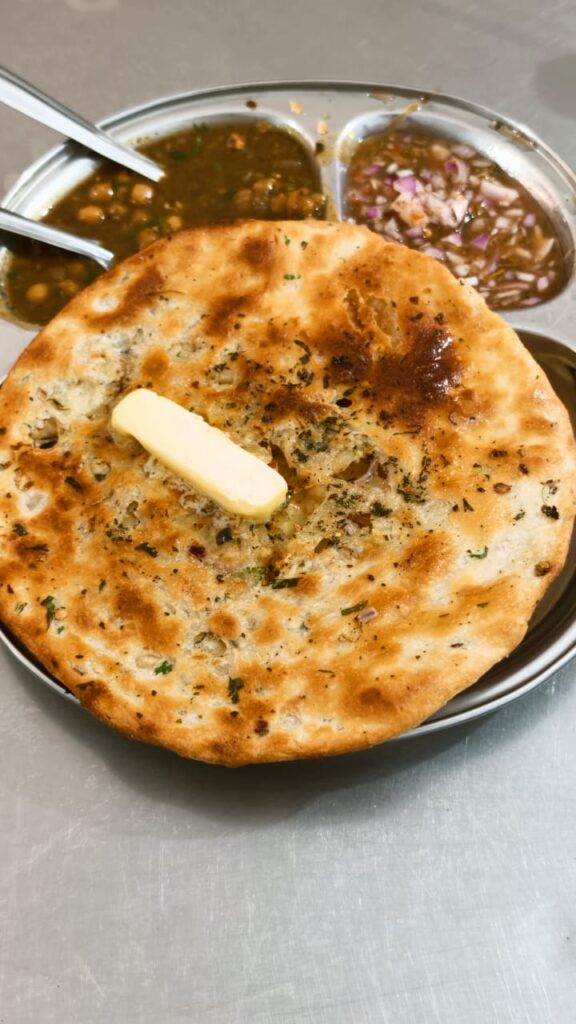
That duality is what makes this transition so compelling.

The Road Ahead

Will Amritsar ever become a full blown fine dining capital? Perhaps not in the traditional sense.

But it does not need to.

What it is becoming is far more interesting. A city where heritage and aspiration coexist. Where a traveller can begin the day with a plate of chole kulche and end it under soft piano notes in a restored haveli.

And somewhere in between, pause at a cafΓ© that feels like Goa and dine in a space that feels like Tokyo.

That is not just evolution. That is confidence on a plate.
Queens of The Sea at Le Cirque, Leela Palace, Delhi

Most seafood menus try to impress you with ingredients. This one at Le Cirque wins you over with how those ingredients are treated.

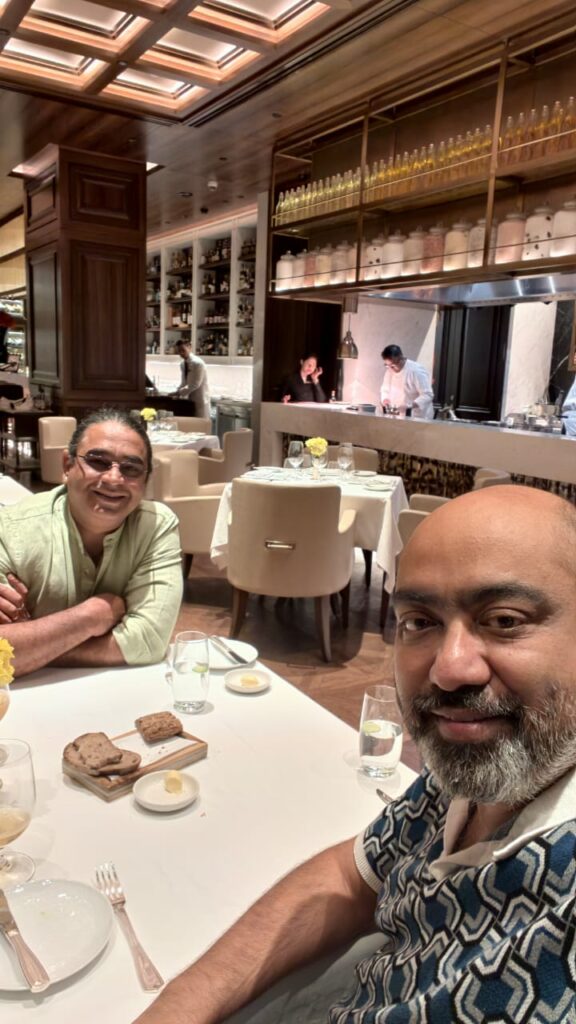
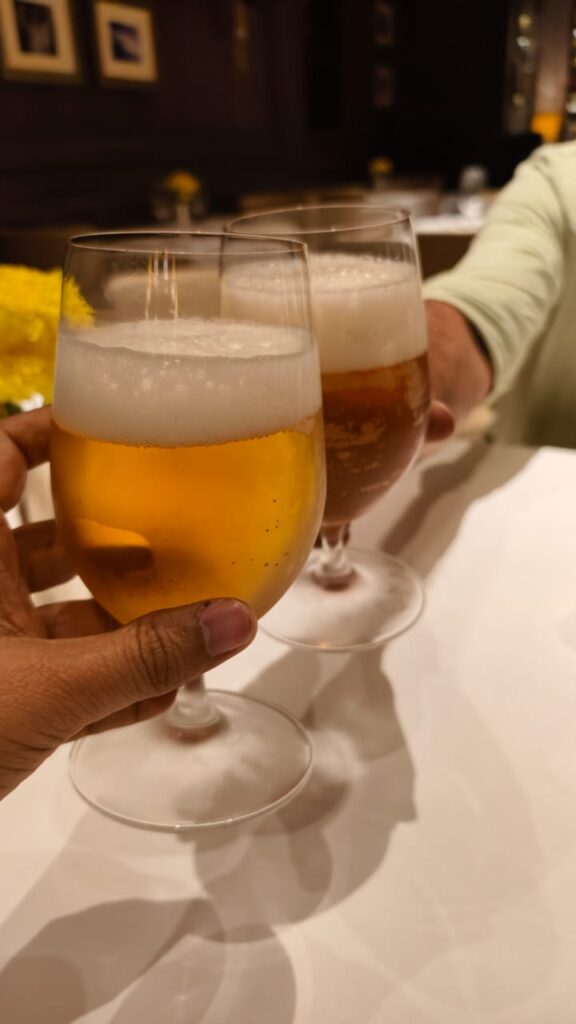
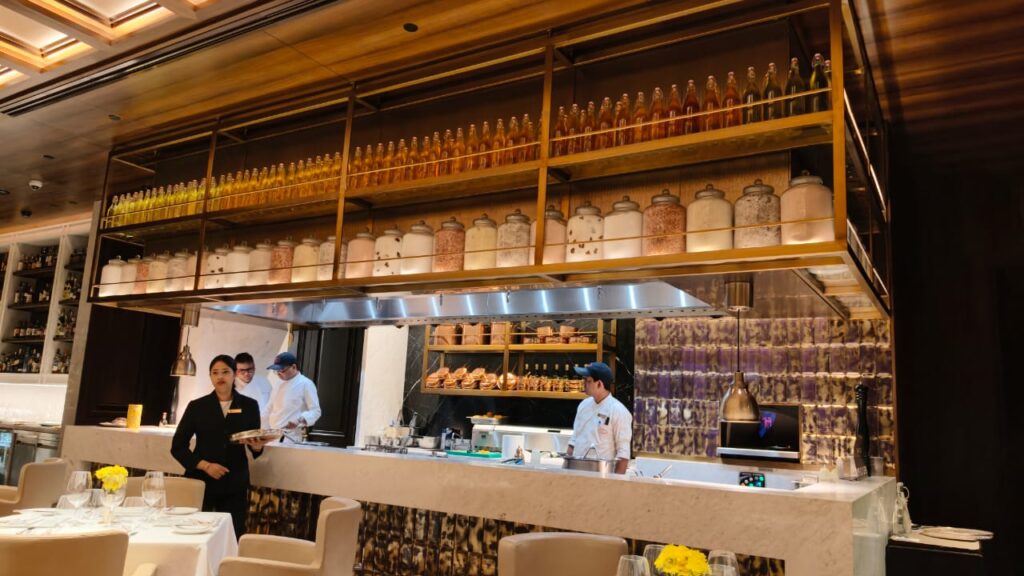
Even before the first course arrives, the space sets the tone. Warm lighting, plush seating, white table cloth, and that open kitchen quietly at work. It feels luxurious without trying too hard. Add to that one of the most thoughtfully stocked wine lists in the city, and you know you’re in for a proper, unhurried dining experience.

The β€œQueens of the Sea” tasting menu does not shout for attention. It builds it, course by course.

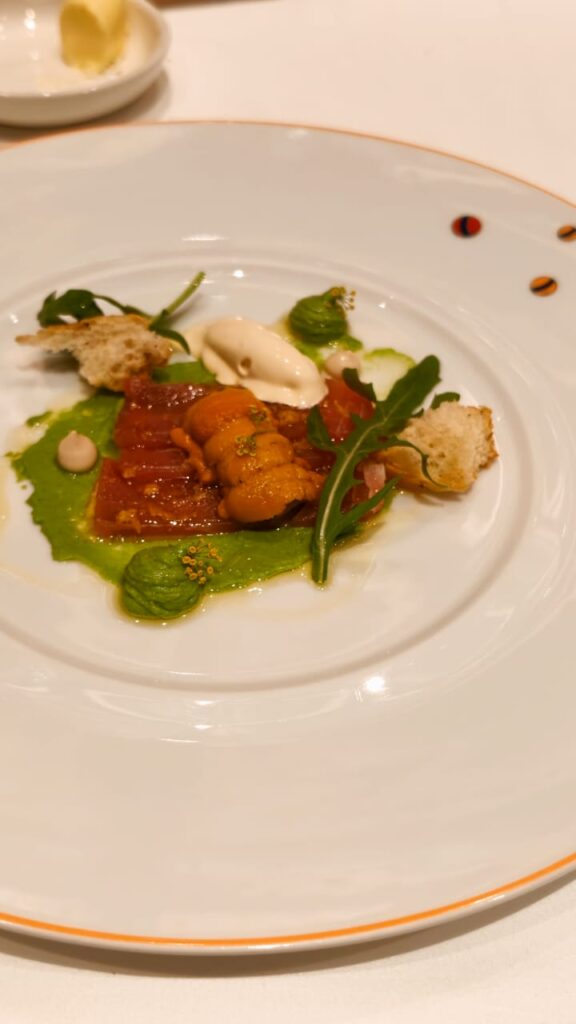
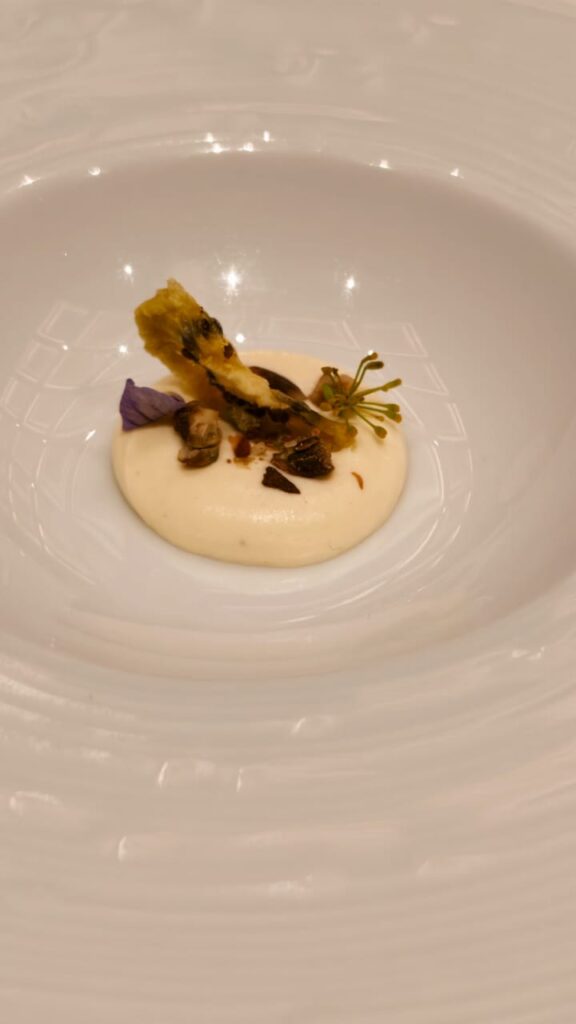
The Sea Urchin and Fennel Crusted Tuna Carpaccio is a confident start. The anchovy ice cream could have easily been overpowering, but instead it adds a soft, savoury depth. The fennel keeps everything light and balanced.

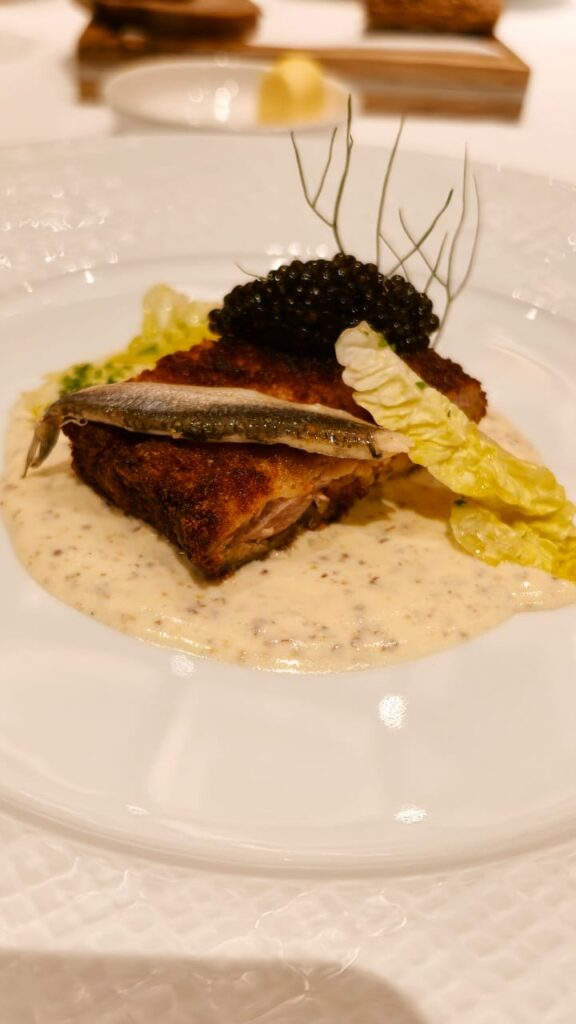
The Spanish Chicken Cotoletta might seem like a detour for a seafood menu, but it works. Crisp, indulgent, and elevated with Oscietra caviar and anchovy, it acts as a comforting pause before the seafood returns.

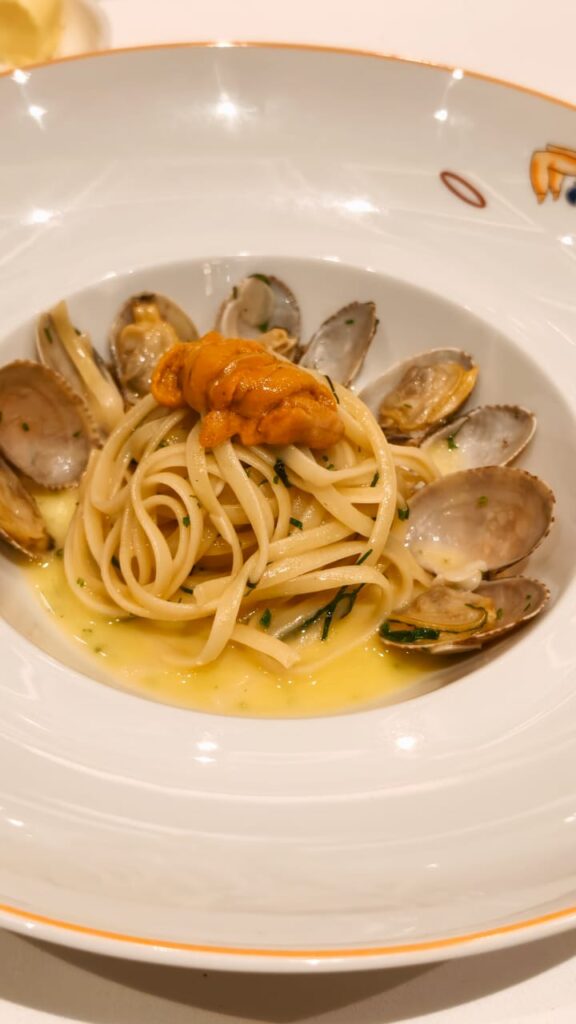
The Linguine with vongole and sea urchin is where things get indulgent. Some of us may find it a bit low on salt but this is exactly how it is served internationally. Silky, rich, and deeply flavourful, with confit garlic adding just the right amount of warmth. This is a dish you linger over.

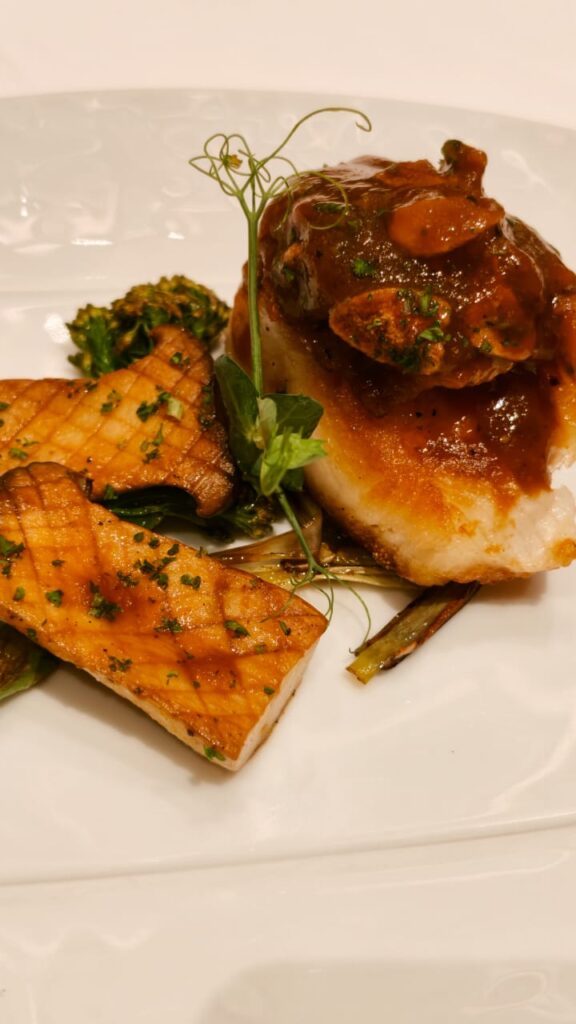
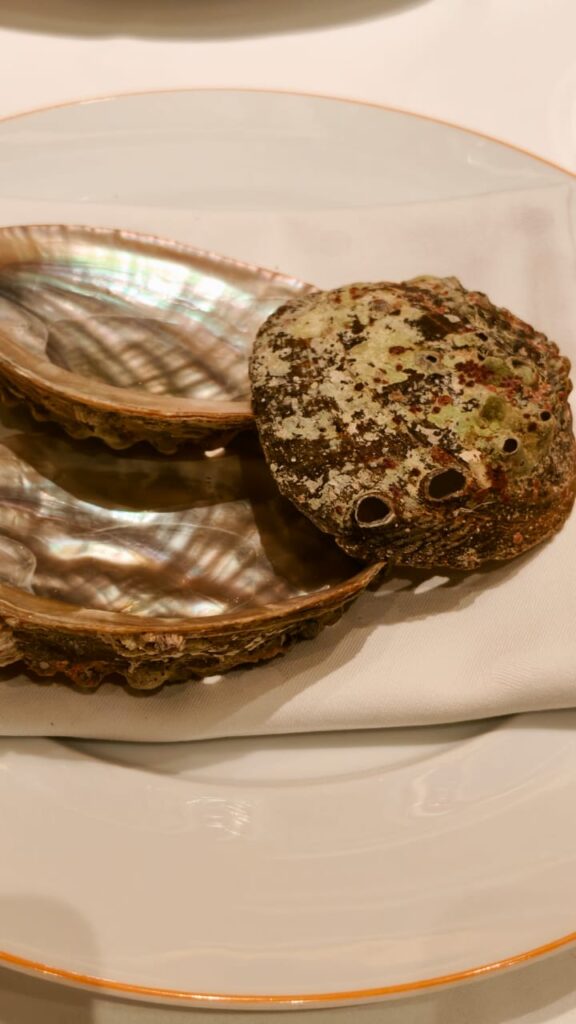
I have never been a fan of abalone as I find it a bit chewy. However Chef braises it well to keep the texture without making it too chewy. The Braised Abalone with Chilean seabass delivers exactly what you hope for. Perfectly cooked fish, delicate and buttery, paired with the distinct texture of abalone. The oyster mushroom jus adds an earthy layer that ties it all together.

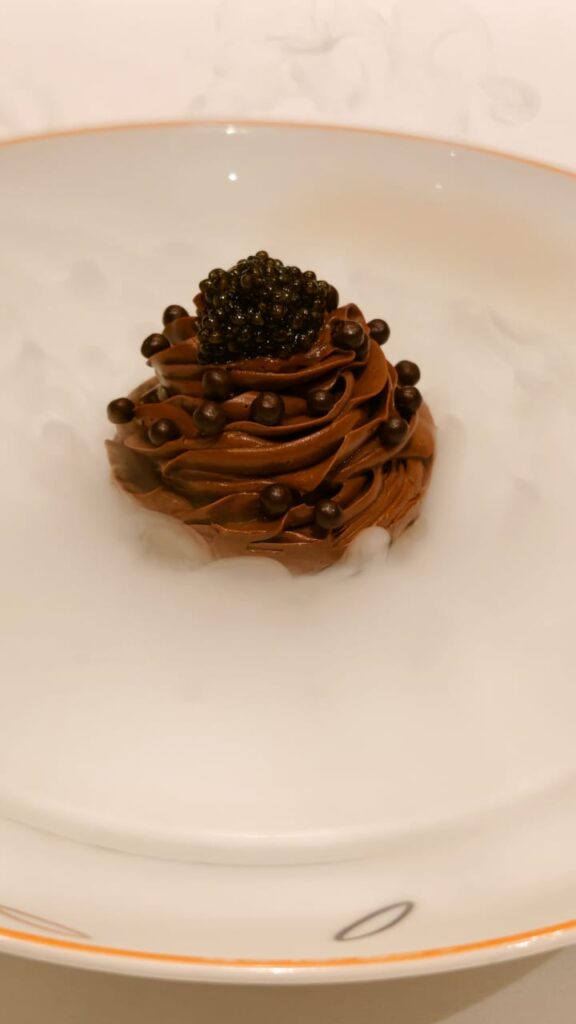
Dessert keeps things interesting. A Single Origin Chocolate Mousseline with sea salt and a touch of caviar. It sounds unusual, but it works. The salt sharpens the chocolate, and the caviar adds tiny bursts that keep each bite engaging.


What stands out is the restraint. With ingredients like caviar, sea urchin, and abalone, it is easy to go overboard. Here, everything is measured, elegant, and quietly confident.

At INR 11,000 plus taxes, this is clearly an indulgence. But between the food, the setting, and that wine list, it is the kind of meal you plan an evening around.

Available till 25th April. Definitely worth making time for.

Address: Le Cirque, Leela Palace, Chanakyapuri, New Delhi

From a Star to a Stain: My Disheartening Stay at Sahara Star, Mumbai

There was a time when Sahara Star, with its iconic dome and enviable location near Mumbai Airport, was among the city’s proudest hospitality offerings. A favorite of many visiting the city for business or leisure, it carried a promise of elegance, comfort, and good food. That star, sadly, has faded. My recent experience at the hotel made me wonder if it should be renamed Sahara Scars.

The first impression was nothing short of a red flag. The hotel’s entrance, once grand, now stands neglected, crying out for a fresh coat of paint. Inside, the disinterest continues. The front lobby staff, far from welcoming, seemed more engaged in banter with each other than with guests. Not a smile. Not a nod. Just indifference.

My ordeal began even before I entered my room. We requested an early check in, and were promptly asked to pay five thousand rupees. That is standard practice, I understand. But when we offered to pay by card, the staff insisted on cash, warning us that card payments would include extra taxes. Begrudgingly, we paid in cash. Two hours later, when I asked for a receipt, they finally handed one over β€” with no tax breakup. That is not just shady. That is unacceptable.

Once inside the room, I hoped things would improve. They did not. Barely warm water in the bathroom. Only one side table with the bed β€” the other side left inconveniently bare. The socket near the bed did not work, so charging a phone required acrobatics. The AC mysteriously shut down early morning. Curtains too narrow to actually block sunlight. The carpeted hallway leading to the room was a story in itself β€” worn out, dirty, and faintly smelling of mildew. If this is luxury, I would rather downgrade.

With the General Manager being an ex chef, I thought the food might be the hotel’s saving grace. It was not. We ordered pav bhaji to the room β€” a dish so bad it does not deserve a second mention. Breakfast next morning was an exercise in frustration. A simple request for scrambled eggs was repeatedly messed up. When they finally served something, it looked like a single egg beaten with air. Toast? Forgotten. Repeated requests for uttapam led nowhere β€” until I walked to the counter and discovered the kitchen had marked it as served even though it never reached my table.

The final straw came when I requested a pyaaz aloo parantha β€” my last hope to salvage the morning. Ten minutes passed, nothing came. I walked back, only to find the breakfast counter shut. Timing over. I called the restaurant manager, Abhijeet (if I remember right), who had earlier taken my order. He apologised sincerely, and even promised to send food to my room.

To their credit, the parantha did eventually arrive β€” but an hour later. By then, I was leaving the room, so I politely declined.

I made several attempts to reach the General Manager, Salil Fadnis. I was told he was not available. No one would share his number. I left him a message on Facebook. No reply. At this point, my patience had run out. And hence this column.

To clarify, Sahara Star is still being run by the Sahara family, though they are reportedly facing significant financial strain, including delays in lease payments to the Airport Authority of India. One of the staff members I spoke to even admitted that employees have been receiving their salaries after considerable delays. That perhaps explains the lack of morale, but cannot justify the complete breakdown of hospitality standards.

Sahara Star, once the crown jewel of airport hotels in Mumbai, is now an ill managed relic of its former self. A star that once shone bright now flickers feebly β€” a victim of neglect, financial stress, and managerial apathy.

One can only hope that a revival is still possible. Until then, I for one am steering clear of this property. And if you value your time, money and sanity, perhaps you should too.

The post From a Star to a Stain: My Disheartening Stay at Sahara Star, Mumbai appeared first on Indian Food Freak.

❌