❌

Reading view

There are new articles available, click to refresh the page.

Activist charged with felony after giving border agent "duress code" that wiped his phone

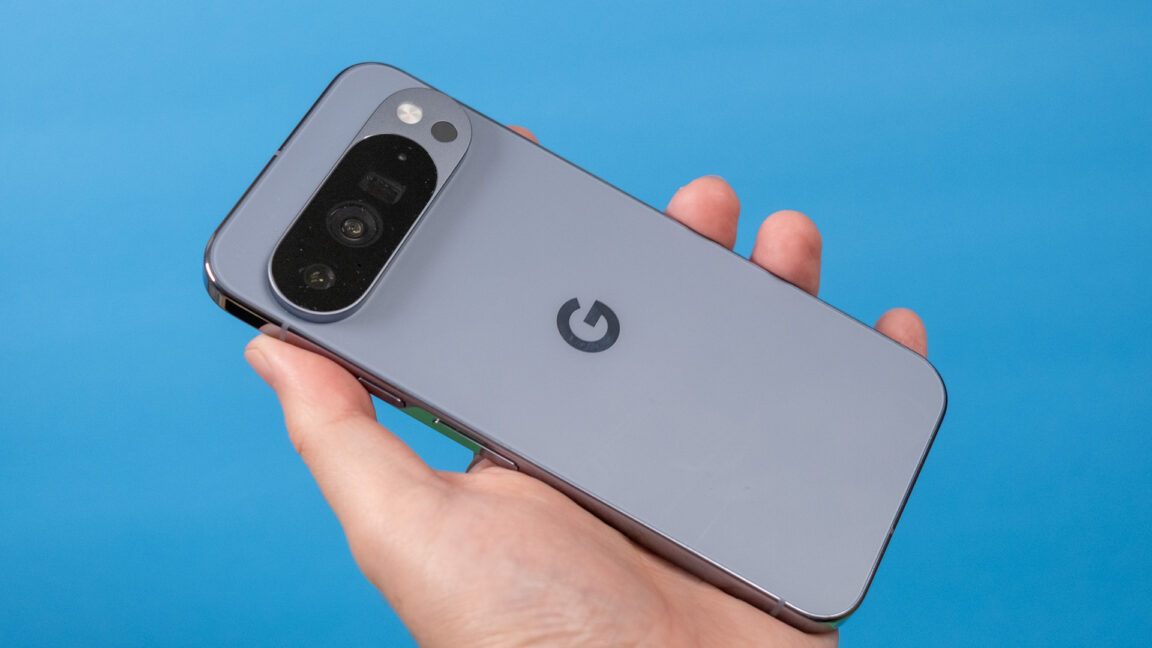
In early 2025, Atlanta resident Samuel Tunick was on his way home following a trip abroad. After landing in the US, customs agents demanded access to his Pixel phone, which was running an alternative version of Android called GrapheneOS. Rather than hand over his data, Tunick used a clever feature of the software to delete everything. Now, he's facing federal charges.

The first hearing in this case happened last week, according to The Guardian, during which government attorneys and agents claimed that Tunick was subjected to a standard secondary interrogation at an international airport. During that encounter, agents were "looking for anything that’s prohibited." However, Tunick's legal team alleges he was targeted for his activism.

Tunick was involved with a group called Defend the Atlanta Forest, which opposed the construction of an enormous law enforcement training facility in the area often known as Cop City. What Tunick didn't know, according to his lawyers, was that he'd been placed on a watch list for his actions and that Customs and Border Protection had discussed over email plans to detain him upon his arrival back in the US for "suspected terrorism activities."
Read full article

Comments

Β© Ryan Whitwam

Forgot your Google password? Now you can log in with a selfie.

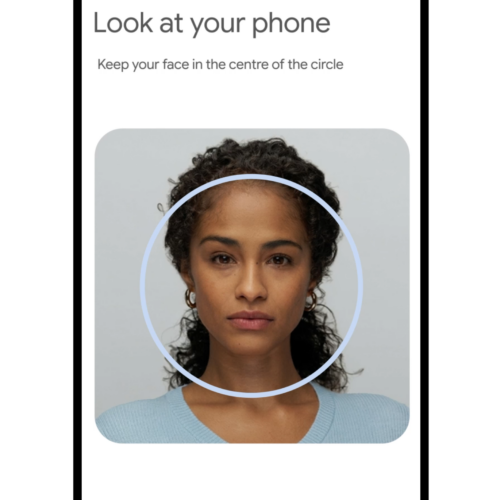
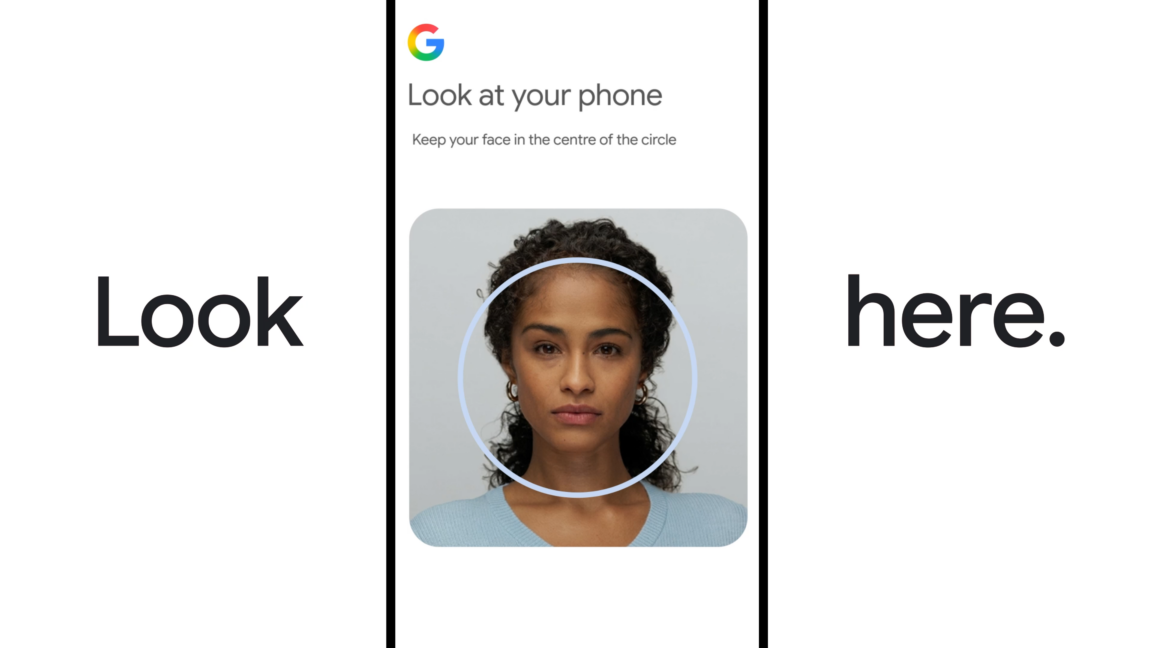
Getting locked out of an account is no fun. Google has a few ways to help you regain access if you happen to forget your password or lose an authenticator, including recovery contacts and backup codes. Now, Google has a completely new option: your face. You can now give Google a video record of your face and sign into your account with a selfie, which sounds like something people are going to just love.

You will have to set this feature up ahead of time if you want the option of regaining account access with a selfie later on. To get started, verify your account type is supported. You won't be able to configure selfie sign-ins for Workspace accounts, child accounts, or any account enrolled in Google's Advanced Protection Program.

Configuring selfie sign-in requires you to record a video, which Google will store on its servers. Google's selfie sign-in landing page includes the typical disclaimers about privacy and data access, promising that the company will keep the video encrypted and won't use it for any other purposes unless you opt in.

Read full article

Comments

Β© Google

Google just had its first negative cash flow quarter due to massive AI spending

Google has reported its financial results for the second quarter of 2026 (PDF), and as usual, the search giant raked in an unfathomable amount of money. Google saw total revenue of $119.8 billion, beating analyst expectations by a comfortable margin. Despite that, the company's stock has taken a hit. Along with all that revenue, Google has announced a further increase in its AI-fueled capital expenditures (or capex). The company is actually spending so much on AI infrastructure that it has negative cash flow for the first time.

Search was the largest chunk of Google's income, accounting for $63.3 billion. Google Cloud pulled in $24.8 billion, a significant 23.8 percent increase from the first quarter. This shows there is massive demand for Google's AI services. Google also earned $12.9 billion from its subscriptions, platforms, and devices portfolio, as well as $11.1 billion from YouTube ads. The company managed to goose that last one by more than 12 percent since last quarter as it made YouTube ads even longer.

A significant chunk of Google's revenue comes from investments. When you subtract those non-cash earnings, Google's operating cash flow for Q2 2026 was about $39.1 billion. That's not the most the company has ever seen, but it's a healthy 40 percent increase from Q2 2025. The problem is that Google's spending has also gone upβ€”a lot.

Read full article

Comments

Β© Aurich Lawson

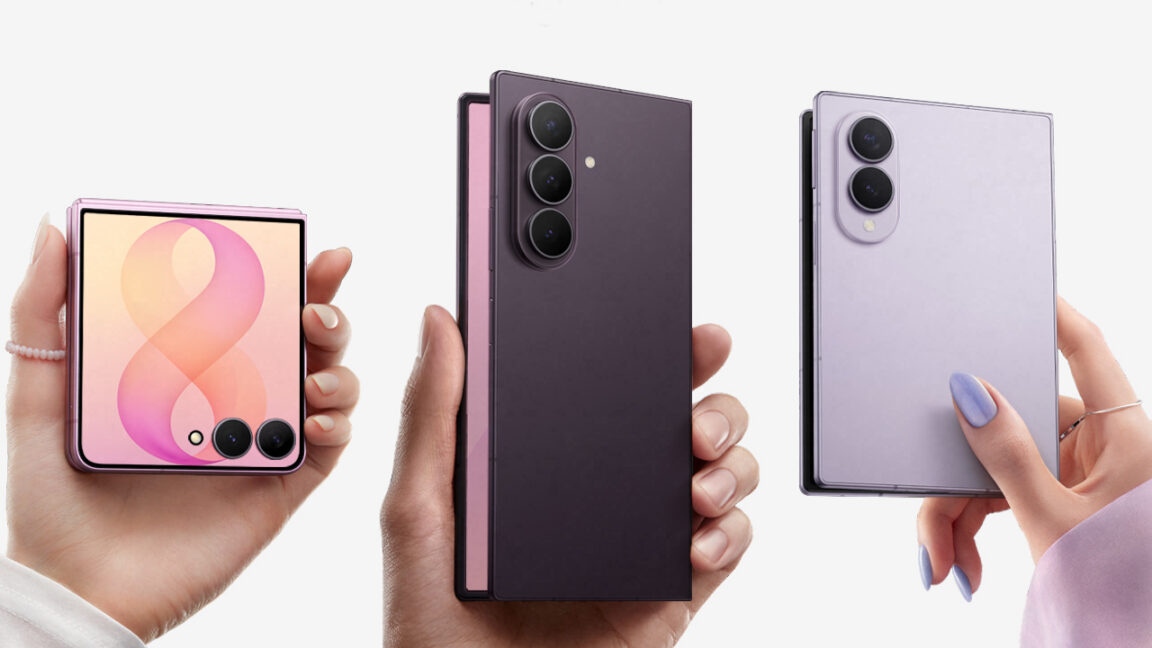
Samsung unveils new Galaxy Z8 foldables and Galaxy Watches, available August 7

The rumors haven't left much to the imagination, but Samsung has unfurled its 2026 foldable lineup today. There are three models for the first time in Samsung's eight-gen foldable family, including the top-of-the-line Z Fold 8 Ultra. That phone is the successor to last year's Galaxy Z Fold 7, but the Z Fold 8 is newβ€”the company's first wide-body foldable designed for media over multitasking. And then there's a new, thinner flip phone, plus a pair of smartwatches.

You can preorder Samsung's new hardware today, but the component shortage has made these already spendy product lines more expensive this year. Even the Z Flip 8 is now well over a grand, and the Ultra costs almost twice as much.

Specs at a glance: Galaxy Z8 series
Galaxy Z Flip 8 ($1,200) Galaxy Z Fold 8 ($1,900) Galaxy Z Fold 8 Ultra ($2,100)
SoC Snapdragon 8 Elite Gen 5 for Galaxy Snapdragon 8 Elite Gen 5 for Galaxy Snapdragon 8 Elite Gen 5 for Galaxy
Memory 12GB 12GB, 16GB 12GB, 16GB
Storage 256GB, 512GB 256GB, 512GB, 1TB 256GB, 512GB, 1TB
Display Main: 6.9" Dynamic AMOLED 2X (1080 x 2520) 400ppi, 120Hz; Cover: 4.1" AMOLED (948 x 1048) 342 ppi, 60/120Hz Main: 7.6" Dynamic AMOLED 2X (1848 x 2448) 403ppi, 120Hz; Cover: 5.5" Dynamic AMOLED 2X (1248 x 1972) 428ppi, 120Hz Main: 8.0" QXGA+ Dynamic AMOLED 2X (2504 x 2256) 422ppi, 120Hz; Cover: 6.5" FHD+ Dynamic AMOLED 2X (1080 x 2520) 422ppi, 120Hz
Cameras Rear: 50MP Wide (F1.8, OIS), 12MP Ultra Wide (F2.2); Selfie: 10MP (F2.2) Rear: 50MP Wide (F1.8, OIS), 50MP Ultra Wide (F1.9); Main/Cover Selfie: 10MP (F2.2) Rear: 200MP Wide (F1.7, OIS), 50MP Ultra Wide (F1.9), 10MP Tele (3x Optical, F2.4, OIS); Main/Cover Selfie: 10MP (F2.2)
Software Android 17 / One UI 9 Android 17 / One UI 9 Android 17 / One UI 9
Battery 4,300 mAh, up to 55% charge in ~30 min with 25W Adapter, 15W Wireless Charging 4,800 mAh, up to 67% charge in ~30 min with 45W Adapter, 20W Wireless Charging 5,000 mAh, up to 63% charge in ~30 min with 45W Adapter, 20W Wireless Charging
Connectivity 5G, LTE, Wi-Fi 7, Bluetooth v5.4, SIM+eSIM 5G, LTE, Wi-Fi 7, Bluetooth v6.0, SIM+eSIM 5G, LTE, Wi-Fi 7, Bluetooth v6.0, SIM+eSIM
Measurements Unfolded: 166.9 Γ— 75.4 Γ— 6.1 mm
Folded: 85.7 Γ— 75.4 Γ— 13.1 mm, 180g
Unfolded: 123.9 Γ— 161.4 Γ— 4.5 mm
Folded: 123.9 Γ— 81.9 Γ— 9.7 mm, 201g
Unfolded: 158.4 Γ— 143.2 Γ— 4.1 mm
Folded: 158.4 Γ— 72.8 Γ— 8.9 mm, 215g
Colors Pink, Graphite, Cream, Mint (online) Lavender, Graphite, Cream, Pistachio (online) Violet Shadow, Graphite, Cream, Green Shadow (online)

The Z Fold 8 Ultra has the same basic form factor as the last few Samsung tablet-style foldables. A 6.5-inch OLED on the outside is about the same ratio as a standard smartphone screen. Open it up, and you get an 8-inch display that's roughly twice as wide. That makes the main display close to square.

Read full article

Comments

Β© Samsung

Google announces Gemini 3.6 Flash and cybersecurity AI, teases 3.5 Pro and Gemini 4

Google announced a significant evolution of its AI models at I/O in May with the release of Gemini 3.5 Flash, and it's not slowing down. The company revealed three new AI models today, including its first version of Gemini geared toward cybersecurity. However, none of the new models is the delayed Gemini 3.5 Pro, which was supposed to launch in June.

Gemini 3.5 Flash, which was the star of the show at I/O, has already been deprecated. In its place, developers and users will find Gemini 3.6 Flash. Google makes the usual claims about this modelβ€”it's marginally more capable and better at coding, and it has great multimodal features.

Google says the changes to 3.6 Flash were made in response to user feedback on the 3.5 release. In general, Gemini 3.5 Flash didn't appear to live up to Google's promises around code generation. Perhaps that is simply a consequence of Google's intense focus on efficiency as businesses have started to fret over the cost of AI tokens.

Read full article

Comments

Β© Aurich Lawson

It's official: EU will force Google to share search data and open up AI on Android

Europe wasted no time using its landmark Digital Markets Act (DMA) to try to rein in Big Tech. Companies like Apple, Meta, and Google have faced steep fines and orders to modify their business practices since the law came into force in 2024. And the hits keep on coming for Big Tech in Europe. After several months of consideration, the European Commission has announced new DMA measures that will force Google to support interoperability and competition in the European Union, and Google is not happy about it.

The new "specification measures" cover two elements of Google's business: Android phones and search. Both changes could theoretically increase competition and give users more choices, but Google claims they will undermine privacy and security. But as a "gatekeeper" under the DMA, Google has no choice but to comply. As the European Commission points out in its announcement, these decisions are legally binding.

On Android, Google will have to open up access to competing AI platforms. Currently, Google's Gemini gets preferential access to the system. Gemini is preloaded on all Google-certified Android phones and can wake up in response to the "Hey Google" hot word. Google's AI also includes system and app automation features, screen content access, and more.

Read full article

Comments

Β© Getty Images | BeeBright

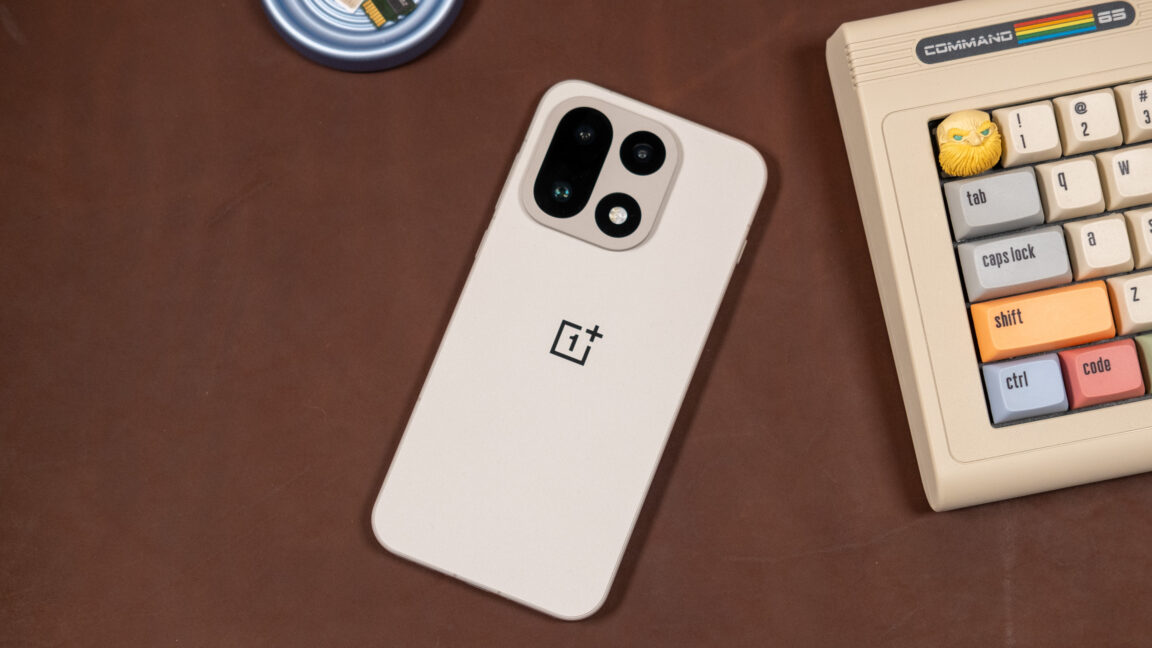
OnePlus confirms shutdown in the US and Europe, ending months of speculation

OnePlus arrived on the scene in 2014 with brash marketing and a compelling pitch: What if your phone was cheaper and faster? More than a decade later, the market is much different, and so is OnePlus. Confirming months of rumors and speculation, OnePlus has confirmed it's ending phone releases in North America and Europe.

This development has been expected for a while. After a brief period of expansion in the US through deals with T-Mobile and Verizon, OnePlus began visibly shifting its focus to India after the pandemic. OnePlus has also increasingly come under the control of its parent company, Oppo, aligning its device releases and software experience with the larger brand. Still, OnePlus has continued to launch flagship devices in the US and Europe, with the OnePlus 15 going on sale in late 2025. That will be the last OnePlus phone many people see, though.

OnePlus denied rumors of a shutdown earlier this year, but its language was vague and never promised future phone releases. The new statement is also worded gingerly, but the outcome is clear. "As part of the proactive global strategy adjustment, OnePlus has decided to conclude new product rollouts in Europe and North America," the official post reads.

Read full article

Comments

Β© Ryan Whitwam

Third-party app stores coming to Google Play next week as Epic settlement withdrawn

Big changes are coming to Android apps, but they're not the changes Google wanted. The settlement between Google and Epic that aimed to put to rest the companies' long-running antitrust battle is being withdrawn, and that means third-party app stores are coming to the Play Store. Google has confirmed that it will begin distributing rival app stores next week, setting the stage for competing platforms to take a bite out of Google's Android revenue stream.

This case has the potential to upend software distribution on Android, and it's all because of V-Bucks. In 2020, Epic Games was frustrated that it had to pay a 30 percent cut to Apple and Google every time someone bought a bundle of V-Bucks in a mobile version of Fortnite. The publisher added a direct purchase option to the game in violation of both Apple's and Google's rules. Naturally, Fortnite was pulled from the App Store and Google Play, kicking off the antitrust lawsuit that is only now reaching its conclusion.

While Apple suffered little penalty in its Epic case, Google was tripped up by its anti-competitive management of the supposedly open Android ecosystem. Google used its market position to discourage device makers from promoting or pre-loading non-Google app stores and attempted to hide that conduct. The remedies set by Judge James Donato included lower fees, mirroring Google Play apps in other stores, and most vitally, placement of alternative app stores in Google Play.

Read full article

Comments

Β© Getty Images | Kirill Kudryavtsev

Google revamps image search for its 25th anniversary with more images and more AI

Believe it or not, there was a time when searching the web for images was not possible. Twenty-five years ago, Google launched image search, and it's celebrating by looking back at its biggest visual milestones and refreshing the experience for today's searchers. The celebration also includes expanded AI because that's just how Google rolls in 2026.

Google claims the impetus for image search a quarter-century ago was the green Versace dress Jennifer Lopez wore to the 2000 Grammy Awards. If you were alive at the time, you probably remember the one. Google engineers understood that people searching for the dress didn't want to read about itβ€”they just wanted to see it. The company got to work building image search, launching the first version in July 2001. Twenty-five years later, it's easy to take for granted that you can search for Lopez's green dress or whatever else strikes your fancy.

Currently, going to the Google image search site shows a plain search bar for finding images. It's a refreshingly minimalist interface for the modern web. Even Google's search homepage has a smattering of AI buttons and drop-down menus. That will change when the new Google Images rolls out.

Read full article

Comments

Β© Ryan Whitwam

Apple and Samsung benefit as memory shortage pushes smartphone shipments to historic lows

Smartphone shipments started to plateau a few years back, ending the days of guaranteed double-digit growth for any company that wanted to make phones. Fewer smartphone manufacturers exist today, and they're facing new pressure in the age of AI. A new report claims that smartphone shipments cratered 11 percent in the last quarter. Some are weathering the storm better than others, though.

According to Counterpoint, this substantial drop brings smartphone shipments to their lowest second-quarter level since 2013. Analysts place the blame for this drop squarely on the increasing price of DRAM and NAND chips. Manufacturers have largely shifted to supporting the AI computing boom, which leaves fewer components for consumer devices like smartphones and PCs. As prices climb higher, fewer people are interested in buying new phones.

This problem has been particularly vexing for people who are happy to purchase budget devices. A recent report from market research firm Omdia noted that higher memory costs are particularly bad for phones priced at $500 or less. In these segments, memory can now easily account for half of the total manufacturing cost. These devices have seen quicker and larger price increases compared to flagship devices, for which memory is now more than a quarter of the cost. That's a significant increase in the past year, but there's still more profit to be had at the high end.

Read full article

Comments

Β© Ryan Whitwam

Google updates Android Bench with new LLMs, but Gemini still lags behind

Code generation is emerging as one of the most popular applications for large language models (LLMs), but not all agents are equally good at all development tasks. Google created a benchmark earlier this year to evaluate how LLMs perform in Android app development, and Android Bench is getting a big update today. The leaderboard now includes a raft of new models, and Google has adopted a new framework that should be easier to use. Developers are invited to run their own tests and submit feedback that could shape the future of Android Bench.

While they are popular coding tools, LLMs don't get everything right. Separating the useful outputs from straight-up slop means choosing the right tool. Android Bench aims to demonstrate which AI agents do best on a suite of 100 Android development tasks. After launching Android Bench in March, Google has added metrics like cost and efficiency, as well as open-weight models.

To keep Android Bench relevant, Google is updating the test with eight new models, including all the latest heavy-hitters: Claude Fable 5, Claude Sonnet 5, Claude Opus 4.8, GLM 5.2, Kimi K2.7 Code, MiniMax M3, Qwen 3.7 Plus, and Qwen 3.7 Max.

Read full article

Comments

Β© Ryan Whitwam

Google's Pixel 11 launch event is set for August 12, with possible price increases

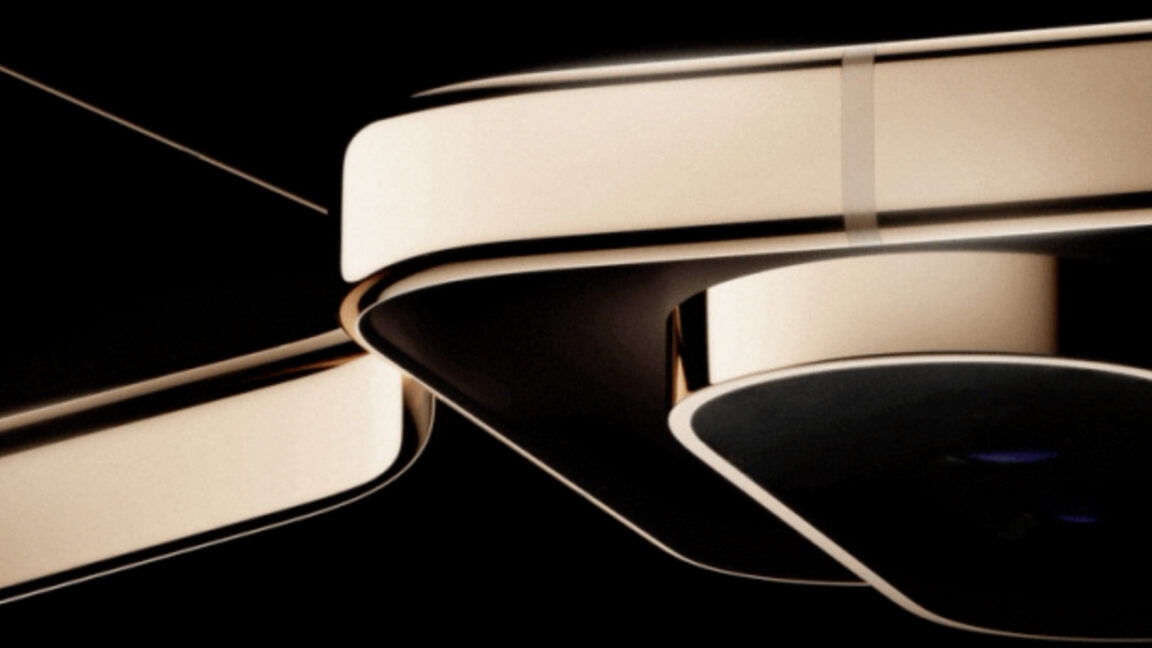
Google has announced its next Made By Google event, taking place on August 12 in New York City. Google's invite doesn't name names, but the imagery clearly shows a new Pixel phone that looks a whole lot like last year's phone. Some new rumors, however, suggest the updated phones will come with inflated price tags courtesy of the AI-driven component shortage.

The sleek lines of the phone in the teaser image are a dead ringer for Google's last few Pixel phones, and that matches some early rumors. Google's new phones will have similar shapes, with the Pro and Pro Fold models perhaps shaving off a little thickness. The most notable design change will probably be the rumored "Pixel Glow" lights, a rear-facing notification and status light.

Recent reports claim that Google is finally doing away with the base 128GB storage option for the smaller phones. In 2025, both the Pixel 10 and Pixel 10 Pro started at 128GB of storage, a bit lacking for a modern flagship device at a time when people don't upgrade as often. Google will reportedly move to 256GB as the base storage for both phones.

Read full article

Comments

Β© Google

❌