❌

Reading view

There are new articles available, click to refresh the page.

Not just Proton: Getting to know Valve's new SteamOS compatibility layers

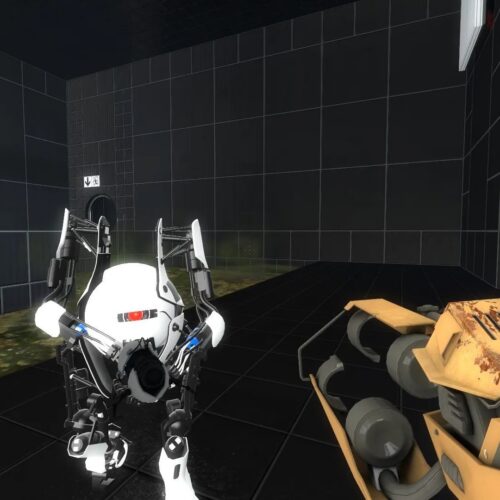
Since the release of the Steam Deck, Valve fans have gotten very familiar with the idea of the Proton compatibility layer that allows games written for Windows to run capably on the Linux-based SteamOS (though Valve's efforts in this realm date back further than that). To get more games running on the SteamOS-powered Steam Frame, though, Valve is relying on two additional compatibility layers that are new to the Steam architecture.

The first, FEX, is Valve's port of fex-emu, an open source project that emulates x86 processor instructions on an Arm chipset. Since 2018, what started as a small cross-platform emulation project has grown to include "an advanced binary recompiler that supports all modern extensions of the x86(-64) instruction set," according to the Fex website. The emulator can also make calls to graphics libraries like OpenGL and Vulkan to reduce overhead and uses "code caching to minimize stuttering as much as possible," according to Steam's own developer documentation.

While Proton was based on the pre-existing Wine conversion tool, Valve engineer Pierre-Loup Griffais told The Verge last year that the company has been funding Fex lead developer Ryan Houdek since the project was just a prototype. Back then, Valve was already anticipating that "close to a decade of work [would be] needed before [Fex-emu] would be robust enough people could rely on it for their libraries."


Read full article

Comments

Β© Aurich Lawson

AI leaders want to hit the brakes after years of reckless speed

For years now, the major frontier AI labs have all been acting as if they're in an all-out, winner-take-all race with control of world-changing machine superintelligence (or at least market-changing artificial general intelligence) at the finish line. This weekend, the industry as a whole rapidly started turning away from that posture, urging coordination on slowing down the development of frontier AI that they say could soon be too dangerous and unknowable to control.

Anthropic's Dario Amodei was at the forefront of this change in tone, arguing in a nearly 4,000-word essay this weekend that "we must slow the pace at which we improve the capabilities of AI models" to avoid "a race to the bottom, spurred by commercial incentives, [that] can make [catastrophic] risks more acute."

Within hours, other AI leaders were echoing the same call. OpenAI co-founder and CEO Sam Altman posted his agreement on social media and said similar pacing discussions had been taking place at OpenAI. Alphabet Chief Scientist and Google DeepMind cofounder and chair Demis Hassabis said that Amodei's essay "points towards the right path forward," and renewed his own recent call for an industry-wide standards body. Microsoft CEO Satya Nadella posted that the company "welcome[s] the research, focus, and deliberate pacing needed to get alignment right as the design goal," ahead of the release of a lengthy "humanist AI" code of conduct for its models.

Read full article

Comments

Β© Getty Images

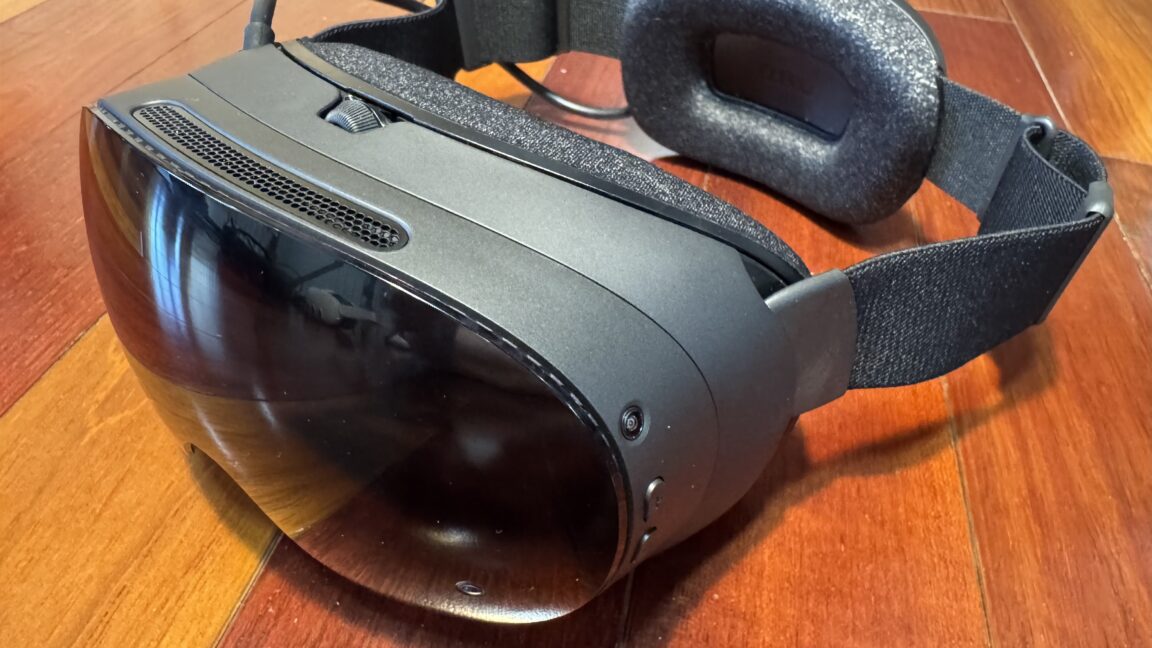
Steam Frame: The Ars Technica review

In the 2010s, Valve was at the forefront of a virtual reality revolution that looked to some like it would upend the gaming industry. The Valve of six to ten years ago seemed committed to being a major player in the world of PC-connected VR headsets, first through its β€œstrategic partnership” with HTC on the impressive-for-the-time Vive headset (plus the SteamVR platform standard that powered it) and then years later with its own Index headset (and proof-of-concept adventure Half-Life: Alyx).

Then came the Meta (previously Oculus) Quest, a low-powered, low-cost headset that proved the vast majority of VR-curious gamers didn’t want to bother with being literally tethered to a bulky, expensive gaming PC. As the Quest line carved out a modest niche through the 2020s, Valve seemed more or less satisfied to let its earlier VR hardware and software ambitions wither on the vine.

Those years of Valve’s benign neglect of VR make the imminent release of the $1,059 Steam Frameβ€”which starts taking reservations todayβ€”more than a little surprising. Now that virtual reality’s hype-fueled, revolutionary promises have decidedly not played out, Valve is somehow ready and willing to limp headfirst into the world of standalone VR headsetsβ€”today, in 2026. And after spending a week or so with Valve’s latest foray into gaming hardware, the Frame somehow feels simultaneously overengineered and underbaked, depending on how you look at it.

Read full article

Comments

Β© Kyle Orland

Anthropic researcher quits with a warning: Self-improving AI could "kill us all"

When a prominent researcher quits a job at a frontier AI lab these days, it's often to pursue a new startup or protest a new business model. But AI researcher Jacob Coxon is using his departure from Anthropic to publicly warn that frontier AI companies are "gambling with our lives" with systems that they "earnestly believe... could kill us all by the end of the decade."

In a social media thread Tuesday night, Coxon said that this existential risk is inherent not so much in today's models but more in the impending prospect of "self-improving superintelligence" creating "superhuman systems that can hack anything, revolutionize any field overnight, and acquire real power and resources." Others working on these models have either not "internalized the civilizational stakes" or believe that they need to "speedrun" the race to superintelligence to prevent an irresponsible party from getting there first, he wrote.

Lest you think this is just one departing researcher expressing an unpopular opinion, Anthropic Alignment Science lead Evan Hubinger piped in on social media to say that "Jacob is correct hereβ€”we really do earnestly believe AI could kill all humans! I personally think it is >10% within the next decade."

Read full article

Comments

Β© Getty Images

GOG brings back "big box" PC games, one printable template at a time

Those who remember PC gaming in the days before Steam may have fond memories of the "big box" packaging that made those games stand out as shelf eye candy and sought-after in-home collectibles. Today, PC gaming platform GOG is hoping to reignite some of the nostalgia for those days by adding downloadable 3D models and printable, foldable high-res packaging scans for a handful of PC games on the platform.

Thus far, the "Printable Big Box" collection on GOG is limited to just five games: Armikrog, Descent, Hitman: Codename 47, Myst, and Star Trek: 25th Anniversary. Players browsing those games on the GOG store will now see "3D Boxes" listed among the included "Goodies" before purchase. Owners of those games on GOG can download a ZIP file containing a version of the box art as an animated 3D object file (in an easy-to-open GLB format) and a "flat printable template" in PDF, SVG, and Adobe Illustrator formats. Those downloads allow for what GOG calls "a proper papercraft project for anyone who misses shelves full of PC game boxes."

The 3D model animates to show the front flap opening. Credit: GOG

"Physical media doesn’t survive the way software canβ€”boxes get lost, crushed, thrown out," GOG writes in today's announcement. "Scanning them, and letting you print your own, is preservation in a different shape: the same mission that keeps these games running on modern PCs, applied to the objects they used to come in."

Read full article

Comments

Β© GOG

The White House made a "Tetris" clone. The Tetris Company was not amused.

An anti-immigration-themed adaptation of Tetris was removed from the White House website over the weekend. The move comes days after The Tetris Company disavowed any involvement with the game and said that it "take[s] copyright infringement very seriously."

The White House's "Build the Wall" game asked players to stop a "Zombie Border siege" by stacking Tetris-styled bricks in an attempt to "hold the line." Unlike in Tetris, though, the blocks in "Build the Wall" don't disappear when you complete a line, meaning each brick contributes to an impassable barrier for the pixel-art "zombies" marching in from the "Southern Border." That change makes the gameplay pretty uninteresting for anything but cheap propaganda, and it also means that every game quickly and ironically ends with a "Border Breached" message when the blocks inevitably fill up the well.

Amerika Garcia Grewal, co-director of Texas migrant rights group Frontera Federation, told AFP last week that the makers of the game "have lost touch with what it means to be human and care for others."

Read full article

Comments

Β© WhiteHouse.gov / Internet Archive

A ratings board wouldn't let Valve release a trailer. It "leaked" it instead.

Back in 2009, Ars wrote about what was being reported as a leaked trailer for the then-upcoming Left 4 Dead 2, saying the footage "looks like it’s straight from a high-gloss action movie." Today, we need to offer an important update to this crucial, 17-year-old story: The trailer "leak" was orchestrated by Valve itself.

That news comes courtesy of former Valve writer Chet Faliszek, who said in a newly posted video about cut lines in the game that "for Left 4 Dead 2 with the ESRB... we leaked our trailer ahead of time because they wouldn't let us release the trailer."

Faliszek is referring to the Entertainment Software Rating Board, the self-regulating industry group that, since 1994, has offered sometimes questionable age-appropriateness ratings for thousands of games submitted to its purview. While many smaller and/or online-focused game makers skip out on getting those ratings these days, at the time, any publisher that wanted space on major retailers' shelves needed to submit to the ESRB's standards.

Read full article

Comments

Β© Valve

Xbox imposes harsh new time limits for Game Pass game streaming

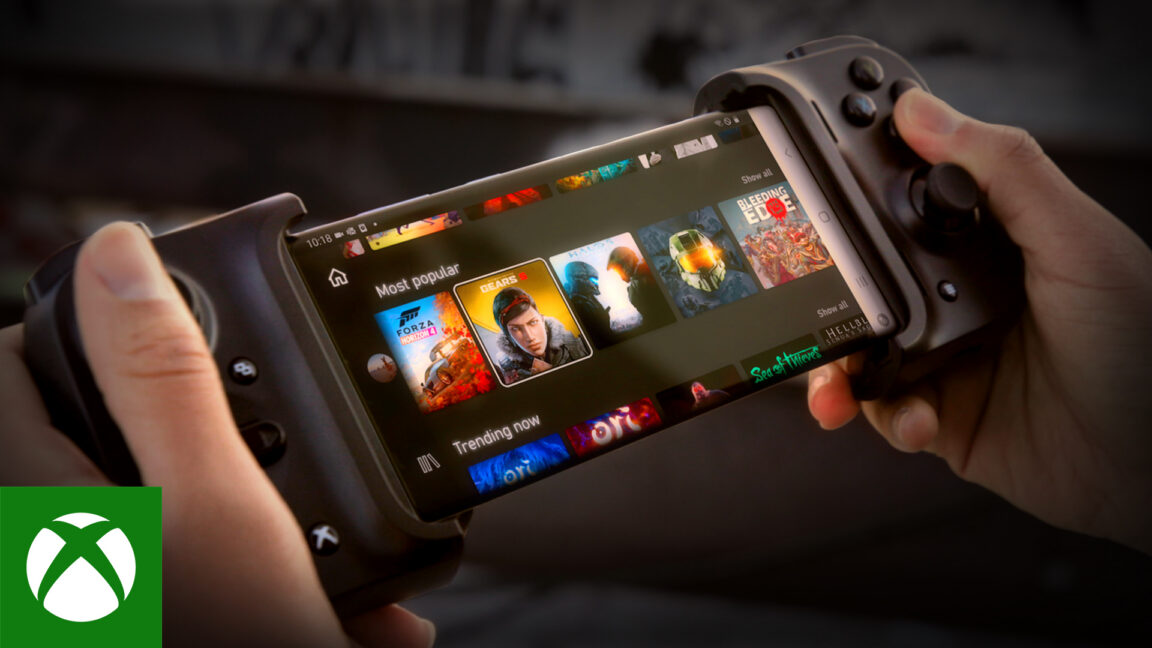
In 2020, Microsoft announced that Game Pass Ultimate subscriptions would include unlimited access to its new Xbox Cloud Gaming service (then still known as Project xCloud). Now, that kind of streaming buffet service is coming to an end, as Microsoft announcedΒ strict new limits on how much streaming is included in its various Game Pass subscriptions.

Starting in November, Game Pass subscriptions will include the following monthly limits on game streaming time:

  • Game Pass Ultimate ($23/month): 15 hours
  • Game Pass Premium ($15/month): 10 hours
  • Game Pass Essential ($10/month): 5 hours

Subscribers who use up their monthly streaming allotment will be able to buy additional time, Microsoft said, without sharing specific pricing or availability for that streaming time. Access to downloadable versions of games included in a Game Pass subscription remains unaffected.

Read full article

Comments

Β© Microsoft

Four major AI models suffer rare overlapping downtime

Cloud-based AI models operated by OpenAI, Anthropic, xAI, and Google suffered a rare and overlapping set of significant service interruptions over a period of hours Thursday morning.

Anthropic first reported a "partial outage" related to "elevated errors on requests to Claude Mythos 5.1, Claude Fable 5.1, and Claude Opus 5" at 9:23 am (all times Eastern). The company reported that it had "identified the cause" of the error roughly 15 minutes later, before reporting that "a fix has been deployed" and the issue was resolved by 12:16 pm. A separate incident report indicated "elevated errors on requests to Claude Sonnet 5" for a brief period just after noon.

OpenAI, meanwhile, reported "elevated errors across ChatGPT and Codex" were resulting in "degraded performance" as of 10:43 am Thursday morning. A mitigation put in place a little more than half an hour later led to the issue being marked as "resolved" by 12:55 pm.

Read full article

Comments

Β© Getty Images

Pocket's AI made my game ideas real. Now Meta controls the results.

The relatively recent rise of AI-assisted coding tools and the whole concept of "vibe coding" have effectively upended entire software development workflows. While these tools have been available to novice coders willing to put in the work to set them up, those with little to no coding experience could still be a little put off by the CLIs, IDEs, and terminal-based tinkering needed to create a complex AI-coded project these days.

Meta's latest AI-based project launch wants to make that kind of vibe coding as instantly accessible as posting on social media. Pocketβ€”which launched in the US last Friday, August 21, after Meta acquired the staff behind the now-defunct vibe-coding app Gizmo in Marchβ€”is a mobile app that lets users create fully functional interactive "gizmos" just by typing prompts into a text box, without even the option to look at a line of code. Those gizmos can then be shared with the world in a TikTok-style endless scroll complete with likes, comments, reposts, and all the other hallmarks of social media addiction.

After playing around with Pocket for the better part of a week, I found myself getting hooked on the simple process of quickly standing up functional, relatively feature-rich game prototypes simply by chatting with an LLM. But the result of all that time and AI effort is a couple of interactive toys that are effectively trapped in Meta's new walled garden, without any real way to turn them into something separate.

Read full article

Comments

Β© Pocket / Kyle Orland

A 12TB Steam β€œteraleak” spills more than a decade of lost PC gaming history

Here at Ars, we're intimately familiar with data leaks surrounding Valve's games, hardware, and the workings of Steam itself. But nothing could have prepared us for this weekend's "terarelease" encompassing more than 12TB of content related to seemingly every title available on Steam between 2003 and 2013.

What's being sold as an "as-complete-as-possible ... content server dump" of Steam's defunct "Steam2" server architecture from that time period is now circulating around via a BitTorrent tracker that Valve seems unlikely to ever completely purge from the Internet. The massive collection includes thousands of "depots" representing what seems to be every version of every game uploaded to those old Steam2 servers. That includes public release builds, of course, but in many cases also covers previously unseen pre-release, prototype, and playtest versions of popular titles published by Valve and third-party Steam publishers.

Steam2: Electric Boogaloo

The reason this weekend's leaked content cuts off abruptly in 2013 is because that's when Valve updated its content distribution system from "Steam2" to the current SteamPipe system. In moving from a proprietary file distribution format to standard HTTP file trees, the new system removed various update approval bottlenecks on Valve's end and streamlined update and patch downloads so they only reflected file differentials.

Read full article

Comments

Β© Valve / HL_Alyx_NoVR

Anthropic's new hardware standard lets AI agents control the physical world

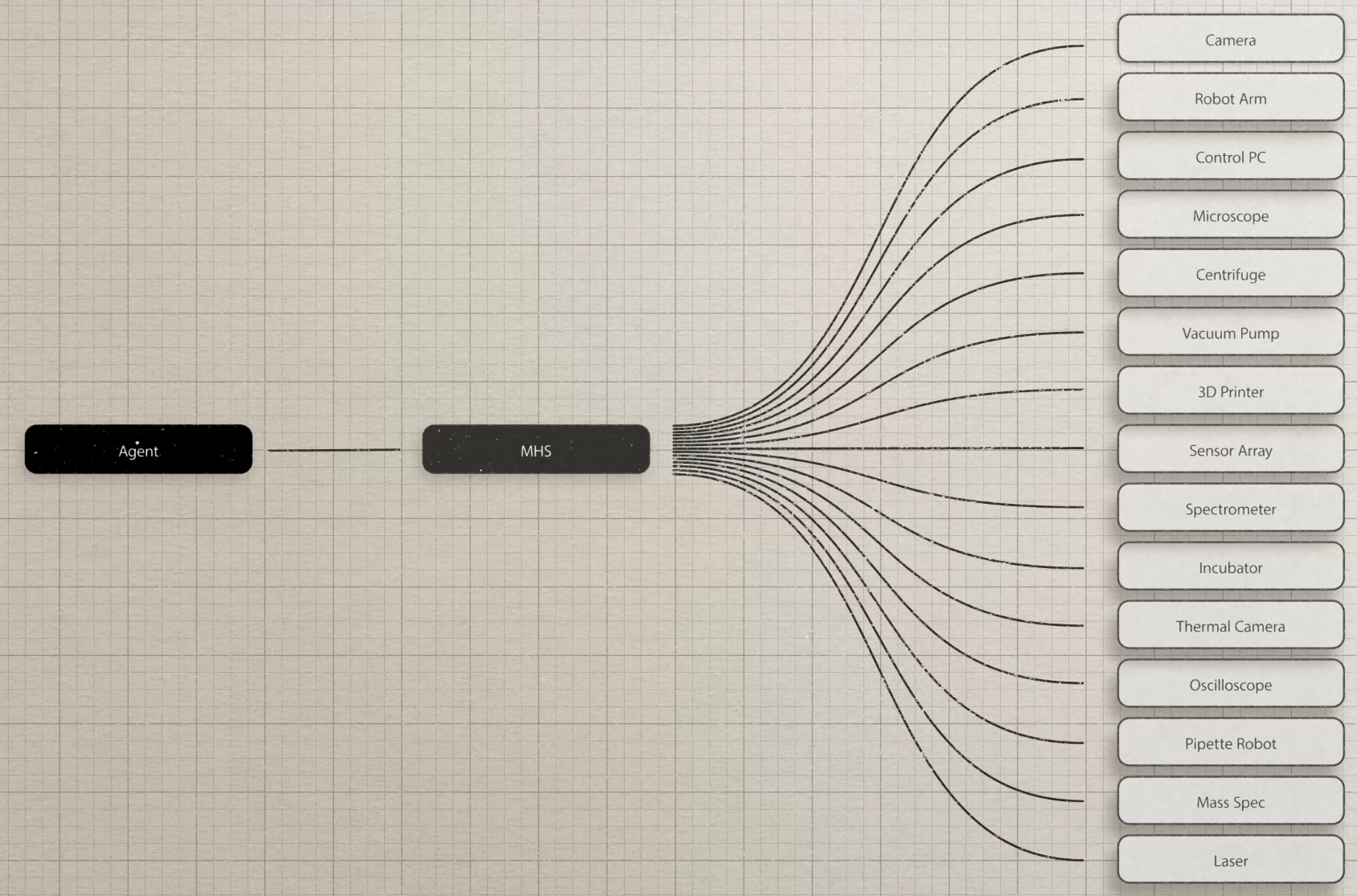
For all the interest in and uptake of agentic AI systems over the past year or so, the world of automated AI has thus far been primarily limited to text, images, code, and other data and actions that take place inside a computer. Anthropic is now aiming to change that somewhat with what it's calling the Model Hardware Standard (MHS), a set of standardized drivers designed to let AI agents easily interface with and control arbitrary devices.

For now, the "research preview" of the MHS effort is being sold mainly as a way to help scientists streamline the arduous process of creating the custom software integrations that are often needed to get disparate components of an experiment working in concert. MHS can provide a common interface and common format for data sharing between these devices, Anthropic says, allowing them to talk to each other across a network "without needing a bespoke 'translator' program in between." The standardized system could reduce weeks or months of exacting experimental setup down to "hours or minutes," Anthropic writes.

An Anthropic graphic illustrating how MHS serves as a "translation" layer between AI agents and multiple types of devices. Credit: Anthropic

In a video posted alongside the announcement, Anthropic Technical Staffer Alek Kemeny says the MHS effort was inspired by observing neuroscientist Arco Bast work through an experiment on memory formation in the brain at the HHMI Janelia Research Campus in Ashburn, Virginia. Kemeny said Bast had worked out an interface to get the rotating laser beams, microscopes, cameras, and myriad other components of the experiment to coordinate through a common interface. "This idea could be used to have AI run any science experiment in the world," Kemeny recalls thinking at the time.

Read full article

Comments

Β© Anthropic

Panic passes Trump tariff refunds back to the Playdate customers who paid them

Panic, the indie game publishers behind the quirky, yellow crank-sporting Playdate gaming handheld, is issuing refunds to customers who had to shoulder the cost of inappropriate tariffs imposed by the Trump administration this year.

The news comes months after the Supreme Court said in a February ruling that those tariffs were illegal, which also demanded that the administration refund the companies that had to temporarily pay the import taxes. In an update posted on the Playdate help site this week, Panic noted that it has finally "begun to receive refunds of the tariffs we paid in the last year" and had consequently "refunded all tariffs charged to customers."

In the initial version of that tariff note, Panic explained that it couldn't afford to simply "absorb" the 19 percent tariffs it was being charged to import Playdate hardware made overseas because "our margins on Playdate are low." As such, while the tax was in effect, it was passed along to customers as an explicit subtotal line item at the bottom of all Playdate orders. That's in contrast to companies like Nintendo, which vaguely cited "market conditions" and tariff "uncertainty" in raising the asking price of legacy hardware and some Switch 2 accessories last year.

Read full article

Comments

Β© Panic

Xbox’s new disc-to-digital program gives physical games a digital future

For decades, console owners have faced a choice between the convenience of digital downloads and the permanence of physical game discs. Soon, Xbox owners will be able to get the best of both worlds for thousands of supported titles as part of a newly announced disc-to-digital program.

The programβ€”announced today ahead of testing for Xbox Insiders starting August 31β€”will let players claim a "digital entitlement" for "most Xbox One and Xbox Series X disc-based games" simply by inserting the disc into a console and launching it. That game will then be playable completely digitally, without the need to ever insert the disc, as long as you (or a member of your family account) is logged in. The digital entitlement will also allow access to features like Xbox Play Anywhere (for play on PC) and Xbox Cloud Gaming, for supported titles.

Microsoft says that your physical disc will "continue to work exactly as it always has" after the digital entitlement is claimed. But before you get any ideas, the fine print on the announcement mentions that there is only "one revokable license per game disc," so if you resell that disc or loan it to a friend, that digital entitlement could be transferred to a new account when someone else puts it into their console.

Read full article

Comments

Β© Getty Images

❌