Reading view

There are new articles available, click to refresh the page.

Monday-morning surprise: Valve Software suddenly launches its wireless VR headset Steam Frame for $1,059
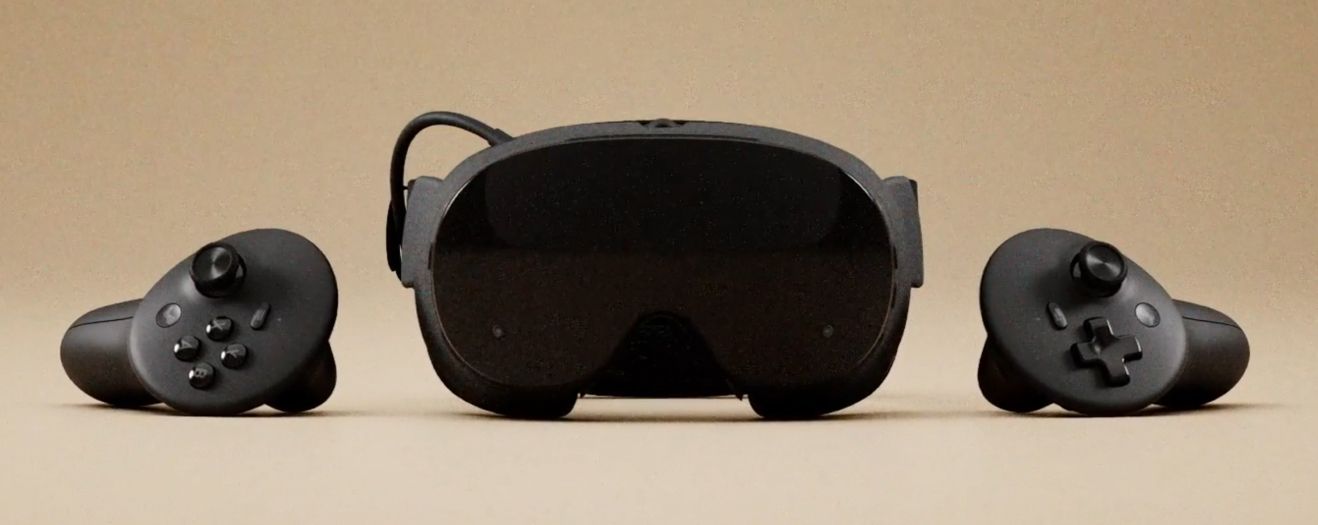
Valve’s Steam Frame virtual reality gaming headset. (Valve Photo)

In a sudden shadowdrop, Bellevue, Wash.-based Valve Software announced on Monday that it’s launched its new standalone virtual-reality headset the Steam Frame.

Initially revealed in Nov. 2025 as part of the same initiative that brought us the new Steam Machine, the Steam Frame is a new entry into the VR hardware space.

Valve’s previous VR device, 2019’s Index, was designed to be installed semi-permanently in a single room. The Frame, conversely, is a standalone wireless device that consists of a lightweight headset and two hand controllers, much in the same spirit as the Meta Quest 2.

As with Valve’s other recent hardware projects, the Frame is essentially a specialized PC running the custom SteamOS 3, a Linux-based operating system. The Frame runs off of a Snapdragon 8 Gen 3 processor, with 16GB RAM, a microSD card slot, and two 2160 x 2160 LCD screens, one per eye. Oddly, it does not ship with its own dedicated power supply, but can be recharged using the same kind of USB-C plug as the Steam Deck uses.

As with the rest of Valve’s hardware, the Frame is designed to run games from your Steam library, but doesn’t necessarily run every game that’s currently on Steam. Instead, the Frame has its own verification system similar to the Steam Deck’s, with over 100 games currently hand-tested to be compatible with the Steam Frame. Every Frame also comes with Valve’s 2020 game Half-Life: Alyx as a pack-in bonus.

As with the Steam Machine, Valve plans to offer the first batch of Frames with a lottery system. To minimize the impact of scalpers, Valve intends to leave signups open for both models of the Frame until Thursday morning, then randomize the list once and email customers to let them know if they’re getting a Frame or will end up on the waiting list.
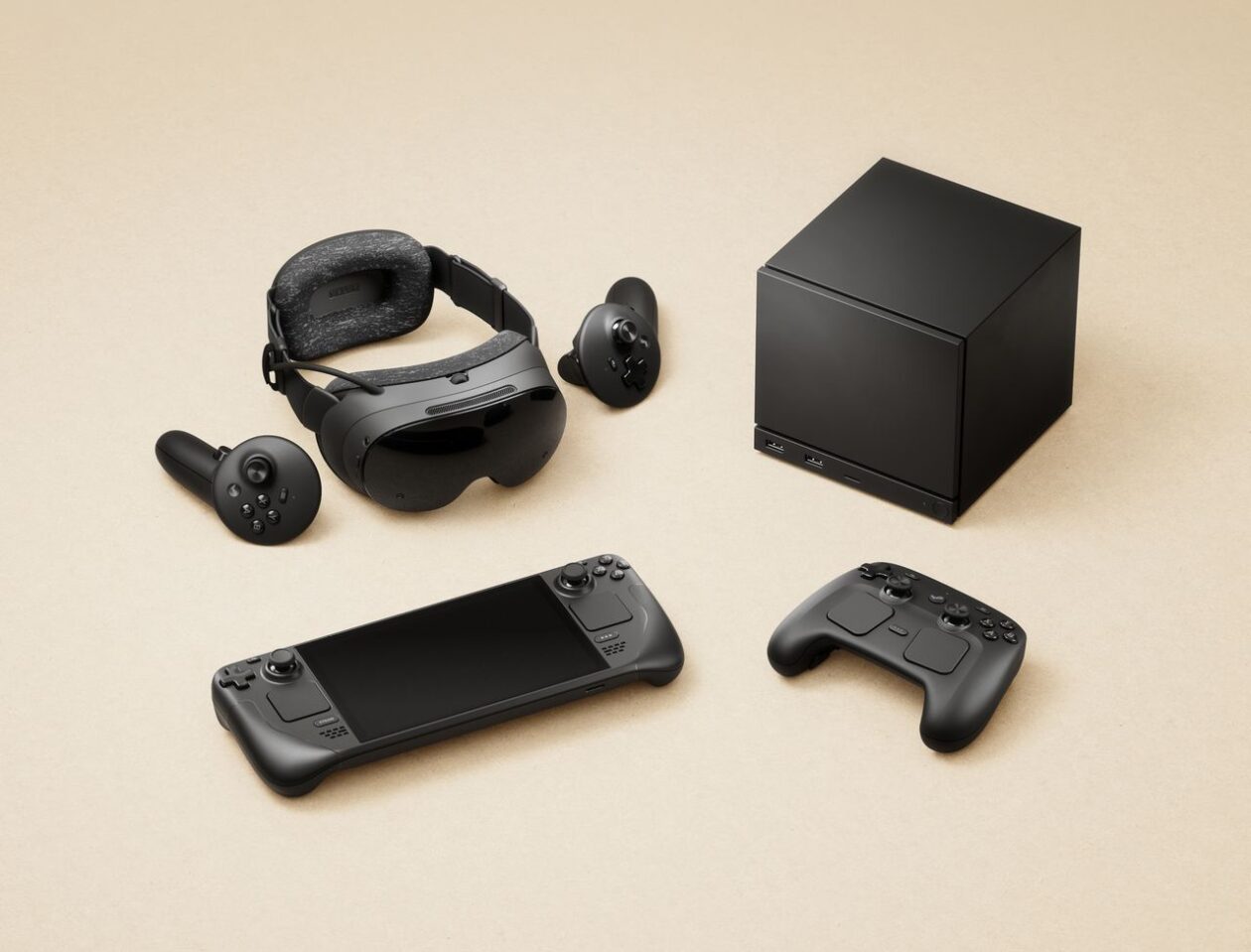
The Frame, top left, was the final entry for now in Steam’s hardware lineup. (Valve Photo)

Maybe most importantly, however, the Steam Frame’s starting price is $1,059 for a model with a 256GB internal storage drive. Users who want or need more storage can upgrade to a model with a 1 TB drive for $1,299.

Much as how its low price tag was the biggest point in the Steam Deck’s favor back in 2022, the Frame’s high price tag is an albatross around its neck. Reviews note that it’s a uniquely comfortable device and makes it easier than ever to fire up games in VR, but selling it for over $1,000 means it’s unavoidably aimed at the most hardcore members of what was already a niche market.

This is the same problem Valve hit with the launch of the Steam Machine back in June, and it’s likely to be an issue for every hardware manufacturer in the market for the foreseeable future. With AI companies gobbling up most of the RAM and hard drives on Earth for data center construction, in an event that’s often nicknamed the “RAMageddon,” any consumers who look to build or buy a new PC or console can expect a bad case of sticker shock for the foreseeable future.

That having been said, the Frame does position Valve to pick up where other companies have left off. Meta was previously the market leader in the VR space (PC Gamer claimed recently that Meta still commands roughly 54% of the VR market), but has made distinct cutbacks in 2026 in favor of refocusing on AI research and wearable computing.

Meta invested heavily in recent years on the assumption that virtual reality was the next big thing, and while it made big strides in making VR accessible, it appears to be in the process of rethinking that bet. VR still has plenty of fans and advocates, but it has yet to live up to the hype factor that it had in the late 2010s. The AI arms race, to some extent, appears to have eaten its lunch.

On paper, Meta’s pullback could’ve left space for Valve to shoulder-check its way into the VR market, but then RAMageddon hit. This wasn’t a bad plan as recently as last year, but the current state of the hardware market makes the Steam Frame a tough lift.
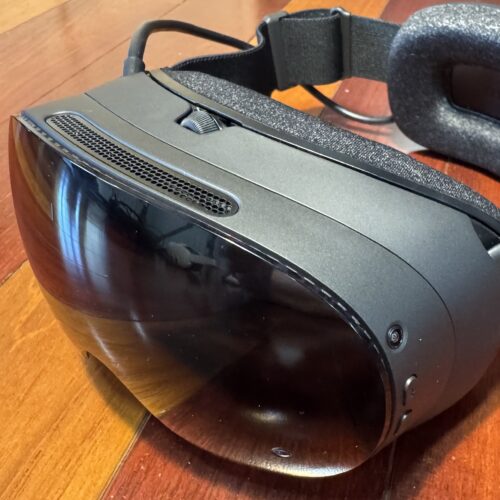
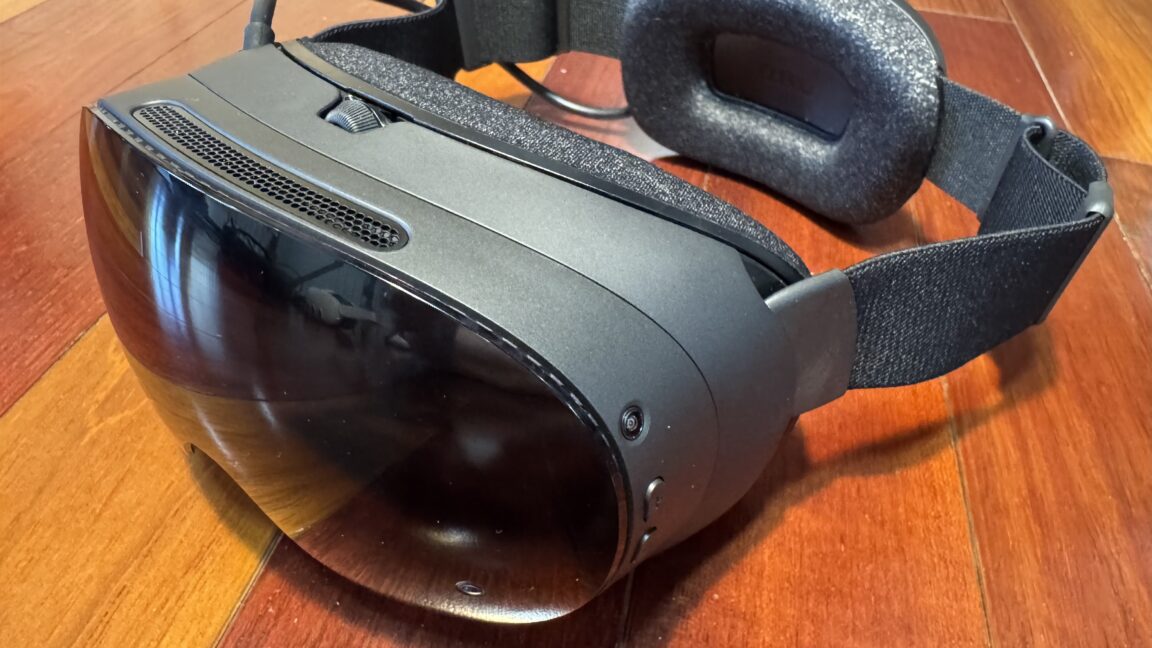
Steam Frame: The Ars Technica review

In the 2010s, Valve was at the forefront of a virtual reality revolution that looked to some like it would upend the gaming industry. The Valve of six to ten years ago seemed committed to being a major player in the world of PC-connected VR headsets, first through its “strategic partnership” with HTC on the impressive-for-the-time Vive headset (plus the SteamVR platform standard that powered it) and then years later with its own Index headset (and proof-of-concept adventure Half-Life: Alyx).

Then came the Meta (previously Oculus) Quest, a low-powered, low-cost headset that proved the vast majority of VR-curious gamers didn’t want to bother with being literally tethered to a bulky, expensive gaming PC. As the Quest line carved out a modest niche through the 2020s, Valve seemed more or less satisfied to let its earlier VR hardware and software ambitions wither on the vine.

Those years of Valve’s benign neglect of VR make the imminent release of the $1,059 Steam Frame—which starts taking reservations today—more than a little surprising. Now that virtual reality’s hype-fueled, revolutionary promises have decidedly not played out, Valve is somehow ready and willing to limp headfirst into the world of standalone VR headsets—today, in 2026. And after spending a week or so with Valve’s latest foray into gaming hardware, the Frame somehow feels simultaneously overengineered and underbaked, depending on how you look at it.

Read full article

Comments

© Kyle Orland

Reactive Heat and Wind Come to VR, Thanks to Smart Plugs

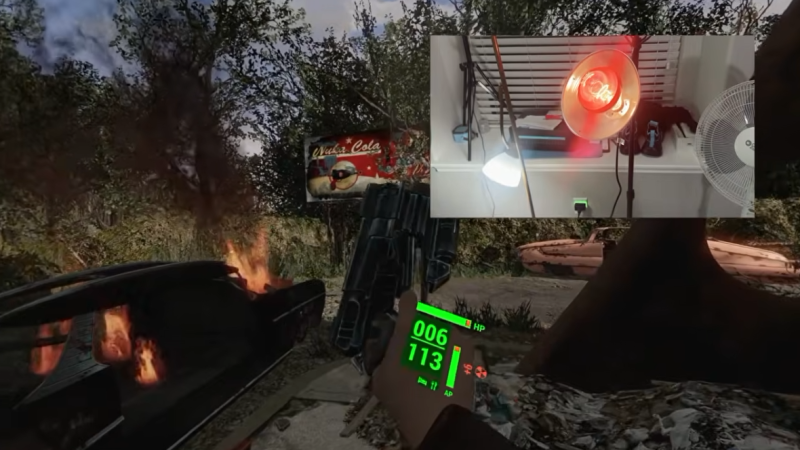
Want to feel the heat of nearby fire, explosions, or radiation? Or even just the gentle warmth and breeze of a sunny day in the wasteland? If you said yes, you’re in luck because [GingasVR] created an immersive heat mod and wind mod for the VR version of Fallout 4 that leverages economical smart outlets and game scripting to do just that.

The heart of this hack lies in gluing two things that don’t normally go together. In this case [GingasVR] uses a bit of game scripting to control TP-Link HS100 or HS110 Smart Plugs, allowing virtual events to control things in the real world. An ordinary fan in a smart plug creates wind on demand, and heat comes from a 250 watt infrared heat lamp aimed toward the player. For heat, an IR lamp is the way to go because it’s highly directional, can be quickly cycled on and off, and responds rapidly.

The range of immersive effects opened up by this is pretty compelling. Sunny weather yields a gentle glow of warmth, but nearby explosions cause a short full-blast flash of heat. The heat of fires also grows and fades with proximity. This being Fallout, [GingasVR] ensured local radiation has an effect on the heat level as well. Want to see it in action? She briefly explains around the 3:20 mark in this video.

Using ordinary appliances and smart plugs controlled from within VR to modify environmental effects is clever, and we like that it’s entirely nondestructive. The scripting mod for the game doesn’t overwrite any game files, and the hardware used requires no modifications.

Not into Fallout? [GingasVR] has similar Skyrim VR mod, if that’s more your bag. And if you’re modding Skyrim VR anyway, consider adding a “meditation device” headband to make magic respond to your actual state of mind.

New bootloader lets you take the "Meta" out of the original Meta Quest

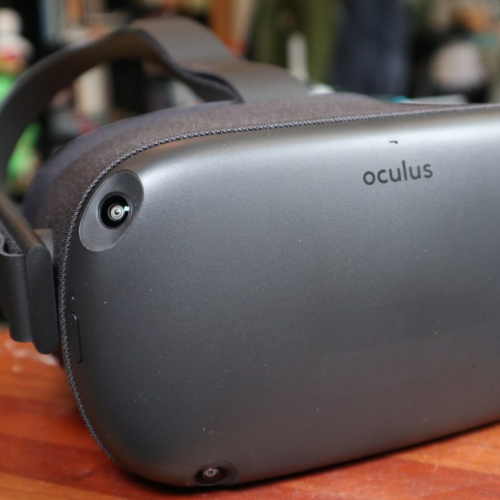
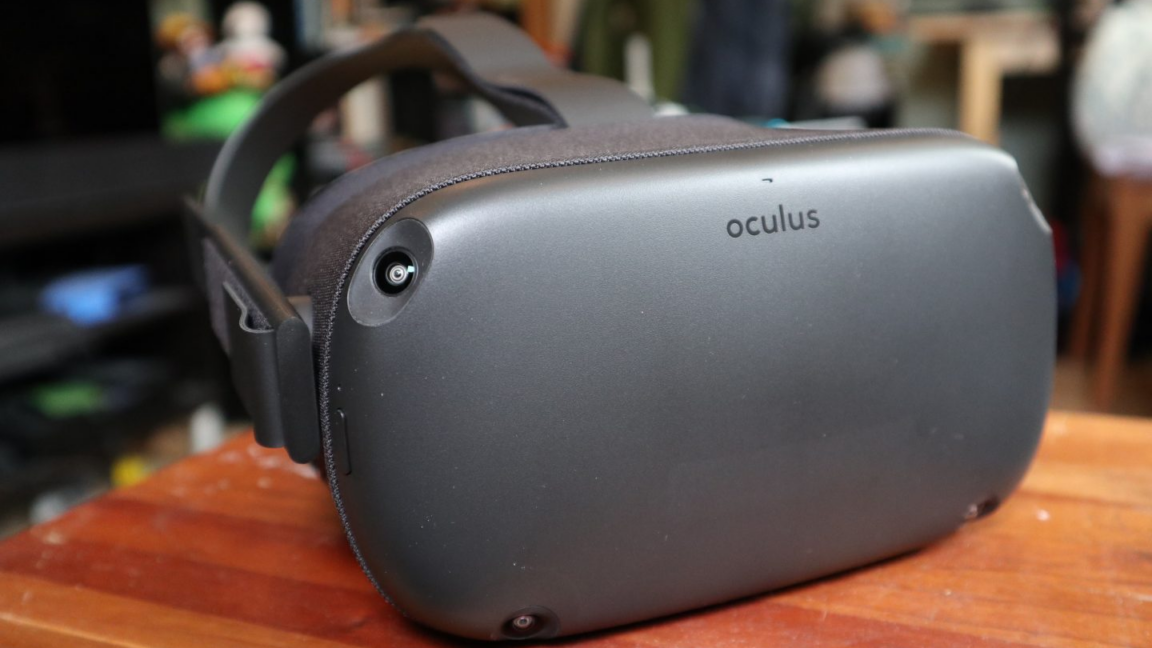
Remember the original Quest headset that Meta (then Oculus) trumpeted back in 2019? Meta seems to hope you don't, since the company officially stopped supporting the wireless VR headset in 2023 to focus on the more popular Quests 2 and 3. However, tinkerers haven't abandoned the hardware and recently released a new root-access exploit and bootloader that gives "developers and enthusiasts full control over Quest 1 hardware."

The QuestStack project integrates previously known vulnerabilities in the Quest's Android fastboot process into a privilege escalation chain that leads easily to full root access on the device. The bootloading process is now streamlined enough that it can be completed without any downloads through a web interface after connecting the headset to a PC.

With this exploit, the original Quest hardware can now be officially divorced from any reliance on Meta's servers or services to be useful. That means enterprising Quest owners should be able to sideload apps without needing to register for a Meta Developer account and activating Developer Mode through Meta's mobile app. It also means users should be able to go through the initial setup and login steps for a fresh Quest headset even if and when Meta decides to shut down the servers that currently support this process.

Read full article

Comments

© Sam Machkovech

Quest VR Headset Becomes Unlocked Hardware

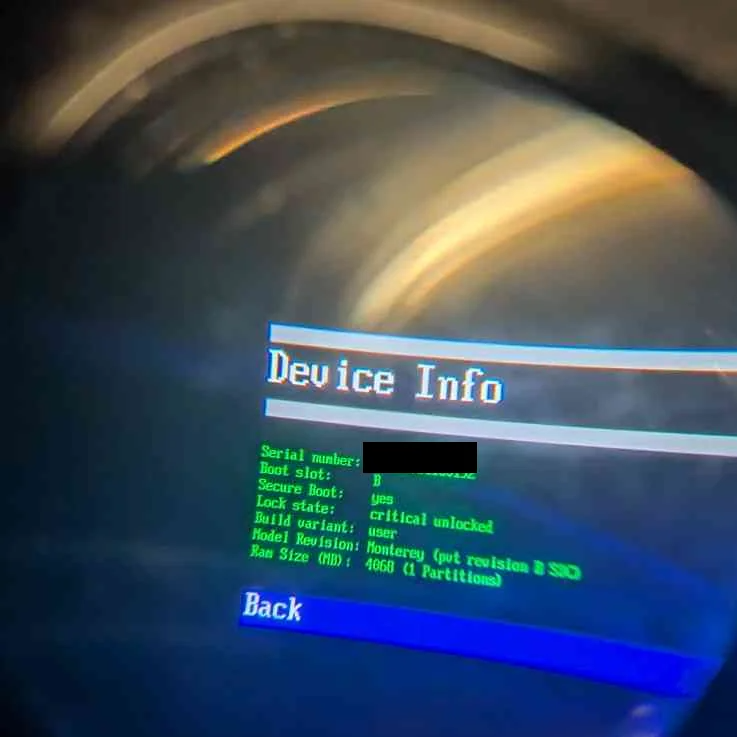
The Quest virtual reality headset gets a fully unlocked bootloader thanks to the QuestStack tool, which automates a complex process of privilege escalation to provide stable, privileged access to the hardware. This solidly frees the headset from its existence as a device tied to Meta’s walled garden, although the tool only works on the Quest 1.

Image credit: notmastergamerok on Reddit

Not simple enough? No problem, there’s also a web version by [darknight1050] that makes the unlock process as simple as plug in headset, visit web page, receive unlocked bootloader.

The first-generation Quest headset is an older (released in 2019) piece of hardware that is still perfectly capable, although it has been surpassed by later models in terms of performance and optics.

It has also been essentially forgotten as far as parent company Meta is concerned, with no requirement for new content to be compatible with it, nor consideration in general given to the device for some time now.

Hardware that is no longer supported should be opened. The Oculus Go got an official unlocked OS build which was a positive thing, but the Go was also a pretty limited device. The Quest 1 — the ‘Oculus’ part of the name having been dropped around the time Facebook renamed itself to ‘Meta’ — is considerably more capable than the Go was. Now people can have privileged access to its hardware, which may help save some of them from junk piles while enabling folks to do as they please with the hardware they purchased.

Watch Soldering Up Close and From Any Angle, in VR

A manual skill like soldering is so much easier to learn and grasp when one can watch it in action, and there’s a brand new way to do that using virtual reality (VR). It isn’t just a series of 3D videos shot at someone’s workbench, either.

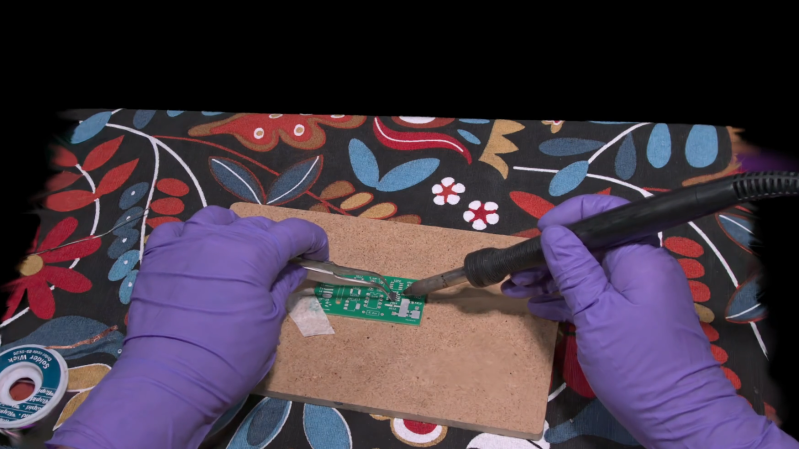
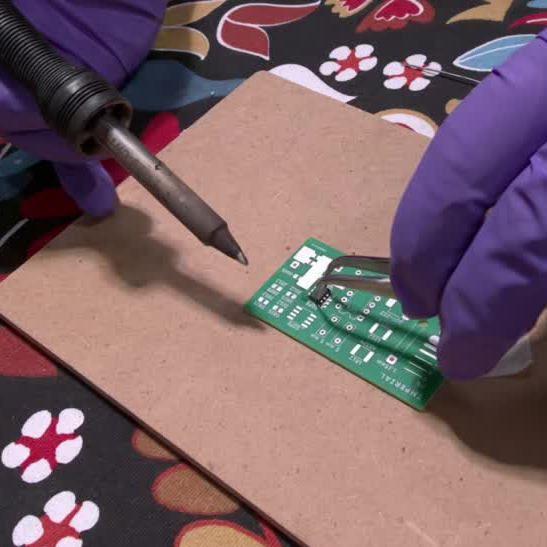
See soldering in action from any angle, with fine details preserved even close up.

PCB Hand-Soldering Basics is a series of thirteen videos that demonstrate soldering using Gaussian splats, a method of displaying 3D content that allows the viewer to freely look at things from any angle. Gaussian splats aren’t new, but what makes this different is the sheer level of detail and the fact that it’s focused on handheld tool use rather than displaying a famous location, landmark, or something similarly “big”.

Throughout the videos fine detail on the iron, parts, and the PCB itself remain visible from any angle and even from close up. Here’s a short video captured from within a VR headset that is probably the next best thing to seeing it yourself.

An educational production, it was was made in cooperation with the Department of Electrical and Electronic Engineering at Imperial College London. A few more details are in a LinkedIn post by [Tanmay Lad], who was part of the team involved in the production. The goal is to offer a unique, front-row seat to hand soldering with the ability to zoom in or look at it in 3D from any angle.

Not familiar with Gaussian splats? We’ve previously covered a great overview. They look great and are computationally cheap to render, and being able to get up close and see such detail is not really something one expects.

❌