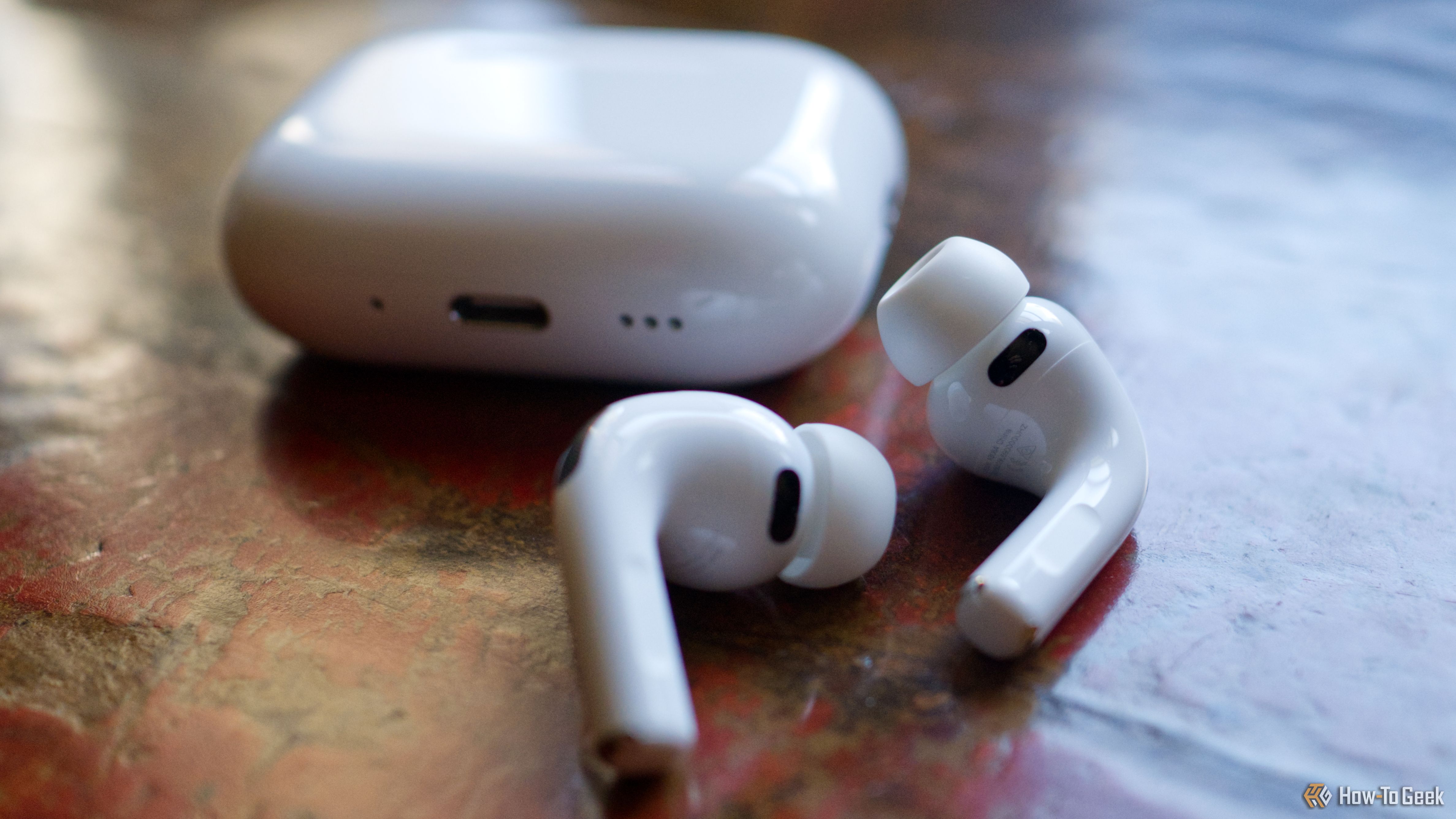
When you're trying to get perfect audio at home, it's really easy to spend a ton of money upgrading your main speakers. You might think that a bigger unit or a higher price tag automatically equals better sound quality. That common assumption is honestly the biggest mistake people make in modern home audio setups.
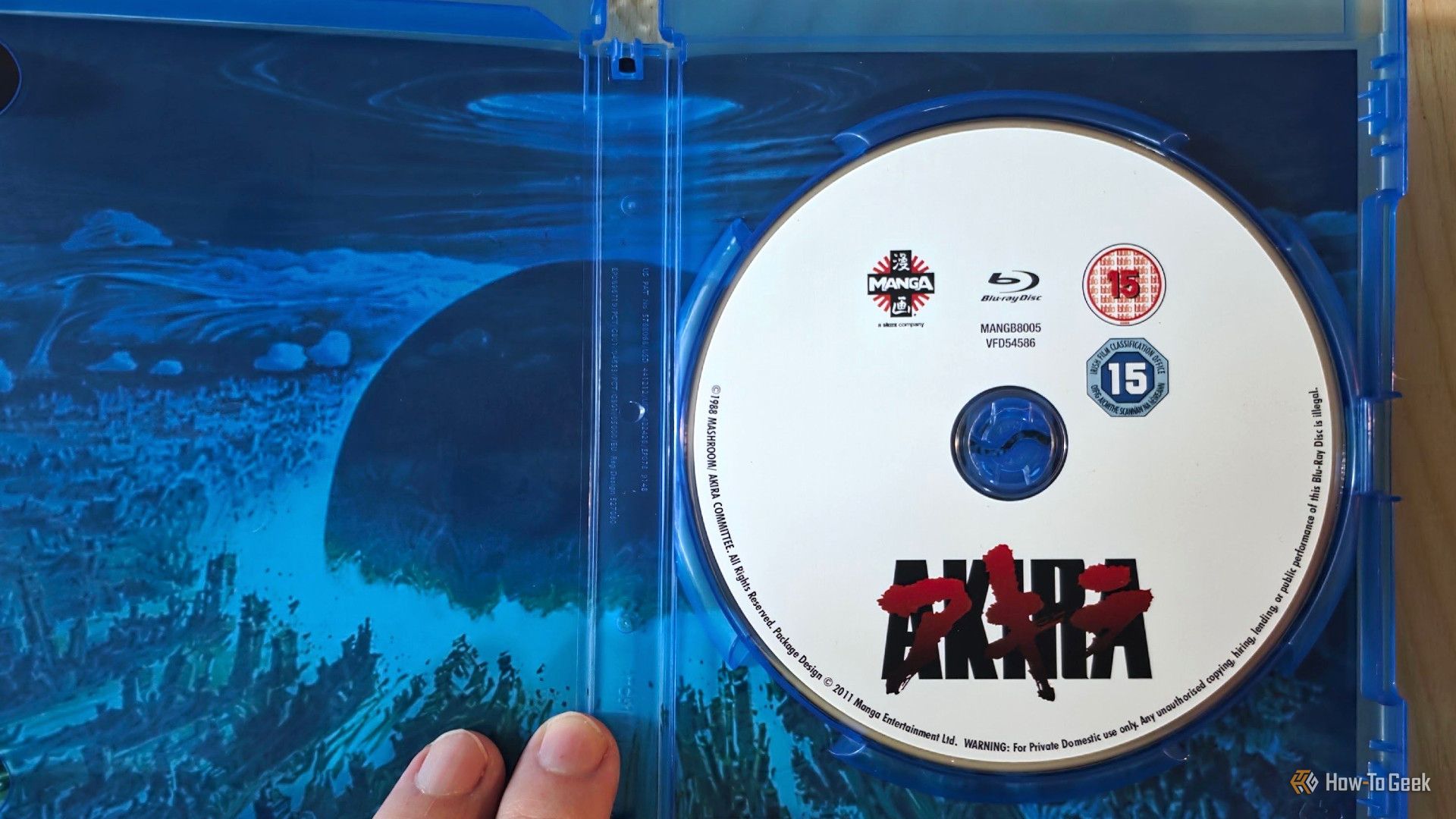
When the format war between HD DVD and Blu-ray raged in the mid-2000s, plenty of early adopters and digital archivists bet on the format that ultimately lost. Their reasoning wasn't nostalgia or brand loyalty, but it came down to three practical advantages.
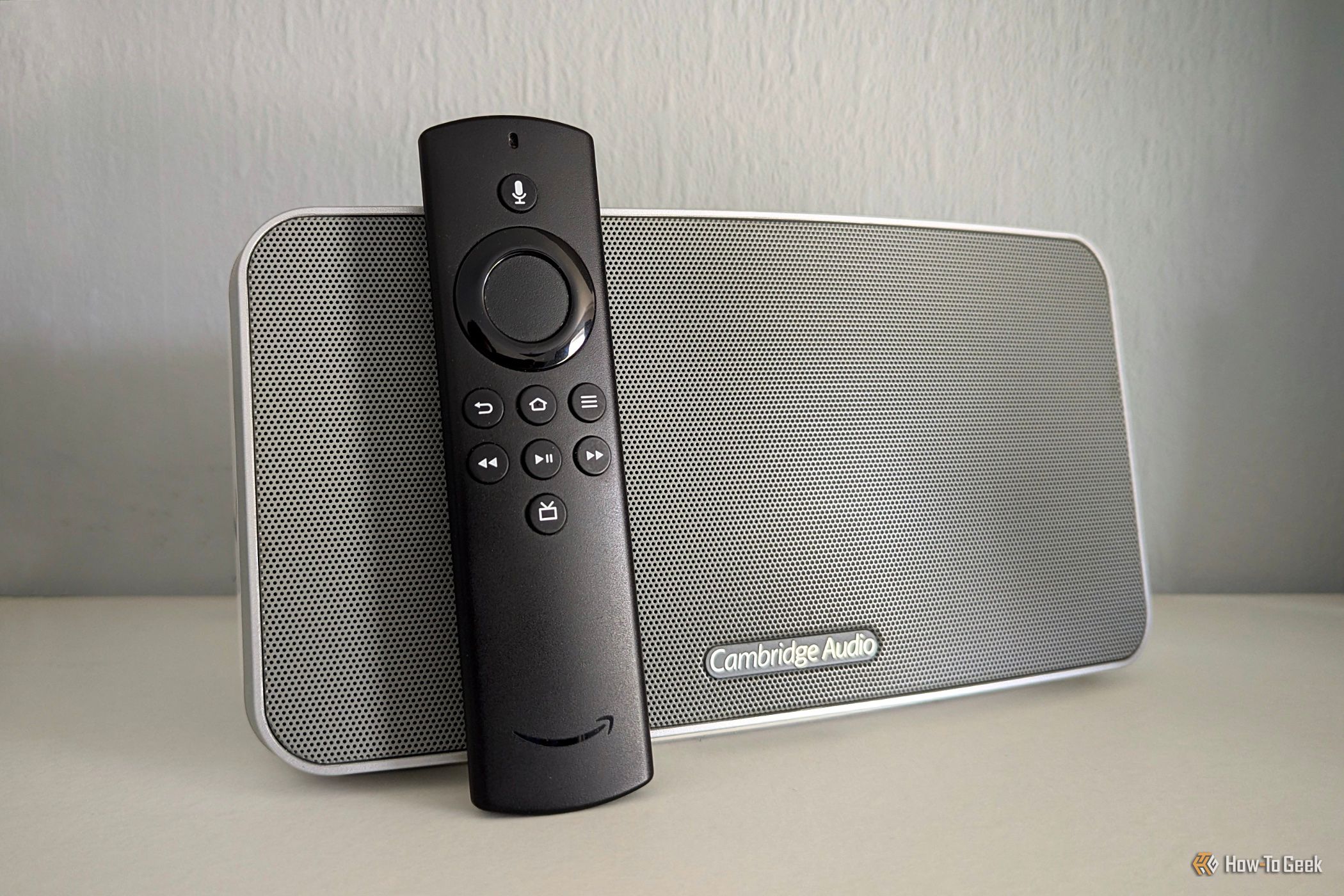
Most people toss old remotes into a junk drawer the moment they upgrade their streaming device, and there they sit. However, the Amazon Fire TV remote is worth pulling back out because it pairs over Bluetooth instead of infrared, which means your phone, tablet, and PC can all recognize it as a standard input device. That one detail opens up more uses than you'd expect from something that used to just control your television.
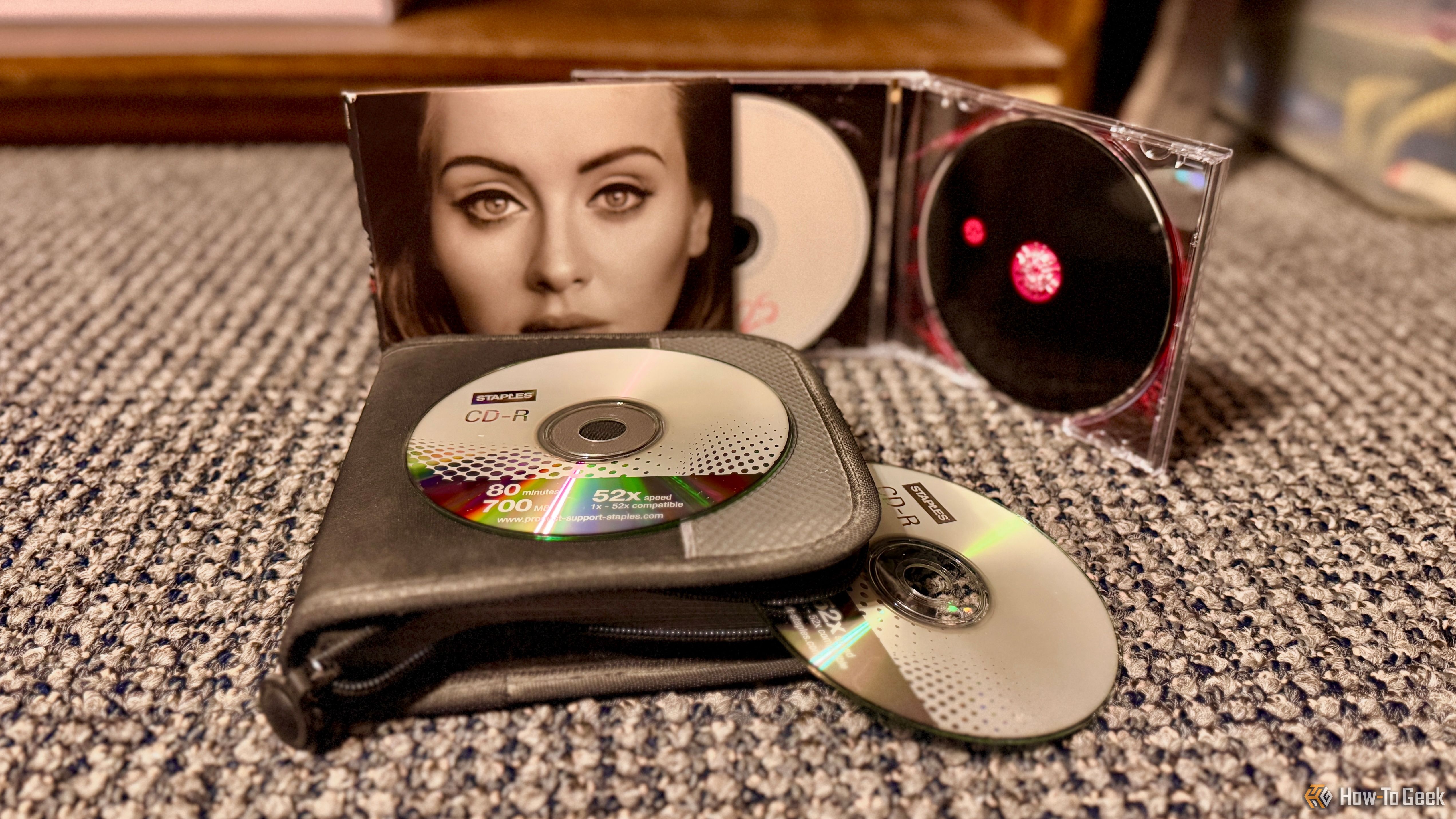
As we move further and further away from the heydays of the audio CD, things are getting a little muddled. Perhaps it wouldn't matter so much if physical media like vinyl, CDs, and cassettes were making a niche comeback among certain groups of people.
If you’re up for a little mystery this weekend, we’ve got you covered with some unsettling storytelling that is less about action and more about getting inside the characters’ minds, often in disturbing ways that require you to think. They all revolve around uncovering the truth in a distinctive setting that not only helps shape the story at hand but also amplifies the tension.
Proton warns that smart TVs use automatic content recognition to track everything you watch, sending data to manufacturers and advertisers by default, even when smart features go unused.
The Media Router is a tool that automatically selects the best image, video, or audio generation model for a request based on whether a developer prioritizes quality, speed or cost.
Amazon will begin to fold its Luna cloud platform directly into the Prime Video app via the new Games tab, in an effort to get word about Luna to Prime members. (Amazon Luna promotional image)
Amazon announced today that it has updated some versions of its Prime Video app to include direct access to its cloud-based Luna gaming platform.
The business goal is to solve Luna’s awareness problem and bring new users to the platform. Many Prime members don’t know the gaming service is included with their membership.
Consumers in the US and UK who have both a Prime subscription and a Fire TV can now launch Luna directly from the Prime Video app, where it can be found in its own dedicated tab in the UI. Prime subscribers who launch Luna in the app will get direct access to a library of both casual and mainstream “AAA” video games for no additional cost and without having to exit the app.
“Effectively, we relaunched last October, taking a bunch of the value of Luna that had been behind a paywall… We pushed it into the Prime membership, as a way of providing great value and trying to grow our business,” Jeff Gattis, GM of gaming at Amazon, told GeekWire.
Players on Luna can stream an assortment of games to their TV or browser via Amazon’s cloud servers, using a smartphone as a controller if they don’t have a compatible gamepad. Luna’s current library ranges from established mainstream hits like Indiana Jones and the Great Circle, Dispatch, and Fallout 4 to an assortment of casual-friendly exclusive titles like Amazon’s own Courtroom Chaos.
(Amazon Luna press image)
Since that relaunch, Gattis said, the company has “basically 5x’d” its player base.
“The question for us is, how do you build upon that?” he said. “How do we let 200 million-plus Prime members worldwide know that they have this great benefit where you can play $70 games inside your Prime membership at no additional cost? One of our biggest challenges today remains that people don’t know the [Luna] benefit exists.”
While Luna was previously available to Prime subscribers via web browser and a couple of other types of smart TVs, it was a standalone service that required users to seek it out on its own. By shifting it into its own tab on the Prime Video app, Amazon’s hope is to drive up awareness that, well, Luna is there at all.
“It’ll start on Fire TV, but obviously our end state is to roll out to more countries and more devices, both first-party and third-party,” Gattis said. “Eventually we’ll be everywhere that Prime Video is.”
Dispatch, a viral indie hit from 2025 about office romance at a superhero agency, has been a big hit on Amazon Luna. (AdHoc Studio image)
The integration of Luna with Prime could also potentially bring back the largely-abandoned practice of video game movie tie-ins. Fans of this summer’s Masters of the Universe reboot can watch the film on Prime Video, then switch to Luna to play Masters of the Universe: Legends Unite, a strategic deckbuilding game that’s currently exclusive to Luna. This kind of transmedia synergy used to be a part of every big summer action movie, but it’s largely fallen by the wayside since the 2010s.
Luna originally debuted in 2020 as a subscription-based cloud service. Subscribers could pay a monthly fee for access to over 100 video games, which they could play through their browser by streaming them from Amazon’s servers.
Back then, Luna was Amazon’s entry into what was shaping up to be a publisher-driven “battle for the cloud,” with companies like Google and Nvidia all launching their own game streaming services. Over time, however, the cloud’s impact on gaming hasn’t matched its early hype.
More recently, the component crunch has driven up the price of consoles and graphics cards, and that plays into Amazon’s bet on Luna.
Gattis said the cloud has been “technology ahead of its time,” in part because the industry aimed it at the wrong people, pitching it as a direct replacement for consoles and gaming PCs.
“That’s a heavy lift to ask somebody like myself,” he said. “I’ve invested both emotionally and financially in my Series X console and my 5090 graphics card. I’m happy.”
Amazon is catering to everyone else: players unlikely to buy a gaming PC or a current-generation console, let alone the next generation of gaming hardware at even higher prices. For the first time, Gattis said, there are “a lot more people who are going to think about the cloud as a viable alternative to $1,500 hardware.”
LG says it will suspend webOS apps that secretly turn smart TVs into residential proxy nodes, after research found over 42 percent of its apps hid this feature.
Amazon is testing an AI-driven Prime Video redesign that could shift paid studio placement toward algorithm-based rankings, raising questions about whether recommendations will genuinely improve for viewers.
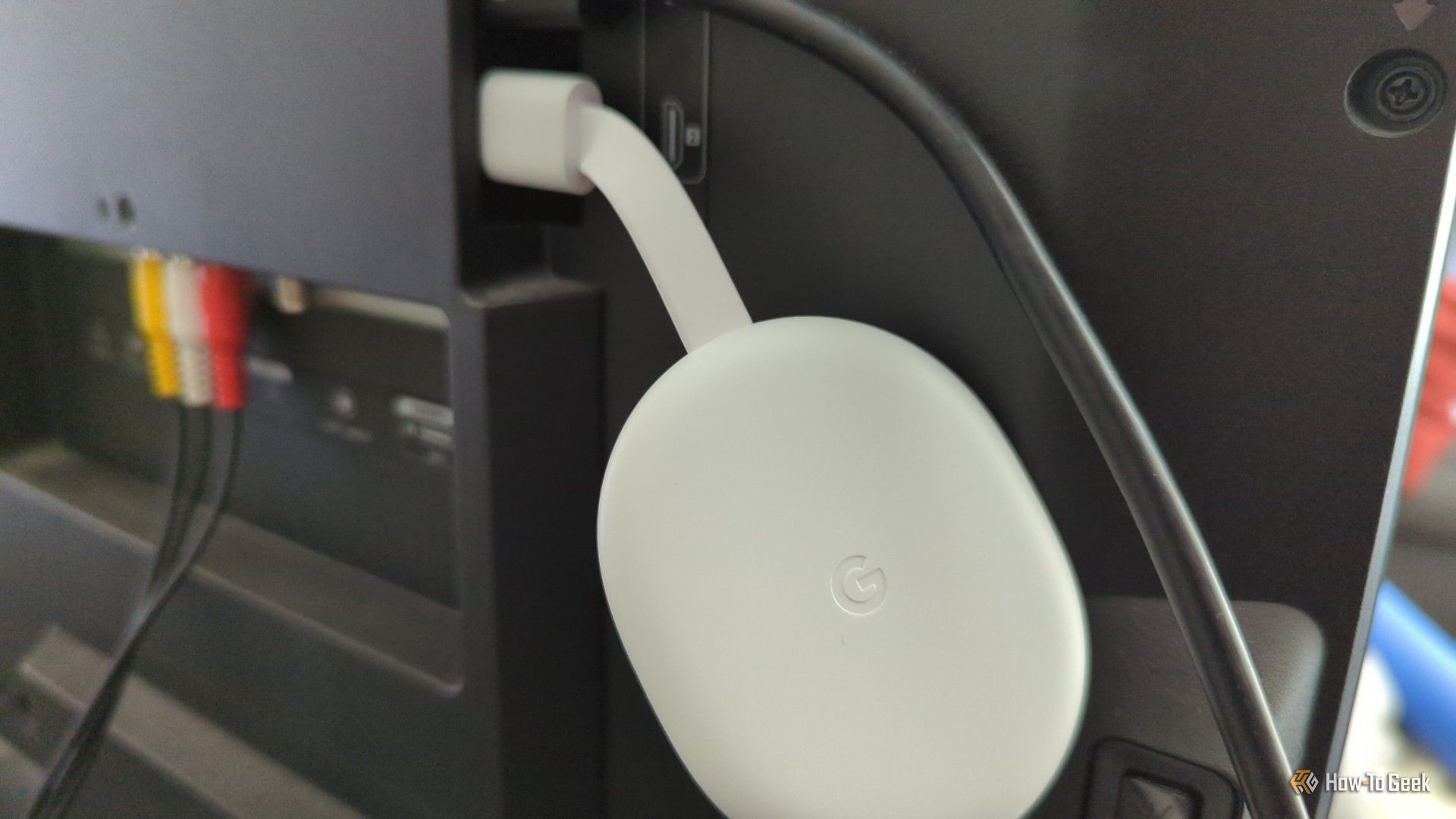
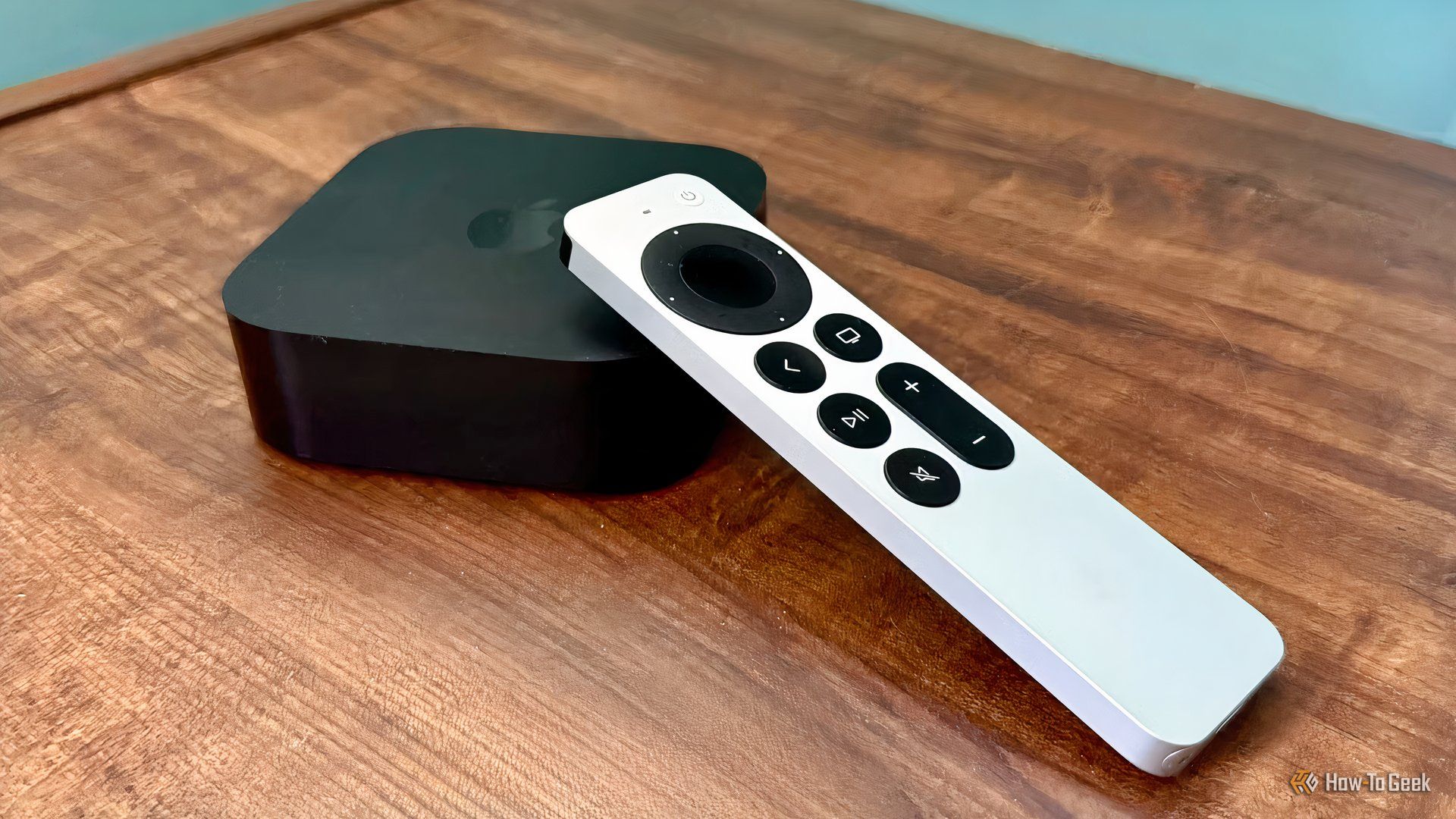
Smart TVs looked like the obvious move when they launched. One less box under the TV, everything built in, nothing extra to buy. A few years later, many people are watching their menus get slower every month, waiting for apps to load, and realizing their TV hasn't seen a meaningful update in years and no longer feels new. A $20 Fire TV Stick doesn't fix the screen, but it quietly fixes almost everything else.
One of the strongest arguments for buying physical media in a digital world is the unwritten rule that "the disc is always the true version." It's long been the case that buying DVDs or Blu-rays allows access to original edits or missing episodes that aren't available on any streaming service. However, for one of my favorite shows, streaming has now become the version that's more faithful to the original.
The LG C6 OLED delivers an excellent experience straight out of the box, but a few simple adjustments can make it even better. After a month of testing, these are the picture, motion and sound settings I keep coming back to, along with the tweaks that noticeably improved the overall viewing experience.
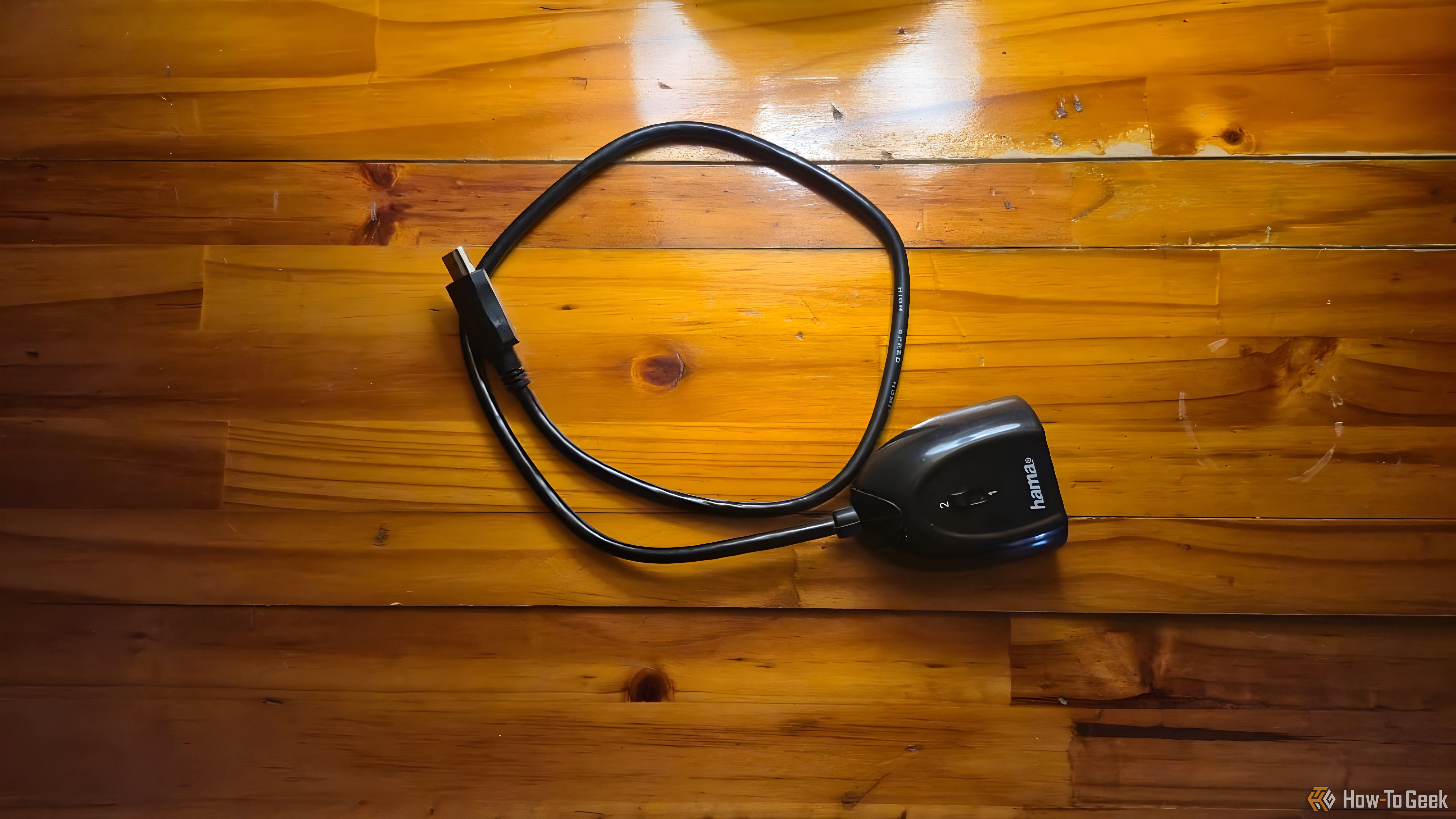
HDMI-CEC was supposed to make home theater setups a lot easier to work with. At first, it seems like the kind of feature that would just work, but then the problems arise. The annoying part is that the protocol isn't broken exactly. It just has issues when it comes to handling the way most people actually build their setups. So it's better to turn it off.
When it comes to in-flight entertainment, there are two kinds of flyers—the ones who gamble on the random crud on the seat-back screen or the airplane Wi-Fi and those who download their entertainment the night before. Be the second kind. TV shows offer the ultimate flexibility when flying. You can watch a single episode between the drink cart and your nap, or binge a whole season on a long-haul flight—it's your call.
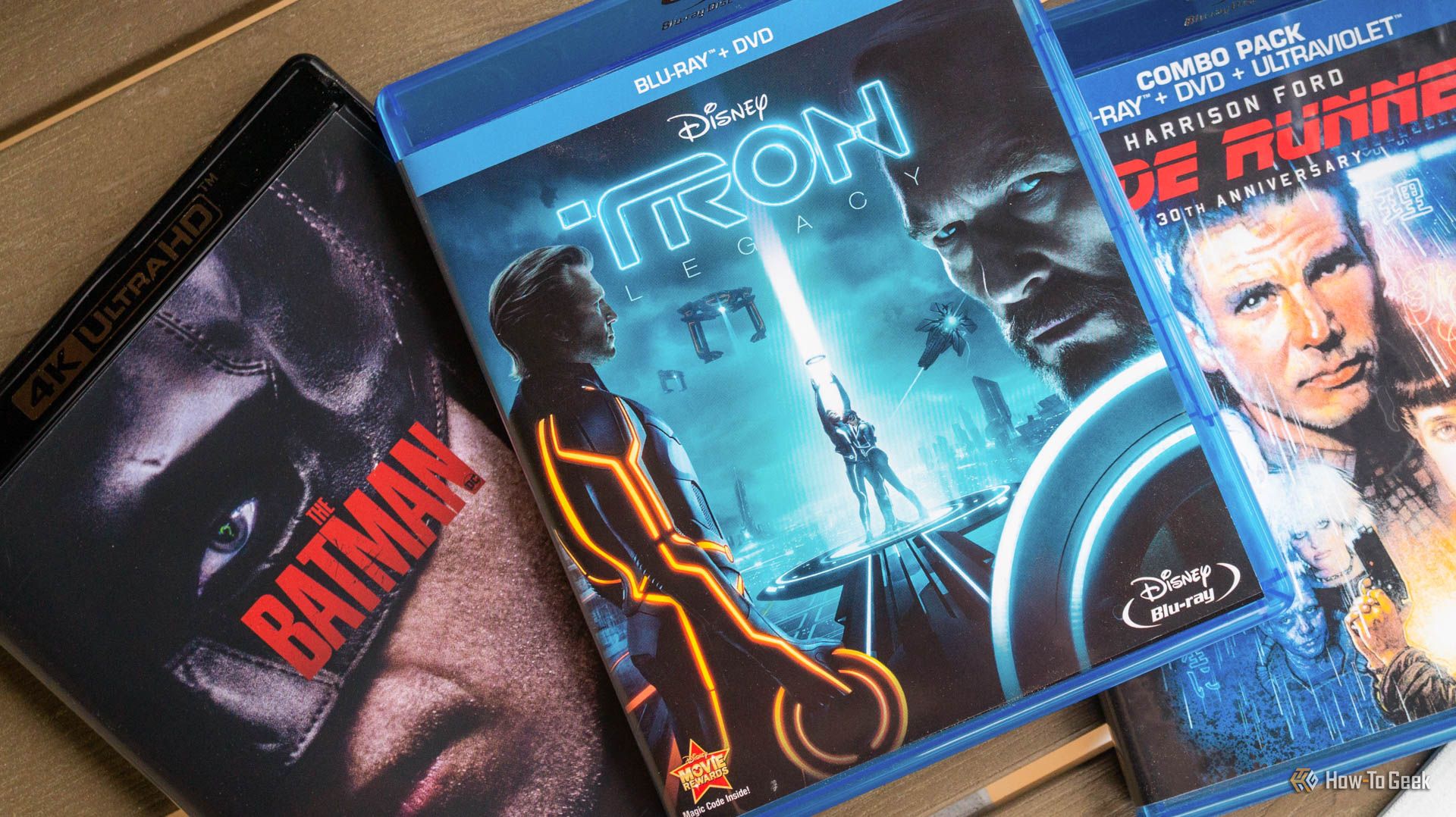
Blu-ray may very well be the last physical media we get when it comes to video content, but if history had gone just a little differently, it would be HD-DVDs being frantically collected by media nerds today, and not Sony's gift to image quality purists.
Buying a high-end monitor and then plugging it in with whatever cable came in the box is something most people do without thinking twice. HDMI is everywhere; the port fits, and the picture shows up, so everything seems fine. The problem is that there are plenty of issues that no one talks about. The cable and port you're using matter more than most people realize, and HDMI specifically has some limitations that aren't obvious from the outside.