❌

Reading view

There are new articles available, click to refresh the page.

Hands-Free Mouse Uses Eyes And Muscles Instead
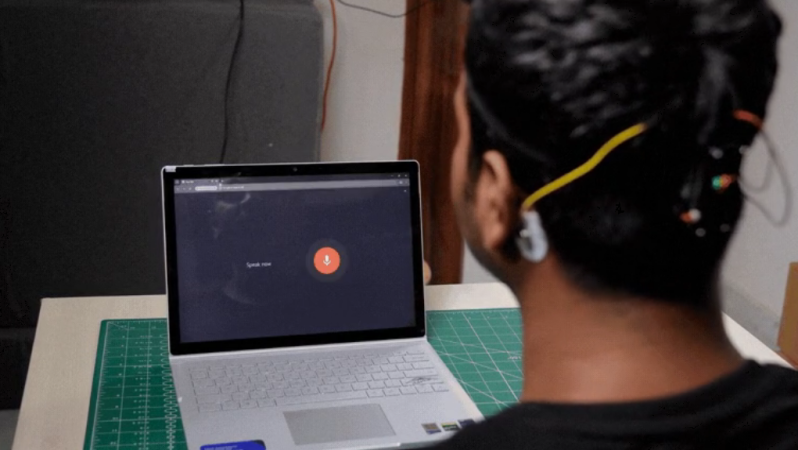
The standard computer mouse is a perfectly useful peripheralΒ if your hands work.Β If you’ve got some trouble in that area, you might appreciate an alternative input solution. To that end, [Varun Adinath Patil] created a neat hands-free solution for moving a cursor around a screen.

The build is based on the Neuro PlayGround Lite, a board built for physiological signal acquisition in the Feather form factor. It’s hooked up to an IMU sensorβ€”both a MPU6050 or BMI270 workβ€”which tracks head movements to allow the cursor to be panned around the screen. Other biological signals are then used to activate other standard mouse functions. Clenching the jaw fires off a left click, while a triple blink fires a right click. Clicking and dragging is achieved by a double-blink. The jaw muscles are sensed via EMG signals picked up with gel electrodes on the skin, while the blinks are detected via EOG signals via the same contact points.

Commercial solutions in this realm exist, but it’s great to see how such a device can be built from the ground up. We’ve looked at other neat applications of head-tracking before, too. If you’re working on your own innovative accessibility tools, don’t hesitate to let us know via the tipsline.
Full Body VR Tracking Is Just Some Recycled Hardware Away

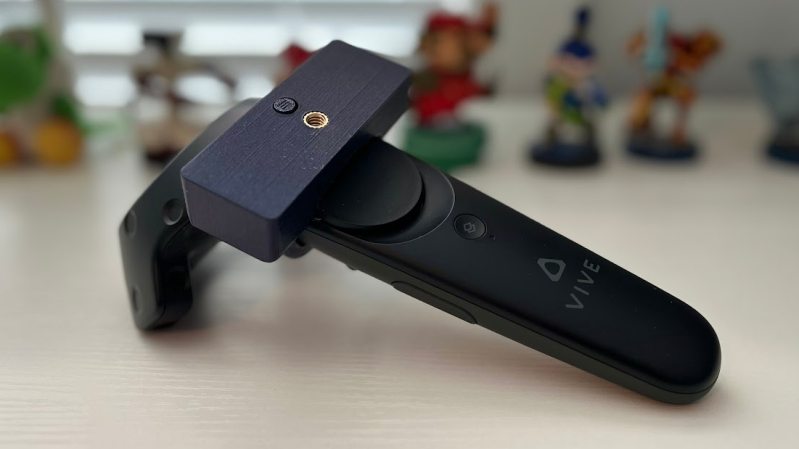
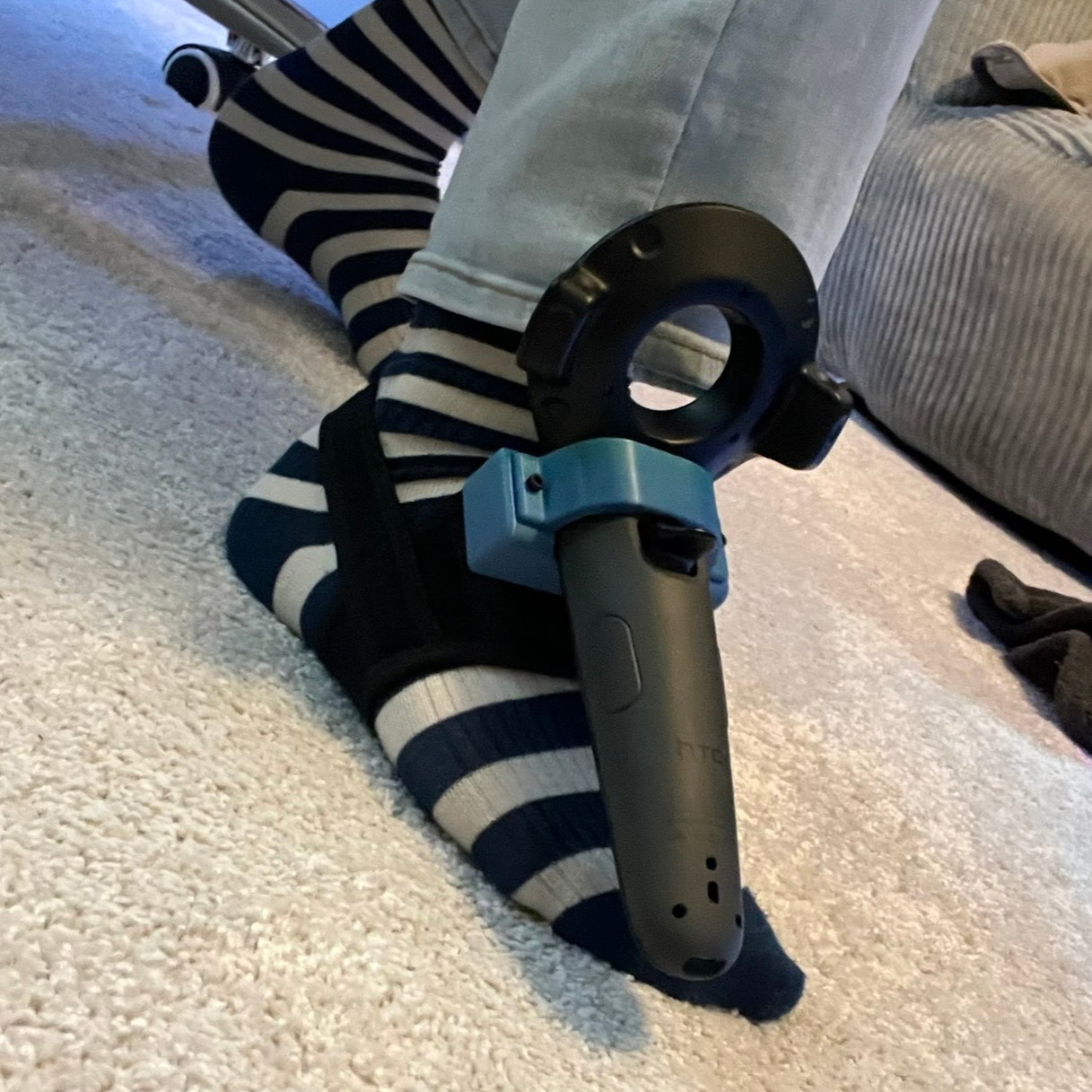
Full body tracking in VR applications involves attaching sensors to one’s body, and [Jaki] has a DIY method to do it on the cheap: the Vive Tracker Lite project repurposes Vive controllers as lighthouse-based trackers, no hardware modifications required.

A common method of doing body tracking is to strap on some Vive trackers. Those are extremely hacker-friendly pieces of hardware, but [Jaki] observed that older Vive VR controllers can be had for cheap, and already contain everything a tracker needs. Some new firmware and a custom mount is all it takes to turn them into perfectly usable body trackers.

But what about a wireless receiver? [Jaki] has that covered as well with the $5 Viva Dongle, which uses a Pro Micro NRF52840 to act as a cheap DIY alternative to the official dongle hardware.

We appreciate the effort put into making this project accessible to everyone, even novices. [Jaki]’s put effort into a Python program with a full GUI to make the flashing of firmware as easy as possible for both projects. Experimenting with body tracking in VRChat or games with mods is just some recycled hardware away.

Granted, a Vive controller is not the slimmest piece of hardware, but all it takes is a firmware change and a 3D-printed fixture to make a perfectly serviceable tracker. That being said, we’re sure an enterprising hardware hacker may crack a controller open and embark on a serious rebuild, or even interface to some of the inputs in a clever way. If you’ve done that or know of someone who has, drop us a note on our tips line because we’d love to see it.

❌