❌

Reading view

There are new articles available, click to refresh the page.

6 subscriptions you can replace with a $45 Raspberry Pi

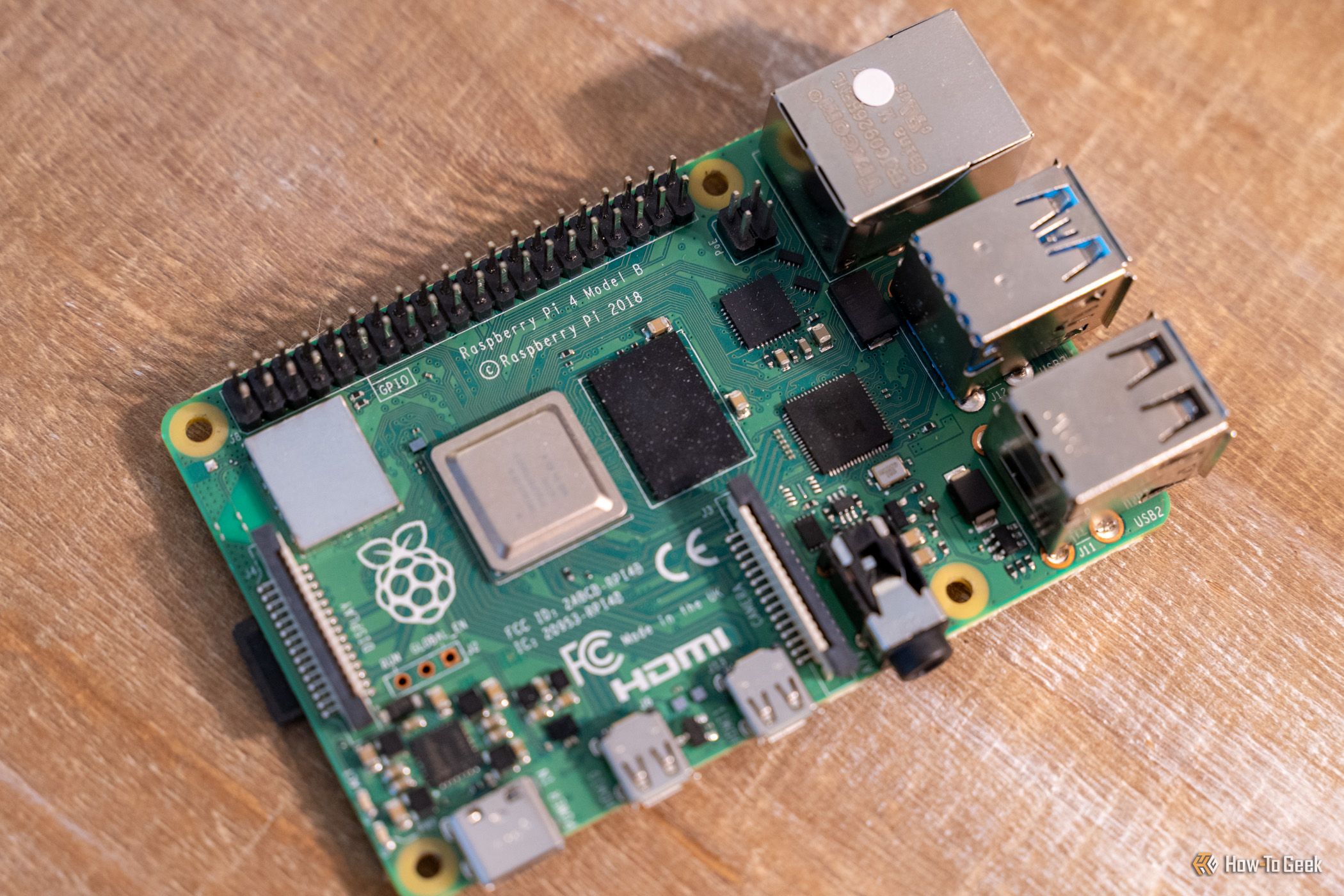
The 1GB Raspberry Pi 5 was introduced in the midst of a RAM crisis that has seen prices of the once-affordable single-board computer hit the roof. You can still get your hands on one for $45 (for now), and your investment can pay for itself in a matter of months if you use it to ditch your subscriptions.

ReactOS Gets An Upgrade

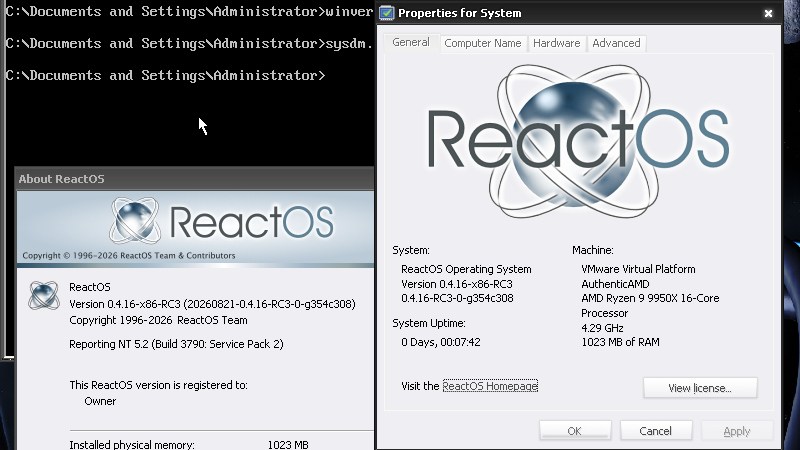
A perennial in the esoteric operating system space is ReactOS, a project with its roots in the 1990s which is doing a pretty good job of creating an open source clone of 32-bit Windows. They have a new version out, and it’s acquired some useful features.

Top of the list is a new graphical installer, removing the need for separate live and install ISOs, followed by improvements in video bug fixes and high definition audio drivers and subsystems. There’s a headless server install too, in which the GUI is suppressed. Perhaps most interesting, they are working on version syncing the open-source projects such as WINE on which they rely, meaning with luck that any improvements there will show up in ReactOS.

A while back we took a look at using ReactOS as a daily, and found it to be quirks aside, as usable as you’rd expect a Windows XP clone to be. Given that there are plenty of pieces of hardware and software around that still need an early-2000s era Windows to run, this remains an OS to keep an eye on.

An Atari Desktop On A Sega

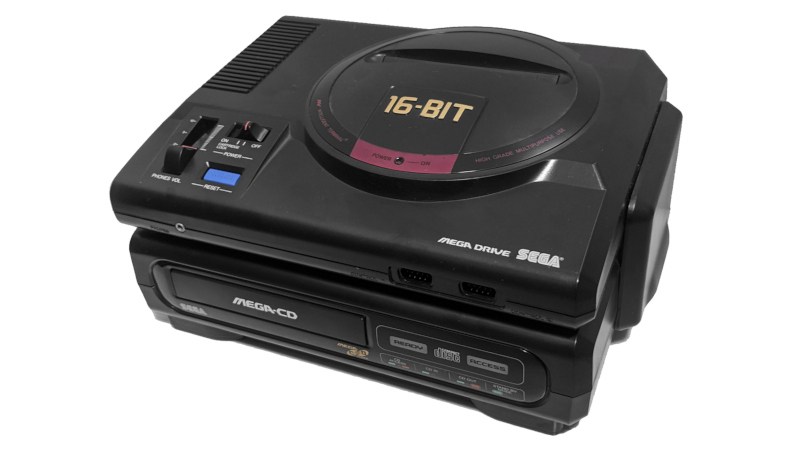
Over recent years there have been a range of classic 16-bit consoles coaxed into running familiar operating systems, with -nommu Linux being a favourite. But the 16-bit era had its own operating systems of note, and [1d4r3k] has brought one of them to a console that fit very much into a different 16-bit camp. It’s Atari’s TOS, on a Sega Mega CD.

We should in all fairness start by saying it’s not β€œreal” TOS, but EmuTOS, an open-source drop-in replacement. So far it supports a serial keyboard device, a printer, and sound, and it mounts the CD or cartridge it booted from, a RAMdisk, internal backup RAM, and cartridge save RAM. We’re told in the tip email that there’s also been some work porting GEOS to the platform, and thus the GEOS software suite may be ported to it.

Sadly there are no images, so we can’t see it working, but trying it looks to be as straightforward as burning aan ISO or flashing a cartridge if you have the original hardware. We have no idea as to whether it would be any use given the specs of the Sega, but given that TOS ran on Ataris without a lot of RAM we suspect it might be. Meanwhile, here’s a Megadrive/Genesis running Linux.

Header: 軍事用懐中電灯, CC BY-SA 4.0.

❌