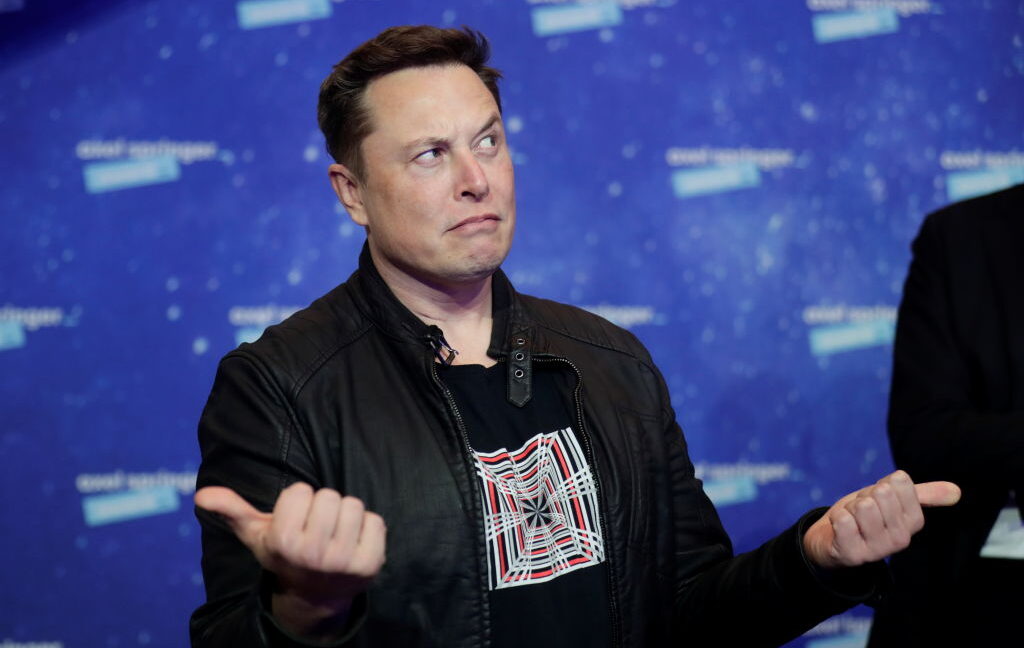
Elon Musk has settled his lawsuit with advertisers that he once claimed should be criminally prosecuted for refusing to advertise on his social media platform, X.
In a joint statement that reveals little about the deal, the World Federation of Advertisers (WFA) and X said that they were “putting the litigation involving the Global Alliance for Responsible Media (GARM) behind them.”
Elon Musk’s platform attacked the country’s “invasive” information-gathering powers as it demands the government drop efforts to strengthen its no-children policy.
Meta is removing Instagram videos that use Ray-Ban smart glasses to harass strangers, highlighting growing privacy concerns around AI-powered wearable cameras.
Meta is under renewed scrutiny after researchers found thousands of AI "nudify" ads on Facebook and Instagram, raising questions about the company's advertising enforcement.
Two jury losses are testing whether Section 230 protects the design choices behind social media feeds, giving plaintiffs a possible route around the industry’s strongest legal defense without rewriting the law yet.
AI-generated and recycled disaster videos from Venezuela and China show how quickly fabricated footage can outrun reliable information, leaving social media users to separate genuine eyewitness evidence from engagement bait
X Money has officially launched in the US, bringing peer-to-peer payments, a Visa debit card, and high-yield savings accounts to eligible X Premium users.
The European Commission says TikTok may be violating the Digital Services Act by failing to adequately protect minors' accounts and privacy on the platform.
In the final weeks before Romania’s presidential vote in November 2024, TikTok accounts that had previously spent years posting about manicures or fashion suddenly started promoting a little-known politician named Calin Georgescu.
His posts, espousing hard-line views on immigration and anti-Semitic tropes, were viewed 120 million times before the vote. Georgescu, who had previously been polling in the single digits, stunned observers by winning the election’s first round with 23 percent of the vote.
In the Netherlands, Adriana Iamnitchi was watching closely. As chair of computational social sciences at Maastricht University, she leads the research into disinformation campaigns. She wanted to know how pro-Georgescu content was being monetized on TikTok through hidden influencer marketing and livestreamed political content.
 Login
Login