❌

Reading view

There are new articles available, click to refresh the page.

US Accuses American of Allegedly Wiping His Phone Using a 'Duress' Password During Border Search

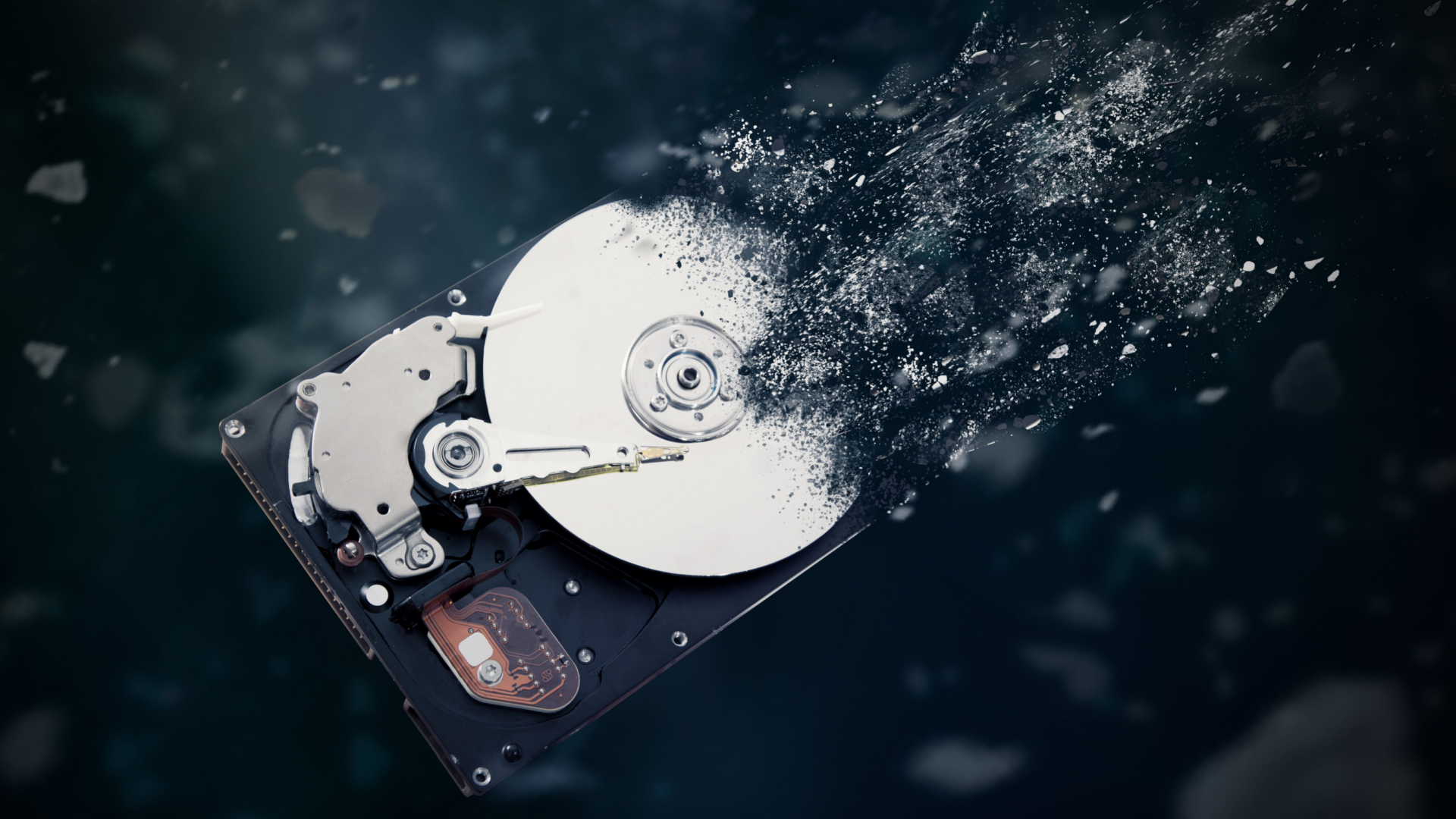
An anonymous reader quotes a report from TechCrunch: The U.S. Justice Department is prosecuting an American for allegedly providing U.S. border authorities with a passcode that wiped the contents of his phone, according to an indictment and media reports. This is thought to be the first known case in the United States where federal prosecutors have charged someone for the alleged destruction of data using a so-called "duress" password built into a phone's software. According to The Guardian, which covered the story earlier this week following the court's first hearing on Monday, Atlanta resident Samuel Tunick is fighting the charges. Tunick's attorneys said that it was unlawful for U.S. Customs and Border Protection to seize his phone as he arrived back in the U.S. last year, and that any evidence -- including the alleged wiping of his phone -- should be thrown out. The case centers on a feature included in GrapheneOS, a custom Android operating system that runs in place of the software on most modern Google Pixel devices. Tunick's attorneys confirmed GrapheneOS was running on his phone. The software feature allows the device owner to set a passcode that deliberately wipes the contents of that device if entered instead of the user's unlock passcode. Tunick's case also raises ongoing questions about what constitutional rights can be invoked at the border, which the U.S. government has long asserted is not U.S. soil until a person is authorized to enter. Bill Budington, a senior staff technologist at the Electronic Frontier Foundation, and Runa Sandvik, a digital security expert who works to protect at-risk people as the founder of security consultancy firm Granitt, told TechCrunch that they had not seen similar cases involving the use of duress passwords. "I have not seen this before, though I've discussed the potential scenario with activists and journalists over the years," said Sandvik. "I think this case serves as a reminder that authorities may argue you knowingly destroyed data, so it's better to not have that data on you when you cross certain borders." "With a little planning ahead of time, you can always download the data you need once you get to where you're going," said Sandvik.

Read more of this story at Slashdot.

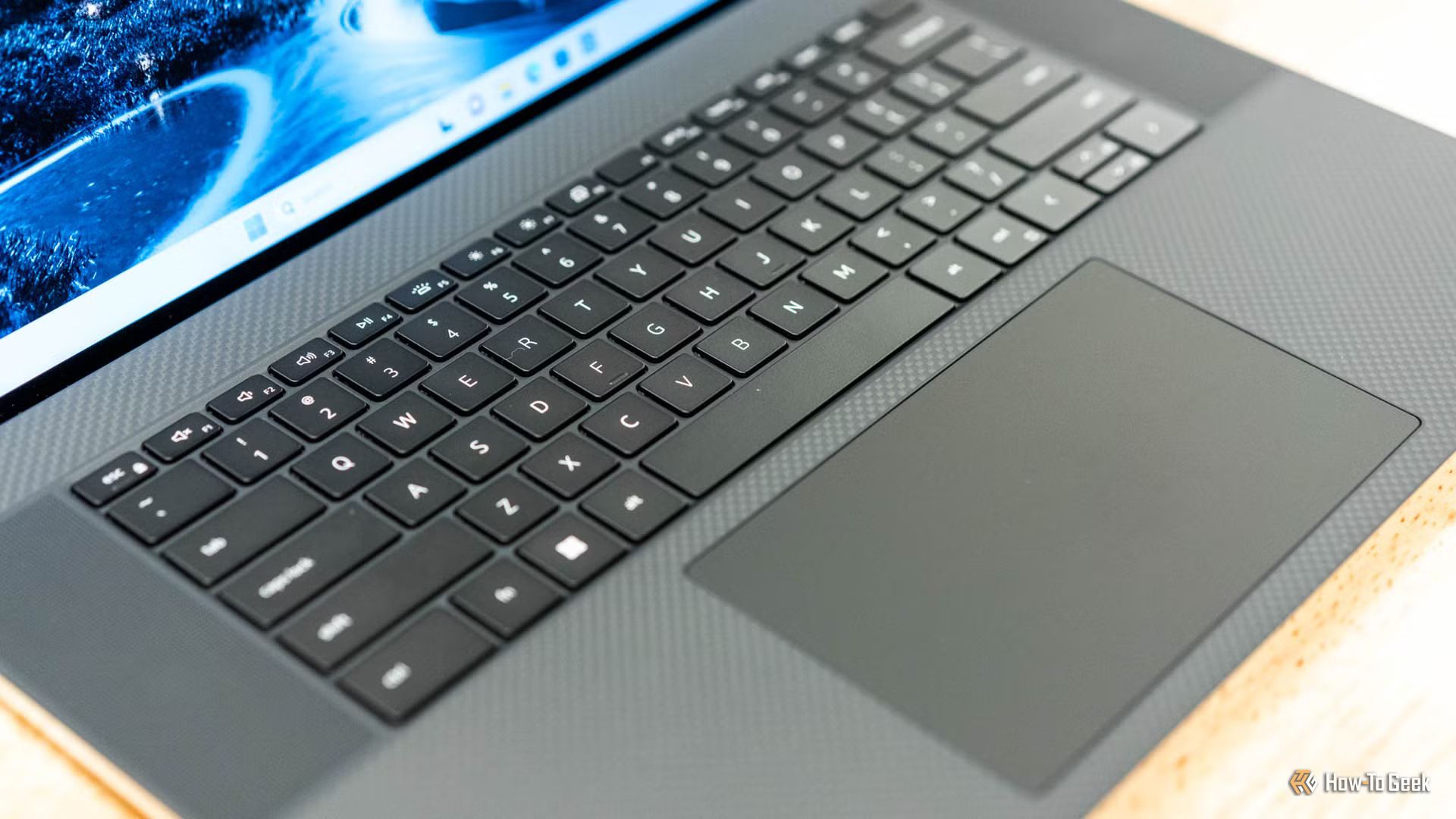
I tried 5 Notepad alternatives to escape AI bloat, and this 3KB app won

Windows notepad has been a staple of the Windows operating system literally for decades. It is lightweight, simple, easy to use, and it won't mess with your files, which makes it a great option if you need to quickly edit a configuration file. However, recent additions to the program are a pretty significant departure from what originally made notepad appealing to me.

I de-Googled my life with these 4 free privacy tools, and I'm not looking back

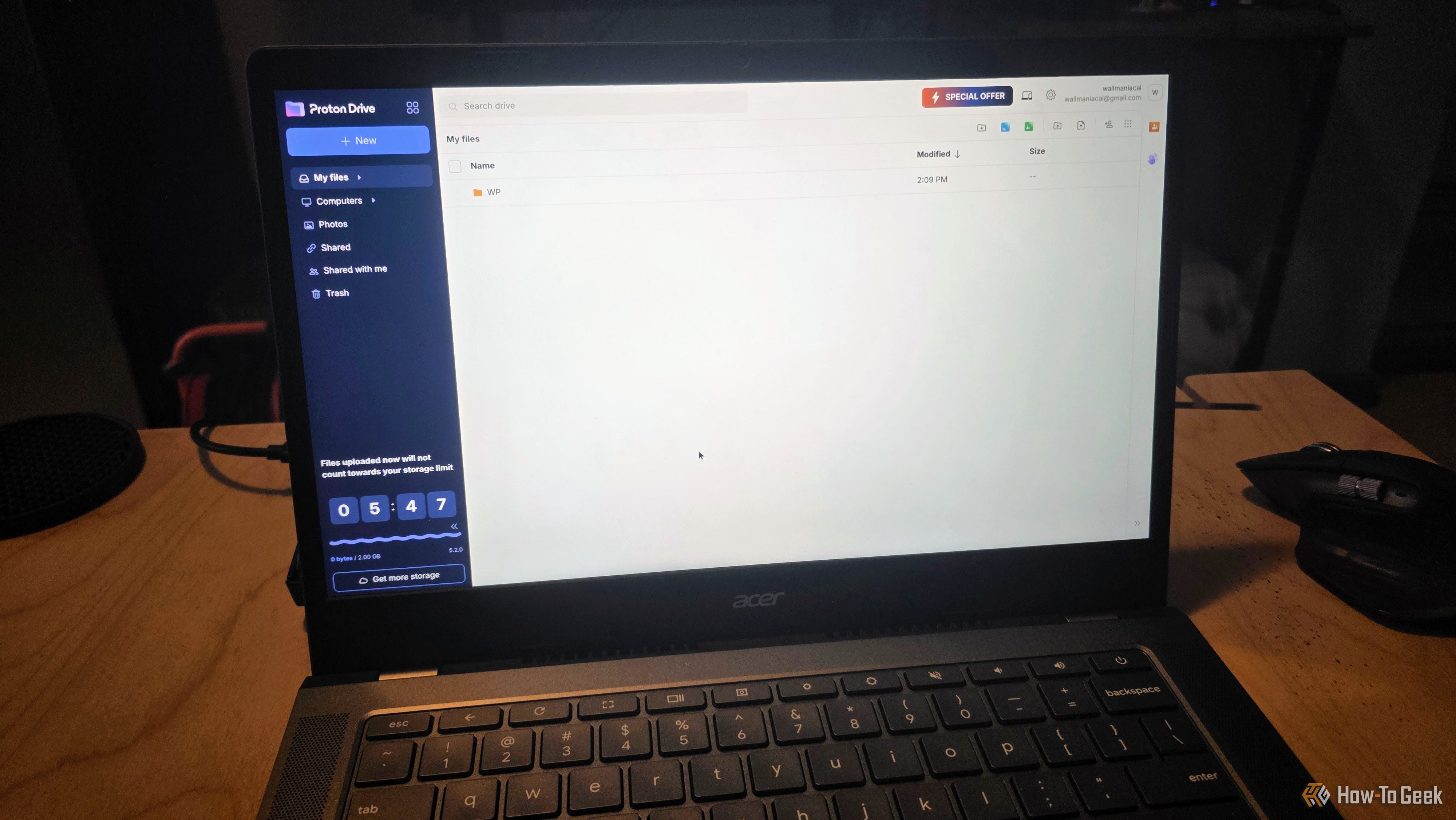
Google offers some very convenient and highly advanced softwareβ€”there's no doubt about thatβ€”but it comes at the cost of pervasive user tracking. Not everyone is comfortable with that, and some of those who have yet to ditch Google surely have a nagging sense of unease, knowing their private lives are logged, monitored, tracked, and profiled. You can do something about it, and learning about great alternatives is a start.

Google Adds Selfie Video As a Log-In Option

An anonymous reader quotes a report from Engadget: You'll now be able to use selfie videos to log into your Google account. It has long been possible to log into Google using your face, via your phone's face unlock or if your passkey login uses biometrics for verification. This is yet another option to get into your account using your face to authenticate your identity, which could be especially useful if you don't have access to the phone or computer you typically use or if you got locked out of your account and none of the other log-in options are working. [...] Google will ask you to turn your head in certain ways during the verification and every time you use the option to log in. The company says it's to fend off impersonation attempts, such as deepfake videos, and prove you're currently in front of the camera. It will, of course, have to save your selfie video and use it for comparison for future logins.The company says it will encrypt your video and only use to help you sign in, but if you ever change your mind, you can delete it from your Google account. It's worth noting the option is currently unavailable for Workspace accounts, child accounts and those enrolled in Google's Advanced Protection Program. You can set it up and give it a try at g.co/signin-selfie.

Read more of this story at Slashdot.

Passkeys were supposed to replace passwords, but they're failing for the most predictable reason

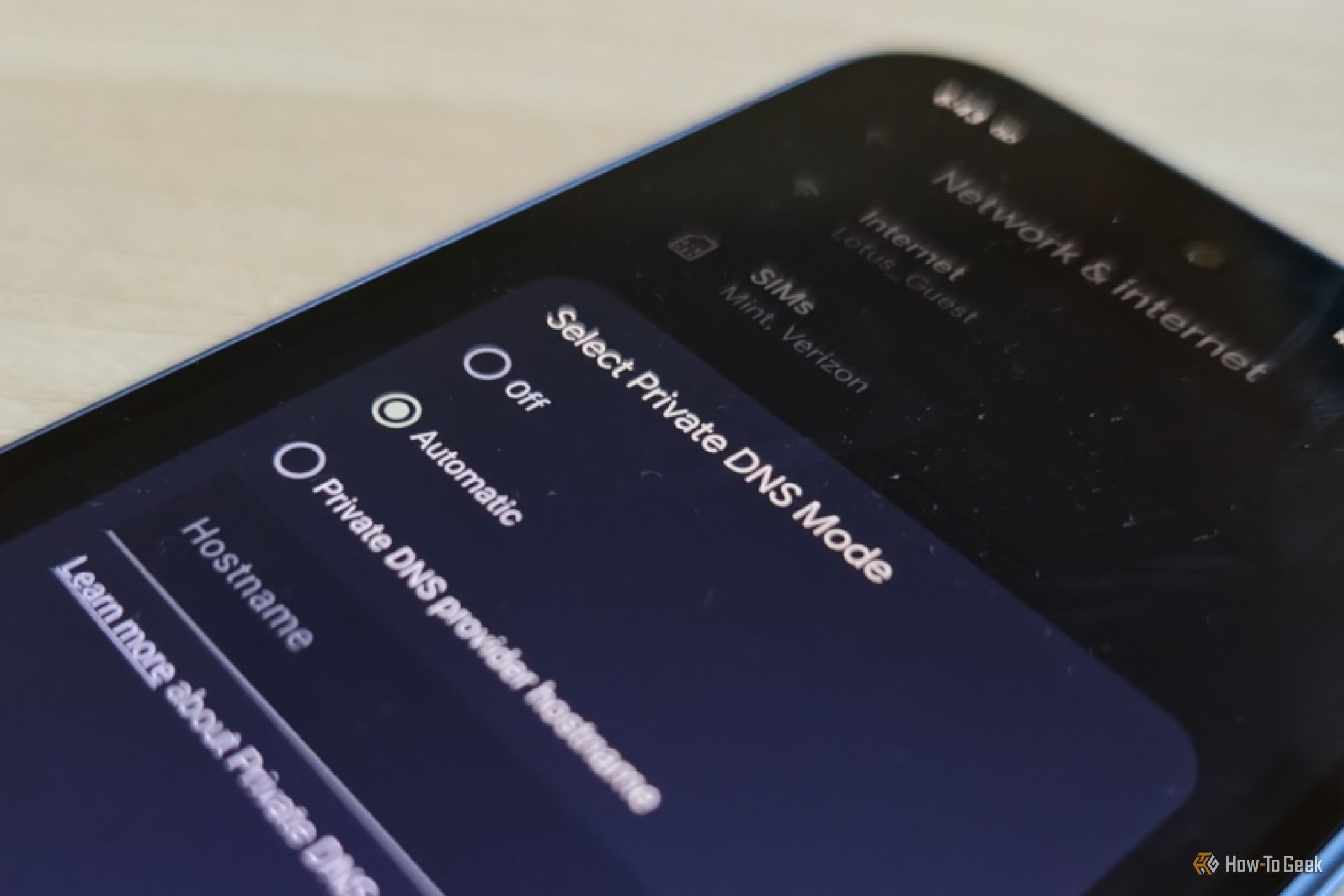
Passwords are a problem. Not only have they reached a point where a "strong" password is one no human can remember (much less remember dozens of them), but they simply aren't as secure as they need to be. Passkeys combine a public and private cryptographic key pair with local authentication such as a fingerprint or facial scan. The device can prove its identity beyond doubt, and the assumption is that only you can unlock it.

❌