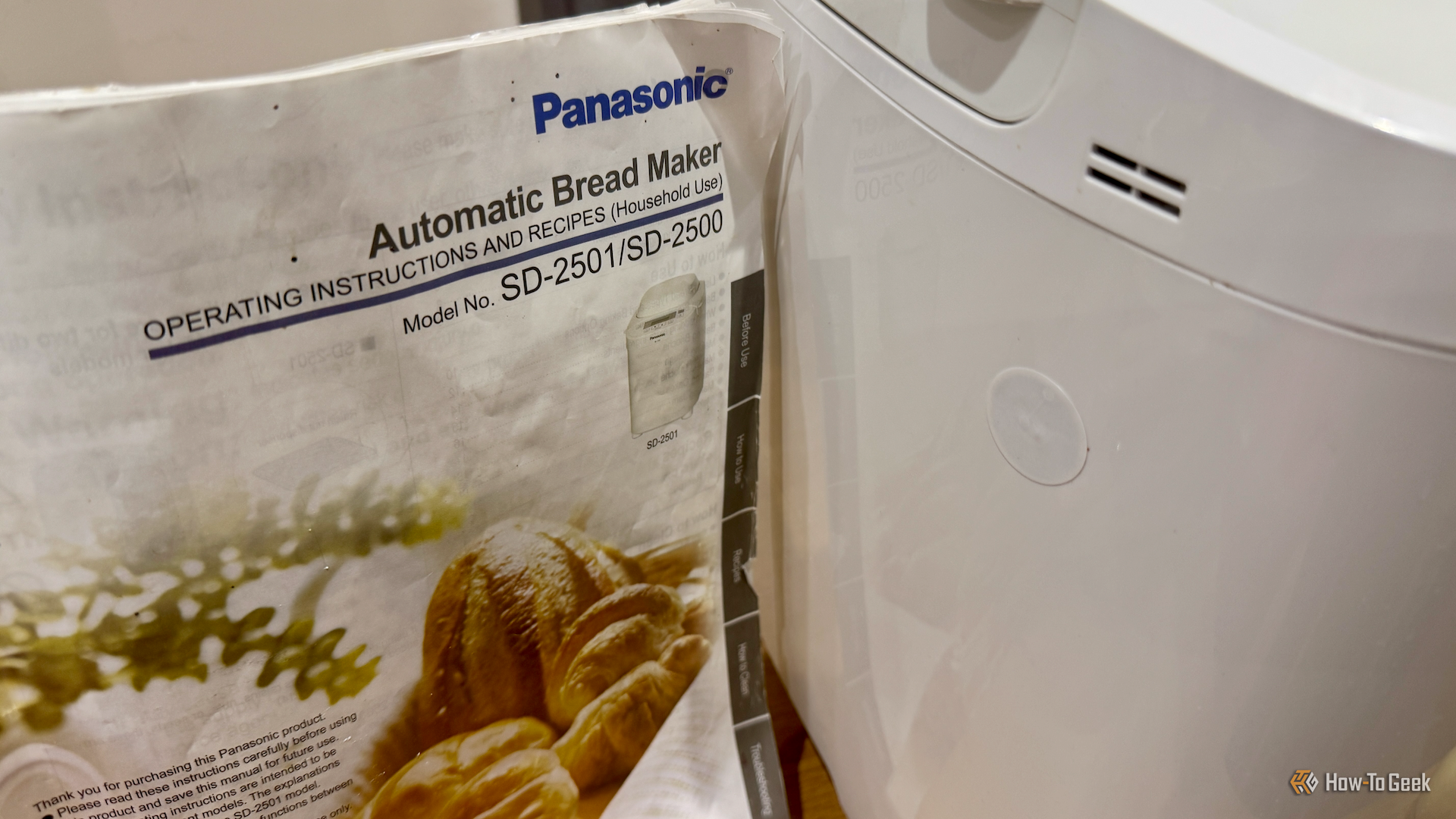
I have a lot of appliance manuals that I've collected over the years. They rarely need looking at, but when they do, finding the right manual can be a chore. I decided to stick NFC tags to my appliances so that I could access their manuals more easily.
Today, Apple rolled out the 27.2 updates for its operating systems, including iOS, macOS, watchOS, tvOS, visionOS, and so on.
Let's start with iOS 27.2. This update is heavily focused on Siri AI. It adds a memory feature to Siri, so it can "recall your past conversations" and reference them when chatting with you. It also expands what data sources Siri can access when giving responses to include voicemails, Messages attachments, and more.
Most phones should adjust automatically on Nov. 1, but new Canadian time-zone rules could affect some devices. Here's what iPhone and Android users should check.
iOS 27 lets Apple Intelligence build Shortcuts from natural-language descriptions and adds new triggers, model choices, storage, and web-connected automation tools.
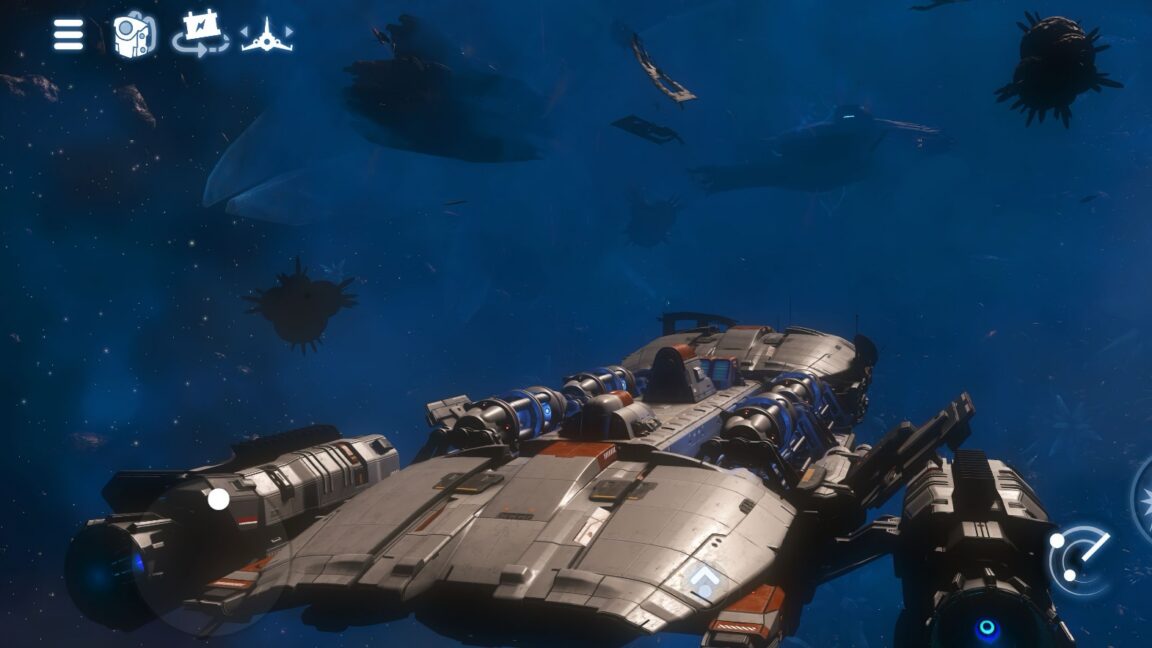
Just over 10 years after its initial release, space exploration and survival crafting game No Man's Sky is making its way to the iPhone and iPad, Apple and developer Hello Games announced today.
It will run on devices as far back as the iPhone 11 and the third-generation iPad Air. No Man's Sky might not have the most cutting-edge AAA graphics (though they're still strong, and they've come a long way since launch via updates), but the game's uncommon method of generating galaxies of incomprehensible scale on-device, and consistently for all players from a single-seed, happening on a phone is remarkable for those of us who remember phones performing far behind consoles or desktop PCs.
“Spider-Noir” streamed for one season before being canceled. (Amazon Prime Video Image)
Nicolas Cage is drawing a hard line in the digital sand against artificial intelligence, revealing that he likely won’t work with Amazon again after refusing to sign an AI waiver for his now-canceled Prime Video series “Spider-Noir.”
Speaking during a panel at New York Comic Con over the weekend, the actor didn’t mince words about his clash with the studio.
“Amazon is a very AI-friendly company, to the tune of $50 billion invested in OpenAI,” Cage told the crowd, according to The Wrap. “I am not an AI-friendly actor, so it’s like, connect those dots! I’m not a member of their club. I didn’t sign the waiver to let them use AI on ‘Spider Noir.’ I’m probably not going to be working with that studio again, but that’s OK.”
Inspired by the Marvel Comics character, “Spider-Noir” starred Cage as Ben Reilly, an aging, down-on-his-luck private investigator in 1930s New York City who is forced to grapple with his past life as the city’s lone super-powered vigilante.
Despite garnering 11 Emmy Award nominations, Prime Video abruptly canceled the series after just a single eight-episode season.
Cage is famous for boundary-pushing roles in classics like “Leaving Las Vegas,” “Face/Off,” and “National Treasure.” The Oscar winner teased his next pivot to the small screen, hinting that he is set to star in Season 5 of HBO’s anthology crime drama “True Detective.”
And Cage’s anti-AI stance appears to be shaping his future creative ambitions, with Kotaku reporting that the actor expressed a desire to team up with younger, DIY-reared directors — specifically shouting out 21-year-old YouTube sensation Kane Parsons, creator of the viral “Backrooms” series — who honed their skills online and share his deep skepticism toward generative tech.
“They’re doing it from scratch and by hand,” Cage said. “I want to get with that.”
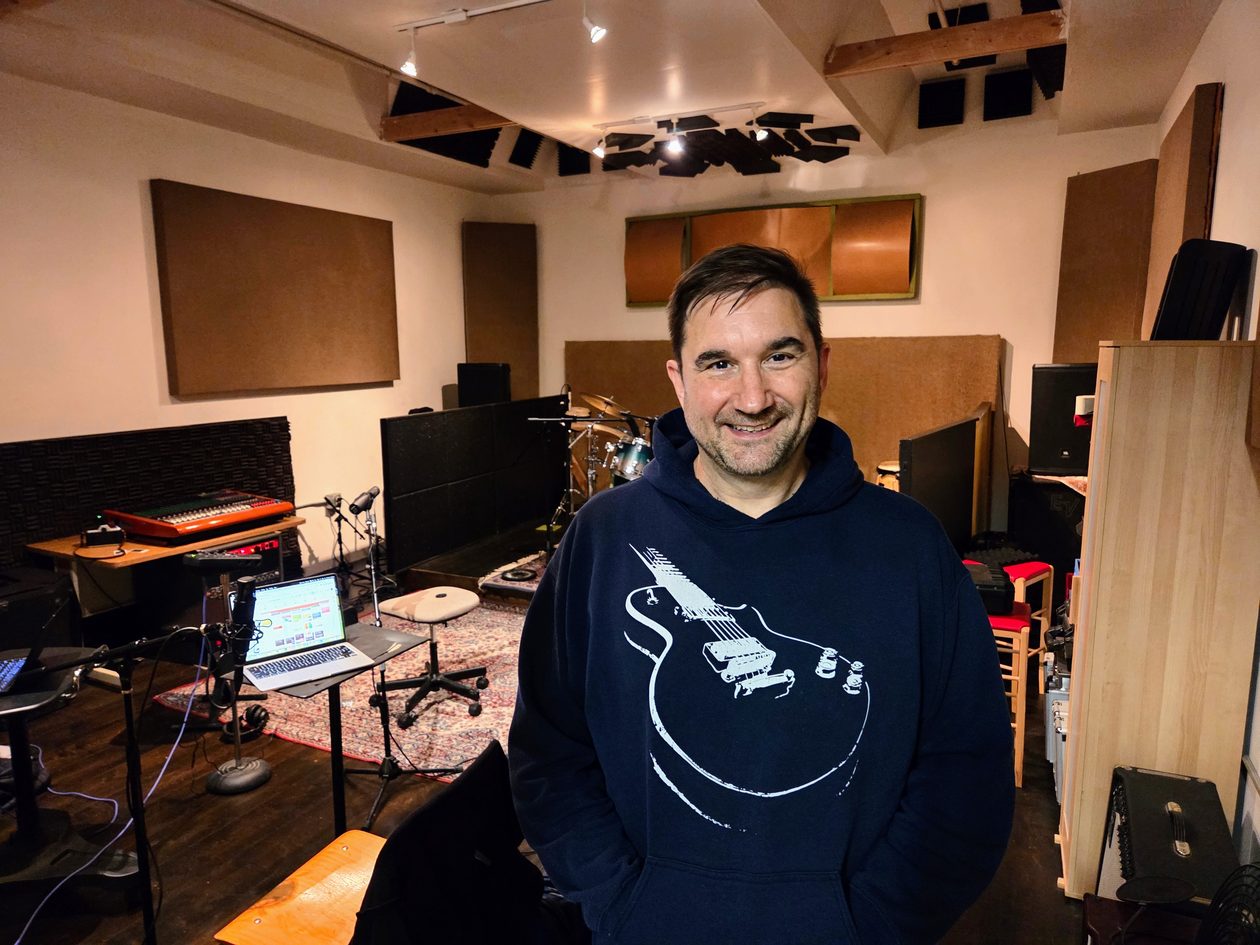
Seth Paul of Front Burner Studios and security startup Qinsay at the studio near Pike Place Market. (GeekWire Photo / Todd Bishop)
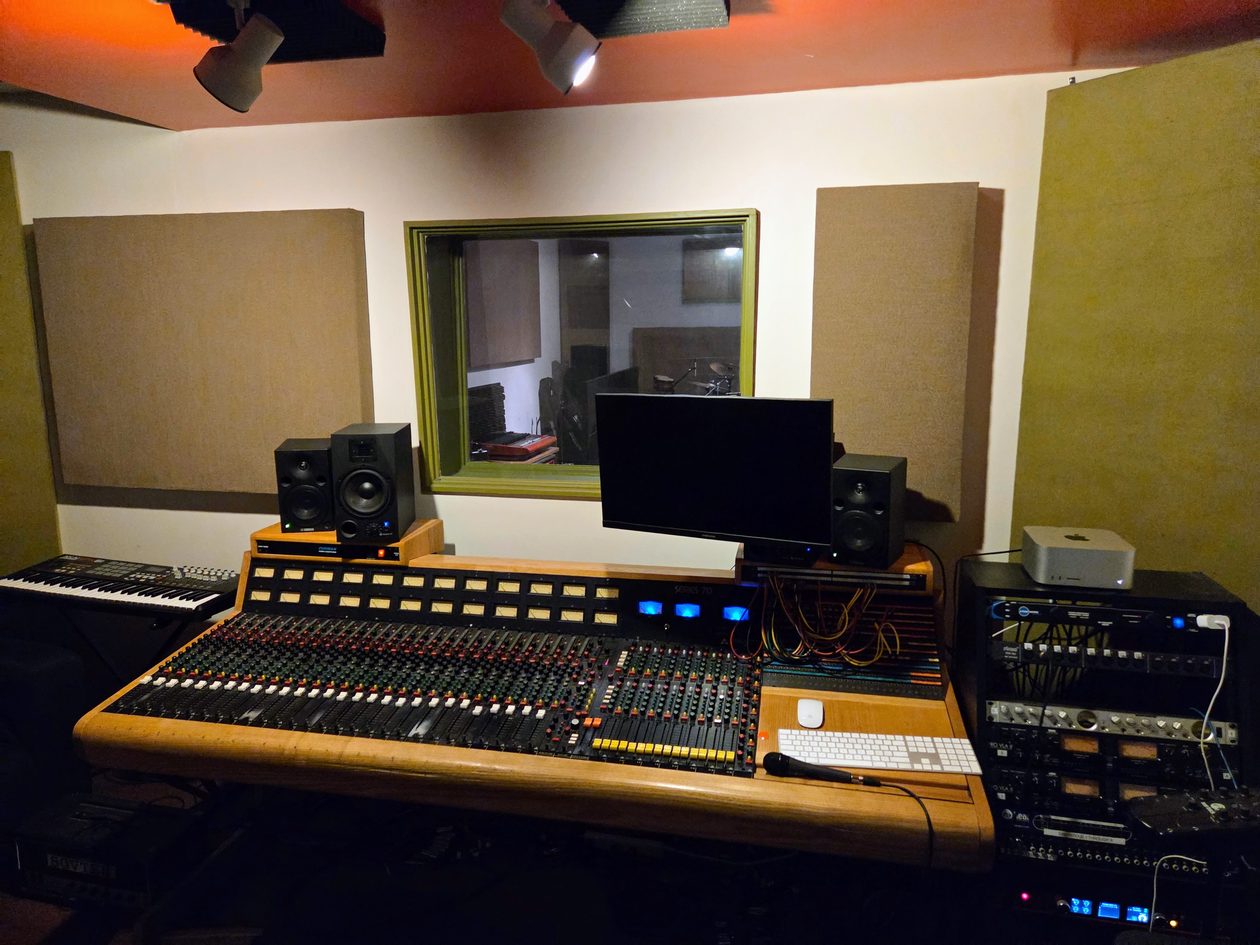
This week, we take the GeekWire Podcast to Front Burner Studios in Seattle, where we’re hosted by studio co-owner Seth Paul, who’s co-founder and CEO of security startup Qinsay.
We discuss the White House crackdown on Microsoft’s green-card sponsorships, which Vice President JD Vance announced just hours before President Trump awarded Satya Nadella the National Medal of Technology and Innovation. We talk about the contrast, and about how Nadella himself traveled that same path from H-1B visa to U.S. citizenship.
We also look at how Seattle-area startups raised a record $3.5 billion, driven largely by companies building physical things like rockets and satellites.
The vintage Trident Series 70 console in the control room at Front Burner Studios, which Seth Paul drove across the country from Detroit in the middle of winter. (GeekWire Photo / Todd Bishop)
After we catch up on the news, Seth joins us to tells us about the studio, including the vintage console he drove from Detroit, and how he brings a musician’s approach to the startup world.
And in the final segment, it’s the return of the GeekWire Trivia Challenge.
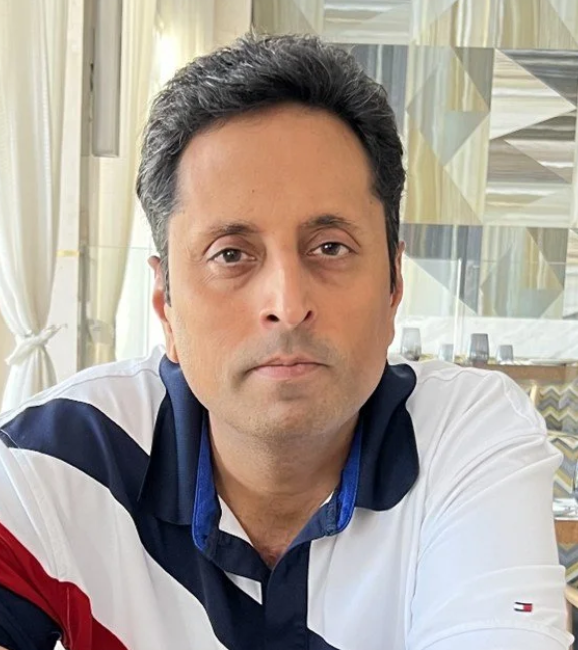
— Ravi Vedula, a corporate vice president at Microsoft, is leaving the company after 26 years. Vedula, who is based in the Seattle area, led an organization of more than 1,000 people that runs the data and analytics platform behind Microsoft 365 and Copilot.
“26 years. It’s time,” he wrote on LinkedIn. “Goodbye and thank you, Microsoft. It’s been a privilege. I gave it my all.”
Vedula joined Microsoft in 2000 and was the first engineering manager for Exchange Online.
“I leave with gratitude for the people and experiences that shaped those years,” Vedula told GeekWire.
He said he is leaving room for “another professional chapter if the right opportunity comes along,” but for now plans to focus on travel, ways to contribute and writing, including a possible book based on his experiences receiving a heart transplant in 2017.
Rohit Prasad. (Boston Dynamics Photo)
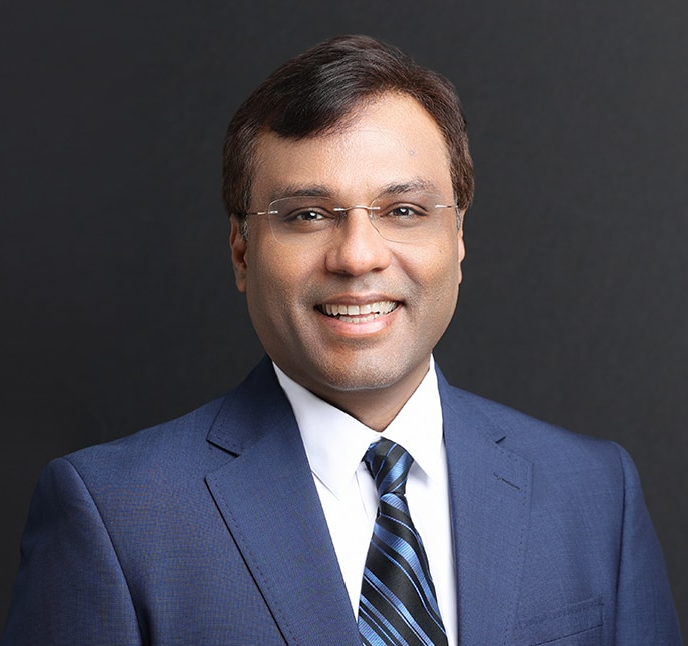
— AI and robotics company Boston Dynamics announced Rohit Prasad as its new CEO, effective Oct. 7. Prasad, who is based in the Boston area, was Amazon’s senior vice president and head scientist for artificial general intelligence until he left the company at the end of 2025.
He takes over from interim CEO Amanda McMaster, the company’s chief financial officer, after Robert Playter retired in February following more than 30 years at Boston Dynamics. Hyundai Motor Group holds a controlling stake in the company.
Prasad joined Amazon in 2013, during the early days of Alexa, and oversaw the creation of its Nova AI models. Boston Dynamics makes the Spot and Stretch robots and is developing the Atlas humanoid. Prasad is also expected to join the company’s board, subject to approval.
“Boston Dynamics is uniquely positioned to advance Physical AI through its world-class robotics expertise,” Prasad said in the announcement.
Mike Potter. (Qualtrics Photo)
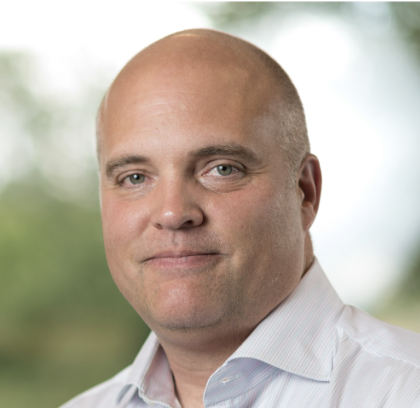
— Qualtrics has appointed Mike Potter chief technology officer of the experience management company. He joins from Petal, an Ontario healthcare company, and has worked in leadership at Qlik, IBM and Cognos.
“I have spent the better part of my career building platforms at scale, the kind of work that requires deep technical conviction, strong collaboration, and a relentless focus on what customers actually need. That is what drew me to Qualtrics,” Potter said.
Qualtrics has dual headquarters in Seattle and Provo, Utah. It recently cut 117 jobs connected to its Seattle operations, largely affecting engineering and product teams. Last year, the company spent $6.75 billion to acquire Press Ganey Forsta.
Shawn Stapleton. (Fred Hutch Photo)
— Shawn Stapleton has been named vice president and chief AI and innovation officer, a newly created role at Fred Hutch Cancer Center. He joins the Seattle nonprofit from MD Anderson Cancer Center, where he led AI lifecycle management for more than three years. Before that, he was the Seattle-based head of data science for Philips.
Stapleton helped scale MD Anderson’s AI initiatives across clinical, research and administrative settings, Fred Hutch said, adding, “His experience at the intersection of strategy, governance and implementation will be instrumental as we continue building the foundation for AI-enabled medicine and discovery.”
Jon Abramovic. (Overland AI Photo)
— Seattle-based defense tech startup Overland AIhas named Jon Abramovic as vice president of international growth. Abramovic has held sales leadership roles in Taiwan, Prague and Beijing. He was most recently director of global defense sales at SIG Sauer and spent eight years at Oshkosh Defense leading business development across Europe and Asia.
“Having spent years operating overseas, I’ve seen firsthand what our allies face against near-peer adversaries and what it takes to stay ahead. Overland AI’s technology represents a generational leap in the ground domain,” Abramovic said.
Overland AI is No. 7 in the GeekWire 200, a ranking of the region’s top privately held tech startups.
— Noosphere Labs, a Seattle-area AI startup first covered by GeekWire in August, has announced its leadership team. The company, launched by former Meta AI research director Kevin Carlberg, is pursuing “human-centered physical intelligence” — AI designed to help people interact with and make sense of the physical world, beyond text and images on screens.
Its team includes:
Tyler Simpson, co-founder and chief operating officer, who left Meta to start Noosphere Labs. He previously was co-founder and CTO of Luum by HealthEquity and spent more than 11 years at Microsoft.
Andrew Ma, engineering leader, has more than 20 years’ experience across Google, Meta, Amazon and Microsoft, most recently leading Google Cloud’s Apache Spark teams.
Joshua Walton, founding design partner, was a director at Meta Reality Labs Research and worked on Microsoft’s HoloLens.
Louis Barinaga, founding hardware partner, spent the bulk of his career at HP and more recently held leadership roles at Meta’s augmented reality program, Valve and Microsoft.
Andrew Smith, founding AI engineer, led Zillow’s first agentic AI system and previously worked for Amazon and Sandia National Laboratories.
Michael Iuzzolino, founding AI engineer, joined from Meta, where he worked on large language models, and previously held roles at Google Brain and Microsoft Research.
Mikhail Shashkov, founding architect, was at Amazon Lab126 for more than seven years and previously at Sandia.
Liz Pearce. (LinkedIn Photo)
— Liz Pearce has been named Earth Finance‘s first chief commercial officer. She joined from Ever.green, where she was chief revenue officer. Past roles include CEO of LiquidPlanner, co-founder and CEO of Fresh Chalk, and vice president of marketing for GoDaddy.
Earth Finance, a Seattle-based startup helping businesses reduce their climate impacts, recently launched a platform called SpatiaFi that enables customers to make location-based capital decisions.
“Earth Finance is already delivering game-changing results for customers,” Pearce said. “I can’t wait to get to work with this team to scale that impact.”
— Charlie Bell, the longtime Amazon Web Services executive who left to run security, compliance and identity at Microsoft, has been appointed to the board of directors at the cybersecurity firm Tenable. The appointment was disclosed in an SEC filing and framed as “reinforcement for Tenable’s AI-driven exposure management push.”
— Two notable Amazon moves:
Fırat Güder, a professor and chief engineer of Güder Research Group at Imperial College London, has joined Amazon as a scholar in the tech giant’s special projects organization. “Here, we are building the next generation of cutting-edge technologies that define the future of humanity. It is an incredible honor to join a small, elite group of innovators and researchers pushing the boundaries of what is possible,” Güder said.
Leonardo de Mourahas been promoted to vice president and distinguished scientist with AWS in Seattle. He joined the company in 2023.
Amelia Marckworth. (LinkedIn Photo)
— Washington Technology Industry Association (WTIA) has named Amelia Marckworth director of programs, innovation and entrepreneurship. She joins from Seattle University, where she has held leadership roles for more than a decade and also served as an adjunct professor of entrepreneurship in the Albers School of Business and Economics.
“Amelia has a proven track record of launching and growing startup programs, coaching founders directly, and being part of WTIA as a committee member and mentor. We’re excited to bring that experience and talent onto our startups team,” Randa Minkarah, WTIA’s executive director and CEO, said in a statement.
Hernan Alvarez. (LinkedIn Photo)
— Hernan Alvarez has taken a role at Seattle-based Hyperparamto lead product and go-to-market at the startup, which is building tools for collecting, storing and analyzing the data that AI systems produce. The company recently launched a product called HypAware to improve oversight of AI agents and catch their errors.
Alvarez joins from Great Expectations, where he was CEO. He earlier worked with Hyperparam founder Kenny Daniel at Algorithmia, a machine learning company co-founded by Daniel and acquired by DataRobot.
Philip Jensen. (Zap Photo)
— Philip Jensen has joined Zap Energy as vice president of fuel programs and operations. Zap, an Everett, Wash.-based fusion startup, announced in April that it was expanding its focus to include nuclear fission. Jensen was previously at First American Nuclear and spent more than seven years at Pacific Northwest National Laboratory.
Zap said Jensen “brings deep expertise in nuclear fuel design, testing, and manufacturing, and a track record of launching new fuel programs and partnerships.”
— Christie Johansen-Pinney has joined Noble Studiosas its Seattle-based vice president of client experience. She has held VP roles at firms including Rooster Punk, DEPT and The Marketing Practice.
— Anders Mortensen, formerly CRO at The Trade Desk, has been appointed to the advisory board of Scowtt, a Seattle startup helping advertisers optimize their ad spending. Mortensen spent more than 13 years at Google, leaving as vice president of U.S. mid-market sales lead generation.
Microsoft cut 277 jobs in the Seattle region as part of its latest round of layoffs, with artists, game designers and producers making up a large share of the affected roles, a new filing shows.
The filing was made public Thursday afternoon under the Worker Adjustment and Retraining Notification (WARN) Act. Microsoft gave approximate numbers earlier this week when it announced the cuts, which included the latest stage in the company’s ongoing Xbox restructuring.
Art, game production, game design, technical art and audio design account for 77 of the 277 positions listed in the filing. Software engineering is the largest single category, totaling 60 roles.
Other positions are in functional areas including product marketing, technical writing, product management, data science, business management, finance and legal.
The filing says 252 of the positions impacted in the state are based at Microsoft’s Redmond campus, with 25 held by remote employees in the region, adding up to the 277 total. Microsoft had previously said about 300 of the cuts were in Washington state, out of fewer than 600 globally.
Out of that global total, 268 were in Xbox Game Studios, part of a restructuring designed to return the games division to growth and profitability. Halo Studios in Redmond faced a substantial reduction, and the company said work on the next Halo game is moving to its Activision subsidiary.
Microsoft cut 605 Washington jobs in July as part of 4,800 layoffs worldwide at the time. The company eliminated more than 15,000 positions globally across two rounds in 2025.
Microsoft cut hundreds of additional jobs Tuesday, including 268 across its Xbox game studios. (GeekWire File Photo / Todd Bishop)
Microsoft is making hundreds of additional layoffs on Tuesday morning, continuing the Xbox restructuring announced in July but also extending beyond it with job cuts in areas including cloud, AI, marketing and research.
The company said the total reductions number fewer than 600 globally. About 300 of them are in Washington state, according to the company. It continues the steady trickle of job cuts by Microsoft and other tech companies in the Seattle region in recent months.
[Update: A filing made public Thursday put the official total in the state at 277 jobs.]
Worldwide, the company is cutting 268 roles in Xbox Game Studios, including Halo Studios, other first-party studios and the division’s management and operating teams.
It’s the continuation of a larger effort by Xbox CEO Asha Sharma to cut costs and consolidate game studios under fewer publishers in an effort to return to growth and profitability.
Microsoft said in July that Xbox would shed about 3,200 roles by the end of its fiscal year, roughly 20% of the division, in what Sharma called the biggest restructuring in Xbox history. The latest Xbox cuts are part of those previously announced numbers.
The company said Tuesday that the Xbox restructuring is now about 75% complete.
“The goal is to strengthen our franchises and games by operating fewer business units, aligning groups that already work closely together, and focusing our publishing expertise,” Matt Booty, Xbox chief content officer, wrote in a memo to employees Tuesday morning.
New Xbox restructuring details
Work on the next Halo game is moving to Activision, which Microsoft acquired in 2023 for $68.7 billion. The game will be led by a new team separate from the Call of Duty franchise.
A reduced team will stay at Halo Studios (formerly 343 Industries) in Redmond to support existing Halo games, the community and esports.
Rob Kostich, president of Activision, said in a statement that the company has “already begun assembling a purpose-built team, unique in capability and talent.” He said the goal is to “make the greatest Halo game ever, worthy of its universe and legacy, while staying true to what made players love it in the first place.”
Activision is also taking over World’s Edge, the Redmond studio behind Age of Empires, and assuming control of Rare, the English studio behind Sea of Thieves.
Ninja Theory is facing a possible shutdown. Microsoft said in July it had a deal to hand off the studio, which makes the Hellblade series. That agreement fell through, as did a second one. Microsoft is telling employees that the studio could close, but it still hopes to hand it off.
Obsidian Entertainment will become part of Bethesda. The California studio made Fallout: New Vegas for Bethesda in 2010 as an outside developer, and it’s working on another game set in the Fallout universe now. Obsidian’s Grounded survival franchise will move over as well.
Microsoft Casual Games is moving under King, the maker of Candy Crush. The Redmond team makes Microsoft Solitaire and other titles bundled with Windows.
Turn 10 Studios and Playground Games will merge into a single studio, making both the Forza racing games and the Fable series. Turn 10 is in Redmond and Playground is in England. The two have worked together on Forza for a decade.
Undead Labs has been spun off. Microsoft said the Seattle studio behind State of Decay transitioned on terms similar to Compulsion Games and Double Fine, which went independent in August, and that State of Decay 3 will launch on Game Pass on day one with a new publisher.
Arkane in France still has no announced outcome. It’s the last of five studios Microsoft moved to divest in July. Consultations there are expected to run through the end of the year.
Companywide job cuts
More details on Microsoft’s Washington state cuts, including the types of roles affected, will likely emerge later through a WARN notice filed with state employment officials.
The company described the reductions beyond Xbox as part of the normal course of business, as teams reevaluated their needs, with no single cause behind the layoffs. Microsoft and other big tech companies have been keeping a tight rein on operating expenses as they plow tens of billions of dollars into new AI and cloud infrastructure.
Microsoft eliminated 4,800 jobs globally in July, about 2% of its workforce, including 605 in Washington state. In 2025 it cut more than 15,000 across two rounds, about 6,000 in May and around 9,000 in July, including 830 in Washington.
The company also offered voluntary retirement for the first time this year. About 30% of roughly 8,750 eligible U.S. employees took the buyout, which reduced the size of the July layoffs.
At the same time, Microsoft continues to hire in other areas. The company said 850 university hires started in August and that it had 1,300 interns over the summer, many of whom it works to convert into full-time roles.
You can now download iOS 27.2 beta 1 alongside iPadOS 27.2 beta 1, macOS 27.2 beta 1, watchOS 27.2, tvOS 27.2 and more. Here's everything new in this release.

 Login