Climate change is helping invasive species to not only establish themselves across the continent but to stay alive for longer. Scientists suggest we get used to it.
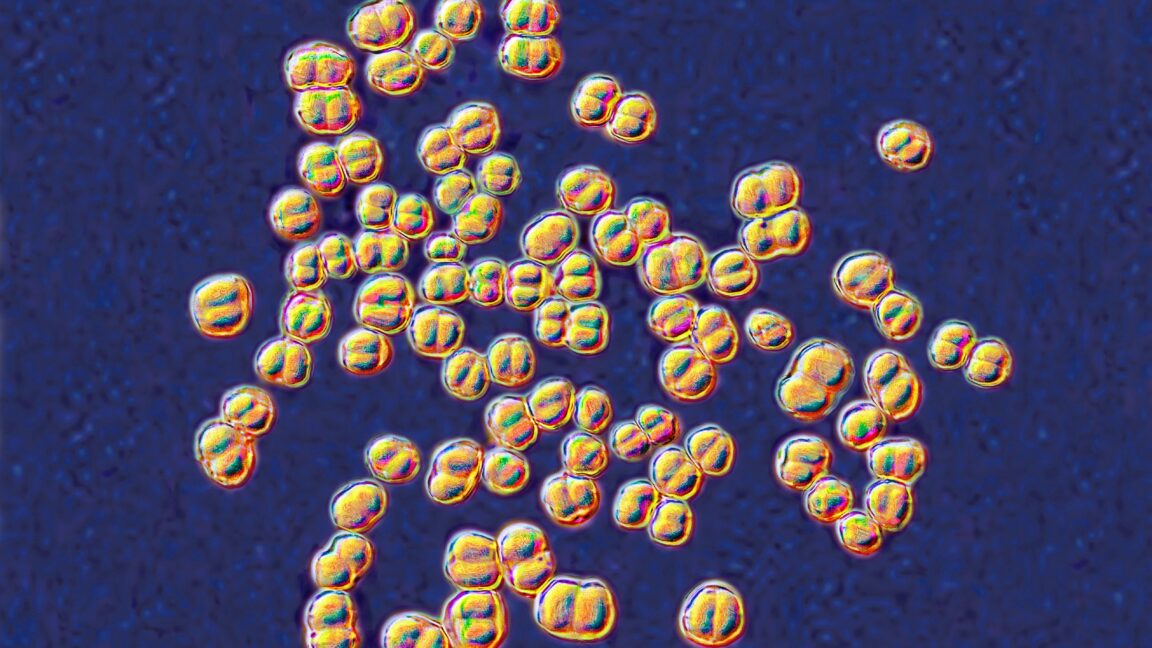
A bizarre series of events in a college microbiology lab class left 33 people—including students, professors, and lab workers—believing they were exposed to a deadly germ. Of those, 32 began taking an antibiotic regimen as a precaution to prevent a life-threatening infection. Two also underwent lumbar punctures—aka spinal taps—after developing mild symptoms.
But none of them had actually been exposed to a dangerous pathogen, a fortunate twist in the strange incident, which otherwise stands to be a cautionary tale for the ages. The incident was published in a recent issue of Morbidity and Mortality Weekly Report.
It began with a simple laboratory exercise. The microbiology lab students were supposed to be given mystery bacteria by their instructors and then identify the microbe based on a series of biochemical tests and morphological characterization.
Zilong Qiu is now being investigated by his university more than a year after his patient likely died from his team's experimental gene-editing therapy.
Ardent anti-vaccine activist and current US Health Secretary Robert F. Kennedy Jr. is reportedly on thin ice with Trump for not being anti-vaccine enough for the president's liking, according to a report late Monday from The Wall Street Journal.
Trump has become fixated on the completely false, thoroughly debunked claim that vaccines cause autism, the Journal reported. People familiar with the president's scattered thinking say Trump wants an autism remedy to be part of his legacy and thinks scaling back childhood vaccinations is a way to secure that achievement. As such, he has grown frustrated and disappointed that Kennedy hasn't done more to cut back federal childhood vaccine recommendations or confirm a link to the neurodevelopmental disorder.
In May, the president reportedly aired his disappointment, calling out Kennedy for having "the yips" that were preventing him from acting on his zealous anti-vaccine agenda while holding the highest health position in the country. In June, Trump reportedly vented in the Oval Office to Kennedy that he wasn't doing enough.
Up until recently, measles vaccination has been so effective that there’s been little medical or financial incentive to develop treatments for the disease.
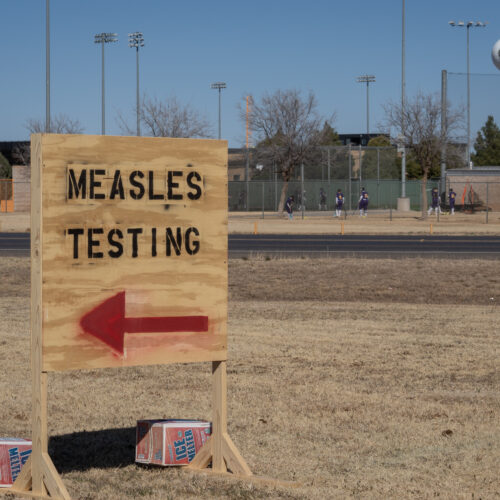
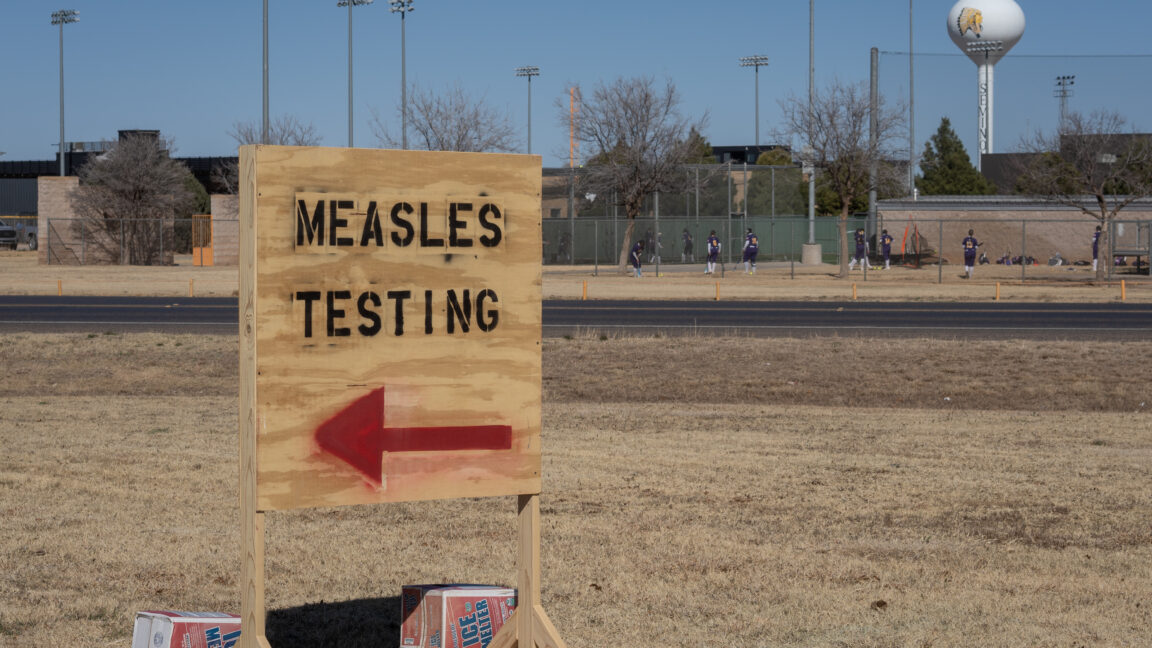
But as measles cases hit a 35-year high and vaccination rates continue to decline in the US, a handful of biotech companies and academic groups have started working on measles treatments for those infected with the virus as well as vulnerable individuals needing short-term protection. It will likely be years, however, before these countermeasures are available, and it’s even more uncertain if those who refuse vaccines would take such treatments.
Fueled by large outbreaks in South Carolina and Utah, the US had already surpassed last year’s 2,289 measles cases, and it’s only July. For comparison, there were just 285 cases in all of 2024.
Anti-vaccine Health Secretary Robert F. Kennedy Jr. has made it one of his top priorities to convince Americans to "eat real food," including more fresh fruits and vegetables. But, it's a hard sell when those real foods are causing real eruptions of explosive diarrhea across the country.
The Food and Drug Administration is investigating six outbreaks of foodborne diarrheal illnesses caused by Cyclospora, a unicellular parasite known for spreading from human feces onto fresh produce. Past outbreaks have been linked to leafy greens, fresh basil, fresh cilantro, snow peas, green onions, and raspberries. The Centers for Disease Control and Prevention has tallied a record high of over 11,500 confirmed and probable cases across 41 states, with over 300 requiring hospitalization. And that case total is almost certainly an undercount.
The largest of the outbreaks is linked to Taylor Farms' iceberg lettuce that was sold at Taco Bell restaurants and many other companies. The outbreak has sickened thousands of people across nine states, up from five states identified last week. One of the affected states is Michigan, which alone has reported 9,253 cases as of July 27. The other five outbreaks have no identified source.
Gen Z is increasingly leaning on AI chatbots to navigate dating, texting, and even face-to-face conversations, a trend experts warn could erode self-trust over time.
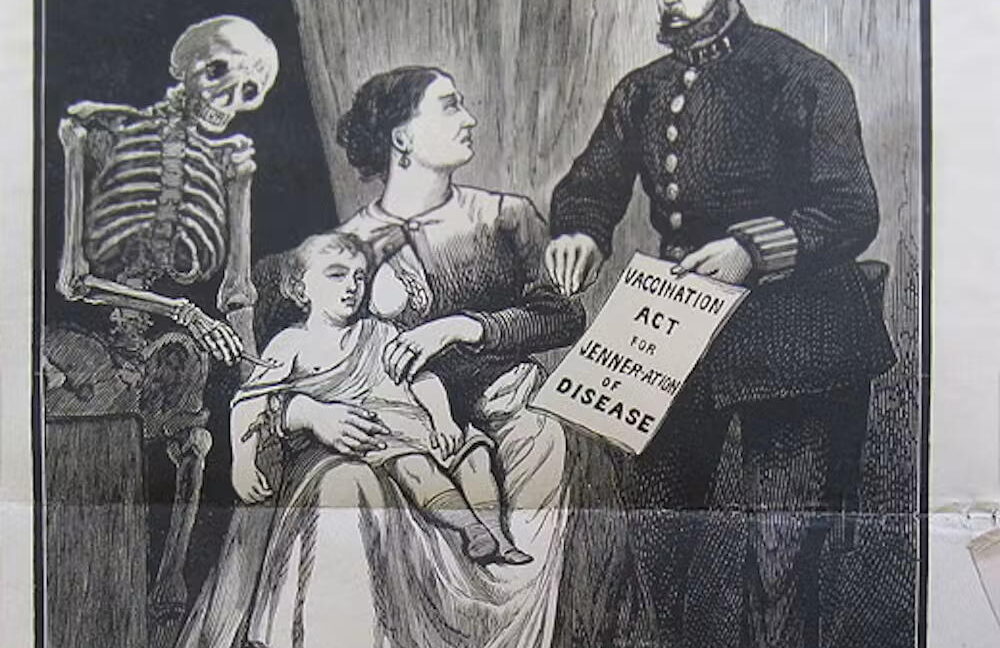
As long as there have been vaccines, there have been people who doubted their science and safety.
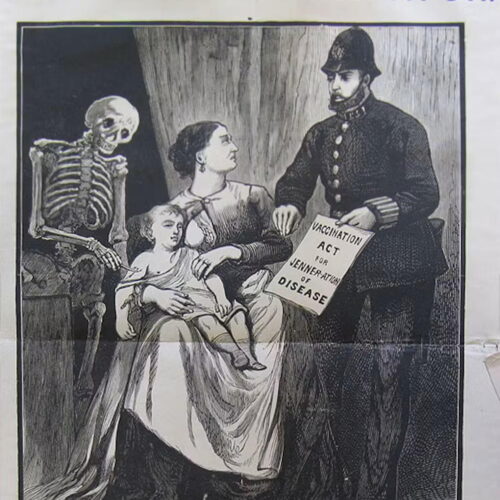
Back in 19th-century England, people rioted against a mandatory smallpox vaccine, claiming that it violated civil rights and was an affront to human bodily integrity. In the United States, organizations dedicated to resisting vaccines have existed since the Anti-Compulsory Vaccination League of Brooklyn was established in 1894.
As the US sees its highest number of measles cases in decades and vaccination rates fall, researchers are developing drugs to help those who contract the virus or who are particularly vulnerable.
In a widely expected move, a committee organized by the Food and Drug Administration (FDA) has voted to endorse removing restrictions on the manufacture of peptides for human use. Thursday's panel meeting saw a sharply divided group recommend lifting limits on four peptides; votes on three additional peptides are scheduled for today. The move comes despite a continuing lack of evidence regarding their safety and effectiveness.
The move had been telegraphed months earlier as peptide enthusiast and Health and Human Services Secretary Robert F. Kennedy Jr. took steps to ensure this outcome.
Like proteins, peptides are composed of amino acids that are chemically linked into a chain. Peptides differ merely by length; they're often 10–20 amino acids long, in contrast to proteins, which can be hundreds or thousands. Some of them, such as insulin, are specifically made by targeted processing of a protein into shorter fragments, and the resulting peptide interacts with receptors that have evolved to send signals to cells based on its levels.
This week, I covered a fascinating effort to preserve organs outside the body. There’s a huge shortage of donor organs, and one of the main reasons is time—they survive only a matter of hours outside the body, even when they’re kept on ice.
Doctors dream of organ banks—stores of human organs that can be preserved for days, weeks, months, or even longer. That would allow them to run tests on organs, find the best matches for them, and transport the organs to those recipients.
In new research, one team has been able to supercool the kidneys of pigs—animals whose organs are of a similar size to human ones—and preserve them for days. The kidneys survived being stored at −4 °C (25 °F) and eventually reimplanted back into pigs. And that’s just the latest development in a field that is positively buzzing.
It has proved super difficult to freeze organs. Once ice forms in them, they’re done. The ice crystals create all kinds of damage and render the organs unusable. That hasn’t stopped many researchers from trying.
Some have focused on cryopreservation—rapid extreme cooling that essentially leaves cells in a glasslike state. This process is now routine for eggs, sperm, and embryos, which are cooled to −196 °C in less than two seconds and can be used even after decades in storage.
No one has managed to cryopreserve and thaw human organs for transplantation. But plenty of human bodies and brains have been stored at ultra-low temperatures in the hope that they might one day be rewarmed and brought back to life. (You can read more about why some people opt for cryonics here.)
In March, I wrote about Stephen L. Coles, a gerontologist who had opted to cryopreserve his own brain. After the scientist died in 2014, his body was taken to Alcor, a cryonics facility in Arizona. A team at the facility removed Coles’s head, perfused his brain with cryoprotective chemicals (which work like antifreeze), removed the brain from the skull, and cooled it to −146 °C.
When Coles’s friend Greg Fahy, a cryobiologist, studied pieces of his brain years later, he found that the brain cells, which had shrunk, “bounced back” once they were rewarmed. But that doesn’t mean the cells are alive, or that it might one day be possible to reanimate the brain. As Matthew Powell Palm of Texas A&M told me at the time: “There are so many ways those neurons could be toast.”
Powell Palm is working on other ways to preserve organs. It was he, along with his colleagues, who managed to store supercooled pig kidneys and successfully transplant them, in a study described as “a landmark achievement.” Those organs did better than kidneys stored on ice, he says.
His approach didn’t require cryoprotectants. But other teams are exploring potential chemical cocktails that might allow them to store organs at lower temperatures, potentially for longer periods of time. (More on this in The Checkup soon!)
Another way to prolong the lifespan of an organ is to use a machine that perfuses it with nutrients, mimicking what happens inside the body. Machine perfusion devices have become more commonly used over the last decade or so and are typically used to maintain livers and kidneys for up to about 24 hours.
Researchers are now adapting this protocol for a growing list of organs, even eyeballs—a recent feat that might enable whole-eye transplants. In March, I went to visit scientists in Valencia who had developed a perfusion system for uteruses. They had used their device—which they nicknamed “Mother”—to keep a human uterus alive for a day.
It’s an exciting time for organ preservation. Keep an eye out for more coverage from MIT Technology Review in the coming weeks.
This article first appeared in The Checkup, MIT Technology Review’s weekly biotech newsletter. To receive it in your inbox every Thursday, and read articles like this first, sign up here.
 Login
Login