 Login
Login
Google Cloud races to catch up in the AI deployment wars with Accenture deal
Google Cloud expands its enterprise AI push with Accenture, betting on forward-deployed engineers to drive adoption and overcome deployment bottlenecks.

Patagonia is attracting multibillion-dollar AI data center plans, but power infrastructure and connectivity gaps could determine which projects get built.
The post Tech Firms Plan Billion-Dollar AI Data Centers in Patagonia appeared first on TechRepublic.
CISA added CVE-2023-49105 to its exploited-flaws catalog after researchers tied the old ownCloud bug to reported Philippine nuclear data theft.
The post CISA Flags Old ownCloud Flaw After Reported Philippine Nuclear Data Theft appeared first on TechRepublic.
In 2020, Microsoft announced that Game Pass Ultimate subscriptions would include unlimited access to its new Xbox Cloud Gaming service (then still known as Project xCloud). Now, that kind of streaming buffet service is coming to an end, as Microsoft announced strict new limits on how much streaming is included in its various Game Pass subscriptions.
Starting in November, Game Pass subscriptions will include the following monthly limits on game streaming time:
Subscribers who use up their monthly streaming allotment will be able to buy additional time, Microsoft said, without sharing specific pricing or availability for that streaming time. Access to downloadable versions of games included in a Game Pass subscription remains unaffected.


© Microsoft
Five Singapore firms account for 98% of Southeast Asia’s data-center equity funding as new cloud and AI capacity spreads across the region.
The post Five Singapore Firms Account for 98% of Southeast Asia Data Center Funding as Build-Out Spreads appeared first on TechRepublic.


Read more of this story at Slashdot.
Google DeepMind tested Gemini 2.5 Flash Lite behind a cryptographic wall designed to protect confidential AI benchmarks and proprietary model weights.
The post Google DeepMind Seals Gemini Test to Protect AI Benchmarks appeared first on TechRepublic.
Anthropic eyed up to 5GW of AI data center capacity in NSW. Here’s what the potential buildout could mean for Australia’s power grid and IT leaders.
The post Anthropic Eyed 5GW of AI Data Centers in Australia: Could the Grid Handle It? appeared first on TechRepublic.
Google adds pay-as-you-go pricing, spending caps and savings plans to help businesses manage Gemini Enterprise agent costs and unpredictable usage.
The post Google Adds Pay-As-You-Go Gemini Enterprise appeared first on TechRepublic.

Starcloud says it has raised $250 million in new funding to support the creation of a constellation of data center satellites powered by Nvidia’s next-generation AI chips.
The Series A extension funding round was led by Manhattan West, with participation from existing investors including Benchmark, EQT, Soma, NFX and 776. Among the new investors joining for this round are Nvidia, Cisco Investments, Cedar Capital, Goanna Capital and Standard Capital.
Founded in 2024, Starcloud is headquartered in Redmond, Wash., and is building production lines for its Starcloud-3 spacecraft at a new 100,000-square-foot manufacturing facility in Woodinville, Wash. The newly announced round brings the startup’s total capital raised to $450 million, with a post-money valuation of $2.3 billion.
Nvidia’s participation in the funding round brings Starcloud’s collaboration with the computer-chip titan to a new level. In November 2025, Starcloud flew Nvidia’s H100 GPU to orbit for the first time. It used the chip to train a large language model called NanoGPT — marking a milestone in space-based AI data processing.
Starcloud plans to equip future satellites with Nvidia’s Space-1 Vera Rubin Module, which Nvidia says will deliver 25 times as much in-space compute capability as the H100. Starcloud’s satellites will serve as an early flight platform for the space-rated chips.
“This fresh capital empowers us to build the infrastructure to launch many more of Nvidia’s most advanced GPUs into space,” Starcloud co-founder and CEO Philip Johnston said today in a news release.
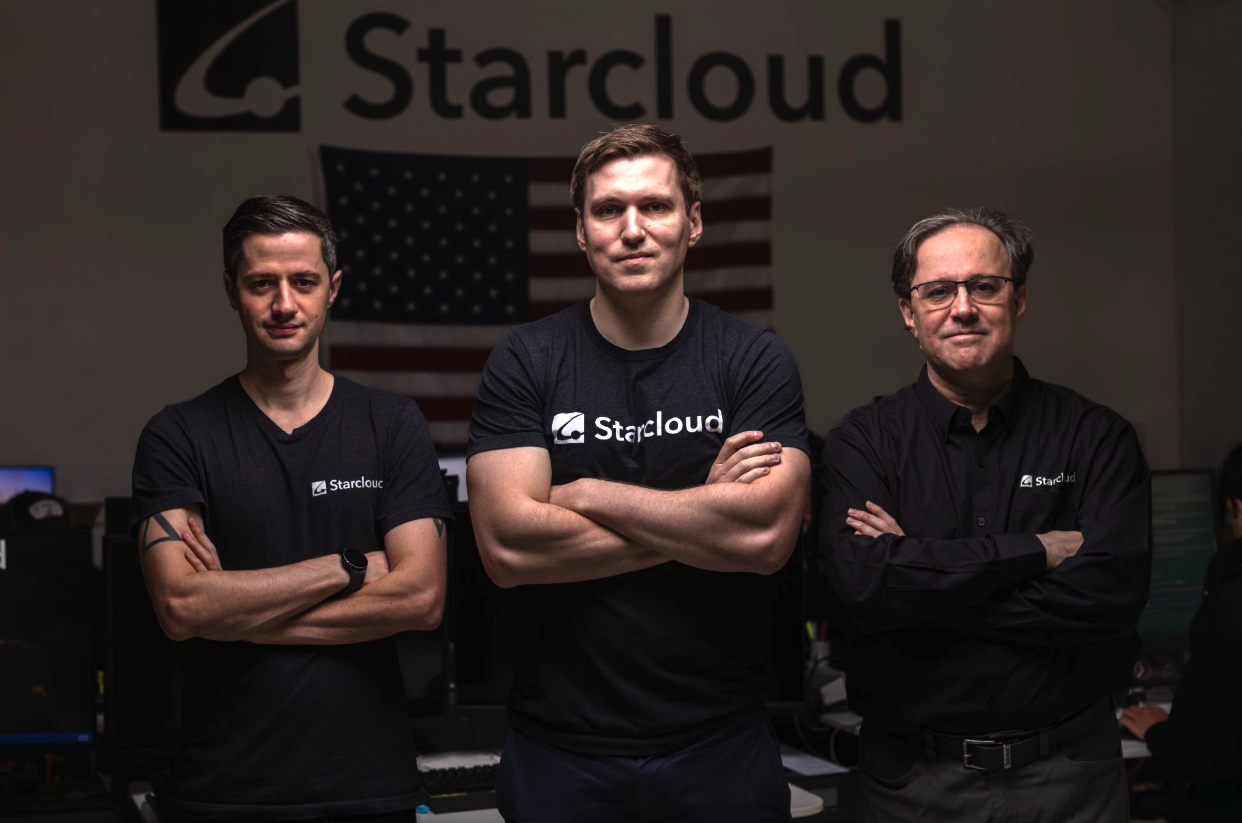
Starcloud says the new investment will fund the continued buildout of manufacturing capacity, engineering work in collaboration with Nvidia and the procurement of future launch slots. Manhattan West’s Lauren Selig will join Starcloud’s team as a board observer.
Starcloud has filed an application with the Federal Communications Commission to operate as many as 88,000 satellites as orbital data centers for AI and other applications. It’s not the only company targeting the market for orbital data centers. Most notably, SpaceX has filed its own plans to put up to a million data center satellites in space, for a project called Starmind.
The push to move AI infrastructure into space is driven by growing terrestrial bottlenecks surrounding land, power and water consumption — and by the political controversies those bottlenecks have sparked.
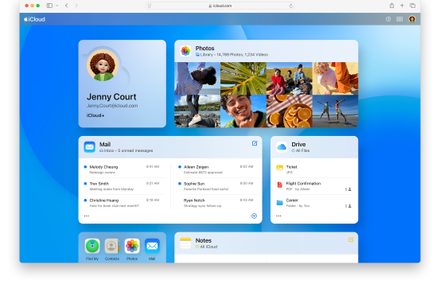

Apple is planning new iCloud+ storage upgrade features with iOS 27, giving users more options to manage and expand their cloud storage.
The post Apple Plans New iCloud+ Storage Upgrade Features With iOS 27 first appeared on Redmond Pie.
Protection against unauthorized remote logins to your cloud server is a matter of SSH key-based authentication,...
The post How to Secure Remote Access to Your Cloud Server in 2026 appeared first on Fossbytes.

Apple is reportedly planning new iCloud+ tiers for heavy Apple Intelligence users, offering additional AI features and expanded cloud resources for advanced tasks.
The post Apple Will Offer Paid iCloud+ Upgrades For Heavy Apple Intelligence Users first appeared on Redmond Pie.
