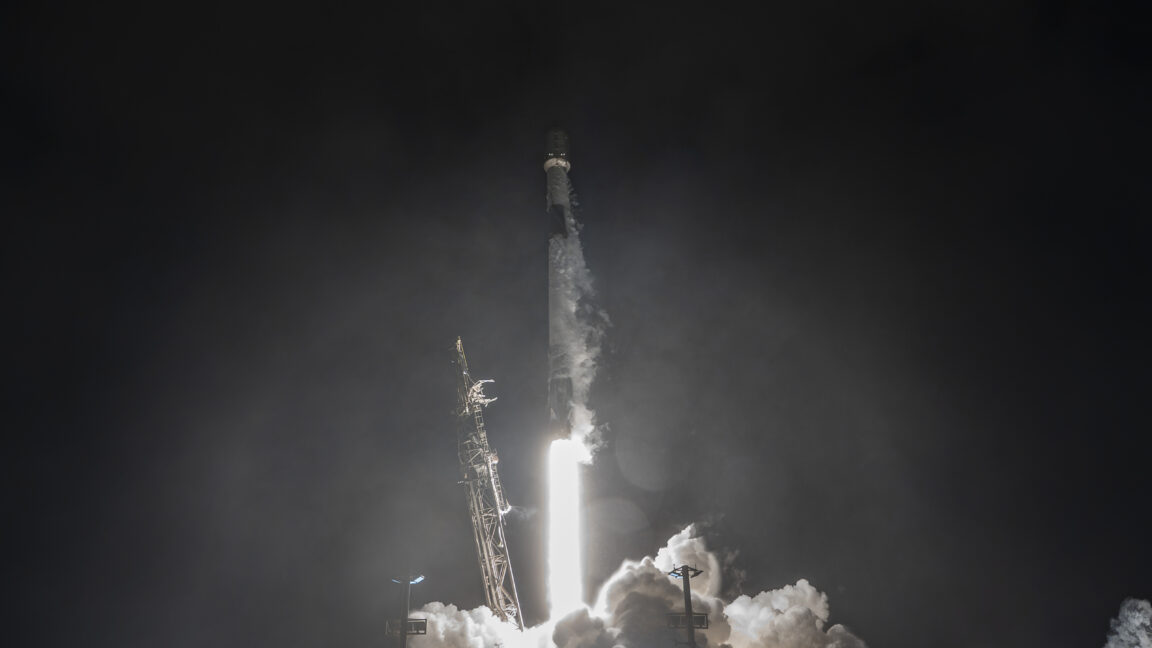
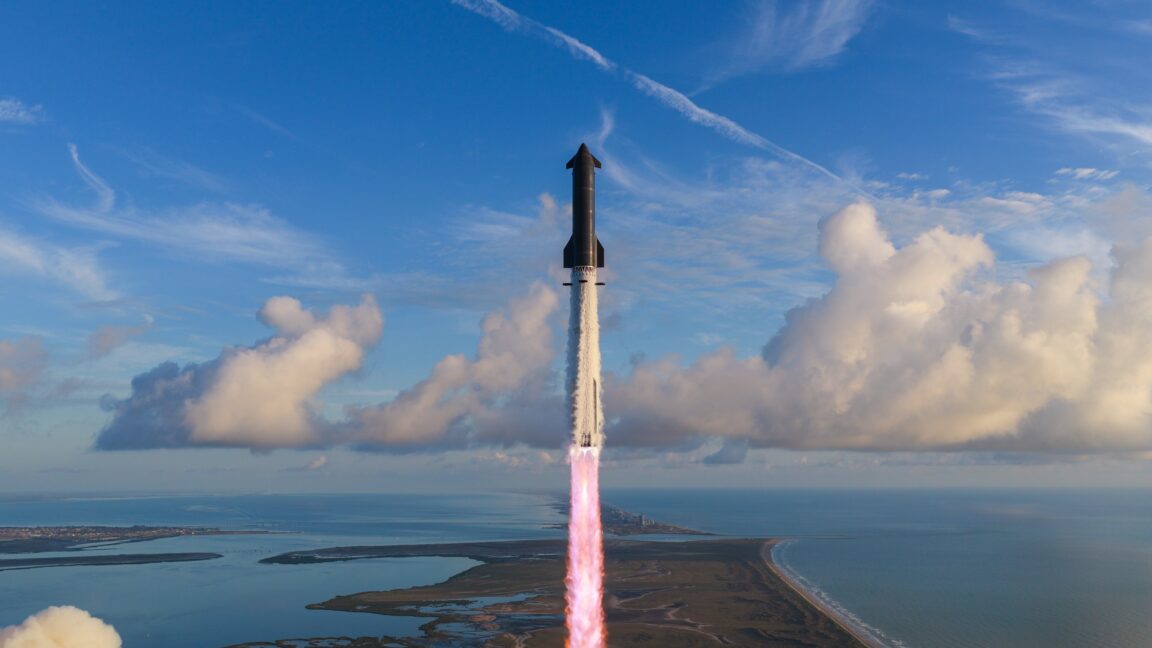
A new report from the analytics firm Quilty Space confirms that, outside of China, the world faces a significant shortage of rockets over the next five years.
The firm estimates that between now and 2030, there will be a shortfall of about 150 launches compared to demand from satellite operators and civil space agencies. If demand from the US military is added in—and SpaceX does not extend the Falcon 9 and Falcon Heavy program to accommodate increased national security needs—the shortage could be doubled.
"What we wanted to get at is to understand how severe this launch crisis is and when will it be resolved," said Caleb Henry, director of research at Quilty Space. "What we learned is that the launch crisis is more severe than we thought and that it will not go away this decade for sure, and it might not abate until sometime late in the 2030s."
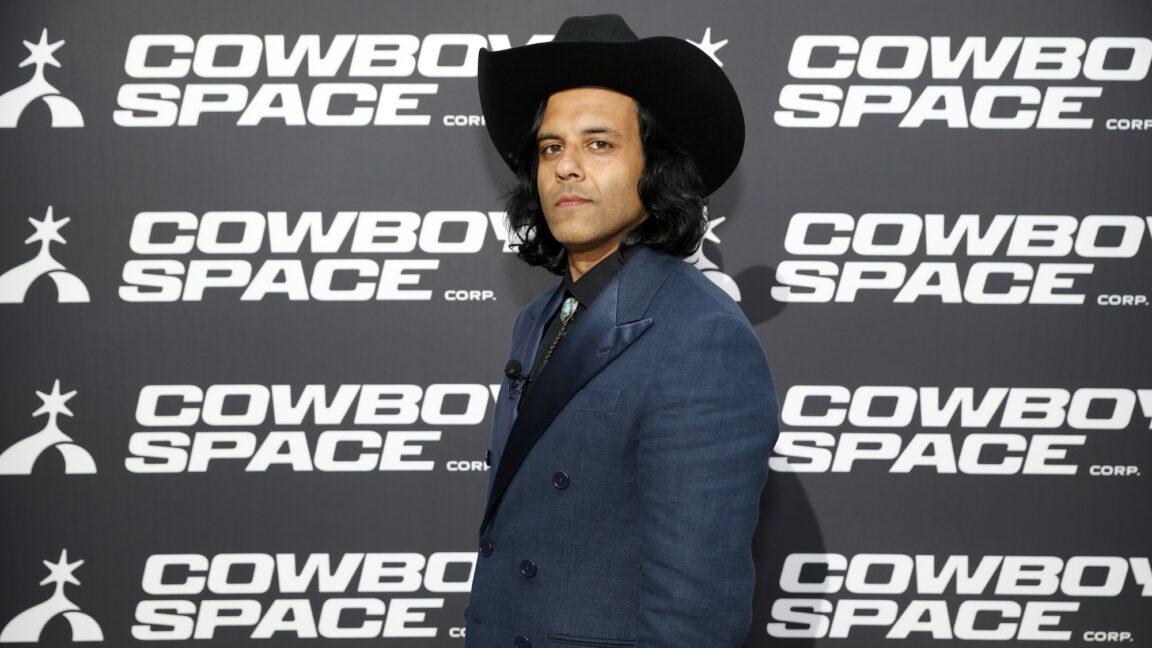
Welcome to Edition 9.17 of the Rocket Report! It's been a while since an American company announced plans for a medium-lift new launch vehicle, but that's what happened this week when a startup named Cowboy Space revealed specs for its Big Iron rocket, named for the classic country-western song by Marty Robbins. I'm a huge fan of the name. Maybe Cowboy Space is striking while the iron is hot as the space industry frets over demand for launch outpacing supply. However, Cowboy Space lags far behind so many other launch providers nearing the launch pad with their medium-class rockets, and the company didn't have much hardware to show at this week's big reveal. In other words, don't mistake style for substance. But we're rocket fans at Ars, and we wish them luck.
As always, we welcome reader submissions, and if you don't want to miss an issue, please subscribe using the box below (the form will not appear on AMP-enabled versions of the site). Each report will include information on small-, medium-, and heavy-lift rockets as well as a quick look ahead at the next three launches on the calendar.
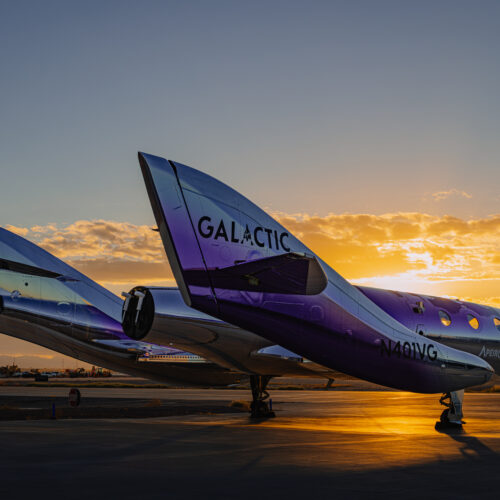
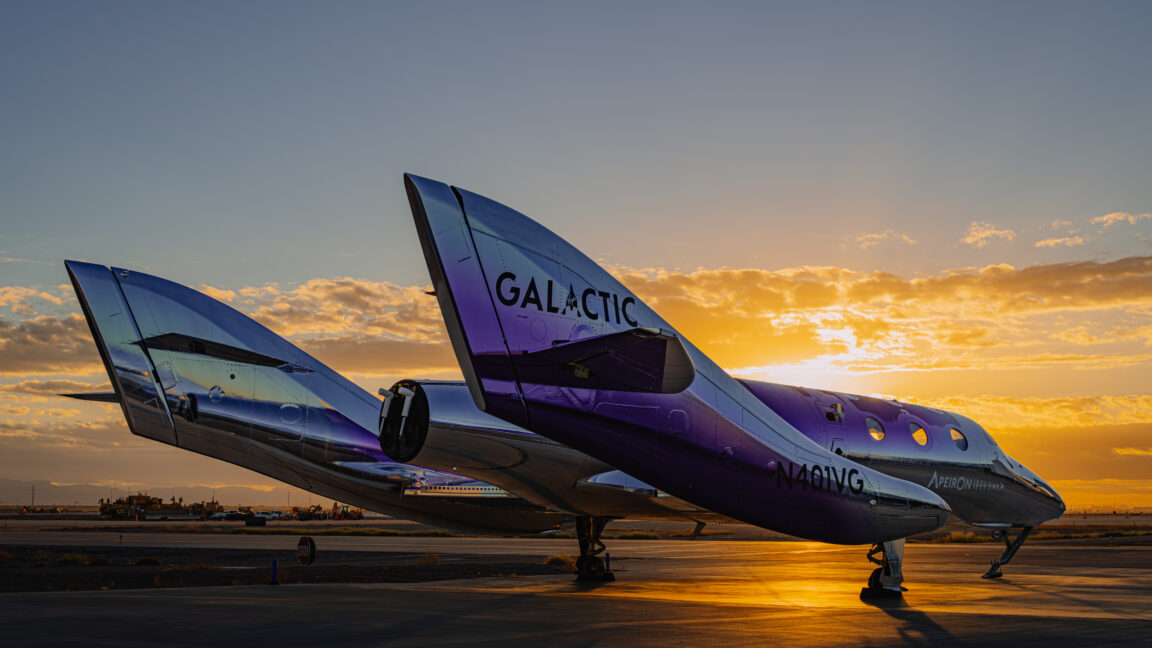
Virgin's new rocket plane reaches home port. The first of Virgin Galactic's new Delta-class rocket planes left its Arizona factory Wednesday for a trip to Spaceport America in neighboring New Mexico, where it will undergo preparations for a test campaign culminating in suborbital flights to the edge of space, Ars reports. Virgin Galactic expects the craft's first commercial spaceflight to take place "early" in the second quarter of 2027, but like every other projected date in aerospace, this should be taken with a grain of salt. Virgin Galactic halted commercial flights of its previous vehicle, VSS Unity, in 2024.
For nearly a quarter of a century, Elon Musk and his essential partner at SpaceX, Gwynne Shotwell, viewed the United States government as El Dorado, the mythical city of gold.
Like machete-wielding treasure hunters, Musk and Shotwell hacked through a tangled jungle filled with lurking carnivores such as Boeing and Lockheed Martin, as well as bean counters and regulators. Over time, against long odds, the pair cleared a path for SpaceX to contracts at NASA and the US military. They sued when things did not go their way. They hollered about unfair playing fields. Most importantly, they delivered quality space products to the US government for less.
And so, after a while, SpaceX found El Dorado and a city of contracts.
The private space tourism era looked so very promising five years ago. Blue Origin and Virgin Galactic had begun flying customers—real people with zero space experience—on suborbital missions. And at about the same time, private citizens were going to orbit for days at a time aboard SpaceX's Crew Dragon.
But that was then. Consider the state of play today:
It has been 10 months since Blue Origin's New Shepard spacecraft flew its last mission in January. The program was subsequently "paused," but let's be real. Blue Origin has moved on. New Shepard's engineering teams are now supporting the New Glenn rocket and Blue Moon lander programs.
SpaceX flew its final free-flyer mission on Dragon, Fram2, in April 2025. A handful of non-NASA missions bound for space stations remain on the spacecraft's manifest, but all are likely to carry at least one government astronaut. Then Dragon will be retired. There is no credible timeline for SpaceX's Starship to fly humans into space from Earth.
As for Virgin Galactic, the company flew its final suborbital mission on the VSS Unity spacecraft more than two years ago, in June 2024.
So we are now 10 months, and counting, without a space tourism mission in the United States.
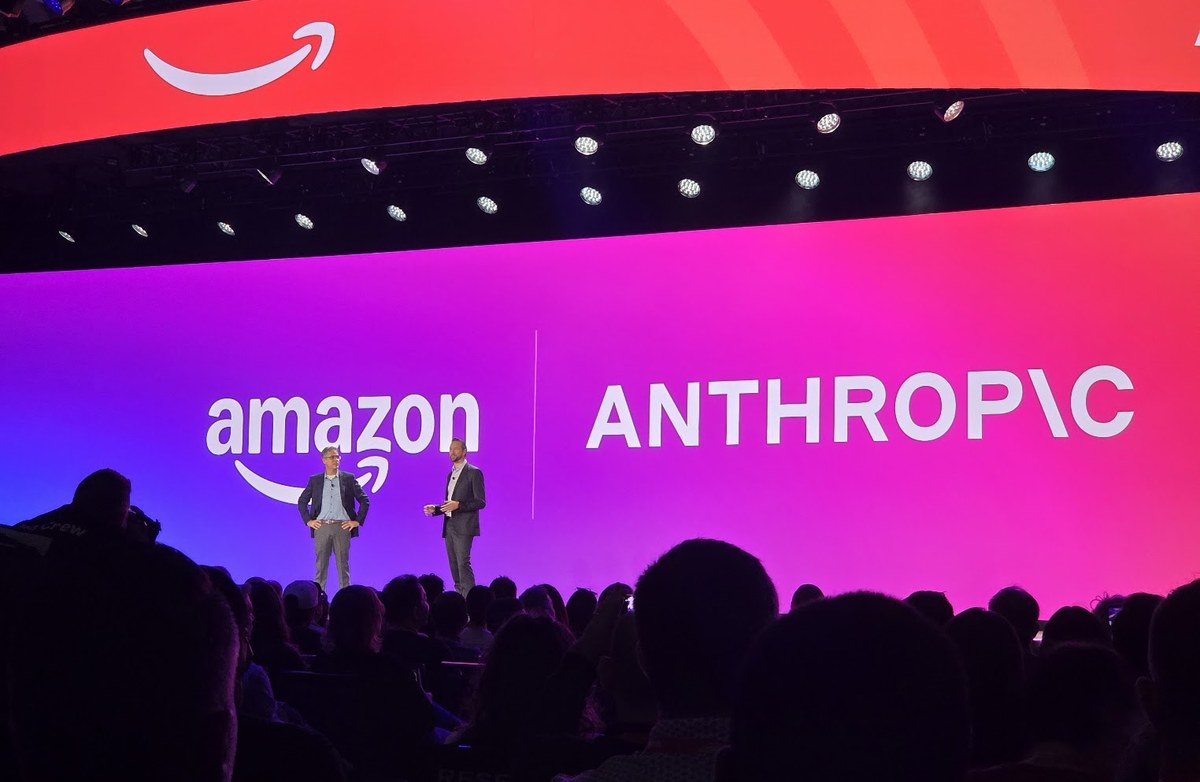
Chris Jones, director of Seller Assistant at Amazon, left, and Eric Burns of Anthropic’s Applied AI team on stage at Amazon Accelerate in Seattle in September. Anthropic’s IPO filing shows Google getting a bigger share of the AI company’s computing spending than Amazon, one of its largest investors. (GeekWire Photo / Todd Bishop)
Anthropic’s IPO filing reads like a ledger of who’s getting paid in the AI boom. The Seattle region’s tech giants are on the list, but they aren’t at the top.
The prospectus, filed Monday with the Securities and Exchange Commission, details more than $750 billion in computing deals, including firm commitments and estimated future spending, and offers clues about what its founders and biggest investors stand to gain ahead of the company’s planned Nasdaq listing under the ticker ANT.
Amazon and Microsoft have invested billions in Anthropic and won high-profile spending commitments from the Claude maker. But both trail Google, chipmaker Broadcom and Elon Musk’s SpaceX in their shares of Anthropic’s planned spending on computing power, the filing shows.
Following the compute money: Google’s chips are the biggest winner. Anthropic has lined up roughly $400 billion in computing capacity, mostly over the next seven years, based on Google-designed AI chips, known as tensor processing units or TPUs.
That total includes $114.5 billion to Google directly through July 2033, $161.2 billion in equipment leases with chipmaker Broadcom, and an estimated $125 billion to $150 billion in additional TPU capacity from 2028 to 2031.
Broadcom’s leases are the largest single arrangement in the filing. The five-year leases provide TPU-based hardware for data centers operated by other companies on Anthropic’s behalf.
Elon Musk’s SpaceX is next. Anthropic agreed to spend up to $120.5 billion through 2029 for computing capacity from SpaceX’s AI subsidiary, formerly known as xAI, which runs a rival AI lab.
The filing says payments will reach about $3.1 billion a month once all the capacity is delivered, which Anthropic expects in December. The agreements run into 2029, though either side can cancel on 90 days’ notice after early 2027.
Amazon is still a big winner. Anthropic committed in April to spend at least $110 billion with Amazon Web Services over 10 years, through April 2036, and AWS Trainium is one of four chip families that Anthropic uses to train and run its models.
Anthropic has committed to spend at least $44.9 billion on Microsoft’s Azure cloud from November 2026 through May 2033, the filing shows. That’s up from the $30 billion Azure deal announced in November 2025. The deal has been amended twice since, most recently this month.
Claude is built into Microsoft 365, and former Microsoft CFO Chris Liddell joined Anthropic’s board in February.
Two smaller providers have deals in the same range as Microsoft’s. Anthropic agreed to spend up to about $44.6 billion with Nscale, a U.K.-based AI infrastructure company, and about $41.3 billion with GPU cloud provider Lambda, both for capacity powered by Nvidia chips, according to the filing.
Will Anthropic need it all? Most of the commitments can’t be canceled, and the deals with Microsoft, Google and Amazon require Anthropic to pay “regardless of actual usage,” according to the filing.
So far, the demand is there. Anthropic’s revenue hit $11.6 billion in the second quarter, up from $787 million a year earlier, and the company posted its first operating profit, $974 million. It still had a $66.3 billion net loss, mostly from accounting charges tied to its soaring valuation.
The company says it has “consistently operated in a compute-constrained environment where customer demand exceeds available compute.”
Its compute commitments assume that demand keeps growing. Anthropic spent less than $2 billion a month on compute and infrastructure in the second quarter. The SpaceX deal alone is expected to cost about $3.1 billion a month at full capacity.
Paper fortunes: Amazon’s biggest payoff is its stake, which it valued at $190.4 billion as of June 30 in its quarterly SEC filing. That includes convertible notes with $6.2 billion in principal that Amazon valued at $97.9 billion. The notes would convert into stock, subject to a 12% ownership cap that Amazon can waive.
Amazon is scheduled to report third-quarter results Thursday, its first earnings report since Anthropic’s filing. The Seattle-based company has updated the value of its Anthropic holdings in each of its quarterly filings this year, so a new number could come this week.
Google put $10 billion into Anthropic’s latest funding round and can invest up to $20 billion more under a March financing deal. The filing doesn’t give ownership percentages for Amazon, Google or Microsoft. It says only that the three companies have each made “significant equity investments” in Anthropic.
Anthropic’s seven co-founders hold roughly 230 million to 245 million shares each, worth about $14 billion apiece at the latest private funding price. The company also gave its own Public Benefit Fund about 847 million shares, or 5% of its fully diluted stock as of June 30, worth about $50 billion at that price.
Anthropic could begin formally marketing its IPO to investors as soon as the week of Nov. 9, Bloomberg reported, citing people familiar with the matter. It is aiming to go public the following week, according to the Wall Street Journal. The company expects the offering to match or beat the size of SpaceX’s IPO, according to Bloomberg. SpaceX raised $75 billion in June, the largest IPO on record.
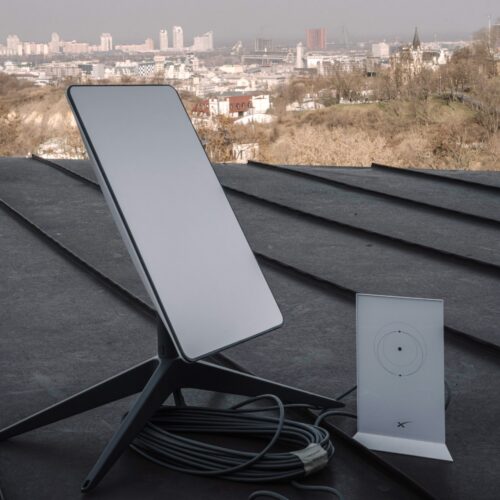
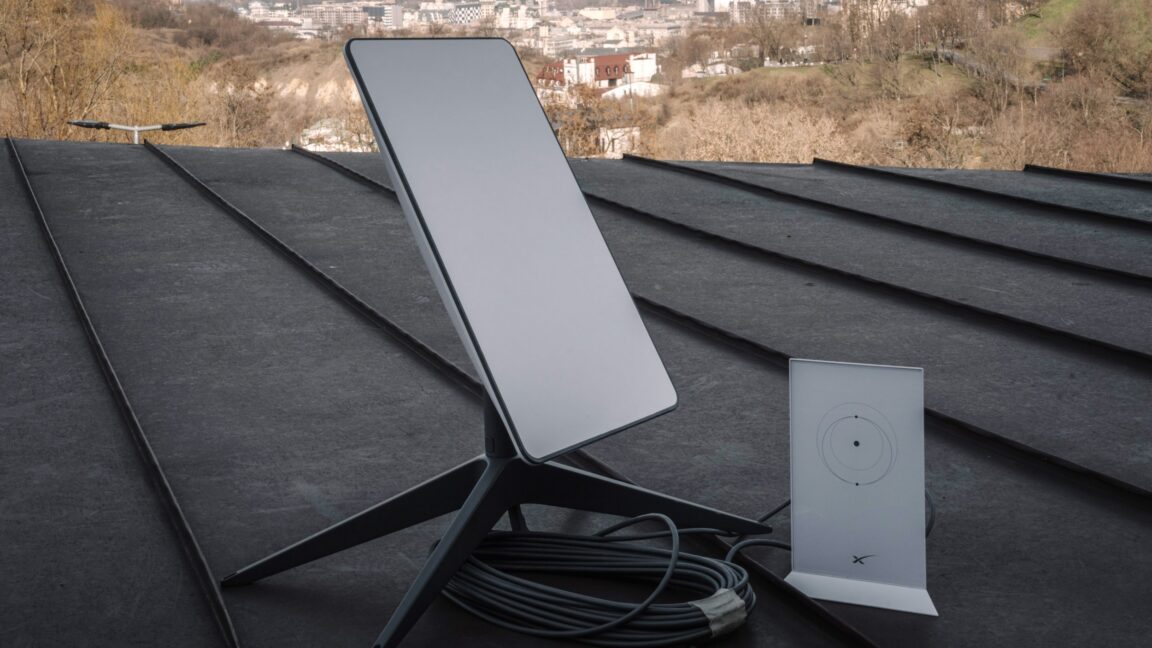
Ukraine says Starlink service has been restored after days of disruption. The incident highlights why enterprises need tested, independent backup systems.
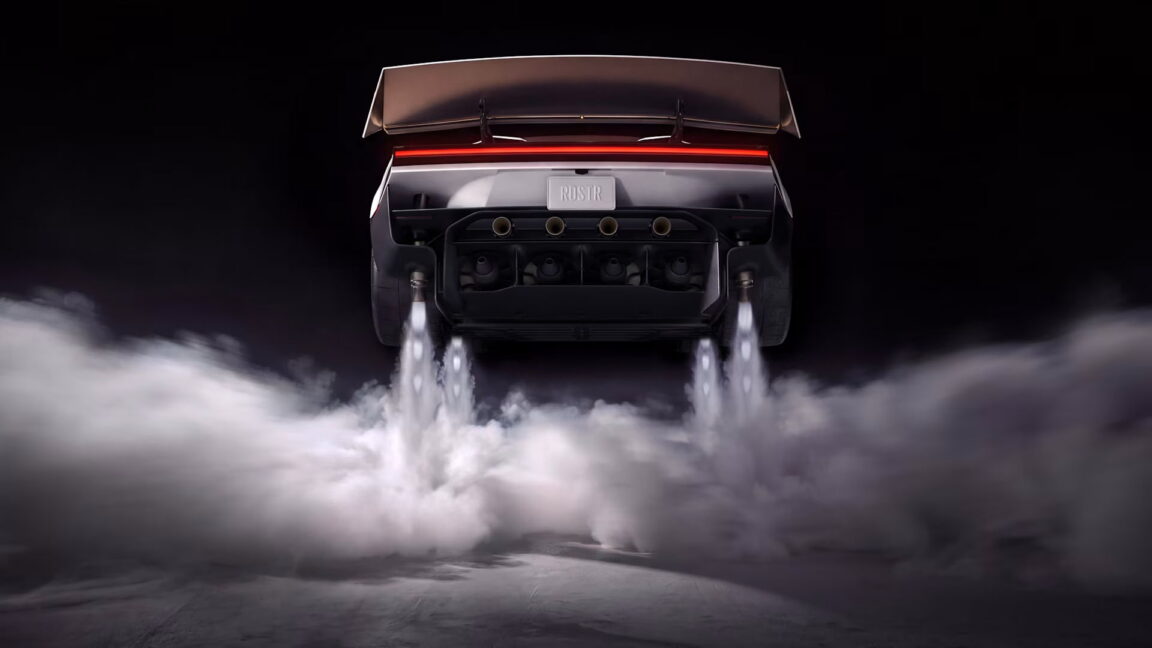
Five days after the spectacle, made possible by compressed-gas thrusters developed by Musk’s SpaceX, he revealed the companies were exploring a merger that could accelerate his push into autonomous driving.
At stake is more than a technological race. Car groups, already grappling with growing Chinese competition, are seeking to move beyond a business model centered on vehicle sales towards one that also generates recurring revenues from software and AI-powered services.
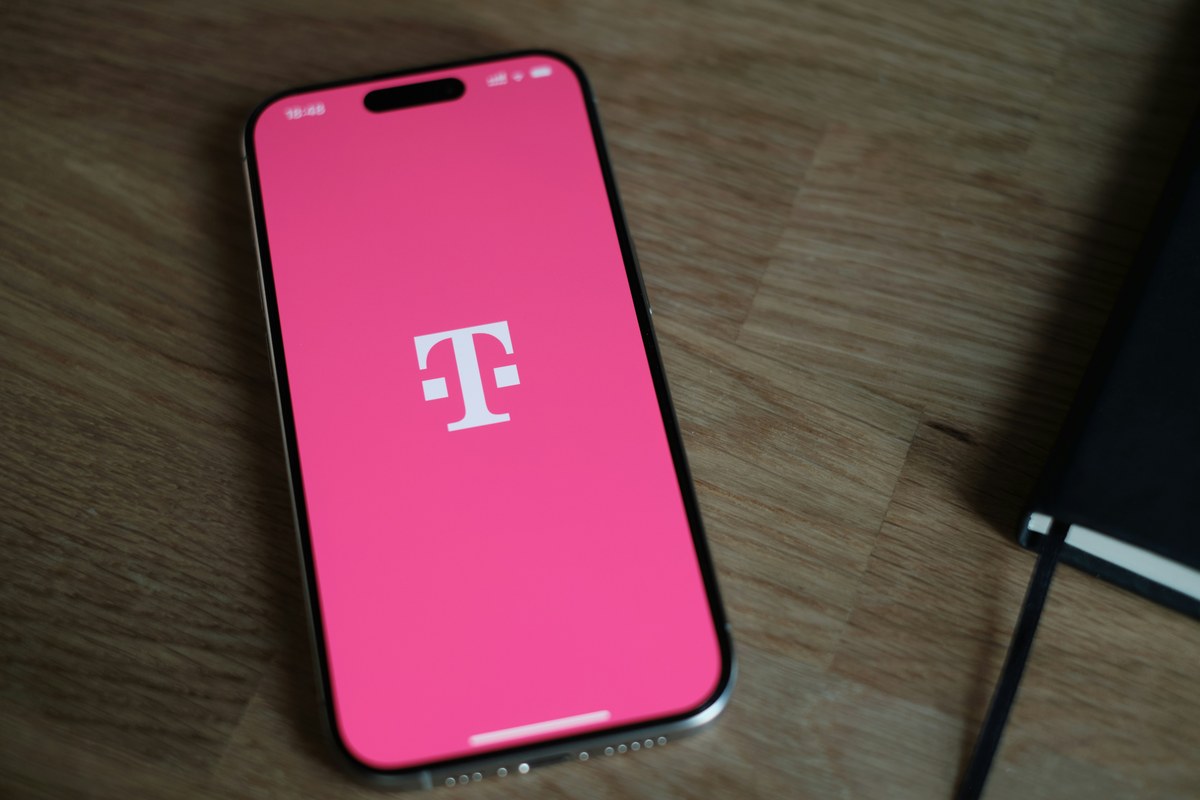
T-Mobile’s new T-Mix plans let customers spend “Picks” on perks or a new phone. (Photo by appshunter.io on Unsplash)
T-Mobile is introducing new wireless plans that change how customers get perks and phone deals, giving them a set number of “Picks” to spend on a new phone or an expanded menu of extras that they can swap out every 90 days.
The company says it will be the only carrier that lets customers choose which benefits come with their plan. Instead of fixed bundles of extras plus a discount on a new phone for each line, customers get a single allowance to spend on options ranging from Netflix and ESPN to Xbox Game Pass, Google’s Gemini AI and Delta SkyMiles.
One catch is that phones and perks come out of the same pool of Picks, so a family that wants a new phone on every line may have little left to put toward extras.
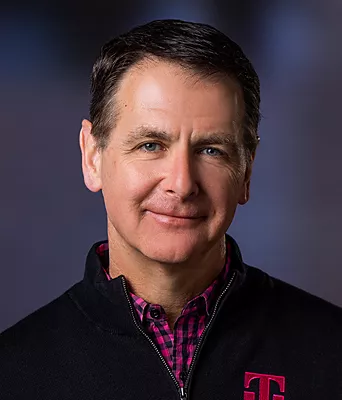
Allan Samson, T-Mobile’s chief marketing officer, says Picks are “essentially a form of currency.” (T-Mobile Photo)
The plans, called T-Mix, will be available in November. Existing customers can switch or keep their current plans, said Allan Samson, T-Mobile’s chief marketing officer.
The move comes as T-Mobile’s customer growth slows and new rivals emerge, including SpaceX, a current T-Mobile partner that is reportedly planning a wireless service of its own. T-Mobile’s stock is down about 26% this year, including a drop of nearly 8% on Friday after a report on SpaceX’s wireless plans.
The Bellevue, Wash.-based company has relied for years on “Un-carrier” moves — splashy changes that defy industry conventions — to capture consumer attention.
Samson described T-Mix as the latest of those moves, aimed at what the company’s research identified as a top customer complaint: paying for extras they don’t use. Picks are “essentially a form of currency,” he said. “You can use them for anything you want.”
A subscription hub: With the new plans, T-Mobile is adding a much larger menu of subscriptions in an attempt to turn its plans into a hub for streaming, music, gaming and AI services.
Along with longtime perks such as Netflix, Hulu and Apple TV, the new options include ESPN’s Unlimited streaming service, Xbox Game Pass, YouTube Premium, Apple Music and Google’s Gemini AI subscriptions.
The company says people spend far more on subscriptions than they realize. In T-Mobile’s research, customers estimated spending about $90 a month, Samson said. A separate study by C+R Research puts average spending at $219.
A big part of the idea is to consolidate that spending and let customers move among services more freely, picking up a streaming service for a new show, for example, or adding satellite coverage for a summer trip, then dropping it afterward.
Customers can make those changes every 90 days in the T-Life app. T-Mobile texts them when a 10-day change window opens, and their choices roll over if they do nothing. T-Mobile handles the switch between services in its plans, although the fine print notes that customers may need to initially cancel existing subscriptions on their own to avoid paying twice.
T-Mobile buys subscriptions below retail prices through deals it negotiates with streaming services and other partners. That lets T-Mobile include the services in its plans for less than it would cost customers to subscribe on their own.
Phones vs. perks: For consumers, one trade-off for the newfound flexibility is that phones and perks now draw from the same finite supply.
Customers who hold on to their phones or choose less-expensive models can put that value toward streaming and other extras, but a family that wants a new phone on every line may not have enough Picks to cover them.
Whether consumers end up getting more or less for their money depends largely on how many lines they have and how often they buy new phones. Smaller accounts that keep their phones are likely to come out ahead. Larger families that upgrade every line may pay more and get less, because T-Mobile is also dropping its long-standing free third line.
Samson estimated that accounts with one or two lines will pay $5 to $10 a month less than on T-Mobile’s current plans, while a five-line account might pay $10 to $15 more. Across all of its customers, he said, pricing is roughly the same.
T-Mobile says a family of three on its Loaded plan, which costs $200 a month ($2,400 a year) with AutoPay before taxes and fees, gets more than $4,320 a year in plan features and benefits, based on its own valuation.
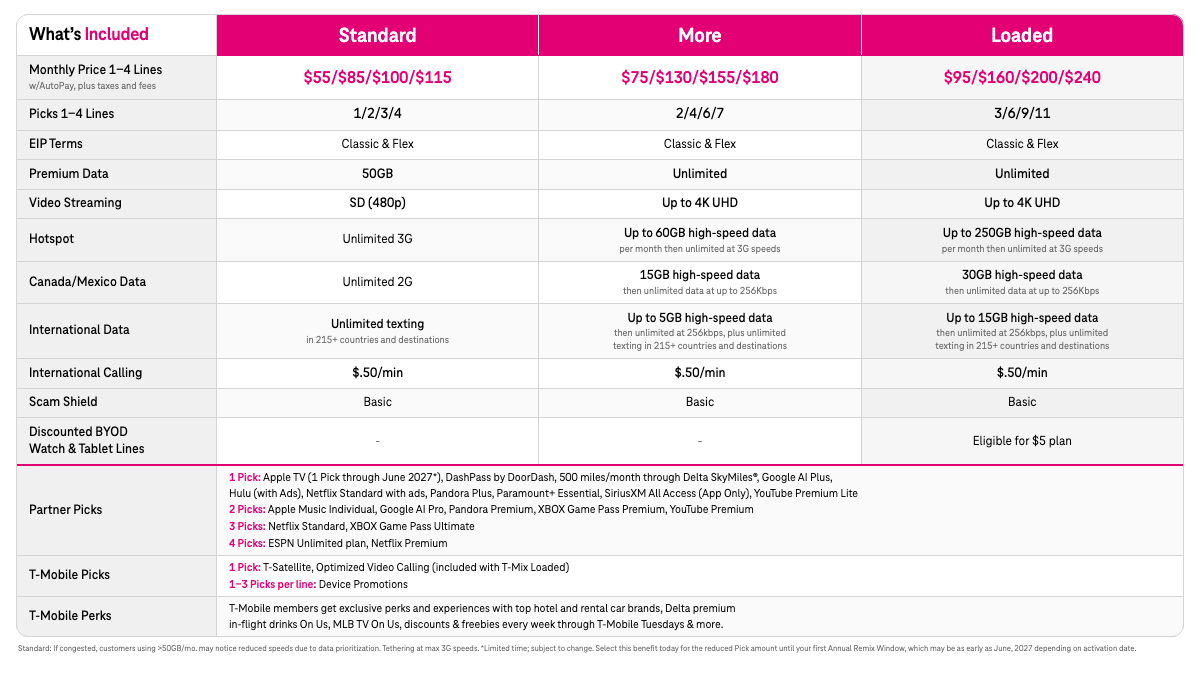
The math behind the Picks: Customers choose from three plans, with base prices for customers on AutoPay, before taxes and fees:
Standard: $55 a month for one line, with one Pick. It’s the basic plan, with limits on high-priority data and video quality.
More: $75 a month, with two Picks, unlimited high-priority data and 4K video.
Loaded: $95 a month, with three Picks and the largest allowances for hotspot use and international data.
Adding lines adds Picks, and Picks apply to the whole account, so one Netflix subscription covers the family. Unused Picks don’t accumulate from one quarter to the next.
Most extras cost one or two Picks. Ad-free Netflix costs three, and ESPN Unlimited costs four. Phones cost Picks, too: two for an iPhone and three for an iPhone Pro, Samson said, tied up for the three-year payment plan. A four-line account on the More plan gets seven Picks, not enough for a new iPhone on every line.
T-Mobile’s three T-Mix plans, with prices, data allowances and what each perk costs in Picks. Click to enlarge. (T-Mobile Graphic)
No price guarantee: The terms say T-Mobile may change the benefits and the number of Picks each one requires at any time, with changes taking effect the following quarter. Customers who change a partner benefit outside a change window may have to pay a fee. Once a year, customers will also be asked to reselect their benefits.
The launch comes less than a week after New York Attorney General Letitia James announced a settlement with T-Mobile over its 2017 “Price Guarantee” plans, which promised customers the carrier would “never change the price you pay.”
T-Mobile raised prices on those plans by about $5 a line in 2024. It agreed to offer refunds and other options that the attorney general’s office expects to provide more than $38 million in value, and to freeze prices for affected customers until at least 2029.
Asked about price protections, Samson said T-Mix plans don’t come with a guarantee. T-Mobile can control its network costs, he said, but not what partners such as Apple and Xbox charge, although it has multiyear deals in place.
“We didn’t want to be disingenuous,” he said, adding that partner prices are set for the next couple of years but “I can’t tell you what’s going to happen in 2030.”
The Un-carrier playbook: T-Mobile launched its Un-carrier campaign in 2013 by dropping two-year contracts. Samson said the company makes an Un-carrier move only when it sees a big customer pain point and believes it has something unique to offer.
T-Mobile has been testing T-Mix since Oct. 1 in 37 stores in Kansas City. Only about 70% of Picks were chosen in the store at the time of purchase, Samson said, in part because families wanted to go home and decide together, and some customers were saving Picks for phones coming out later.
Verizon lets customers add discounted streaming bundles to its plans for an extra monthly charge. Samson said the difference with T-Mix is that the benefits are included in the plan price.
Upholding the company’s tradition of jabbing at rivals, he described one competitor’s approach as “naked connectivity.” The other, he said, will “throw you a nice phone and then leave you alone. And every now and then, there’s a rate increase.”
The plans are also one of the first major consumer moves under CEO Srini Gopalan, who succeeded Mike Sievert in the role last November.
T-Mobile’s account growth has slowed this year. In the second quarter, it added a net 277,000 postpaid accounts (households and businesses that pay a monthly bill rather than prepaying for service). That was down 13% from 318,000 a year earlier.
The company reports third-quarter results Wednesday, two days after Verizon.
Samson, who joined Sprint in 2016 and stayed on after its 2020 merger with T-Mobile, became CMO earlier this year. He previously ran the company’s broadband business and was CMO of T-Mobile for Business. He said T-Mix has been his pet project since taking his current role, starting with interviews with hundreds of consumers.
Samson said it’s too early to say how T-Mix will affect the business. “Ask me in six months once I have about six months under my wings nationwide,” he said, “and then we’ll have some actuals to report.”
A new study found Grok's AI overwhelmingly recommends Republican candidates while OpenAI's GPT favors Democrats, with the two AI models disagreeing in more than 90% of nearly 500 election races.
A Wall Street Journal report said SpaceX CEO Elon Musk ordered the Starlink throttling that blindsided Ukraine's air assault forces last week, despite Musk's claim that all decisions on the military version of Starlink are made by the US military and President Trump.
Trump denied ordering the restrictions. While Musk may have spoken to Trump and administration officials before the decision, The Wall Street Journal reported yesterday that Musk made the final call. The decision came after both Musk and Trump criticized Ukraine for attacking Russian diesel refineries.
"Elon Musk ordered the slowdown of a military-grade version of Starlink relied on by Ukraine, a decision that sparked panic in Kyiv and confusion inside the Trump administration," the WSJ wrote, citing unnamed US officials and people familiar with the matter. The report said that "Musk capped the speeds at which Ukrainian hardware could stay connected to the satellite-based network... rendering some offensive drones and interceptor drones virtually useless."
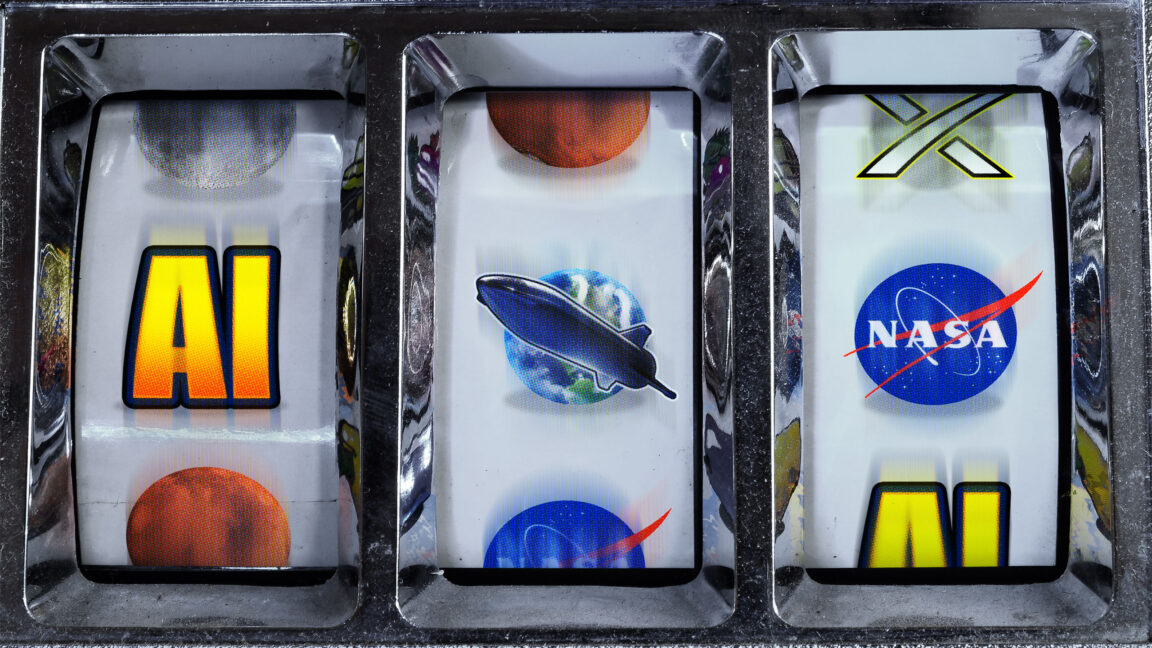
In its current iteration, SpaceX is largely a data company seeking to provide enormous amounts of compute for artificial intelligence. During an earnings call on Tuesday afternoon, company officials spent much of their time discussing ambitious plans to roll out up to 10 GW of compute in 2027—on the ground.
Gone are the days of aspirational talk about sending humans to Mars and settling the red planet. Now it is almost all about artificial intelligence and the data needed to support its expansion. However, the company's long-term ambitions to provide data services from space, initially with the Starlink Internet constellation and eventually through the "Starmind" data center constellation, still rely on an actual rocket.
That would be the Starship vehicle, and during the earnings call, SpaceX founder Elon Musk and the company's president and chief operating officer, Gwynne Shotwell, provided new performance targets for the vehicle.
Elon Musk said Tuesday that he would like to see the consolidation of his business empire by formally merging his two largest companies, SpaceX and Tesla.
"Do I think it would be a good idea? Yes," Musk said of a potential merger. He was speaking during a question-and-answer period as part of SpaceX's third-quarter earnings call. Musk said, ultimately, it not his decision. "But at the end of the day the shareholders have to be supportive of this."
Musk's talk of a merger comes after a busy year in which SpaceX already acquired Musk's artificial intelligence firm, xAI, in February. In June, SpaceX went public with the largest initial public offering on record.
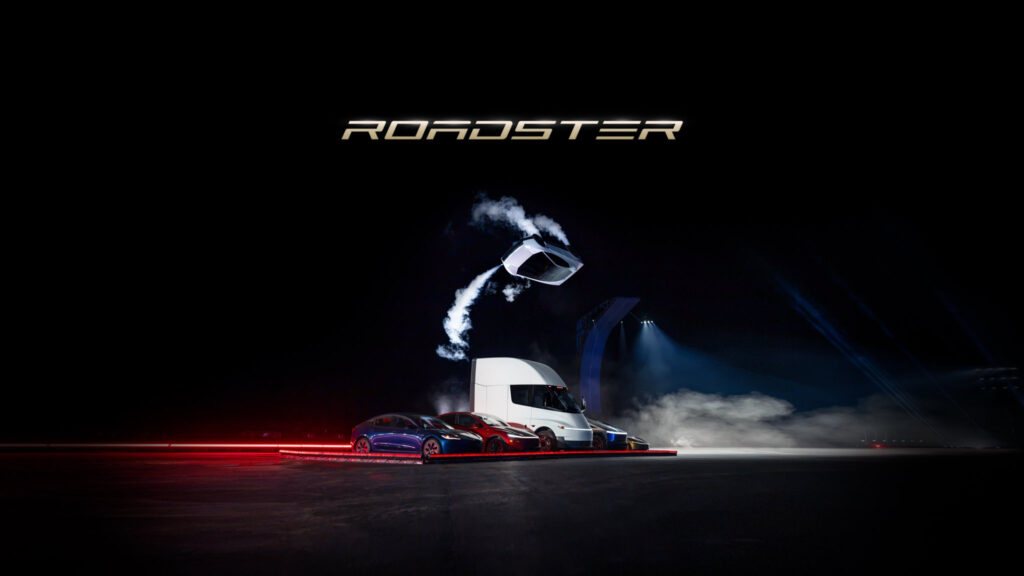
Tesla demonstrated a flying Roadster prototype and revealed three versions. See which buyers can reserve, how they differ, and what to check before paying.
Welcome to Edition 9.15 of the Rocket Report! The launch I'm most looking forward to in the next few weeks is that of Japan's Martian Moons Exploration (MMX) mission. MMX is one of the marquee space science missions launching this year, and it's set to leave Earth as soon as Monday (US time) aboard a Japanese H3 rocket. The spacecraft will visit Phobos and Deimos, the two asteroid-like moons of Mars, deploying a rover and collecting specimens for return to Earth in 2031. Exploration at its finest.
As always, we welcome reader submissions, and if you don't want to miss an issue, please subscribe using the box below (the form will not appear on AMP-enabled versions of the site). Each report will include information on small-, medium-, and heavy-lift rockets as well as a quick look ahead at the next three launches on the calendar.
Reflect Orbital looks to India for launch capacity. California-based Reflect Orbital, the startup attempting to offer sunlight on-demand with in-space mirrors, announced the purchase of two launches Wednesday from Indian launcher Skyroot Aerospace, Payload Space reports. One of the launches will use Skyroot's Vikram-1 rocket, which became the first privately developed Indian rocket to reach orbit in July. The other will fly on an upgraded rocket called the Vikram-1U.
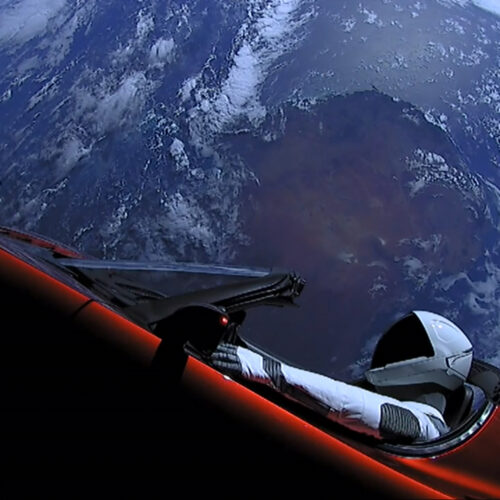
Tesla has spent nearly a decade teasing its next-generation Roadster, and if its latest demonstration is anything to go by, the wait might finally be worth it. The upcoming electric supercar promises acceleration of less than a second from 0 to 60 mph, active aerodynamics, a revolutionary suction system, and something you wouldn't normally associate with a car: rocket-style thrusters that can send it airborne thanks to its SpaceX collab.

 Login