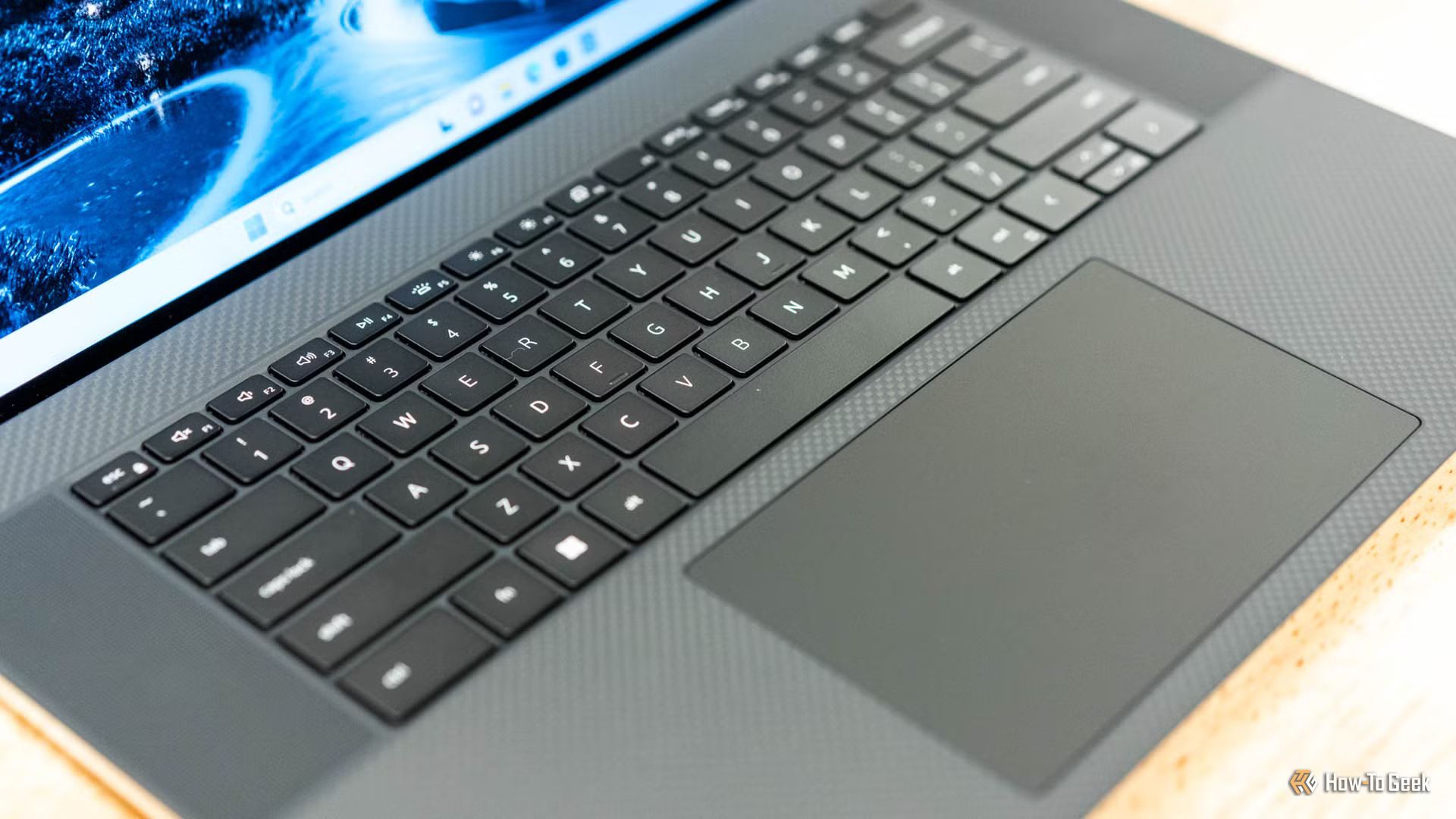
When you set up a brand-new Windows PC, you probably want to get through the setup screens as quickly as possible so you can start using your shiny new computer. That makes it easy to click through Microsoft's privacy options without paying much attention to what you've actually enabled. One of those settings allows Microsoft to collect samples of what you type or write.
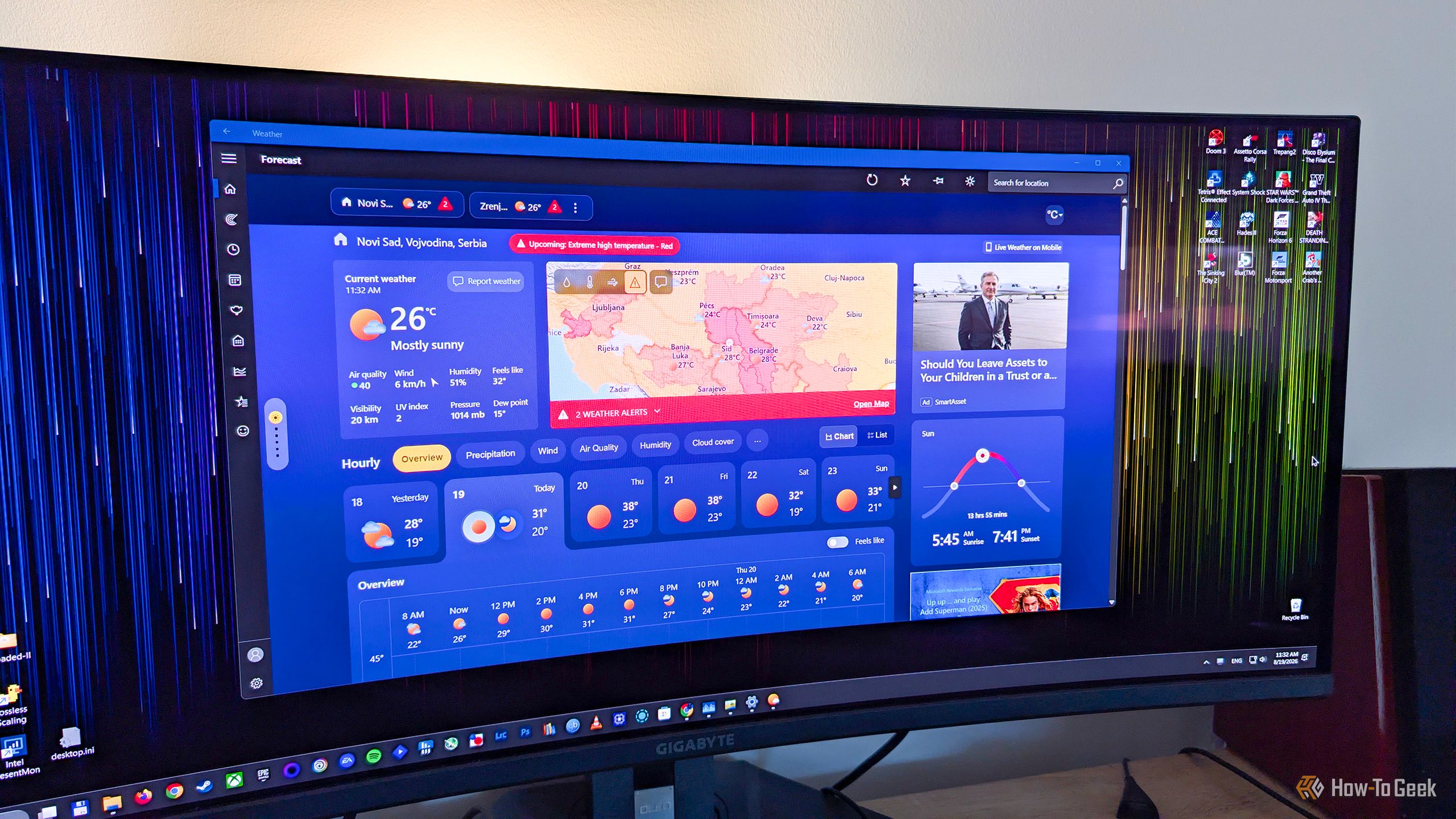
Windows 11 and its native apps don't have the best reputation. Microsoft has packed the system with all kinds of features, making it feel increasingly bloated.
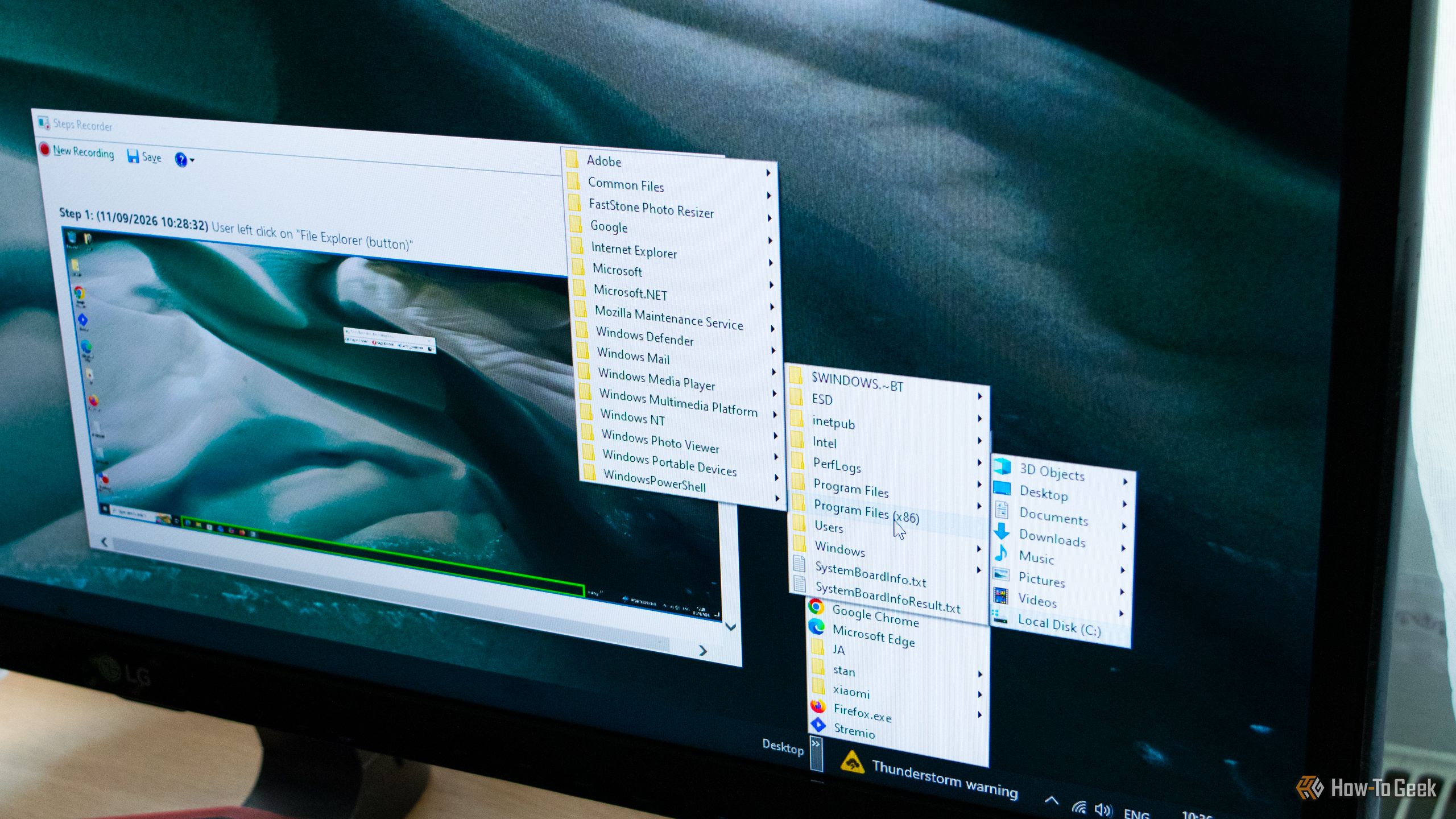
Microsoft included a number of really helpful features and tools in past versions of Windows that many users came to love. While some of these utilities have survived the transition to Windows 11, others were left by the wayside. Some even made it to Windows 11, only to be retired in one of its subsequent updates. Here are some of my favorite classic Windows tools that are missing from Windows 11, with the latest version of Windows still lacking equivalent features.
Pavan Davuluri says Windows will keep serving human users while adding agentic workloads. (Microsoft Photo)
GeekWire is profiling over the next few weeks some of the people and teams that are shaping the evolution of Microsoft in what we’re calling its “Microsoft 2.5” era.
Just Don’t Call It an ‘Agentic OS.’ Given Microsoft’s one-pointed AI focus these days, it’s not surprising that the Windows organization is on the agentic train.
But Executive Vice President of Windows + Devices Pavan Davuluri has learned the hard way not to call Windows an agentic OS. He did so back in November 2025, via a tweet and blog post, and the customer backlash was quick and biting.
But Davuluri has not done a complete U-turn because of the criticism. Instead, he has changed how he talks about where Windows is going — which is still in an agentic direction.
“The user of Windows going forward will continue to be users … but it’s also going to add these agentic workloads,” the nearly 26-year Microsoft veteran Davuluri told GeekWire in a recent interview.
During his time at Microsoft, he’s held a variety of roles, from intern to General Manager of Surface, to Corporate Vice President of Windows Silicon & Systems Integration. He was appointed Executive Vice President of Windows + Devices in March 2026, reporting directly to CEO Satya Nadella.
Windows needs to evolve to support agentic workloads through new platform capabilities that the team is building under the covers, Davuluri said. These low-level capabilities, or “primitives,” affect how Windows handles security, identity, governance, observability, and performance when it comes to building and running agents natively.
These coming changes likely will affect the Windows file system, security model, PowerShell, and other foundational components.
Microsoft already is working on Windows identity and manageability to make them better able to service agents. Windows can assign agents a local ID, or a cloud-provisioned identity backed by Entra.
And it also has an early preview of technology known as Microsoft Execution Containers, meant to help secure agents by running untrusted code in sandboxes or virtual machines. It’s these system-level areas where the team is focusing first in preparation for a human+agent future, Davuluri said, rather than the UX/UI level.
Going Back to Basics. Windows has had a lot of very different leaders over the years, with very different management styles and priorities.
For his part, Davuluri said he plans to run the Windows and Surface teams with four principles in mind: Maintaining customer obsession; treating Windows as a complete end-to-end system (“full stack”); focusing on complete user experiences and workflows rather than individual features; and building Windows openly and transparently, with clearer communication about plans and priorities.
On the heels of his promotion to EVP, Davuluri committed publicly to the much-needed goals of improving Windows quality and reliability. In a blog post, he outlined some of the requested changes that his team would be making to Windows, ranging from fixing the way the Insider test program works, to more granular improvements like allowing users to reposition the Windows task bar.
And since then, the team largely has been delivering to the surprise and delight of many long-time Windows users.
Davuluri has also been working to shift the conversation from which new features are coming to a specific build to what are the outcomes Microsoft wants to enable for specific groups of Windows users.
“There is no one single sort of ring for a billion-plus users on the platform,” Davuluri said. Windows users encompass people who use the product in a variety of different ways, so “we need to get clarity in our minds on the things that we do that lift all boats that raise the entire platform — and things that we have to go do that are specific and unique to each of our sets of users based on how they primarily or typically use the device.”
Full-Stack Thinking. Is there still a role for Microsoft as a PC maker in the coming agentic future? Not surprisingly, given his heavily hardware-focused background, Davuluri insisted there is.
When Microsoft debuted its first Surface devices in 2012, officials said the company needed to build its own hardware to create reference designs and innovative form-factor examples for other Windows PC makers.
These days, most Surfaces that ship arguably are not better, spec- or design-wise, than other PCs. But Microsoft still needs to keep a hand in hardware design to understand the full stack, Davuluri claimed.
Surface plays a key role in how Microsoft develops platform abstractions, incubates support for technologies like pen, facial-recognition, and neural-processing units that later spread across Windows, and optimizes for silicon-to-cloud, he said.
While the company’s attempt to create a distinct category of “Copilot+” AI PCs fizzled, Microsoft continues to try to find AI-centric reasons to convince customers to choose Windows devices. Davuluri and others have referred to the idea of “unmetered intelligence” to attempt to make the case for running AI models locally on PCs.
This fall, Microsoft (and other Windows PC makers) plan to roll out new PCs built on the Nvidia RTX Spark platform. The coming Surface Laptop Ultra, which will be optimized for RTX Spark, is aimed at creators, developers and AI builders, all of whom — Microsoft is hoping — will be fueling the growth of its next target user category: Agents.
Paperwork used to be annoying, but at least there was an obvious place to put it. You bought a filing cabinet, labeled a few folders, and hoped you could remember where you filed something when you needed it. Today, most of that paperwork is digital. My wife and I have bills, receipts, records, manuals, and other documents scattered across our PCs, and finding a specific file isn't always as easy as it should be.
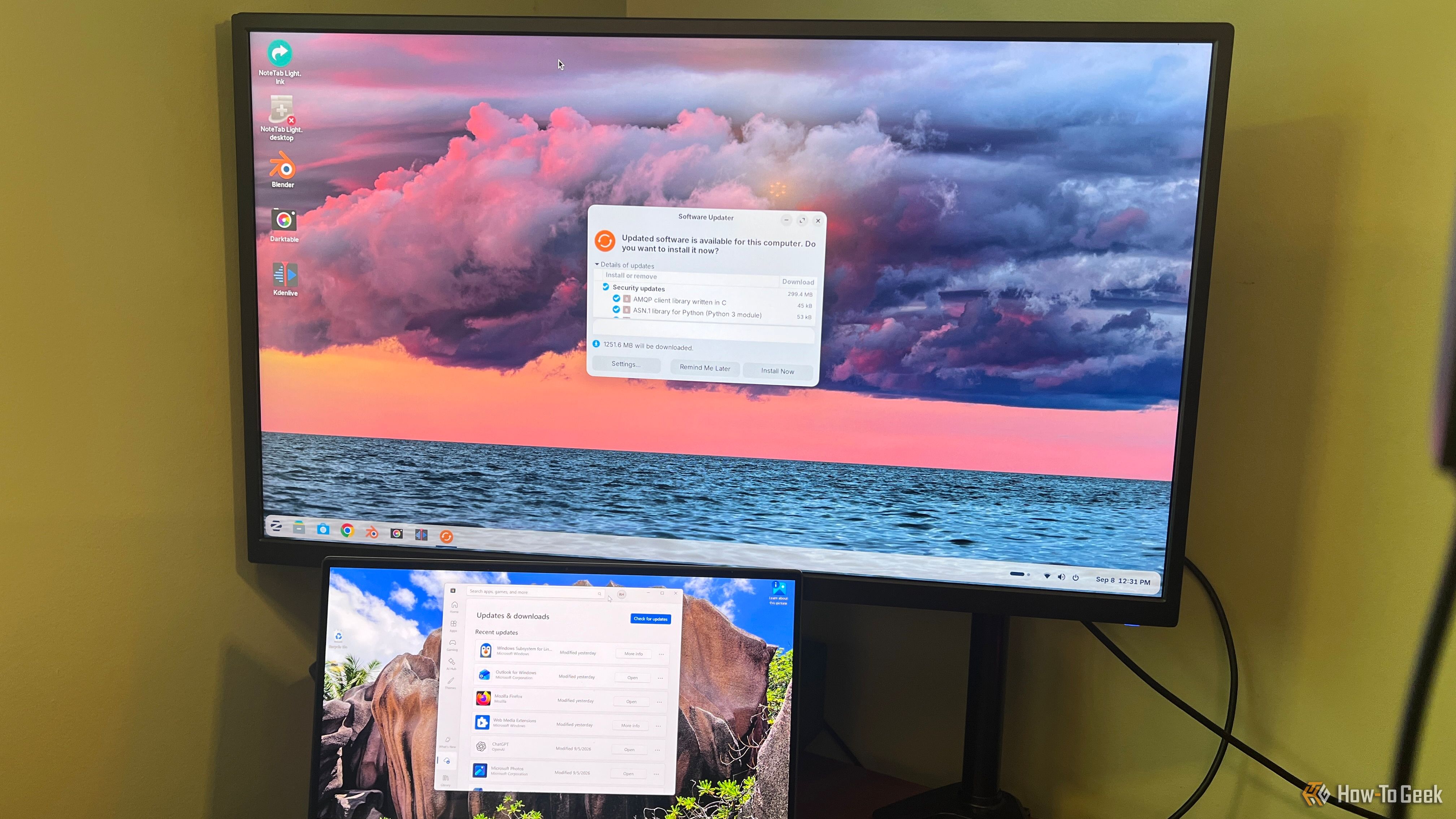
I've been in the Windows camp for decades, and for years I thought Linux was simply harder to use. That was a pretty common view among Windows and Mac users, and for a long time, it was fair.
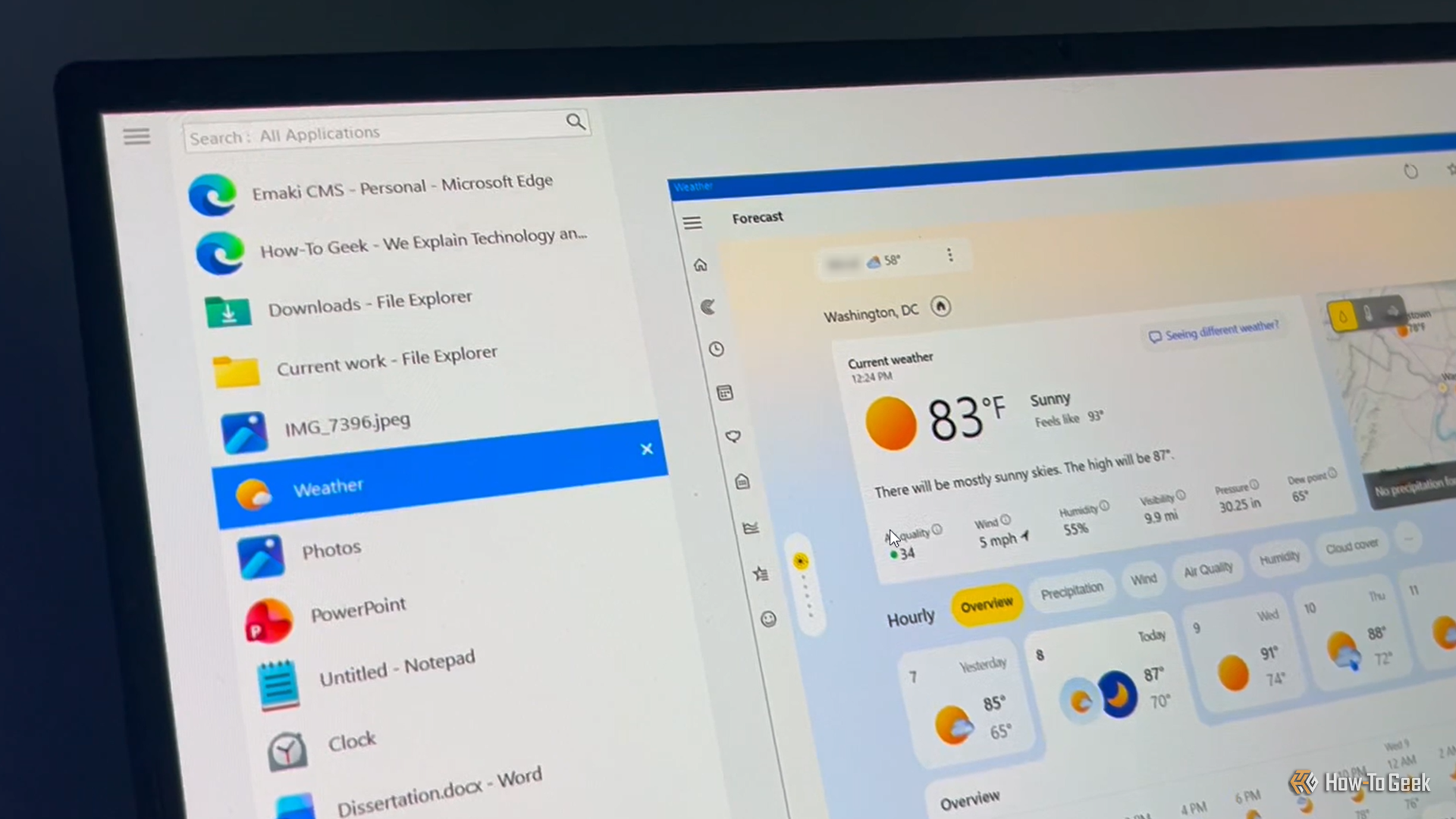
I'm one of those people who presses Alt+Tab hundreds of times a day to bounce between the many windows I have open. The problem is that Windows' built-in switcher starts to get awkward when I have lots of windows open, and aside from choosing how many thumbnails to display, there's not much room for customization.
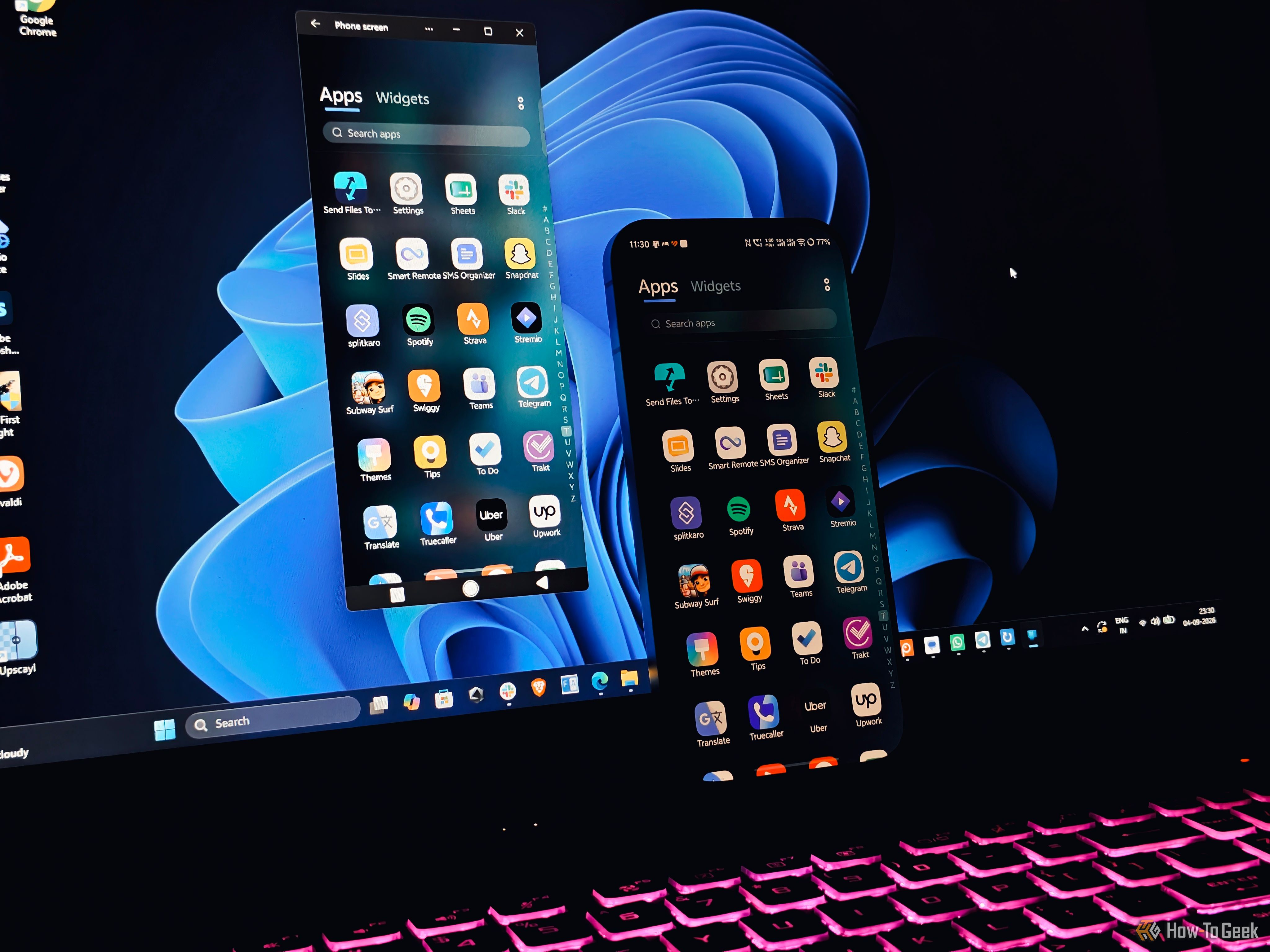
Microsoft’s Phone Link is arguably the best cross-OS integration tool that closes the gap between your smartphone and Windows PC. For Android in particular, Microsoft has built some strong partnerships with major OEMs like Samsung, OnePlus, ASUS to integrate deeply with the OS, unlocking powerful features such as screen mirroring, app streaming, and cross-device clipboard.
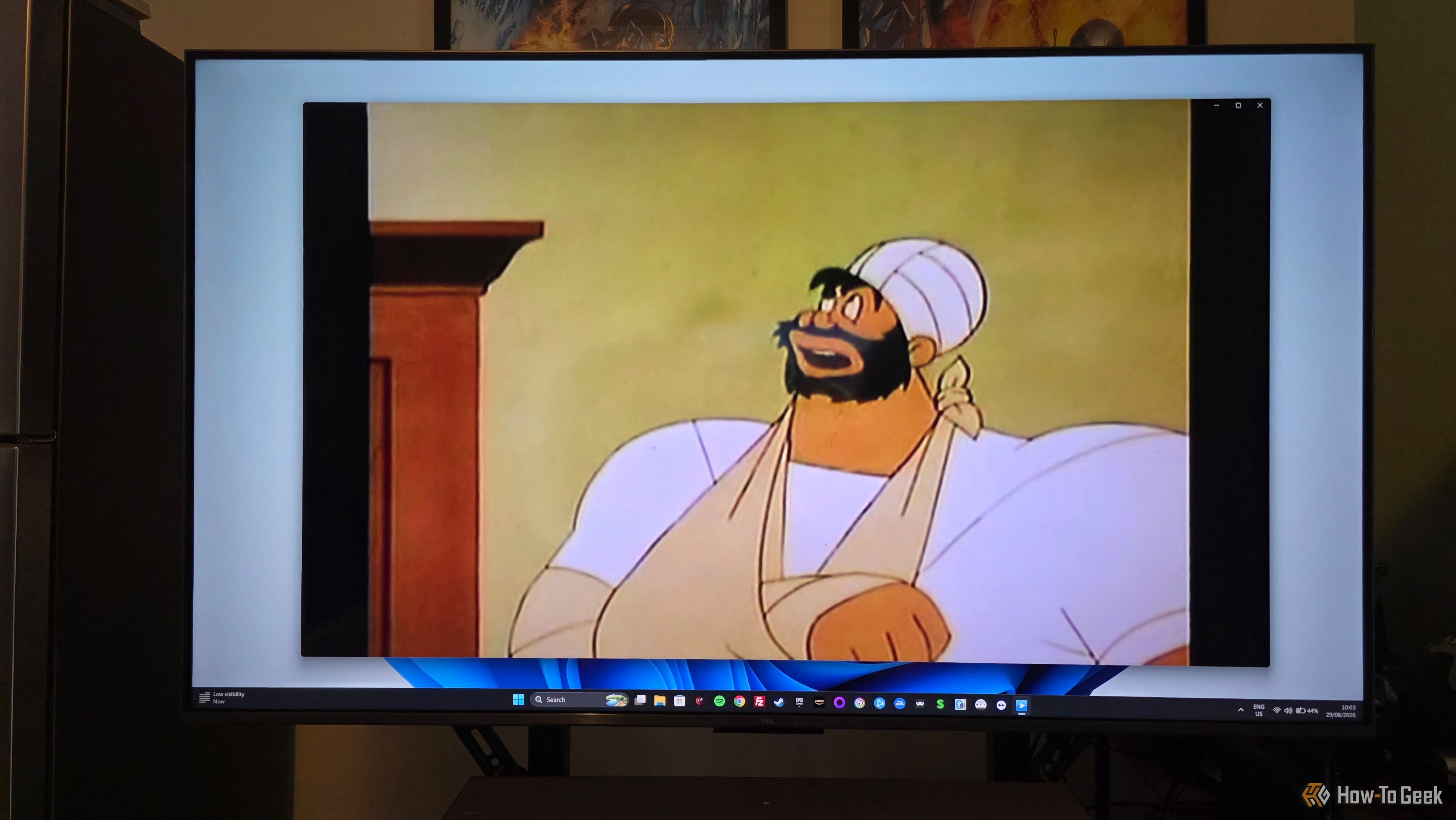
How often do you play local media files on your PC? These days, most of what we watch comes from a cloud server viewed through a web browser. Even if you have your own media, you're probably watching it using a self-hosting solution like Plex, Jellyfin, or Emby.
Owning an Android or Google TV gives you a lot of freedom, but navigating its interface with a standard remote can sometimes be frustrating. You likely already use your smartphone as a remote to control your TV wirelessly — for tasks like typing long search queries or as a backup remote. While there are plenty of Android and iOS options to control your Google TV, controlling it through Windows 11 is often a less explored territory.
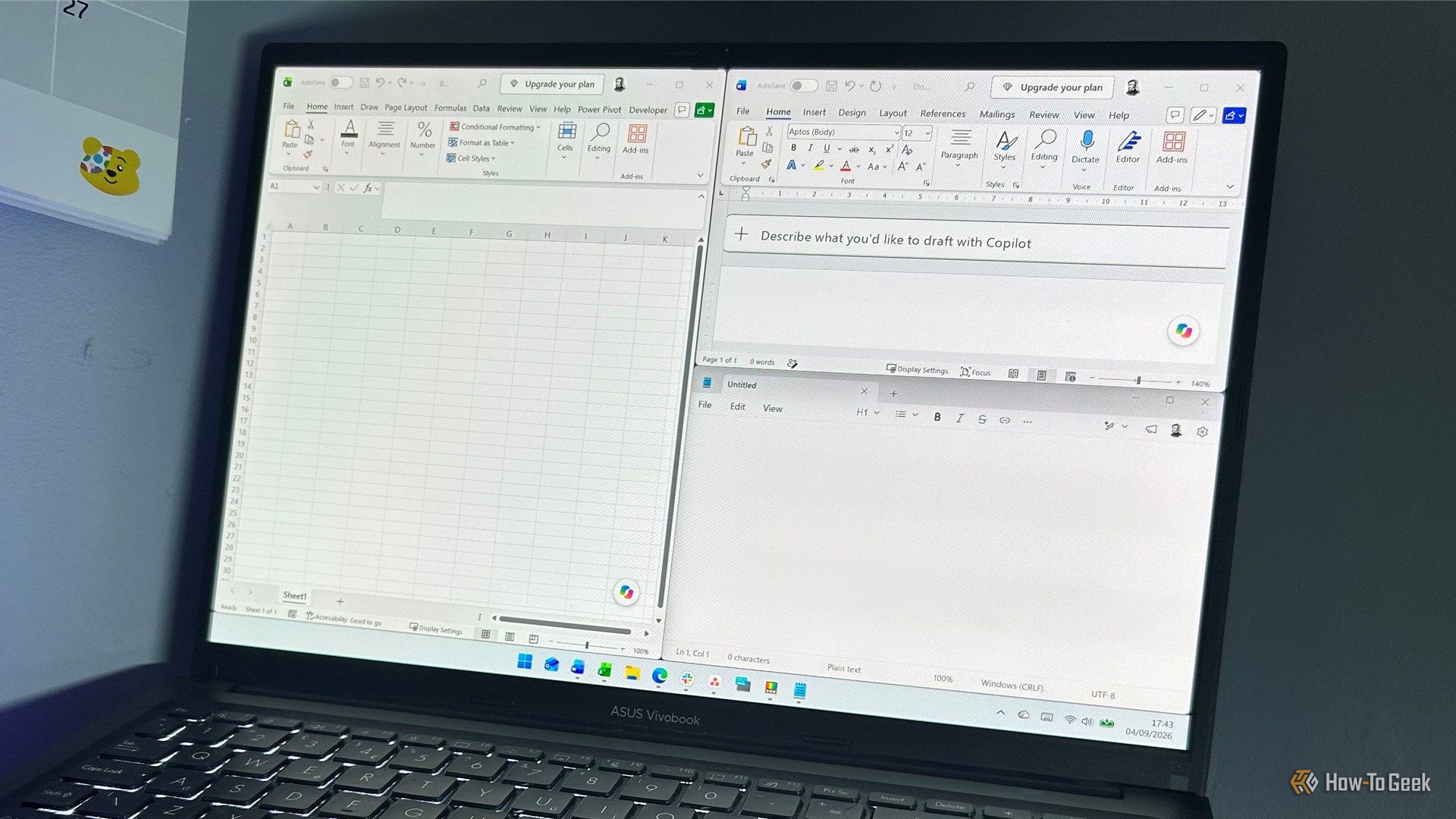
Every morning, I open the same apps and then spend the next few minutes dragging, resizing, and rearranging them across my two monitors. By the afternoon, everything has shifted again. I was getting tired of rebuilding the same desktop layouts, so I went looking for a better way. Then I found an easy-to-use PowerToys tool: Workspaces.
Windows 11 update KB5121003 is causing confirmed crashes in The Finals, leaving affected gamers to weigh stability against security while Microsoft still lists no known issues with the patch.

 Login
Login