❌

Reading view

There are new articles available, click to refresh the page.

4 PC ports that outlived their inventors and still refuse to die

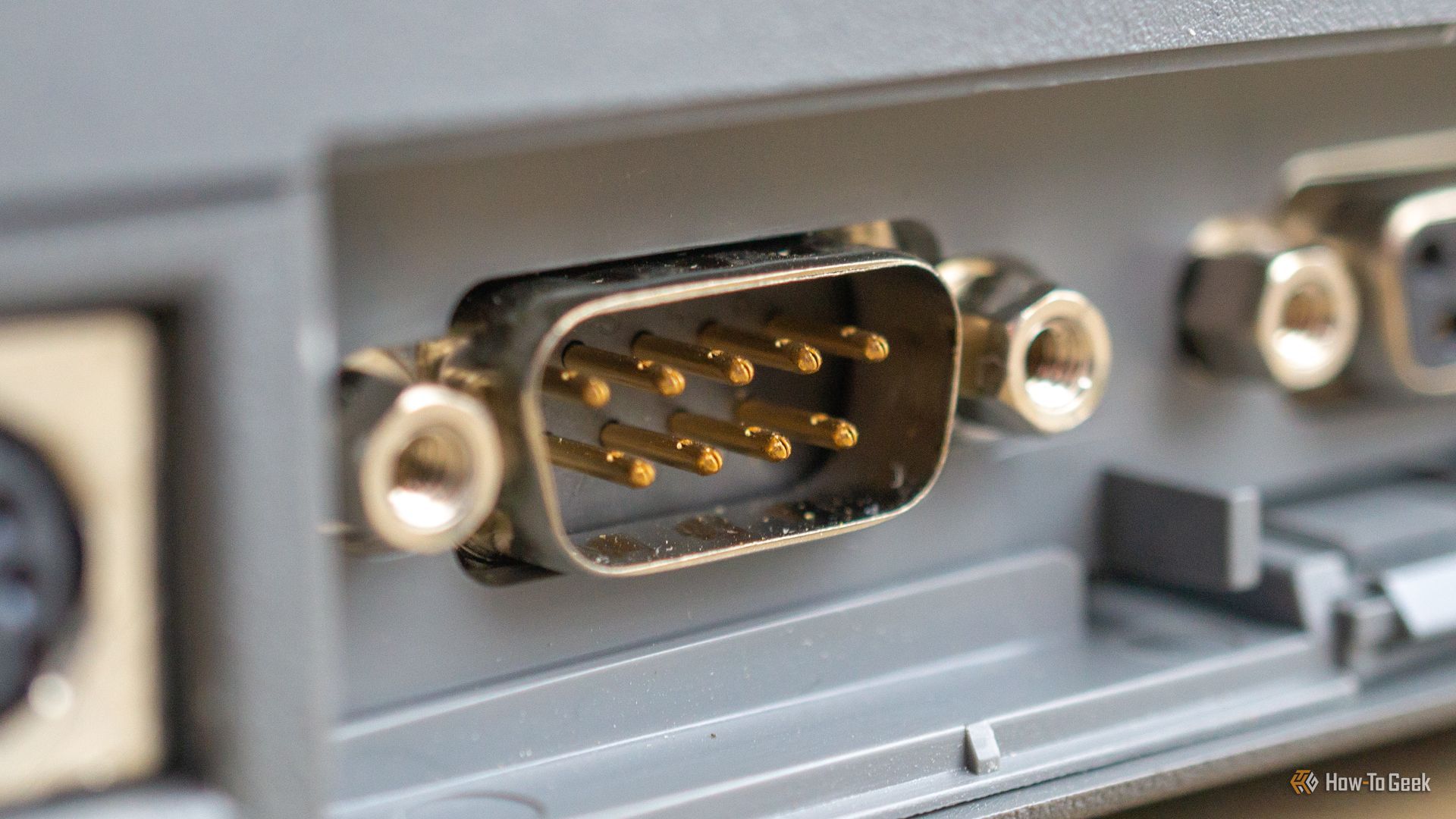
Hippocrates once said "art is long, life is short." It's a neat old proverb that, like many ancient Latin and Greek isms, has been re-observed and re-proven over and over again throughout history. And although I may not be the first to compare computer engineering to an art, I'm probably the first to use a Hippocrates quote to describe the RS-232 serial port.

The 6 most unusual things I've done with USB flash drives in 2026

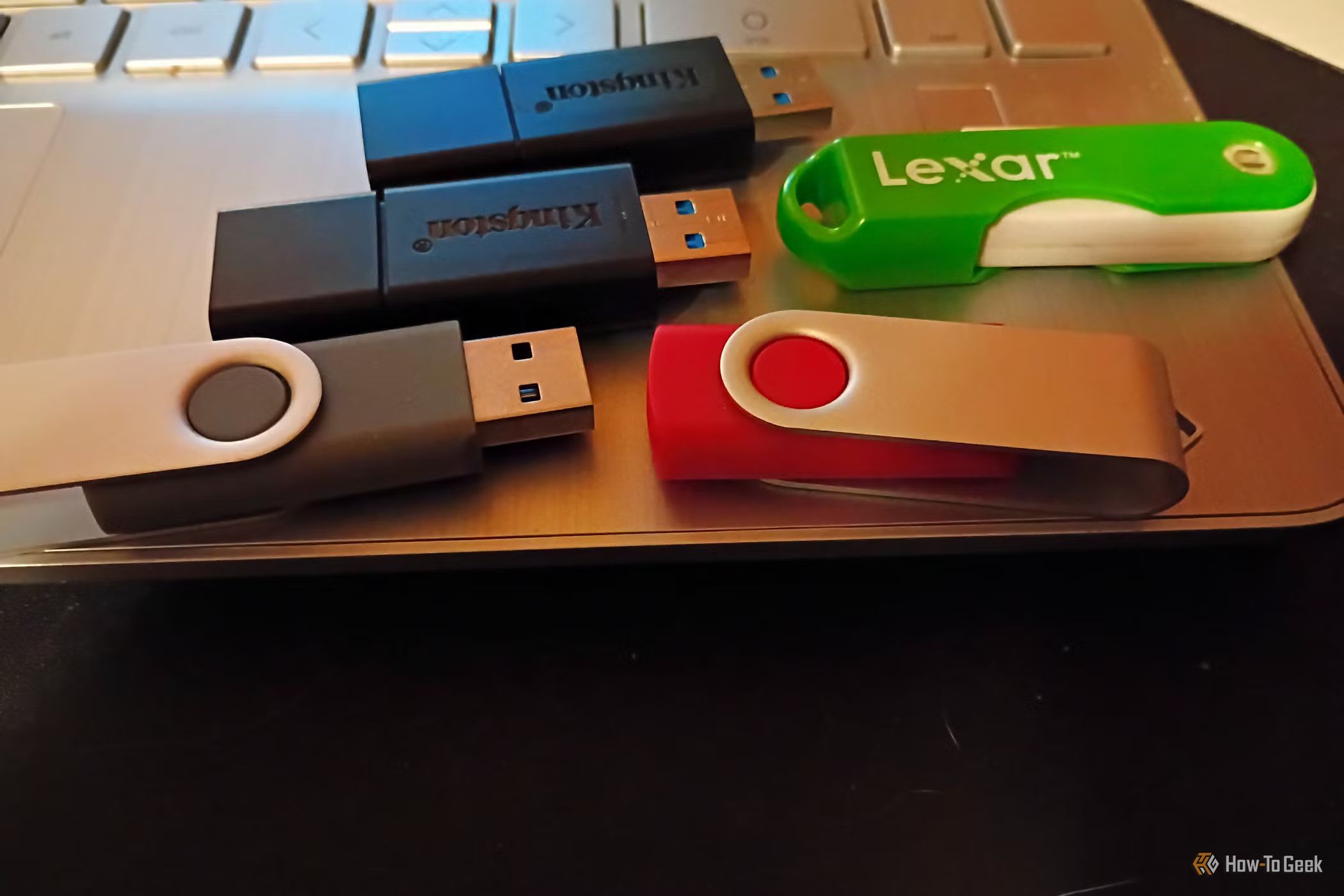
I'm no stranger to finding weird things for my USB drives to do, such as repurposing them as "rescue drives." But this year, with the RAM shortage spilling over to every area of the PC market, I've found new ways to make good use of just about every piece of tech that I own. From a tiny file server to a retro gaming console, here's what I used my USB flash drives for in 2026.

I can use these 3 essential apps on any Windows PC without installing anything

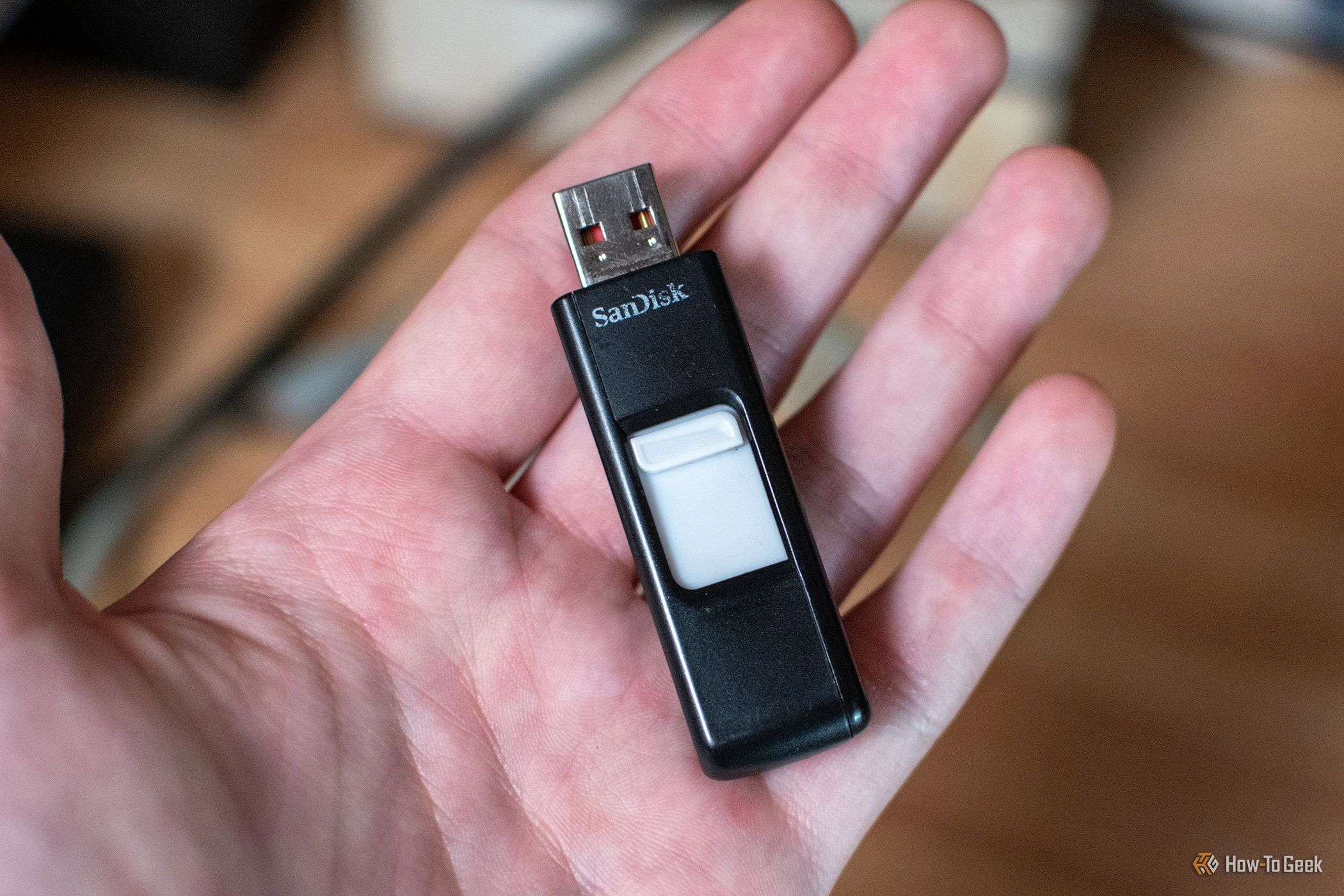
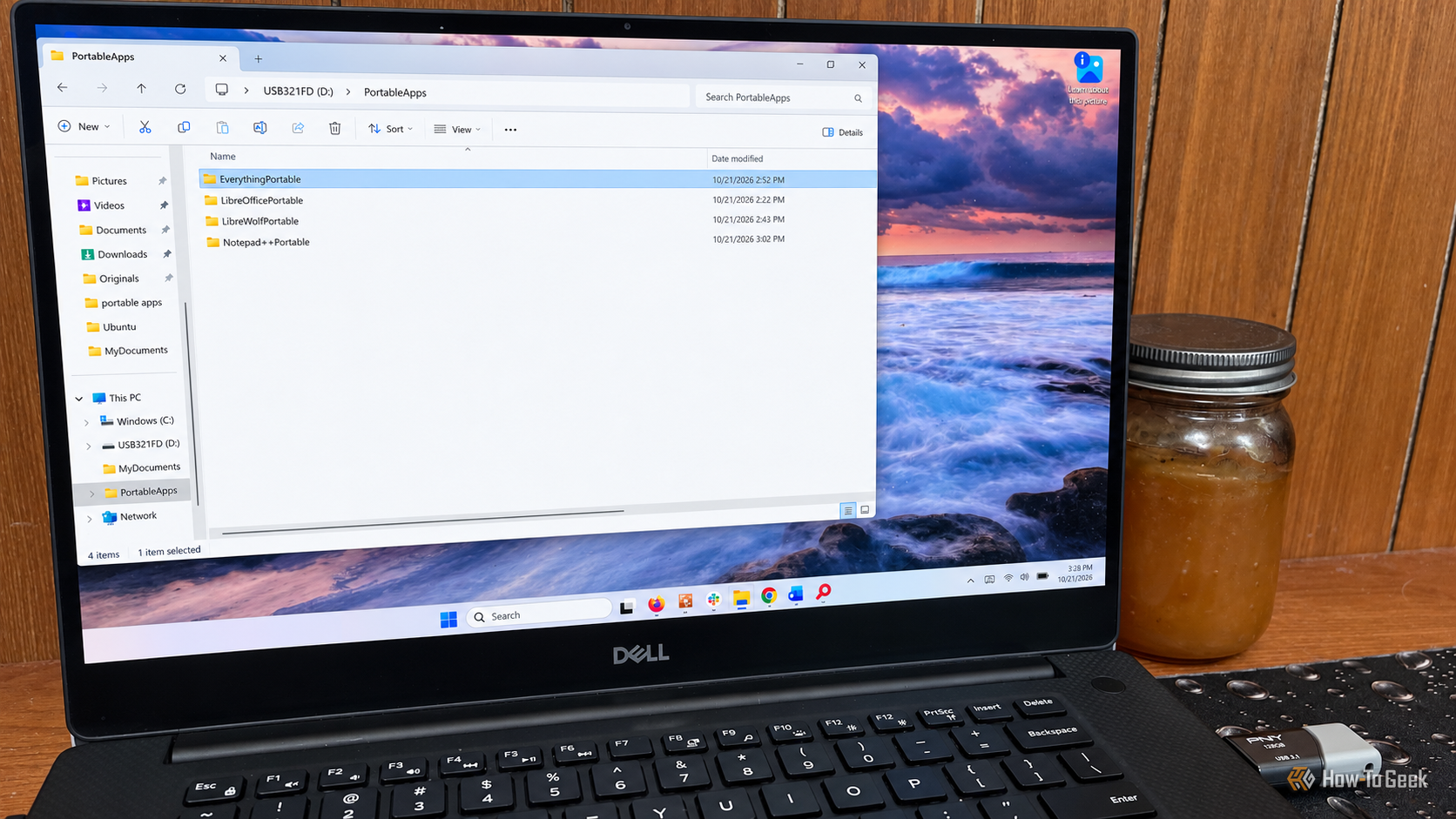
I have a number of Windows computers around my home. Some are media centers, others handle my outdoor cameras and smart home, and some are just for basic office work. I’m also the person in my circle of friends and family who gets the call when there is a technology problem. Basically, this means I’m working on other people’s PCs pretty frequently. I don’t particularly enjoy having to install the same group of apps on every machine I’m working on, especially when the PC isn’t mine. Having portable apps on my thumb drive means I don’t have to.

A Thermal Camera That Uses WebUSB

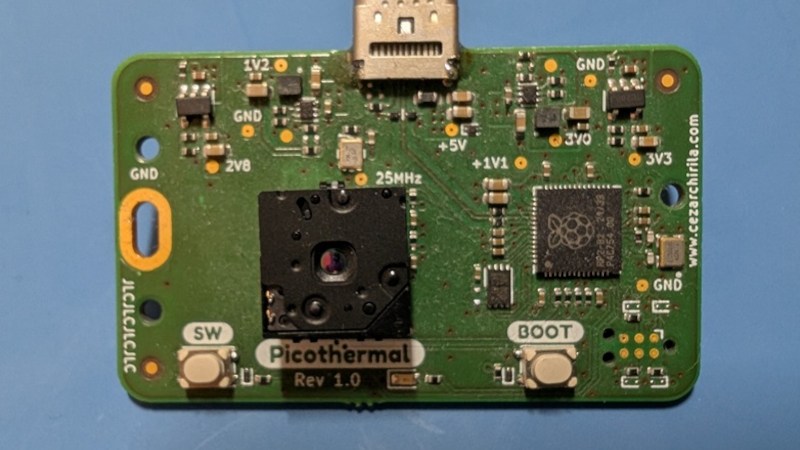
When creating a peripheral for a mobile phone, an obvious path is to create a companion app with which to talk to it. But as we all know today’s app is tomorrow’s non-functional abandonware, so to give his infrared camera a long life, [Cezar Chirila] made it talk WebUSB to a browser instead.

The hardware is conventional enough, a FLIR sensor talking to an RP2040. There’s very little in the way of supporting circuitry save for a power supply regulator, as so much that might be on a standalone project is already present in the USB host device. Running the thing is as simple as going to a landing page in a browser that supports WebUSB, and using the camera. The whole lot is in a GitHub repository, if you’re interested.

We’re big fans of WebUSB, for exactly the reason it’s been used here. While there are a few browser features which have been deprecated over the years β€” who remembers the BLINK and MARQUEE HTML tags β€” it’s likely WebUSB won’t be one of them. This could only be topped by having the microcontroller share a small USB disk with the landing page as an HTML file.

Meanwhile if you’re strapped for cash, there are cheaper thermal cameras out there.

2026 Retrocomputing Challenge: USBSID-Pico has Two SIDs, Many Inputs

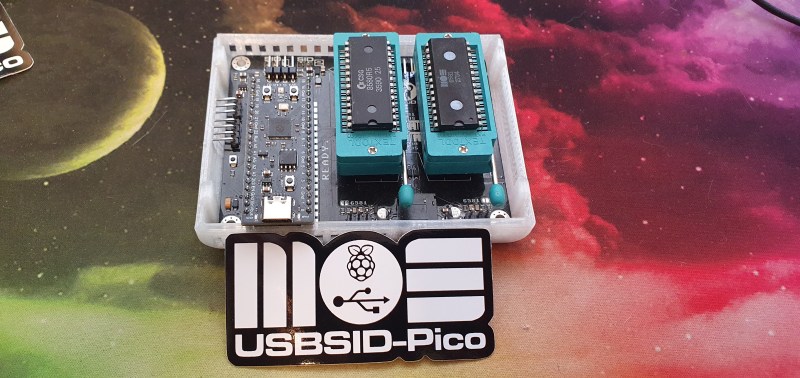
We’ll give you three guesses what the most important bits of silicon in [LouD]’s USBSID-Pico are, and two don’t count. Yes, there’s a Raspberry Pi Pico, and a pair of the unforgettable SID chips from MOS– the sound chip of the C64, the die that launched a thousand chiptunes. Well, unless you build it with a hardware SID replacement, but the goal of this device is to get SIDs hooked up to modern hardware.

To that end, USBSID-Pico can be controlled via USB– obviously– in the form of CDC/WebUSB/WebSerial but also MIDI, and even ASID, which is a specific protocol for streaming SID register data over MIDI. You might be wondering the point, since surely you can get cycle-accurate SID emulation on an RP2040, right? Well, not everyone agrees that cycle-accurate emulation is accurate enough; like the people who swear by the subtle distortions tube amplifiers introduce into the sound, some say the chip’s own inaccuracies give the sound out of the physical device a unique vibe emulators don’t match. That’s a fight for others to litigate; we just appreciate the work that went into getting these old sound chips talking to modern hardware, and getting the project certified as Open Source Hardware.

This combination of old sound and new microcontroller makes the USBSID-Pico a good entry for our ongoing retrocomputing contest, particularly the retro-modern category. Just be aware of PAL and NTSC differences with these old chips, or your beeps and boops might be out of tune. They haven’t made them in decades, but there are more than a few modern replacements for the MOS 6581.

2026 Hackaday Retrocomputing Contest

USB-C PD Tamed with this Analyzer

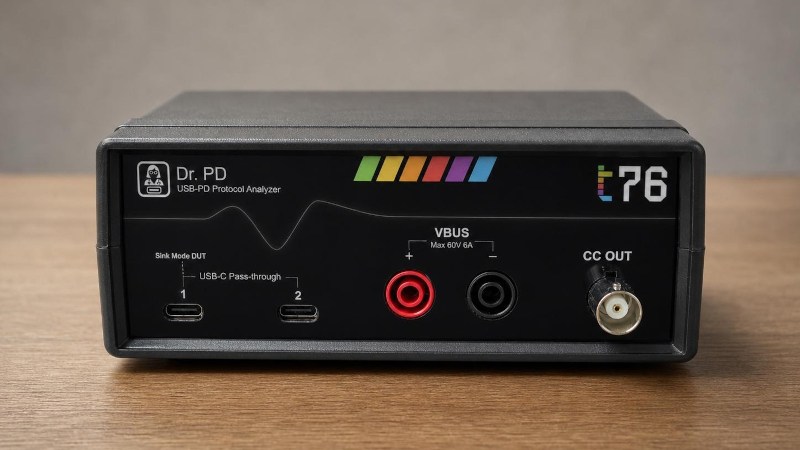
USB-C Power Delivery (PD) has been a boon to anyone working with low-voltage DC power, because at a stroke it replaces a vast array of wall warts, power supplies, and connector standards with one simple and straightforward commoditized system. But with varying capabilities between sources and sinks, it can be difficult to know what’s going on.

[Marco Tabini] has created Dr. PD, a USB -C PD protocol analyzer. It can sit between USB-C PD source and sink, or emulate a sink in order to characterize a source. It supports an impressive range of USB power protocols, and can work up to the full 48 volt/240 watt limits of the technology. The project is open source and is to be the subject of a crowdfunding campaign should you want one without the extra work.

It’s likely that many of you will have had bad experiences with cheap USB-C PD gear failing to follow standards, being unable to handle the specified current, or just plain supplying the wrong voltage. We have, and while USB-C PD is genuinely a great technology, this regrettable hardware represents its grubby underbelly. This is just the project we need on the bench in our hackerspace.

In the past we’ve written about USB-C PD as a great example of new technology done right.

❌