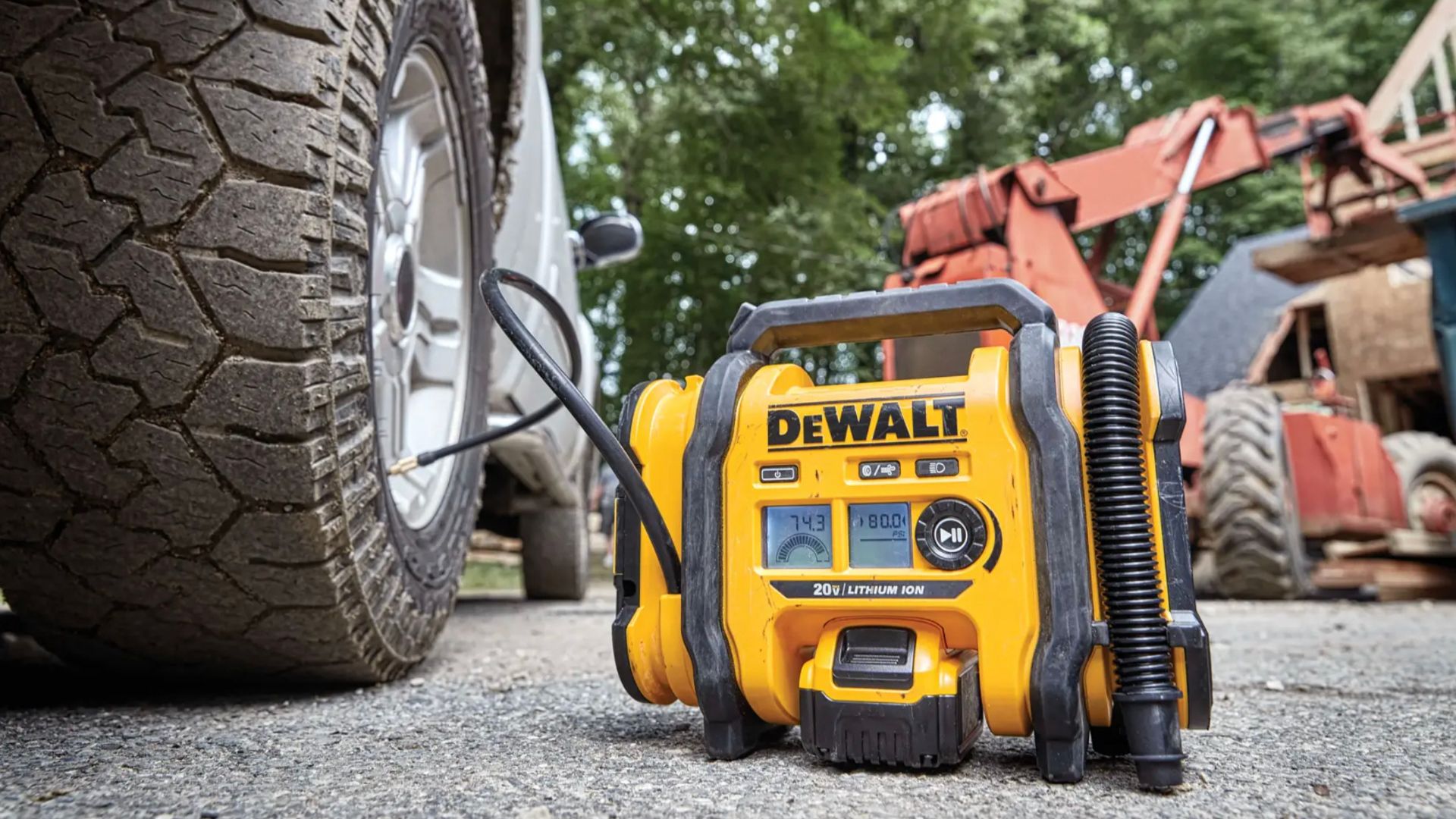
Buying into a tool ecosystem is supposed to mean your gear works together. That's the whole point of sticking with one brand. DeWalt has leaned hard on that idea with FlexVolt. Unfortunately, it does come with a lot of stipulations, and it can feel like a trap if you don't know any better. While I like DeWalt, and they can be budget friendly, I think it could be clearer in its marketing for its batteries.
When it comes to buying power tools for DIY projects around the house, many people instantly think of hardware stores like Home Depot or Lowe's, but Walmart is quietly becoming a go-to destination with more affordable options. While Ryobi and Milwaukee are great, Walmart's popular hand tool brand, Hyper Tough, is slowly but surely becoming a solid option for power tools.
The widespread introduction of AI-powered coding tools has led to some dramatic splits between those integrating those tools into their workflows and anti-AI absolutists who don't want large language model-generated code anywhere near their projects. When it comes to the Linux kernel, though, creator and top-level maintainer Linus Torvalds said he is "willing to absolutely put my foot down" in support of using AI tools to improve the long-standing open source project.
Writing in a lengthy post on the Linux kernel mailing list this week, Torvalds said that "Linux is not one of those anti-AI projects, and if somebody has issues with that, they can do the open-source thing and fork it. Or just walk away."
The statement came amid a lengthy thread arguing about the use of Sashiko, an "agentic Linux kernel code review system" that its creators claim can, in tests, independently find 53.6 percent of the bugs that would end up being fixed by human coders in later commits. But the tool can also waste maintainers' time by sending "false positive" reports of bugs that don't exist, at a rate Sashiko's maintainers estimate is "well within [the] 20% range."
Varun Chitre, CEO, left, and Tarun Vashisth, CTO, co-founders of logcat.ai. (logcat.ai Photos)
The past two years have transformed the world of software development, but thereβs at least one area that remains largely untouched by artificial intelligence: the operating-system layer inside phones, vehicles, and other connected devices.Β
A Seattle startup called logcat.ai has raised $2.55 million to change that.
Co-founded by CEO Varun Chitre and CTO Tarun Vashisth, two engineers with years of experience building device software, logcat.ai is developing a system of AI agents that autonomously hunt down bugs across the kernel, modem, and firmware of devices running Android or Linux.
The pre-seed round was led by Foundersβ Co-op, with participation from Act One Ventures, TheFounderVC, Shorewind Capital, Clayoquot Capital, and Alumni Ventures.Β
βItβs one of the toughest areas of software engineering, and it doesnβt get a lot of exposure. Operating-system engineering is virtually hidden today,β Chitre said in an interview.
Itβs also a challenge for many companies given a shortage of engineers who specialize in the field, compared to the much larger population of developers who build apps and software that run on top of the operating system.
How it works: An engineer using logcat.ai uploads the log files a device generates when something goes wrong β such as bug reports and kernel logs β and logcat.aiβs software analyzes them together to find the root cause and point to where in the code to fix it. Each finding cites the exact log line it came from, so an engineer can check the work.
Currently, logcat.ai finds the root cause and recommends a fix. The larger plan is to have the AI write the fixes, test them, and eventually build new features on its own, with engineers approving the work before itβs deployed.
The long-term goal, Chitre said, is to become the standard tool for building and maintaining operating systems on new and existing hardware β from smartphones to cars to robots and other embedded systems β so a company can ship without a full-stack specialist on staff.
βWeβre moving toward a world where software and intelligence extend far beyond our laptops and phones, yet the tooling to build high-quality products for that world is still missing,β said Aviel Ginzburg, general partner at Foundersβ Co-op, in a statement.
He called Chitre and Vashisth βone of the only teams in the world truly up for the challenge.β
Traction: The company says it has served hundreds of engineering teams in a public beta, analyzed more than 10 billion lines of trace data, and run thousands of automated investigations. Itβs generating revenue but isnβt ready to disclose numbers or customers.Β
Competitive landscape: Chitre said logcat.aiβs main competition isnβt another product but in-house scripts and the knowledge locked in a few senior engineersβ heads. App-level crash tools like Googleβs Crashlytics and Sentry stop at the app layer and donβt do the deeper system debugging.
Specialist vendors and the contract manufacturers that build devices are potential partners more than rivals, Chitre said, since they face the same engineer shortage.
The team: Chitre and Vashisth met at Esper, the Bellevue, Wash.-based device-management company, where they worked together for more than seven years. They started logcat.ai because they had spent years doing debugging by hand and knew what was missing.
Chitre has spent more than 13 years in the field, getting operating systems to boot and run on new hardware and porting new Android releases and Linux kernels onto older devices. He was also a maintainer of LineageOS, a widely used open-source version of Android.Β
Vashisth has led engineering teams working across Android, Linux, and iOS, and brings a background in large-scale distributed systems. At Esper, he rose to senior software engineering manager. His prior experience includes platform-architecture engineering at Target.
For now, the company is just the two founders: Chitre in the Seattle area, Vashisth in Bengaluru, India. They plan to hire about 10 people over the next year, with a distributed team working remotely from wherever they can find the specialized talent.
They know those hires wonβt be easy to find, given the scarcity of people in the field. βThatβs the same shortage our product exists to address,β Chitre said, βand weβre not exempt from it.βΒ
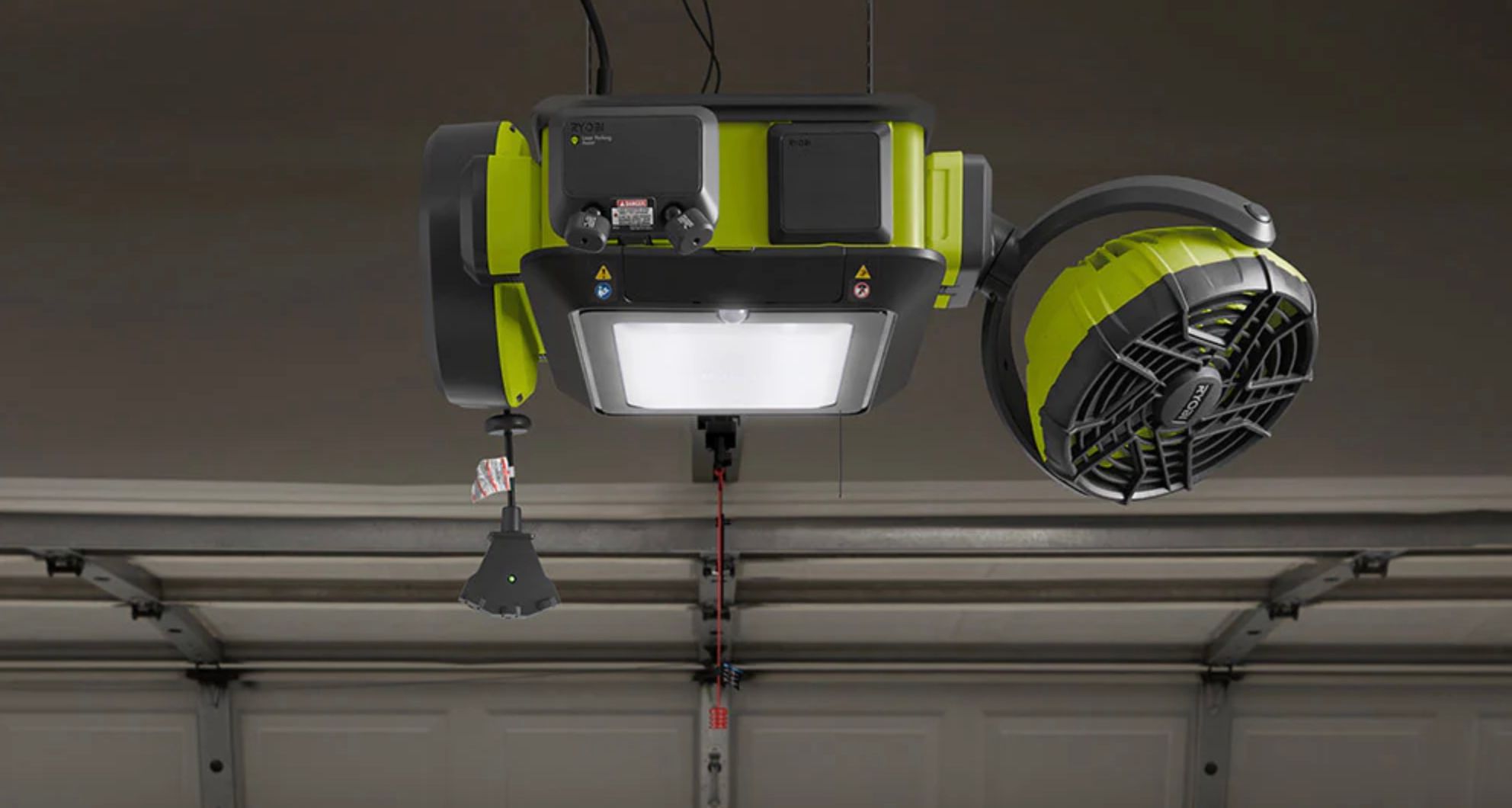
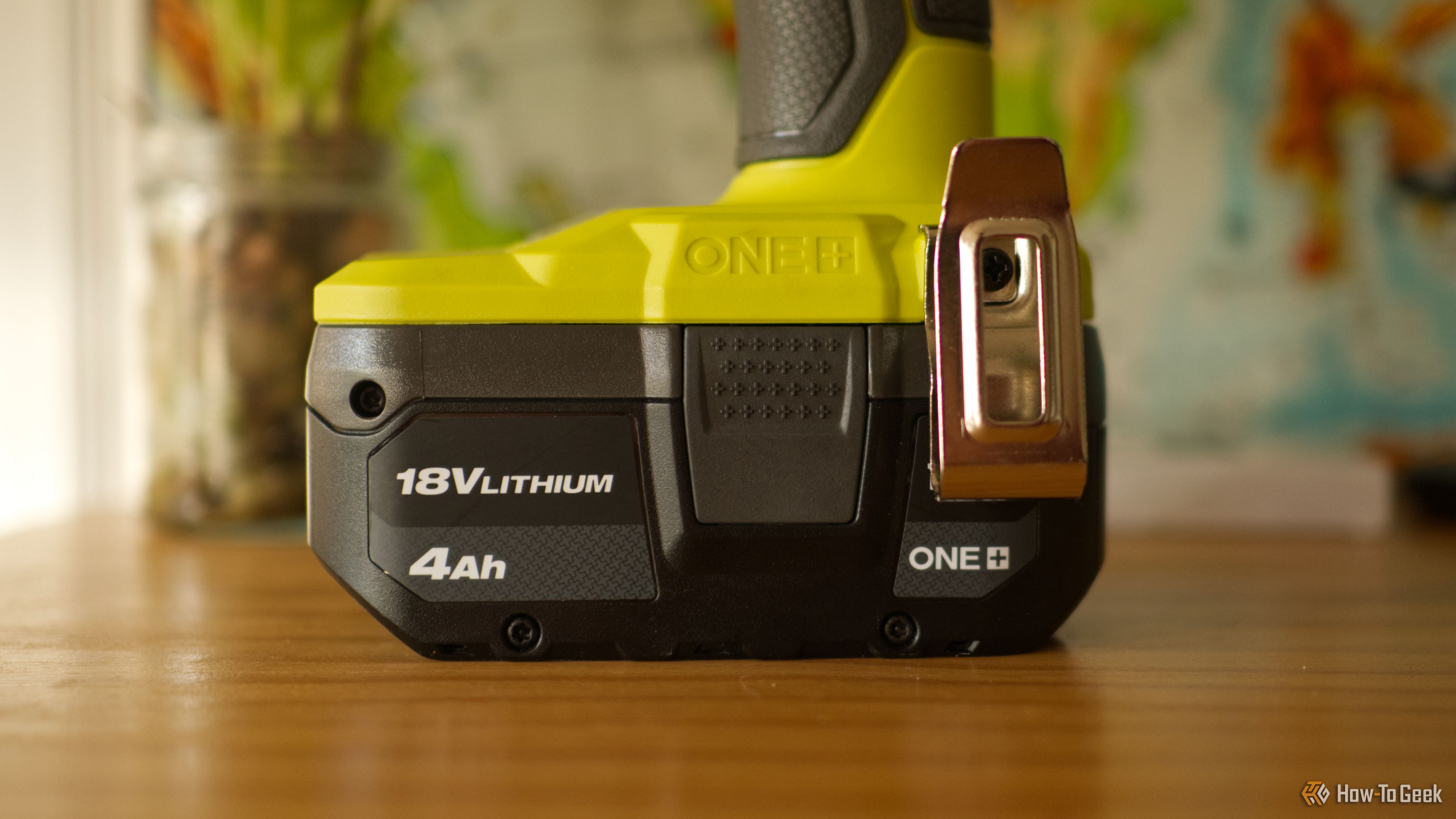
Whether you have a garage full of Ryobi tools, a work truck packed with Milwaukee or DeWALT, or use any other major power tool brand, you know that the battery packs are just as important as the tools. They're expensive, too. And chances are, you're not storing them right. Thankfully, a few new habits or systems can extend runtime and prevent premature failure.
China warned organizations to remove certain Claude Code versions over alleged backdoor risks, while Anthropic called the feature anti-abuse protection.
We tested 10 leading project management tools and found monday.com best overall for its multiple views and extensive customization. ClickUp shines for affordability, while Confluence excels in project documentation.