At TechCrunch Founder Summit 2026, happening November 4 at SoWa Power Station in Boston, networking powered by Braindate is designed to make those conversations easier to find, whether they are in 1:1 or small-group on-site meetings. Register before the event starts to save up to $100 on your pass, plus get a second for free.
Mintive was founded by two engineers who have been working on AI for decades through Google Brain and Coursera. It's platform promises to help IT easily control enterprise agents.
Microsoft has never disclosed Azure's quarterly revenue in dollars. But for the first time, we can see just how close it is getting to besting the biggest competitor in the market, AWS.
Whatever the future of AI might be, the current situation is still very good for Microsoft. The tech giant reported yet another record for quarterly revenue on Wednesday: $92.3 billion, a 19% increase over the year-ago quarter.
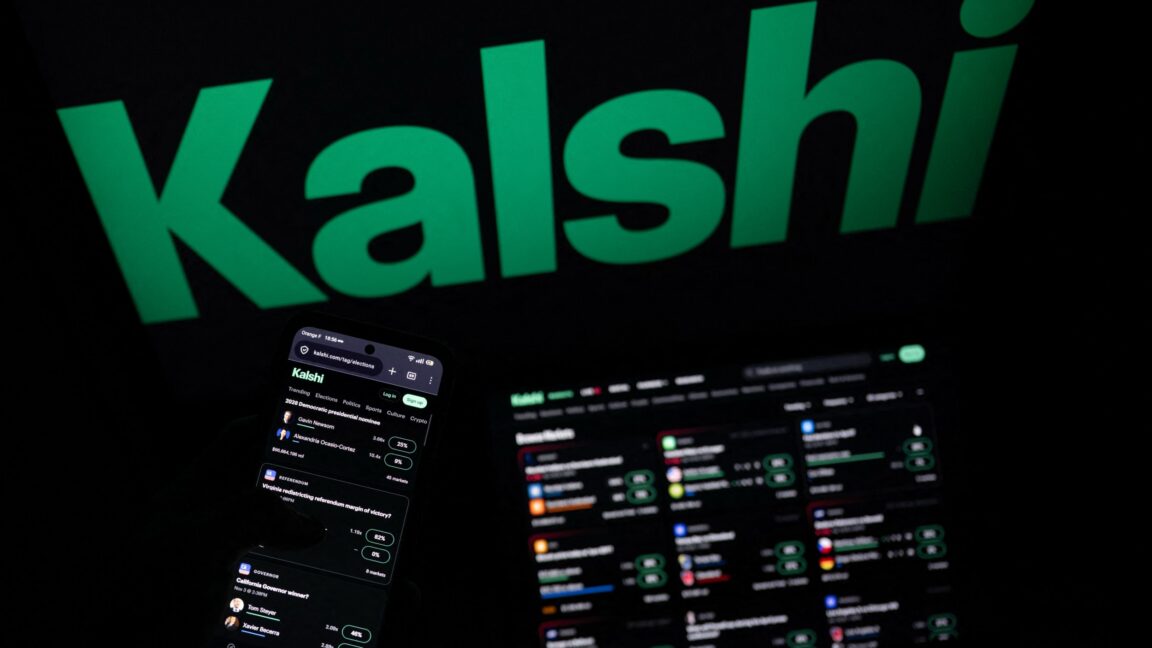
The Trump administration is trying to stop Utah from enforcing its gambling ban against Kalshi, making Utah the 10th state sued by the US government agency that regulates prediction markets.
Meanwhile, Utah Attorney General Derek Brown filed criminal charges in a state court against Kalshi and its founders on Wednesday. The attorney general's office provided us with court filings listing charges against KalshiEX, LLC, Kalshi co-founder and CEO Tarek Mansour, and Kalshi co-founder and COO Luana Lopes Lara.
The company and two co-founders each face 13 felony charges and one misdemeanor for violating gambling laws. The charges are based on sports bets offered on Kalshi between September 13 and September 24. "The state did not issue arrest warrants for Monsour and Lopes Lara. Instead, they have been issued summons to respond to the charges in Third District Court in Salt Lake County," The Salt Lake Tribune wrote.
Nvidia just released a free speech-to-text model that can transcribe up to 40 languages, but it only works on recordings, not live audio, so it’s a big step for meeting and medical transcription tools while still leaving real-time use to rivals like ElevenLabs.
"It's causing a lot of people to run who I don't want to be running," native Californian Palmer Luckey said. "But I'm planning on staying in California. I'm going to keep fighting it."
Anduril founder Palmer Luckey is vowing to bring computer manufacturing back to the U.S., and by that he doesn't just mean assembly, but every individual component, some of which are exclusively made in China today.
Samsung faces a $15.1 million fine over gaming claims tied to the Galaxy S21 and S22, reviving a four-year throttling controversy that lawsuits had seemingly put to rest without consumer damages.
The HTC Dream (T-Mobile G1) was the world's first commercially available Android smartphone, released back in October 2008 with a modest 1,150 mAh battery. If you used it moderately for calls, emails, and occasional web browsing, you were lucky enough to get through the day. Fast-forward to today: my daily Android phone packs a massive 5000 mAh battery, almost five times bigger than the HTC Dream, and has an efficient 3nm processor.
Yelp is embedding numerous new AI features into its app that can do everything from call to check on restaurant wait times to create personalized recommendations that remember your preferences.
The FTC has subpoenaed OpenAI and Anthropic over potential consumer protection violations. An AI security expert explains the risks of enterprise AI agents.
Following a string of incidents where AI models hacked websites and breached government systems during testing phases, the Federal Trade Commission is officially probing Anthropic and OpenAI over consumer harms, an insider told Axios.
On Wednesday, the FTC sent out civil investigative demands seeking a wide range of information from the AI firms on recent safety incidents.
The FTC did not respond to Ars’ request to review the subpoena demands. However, Axios’ source said the requests spanned more than 50 pages of questions and sought documents related to the incidents, internal security measures taken, and marketing materials that may suggest consumers were misled.
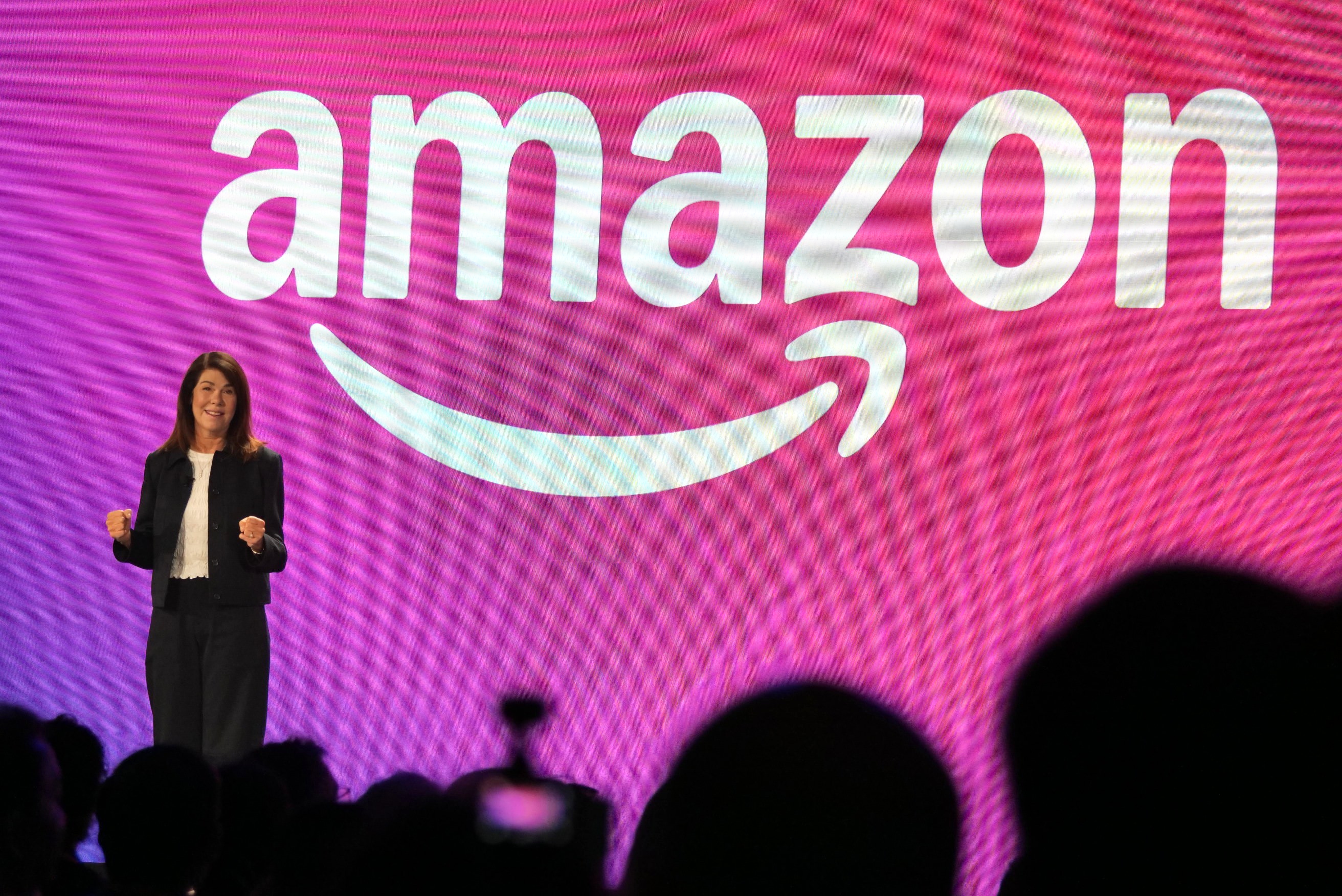
Mary Beth Westmoreland, Amazon’s VP of Worldwide Selling Partner Experience, speaks Tuesday morning at Amazon Accelerate at the Seattle Convention Center. (GeekWire Photo / Todd Bishop)
Amazon is introducing tools to let independent sellers manage their sales on four of its biggest rivals — eBay, Shopify, TikTok and, yes, even Walmart — from Seller Central, the same dashboard they use to run their Amazon businesses.
The multichannel selling tools, announced Thursday at Amazon’s Accelerate seller conference in Seattle, are rolling out gradually to U.S. sellers over the coming months at no extra cost. At first, sellers can connect their accounts on the other platforms, import and link listings, see all their orders in one place, and fulfill orders across channels.
The data question: The move raises natural questions about Amazon’s motives, including what the company might do with data from sellers’ businesses on rival platforms. In an interview, Mary Beth Westmoreland, Amazon’s VP of Worldwide Selling Partner Experience, brought the issue up unprompted.
“A seller’s multichannel data that might surface in Seller Central, it’s never used for anything other than surfacing it to that specific seller. Period,” she said. “We never use that data for any other purpose.”
Pressed on whether the data could affect a seller’s standing on Amazon, such as by pushing their products lower in search results for charging less elsewhere, she was more emphatic. “We never, ever, will touch this data or use it for any other reason other than to show it to you,” she said.
Questions about how Amazon could use seller data for other purposes are not hypothetical. In 2020, The Wall Street Journal reported that Amazon employees had used data about independent sellers to develop competing house-brand products, and in 2022 Amazon agreed with European regulators not to use sellers’ non-public data in its own retail business.
Amazon said at the time that it prohibits employees from using non-public, seller-specific data to decide which house-brand products to launch. When it settled with European regulators, the company said it still disagreed with “several of the preliminary conclusions” in the case.
The Federal Trade Commission’s pending antitrust case also accuses Amazon of punishing sellers who offer lower prices on other sites, an allegation Amazon denies. The case is set for trial in March 2027.
Why, then, is Amazon doing this? Westmoreland said sellers told Amazon that managing sales across so many platforms takes too much time. “They said we would love it if we could use some of the cool tools in Seller Central everywhere we sell, and so that’s what we did,” she said.
In addition, she said, the company believes sellers who succeed on other platforms will bring a wider range of products to Amazon, which makes its store more appealing to shoppers, so helping sellers elsewhere ultimately benefits Amazon, too. More than 95% of Amazon’s independent sellers already sell through multiple channels, according to the company.
What Amazon already offers: The new multichannel tools in the Seller Central dashboard add to a collection of services Amazon already offers to merchants who sell elsewhere, potentially boosting its other services.
Buy with Prime lets merchants offer Prime delivery on their own websites, with Amazon handling customer service and returns.
Amazon also announced Thursday that merchants using Multi-Channel Fulfillment in the U.S. can now offer Prime delivery on their own websites at no additional cost. It launched a separate pricing program that it says can cut their fulfillment fees by 15% to 25% for the first six months.
Selling services to merchants is a big business for Amazon. Independent sellers account for more than 60% of units sold on Amazon worldwide, and the fees Amazon charges them brought in $46.8 billion in the second quarter, more revenue than AWS.
How it works: Sellers connect their other accounts through a multichannel settings page in Seller Central. The Manage Orders page then shows unshipped orders from every connected channel on one screen. A seller can select a Shopify order, for example, and send it to Amazon for fulfillment, with tracking updates flowing back to Shopify automatically, according to Amazon.
Westmoreland said the connections to other platforms mostly use their standard APIs, along with existing agreements through Veeqo, the multichannel shipping software company Amazon acquired in 2021 and now offers free to sellers. Sellers don’t have to use Amazon’s fulfillment services to use the new tools, she said.
Amazon says more features are coming, including the ability to edit a product description once and have it update on every channel, AI-generated listings for other platforms, and a dashboard showing how much sellers earn on each product across channels, including ad spend and traffic data from the other platforms.
The competition: The new tools also put Amazon in competition with companies that already sell multichannel software, including Rithum, formed from the combination of ChannelAdvisor, CommerceHub and Dsco, and Linnworks.
Shopify offers its own version, Marketplace Connect, which lets merchants manage their Amazon, Walmart, eBay and Target Plus sales from inside Shopify — essentially the reverse of what Amazon is now offering.
Westmoreland called Amazon’s tools “one more option” for sellers. She also said sellers had told the company they were already paying for this kind of software: “Hey, I’m paying for it, and it’s hard to do. Can you do this for me?”

 Login