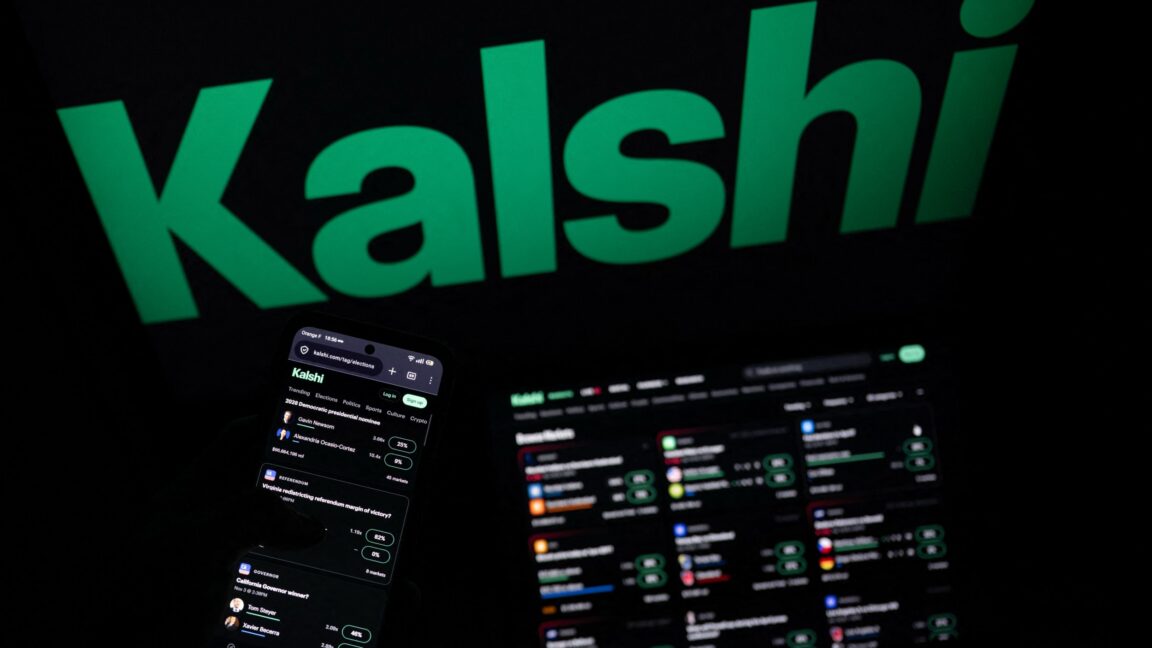
New Jersey yesterday asked the Supreme Court to rule on whether states can regulate sports betting on prediction markets such as Kalshi.
“Companies like Kalshi claim to offer legal sports betting in all 50 states, but they refuse to follow the gambling laws of any state," New Jersey Attorney General Jennifer Davenport said in a press release announcing the lawsuit.
In April, the US Court of Appeals for the 3rd Circuit ruled that New Jersey cannot regulate sports bets on prediction markets. The court determined that sports-related event contracts meet the legal definition of "swaps," giving the US Commodity Futures Trading Commission (CFTC) exclusive jurisdiction.
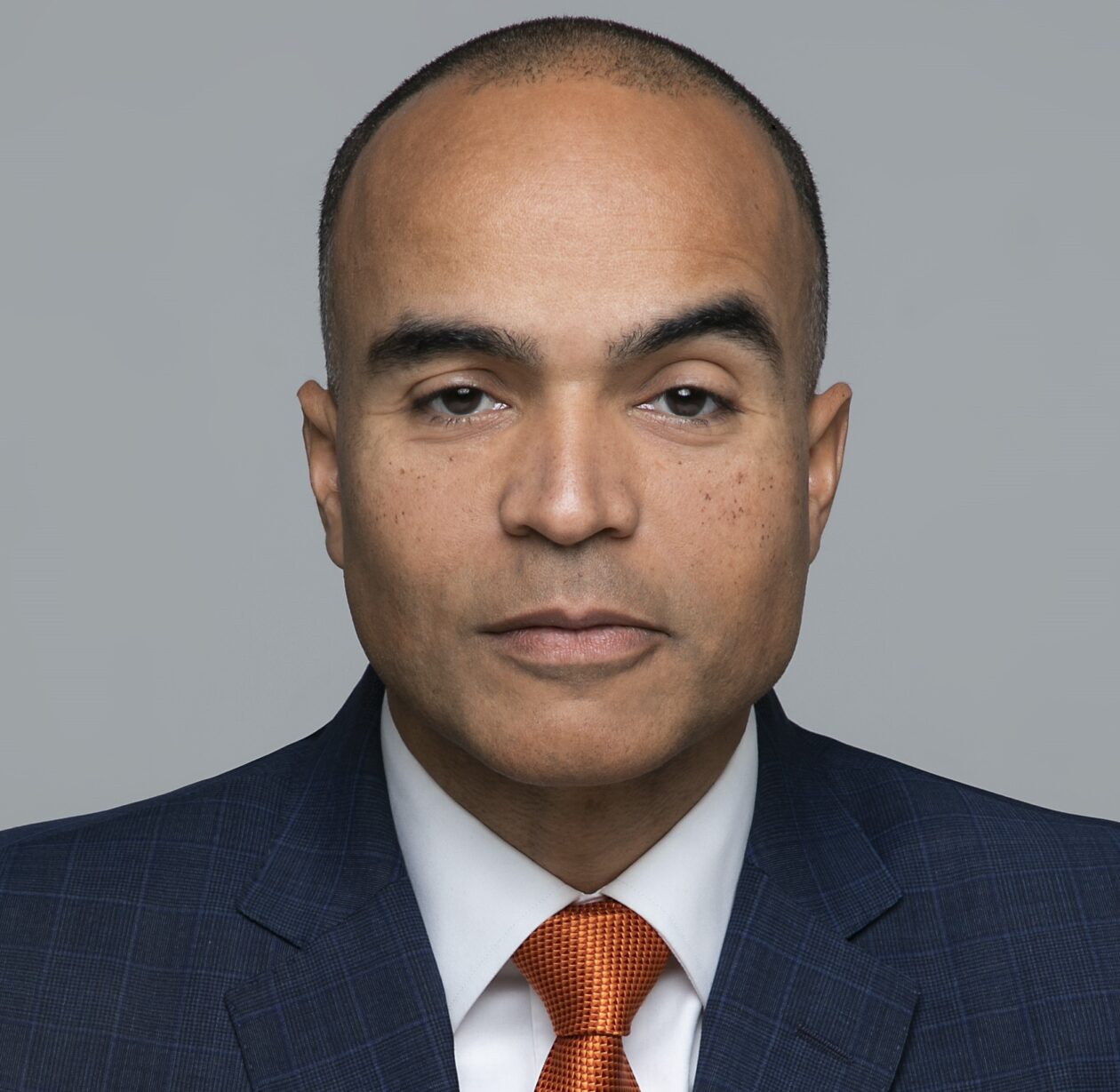
Washington AG Nick Brown filed the lawsuit against Kalshi in March. (Photo courtesy of the Washington Attorney General’s Office)
A judge in Seattle ordered Kalshi to shut down large parts of its prediction market in Washington state by Sept. 2 — less than three weeks from now — and denied the New York-based company’s attempt to pause the order while it appeals the ruling.
The order by King County Superior Court Judge John McHale, issued Wednesday, requires Kalshi to geofence Washington users out of markets for sports, elections, politics, entertainment, culture, tech and science, and “mentions,” contracts on whether public figures will say specific words.
Kalshi can continue offering markets on commodities, climate, economics, and finance in the state. Users will also be allowed to close out positions they already hold in the prohibited categories.
The order sets a $120,000-a-day penalty if Kalshi misses the Sept. 2 deadline, although Kalshi can also submit an affidavit explaining any delay and let the court determine the final penalty.
That penalty would match what Nevada regulators are separately seeking from Kalshi in a June contempt motion for allegedly failing to comply with a similar injunction there.
In his ruling, McHale wrote that Kalshi “willfully ignored” a Washington State Gambling Commission notice from December 2025 stating that event-based contracts are not authorized in the state. He also concluded that “the public interests at stake and potential harm to consumers” outweigh harm to Kalshi from the injunction.
Kalshi disputed the premise of the ruling on Thursday, reiterating its position that the U.S. Commodity Futures Trading Commission “has exclusive jurisdiction” over the exchange.
“We respectfully disagree with the court’s decision and are considering all legal options,” spokesperson Jacki McGavick said in a statement responding to the ruling.
Attorney General Nick Brown, who brought the suit, said in a statement that Kalshi “has gotten rich promoting wagers on sports, elections, natural disasters, events related to the Iran War, and more.”
However, Kalshi said its platform does not offer markets on wildfires, war, death, or terrorism. Kalshi has disputed reporting that has grouped its platform with rival Polymarket, which has drawn scrutiny for wildfire and other markets Kalshi says it doesn’t allow.
Kalshi had asked both McHale and the state Court of Appeals to pause the injunction pending appeal, and lost at both levels: a Court of Appeals commissioner denied an emergency stay request Monday, and McHale entered his own denial Wednesday with his larger order.
Kalshi’s remaining state-court options include asking a full Court of Appeals panel to review the commissioner’s ruling, or seeking emergency review at the Washington Supreme Court.
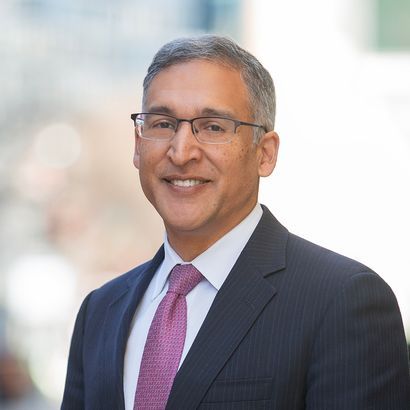
Neal Katyal, a former U.S. acting solicitor general who leads Milbank’s U.S. Supreme Court practice, is representing Kalshi in state cases across the country. (Milbank Photo)
Washington state is emerging as a key battleground in the national fight over whether federal commodities oversight allows prediction markets like Kalshi to override state gambling laws.
King County Superior Court Judge John McHale in Seattle sided with Washington Attorney General Nick Brown on July 20, granting a preliminary injunction and rejecting Kalshi’s core defense: that oversight by the U.S. Commodity Futures Trading Commission preempts state gambling law.
A check of the docket shows the case has escalated significantly since then. Kalshi has appealed to the Washington Court of Appeals, and asked McHale to pause his injunction pending that appeal.
Court records also indicate that former U.S. Acting Solicitor General Neal Katyal, Kalshi’s lead national counsel in similar state cases, is now representing the company in the Washington state case. The involvement of a lawyer with years of experience arguing before the U.S. Supreme Court signals that Kalshi is preparing for a serious appellate fight over federal preemption rules.
McHale has yet to rule on Kalshi’s stay motion or enter the operational terms of his injunction, which means the platform is still operational in the state nearly three weeks after his ruling.
Both sides have been pushing to shape McHale’s decision, submitting federal court rulings from other states for his consideration.
McHale’s next ruling, expected in the coming days, should determine whether Kalshi will have to stop operating in Washington state while its appeal plays out.

 Login
Login