For nearly a quarter of a century, Elon Musk and his essential partner at SpaceX, Gwynne Shotwell, viewed the United States government as El Dorado, the mythical city of gold.
Like machete-wielding treasure hunters, Musk and Shotwell hacked through a tangled jungle filled with lurking carnivores such as Boeing and Lockheed Martin, as well as bean counters and regulators. Over time, against long odds, the pair cleared a path for SpaceX to contracts at NASA and the US military. They sued when things did not go their way. They hollered about unfair playing fields. Most importantly, they delivered quality space products to the US government for less.
And so, after a while, SpaceX found El Dorado and a city of contracts.
During a lengthy news conference on Friday, NASA provided a detailed overview of how it plans to return astronauts to the lunar surface as soon as 2028 as part of its Artemis Program.
Although much of the information behind these plans has been previously reported at Ars Technica and elsewhere, this marked the first time NASA has laid them out in detail and acknowledged some substantial changes in the architecture.
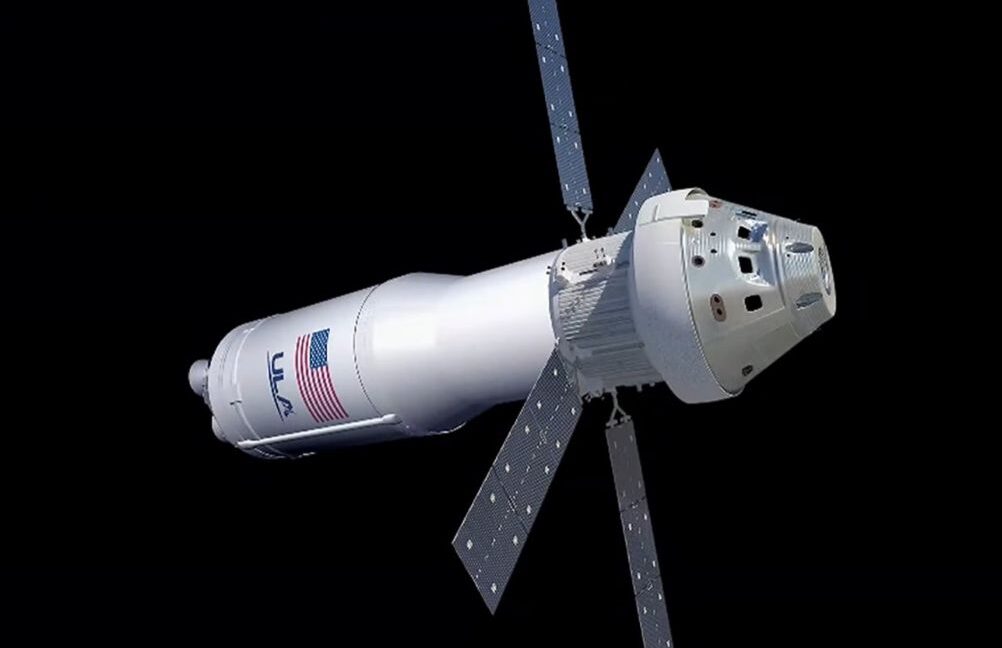
Most notably, for SpaceX's Starship vehicle, the revised plan calls for the Orion spacecraft to dock with the Starship lunar lander in high-Earth orbit before transiting to the Moon. And for Blue Origin, the mission architecture includes four launches of the New Glenn rocket, but no spacecraft-to-spacecraft refuelings. Additionally, the Blue Origin plan allows for the possibility of its Blue Moon lander rendezvousing with Orion in low-lunar orbit.
Welcome to Edition 9.16 of the Rocket Report! Lots of SpaceX-related news this week including a couple of Thursday shockers. In one story, the company told the US Space Force thanks, but no thanks after being offered three military launch contracts. Then, on the civil space side of things, SpaceX's Starship may required up to 22 refuelings to support a lunar landing, a NASA safety panel said.
As always, we welcome reader submissions, and if you don't want to miss an issue, please subscribe using the box below (the form will not appear on AMP-enabled versions of the site). Each report will include information on small-, medium-, and heavy-lift rockets as well as a quick look ahead at the next three launches on the calendar.
Miura 5 getting closer to launch. PLD Space says its Miura 5 rocket, due to undertake its inaugural launch next year, is nearing final integration, Aviation Week reports. The rocket is one of three Miura 5s the company has already manufactured, with the other two designed to qualify key system elements, CEO Raúl Torres said in an October 19 program update. PLD Space now targets a first flight of the small-lift vehicle before mid-2027.
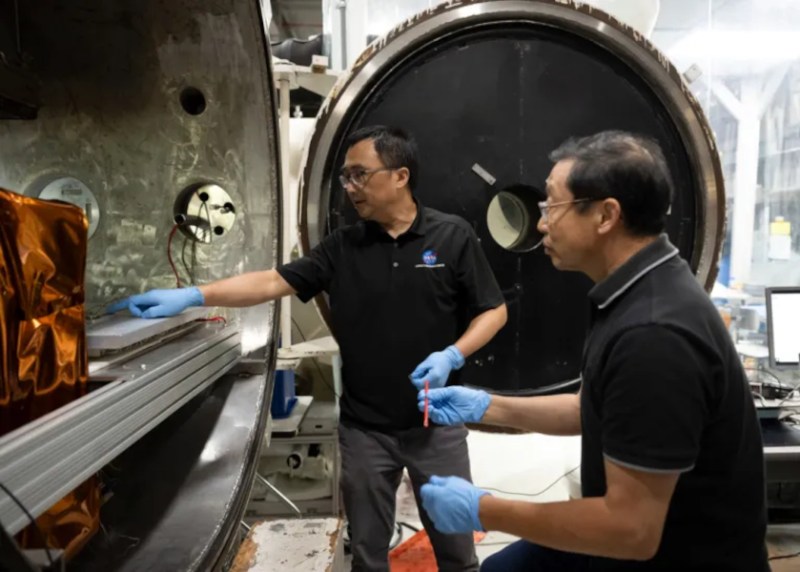
One of the major limits of mass-produced batteries is the electrolyte. From lead-acid to lithium ion, there’s some temperature where the electrolyte will freeze and cause all sorts of problems, from cracked casings to various non-favorable chemical changes in the battery itself. But if there’ a solid electrolyte available, many of the downsides of charging and discharging batteries in extreme cold disappear. These batteries developed by NASA, for example, can survive some wild temperature swings.
The electrolytes used for these batteries are either a ceramic or polymer electrolyte, both of which are solid. In testing, the batteries could meaningfully operate at temperatures of -60° C and up to 80° C on the high end. Further, the solid electrolyte helps protect them even outside of these temperature ranges. Bringing the battery temperature down to -170° C was not enough to damage the battery at all, and using a small heater to bring the temperature back up to its operating range showed no capacity losses or other issues.
These batteries are eventually intended for use in some of the coldest places outside of Earth still accessible to humans (in theory) such as the south pole of the Moon where the temperatures regularly get that cold and stay cold for long periods, especially in permanently-shadowed craters or places on the Moon we might want to put some telescopes eventually. There are other terrestrial situations where these batteries might be useful as well, since they don’t need as much thermal management as other battery types.
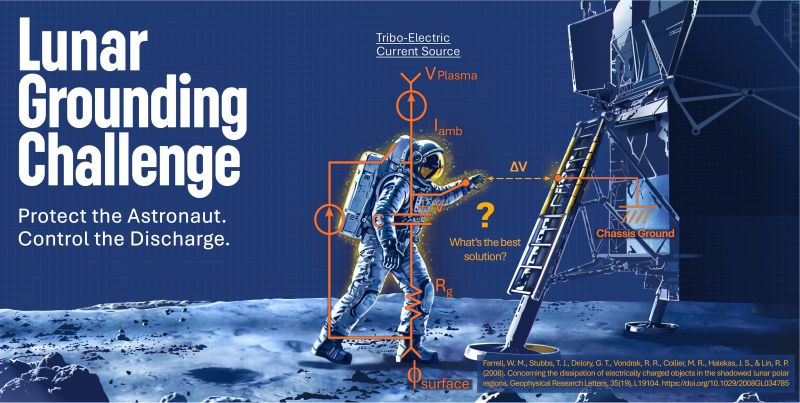
One could make a joke about how an astronaut walking on the lunar surface is rather akin to a cat walking on the carpet in the living room, but out in space the resulting triboelectric discharge can do a lot more damage than just some stinging fingers and a bemused looking cat.
The problem that NASA and other space agencies are dealing with is that the charge that builds up on a lunar-walking astronaut is very hard to equalize with something like a lunar lander. For this reason they have now set up the Lunar Grounding Challenge to consult the public whilst dangling $150,000 of rewards in front of anyone ready to pounce with a good idea.
Here on Earth we got many ways in which we can get rid of such an unwanted charge, with dry winter weather demonstrating quite effectively why humidity is a crucial factor here. With no real atmosphere on the Moon, each astronaut thus becomes a walking capacitor, which is worsened when said astronaut ventures outside of the sunlit areas and then returns to the slightly positively charged lander.
The challenge here is thus to equalize the astronaut and lander, with a design specification of a -100 kV or higher astronaut and about 100 V lander. A resulting current should not exceed 1 mA, ideally less than 0.2 mA to remain below human perception levels. If an arc exists it should not contact the suit or astronaut.
Of course, the most low-tech solution would be to use a resistor to limit the current, but at those voltage ranges it would take an awful long time to bleed off, in an environment that’s basically a perfect insulator as space will never be cold. It definitely seems like a fun challenge to sink one’s fangs into.
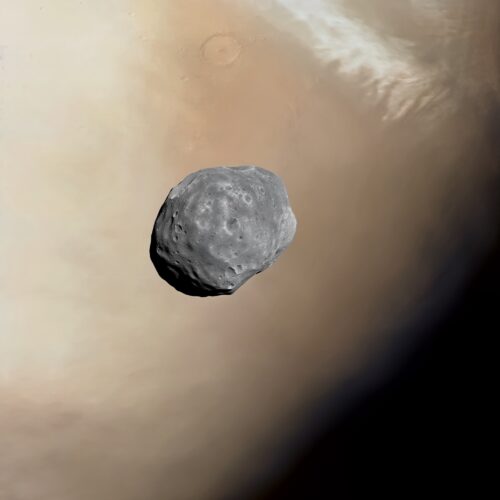
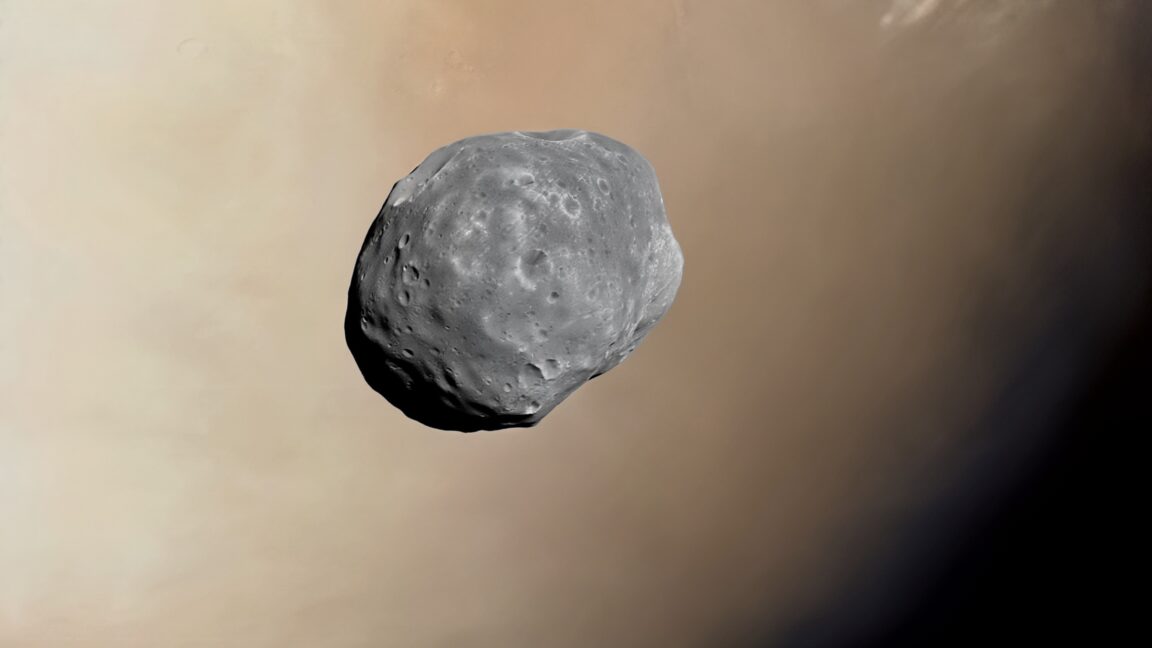
Japan launched a $578 million mission Monday on a five-year expedition to land on the largest moon of Mars and retrieve samples for return to Earth, a daring international project that could yield new insights into the formation of the Solar System.
The robotic Martian Moons eXploration mission, known as MMX, lifted off at 3:41 pm EDT Monday (4:41 am Japan Standard Time Tuesday) from Tanegashima Space Center in southern Japan.
The MMX spacecraft rode into orbit atop a 207-foot-tall (63-meter) H3 rocket, Japan's flagship launch vehicle. The rocket assigned to MMX debuted a new souped-up configuration with four strap-on solid rocket boosters, full-throttle main engines, and an extended payload shroud to accommodate the demands of Japan's heaviest and most ambitious interplanetary mission to date.
Most planetary scientists will tell you the heyday of Venus exploration was more than a generation ago. That is about to change.
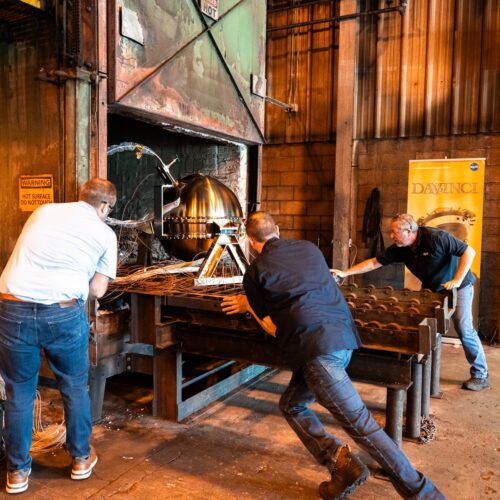
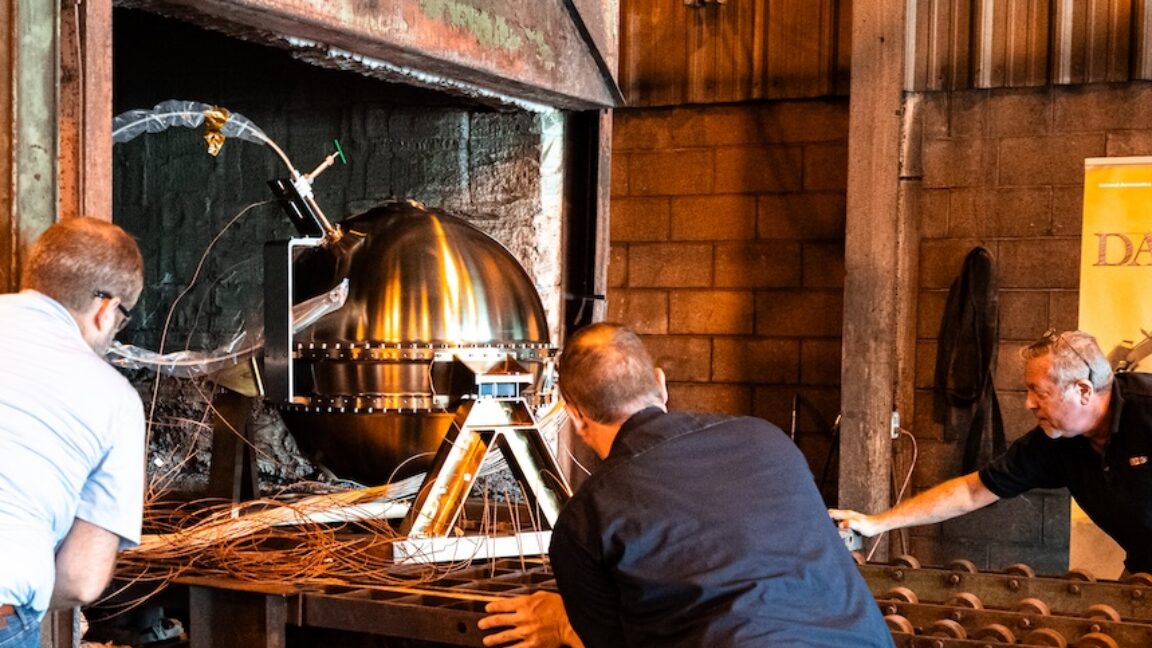
Two NASA missions are on track to launch to Venus in the early 2030s. The first, known as the Deep Atmosphere Venus Investigation of Noble gases, Chemistry, and Imaging (DAVINCI), is now scheduled for launch in December 2030, a year earlier than previously planned. DAVINCI will send a parachute-assisted descent probe through the atmosphere of Venus, returning the first direct images of the planet's surface since 1982. A second mission, Venus Emissivity, Radio science, InSAR, Topography, And Spectroscopy (VERITAS), will follow with a launch in November 2032 to map the Venusian surface by radar from orbit.
The European Space Agency is building another orbiter, Envision, for launch to Venus in 2032. The Venus armada might get started as soon as next year, when Rocket Lab aims to launch a privately funded probe to search for signs of organic material in the planet's clouds.
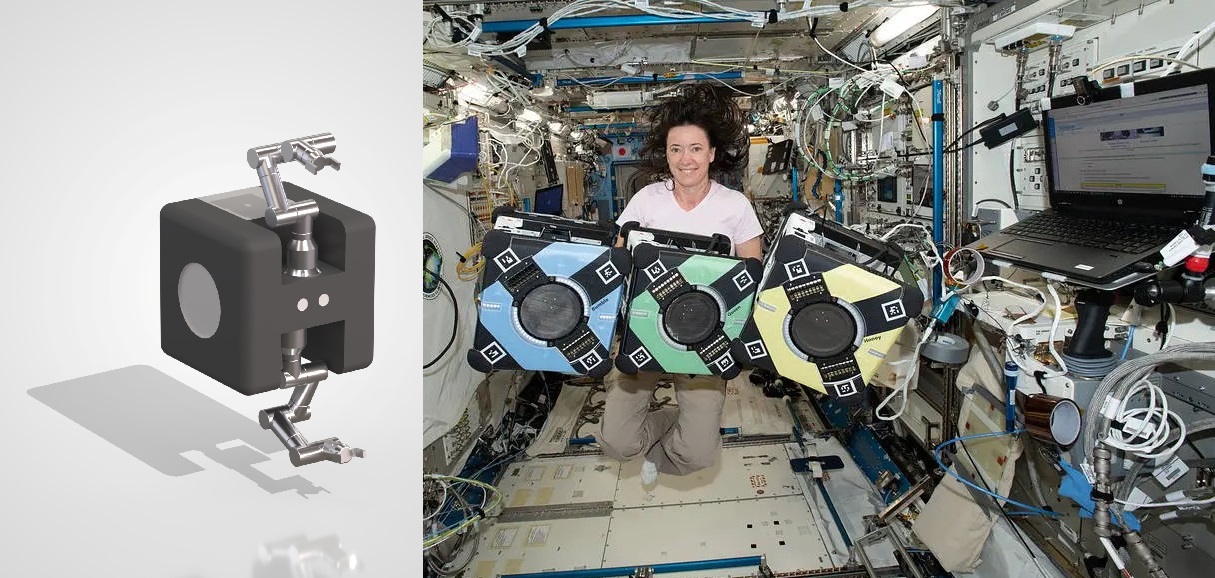
An illustration shows an Astrobee free-flying robot equipped with Orbital Robotics’ arms, at left. NASA astronaut Megan McArthur shows off three Astrobees aboard the International Space Station, at right. (Credits: Orbital Robotics for illustration at left, NASA for photo at right)
A free-flying NASA robot aboard the International Space Station will soon demonstrate a system for capturing and servicing satellites in orbit, using a pair of autonomous robotic arms built by Seattle startup Orbital Robotics.
“This demo will prove our ability to capture, manipulate and upgrade satellites on orbit, moving humanity one massive step forward towards reusable satellites,” Orbital Robotics CEO Aaron Borger said today in a news release.
Borger told GeekWire that the company plans to send its robotic arms to the space station in the third quarter of 2027. Three separate demonstrations would be conducted, each about a month apart, he said.
The mission will mark a major milestone for Orbital Robotics, which was founded in 2024 by Borger and other veterans of Jeff Bezos’ Blue Origin space venture, including lead hardware engineer Riley Mark, lead software engineer Sohil Pokharna and adviser Doug Kohl. Orbital Robotics has been developing arms controlled by artificial intelligence for use on free-flying spacecraft, and this will be the company’s first opportunity to prove out its capture technology and autonomous control software together in microgravity under real spaceflight conditions.
The demonstration is a joint effort with Arkisys, NASA’s sustaining and maintenance partner for the Astrobee program, which will provide integration support and in-space platform infrastructure. A successful demo would boost confidence that free-flying robots equipped with Orbital Robotics’ arms could conduct satellite servicing missions.
“Free flight proves you can get there, manipulation proves you can do something once you arrive,” Arkisys CEO David Barnhart said. “Pairing Astrobee with Orbital Robotics’ arms creates a powerful proxy for the servicing and assembly operations that will shape the future ISAM [in-space servicing, assembly and manufacturing] economy.”
Three cube-shaped Astrobee robots — nicknamed Bumble, Queen and Honey — are currently available for testing aboard the ISS. In 2024, one of the Astrobees was outfitted with a set of tentacle-like arms that grabbed onto a boxy cube to demonstrate the system’s gripping ability. Borger said the Orbital Robotics / Arkisys demo would be similar to the tentacle test.
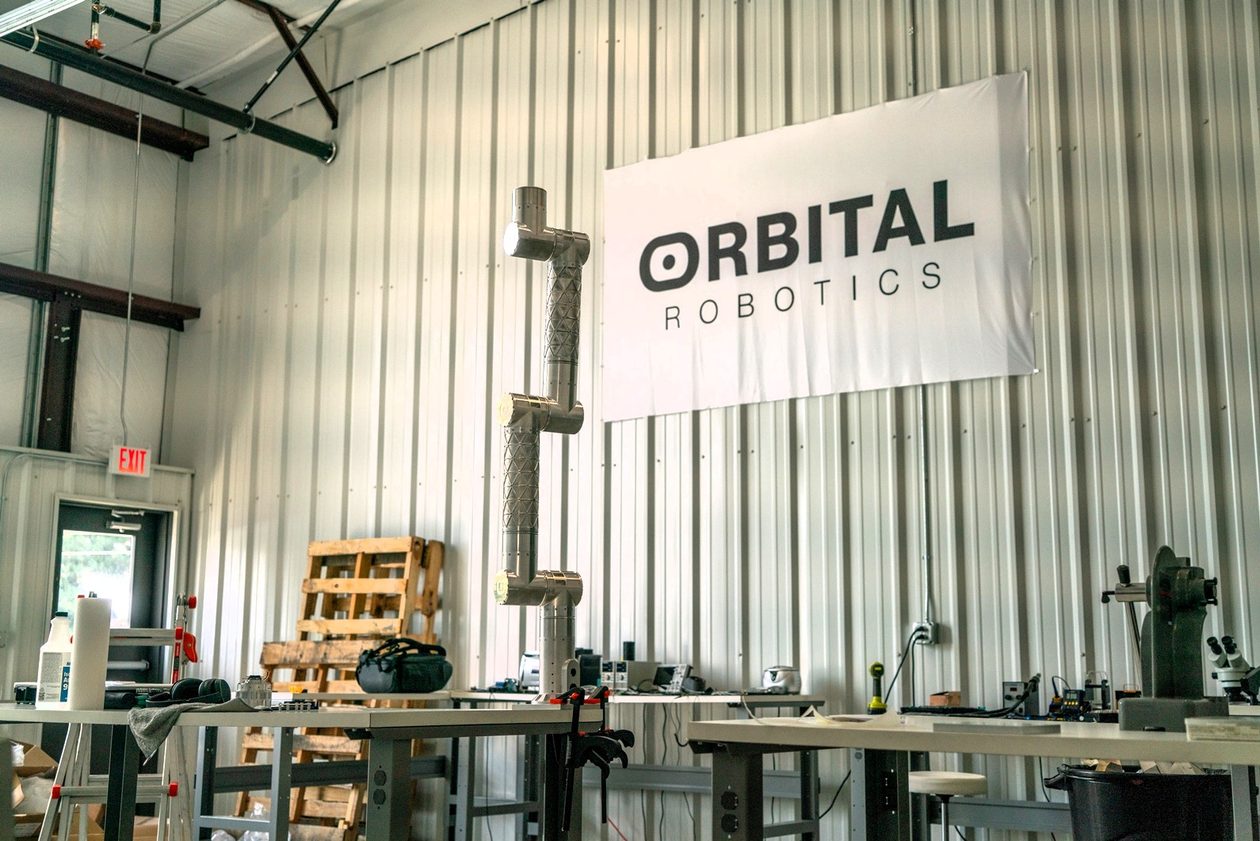
Orbital Robotics’ arms for the Astrobee demonstration will be scaled-down versions of the ORA-A arm that the company has built in its Seattle lab, Borger said.
Orbital Robotics’ next-generation ORA-A robotic arm rises from its workbench in the company’s lab. (Orbital Robotics Photo)
“The arms will be sent up to the ISS and then installed onto one of the Astrobees by the crew,” Borger said in an email. “The Astrobee with the arms will then demonstrate the capture and servicing on a second Astrobee that is already on the ISS. … After the capture, we will replace a simple compute module we will launch and integrate with the Astrobee being captured.”
Borger said the ISS demonstration is an internally funded program. “We are paying for the launch and demonstrations with Arkisys as our implementation partner through their Space Act Agreement with NASA,” he said.
After the demonstration, the arms will remain available aboard the ISS to assist astronauts with moving cargo, to automate simple tasks involving robotic manipulation, and to provide opportunities for roboticists to conduct follow-up experiments.
NASA and its commercial partners are already preparing for the next step in space robotics: The Fly Foundational Robots mission, due for launch in late 2027, will deploy a satellite equipped with a commercial robotic arm for demonstrations of in-space servicing tasks.
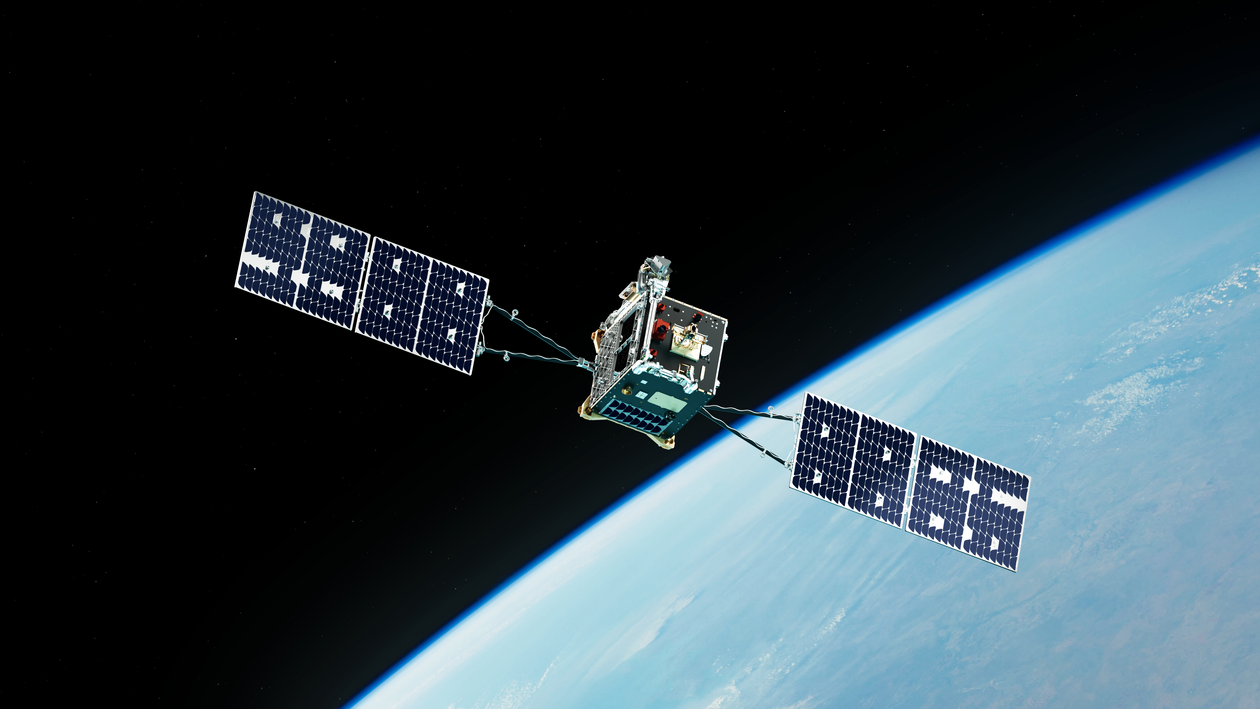
An artist’s conception shows Starfish Space’s Otter spacecraft in orbit. (Starfish Space Illustration)
Tukwila, Wash.-based Starfish Space is ready for the first launch of its full-size Otter space servicing vehicle, following two orbital tests of scaled-down prototypes.
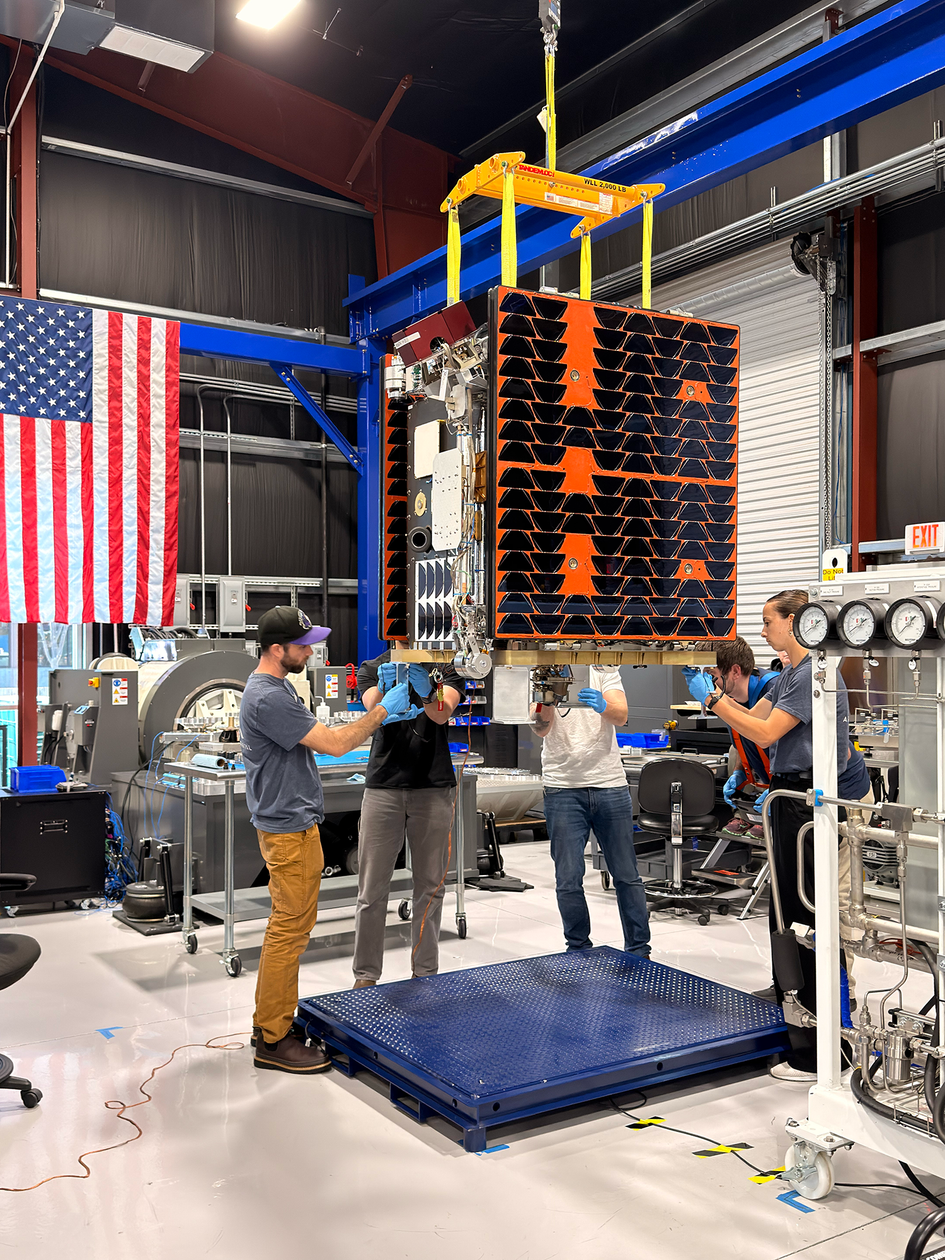
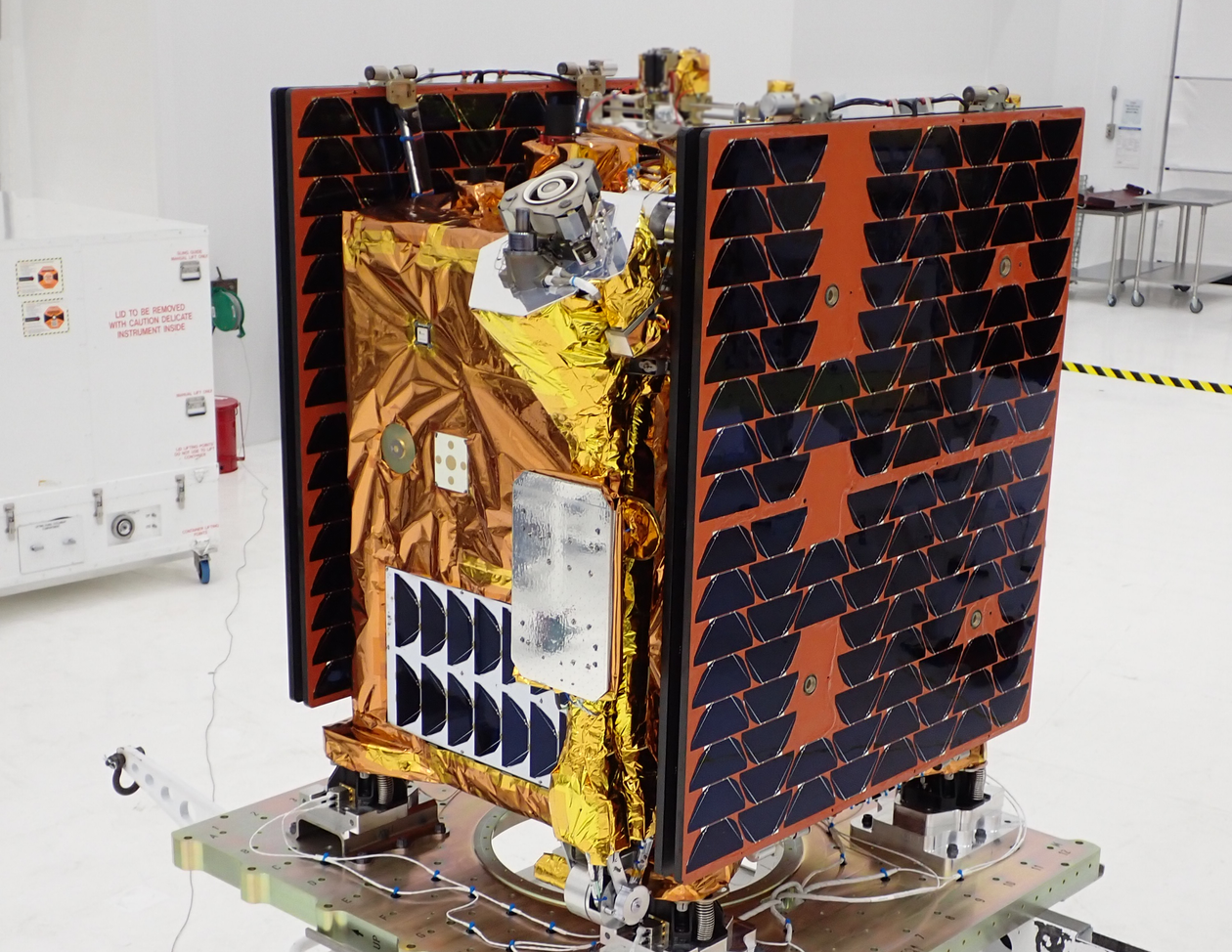
Otter is due to lift off from California’s Vandenberg Space Force Base no earlier than Oct. 1, riding into orbit alongside other payloads on SpaceX’s Transporter-18 satellite rideshare mission. The 660-pound (300-kilogram) spacecraft, roughly the size of a kitchen oven (plus solar arrays), will demonstrate technologies for inspecting inoperable satellites during NASA’s $15 million Small Spacecraft Propulsion and Inspection Capability mission (SSPICY).
“This is the moment Otter becomes real,” Starfish co-founder Austin Link said today in a news release. “It’s no longer something we’re designing for the future. The first Otter is built, it has a customer and a mission, and it’s going to space.”
After it separates from its SpaceX Falcon 9 rocket and undergoes commissioning, the spacecraft will maneuver to approach and observe multiple satellites up close.
“We have a series of candidates that we can go to,” Starfish’s other co-founder, Trevor Bennett, told GeekWire. “We’ve actually studied a number of these satellites as potential candidates, and those will be selected once we’re in orbit. … These are spacecraft that are in family with satellites that NASA would be interested in servicing, and by being decommissioned satellites, there is no concern about trying to maintain the operational mission while we do our mission.”
Insights gained during the SSPICY mission will be applied to future missions that would involve docking with other satellites. Otter is built to service satellites for extended operations, or to dispose of them if they’re no longer operable.
“Success in the mission is to actually go and provide this commercial inspection service on a number of these different spacecraft, and that will be a huge win in and of itself,” Bennett said. “But we’re also bringing Otter along to provide servicing well beyond that, so we could go and inspect more spacecraft, or potentially do some additional docking past the initial mission.”
Bennett said the satellites on the list range in size from hundreds of kilograms to multiple tons.
“What’s really interesting about some of these spacecraft is that they have not been seen in a long time,” he said. “And so there is not only value in doing the commercial mission that we set out to do, but we provide some of that data back to NASA and say, ‘This is how your spacecraft have held up over the years in orbit’ — which is an interesting learning for them as well.”
How long will the SSPICY mission last? Bennett said that’s an open question. “Depending on how long each inspection takes, and how long the transit is to subsequent spacecraft, it’s probably a couple of years that we would be operating around multiple clients with this mission,” he said. “There’s always an opportunity for an extended mission here.”
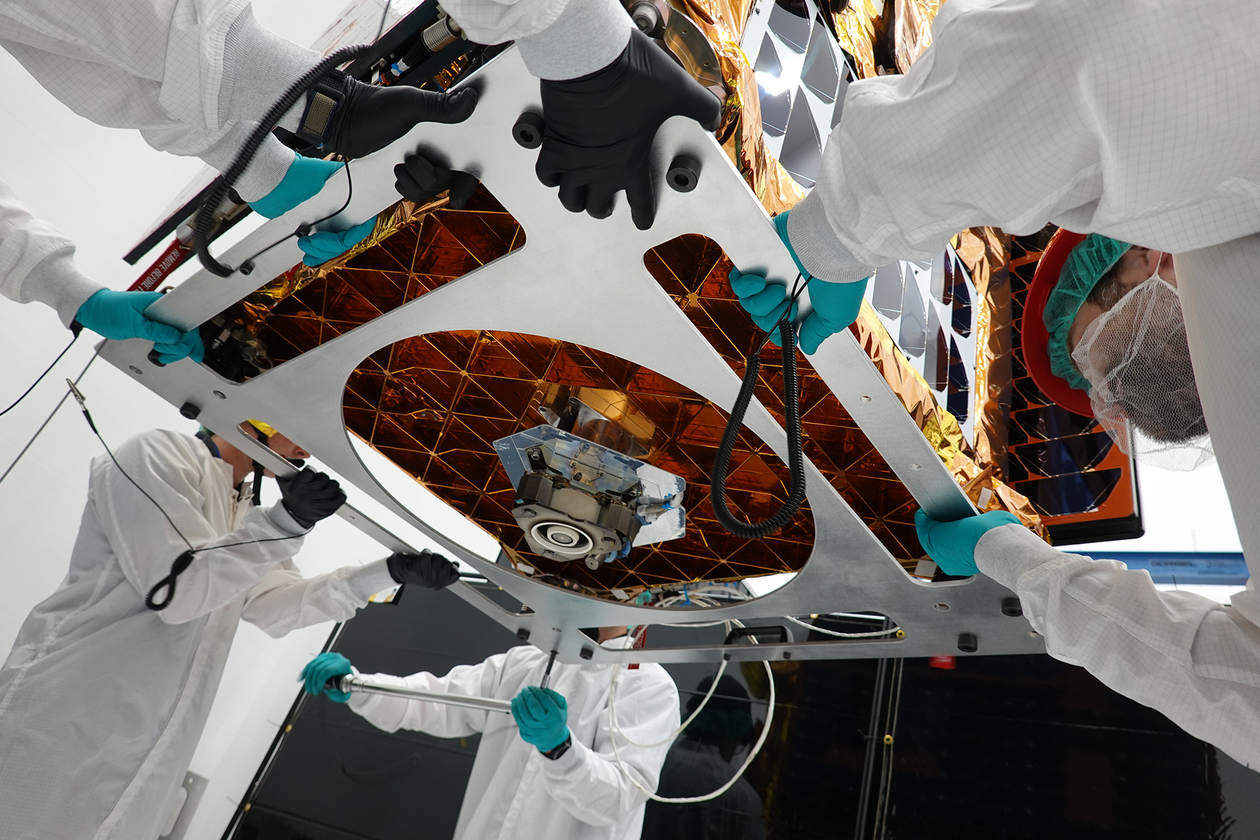
The Otter spacecraft is maneuvered into position in a clean-room setting. (Starfish Space Photo)Workers carefully position the Otter spacecraft in their workshop. (Starfish Space Photo)Starfish Space’s first Otter spacecraft sits on a platform with its solar arrays folded during preparations for launch. (Starfish Space Photo)
This won’t be the first Starfish spacecraft to go into orbit. The startup, which Bennett and Link founded in 2019 after working at Jeff Bezos’ Blue Origin space venture, launched an Otter Pup prototype that was about the size of a microwave oven in 2023. Although technical difficulties prevented the spacecraft from docking with its target satellite, it successfully demonstrated Starfish’s satellite-tracking system.
A second Otter Pup was launched last year and is currently closing in on a different target satellite. “We have been in the vicinity with it since about June, and we’re consistently flying quite close to that spacecraft with the intention of Otter Pup 2 actually being a docking mission,” Bennett said.
That means Starfish is working on at least six Otters, including the unit due for launch in October. “Now it’s all about how many Otters can we build, and how quickly can we get them up there for folks, because the demand is there,” Bennett said.
He said it currently takes about a year and a half for each Otter to go through the entire manufacturing process. “Part of our goal is to speed that process up and build toward a fleet strategy,” Bennett said.
Expanding the workforce is central to that goal. Just a few months ago, Starfish Space reported having more than 90 employees. “We’ve grown to over 120 people now, which is pretty large for where we have been over time, but it’s still a really focused team,” Bennett said.
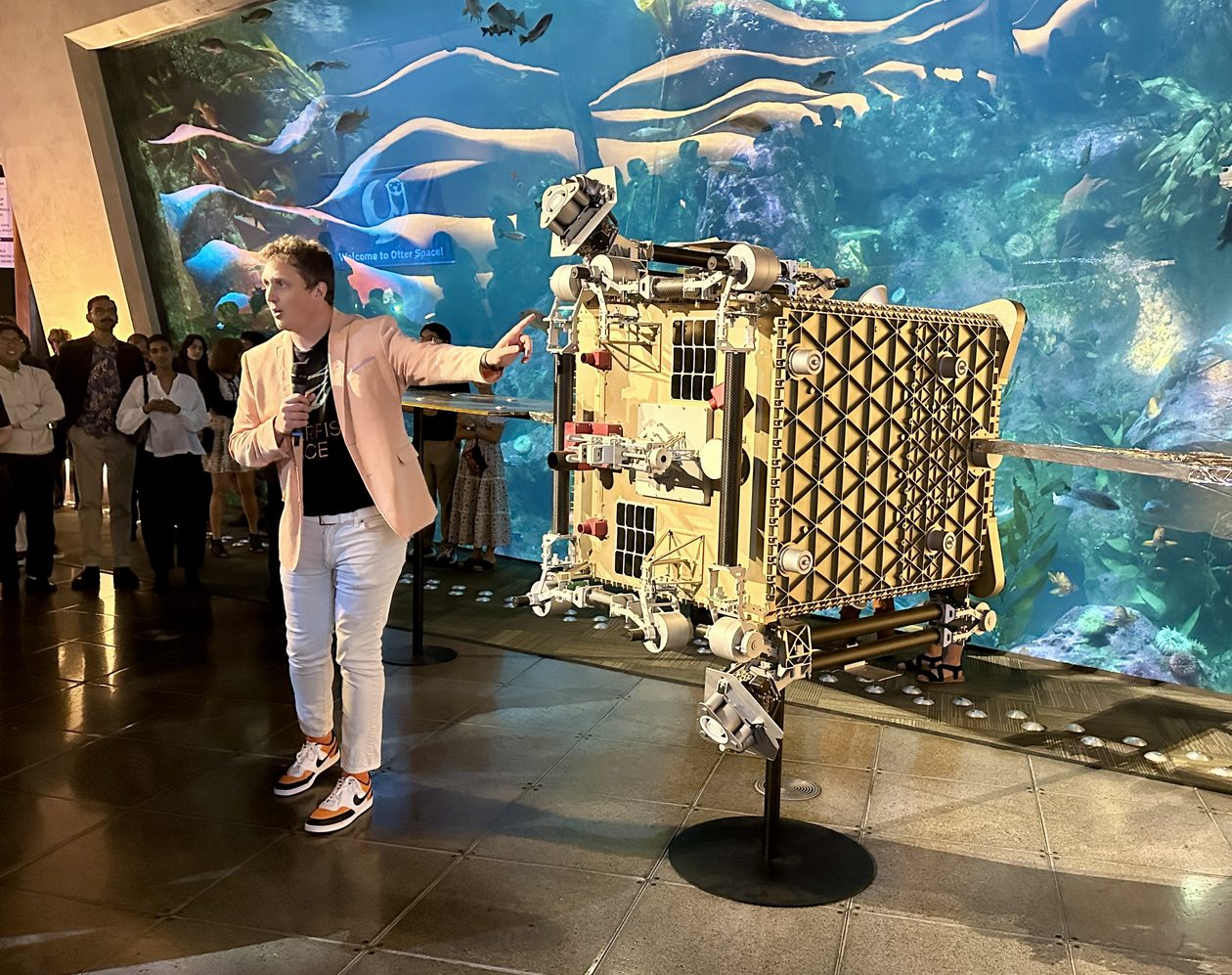
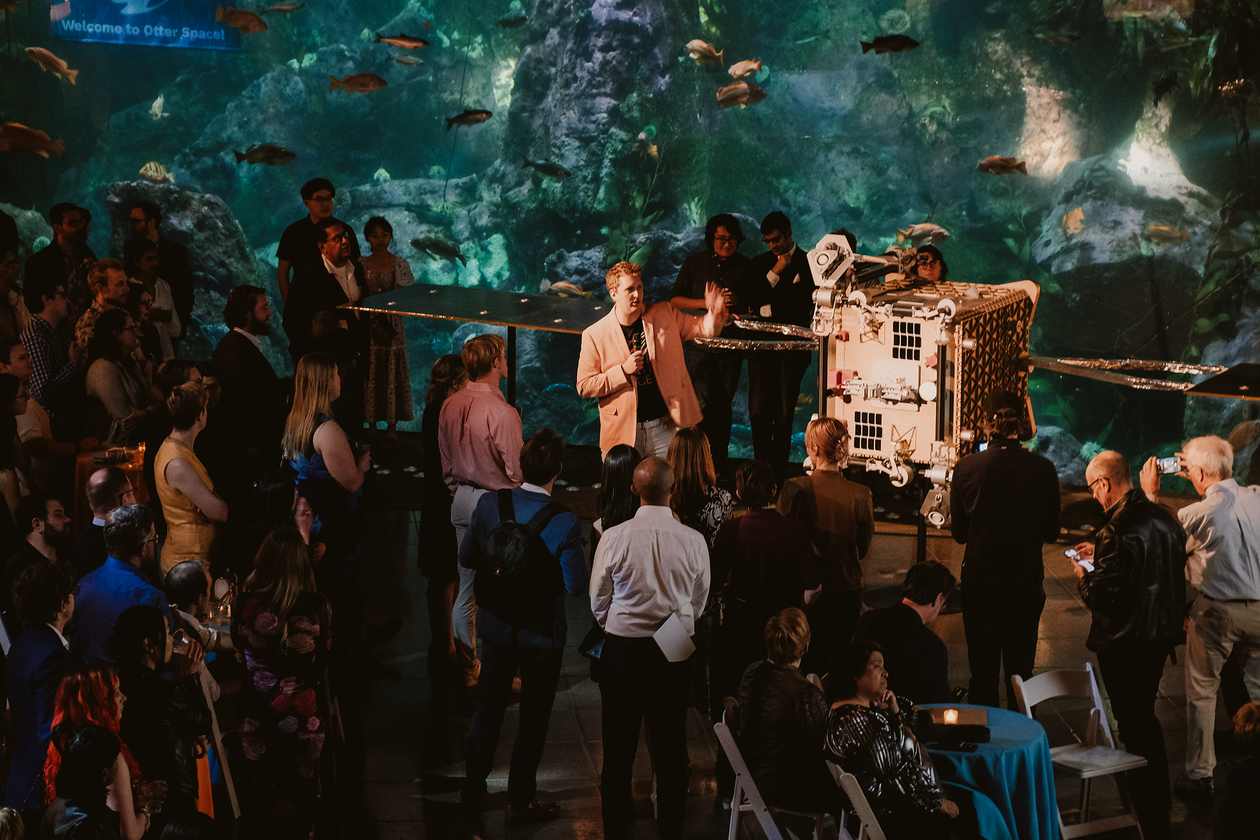
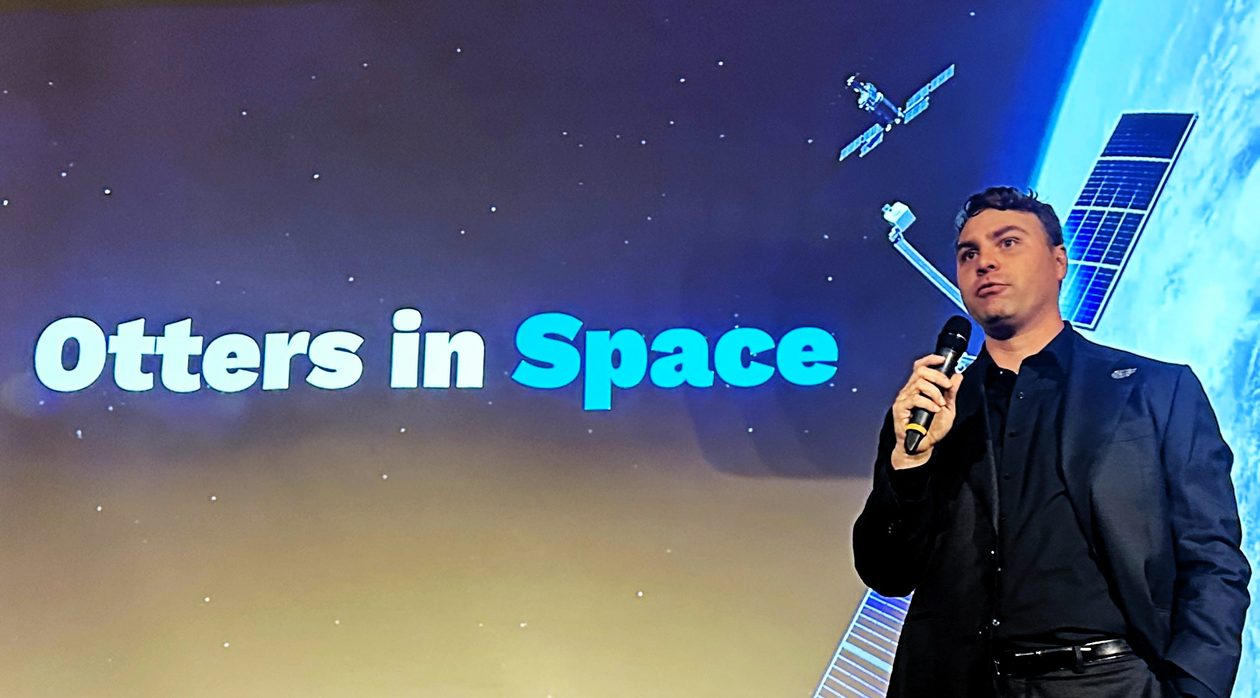
To celebrate Otter’s upcoming debut, Starfish Space put on a party for its employees and for invited guests at the Seattle Aquarium on Wednesday night. The spacecraft itself couldn’t be there, because it’s already in California awaiting launch. But an Otter mockup was on display at the party — and nearby, the Seattle Great Wheel was illuminated in Starfish’s corporate shades of coral and azure.
“This is a big deal for Seattle,” Bennett said. “Anytime a Seattle space company is able to make a meaningful difference in the larger space ecosystem, that’s worth celebrating. If we can splash other companies’ colors on there when they have their great moments, why not make that a tradition going forward? We’re happy to be the first, and hopefully not the last, that gets to splash colors on a Ferris wheel and show off what the Seattle space community has to offer.”
Check out these snapshots from Wednesday night’s celebration:
Starfish Space co-founder Austin Link shows off a replica of the Otter servicing spacecraft. (GeekWire Photo / Alan Boyle)A crowd gathers around Starfish Space’s Austin Link to get a closer look at the Otter replica. (Starfish Space Photo)Starfish Space co-founder Trevor Bennett talks about the future of the Otter space program. (GeekWire Photo / Alan Boyle)Hans Koenigsmann, a veteran of SpaceX who now serves on the board of Kent, Wash.-based Stoke Space and serves as an adviser to other space companies, talks about the early days of SpaceX at Starfish Space’s celebration at the Seattle Aquarium. The launch of a SpaceX Falcon 1 rocket is shown on the screen behind him. (GeekWire Photo / Alan Boyle) Seattle’s Great Wheel is lit up in Starfish Space’s corporate colors, coral and azure, during the space company’s celebration at the Seattle Aquarium. (Starfish Space Photo)

 Login