You can now download the final, finished version of macOS 27 Golden Gate and install it on your Mac at home. This comes after months of beta testing which saw developers and public beta program members put the update to the test.
Apple’s macOS 27 Golden Gate software update is closer than ever to being released to the public later this month. Now, developers can download the first Release Candidate update via either the OTA method.
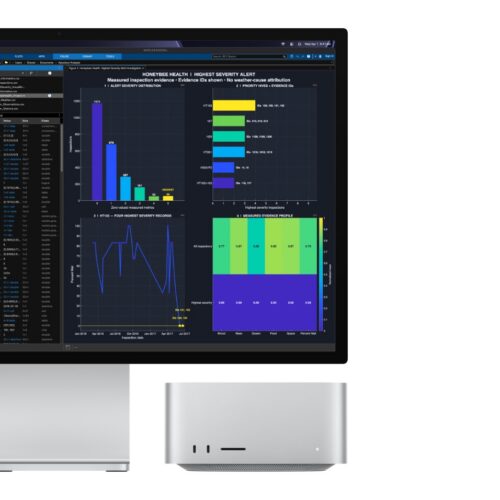
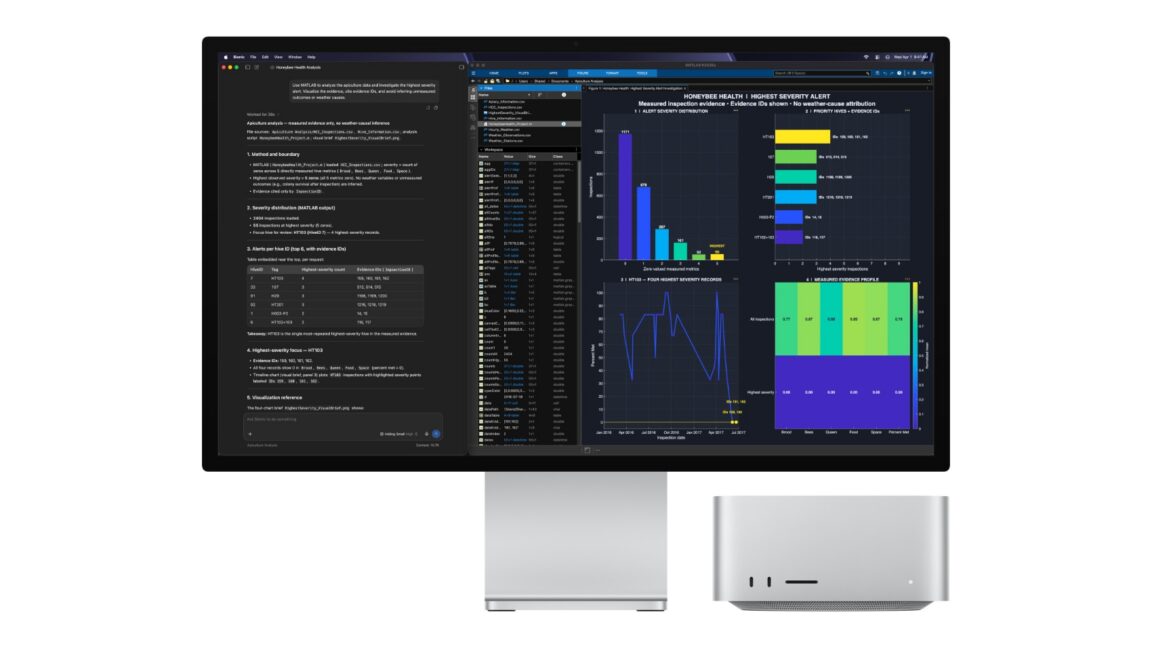
According to The Information (paywalled), Apple reportedly moved up the release of new Mac mini and Mac Studio models after unexpectedly strong enterprise demand for Macs capable of running AI workloads. MacRumors reports: Apple normally releases new Mac models in the autumn, closer to October or November, making this week's announcement unusually early, falling just before the anticipated arrival of new iPhone models. The Information says that the AI-driven boom in Mac Studio and Mac mini sales is behind the early launch. Apple noticeably promoted the ability to link multiple Mac Studios together into a single, more capable system for running large frontier AI models, a feature aimed at business and developer customers rather than everyday consumers.
Apple highlighted the Mac mini and Mac Studio's shift toward business buyers in June, with a "Business at the Park" event involving executives from major companies Ford, Disney, and Anthropic. The Mac mini was said to be the "darling" of the event. Even so, enterprise's rush toward powerful desktop Macs more broadly took Apple by surprise.
The company reportedly did not possess an engineering team dedicated to business customers or staff focused on developer relations, and lacked an enterprise AI strategy. Businesses that approached Apple asking to buy access to the company's Private Cloud Compute infrastructure were reportedly turned down. Apple is instead leaning on partners such as WebAI and Mount Thor, which provide AI tools and execution environments built on Apple hardware.
Apple has now released iOS 27 beta 8 IPSW links for download, with an OTA update also on offer if you’d rather go that route. That means that registered developers can download the update right now using their chosen method.
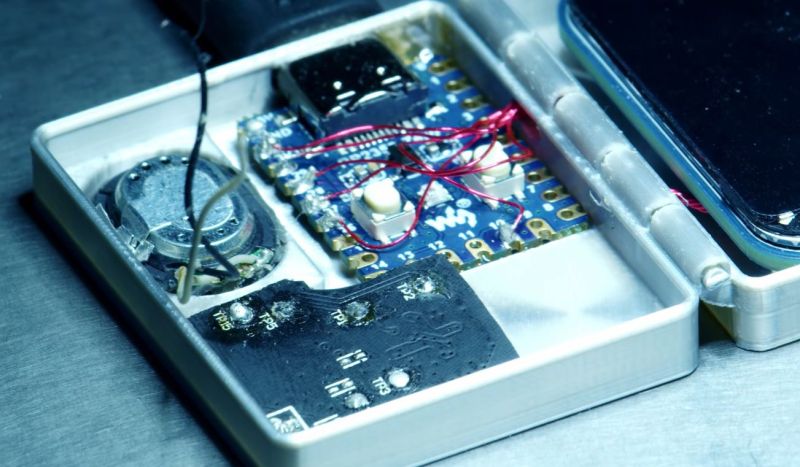
Recently [Tucker Osman] brought to life what once was just a meme created by the BBC as it poked fun at Apple’s push for ever smaller devices that also dropped many features along the path towards questionable innovation. This ‘Mactini’ was a super-small laptop, with just a single button that did everything, befitting the overpriced more-money-than-sense status symbol vibe that [Jony Ive] brought to Apple.
The input method suggested in the BBC video involves convoluted patterns using the single button, which would be functional, albeit cumbersome. Even as [Tucker] set out on this mission to make the Mactini real, he had to answer a lot of questions, while sticking to the rules that it had to follow the rough form factor of the original and have the same features.
In lieu of overcomplicating things, he opted to use a 1.69″ ST7789V2-based SPI LCD along with a small RP2350-based board from Waveshare for the brains. Rather than just slapping the LCD example for the Pico board on it as firmware, he actually used DMA to do the screen data copying, freeing up a lot of CPU cycles.
The rest of the hardware was cobbled together from e-waste parts, including an iPad speaker and an audio amplifier from a scrap board. Video was handled using Motion JPEG decoding for a not-horrible-framerate. All of this was put into a 3D printed case that was designed in FreeCAD, to make the Mac that [Ive] could only have dreamed of back in the 2000s.
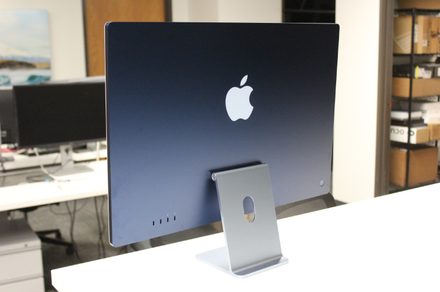
The Mac mini and Mac Studio occupy two distinct points in Apple's lineup of desktops, but lately, they've had something in common: They're popular for local AI inference and software development thanks to the advantages of their unified memory architecture and the fast CPUs and GPUs on their systems-on-a-chip.
Today, Apple announced new iterations of both desktops, along with two new chips: the M6, the first 2nm chip in Apple's M-series lineup for Macs, and the M5 Ultra, now the most powerful chip in the lineup for most things—especially AI workloads.
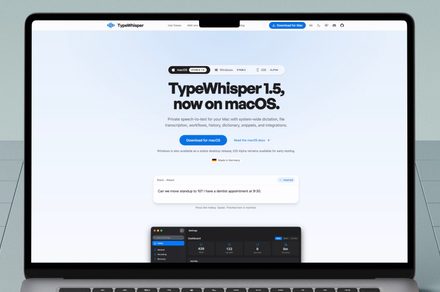
This free, local AI dictation app pastes your words straight into any app, no subscription, no cloud required, and it's shockingly accurate. Here's why I can't stop using it.
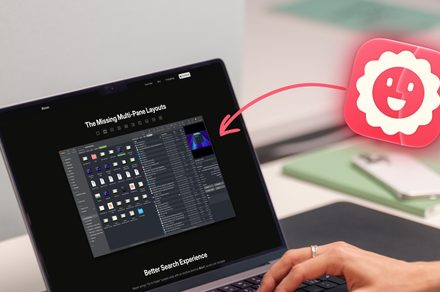
Finder never bothered me until I tried Bloom. Multi-pane layouts, a floating Portal, and smarter search made me realize how much time I was quietly losing every day.
Apple is reportedly planning new iCloud+ tiers for heavy Apple Intelligence users, offering additional AI features and expanded cloud resources for advanced tasks.

 Login
Login


 Recently [Tucker Osman]