Reading view

There are new articles available, click to refresh the page.

IMDb Adds 'Digital Creator' Profiles For the First Time

IMDb is introducing "Digital Creator" as a new professional category on IMDb and IMDbPro, giving streamers, vloggers, influencers, video essayists, and other online creators a "dedicated way to represent [their] work and connect with audiences, industry peers, and potential employers," according to IMDb. Variety reports: The category includes sub-professions to further specify their work, including "Streamer," "Vlogger," "Video Essayist," "Video Creator," "Gaming Creator" and "Influencer." The "Digital Creator" designation functions as a professional category on IMDb and IMDbPro. Creators can feature multiple professions on their page, so someone who is both a digital creator and an actor can "represent the full scope of their work in one place," per the company. No existing film or TV credits are required to establish a profile as a Digital Creator.

Read more of this story at Slashdot.

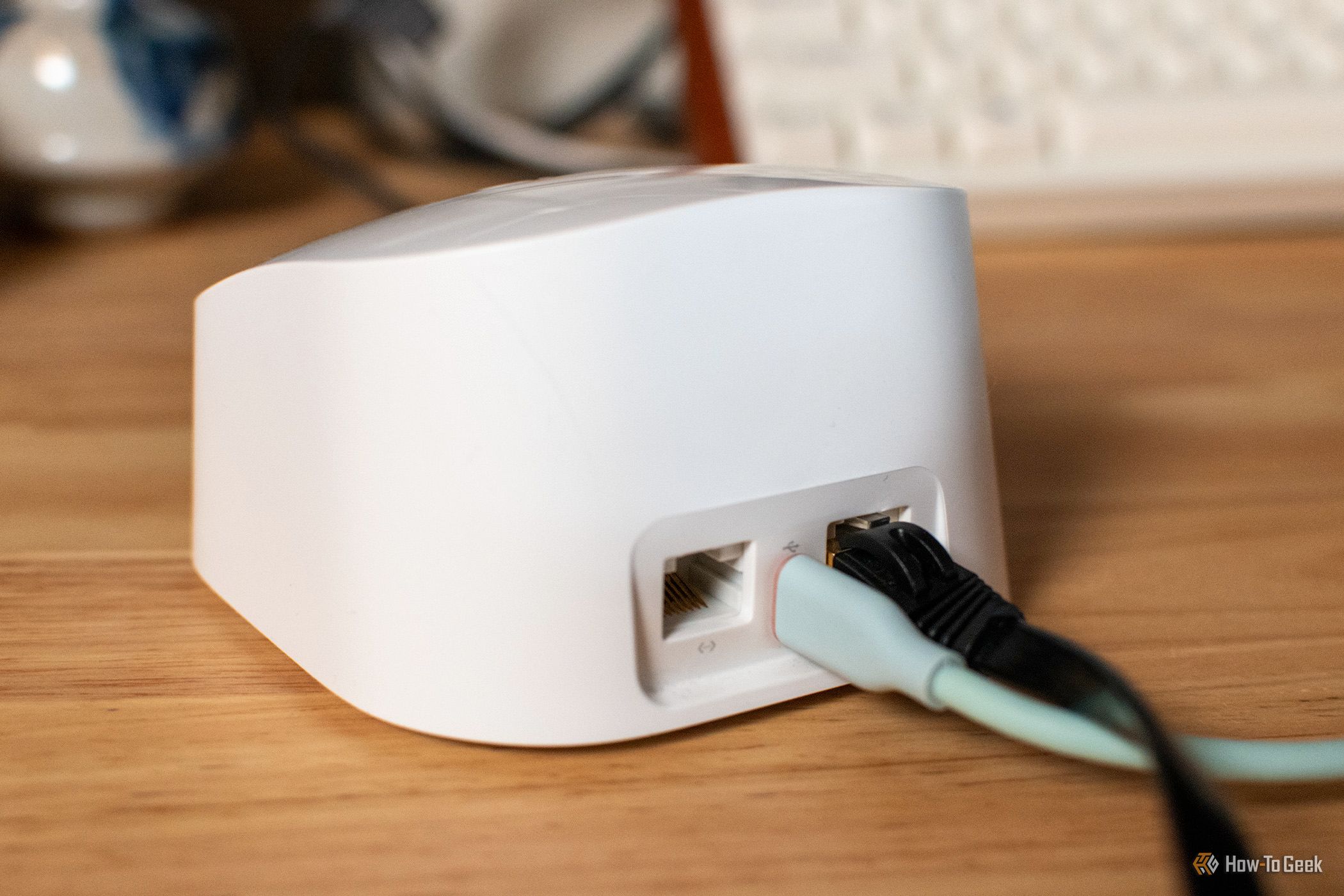
Why Ethernet ports survive abuse that USB ports never forgive

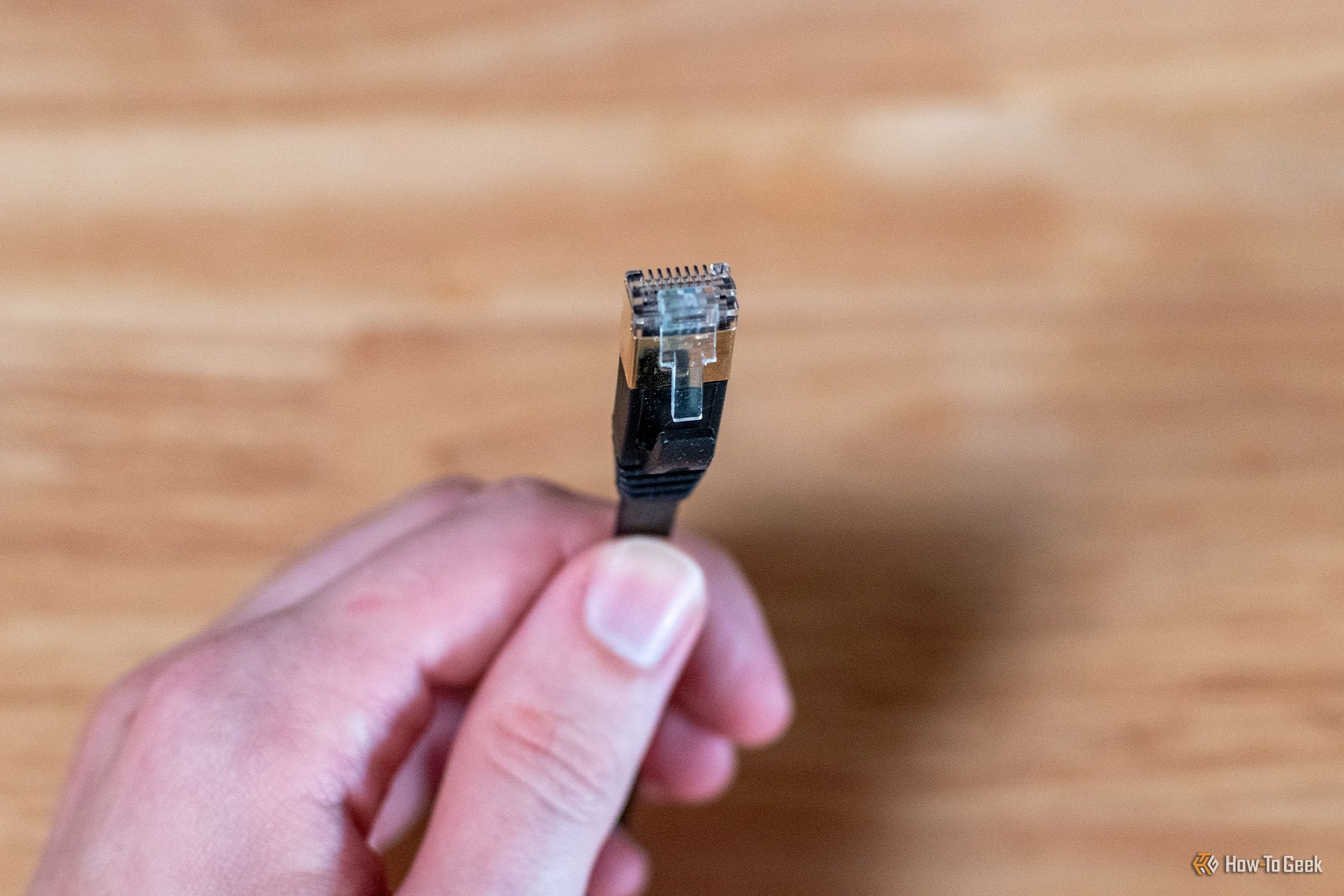
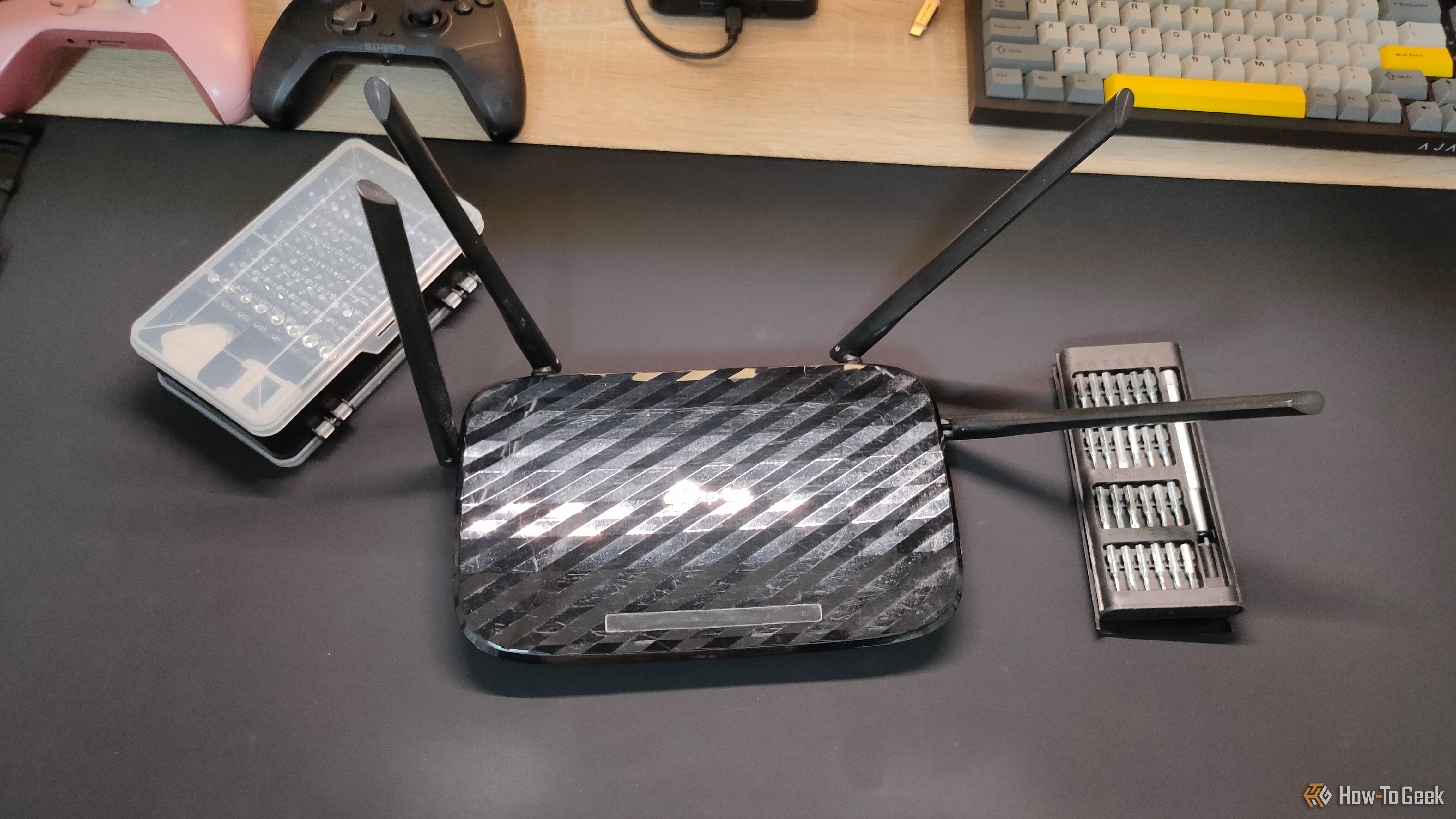
How careful are you when it comes to your PC's Ethernet ports? Because I gotta say, I've abused my fair share of both ports and connectors. I've yanked cables sideways, left them plugged in for years (even though they would've benefited from an upgrade), moved hardware around without disconnecting them first, and generally just taken them for granted. Most of the time, I got away with it.

Is your Ethernet cable too long? Here's what happens when you go beyond the limit

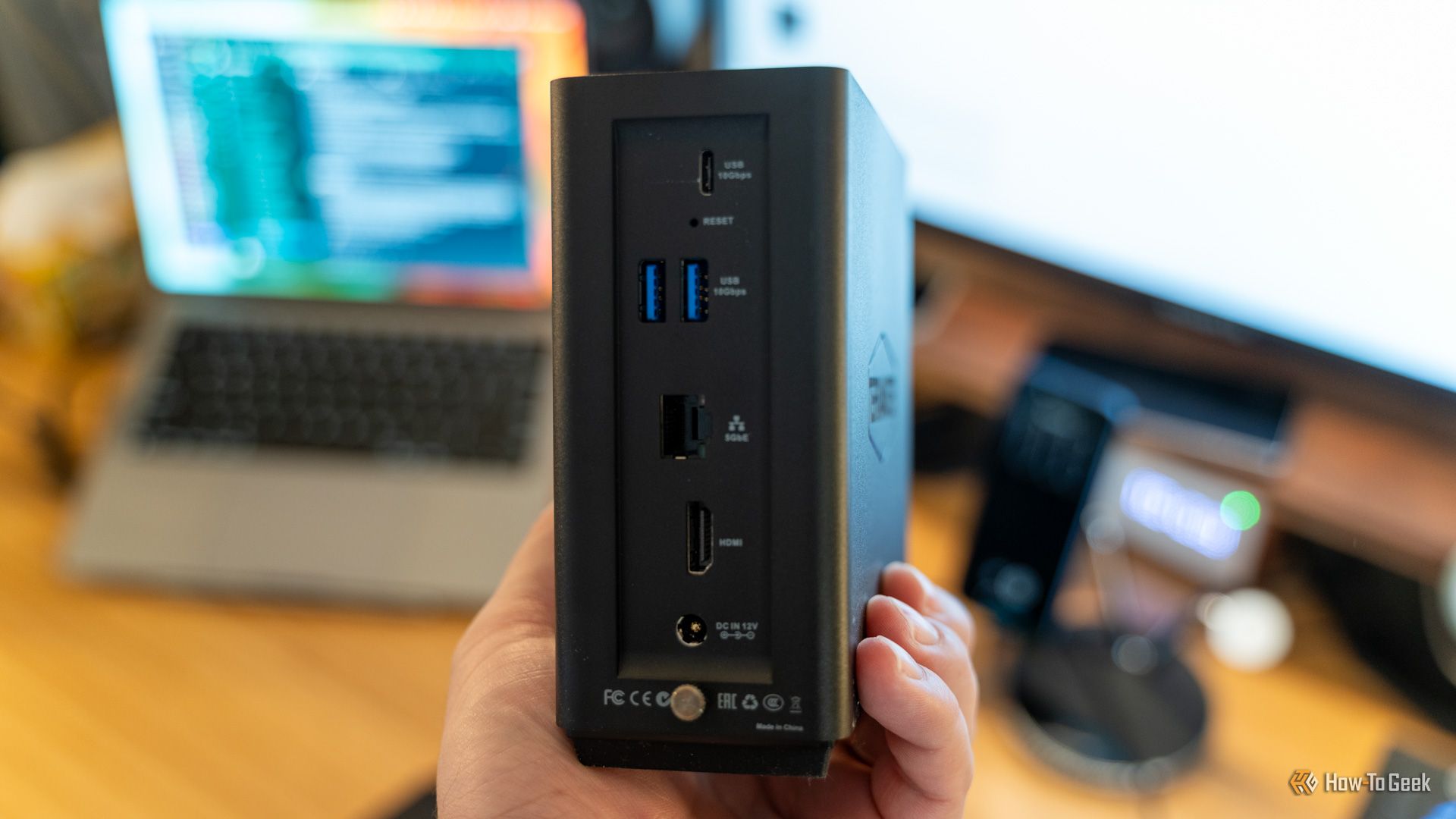
If you want a fast, stable connection, and you want to do it properly, you go wired. We all know this, but just because wired is the right answer doesn't mean there's no wrong way to do it. If you traipse one long cable all around the house and out to the annex, you may hit a wall you didn't know existed. Ethernet has a hard distance ceiling, and once you pass it, things will start going wonky.

Four Major AI Models Suffer Rare Overlapping Downtime

ChatGPT, Claude, Grok, and Gemini all suffered significant service disruptions within roughly the same few-hour window Thursday morning. OpenAI and Anthropic reported elevated errors and later restored service, while Grok remained impaired and third-party monitoring indicated a likely Gemini outage despite no public acknowledgment from Google. Ars Technica reports: Other major Internet services, including Amazon Web Services, Microsoft Azure, and Cloudflare, have not reported any major issues as of press time Thursday, though issue reports on DownDetector did spike somewhat for all three this morning. While the affected frontier models go down occasionally, having all four experience interruptions in the same short period is practically unheard of. Claude reports 99.4 percent uptime for its services over the last 90 days and last reported a similar three-hour "partial outage" on August 24. OpenAI reports 99.63 percent uptime for ChatGPT and 100 percent uptime for ChatGPT Codex in the same period. ChatGPT's so-called "Work Mode" reported an hours-long period of "elevated latency" on August 31.

Read more of this story at Slashdot.

Self-Hosting Offline Websites

If there’s one thing that’s guaranteed in the tech world it’s that nothing is guaranteed. From AOL, Netscape, Yahoo, and MySpace, every tech empire seems to eventually fall to ruin. One method to reliably maintain information or online experiences that are lost to whims of computer users and markets is to backup, preserve, and host that information on one’s own computers, and the Kiwix project aims to help make offline backups of favorite websites.

The open-source tool started as a way for users to make their own offline backups of Wikipedia but eventually expanded into having the ability to backup many other sites as well. Wiki-type sites are generally the easiest, but it can also create backups of other sites like StackExchange so that when the Internet goes down or the site vanishes from the world, the information is preserved for use. There are plenty of guides online for setting up Kiwix as well, with it running easily on most Linux systems with or without the help of Docker, as well as versions available for Windows, Android, and Apple platforms.

Although the Kiwix software hosts the website backups, creating the backups needs to be done with another tool called Zimit to create the .zim files Kiwix uses. The Kiwix organization also hosts pre-downloaded .zim files of common websites so each user is not independently crawling Wikipedia on their own, a task that could take months on limited consumer hardware. As for what hardware to ultimately host it on, we might recommend an armageddon-proof machine like this one.

Elon Musk’s Starlink swagger, SpaceX vs. the cloud giants, and Seattle’s tech universe revisited

John Cook studies the 2009 Puget Sound Tech Universe map while recording this week’s GeekWire Podcast, with WTIA’s 2026 Washington Tech Universe map on the table behind him. (GeekWire Photo / Todd Bishop)

This week on the GeekWire podcast: SpaceX reports its first quarter as a public company, and Elon Musk says Starlink could deliver a majority of the world’s internet within a decade, leveraging production facilities in Redmond. Musk also explains the company’s data center ambitions, calling terrestrial infrastructure a trivial problem next to reusable rockets. 

Plus: we bring two Washington tech universe posters into the studio, 17 years apart. The 2009 original turns up gems including Boeing’s unlikely connection to Classmates.com, the 1990s forerunner to Facebook. It also brings back memories of Teledesic, the Craig McCaw venture backed by Bill Gates that tried to beam internet from space decades before Starlink.

Finally, the GeekWire Trivia Challenge returns with a timely question about Google’s origins.

Related stories and links

SpaceX’s first earnings call as a public company

Mapping Washington’s tech universe

GeekWire Trivia

Subscribe to GeekWire in Apple Podcasts, Spotify, or wherever you listen.

Audio edited and produced by Curt Milton.

❌