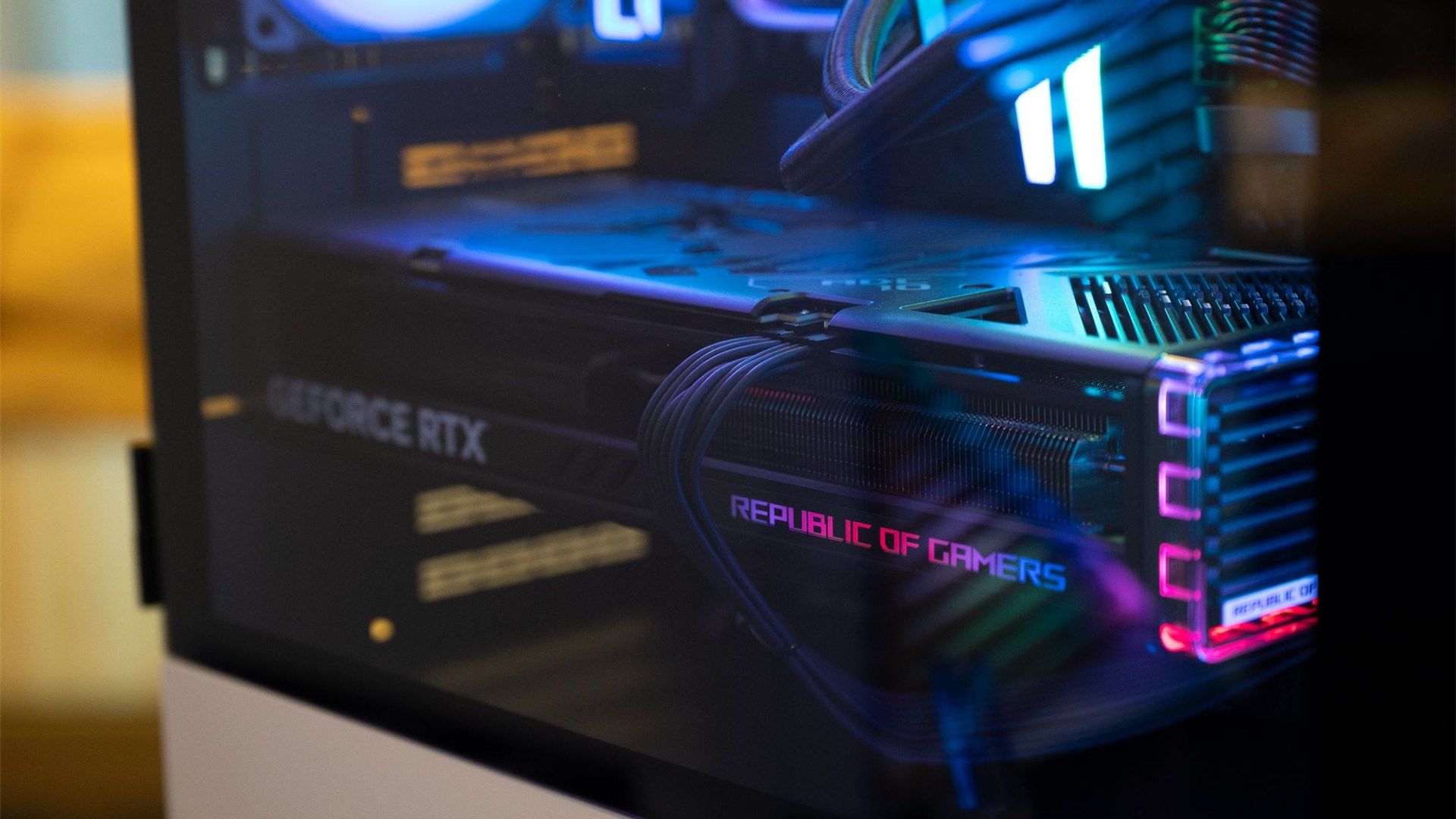
Once you've spent $2,000 on a new graphics card or a high-end CPU, your first instinct is probably to download a suite of benchmarking tools. You want to see the numbers, compare your score with other systems, and make sure you got what you paid for.
In the past, choosing between a wired and a wireless gaming mouse may have meant accepting a number of tradeoffs. These days, there's very little between them.
Then came the Meta (previously Oculus) Quest, a low-powered, low-cost headset that proved the vast majority of VR-curious gamers didn’t want to bother with being literally tethered to a bulky, expensive gaming PC. As the Quest line carved out a modest niche through the 2020s, Valve seemed more or less satisfied to let its earlier VR hardware and software ambitions wither on the vine.
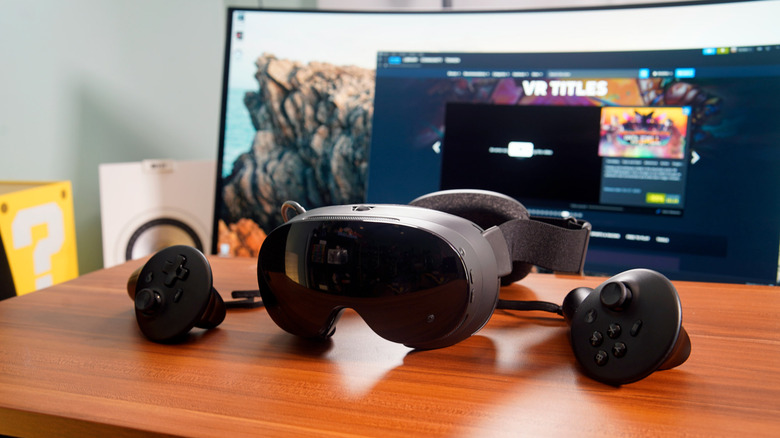
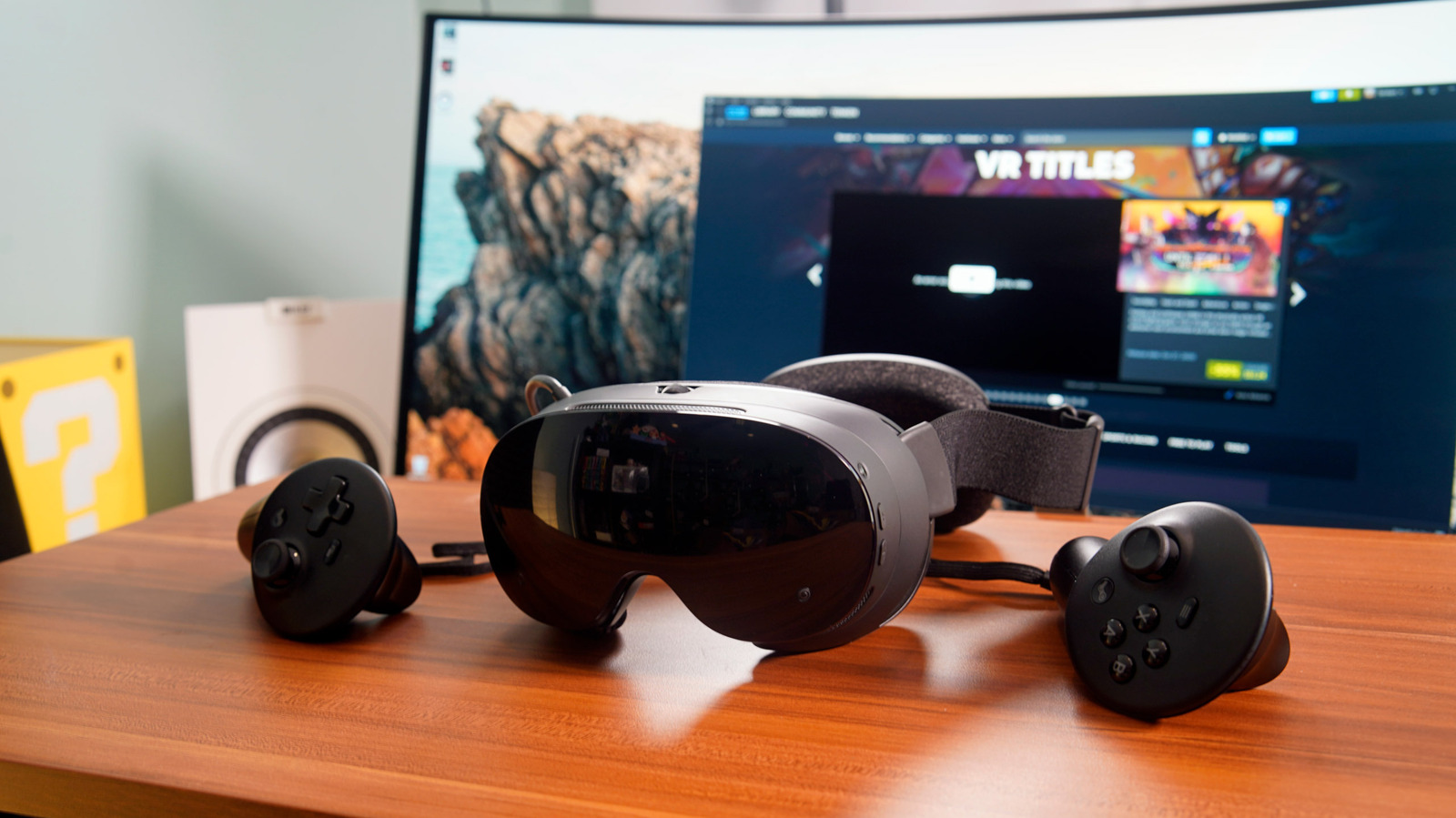
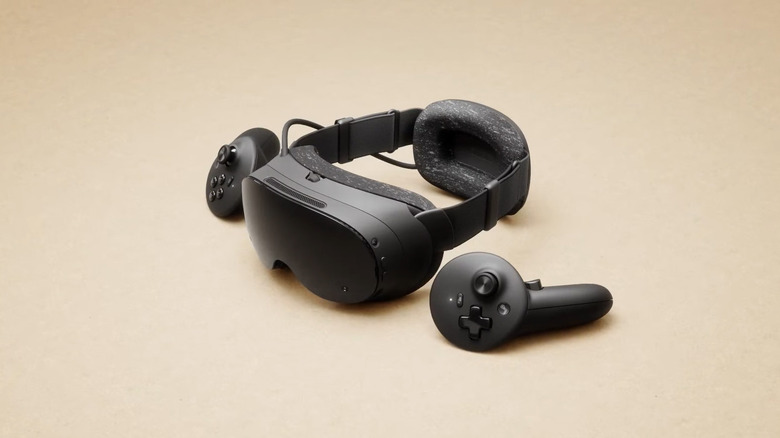
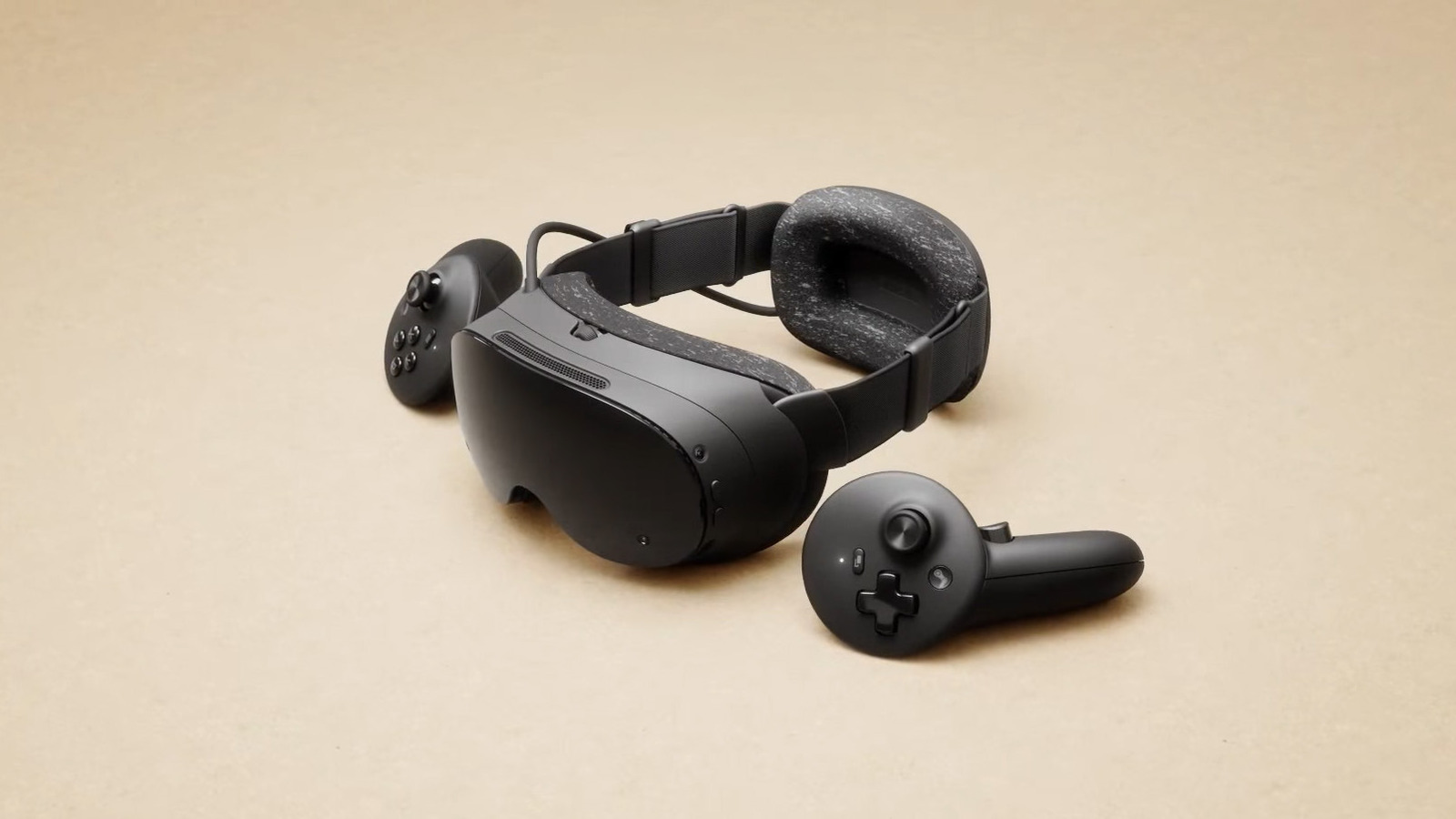
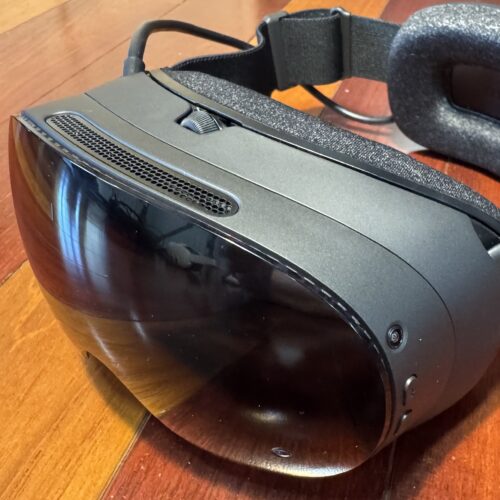
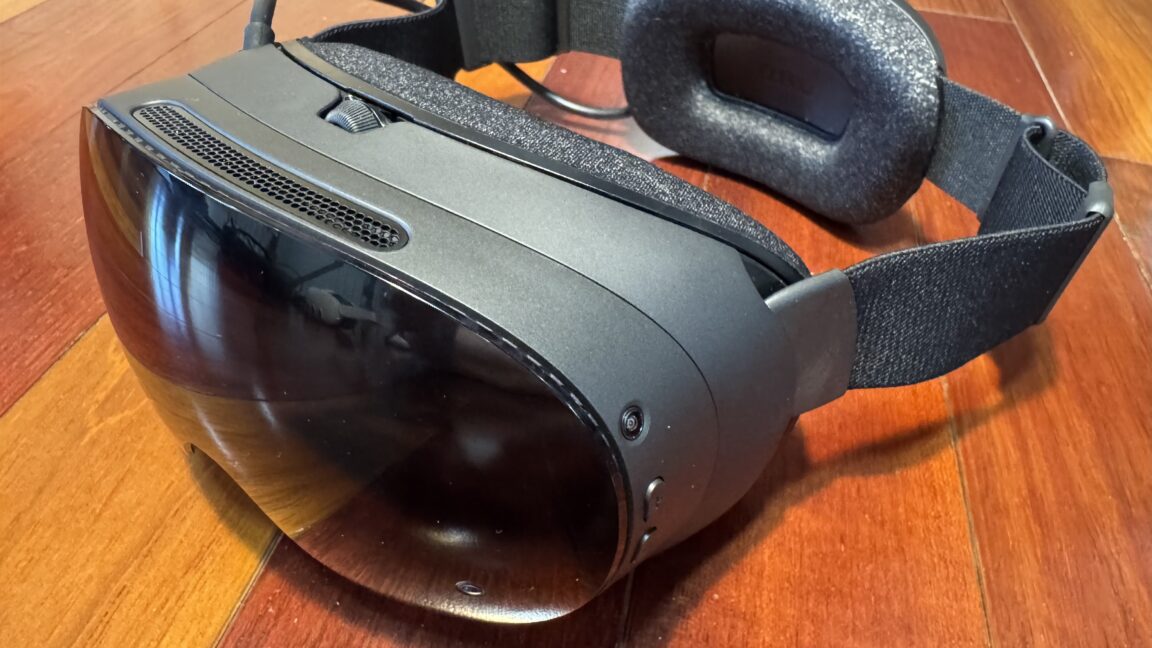
Those years of Valve’s benign neglect of VR make the imminent release of the $1,059 Steam Frame—which starts taking reservations today—more than a little surprising. Now that virtual reality’s hype-fueled, revolutionary promises have decidedly not played out, Valve is somehow ready and willing to limp headfirst into the world of standalone VR headsets—today, in 2026. And after spending a week or so with Valve’s latest foray into gaming hardware, the Frame somehow feels simultaneously overengineered and underbaked, depending on how you look at it.
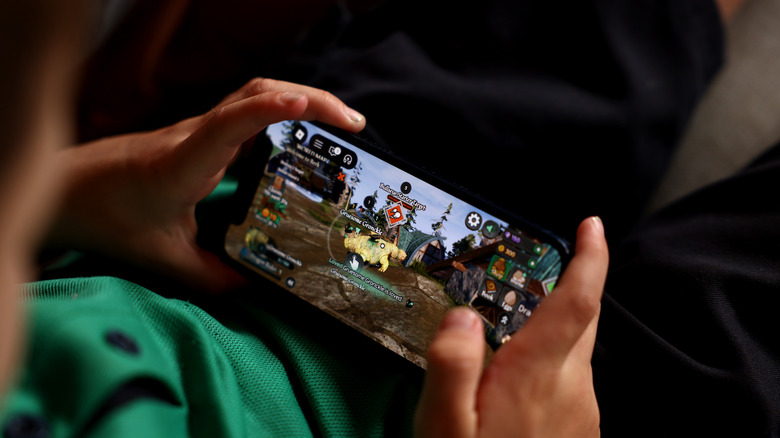
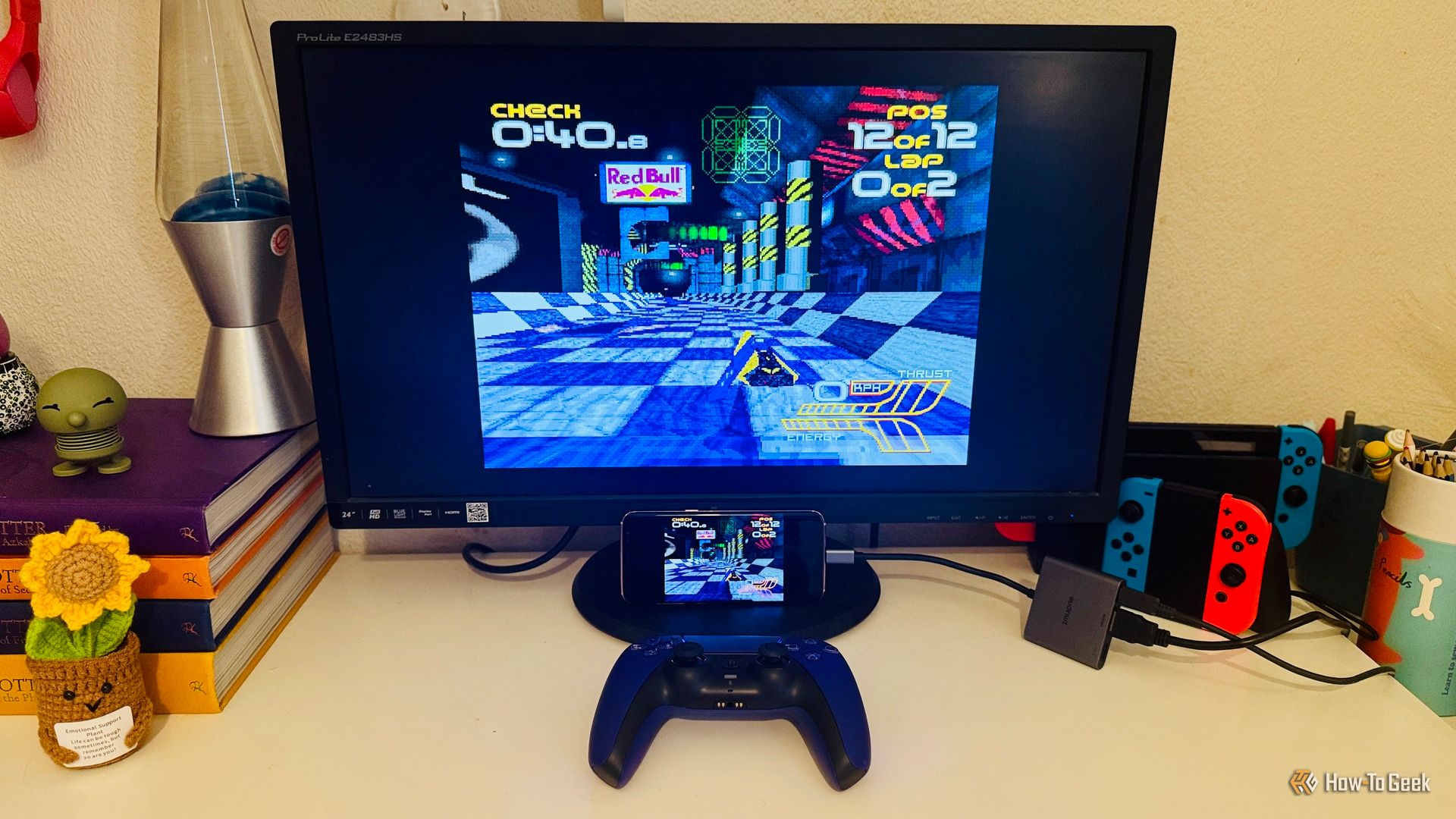
A colleague recently went to see The Prodigy live, and it made me nostalgic about my old PlayStation. Wipeout 2097 was one of the first games I owned for the console, and the song Firestarter still makes me think of the futuristic racing game. I really want to play it again, but instead of setting up RetroPie on a Raspberry Pi, I used an old phone.

 Login
Login