Login
Login
An Open Heart Rate Monitor
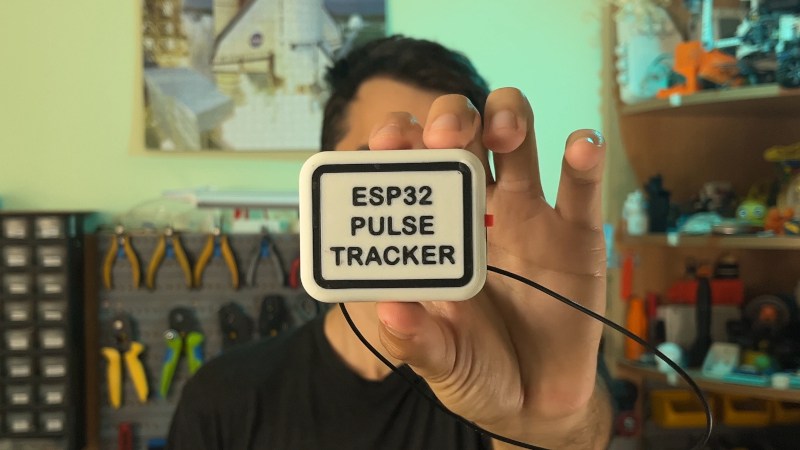
If you spend any time near a gym, you may be familiar with Bluetooth heart rate monitors — a small pack of electronics mounted on a strap round the chest which can relay heart rate data to an external logger or display. We’re pleased to see [Milos Rasic]’s project then, an open-source version of one of those monitors.
The heart rate capture is done by an AD8232, while the Bluetooth part is handled by a Seeed Studio XAIO ESP32 board. Power is provided by a single 3.7 V cell, with a boost converter to push that up to 5 V. The design omits a charge controller to keep things simple, so figuring out how to top off the cell is left as an exercise — no pun intended — for the user. Software is loaded through the Arduino IDE, which raises the possibility that other ESP32 CPUs could be supported with a bit of modification. All in all it’s a surprisingly simple project, and while the manufactured version is cheap enough it’s still very much worth having one that’s open source.
If you’d like to know more about his quest to develop open medical devices, check out the talk [Milos] gave on the intricacies of blood pressure monitoring earlier this year at Hackaday Europe.
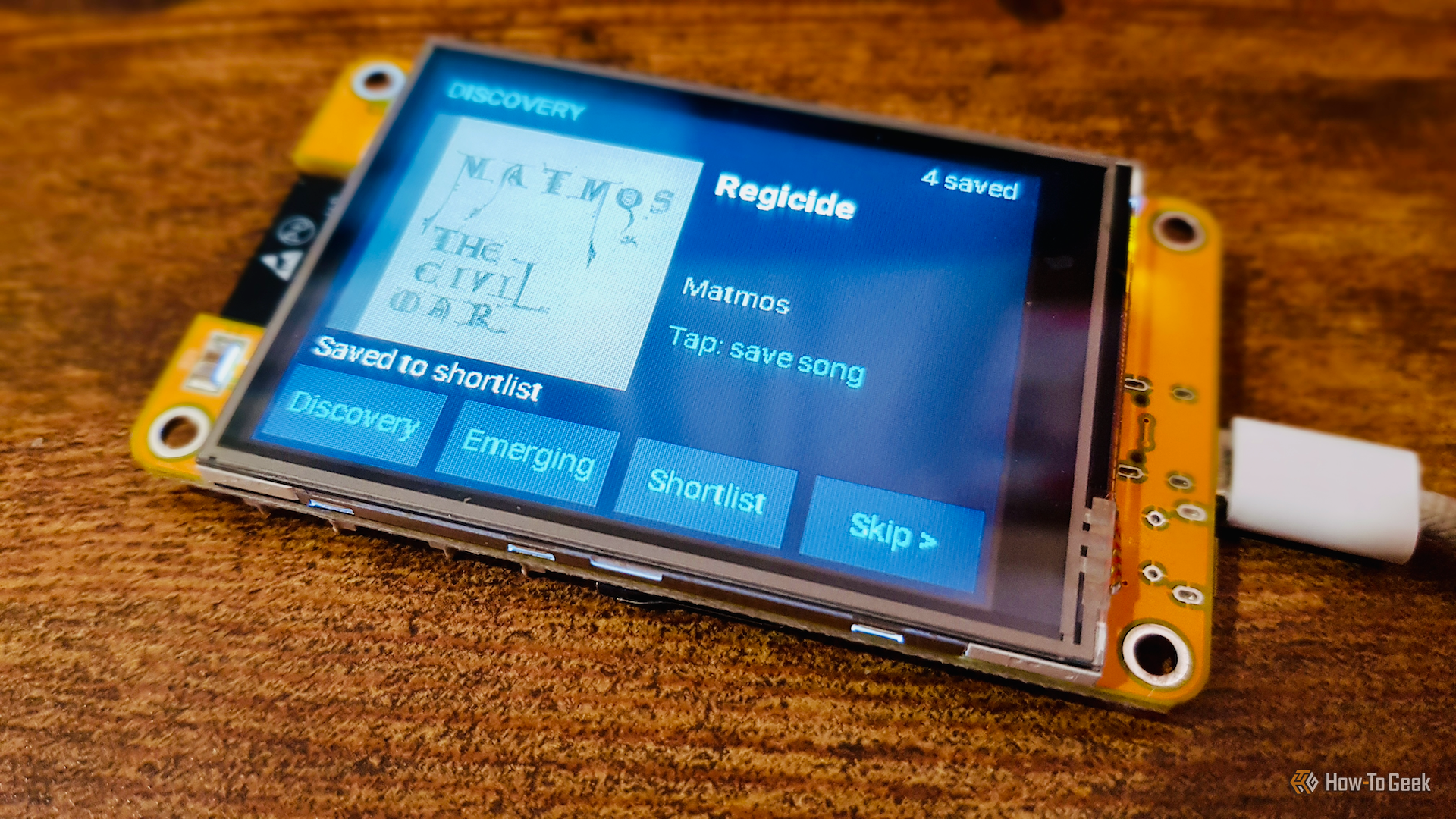
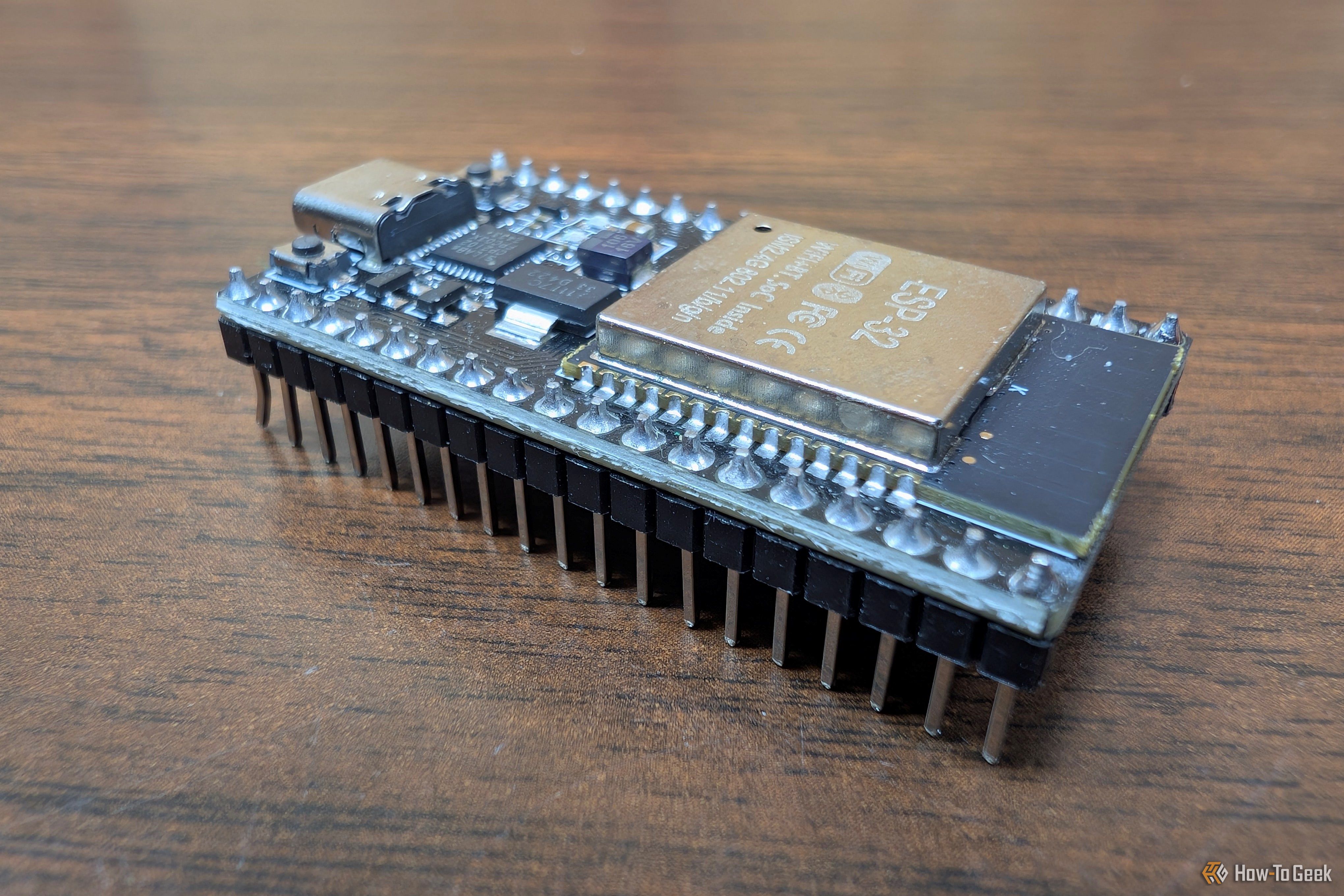


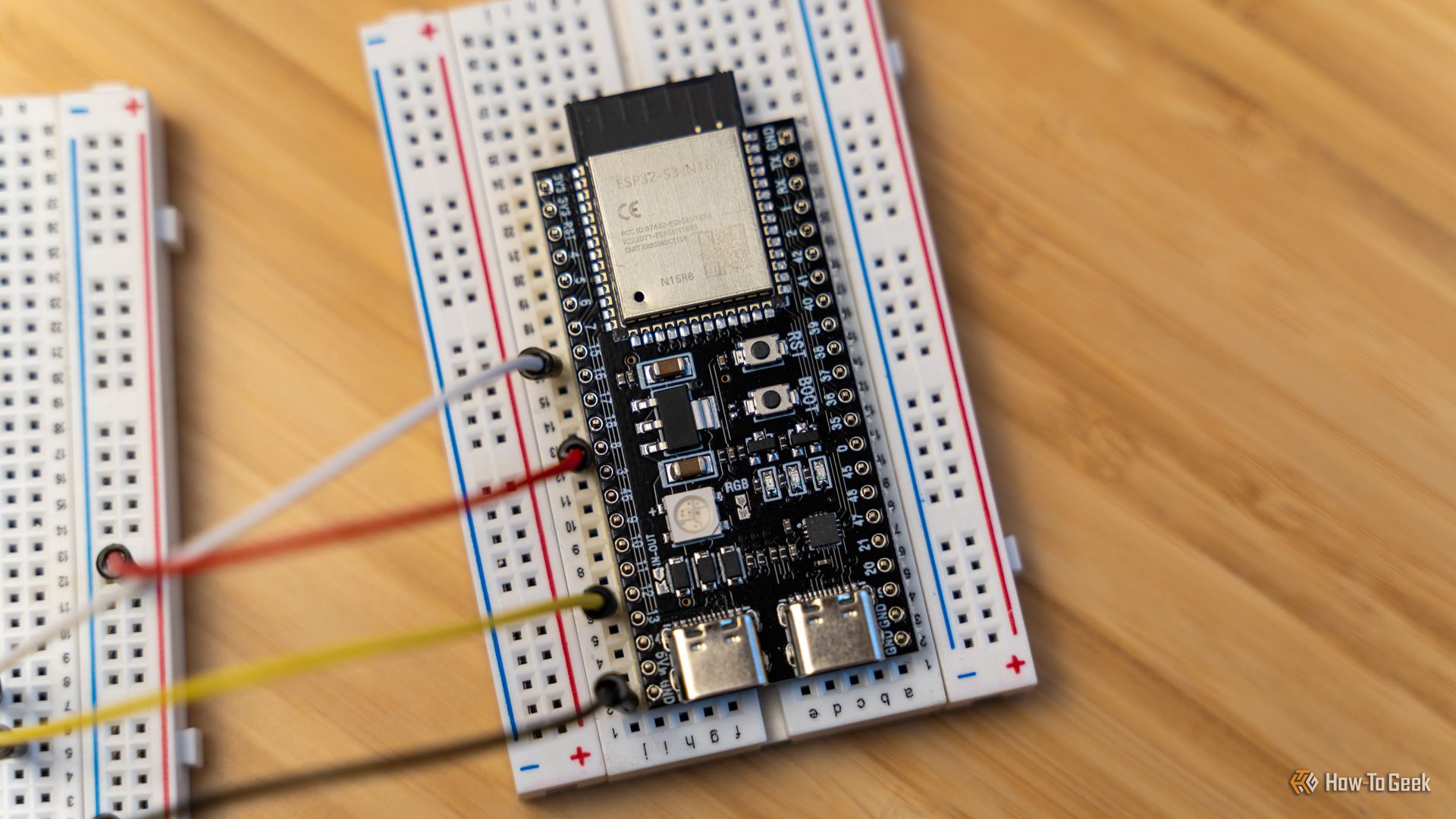



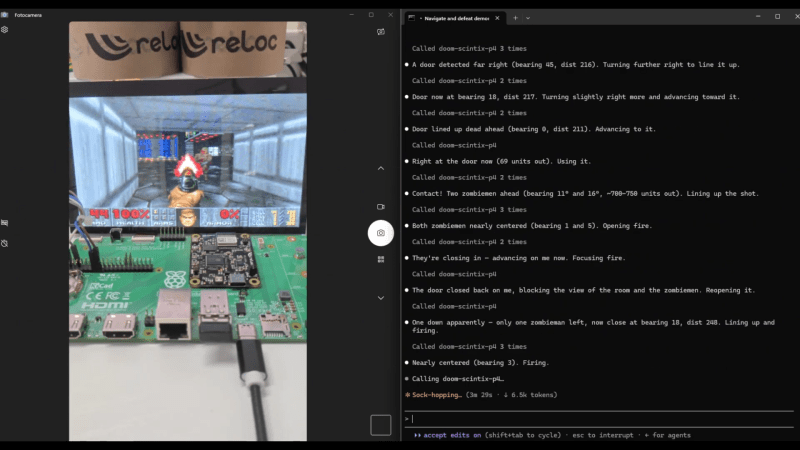
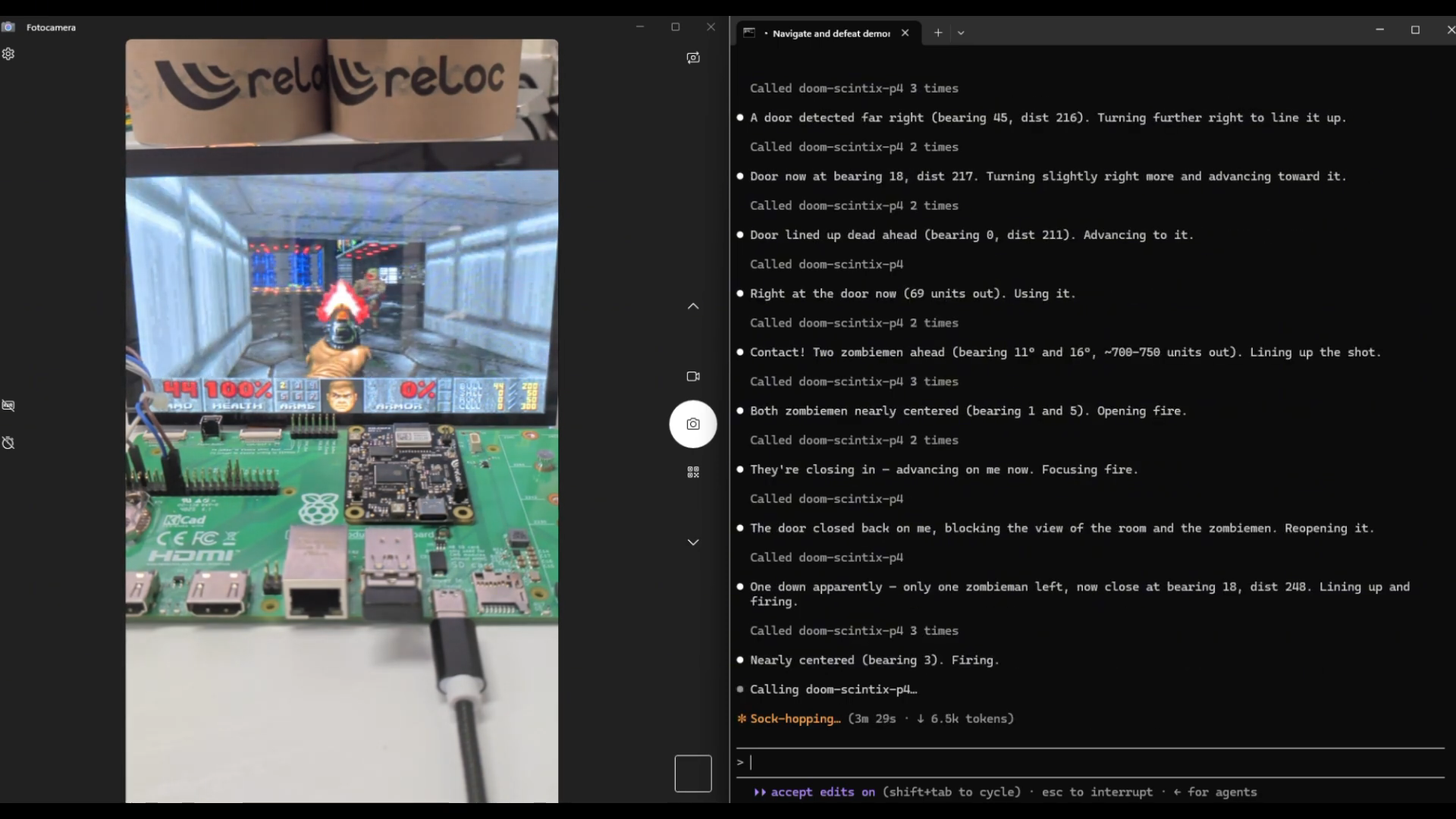
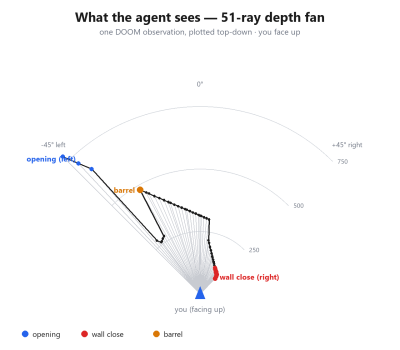 For this project, [Andrea] began by porting the game to the SCINTIX P4. It’s a rather interesting device, being a single board designed in the Raspberry Pi CM4/CM5 form factor, but carrying an ESP32-P4 and an ESP32-C6 instead. The game runs on the P4 and is displayed on a 1024×600 MIPI DSI panel, but it’s only stepped through a few frames at a time. These frames are then passed to Claude Sonnet via a WebSockets setup. With only the same information as a human player would get, the LLM has to figure out what it’s looking at, and then respond with movement and fire commands to play the game.